2027 Remote Work Report for Aerospace Engineering Graduates: Flexible Roles, Pay, and Hiring Trends

Co-Founder and Chief Data Scientist
Many Aerospace Engineering graduates find navigating the remote job market confusing, especially as traditional roles often involve hands-on or lab-based work. Remote positions require a blend of technical skills and self-management rarely covered in typical programs. Recent data shows that only 12% of Aerospace Engineering roles in the US offer fully remote work, signaling a highly selective market.
This low availability impacts salary expectations and hiring patterns, with employers favoring candidates who demonstrate adaptability and remote collaboration skills. This article breaks down flexible job types, real pay ranges, and hiring trends to help graduates make strategic decisions about pursuing remote careers in Aerospace Engineering.
Key Points About Working Remotely for Aerospace Engineering Graduates
- Aerospace Engineering remote roles average $110,000 annually, reflecting demand for design, analysis, and testing expertise adaptable to remote environments. This salary level signals competitive compensation for select specialized tasks feasible outside traditional labs.
- Remote jobs focus on CAD modeling, systems analysis, and aerospace software development, while hands-on assembly or testing rarely supports full remote work. Graduates should target these digital and management roles for viable remote opportunities.
- Graduates from online programs must develop advanced simulation, software skills, and remote collaboration experience to meet employer expectations. Hiring timelines favor candidates demonstrating immediate productivity in remote project environments, affecting job market readiness.
- Are there remote work opportunities in the Aerospace Engineering industry? Remote Opportunities
- Which Aerospace Engineering niches offer remote roles? Which Aerospace Engineering niches offer remote roles?
- What entry-level Aerospace Engineering roles allow remote work? Entry-Level Roles
- What is the average salary of Aerospace Engineering graduates who are working remotely? Average Salary
- Do remote Aerospace Engineering jobs pay the same as on-site roles? Pay Comparison
- What benefits do remote Aerospace Engineering employees receive? What benefits do remote Aerospace Engineering employees receive?
- Where can Aerospace Engineering graduates look for remote jobs? Where to Find Jobs
- What do Aerospace Engineering employers look for in candidates? What do Aerospace Engineering employers look for in candidates?
- How can Aerospace Engineering graduates prepare for remote roles? Preparing for Remote Roles
- How can Aerospace Engineering graduates if remote roles are a good fit for them? How can Aerospace Engineering graduates if remote roles are a good fit for them?
Are there remote work opportunities in the Aerospace Engineering industry?
Remote work roles in Aerospace Engineering remain limited, with only about 12% of entry-level positions offering full remote options and roughly 68% operating as hybrid. This trend illustrates the industry's dependence on hands-on tasks in labs and testing facilities. According to recent workforce data, 58% of aerospace companies require engineers to be on-site at least three days weekly, underscoring a strong preference for in-person collaboration during product development.
The availability of remote or hybrid positions often varies depending on regional labor laws and company workflows. For example, organizations in technology-forward regions may adopt more flexible models, especially in software-heavy divisions, while others maintain strict on-site mandates tied to physical prototyping and system integration.
New graduates targeting remote Aerospace Engineering roles will typically find opportunities in data analysis, systems engineering, or research groups that leverage virtual workflows. However, these niches remain small and specialized, requiring adaptability to less conventional aerospace career paths and recognition of tradeoffs between flexibility and hands-on experience.
Understanding these dynamics is crucial for aligning career expectations with realistic workforce conditions. It helps graduates gauge how remote work adoption impacts their employability and long-term progression within the Aerospace Engineering field.
Which Aerospace Engineering niches offer remote roles?
Remote roles in Aerospace Engineering focus primarily on disciplines with digital or software-heavy workflows. Practical manufacturing or testing tasks still demand on-site presence, narrowing flexible remote opportunities to specialties centered on simulation, programming, and systems integration.
For example, a recent surge in remote satellite engineering positions highlights how globally distributed teams can effectively collaborate on complex aerospace projects from disparate locations. Below are key Aerospace Engineering niches offering remote roles based on their adaptable workflows and digital nature:
- Avionics Systems Development: This specialty focuses on aircraft software and control systems. Its reliance on coding and virtual testing makes collaboration and development feasible from remote environments using shared digital tools.
- Computational Fluid Dynamics (CFD) Specialists: CFD professionals utilize simulation software to assess aerodynamic performance. Their work largely depends on high-powered computing, which can be cloud-based or desktop, allowing off-site analyses without direct lab involvement.
- Satellite and Space Systems Engineering: Entailing design and integration of space mission components, this niche supports remote work through international coordination and software-driven system integration. This segment recently experienced a 22.5% rise in remote job openings, reflecting demand for commercial satellite networks.
- Aerospace Structural Analysis: Focused on modeling structural integrity with finite element methods, this niche benefits from digital workflows minimizing physical lab time. The nature of modeling suits asynchronous, remote collaboration effectively.
- Flight Software Engineering: Developing embedded aircraft control systems requires iterative programming and testing mostly conducted in virtual environments, aligning naturally with remote work setups.
- Systems Engineering: These roles demand integrating multidisciplinary aerospace components through digital documentation, simulation, and virtual meetings, making remote work viable and common.
Graduates targeting remote Aerospace Engineering design jobs must prioritize skills applicable to these digital and systems-oriented subfields. Evaluating personal competencies against employer expectations in software and simulation tools is critical. Those interested in flexible roles should also consider certifications online that enhance remote employability in aerospace technology sectors.
What entry-level Aerospace Engineering roles allow remote work?
Entry-level Aerospace Engineering remote job opportunities primarily revolve around roles that leverage digital collaboration and modeling technologies, allowing junior engineers to contribute without constant on-site presence. For example, a recent hire as a Systems Integration Engineer might coordinate subsystem connections entirely through cloud platforms, managing design reviews and issue tracking from home.
Below is a list of common entry-level remote roles, outlining their key requirements and how their functions adapt well to remote work.
- Systems Integration Engineer: Requires familiarity with project modeling tools like CATIA and MATLAB. This role focuses on combining aerospace subsystems into a cohesive product using digital design reviews and defect tracking, enabling effective remote interaction.
- Aerospace Design Engineer: Entry-level applicants must be skilled in 3D CAD software and simulation platforms such as Simulink. They develop digital 3D models and detailed performance simulations, producing schematics teams and suppliers can access remotely.
- Simulation Engineer: Involves creating and analyzing flight dynamics models through extensive use of computational programs. Junior engineers need strong software proficiency and can perform simulations and data evaluation anywhere with adequate computing resources.
- Flight Test Analyst: Requires knowledge in telemetry data systems and cloud-based analytics tools. This role focuses on interpreting test data and generating detailed reports that support remote decision-making processes.
- Avionics Software Developer: Applicants should understand embedded systems coding and software version control such as Git. These developers write and debug code remotely, collaborating via continuous integration pipelines.
- Technical Documentation Specialist: Needs expertise in content management systems to produce manuals and compliance documents. This documentation role is well-suited to distributed teams and remote workflows.
Recent data shows a 17.8% increase in remote or hybrid job postings for junior aerospace roles reflecting rising employer confidence in remote work adaptability for these professions. However, graduates must weigh the tradeoffs, as hands-on tasks like lab work or physical prototyping remain on-site, influencing career development choices.
For those balancing location needs, exploring diverse educational paths may help. For instance, considering marriage and family therapy online programs could provide alternative remote study models that support varied career trajectories beyond traditional aerospace roles.
What is the average salary of Aerospace Engineering graduates who are working remotely?
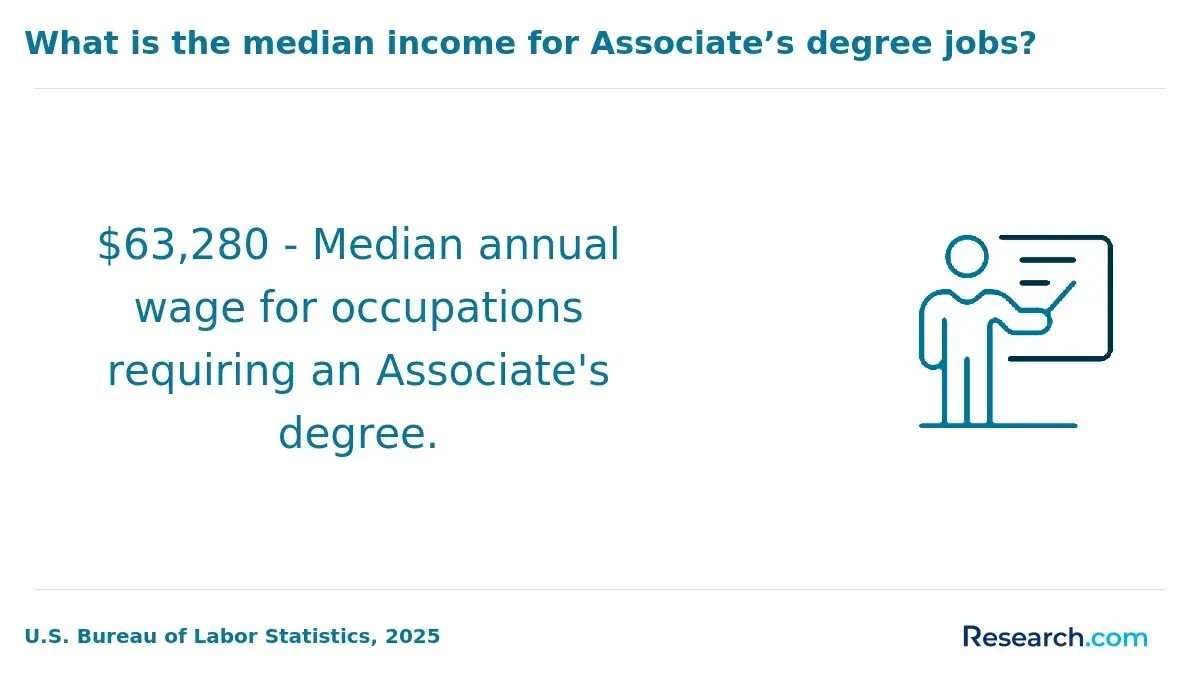
The average remote salary for Aerospace Engineering graduates typically starts between $63,500 and $75,000 annually. Entry-level pay aligns closely with expectations for junior roles but tends to be about 5% lower than on-site positions. This salary difference reflects the reduced need for hands-on work and varied geographic cost factors.
Salary variation depends heavily on additional technical skills or certifications. About 15% of remote hires surpass $80,000, often those with advanced simulation or specialized expertise. These premiums underline the value employers place on qualifications that compensate for the lack of physical presence in aerospace projects.
Compared to related sectors, such as Mechanical or Electrical Engineering, remote Aerospace Engineering roles hold a competitive stance. Entry-level remote salaries in these fields generally cluster near $60,000 to $70,000, suggesting a consistent benchmark across engineering disciplines for flexible work arrangements.
Graduates weighing the remote job pay scale for Aerospace Engineering degree holders should consider long-term growth alongside initial compensation. The remote path may offer slower salary increases but benefits from expanding skill sets and domain expertise. For those interested, pursuing an online master's in communication can enhance remote collaboration capabilities critical for aerospace employers.
Do remote Aerospace Engineering jobs pay the same as on-site roles?
Remote Aerospace Engineering roles typically pay 5% to 12% less than equivalent on-site positions due to geographic pay differentiation. This gap reflects employer strategies to align salaries with local living costs rather than national averages. For example, a remote engineer living in a lower-cost state might accept a lower base salary than a peer working on-site in a high-cost city like Seattle.
Compensation structures often include trade-offs beyond base pay. Remote workers may receive smaller travel stipends but gain modest home-office allowances, softening total income differences. A broad workforce study found 43% of aerospace firms using location-based pay prioritize total compensation balance instead of strict salary parity, which signals practical cost management over equal wages.
Variations in pay policies stem from employers' remote work frameworks. Some firms maintain flat national rates, while others tier salaries by region, affecting how remote aerospace engineers negotiate offers. Understanding these nuances is critical for graduates weighing flexibility against pay reductions.
Graduates must evaluate the full package, considering perks and growth potential alongside headline salary. Remote roles often promise flexibility that offsets initial pay cuts. This contextual approach better informs decisions than salary figures alone.
What benefits do remote Aerospace Engineering employees receive?
Remote Aerospace Engineering roles offer benefits that reflect both industry necessities and the complexities of off-site work. For example, when an engineer designs propulsion systems using advanced simulation tools from home, productivity hinges on reliable remote support and equipment investments. Companies understand this and provide targeted packages that boost operational effectiveness and employee satisfaction.
Recent findings show decentralized firms dedicate an average of 7.5% of compensation budgets to remote-specific benefits, signaling a strategic commitment to retaining skilled engineers who face unique work conditions. Below are key benefit categories shaping the remote Aerospace Engineering employee experience.
- Home Office Stipends: Companies allocate funds for high-quality equipment and ergonomic setups that accommodate sophisticated CAD software. This ensures engineers maintain precision and efficiency without compromising health or comfort in nontraditional workspaces.
- Healthcare and Retirement Plans: Standard industry offerings cover comprehensive medical needs and financial security, critical given the cognitive demands and long career trajectories typical in Aerospace Engineering.
- Certification and Training Support: Employers sponsor technical certifications and ongoing education to keep skills current in rapidly evolving aerospace technologies and regulatory environments.
- Flexible Paid Time Off: Enhanced leave policies beyond legal minima help engineers manage periods of intense project deadlines while balancing personal commitments outside the office.
One remote Aerospace Engineer described how the home office stipend directly influenced their decision to accept a fully remote role: "Initially, I worried my setup wouldn't match the on-site labs, but the equipment budget let me customize a workstation for simulation software that my projects demand. That support made the difference between struggling and contributing fully without constant tech interruptions."
This experience highlights how tailored benefits are crucial in supporting advanced engineering tasks remotely while promoting job stability and focus.
Where can Aerospace Engineering graduates look for remote jobs?
Remote Aerospace Engineering jobs remain limited by the field's inherent need for hands-on technical work, yet the emergence of specialized digital platforms is reshaping access to flexible roles. For example, a recent graduate focusing on simulation models might secure remote contract work through targeted networks rather than broad job boards. This tactic avoids the low sub-9% success rates typical on generic sites and amplifies connections to employers valuing remote technical contributions.
Below are primary channels where Aerospace Engineering graduates can find legitimate remote opportunities.
- Indeed and LinkedIn: These large generalist job sites dominate the volume of listings and include advanced filters for remote roles and entry-level positions. Their algorithm-driven matching and frequent updates create steady exposure, though competition is high and applications must be carefully tailored.
- AngelList: This niche platform targets startups in aerospace and defense sectors. Its focus on innovative companies makes it effective for graduates interested in early-stage technology work with flexible remote setups, using direct founder and recruiter access to minimize generic candidate pools.
- American Institute of Aeronautics and Astronautics (AIAA): A professional network offering exclusive remote internships and contract roles rarely advertised elsewhere. Leveraging AIAA membership can provide curated leads aligned with aerospace-specific skills and project-based hiring.
- Glassdoor: Beyond listings, Glassdoor provides employer ratings and interview insights critical for remote job seekers who cannot visit firms. This transparency helps candidates prioritize companies with remote-friendly cultures and realistic expectations.
- Online communities and groups: Platforms like Reddit's r/aerospaceengineering and specialized LinkedIn groups serve as informal channels for hidden opportunities discovered through peer recommendations and recruiter outreach. These networks require active participation but reward those who engage.
What do Aerospace Engineering employers look for in candidates?
Employers seeking remote Aerospace Engineering graduates prioritize technical fluency and adaptive communication skills to ensure effective collaboration across dispersed teams. For example, a candidate working on a multi-site aerospace subsystem design must navigate complex CAD models remotely while providing clear updates via digital platforms. The specific qualifications below highlight how recruiters evaluate expertise and readiness in remote roles.
- Advanced CAD and Simulation Tools: Proficiency in software such as CATIA, SolidWorks, MATLAB, and ANSYS is essential for virtual collaboration on aerospace components. Candidates are assessed on their ability to produce precise designs and perform remote simulations, which are critical to reducing iterative testing delays in distributed projects.
- Programming and Automation Skills: Knowledge in Python and MATLAB supports automation and efficient data analysis. These skills enable remote engineers to develop scripts that streamline repetitive tasks and improve decision-making based on data-driven insights, a requirement increasingly valued in hiring processes.
- Systems Engineering Certifications: Credentials like Lean Six Sigma and AS9100 demonstrate understanding of quality assurance and systems integration. Employers use these certificates to identify candidates capable of managing complex aerospace networks and ensuring compliance with rigorous standards in digital workflows.
- Remote Communication and Project Management: Ability to proficiently use digital collaboration platforms and version control systems is a top screening criterion. Recent industry surveys found that 62% of aerospace firms hiring remotely rate these skills as critical for coordinating asynchronous workflows and maintaining documentation integrity.
Remote Aerospace Engineering candidate skills also extend into portfolio evaluation, where demonstrated multi-disciplinary project experience and systems integration expertise help graduates stand out.
Remote roles demand a combination of technical depth and digital agility, making practical exposure as important as formal qualifications. Graduates considering accelerated paths might compare such criteria with their own progress, or explore options like a degree in human services for complementary skills in remote team dynamics relevant to flexible aerospace careers.
How can Aerospace Engineering graduates prepare for remote roles?
Securing remote roles demands Aerospace Engineering graduates blend specialized technical expertise with proven digital collaboration skills. A real-world scenario involves designing drone components independently while coordinating with a distributed team through cloud platforms.
Such tasks require mastery of both core engineering principles and remote project management tools. The following strategies provide actionable steps for effective remote job preparation strategies for Aerospace Engineering graduates.
- Technical Software Proficiency: Develop advanced skills in industry-standard simulation tools like MATLAB, ANSYS, or CATIA. This involves hands-on experience through courses or self-driven projects, enabling accurate remote analysis and design tasks that replicate on-site engineering rigor.
- Certification and Specialized Training: Obtain certifications in programming languages like Python and systems engineering, supplemented by bootcamps in digital twins and aerospace IoT. These credentials demonstrate adaptability and address skill gaps critical for remote Aerospace Engineering careers in aerospace.
- Remote Workspace Setup: Establish a reliable home office with dual monitors, secure VPN access, and cloud-based project management tools. This infrastructural readiness supports effective communication and seamless integration into virtual teams, reflecting employer expectations for off-site workflows.
- Portfolio Development with Practical Projects: Build independent engineering projects such as aerodynamic simulations or open-source aerospace contributions. Showcasing these efforts evidences self-motivation and technical adaptability essential for remote work environments.
- Remote Communication Training: Engage in remote-readiness programs focused on digital collaboration norms. Such training, linked to a 28.6% increase in interview-to-offer conversion, enhances fluency in virtual teamwork critical for aerospace roles traditionally based on-site.
Balancing rigorous aerospace knowledge with these skills increases competitiveness. Leveraging targeted upskilling similarly positions graduates to navigate evolving hiring trends and flexible roles, ensuring sustainable career progression. For structured academic pathways that support such transitions, exploring MBA programs that accept transfer credits can provide added strategic advantage.
How can Aerospace Engineering graduates if remote roles are a good fit for them?
Remote work suits Aerospace Engineering graduates who realistically assess their technical needs, communication style, and personal discipline against the constraints of distributed projects. For example, an early-career engineer specialized in simulation software may thrive remotely, while one needing hands-on testing access might struggle. To make this judgment, graduates should apply the following criteria to measure alignment with remote roles.
- Access to Specialized Equipment: Many aerospace tasks demand physical hardware or laboratory facilities. Graduates should evaluate if their role involves direct interaction with such tools or if it focuses on digital simulation and design, which are more adaptable to remote work.
- Communication and Coordination Skills: Remote aerospace teams rely heavily on asynchronous communication and proactive problem-solving due to complex compliance and safety standards. Assessing comfort with digital collaboration platforms and independent issue resolution is essential for sustained success.
- Work Style and Home Environment: Effective remote engineers maintain disciplined time management and minimize distractions. Graduates must honestly reflect on their ability to separate work from personal life and sustain motivation outside traditional office settings.
- Subfield Suitability: Fields like systems engineering, project management, and software development are better suited for remote work than areas requiring physical manufacturing or flight testing. Understanding this helps set realistic expectations on role availability and growth potential.
- Networking and Mentorship Availability: Remote roles limit spontaneous interactions critical for career development. Graduates should proactively seek virtual mentorship opportunities and professional networks to compensate.
- Impact of Higher Turnover Rates: Industry data shows Aerospace Engineering remote roles face 23% higher turnover, often from isolation and coordination challenges. Awareness of this trend aids in preparing coping strategies and evaluating personal resilience.
- Compensation Trade-offs: Remote positions may offer slightly lower pay than on-site roles but often come with savings on commuting and flexible scheduling. Graduates should weigh these financial factors in their overall job satisfaction analysis.
One Aerospace Engineering graduate shared that initially hesitant about remote roles due to the lack of lab access, they discovered their strength in software modeling aligned well with virtual collaboration. After trialing a remote internship, the engineer realized that disciplined daily routines and regular video meetings helped counter isolation.
They emphasized, "The biggest test was learning to set boundaries and stay engaged without face-to-face cues, but once I adapted, remote work became not only feasible but preferable given my lifestyle."
This real-world adjustment highlights the necessity of matching one's technical specialization and work habits to the unique demands of aerospace remote employment.
References
- Aerospace Engineering Admission Process https://www.aerospacecet.com/course/aerospace-engineering-admission-process
- Learn aerospace engineering | edX https://www.edx.org/learn/aerospace-engineering
- Best Online Aerospace Programs: The Ultimate Resource Guide - Hex-Star Universe https://hexstaruniverse.com/best-online-aerospace-programs-the-ultimate-resource-guide/
- Engaging Aerospace Students Using Interactive Web-Based Techniques https://www.scirp.org/journal/paperinformation
- Online Aerospace Engineering courses https://www.findcourses.co.uk/search/aerospace-engineering
- Top 7 Online Aerospace Engineering Degrees | NEWENGINEER https://newengineer.com/advice/top-7-online-aerospace-engineering-degrees-1413451
- Aerospace Engineer Career: Test Your Compatibility https://www.careerhunter.io/careers/aerospace-engineer
- How to Stand Out in the Competitive Aerospace Engineering Job Market | EuroEngineerJobs https://www.euroengineerjobs.com/article/835/how-to-stand-out-in-the-competitive-aerospace-engineering-job-market
- Accessibility Features https://www.mituniversity.ac.in/blog/top-7-advantages-of-pursuing-aerospace-engineering-degree-introduction-what-is-aerospace-engineering-all-about-
- Aerospace Engineering Degrees: How Do Students Rate Them? | Student Reviews & University Rankings EDUopinions https://www.eduopinions.com/blog/what-to-study/aerospace-engineering-degrees-how-do-students-rate-them/
Other Things You Should Know About Aerospace Engineering
In remote Aerospace Engineering roles, communication skills are often more critical than in on-site positions because team collaboration depends heavily on clear, concise, and frequent virtual interaction. Misunderstandings can easily delay projects due to the lack of immediate face-to-face feedback. Graduates should prioritize developing proficiency with digital communication tools and a habit of over-communicating project updates to align expectations and maintain productivity.
Yes, graduates are better positioned for success if they seek remote employers with formal onboarding and mentorship for Aerospace Engineering roles. Since hands-on guidance and direct supervision are limited remotely, structured support mitigates knowledge gaps and eases adjustment to company-specific workflows. Choosing organizations with clear remote training frameworks leads to faster skill acquisition and can improve long-term career development despite the physical distance from peers.
Remote Aerospace Engineering positions often come with less visible workload boundaries, leading some employers to expect longer or more irregular hours. Graduates should assess whether job descriptions and hiring managers clarify expectations around availability and deadlines. Prioritizing roles with explicit policies on work hours or flexible schedules helps avoid burnout and ensures work-life balance remains manageable in a remote setting.
While early remote experience can develop valuable self-management and technical communication skills, Aerospace Engineering graduates typically benefit more from an initial period of on-site training to build foundational hands-on expertise. Early exposure to physical prototyping, lab work, and team dynamics on-site provides insights that remote work alone might not offer.
Therefore, prioritizing at least one to two years of on-site engagement before transitioning fully remote tends to maximize employability and career progression in this field.