2027 Aerospace Engineering Degree Popularity by Gender, Region, and Degree Level

Co-Founder and Chief Data Scientist
A student comparing aerospace engineering programs across states in 2024 may notice stark differences in gender ratios and degree offerings. For example, while female enrollment reached nearly 22% nationally, some regions report less than 10%, signaling uneven accessibility and representation. This disparity affects peer networks, mentorship availability, and employer expectations within local aerospace hubs. Additionally, regional demand shapes whether institutions emphasize bachelor's, master's, or doctoral degrees, influencing how graduates fit into the workforce.
These patterns complicate how prospective students assess program quality and labor market relevance amid shifting demographic and economic conditions. This article will examine aerospace engineering degree popularity by gender, region, and degree level to clarify these dynamics and support informed educational and career decisions.
Key Things to Know About Aerospace Engineering Degree Popularity by Gender, Region, and Degree Level
- Women represent only about 18% of aerospace engineering undergraduates as of 2024, indicating persistent gender disparities that challenge industry diversity initiatives and require targeted recruitment efforts to foster balanced work environments.
- Enrollment concentration in the U.S. and Western Europe-accounting for over 70% of global aerospace engineering degrees-reflects advanced aerospace industries, suggesting limited regional degree access restricts global talent pipelines and innovation diversity.
- Graduate degree enrollment growth outpaces undergraduate, highlighting employer preference for specialized skills but increasing time and financial commitments that may deter candidates prioritizing quicker labor market entry.
- Key Things to Know About Aerospace Engineering Degree Popularity by Gender, Region, and Degree Level Key Things to Know About Aerospace Engineering Degree Popularity by Gender, Region, and Degree Level
- How Does Job Market Demand Influence Aerospace Engineering Degree Popularity? Market Demand and Degree Popularity
- How Does Online Aerospace Engineering Degree Enrollment Compare to Traditional Campus Programs? Online vs. Campus Enrollment
- What Degree Level Is Most Common Among Aerospace Engineering Students? Most Common Degree Levels
- How Do Enrollment Trends Differ Between Associate, Bachelor's, Master's, and Doctoral Aerospace Engineering Degrees? Enrollment Trends by Degree Level
- How Popular Is the Aerospace Engineering Degree Compared to Other College Majors? Degree Popularity vs. Other Majors
- Why Is the Aerospace Engineering Degree More Popular in Certain States and Regions? Regional Popularity Drivers
- What Demographic Groups Are Driving Growth in Aerospace Engineering Degree Programs? Growth by Demographic Groups
- What Is the Future Outlook for Aerospace Engineering Degree Enrollment by Gender, Region, and Degree Level? What Is the Future Outlook for Aerospace Engineering Degree Enrollment by Gender, Region, and Degree Level?
- How Have Aerospace Engineering Degree Enrollment Trends Changed Over the Past Decade? How Have Aerospace Engineering Degree Enrollment Trends Changed Over the Past Decade?
- Where Is the Aerospace Engineering Degree Most Popular Across the United States? Geographic Popularity Analysis
How Does Job Market Demand Influence Aerospace Engineering Degree Popularity?
Employer demand for specialized skills in aerospace engineering increasingly shapes degree popularity across different regions and levels of study. For instance, states with concentrated aerospace industries like California and Washington show higher enrollment rates, as students respond to the localized availability of jobs requiring expertise in advanced materials or unmanned aerial systems.
This geographic clustering often results in uneven enrollment patterns nationally, reflecting regional labor market trends impacting aerospace engineering degree popularity rather than a uniform surge in interest. At the graduate level, the push toward emerging technologies compels some prospective students to pursue advanced degrees, aiming to meet evolving employer expectations that emphasize software integration and niche competencies.
Gender disparities also intersect significantly with job market signals, as persistent underrepresentation of women in aerospace engineering persists despite stable or growing demand. The National Science Foundation's recent data underscores this persistent gap, suggesting that labor market demand alone does not fully drive enrollment across gender groups. Barriers such as cultural perceptions and access to STEM are critical factors that influence degree popularity, especially among women and underrepresented minorities.
For students weighing degree options, understanding these dynamics alongside employment prospects offers a clearer picture than job market demand in isolation, particularly given that enrollment growth may lag behind actual aerospace engineering job openings due to program capacity constraints and uneven regional industry presence.
Making informed enrollment decisions also means recognizing how specialized credentials impact long-term career relevance. Emerging aerospace roles increasingly require graduate-level qualifications or targeted skills that undergraduate programs may not cover comprehensively. Students interested in these pathways might explore options including graduate concentrations or even fields tangentially related to Aerospace Engineering, such as fields highlighted in BCBA programs, to enhance their employability in competitive regional markets.
In this context, labor market demand interacts with educational pathways, geographic economic conditions, and demographic factors to produce complex enrollment trends better understood through a multifaceted analysis than simple job availability statistics.
How Does Online Aerospace Engineering Degree Enrollment Compare to Traditional Campus Programs?
Enrollment in online aerospace engineering programs remains a fraction of traditional campus attendance, largely due to the discipline's demand for hands-on labs and collaborative projects. Data from the National Center for Education Statistics in 2024 shows fewer than 10% of aerospace engineering undergraduates enroll exclusively online, while over 85% choose face-to-face campus options. This split reflects the challenges of replicating practical experiences remotely and explains why older, part-time, and non-traditional learners-often balancing work and family-are the primary demographic pursuing online study, contrasting with predominantly younger full-time students on campuses.
The faster growth rate of online aerospace engineering enrollment, at around 8% annually compared to 2% for in-person programs, signals widening access for students in rural or underserved regions without nearby aerospace institutions.
Yet, the tradeoff includes lower completion rates-roughly 55% for online versus nearly 75% on campus-and employer hesitation about graduates' readiness regarding hands-on skills and team dynamics. Hybrid models that blend virtual coursework with intensive in-person labs aim to address this gap, but prospective students must weigh flexibility against the potential need for supplemental practical experience when choosing their educational path.
What Degree Level Is Most Common Among Aerospace Engineering Students?
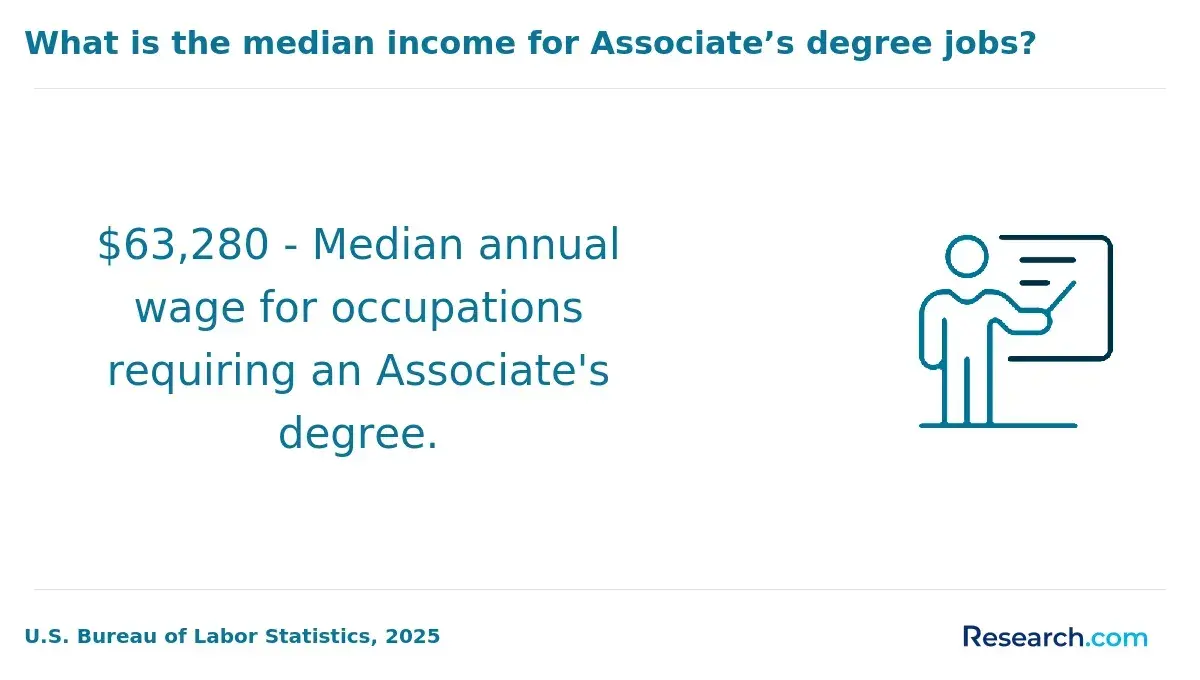
The bachelor's degree overwhelmingly dominates aerospace engineering enrollment due to employer preferences and workforce entry requirements, with roughly 70% to 80% of students completing this level according to 2024 NCES and IPEDS data. This prevalence reflects the realities of the engineering job market, where associate degrees typically limit candidates to technical support roles with constrained upward mobility.
Bachelor's programs offer broader foundational knowledge and are widely accepted as the standard credential for most industry positions, influencing student decisions to prioritize this level as the most direct path to engineering employment.
Graduate degrees in aerospace engineering, including master's and doctoral programs, attract smaller, more specialized cohorts focusing on advanced expertise and research engagement. Master's degrees, which account for about 10% to 15% of completions, often suit those targeting leadership roles or technical depth beyond the undergraduate curriculum, though they come with higher costs and longer time commitments.
Doctoral study remains rare-under 5% of students-but is essential for careers in academia or high-level innovation, presenting significant tradeoffs between time invested and job market breadth. These enrollment patterns highlight the tension between immediate employability and specialized knowledge, shaping how students tailor their educational paths based on career ambitions and resource availability.
How Do Enrollment Trends Differ Between Associate, Bachelor's, Master's, and Doctoral Aerospace Engineering Degrees?
Enrollment data reveals that regional trends in aerospace engineering degree enrollment differ notably by degree level, reflecting varied career strategies and labor market positioning. Associate programs, typically concentrated in technical institutes, attract a narrower, more regionally constrained population focused on technician roles, limiting broad workforce integration.
In contrast, bachelor's degree enrollments dominate nationally and have increased completion rates by about 4% in recent years according to the National Center for Education Statistics, illustrating their role as the principal credential for engineering design and development careers. This broad appeal is reflected in a subtle demographic shift with female participation nearing 20%, marking a gradual diversification within a traditionally male-dominated pipeline.
Master's degree programs exhibit steady enrollment growth driven by professionals targeting specialization or managerial roles, often including a substantial share of international students, which aligns with comparative analysis of aerospace engineering degree levels in the United States showing growing global influence on advanced study. Doctoral enrollments remain selective and closely tied to available research funding, supporting innovation and academic career trajectories but with more modest annual growth around 2%.
These disparities influence educational planning: students must balance the associate degree's shortcut to technical roles against longer pathways through bachelor's and graduate degrees that provide greater employability and leadership prospects in aerospace engineering.
Choosing between these options involves evaluating practical tradeoffs in credential utility, regional availability, and career ambitions. For example, those considering aerospace engineering should investigate program quality and fit-including accreditation status such as through CACREP accredited schools-and weigh whether the broader workforce integration of bachelor's and graduate degrees justifies their investment compared to the associate route. This nuanced understanding can guide prospective students and professionals navigating evolving enrollment dynamics within this high-technology sector.
How Popular Is the Aerospace Engineering Degree Compared to Other College Majors?
The limited popularity of the aerospace engineering degree compared to broader majors like mechanical engineering or business reflects not a lack of value but its focused career niche and technical specialization. Data from the National Center for Education Statistics for 2023-2024 shows aerospace engineering accounts for fewer than 5% of national engineering completions, with about 3,000 bachelor's degrees awarded annually versus tens of thousands in other fields.
This concentration shapes program availability, peer networks, and specialization opportunities, constraining growth but offering well-defined pathways aligned with aerospace industry hubs such as California, Texas, and Florida.
Enrollment in aerospace engineering remains stable rather than expanding rapidly, mirroring steady government funding and sector-specific demand rather than broader market trends driving fields like data science or health sciences. This steadiness impacts workforce alignment by offering candidates specialized yet fewer positions, and students often pursue advanced degrees to enhance competitiveness.
Geographic clustering of programs and employers influences student choices while the relative scarcity of programs may yield smaller, more focused classes but fewer alternative options for related technical studies.
Why Is the Aerospace Engineering Degree More Popular in Certain States and Regions?
The demand for aerospace engineering degree by state is largely driven by the geographic clustering of aerospace industries, which significantly influences where students choose to enroll. States like California, Texas, and Washington lead due to the concentration of major aerospace employers such as Boeing and Lockheed Martin, creating robust local networks and internship opportunities that enhance employment prospects.
This regional concentration also shapes perceptions of degree value, making programs in these areas more attractive despite the higher competition and cost of living, while less industrialized regions struggle to offer comparable practical experience or job pipelines.
The top regions for aerospace engineering careers often coincide with states that have strong educational infrastructures geared toward aerospace disciplines. For instance, Texas benefits not only from industry demand but from targeted state policies promoting STEM partnerships between technical schools and aerospace companies, which sustain enrollment and support workforce development.
However, limited availability of specialized programs and hands-on learning in other regions forces students to weigh proximity against program quality and networking potential. Emerging online and hybrid formats have yet to notably disperse enrollment geographically, underscoring how crucial local industry ecosystems remain for aerospace engineering majors.
Students seeking alternative pathways, such as paralegal school options, may also consider how regional occupational demands influence educational choices in related technical fields.
What Demographic Groups Are Driving Growth in Aerospace Engineering Degree Programs?
Growth in aerospace engineering degree programs increasingly reflects shifting workforce demands and educational formats, with a notable rise in women's participation now nearing 28% of bachelor's graduates in 2024, according to recent National Center for Education Statistics data. This change signals broader efforts to diversify STEM fields but also impacts classroom dynamics, peer collaboration, and mentorship models that traditionally evolved around a predominantly male student base.
For prospective students, this evolving gender composition may influence both the academic environment and networking opportunities, while programs must adapt curricula and support systems to sustain inclusivity and engagement.
Regional disparities in aerospace engineering enrollment underscore the influence of local industry presence and economic investment on educational pathways. States like Texas and California, with robust aerospace sectors, experience stronger degree program demand, reinforcing the link between geographic workforce needs and program viability.
Conversely, areas without significant aerospace employers see flat or declining enrollments, challenging institutions to maintain program relevance and attract students amid limited local job prospects. This uneven demand shapes not only where students pursue degrees but also how programs tailor offerings to address real-world job market volatility.
The rising share of adult learners and first-generation college students further shifts aerospace engineering toward flexible delivery modes, such as online and hybrid programs, which accommodate career interruptions and professional upskilling. These trends reflect practical decisions by working engineers and career changers prioritizing skill alignment with emerging aerospace technologies like autonomous systems and space exploration.
For educators and employers alike, recognizing these demographic and instructional shifts is critical to aligning program outcomes with evolving industry skill requirements and ensuring actionable credential value beyond traditional degree timelines.
What Is the Future Outlook for Aerospace Engineering Degree Enrollment by Gender, Region, and Degree Level?
Aerospace engineering degree enrollment is increasingly shaped by evolving demographic and regional realities that will redefine program access and graduate profiles. Female participation has risen significantly, reaching nearly 23% of bachelor's recipients according to a 2024 National Science Foundation report, reflecting persistent but incomplete progress toward gender diversity in a historically male-dominated field. This shift signals broader cultural impacts and targeted diversity efforts that prospective students and employers should weigh when assessing educational environments and pipeline robustness.
Geographically, enrollment growth concentrates in Sun Belt states like Texas, Arizona, and Florida, where expanding aerospace industries and military contracts attract students and resources, while traditional hubs in the Midwest and Northeast experience stagnation or decline due to demographic and industrial change.
Graduate-level enrollment is outpacing undergraduate growth, driven by employer demand for specialized skills in advanced aerospace technologies, including AI integration and sustainable aviation, alongside broader adoption of hybrid and online learning models that enhance access but may strain program capacity. These trends suggest that students must consider not only degree level but also regional industry dynamics and delivery formats when mapping educational and career pathways.
Such enrollment patterns underscore critical tradeoffs: rising specialization requirements may limit undergraduate hiring opportunities but improve longer-term career differentiation, while regional disparities in program availability influence local workforce supply and student choice.
Institutional funding and policy priorities shaped by space exploration and climate-focused aerospace innovation will further direct curricular evolution and capacity constraints, making informed decisions about degree pursuit essential for aligning education with realistic workforce demands and professional outcomes in aerospace engineering.
How Have Aerospace Engineering Degree Enrollment Trends Changed Over the Past Decade?
Long-term enrollment changes in aerospace engineering reflect nuanced shifts in industry demand and educational access rather than broad surges in popularity. From 2013 to 2023, total undergraduate aerospace engineering enrollment rose modestly by about 8%, a pace that underscores steady interest but also the field's specialized nature and capacity constraints.
Gender disparities have persisted but narrowed, with female enrollment increasing from roughly 15% to 22%. This demographic shift results from targeted outreach and inclusion efforts; however, male students still represent the bulk of enrollees, signaling ongoing challenges in achieving balanced representation.
Regional enrollment trends reveal a marked stratification linked to economic and industrial developments. Southern and Western states like Texas and California have seen more significant growth in aerospace engineering program enrollment, driven by expanding aerospace manufacturing hubs and aeronautical research investments. In contrast, the Northeast and Midwest display stable or declining enrollment, reflecting broader industrial shifts and fewer new program openings.
These regional dynamics shape program availability and influence perceptions of degree relevance, particularly for students weighing local workforce integration against national aerospace labor demands. Such patterns are critical for prospective students, current learners, and graduates assessing how regional shifts and emerging workforce needs inform future educational pathways, including the rising emphasis on graduate degrees that respond to complex aerospace technologies.
The evolution of how aerospace engineering degree enrollment trends have evolved in the past decade also highlights the role of flexible learning modalities such as online and hybrid options, expanding access for working professionals and non-traditional students. However, pressures to keep curricula aligned with fast-evolving industry requirements-especially in areas like commercial space exploration and unmanned aerial systems-remain intense.
Prospective students might also consider cross-discipline pathways or consult resources on the easiest online MBA programs to complement technical expertise with business acumen, enhancing long-term career adaptability in aerospace-related fields.
Where Is the Aerospace Engineering Degree Most Popular Across the United States?
Aerospace engineering degree popularity clusters primarily in states where industry presence, research capacity, and educational institutions align to create robust local demand. This spatial concentration reflects the integration of degree programs with regional employment hubs, particularly in areas with aerospace manufacturing, defense contractors, and government agencies.
Such patterns mean enrollment and degree completions are highest where students can directly access internships, project collaborations, and post-graduate employment, positioning states like California, Texas, Washington, and Florida as notable examples in aerospace engineering degree popularity by U.S. region.
These regional pockets also influence the diversity and scale of aerospace engineering degree programs offered, which in turn impacts student choices and networking opportunities. Proximity to aerospace clusters tends to encourage stronger engagement from underrepresented groups through enhanced support services and targeted recruitment, shaping demographic patterns in degree attainment.
For students, this concentration means evaluating not only the reputation of programs but also their ties to active aerospace ecosystems, which drive practical experience and career relevance more than degree prestige alone.
While some prospective students might be tempted to select an easiest bachelor degree path for quicker entry, those focusing on aerospace engineering should weigh geographic and institutional factors carefully. The ability to access internships, employment pipelines, and research opportunities often carries more weight for long-term outcomes than program selectivity.
Ultimately, understanding top states for aerospace engineering degree enrollment connects with evaluating where the degree aligns most closely with the realities of workforce demand and professional development within specific regions.
References:
- How to Stand Out in the Competitive Aerospace Engineering Job Market | EuroEngineerJobs https://www.euroengineerjobs.com/article/835/how-to-stand-out-in-the-competitive-aerospace-engineering-job-market
- Best Aerospace Engineering Schools https://www.collegeadvisor.com/resources/best-aerospace-engineering-schools/
- Popular Colleges for Aerospace Engineering Majors https://www.remitly.com/blog/education/colleges-for-aerospace-engineering-majors/
- 2023 Most Popular Aeronautical Engineering Schools - Course Advisor https://courseadvisor.com/majors/engineering/aeronautical-engineering/rankings/most-popular/
- Aerospace Engineering: Best Subjects, Top Universities & Careers | Abbey Cambridge https://www.abbeycambridge.co.uk/2025/04/28/aerospace-engineering-subjects-universities-careers/
- Aerospace vs Mechanical Engineering https://talk.collegeconfidential.com/t/aerospace-vs-mechanical-engineering/1364055
- What Aerospace Engineers Do: Essential Career Guide for 2025 https://www.rcoeng.com/blog/what-aerospace-engineers-do-essential-career-guide-for-2025
- Above & Beyond: The Women Engineering the Future of Regional Aviation at Deutsche Aircraft https://www.deutscheaircraft.com/news/above-beyond-the-women-engineering-the-future-of-regional-aviation-at-deutsche-aircraft
- Aerospace engineering enrollment rates continue to increase at the University | | kansan.com https://www.kansan.com/aerospace-engineering-enrollment-rates-continue-to-increase-at-the-university/article_26725e5e-6e27-11e6-b60a-4bb63b6fd231.html
- Study Aerospace Engineering - Experience, Job Opportunities, Salary + Survey https://jobtensor.com/uk/Studies/Aerospace-Engineering
Other Things You Should Know About Aerospace Engineering
In many regions, aerospace engineering remains heavily male-dominated, which can influence team dynamics, classroom interaction, and mentorship availability. Female students might face limited peer representation and fewer role models, potentially impacting their engagement and retention. Prospective students should assess programs that actively promote gender diversity and support structures, as these environments often foster more inclusive collaboration and better prepare all students for diverse workplaces.
Regional variations often correlate with the presence of aerospace industries, research centers, or military contracts, influencing the curriculum's focus and internship opportunities. For example, programs in regions with significant defense or commercial aerospace activity tend to emphasize applied skills and connections to industry employers. Students prioritizing direct workforce entry with relevant experience should prefer such regions, while those seeking theoretical or research-oriented tracks may find better alignment elsewhere.
While a bachelor's degree qualifies graduates for many aerospace roles, a master's often offers specialization and access to higher-level positions, especially in research, design, and leadership. However, it can also mean additional time and financial investment with no guaranteed salary premium in all cases. Prospective students aiming for technical depth or competitive differentiation should weigh their target job markets and employer preferences carefully before committing to advanced study.
Men dominate at all degree levels but the gender gap narrows slightly at the master's and doctoral stages, suggesting women who persist often pursue advanced qualifications. This pattern implies systemic challenges in earlier stages that can influence career entry timing and upward mobility. Female students considering aerospace engineering should evaluate programs with mentorship and retention strategies at both undergraduate and graduate levels to mitigate barriers and support sustained career growth.