2027 Aerospace Engineering Tuition Inflation Report: How Fast Are Program Costs Rising?

Co-Founder and Chief Data Scientist
The rising demand for specialized aerospace engineering skills drives significant investments in advanced laboratories, simulation software, and high-cost testing facilities. These infrastructure needs contribute to tuition growth distinct from other disciplines. Additionally, evolving accreditation standards and increased emphasis on interdisciplinary research impose higher operational costs on programs.
Workforce shifts toward emerging aerospace sectors amplify the need for faculty with niche expertise, inflating personnel expenses. Enrollment patterns reveal an increase in mid-career students seeking reskilling, indicating a changing student demographic that may influence program design and resource allocation. This report examines how these factors shape tuition inflation and reflect broader transformations in aerospace engineering education.
Key Things to Know About Aerospace Engineering Tuition Inflation
- Inflation in aerospace engineering tuition has outpaced general higher education, rising over 6% annually since 2023, forcing students to weigh the financial tradeoff between specialized credentials and long-term debt.
- Employers increasingly expect cutting-edge technical skills, so rising costs create pressure on students to deliver immediate, practical knowledge to justify tuition without guaranteed job alignment.
- Rapid tuition hikes reduce access windows for nontraditional students, with many delaying enrollment; this timing shift impacts workforce renewal rates amid accelerating aerospace industry demand.
- Key Things to Know About Aerospace Engineering Tuition Inflation Key Things to Know About Aerospace Engineering Tuition Inflation
- How Much Has Aerospace Engineering Tuition Increased Over the Past Decade? How Much Has Aerospace Engineering Tuition Increased Over the Past Decade?
- How Does Aerospace Engineering Tuition Inflation Compare to Overall Inflation? How Does Aerospace Engineering Tuition Inflation Compare to Overall Inflation?
- Which Types of Schools Have Experienced the Fastest Aerospace Engineering Tuition Growth? Tuition Growth by School Type
- What Factors Are Driving Rising Costs in Aerospace Engineering Degree Programs? Tuition Cost Drivers
- How Does Aerospace Engineering Tuition Growth Vary by State and Region? Tuition Growth by State
- Are Online Aerospace Engineering Programs Becoming More Affordable Than Campus-Based Programs? Online Program Affordability
- How Have Financial Aid and Scholarships Changed as Aerospace Engineering Tuition Has Increased? Impact on Financial Aid and Scholarships
- How Does Rising Aerospace Engineering Tuition Affect Student Debt After Graduation? Impact on Student Debt
- Do Higher-Cost Aerospace Engineering Programs Deliver Better Career Outcomes or Earnings? Impact on Career Outcomes
- What Do Current Tuition Trends Suggest About the Future Cost of a Aerospace Engineering Degree? What Do Current Tuition Trends Suggest About the Future Cost of a Aerospace Engineering Degree?
How Much Has Aerospace Engineering Tuition Increased Over the Past Decade?
Tuition for aerospace engineering programs in the United States has risen markedly over the past decade, with public flagship universities experiencing increases between 40% and 50% when adjusted for inflation, based on recent data from the National Center for Education Statistics and the U.S. Department of Education's College Scorecard. Private institutions have seen even sharper rises, sometimes approaching 60% over the same period. These decade-long aerospace engineering program cost increases significantly outpace broader inflation and general higher education trends, reflecting a growing financial burden for students in this field.
The primary drivers behind these tuition hikes include reduced state funding for public universities, increased operational expenses, and the need to invest heavily in specialized equipment and laboratories essential for aerospace engineering education. Competition for hiring and retaining faculty with advanced technical expertise further intensifies cost pressures. Additionally, rising demand for STEM programs-particularly those with strong industry ties-pushes institutions to expand offerings and upgrade facilities, which is subsequently passed on to students through higher tuition. These factors together emphasize that the cost increases are less about routine price inflation and more about evolving institutional priorities and market dynamics within engineering education.
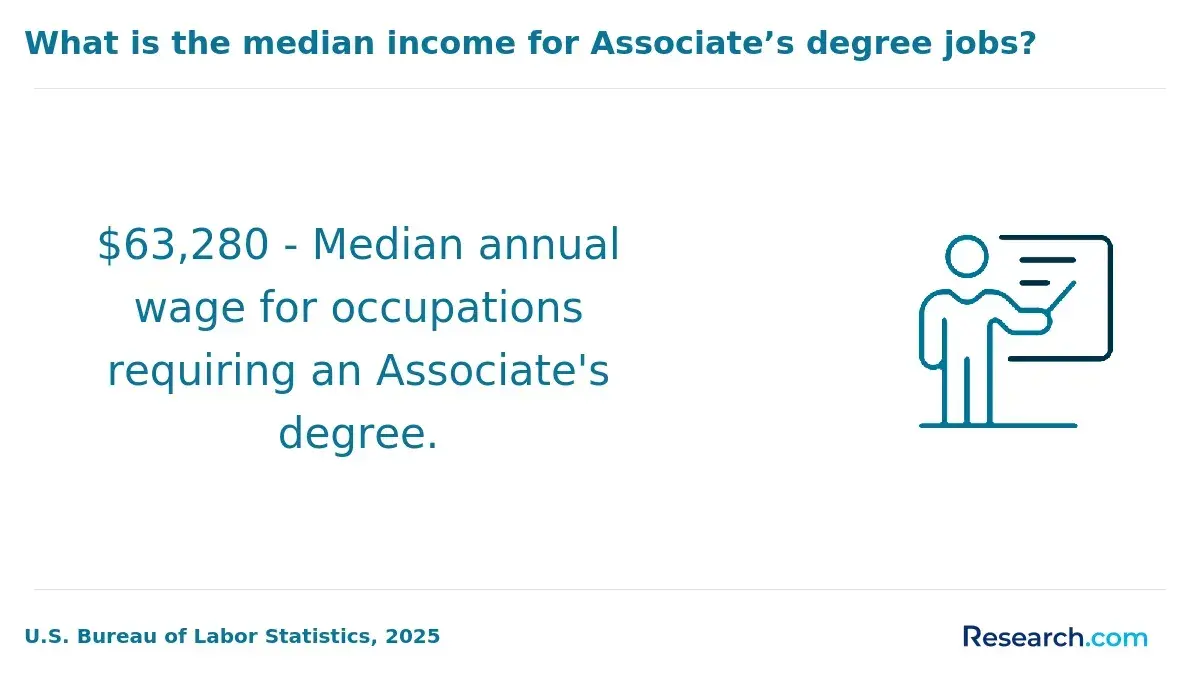
As tuition escalates, concerns about affordability and long-term return on investment grow for prospective aerospace engineering students. Much of the degree's value hinges on practical experience and industry connections, prompting some learners to supplement classroom education with internships or co-op programs to boost employability without further debt. Meanwhile, alternatives such as certifications or associate degrees gain attraction as lower-cost entry points into aerospace-related careers, though they generally offer less comprehensive training. For those navigating these financial and academic tradeoffs, careful evaluation of program costs against career outcomes remains essential, especially given the widespread reliance on student loans. Students can also benefit from exploring pathways like accelerated psychology programs online as a model of how alternative credentials might help balance cost and career readiness in STEM fields more broadly.
How Does Aerospace Engineering Tuition Inflation Compare to Overall Inflation?
Tuition inflation rates for aerospace engineering programs have consistently outpaced general consumer price inflation, reflecting a distinct divergence in cost dynamics. While the Consumer Price Index has risen by about 4% annually since 2020 according to the U.S. Bureau of Labor Statistics, aerospace engineering tuition has increased more sharply, often between 6% and 8% per year based on data from the National Center for Education Statistics and the College Board. This growth rate notably exceeds that of broader US higher education inflation, pointing to pressures unique to aerospace and related STEM fields. Comparing aerospace engineering tuition inflation rates to overall US higher education inflation reveals how specialized program demands contribute to accelerating cost trajectories beyond general economic trends.
The structural factors driving this gap are multifaceted, rooted in evolving institutional funding models and operational expenditures that far exceed typical inflationary influences. Declines in public subsidies have forced universities to shift costs onto students, while administrative and compliance expenses continue to grow. Additionally, aerospace engineering programs face significant investment demands in advanced laboratories, cutting-edge technology, and faculty with niche expertise, all of which push upward tuition pressure. Expanding student services and infrastructure upgrades further compound these cost increases, making aerospace engineering tuition inflation less sensitive to short-term economic fluctuations and more reflective of systemic shifts within higher education funding and resource allocation.
These pricing dynamics place increasing financial pressure on students pursuing aerospace engineering degrees, with affordability challenges influencing enrolment decisions and the extent of debt financing needed. The widening inflation gap means the lifetime cost of an aerospace engineering program grows disproportionately compared to everyday expenses and even some alternative degree paths, such as a library science degree online, which typically follows different cost patterns. Prospective students must weigh these inflation trends against expected career earnings and industry demand to assess long-term return on investment, while policymakers and institutions grapple with balancing quality program delivery and accessible pricing in an increasingly competitive education landscape.
Which Types of Schools Have Experienced the Fastest Aerospace Engineering Tuition Growth?
Tuition increases for aerospace engineering programs demonstrate notable variation based on institutional type, funding mechanisms, and instructional models. These differences reflect underlying economic forces in higher education, from public funding constraints to market-driven pricing strategies. Recognizing these distinctions is crucial for assessing the true cost implications and value of aerospace engineering degrees over time.
- Private Nonprofit Universities: Often characterized by higher tuition growth rates, these institutions rely heavily on tuition revenue to fund extensive research facilities, cutting-edge labs, and specialized faculty. Their commitment to maintaining prestige and sustaining resource-intensive aerospace programs drives more aggressive tuition adjustments, averaging near 6% annual increases per recent National Center for Education Statistics data.
- Public Universities: Subject to fluctuating state appropriations, public institutions typically experience slower tuition growth, around 3% annually. These schools balance budgetary pressures with mandates to remain accessible, often offsetting costs with larger enrollment and offering flexible scheduling to adult learners mindful of affordability.
- Community Colleges and Technical Schools: With more modest aerospace-related offerings, these institutions show the slowest tuition growth, frequently under 2% per year. Their programs emphasize foundational skills and certificate-level credentials, supported by local funding and designed to meet regional workforce needs with lower operational overhead.
- Research-Intensive Universities: Schools with significant aerospace research portfolios often incorporate elevated fees to support innovation infrastructure. Though similar to private nonprofit universities, some benefit from diversified revenue streams including federal grants, somewhat tempering direct tuition hikes but still typically above public averages.
- For-Profit Institutions: While not a dominant player in aerospace engineering education, for-profits often implement pricing aligned with market demand, sometimes reflecting rapid increases driven by less public funding and more aggressive enrollment targets. This can translate to higher unit costs but variable program reputations.
- Online Universities: Growing in aerospace program offerings, these institutions leverage scalable digital delivery to moderate tuition growth. By reducing physical infrastructure costs, they can afford more stable pricing but face challenges matching experiential components critical to aerospace engineering education.
What Factors Are Driving Rising Costs in Aerospace Engineering Degree Programs?
The escalating costs in aerospace engineering degree programs stem from a blend of interrelated institutional and economic pressures rather than a single factor. As public funding wanes, many universities depend increasingly on tuition to offset budget gaps, leading to broader cost shifts onto students. This dynamic is compounded by the unique resource demands of aerospace engineering curricula, which require continual investment in costly labs, simulation technologies, and industry-standard equipment to maintain academic and professional relevance. Moreover, administrative expenditures have expanded to manage compliance, accreditation, and growing student support services, all contributing to overall program cost growth. According to recent data from the National Center for Education Statistics, engineering tuition rates have risen approximately 5.2% annually over the last three years, marginally surpassing inflation.
Among the most significant cost drivers are rising faculty compensation requirements, reflecting competition with aerospace industry salaries and the necessity to attract specialized experts. This labor market pressure elevates instructional expenses beyond typical STEM fields. Simultaneously, institutions invest heavily in digital infrastructure and learning technologies, including advanced simulation software and data platforms that demand ongoing upgrades and licensing fees. Administrative and regulatory obligations also add complexity, requiring constant updates to curricula and safety procedures to align with evolving professional standards. These factors collectively create an upward pricing trajectory that varies by institution type but persists across public and private aerospace engineering programs, underscoring systemic cost structural shifts rather than isolated price hikes.
A recent aerospace engineering graduate recalled the challenges of navigating admissions amid rising tuition concerns. They described waiting anxiously during a rolling admissions cycle, unsure whether to accept an earlier offer with a lower tuition guarantee or delay in hope of a more prestigious program's acceptance that promised better facilities but at a significantly higher cost. The uncertainty around financial aid packages and program-specific expenses required balancing practical affordability against long-term career value. This experience highlighted how timing, preparation, and strategic decision-making become pivotal when rising costs intensify the stakes around aerospace engineering education pathways.
How Does Aerospace Engineering Tuition Growth Vary by State and Region?
The variation in aerospace engineering tuition inflation by state and region is shaped by complex interactions of state funding mechanisms, institutional priorities, and local economic conditions. States and regions each have distinctive approaches to financing higher education, particularly public universities that dominate aerospace programs. Tuition growth rates reflect how sharply institutions must compensate for shortfalls in state appropriations, address rising operational costs, and align pricing with perceived demand. Regions with sprawling research university systems often experience different tuition dynamics than those relying heavily on private or community colleges, while cost-of-living disparities influence baseline expenses embedded in tuition calculations.
Key drivers of regional differences include the extent of state funding per student and the balance between public and private institution enrollment. States like California and New York, which have faced declining appropriations relative to inflation in aerospace engineering program costs, exhibit higher tuition increases often exceeding 4% annually. These states also face intense labor market demand for aerospace talent, further enabling institutions to raise prices. Conversely, Midwestern states such as Ohio and Michigan maintain relatively stable or modest tuition inflation rates of 2-3%, supported by sustained or increased state funding and a significant presence of public research universities tied to aerospace manufacturing clusters. The South presents a mixed landscape; some states leverage partnerships with defense contractors and federal grants to temper tuition growth, even as expanding industry hubs in Texas and Florida create upward pressure on tuition through rising demand and institutional pricing strategies. This nuanced funding environment drives regional differences in aerospace engineering program costs far beyond just geographic location.
These disparities have meaningful implications for students weighing program affordability against access to advanced research infrastructure and industry connections. Regions with elevated tuition growth may offer superior facilities and internship pathways that enhance employability, but at a greater upfront investment and potential debt burden. Lower tuition inflation states may reduce immediate financial strain but potentially limit exposure to cutting-edge technology or aerospace clusters, affecting long-term career trajectories. Prospective students should integrate considerations of tuition trends with a realistic assessment of workforce alignment and return on investment, recognizing that differences in regional education economics and institutional funding models significantly shape accessibility and outcomes. Those exploring interdisciplinary or alternative pathways might also consider comparative costs with related fields, including exploring a finance degree online to diversify options across the evolving educational landscape.
Are Online Aerospace Engineering Programs Becoming More Affordable Than Campus-Based Programs?
Recent data from the National Center for Education Statistics and the College Board indicate that while tuition inflation affects all higher education sectors, online aerospace engineering programs are experiencing comparatively milder cost increases. In 2024, average tuition for these online bachelor's degrees rose by about 3.8%, roughly half the 6.5% increase observed in traditional campus-based programs over the same period. This divergence reflects distinct pricing models where online programs, freed from extensive physical infrastructure expenses, leverage digital platforms offering scalability and cost efficiencies, though often still requiring specialized investments in virtual labs and simulation software. Unlike campus programs that must maintain costly facilities and dormitories, online offerings can redistribute expenses toward technology infrastructure and comprehensive digital student services, influencing how affordability evolves over time.
The underlying factors shaping affordability disparities stem from the contrasting cost structures of each delivery format. Campus-based aerospace engineering programs inherently demand ongoing maintenance of laboratories, expensive equipment, in-person faculty oversight, and extensive support for on-ground student life. Conversely, online programs face substantial upfront costs developing digital learning environments, securing licenses for advanced engineering simulations, and designing pedagogy suited for remote instruction, which can curb the pace of tuition reduction. Additionally, faculty involvement differs, with online courses relying more on asynchronous content and specialized instructional designers, resulting in a unique blend of fixed and variable costs. While savings on physical resources often translate into slower tuition growth for online modalities, the need for robust virtual engagement and occasional in-person components-such as mandatory onsite labs-complicates simple assumptions about sustained affordability advantages.
Despite these complexities, the narrowing gap suggests an increasingly strategic institutional approach to balancing costs and educational quality across formats, rather than a purely structural or temporary pricing gap. That said, total expenses for online learners may still include technology fees or travel to testing sites, which must be factored into assessments of cost-effectiveness compared to traditional campus programs.
An online aerospace engineering graduate recalled hesitating during the rolling admissions cycle, weighing offers while awaiting financial aid details and clarity on required campus visits. The uncertainty about extra fees for remote lab access and the timing of acceptance decisions left them cautious. Ultimately, choosing an online program with predictable tuition changes proved less stressful than juggling campus-based options with fluctuating charges and tighter enrollment deadlines, highlighting how affordability extends beyond sticker price to include application strategy and institutional transparency during decision points.
How Have Financial Aid and Scholarships Changed as Aerospace Engineering Tuition Has Increased?
Rising tuition costs for Aerospace Engineering programs have prompted adjustments in financial aid and scholarship structures, yet these changes have not fully counterbalanced escalating expenses. While institutional aid budgets have seen modest growth, the pace lags behind tuition inflation, leading to a diminishing net benefit for many students. Aid models have evolved to incorporate more work-study opportunities and cooperative education programs that allow students to supplement income while gaining practical experience. Additionally, universities increasingly leverage targeted scholarships aimed at underrepresented groups to promote diversity, though overall scholarship funds remain finite and heavily contested. Federal and state grant programs have expanded incrementally, with a focus on STEM fields, but often fail to cover comprehensive costs or reach middle-income students grappling with significant financial strain.
The dynamics driving these aid adjustments reflect intensified competition among institutions to attract qualified candidates amid a growing applicant pool. Merit-based scholarships have become a central tool for recruitment, frequently favoring high-achieving students and potentially widening disparities among applicants. Simultaneously, federal initiatives like Pell Grants and loan forgiveness programs oriented toward aerospace-related employment offer relief but include eligibility constraints that limit accessibility. Institutional pricing strategies also influence aid distribution; some universities employ tuition discounting to entice enrollment but must balance this against budgetary constraints. Consequently, the interplay of government funding changes, institutional priorities, and market pressures shapes the evolving financial support landscape for Aerospace Engineering students.
Despite incremental aid enhancements, many students face stabilizing or rising net prices, contributing to increased reliance on loans and higher debt burdens post-graduation. These financial realities affect degree timelines as some students opt for part-time study to manage costs, delaying entry into the workforce. The uneven growth of financial aid relative to tuition emphasizes the necessity for prospective Aerospace Engineering students to rigorously evaluate net costs alongside potential aid packages. Understanding these aid trends is crucial for assessing program affordability, navigating institutional pricing practices, and planning sustainable investment strategies aligned with long-term career and financial outcomes.
How Does Rising Aerospace Engineering Tuition Affect Student Debt After Graduation?
Rising aerospace engineering tuition significantly increases students' dependence on borrowing, pushing many toward larger loan amounts to cover escalating educational costs. As tuition outpaces inflation and average income growth, students face steeper financial barriers, often resorting to both federal and private loans. This growing reliance on debt financing amplifies the total loan balances upon graduation, setting a foundation for prolonged repayment periods and elevated interest accumulation. Data from 2024 reports reveal that aerospace engineering tuition growth consistently exceeds inflation rates, a trend that intensifies the long-term debt impact for students.
Several factors contribute to this rising debt burden beyond tuition inflation alone. The widening gap between tuition fees and available financial aid packages particularly affects students attending private institutions compared to their public counterparts, who generally face lower sticker prices. Interest accrues during extended program durations, increasing overall repayment obligations. Variations in starting salaries across aerospace engineering specialties can complicate debt servicing, as not all graduates receive sufficient compensation to manage large loan payments comfortably. These dynamics form a critical nexus influencing long-term financial outcomes for graduates navigating debt repayment under diverse income and employment scenarios.
Increased debt levels also elevate repayment stress and may shift borrower behavior toward income-driven repayment plans or participation in loan forgiveness programs, yet these solutions come with their own limitations and uncertainties. High debt burdens can influence prospective students' decision-making, sometimes deterring enrollment or prompting selection of programs perceived as offering better financial returns. Furthermore, graduates with substantial loans may prioritize immediate salary stability over sought-after technical roles, affecting career trajectories within aerospace engineering. For students exploring alternative doctoral-level options with potentially lower debt impact, programs such as a PhD without dissertation merit consideration within the broader context of rising aerospace engineering tuition and its impact on student debt in the United States.
Do Higher-Cost Aerospace Engineering Programs Deliver Better Career Outcomes or Earnings?
Higher-cost aerospace engineering programs do not inherently produce better career outcomes or significantly higher lifetime earnings compared to more affordable options. While elite programs may offer median starting salaries approximately 8-12% above those of lower-cost institutions, a 2024 U.S. Department of Education analysis shows that this salary advantage diminishes over five to ten years. Tuition expense alone is not a reliable predictor of employability or long-term earnings growth, underscoring that cost does not equal guaranteed return. This reflects a broader questioning of the return on investment for aerospace engineering degrees as rising tuition inflation pressures student finances without a commensurate increase in financial outcomes.
Institutional reputation, program resources, and employer networks play pivotal roles beyond tuition in shaping career success. Internships, cooperative education placements, and strong industry partnerships often have a greater impact on graduates' job opportunities and earnings trajectories than program prestige alone. The availability of specializations tailored to emerging aerospace fields, geographic location with regional industry demand, and active alumni networks further distinguish outcomes independent of cost. These operational factors illustrate that graduates from public or mid-tier institutions with targeted practical experiences may match or exceed their higher-cost peers in meaningful employability metrics.
Given these complexities, prospective students should adopt nuanced decision-making frameworks that assess the practical value of aerospace engineering programs relative to their financial and career goals. Evaluating long-term outcomes, debt burden, and access to hands-on experiences provides a more actionable picture than tuition levels alone. Those interested in advancing their qualifications might also consider programs such as the online EdS to EdD bridge program which can offer alternative pathways. Ultimately, weighing program cost against demonstrated career outcomes enables more informed investment decisions in aerospace engineering education.
What Do Current Tuition Trends Suggest About the Future Cost of a Aerospace Engineering Degree?
Current tuition trends signal a continued upward trajectory in the cost of aerospace engineering degree programs, reflecting persistent inflationary pressures that outpace general economic inflation. Data from the National Center for Education Statistics shows public four-year institution tuition rose roughly 3.7% in 2023, indicating that aerospace engineering costs are subject to both standard tuition inflation and additional premiums related to the field's specialized resources. Historical patterns suggest these increases compound over time, challenging assumptions about price stability and raising questions about long-term affordability.
Key drivers influencing future tuition include constrained public funding, growing employer demand for graduates skilled in advanced aerospace technologies, and escalating investments in lab facilities and educational infrastructure. Concurrently, program delivery is evolving, with hybrid and online formats expanding to attract nontraditional learners. However, developing and maintaining high-quality, technology-intensive course offerings incurs significant operational expenses that institutions may pass along to students, particularly adult learners less shielded by fixed tuition agreements or subsidies.
These dynamics complicate cost projections for prospective students and highlight the strategic importance of weighing program flexibility against price escalation risks. As tuition growth persists, borrowing needs may increase, and decision-making will require scrutinizing how tuition inflation intersects with workforce demands and institutional funding models. This nuanced understanding helps applicants align their educational investments with realistic expectations around financing and career outcomes, rather than relying on generic cost forecasts.
References
- Why College Is Too Expensive — And How Competition Can Fix It - FREOPP https://freopp.org/whitepapers/why-college-is-too-expensive-and-how-competition-can-fix-it/
- Debt Overload https://www.nspe.org/career-growth/pe-magazine/september-2013/debt-overload
- Most Affordable Aerospace Engineering Schools https://careerkarma.com/blog/cheapest-aerospace-engineering-schools/
- Study Aerospace Engineering - Experience, Job Opportunities, Salary + Survey https://jobtensor.com/uk/Studies/Aerospace-Engineering
- Popular Colleges for Aerospace Engineering Majors https://www.remitly.com/blog/education/colleges-for-aerospace-engineering-majors/
- From tuition hikes to higher student loan borrowing costs, inflation is making college even more expensive https://www.cnbc.com/2022/07/15/inflation-is-suddenly-making-college-more-expensive-than-ever.html
- How college tuition inflation has impacted college costs https://finance.yahoo.com/news/college-tuition-inflation-cost-college-221647962.html
- College Tuition Inflation [2025]: Rate Increase Statistics https://educationdata.org/college-tuition-inflation-rate
- College 'sticker prices' have risen dramatically. Here's why https://www.npr.org/2025/11/20/nx-s1-5600854/college-costs-have-risen-dramatically-in-the-last-20-years-heres-why
- UNRAVELING THE TRUE DRIVERS OF RISING COLLEGE TUITION AND POLICY PATHWAYS https://ijeber.com/unraveling-the-true-drivers-of-rising-college-tuition-and-policy-pathways/
Other Things You Should Know About Aerospace Engineering
Rising tuition does not necessarily correlate with reduced course rigor; on the contrary, many institutions maintain or increase workload and project complexity to meet employer expectations in a competitive job market. However, some schools may channel increased funds into amenities or research prestige rather than directly enhancing teaching quality or practical training. Students should critically assess whether higher costs translate into meaningful curriculum improvements or better access to internships and lab resources that affect hands-on learning intensity and career preparedness.
Longer aerospace engineering programs or those with co-op and internship requirements often carry higher total tuition costs as inflation accumulates each semester. While these extensions can add experiential value valued by employers, students must balance potential salary gains against escalating fees and delayed workforce entry. Prioritizing programs with efficient pathways and strong employer ties that enhance job placement without unnecessarily extending time to degree can mitigate the negative financial impact of tuition inflation over time.
Increasing tuition pressures often necessitate higher reliance on part-time employment, which can detract from study time and impact academic performance in a demanding field. Students facing financial strain may experience stress that affects learning outcomes and complicates balancing rigorous coursework with job responsibilities. Institutions that offer structured support to manage workload alongside financial challenges can reduce negative effects, but when such support is lacking, students should carefully evaluate whether they can sustain effective learning under inflated cost conditions.