2027 Aerospace Engineering Job Market Report: Open Roles, Salary Bands, and Hiring Momentum

Co-Founder and Chief Data Scientist
The aerospace engineering job market reflects complex shifts driven by evolving technology integration, regulatory updates, and fluctuating industry investment cycles. Open roles and salary bands reveal more than demand; they indicate where employers prioritize emerging capabilities like autonomous systems or sustainable propulsion.
Hiring momentum is shaped by changing credential standards and workforce demographics, not just vacancies. Geographic clusters and organizational restructures further condition labor supply and compensation trends.
Recent data from the U.S. Bureau of Labor Statistics highlights uneven employment growth across aerospace segments, emphasizing specialization's rising importance. This analysis connects current market signals to the broader transformation of the aerospace engineering workforce and its adaptive skill requirements.
Key Things to Know About Aerospace Engineering Job Market
- Open roles favor candidates with multidisciplinary skills, reflecting employer demands for integration of AI and sustainability, which narrows opportunities for narrowly specialized graduates.
- 2024 salary data shows widening bands tied to project complexity and security clearance, urging job seekers to weigh long-term credential investments against initial payoffs.
- Hiring momentum is concentrated in space tech startups, often requiring rapid adaptability, signaling cost and timing challenges for those pursuing traditional defense-sector pathways.
- Key Things to Know About Aerospace Engineering Job Market Key Things to Know
- How Strong Is Demand for Aerospace Engineering Graduates in Today's Job Market? Demand for Graduates
- Which Aerospace Engineering Careers Have the Most Open Job Opportunities? In-Demand Careers
- What Salary Bands Are Employers Offering Across Aerospace Engineering Careers? Offered Salary Bands
- Which Industries Are Hiring the Most Aerospace Engineering Graduates? Top-Hiring Industries
- How Does Hiring Demand Vary by State, Region, and City? Hiring Demand by Location
- What Skills Are Employers Prioritizing in Aerospace Engineering Job Postings? In-Demand Skills
- Which Certifications Increase Employability and Salary Potential? High-Value Certifications
- How Do Remote and Hybrid Opportunities Affect the Aerospace Engineering Job Market? Remote and Hybrid Opportunities
- Which Aerospace Engineering Careers Show the Strongest Long-Term Hiring Momentum? Strongest Careers
- How Can Students Use Job Market Data to Make Better Career Decisions? Leveraging Job Market Data
How Strong Is Demand for Aerospace Engineering Graduates in Today's Job Market?
Recent labor market analyses, including data from the U.S. Bureau of Labor Statistics and 2024 workforce reports, suggest that aerospace engineering job demand in the United States is maintaining steady growth rather than rapid expansion. Hiring remains competitive, reflecting moderate increases in aerospace industry activity across commercial, defense, and space sectors.
Although entry-level positions exist, they often require candidates to have practical experience beyond a bachelor's degree, such as internships or project portfolios, to secure offers. Geographic concentration of aerospace firms and government contractors continues to create uneven job availability, with hotspots exhibiting stronger recruitment than less industry-dense regions.
Technological developments are a significant factor shaping job opportunities for aerospace engineering graduates, with emerging fields like electric propulsion, unmanned systems, and advanced composite materials driving specific skill demand. Employers increasingly seek engineers who blend technical expertise with interdisciplinary abilities such as systems engineering and data analytics to address complex aerospace challenges efficiently.
Economic shifts and automation are also influencing workforce needs, encouraging candidates to pursue specialized credentials or graduate education to stay competitive. Prospective students should approach degree choices pragmatically, considering how evolving industry requirements and regional employer expectations affect realistic job prospects.
Long-term job stability in aerospace engineering depends not only on technical proficiency but also on adaptability to ongoing innovation and sector diversification. New roles associated with space exploration and defense modernization suggest a gradual broadening of career pathways beyond traditional manufacturing hubs. For those preparing to enter the field, understanding these nuanced labor market patterns is vital.
Aligning educational outcomes with verified industry trends-rather than relying solely on program reputation-will better position graduates for sustainable employment. Exploring related fields such as an AI degree online may also provide complementary skills valued by employers in a technology-driven aerospace landscape.
Which Aerospace Engineering Careers Have the Most Open Job Opportunities?
Job opportunities within aerospace engineering are unevenly distributed due to ongoing shifts in industry focus, skill shortages, and evolving employer demands. The sectors experiencing the most growth tend to be those where rapid technological innovation intersects with government and commercial investment. These dynamics drive a concentrated need for specialized expertise over more generalist aerospace roles.
Understanding the labor market realities behind open positions provides clearer insight into where professionals will find the most sustained demand amid the broader aerospace engineering job openings by region:
- Systems Engineers: These professionals are at the heart of integrating complex aerospace components, which is critical as firms modernize aircraft and space systems. Demand is fueled by the need to manage large-scale, multidisciplinary projects involving digital controls, software, and hardware integration. Employers prioritize candidates with strong project management skills and systems architecture expertise, often tied to next-generation defense and commercial aerospace programs.
- Avionics Engineers: As aerospace platforms incorporate advanced sensors, autonomous flight controls, and secure communication systems, avionics engineers with experience in embedded systems and software development see escalating demand. The expanding autonomous aircraft sector, particularly in urban air mobility and defense, leads this hiring surge. Employers often seek engineers capable of navigating rapid prototyping cycles and integration of evolving digital protocols.
- Propulsion Engineers: Industry emphasis on fuel efficiency, sustainable aviation fuels, and emerging electric propulsion systems drives openings in propulsion engineering. Both traditional aerospace manufacturers and new space enterprises require expertise in engine design, testing, and innovation. The role demands familiarity with thermodynamic modeling, fuel chemistry, and increasingly, electrical powertrain components tied to decarbonization goals.
- Aerospace Test Engineers: Entry-level yet crucial, test engineers validate design function and performance through rigorous evaluation under operational conditions. The consistent need to certify new models across aviation and spacecraft sectors creates stable openings. Skills in instrumentation, data analysis, and systems troubleshooting are essential, with many employers looking for professionals comfortable working in both lab and field environments.
- Field Service Engineers: Responsible for maintaining and repairing aerospace systems in operational settings, these engineers support extended aircraft lifecycles and on-site troubleshooting. The role's importance grows alongside fleet modernization efforts and increasing complexity of aerospace machinery. Employers emphasize practical diagnostic skills, mechanical aptitude, and customer interface capabilities.
Many of these in-demand roles reflect the most in-demand aerospace engineering roles in the US, and their hiring momentum corresponds closely with sectoral investment patterns and workforce retirements. The overall 5% projected growth rate for aerospace engineers through 2030 reported by the U.S. Bureau of Labor Statistics understates demand variability that depends heavily on specialty area.
For those entering the field, balancing advanced technical training with practical skills like systems integration or field service readiness aligns well with the evolving employer landscape. Candidates should also consider geographic hiring variances, as aerospace engineering job openings by region show higher concentrations near major aerospace hubs and government contractors.
Given the rapid evolution and specialization within aerospace careers, resources that track affordability and program quality are crucial for sustainable workforce entry. Prospective students aiming to mitigate educational costs while targeting viable employment pathways may benefit from exploring options identified in most affordable online colleges that align with aerospace engineering competencies.
What Salary Bands Are Employers Offering Across Aerospace Engineering Careers?
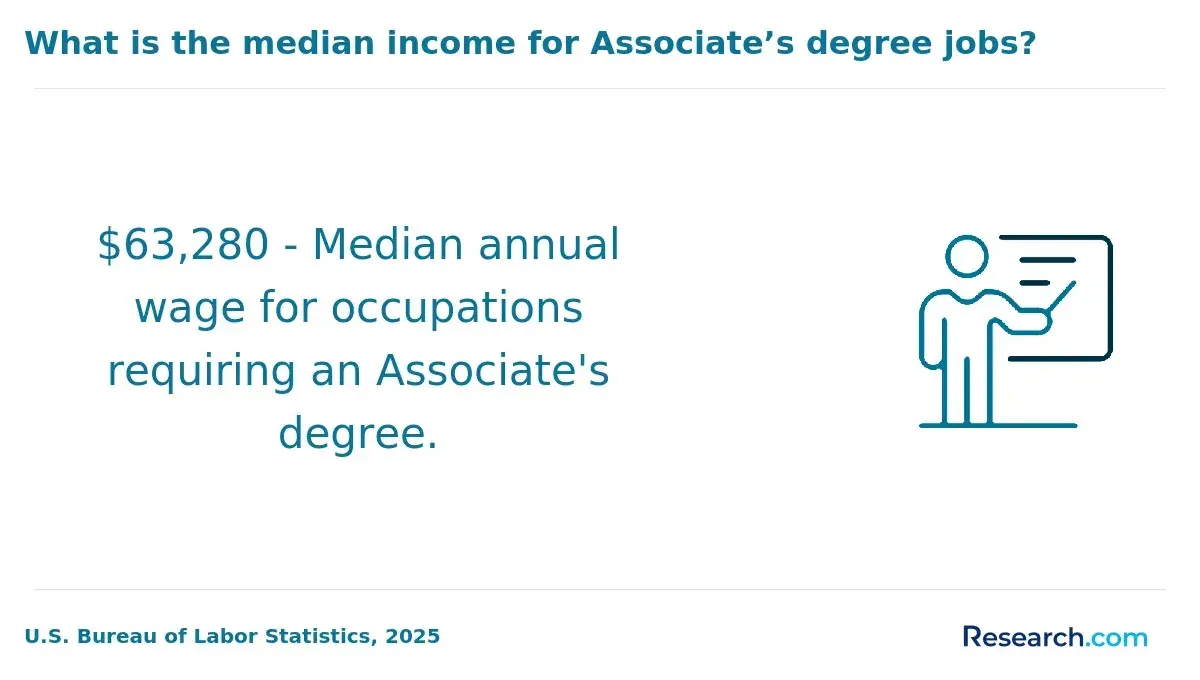
Salary bands in aerospace engineering reflect a clear progression aligned with experience and role complexity, with 2024 data from the U.S. Bureau of Labor Statistics and LinkedIn Salary Insights indicating entry-level engineers typically earn between $70,000 and $85,000. Mid-career professionals, generally those with three to seven years in the field, see salaries rise to a range of $90,000 to $120,000, corresponding to increased responsibilities such as project leadership and specialized technical tasks.
Senior roles and specialized positions like systems architects or project managers command salaries starting around $130,000 and can exceed $180,000, reflecting both the high level of expertise required and the strategic roles these professionals play. These figures are not static but vary depending on regional labor markets and employer scale, with compensation packages often calibrated to the balance between technical depth and leadership demands.
Several factors shape these salary differentials beyond experience. The degree of specialization significantly influences pay, as experts in niche areas such as avionics integration or emerging technologies like autonomous flight systems are valued higher due to limited availability. Industry segment also matters; defense contractors, commercial aviation firms, and space technology enterprises maintain distinct pay scales influenced by project funding and regulatory pressures.
Geographical location affects cost of living adjustments, with aerospace hubs typically offering premium salaries. Additionally, company size and the ability to provide complex, strategic roles contribute to wage variability, emphasizing that firms compete not only on base pay but on opportunities for technical advancement and leadership, thereby driving differentiated compensation structures.
One aerospace engineering graduate recalled the uncertainty during the rolling admissions process that influenced their career timing: "After submitting applications, the waits stretched longer than expected, and the delayed feedback made it tough to plan.
They weighed offers cautiously, mindful that early salary bands would shape their future negotiation power. Waiting for clearer signals from employers was stressful but ultimately necessary to avoid locking into a less advantageous position." This experience highlights how timing and strategic decision-making intersect with understanding salary landscape realities for emerging professionals in aerospace engineering careers.
Which Industries Are Hiring the Most Aerospace Engineering Graduates?
Hiring demand for aerospace engineering graduates remains concentrated in sectors navigating rapid technological advancements, workforce renewal, and persistent skill shortages. These industries are not only expanding but also transforming their operations through digital tools, advanced materials, and system integration.
The result is a focused need for graduates who combine foundational engineering expertise with specialized competencies in areas such as systems design, software integration, and regulatory compliance:
- Commercial Aviation: This sector's demand is propelled by ongoing developments in aircraft design aimed at improved fuel efficiency and enhanced passenger safety. Employers prioritize graduates with skills in aerodynamics, structural analysis, and a growing emphasis on digital twin technologies and predictive maintenance techniques to support fleet modernization.
- Defense and Military Contracting: Sustained government investment in defense technology drives recruitment for complex systems engineering roles. Companies seek engineers adept in advanced propulsion systems, avionics, and autonomous systems, reflecting the push toward next-generation unmanned aerial vehicles and missile technologies requiring multidisciplinary problem-solving abilities.
- Space Exploration and Commercial Space: The accelerating pace of satellite deployment and launch vehicle development generates a strong appetite for aerospace engineers skilled in rocketry, orbital mechanics, and systems integration. Employers value candidates familiar with rapid prototyping, software controls for guidance systems, and collaboration across aerospace and electronics domains.
- Unmanned Aerial Vehicle (UAV) and Drone Technology: Expanding applications in both civil and defense sectors fuel demand for engineers with expertise in lightweight materials, sensor integration, and software for autonomous flight. Proficiency in propulsion, miniaturization, and regulatory navigation is essential as these technologies move toward broader commercial adoption.
According to a 2024 survey by the Aerospace Industries Association, nearly 45% of new aerospace engineering graduates secure positions within the commercial and defense manufacturing sectors, underscoring their prominent role in absorbing emerging talent. This concentration reflects broader structural factors, including sustained capital investment and the complexity of projects requiring skilled engineers early in their careers.
How Does Hiring Demand Vary by State, Region, and City?
Hiring demand for aerospace engineering graduates varies significantly across states and broader regions due to concentrated industry presence and differing economic conditions. States such as California, Texas, Washington, and Florida lead in aerospace job openings because of strong manufacturing bases, prominent defense contracting, and growing commercial space sectors.
According to recent labor market analytics, the West Coast remains a dominant aerospace employment hub fueled by both established manufacturers and innovative space startups, while the South, particularly Texas and Florida, has gained notable traction due to favorable business climates and proximity to key military bases and spaceports.
Regions like the Northeast, though smaller in scale, maintain importance through government and prime contractor roles, reflecting how aerospace hiring demand correlates with regional defense investments and specialized research.
Such geographic clustering shapes not only the volume of roles but the types of positions available, impacting how graduates evaluate where to enter the workforce in alignment with industry dynamics and long-term growth. This regional analysis is essential for those comparing how aerospace engineering job demand vary by state and region.
At the city level, aerospace engineering employment shows marked variation tied to urban infrastructure, local employer ecosystems, and cost-of-living considerations. Metropolitan areas like Seattle, Houston, Los Angeles, and Orlando concentrate opportunities by hosting diverse aerospace firms spanning commercial, defense, and simulation technology sectors, which in turn influences salary bands and competition among candidates.
Cities benefit from stronger talent pipelines driven by proximity to universities and technical programs, yet these hubs also present higher living costs that affect net compensation and relocation choices. The density of aerospace employers and supply chain partners in certain metros intensifies demand, creating pockets of rapid hiring and specialized roles not seen in less developed areas.
For early-career professionals, balancing these factors is vital when prioritizing job searches, as it reflects the practical realities behind top cities hiring aerospace engineering professionals. Adding to workforce planning complexity, some may also consider alternative educational pathways such as a fastest online construction management degree for complementary skills that align with aerospace and technical project demands.
What Skills Are Employers Prioritizing in Aerospace Engineering Job Postings?
Employer demand in aerospace engineering is heavily influenced by rapid technological advancements, automation trends, and the sector's increasing complexity. Hiring priorities have evolved to emphasize not only core technical proficiency but also the capacity to work across disciplines and adapt to integrated digital workflows.
This shift reflects broader industry transformations, including the push for sustainable technologies and regulatory compliance, with skills now framed by both current project realities and future aerospace innovation pathways:
- CAD and Simulation Software Proficiency: Mastery of tools like SolidWorks, CATIA, finite element analysis (FEA), and computational fluid dynamics (CFD) software is vital as these applications underpin virtually all stages of aerospace design and testing. Employers prioritize candidates with these skills because they enable rapid prototyping and precise virtual validation, reducing costly physical iterations and accelerating time-to-market.
- Programming and Automation Expertise: Knowledge of programming languages such as MATLAB, Python, and C++ is increasingly necessary as aerospace roles demand automating complex calculations, handling large data sets, and supporting embedded systems. This skill set enhances employability by allowing engineers to contribute to both software-driven design workflows and system-level integration.
- Interdisciplinary Communication and Project Management: Aerospace products emerge from tightly integrated teams crossing mechanical, electrical, and software domains. Effective communication and project management skills help coordinate these efforts, minimizing delays and errors in complex systems development. Companies value this ability as it directly impacts overall project efficiency and operational risk reduction.
- Regulatory Knowledge and Compliance: Familiarity with FAA, EASA, and other aerospace standards is essential, given the stringent safety and certification requirements governing the industry. Candidates with demonstrated understanding of regulatory processes reduce onboarding time and ensure designs meet mandatory guidelines, supporting both quality assurance and legal conformity.
- Sustainability and Green Technologies: As aerospace shifts toward environmentally responsible innovation, experience with electric propulsion, lightweight composites, and environmental impact assessments grows in importance. This signals a strategic alignment with industry-wide decarbonization efforts and positions professionals to contribute meaningfully to emerging sectors within aerospace engineering.
Data from the US Bureau of Labor Statistics and the Aerospace Industries Association in 2024 confirm that technical competencies tied to digital design and simulation, alongside cross-functional collaboration and regulatory acumen, shape the highest demand profiles. Professionals who integrate these specialized skills with adaptive problem-solving stand greater chances of long-term career viability amid ongoing sector evolution.
Which Certifications Increase Employability and Salary Potential?
Certifications in the aerospace engineering field act as critical markers of specialized expertise, technical competency, and job readiness that employers prioritize alongside formal education. These credentials serve as strategic career levers, signaling that candidates possess skills aligned with workforce needs, thereby improving competitiveness in a sector marked by evolving technological demands and safety standards.
When evaluating aerospace engineers, hiring managers increasingly consider certifications as validation that an applicant can meet complex project requirements and regulatory frameworks:
- Professional Engineer (PE) License: Recognized as a definitive indicator of professional rigor and technical mastery, the PE license is particularly valued for roles involving design verification and safety compliance. Aerospace engineers with this license command salaries roughly 18% above their uncertified peers, reflecting employer confidence in their ability to assume responsibility in critical engineering decisions.
- Certified Aerospace Engineer (CAE): Focused narrowly on aerospace systems knowledge, the CAE credential addresses specialized competencies sought in defense and commercial aviation sectors. Approximately 42% of aerospace recruiters regard CAE certification as a decisive factor, emphasizing its role in demonstrating sector-specific proficiency that general engineering certifications might not convey.
- Project Management Professional (PMP) and Six Sigma Certifications: These credentials highlight expertise in managing cross-disciplinary projects and quality control, skills increasingly necessary as engineering tasks become more integrated with broader organizational processes. Salaries for engineers holding these certifications can see a 12% to 15% uplift, underscoring their value in bridging technical and managerial functions.
- Software Tool Certifications (e.g., CATIA, ANSYS, MATLAB): While harder to quantify in salary terms, certifications in advanced design and analysis software are critical signals of practical technical proficiency. They enable engineers to qualify for roles centered on simulation and high-level problem-solving, helping companies manage complex aerospace designs and innovate efficiently.
One aerospace engineering graduate shared how the timing of certification preparation intersected with admissions and job application phases. They hesitated initially on pursuing the PE license due to the demanding preparation and exam uncertainty.
The rolling admissions process for graduate roles added pressure, as waiting too long to certify risked missing early hiring cycles. Ultimately, strategic scheduling of study periods aligned with job application windows, allowing the graduate to present the PE license as a differentiator just when employers were prioritizing candidates with validated competencies. This experience underscores how certification timing can influence employability chances beyond merely obtaining the credential itself.
How Do Remote and Hybrid Opportunities Affect the Aerospace Engineering Job Market?
The rise of remote and hybrid work arrangements is reshaping hiring patterns within aerospace engineering, particularly influencing which roles are open to flexible work models. Recent labor market data from 2024 reveals that approximately 20-30% of aerospace engineering openings now include remote or hybrid options, a shift mostly concentrated in software development, systems engineering, and modeling positions.
These segments leverage cloud-based tools and digital collaboration platforms, allowing employers to broaden their talent search beyond traditional aerospace hubs.
However, hardware-focused roles tied to testing and manufacturing largely retain on-site requirements due to hands-on and secure environment needs, illustrating a nuanced impact across subsectors. This evolving landscape highlights a transition in workforce sourcing strategies, aligned with emerging remote work trends in aerospace engineering jobs.
These changes carry deeper implications for geographic mobility, salary structures, and employer expectations. As companies tap into wider candidate pools, salary competitiveness is increasingly influenced by localized cost-of-living adjustments rather than aerospace center standards, moderating pay disparities across regions.
Greater access for candidates needing flexible work arrangements supports diversity but intensifies competition for remote-compatible roles. Employers now prioritize skills beyond technical expertise, including self-management, digital communication, and virtual teamwork capabilities, reflecting hybrid work impact on aerospace engineering careers.
This evolution suggests a long-term restructuring of the labor market, where adaptability to hybrid models and proficiency in remote collaboration become crucial for employability. Professionals aiming to navigate this shift may find value in strategically developing these competencies alongside core technical skills, while considering pathways such as the easiest PhD without dissertation to enhance qualifications in a changing job environment.
Which Aerospace Engineering Careers Show the Strongest Long-Term Hiring Momentum?
Long-term hiring momentum in aerospace engineering careers is largely sustained by structural industry shifts rather than transient labor market changes. Economic commitments to space exploration, defense modernization, and environmental regulations underpin workforce demand in specific roles.
These enduring factors reflect how technological advancement, policy evolution, and commercial innovation drive sustained employment growth rather than short-term fluctuations in hiring or layoffs.
Understanding which aerospace engineering roles maintain strong hiring momentum reveals how industry transformation and emerging technical challenges shape workforce needs over time:
- Satellite and Spacecraft Systems Engineers: These engineers are central to expanding commercial satellite communications, missile defense, and space exploration programs. Growth in satellite technology investments, coupled with advancements in nanosatellite and constellation designs, creates ongoing demand for expertise in spacecraft systems integration and reliability engineering. Regulatory complexities around space traffic management also bolster the need for specialized knowledge and multidisciplinary skills.
- UAV and Drone Design Specialists: The rise of unmanned aerial vehicles across defense, agriculture, and logistics sectors drives employment stability in this role. Continuous innovation in autonomous flight controls, sensor integration, and AI-enabled navigation necessitates engineers who can adapt to evolving hardware-software ecosystems. Policy frameworks around UAV safety and airspace integration further solidify longer-term hiring trends.
- Aerospace Propulsion and Materials Engineers: Efforts to improve fuel efficiency and reduce emissions in aircraft propulsion keep this specialization in high demand. Advances in lightweight composite materials and next-generation propulsion systems align with increasing regulatory pressure for greener aviation technologies, ensuring sustained career opportunities despite economic cycles.
- Software and Systems Integration Engineers in Aerospace: Integration of AI, simulation, and control systems into aerospace platforms is reshaping the workforce. Employers emphasize practical skills in CAD technologies and software development alongside traditional engineering knowledge, highlighting structural demand for professionals who bridge aerospace mechanics with modern computing.
According to 2024 data from the U.S. Bureau of Labor Statistics, aerospace engineers focused on satellite and missile systems are projected to experience a 5% employment growth through 2030, outpacing the average for engineering disciplines overall. Long-term hiring momentum in aerospace engineering roles hinges on aligning skill development with these specialized, technology-driven areas rather than relying solely on broader engineering trends.
Prospective students and early-career professionals evaluating top aerospace engineering career paths with sustained hiring growth should factor in the necessity of continuous technical upskilling to remain competitive. Navigating rapid innovation cycles and fluctuating government contracts requires a strategic educational approach, which can include exploring related disciplines and credential options.
For example, those considering accelerated educational tracks might investigate architecture programs online as a model for understanding efficient program completion, though aerospace-specific curricula demand tailored specialization.
How Can Students Use Job Market Data to Make Better Career Decisions?
Students can leverage contemporary job market data from labor reports, hiring platforms, and salary databases dated 2024 or later to evaluate demand, compensation, and growth patterns within aerospace engineering. Identifying subfields such as unmanned aerial systems or space exploration technologies that show expanding opportunities helps pinpoint specializations worth pursuing.
Salary band insights across regions and experience levels clarify realistic earning potential, enabling informed tradeoffs between geographic location and financial outcomes. Monitoring employer hiring momentum reveals recruitment intensity and signals market strength, guiding students to develop relevant skills or seek internships aligned with sectors actively growing rather than stagnant fields.
Interpreting this data requires balancing quantitative labor market signals with qualitative career factors including long-term stability, workplace dynamics, and personal aptitude. Students should be cautious about overemphasizing short-term hiring spikes or emerging technologies without assessing their own skill alignment and interest sustainability.
Geographic flexibility and adaptability to automation or geopolitical shifts also influence career planning. Integrating detailed labor market analytics with individualized goals ensures more strategic decisions that can mitigate risks inherent in volatile aerospace engineering segments and foster durable career trajectories.
References
- Aerospace Engineering Graduate Jobs | Gradcracker - Careers for STEM Students https://www.gradcracker.com/search/aerospace/engineering-graduate-jobs
- Sphero's Guide to Aerospace Engineering https://sphero.com/blogs/news/aerospace-engineering-guide
- Top Engineering Certifications for Career Growth & Higher Salaries - Blue Signal Search https://bluesignal.com/2025/02/20/top-engineering-certifications-for-career-growth-higher-salaries/
- How to Stand Out in the Competitive Aerospace Engineering Job Market | EuroEngineerJobs https://www.euroengineerjobs.com/article/835/how-to-stand-out-in-the-competitive-aerospace-engineering-job-market
- What Is Aerospace Engineering? – Full Career Guide https://www.uniadmissions.co.uk/life-after-uni/what-is-aerospace-engineering-full-career-guide/
- Expert advice for building a career in aerospace engineering | Handshake https://joinhandshake.com/blog/students/expert-advice-for-building-a-career-in-aerospace-engineering/
- Aerospace Engineering - Careers in Aerospace https://www.careersinaerospace.com/roles/engineering/aerospace-engineering/
- Certification Finder | CareerOneStop https://www.careeronestop.org/Toolkit/Training/find-certifications.aspx
- 5 Top Aerospace Skills In Demand for 2025 | Meritus https://www.meritustalent.com/top-aerospace-skills-in-demand-for-2025
Other Things You Should Know About Aerospace Engineering
Project funding volatility heavily influences entry-level hiring, as organizations tend to delay onboarding new engineers during budget contractions or uncertainty. Early-career candidates should anticipate cyclical hiring patterns tied to contract awards, government appropriations, and private investment trends, which may lead to unpredictable recruitment waves. Prioritizing internships and contract roles can provide valuable experience and maintain employability through these funding cycles, preparing candidates for when stable positions open.
Choosing a narrow aerospace specialty often limits the pool of employers but typically commands higher pay and more focused career growth within aerospace firms or defense contractors. Conversely, broader mechanical or systems engineering experience increases job flexibility and market resilience beyond aerospace but may come with lower starting salaries and slower advancement in aerospace-specific roles. Candidates should weigh their tolerance for industry specificity against the security of diversified skills when planning their career trajectory.
Salary bands often reflect base pay and can obscure total compensation that may include bonuses, stock options, and benefits, which vary widely across employers. It is critical for candidates to evaluate the entire compensation package, including overtime expectations and relocation costs, as aerospace roles may demand extended hours during critical project phases. Early-career professionals should prioritize employers with transparent communication about workload and benefits rather than focusing solely on headline salary figures.
During hiring downturns, targeted upskilling in emerging aerospace technologies such as additive manufacturing or autonomous systems tends to improve employability more than generic certifications. Engineers should also seek cross-disciplinary experience, combining aerospace fundamentals with software or data analysis capabilities, as hybrid roles are increasingly valued. Prioritizing these adaptive skills helps candidates maintain relevance and positioning when the market rebounds, rather than relying solely on traditional aerospace credentials.