
2027 Fastest Online Master's in Public Health Degree Programs Ranking in the Midwest

Co-Founder and Chief Data Scientist
Considering advancing your career with a public health degree? Choosing the right program can feel overwhelming, especially with so many options available online. Our article introduces the 2027 Fastest Online Master's in Public Health Degree Programs Ranking in the Midwest, crafted by the Research.com team of data scientists. This ranking helps you identify programs that combine quality education with flexibility and speed.
Reading this guide will empower you to make confident decisions about your education. A public health degree opens doors to meaningful work that impacts communities, making your efforts truly worthwhile.
Key benefits of getting online public health degree in the Midwest
- Graduates with a public health degree in the Midwest can expect strong earning potential, such as a Public Health Program Manager or Healthcare Administrator earning around $134,440 annually, while Epidemiologists make about $90,430 per year.
- Career paths are diverse, with options like Health Informatics Specialist or Health and Safety Manager, offering roles that impact community health while providing job security and growth.
- Online public health degrees from respected Midwest universities offer flexible learning schedules, allowing students to balance work and family commitments without sacrificing the quality of education.
- 2027 Fastest Online Master's in Public Health Degree Programs Ranking in the Midwest
- What can I expect from online public health degree in the Midwest?
- Where can I work with online public health degree in the Midwest?
What can I expect from online public health degree in the Midwest?
The average cost of an online public health degree in the Midwest typically ranges between $12,000 and $30,000, making it an appealing investment for many students balancing work and family. Graduates from well-regarded institutions in states like Illinois and Michigan often share how affordability combined with flexible scheduling helped them continue earning while advancing their careers. One graduate describes completing their MPH online while working full-time as a community health coordinator, finding tuition costs manageable thanks to in-state rates and employer tuition reimbursement programs.
Looking ahead, Midwestern universities may further enhance affordability by expanding partnerships with local health departments and nonprofits that provide scholarships or practicum stipends. For example, students from Ohio-based programs often highlight the practical value of these partnerships, which not only reduce financial burdens but also offer hands-on experience.
As online learning technology evolves, the cost-effectiveness of these programs is expected to improve, allowing more students in rural areas, where nearly 35% of the region's population resides, to pursue degrees without relocating or compromising income.
Where can I work with online public health degree in the Midwest?
Graduates from online public health programs at Midwest institutions like the University of Illinois or Ohio State University often find themselves thriving within diverse employment landscapes. Many step into roles at state health departments, where they actively contribute to campaigns addressing community health crises, such as managing epidemiological data or launching wellness initiatives.
Others transition smoothly into healthcare systems across Michigan or Indiana, designing patient education workshops that directly improve health outcomes. Alumni frequently share how working in busy hospital settings helped sharpen their skills in health promotion and data analysis, fueling both professional growth and personal fulfillment.
Nonprofit organizations in metropolitan hubs like Minneapolis or Cincinnati eagerly recruit these graduates, especially for programs targeting maternal health or addiction prevention. Many report a strong sense of purpose when coordinating community projects that visibly impact lives.
Corporate wellness is also a burgeoning field in the Midwest, where companies increasingly value expertise in reducing employee health risks. Graduates find rewarding careers developing innovative wellness strategies that enhance workplace morale and productivity while lowering costs.
Finally, the education sector remains an appealing avenue, with institutions expanding online public health curricula inviting graduates to teach, research, or lead initiatives that shape future public health leaders. The prospect of influencing public health education energizes many alumni, reflecting a hopeful future for the region's health landscape.
Graduates from online public health programs at well-known Midwest institutions often report satisfaction with their earning potential, reflecting promising salary trends. For example, those who secure roles as Public Health Program Managers can expect a mean annual wage around $134,440 according to recent data, which aligns with reports from alumni progressing into leadership positions in metropolitan areas like Chicago or Columbus. These salary figures emphasize the value of advanced education combined with regional demand.
Emerging public health professionals who step into epidemiology roles typically earn an average of $90,430 annually in the Midwest, making this a compelling career path for graduates from schools such as the University of Michigan or Ohio State University. Their real-world experience tackling public health challenges during their studies provides a strong foundation for these competitive salaries.
Other specialties, like Health Informatics Specialists, earn approximately $70,260 yearly, a figure that continues to grow as digital health and data analysis become essential in public health strategies. Graduates involved in these fields express optimism as they apply specialized skills gained through online programs to dynamic public health environments.
- Tuition and fees for online public health master's degrees in the Midwest range from $15,000 to $35,000, with state universities offering lower rates for residents.
- The job market in the Midwest for public health professionals is expected to grow around 10% over the next decade.
- Early career salaries typically range between $50,000 and $65,000 annually, while mid-career salaries can rise to $75,000 to $90,000.
- Many Midwest online programs are accredited by the Council on Education for Public Health (CEPH), ensuring education meets national standards.
- Programs often focus on community health, rural health issues, and chronic disease prevention, preparing graduates for roles in local health departments and nonprofit organizations.
Online public health degrees in the Midwest typically unfold on flexible timelines tailored to students' lives. Graduates from universities like the University of Iowa often share how full-time bachelor's programs take about four years, a steady pace allowing them to balance work and family.
For those pursuing a master's in public health, many find the standard two-year full-time program fits well with their ambitions. However, accelerated tracks let motivated students complete their MPH in as little as 12 to 18 months, providing an intense yet rewarding challenge.
Part-time learners frequently extend their studies up to three or four years, embracing flexibility to juggle careers or parenting. These adaptable options are praised for reducing stress and making education accessible without sacrificing personal goals, especially at Midwest institutions known for accommodating diverse needs.
With credit requirements clearly defined-about 120 for bachelor's and 42 to 48 for master's-students often appreciate the predictable structure, while still feeling empowered by the freedom to control their pace.
As the public health landscape evolves, staying ahead means not only selecting a reputable program but also understanding the emerging trends that can shape your career. Today’s industry is increasingly driven by technology, data analytics, and community-based interventions. Prospective students are encouraged to explore career paths that blend traditional public health practices with innovative technological solutions. For example, the rise of telemedicine, health informatics, and data-driven research are creating new opportunities for graduates. Additionally, with growing awareness around environmental sustainability and health equity, there is a rising demand for professionals who can design community interventions that address both local and global challenges. Staying informed about these trends can give you a competitive edge in the job market and help align your educational journey with industry expectations. For more insights into dynamic educational offerings, consider checking out valuable public health programs in minnesota, which highlight innovative approaches and success stories that mirror current industry demands. By understanding these future-oriented trends, you’ll be better prepared to leverage your degree in ways that drive meaningful change in communities and the broader public health arena.
Online and on-campus public health degrees in the Midwest offer distinct experiences that shape students' journeys uniquely. Graduates from universities like the University of Minnesota praise online programs for their flexibility, allowing them to juggle family life and jobs while studying without relocating across long distances typical of the region.
In contrast, graduates from institutions such as the University of Illinois often highlight the value of in-person interactions, from spontaneous discussions after lectures to hands-on community projects that deepen practical skills. These real-world connections foster a strong sense of belonging and networking, which remains a critical advantage of on-campus formats.
Looking ahead, hybrid models may blend these strengths, leveraging asynchronous online flexibility with occasional in-person labs or workshops hosted at campuses like Ohio State University. This approach could bridge the gap, maintaining affordable Midwestern tuition rates while enriching social engagement.
Both paths currently converge on accreditation standards upheld by bodies like CEPH, ensuring graduates are equally prepared-yet the option chosen shapes how Midwestern students carve their personalized public health narratives amid evolving educational landscapes.
Accreditation is the cornerstone of any reputable online public health master’s program, ensuring your degree is recognized by employers and qualifies for federal aid. Look for:
- Council on Education for Public Health (CEPH) accreditation, which validates curriculum rigor and outcomes
- Regional institutional accreditation (e.g., Higher Learning Commission) guaranteeing academic standards and credit transferability
- State authorization approvals, confirming the program meets specific regional licensure and practice requirements
Choosing a CEPH-accredited program not only safeguards education quality but also unlocks opportunities for internships, research collaborations, and leadership roles in public health. For those seeking complementary credentials, consider the cheapest medical coding certification online.
The average cost of an online public health degree in the Midwest typically falls near $27,000, reflecting median total tuition from various institutions in the region. Many students find that in-state tuition, which averages around $16,500, makes pursuing a Master of Public Health (MPH) more attainable, especially when compared to out-of-state rates closer to $17,500. These figures align well with the overall landscape of Midwest online MPH program tuition fees and represent a reasonable investment considering the quality and flexibility offered.
Graduates from Midwestern universities often highlight the balance they experienced between affordable tuition and robust academic support. For example, those who attended programs at well-known schools like Indiana University or the University of Iowa noted feeling a strong sense of community and value, knowing the financial commitment was manageable. This dynamic fosters positive emotions, as the cost does not overshadow the educational gains. Such experiences inspire prospective students to consider how their in-state status or eligibility for scholarships can lessen financial burdens.
Looking ahead, the growing presence of public universities in the Midwest may lead to more competitive pricing, especially for online degrees that reduce overhead costs. With emerging digital tools and innovative course delivery, future students could see even more affordable options without compromising quality. Exploring valuable public health programs in minnesota can offer further insight into programs that balance cost and outcomes while preparing graduates to impact public health positively.

Earning a Master’s in Public Health online is just the beginning-advancing swiftly into leadership requires strategic planning. First, prioritize specialized coursework in health policy and management to build a solid administrative foundation. Seek out electives or certificates in program evaluation, grant writing, and strategic planning to demonstrate expertise to employers. Next, leverage practical experience: volunteer for local health departments or nonprofit boards, and request project leadership roles at your current job. These real-world opportunities not only refine your management skills but also expand your professional network. Consider mentorship programs through organizations like the American Public Health Association, where seasoned administrators can offer guidance and introduce you to key decision-makers. Certification is another powerful accelerator. Earning credentials such as the Certified in Public Health (CPH) or Project Management Professional (PMP) signals readiness for higher-level responsibilities. Many online MPH programs integrate CPH preparation, making it easier to earn certification as you graduate. Finally, dive deeper into specialized career strategies-learn more about how to become a public health administrator fast and identify the most in-demand skills. By combining targeted education, hands-on leadership roles, and recognized certifications, you’ll position yourself as an ideal candidate for administrative posts, accelerating your journey from graduate to public health leader.
Students pursuing online public health degrees in the Midwest often discover an encouraging range of financial aid opportunities that lighten the financial load. For instance, graduates from the University of Michigan recall leveraging federal loans such as Direct Unsubsidized Loans alongside Grad PLUS Loans, which provided manageable repayment terms and allowed them to focus on their studies without constant financial stress.
Many learners at the University of Iowa share stories of receiving merit-based scholarships that recognized their dedication and academic excellence, transforming what once seemed unaffordable into a tangible pathway toward their career goals. In addition, state-specific grants in Illinois and Ohio have helped students commit to serving underserved communities after graduation, offering both financial support and a sense of purpose.
Looking ahead, employer tuition assistance programs are becoming a beacon of hope for working professionals balancing job responsibilities and education in healthcare sectors across the Midwest. These combined financial avenues signal an evolving landscape where affordability and opportunity grow hand in hand for online public health students.
Ensuring your online Master’s in Public Health program holds proper accreditation is critical for both academic rigor and career prospects. The gold standard in public health education is accreditation by the Council on Education for Public Health (CEPH). CEPH accreditation signals that a program has met stringent criteria for curriculum content, faculty expertise, student support, and continuous improvement. When evaluating schools, verify CEPH status on the program website and cross-check with the official CEPH directory to confirm active accreditation. Beyond CEPH, regional accreditation by bodies such as the Higher Learning Commission (HLC) ensures that your degree will be recognized by employers and other institutions nationwide. Accreditation affects eligibility for federal financial aid, transfer credits, and licensure in certain states. Prospective students should also review program outcomes-such as graduation rates, licensure exam pass rates, and employment statistics-to gauge real-world performance. Finally, affordability and return on investment are vital considerations. While prestige is important, many highly regarded CEPH-accredited programs offer competitive tuition. For those comparing cost-effective yet quality-driven options, explore our Cheapest Online Master’s in Public Health Degree Programs Ranking in Pennsylvania to identify programs that balance budget with excellence.
Enrolling in an online public health degree program in the Midwest often means meeting a set of evolving prerequisites that reflect both academic rigor and practical readiness. Graduates from institutions like the University of Minnesota share how a solid undergraduate GPA-typically around 3.0-and relevant bachelor's degrees in fields like biology or social sciences laid the foundation for their success. Increasingly, programs are embracing flexibility, with many making GRE scores optional, easing the path for those balancing work and study.
Applicants often recall the value of submitting strong letters of recommendation and personal statements that vividly portray their passion for public health challenges specific to Midwestern communities. Volunteer experiences at local clinics or health departments, common among Ohio State University students, enhance applications by connecting theory with community impact.
Looking ahead, prospective students might expect programs to deepen their focus on interdisciplinary skills and virtual engagement, reflecting the region's growing commitment to accessible, innovative education in public health.
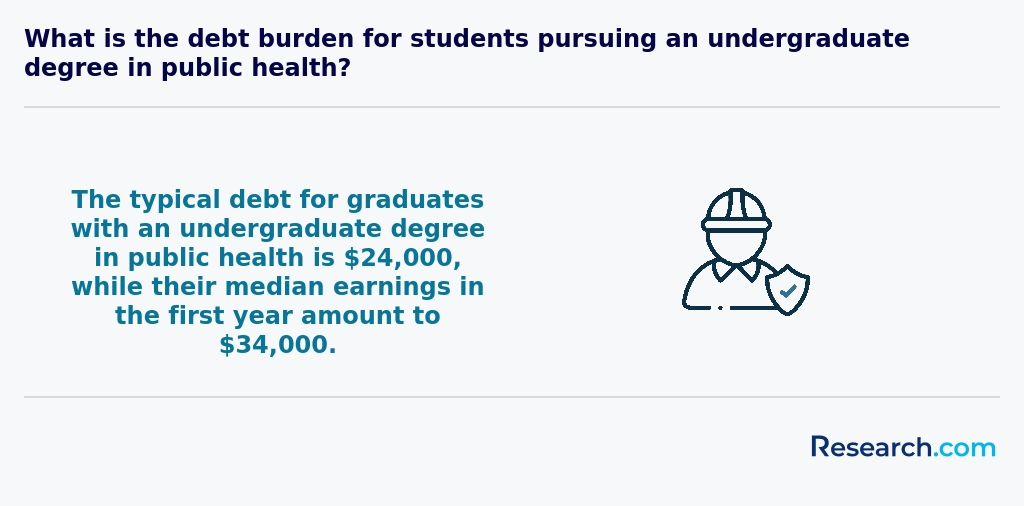
Accreditation by the Council on Education for Public Health (CEPH) ensures your online MPH meets rigorous educational and ethical standards. Graduating from a CEPH-accredited program not only unlocks federal financial aid and licensure eligibility but also signals to employers that you’ve received a quality education.
- Verify CEPH accreditation through the official CEPH directory or the university’s accreditation page.
- Confirm regional accreditation (e.g., HLC, NWCCU) for additional assurance of institutional quality.
- Check for professional affiliations and industry partnerships that enhance networking and practical experience.
- Look for transparent reporting of graduation rates, job placement statistics, and faculty credentials.
To explore complementary, cost-effective paths in healthcare training, see affordable online medical billing and coding schools.
Courses in online public health degrees from Midwestern schools like the University of Iowa or the University of Minnesota often center on core subjects such as epidemiology, biostatistics, and environmental health. Graduates frequently recall how epidemiology classes empowered them to analyze real Midwest disease outbreak data, enhancing their ability to protect communities during flu seasons or local health crises.
Many also found courses on rural health especially meaningful, addressing challenges unique to areas like Nebraska or Wisconsin. These classes explore access barriers, agricultural health risks, and chronic disease prevention strategies relevant to the largely rural population, making the lessons feel directly applicable.
Additional classes commonly include health communication, global health, and program evaluation. Graduates describe gaining confidence through practical projects-like designing outreach campaigns for diverse populations-that helped them build skills crucial for leadership roles in public health.
Students appreciate how this blend of theory and applied learning, tailored to the Midwest's landscape, develops versatile knowledge and inspires optimism about improving community health across varied local settings.
Midwest online MPH degree concentrations are evolving to meet the region's unique healthcare challenges, with graduates often reflecting on how specializations like Epidemiology and Environmental Health prepared them to tackle rural health disparities and industrial pollution effects firsthand. For instance, graduates from schools such as the University of Minnesota find that focusing on Health Policy and Management equips them with leadership tools crucial for shaping local healthcare systems, making their work feel immediately impactful.
Other popular specializations include Community Health and Education, where students create outreach programs that resonate with Midwestern values and populations, sparking enthusiasm for lasting health improvements. Biostatistics is also gaining traction as data-driven public health strategies grow essential, with graduates appreciating how this concentration sharpens their ability to analyze complex information relevant to real community issues.
Such diverse options reflect the broad scope of online public health specializations Midwest universities offer, attracting students eager to make a tangible difference in their communities. Many find this path aligns smoothly with their career goals, such as how to become a public health administrator fast, blending flexibility and specialized skills.
Choosing the best online public health degree in the Midwest means weighing several evolving factors to match both your ambitions and lifestyle. Graduates from prominent Midwest universities often share how flexible, asynchronous course formats allowed them to balance demanding jobs with rigorous study, fueling both excitement and confidence in their future careers. Emerging trends suggest programs increasingly tailor curriculum to regional public health issues like rural healthcare access and agricultural safety, turning theoretical learning into impactful practical skills.
Many successful students highlight the value of CEPH accreditation in securing competitive fellowships and job offers post-graduation, particularly from schools known for strong alumni networks. When considering affordable online MPH programs Midwest offers standout options, comparing total costs beyond tuition proves crucial to avoid unexpected fees. Exploring concentrations within public health can enable you to cultivate niche expertise aligned with current workforce needs in the region.
For prospective learners seeking transparent cost-benefit insights, the Cheapest Online Master's in Public Health Degree Programs Ranking in Pennsylvania offers a helpful comparative tool. Visualizing your future through the experiences of past students can turn the challenge of choosing a program into an exciting step forward in your public health journey.
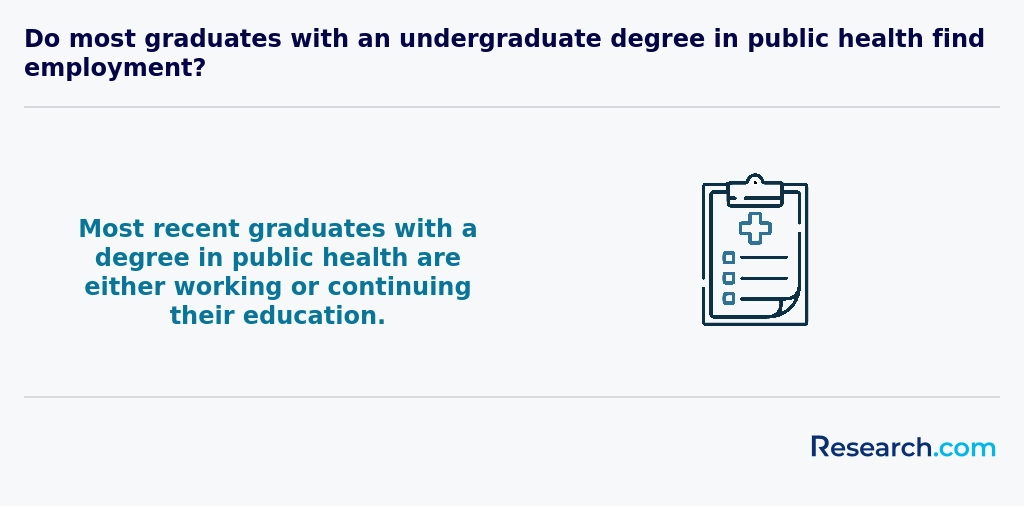
Graduates pursuing online public health careers Midwest often find themselves drawn to dynamic roles in epidemiology, health education, and healthcare administration. At well-regarded institutions like the University of Minnesota or Ohio State University, alumni express enthusiasm about applying their skills to real-world challenges such as infectious disease outbreaks or rural health disparities. These roles allow professionals to shape community health outcomes, supported by the region's expanding public health infrastructure and growing demand for expertise.
Midwest public health degree job opportunities also include emerging paths like public health policy analysis and environmental health, particularly relevant in urban and industrial hubs like Chicago and Milwaukee. Graduates from these programs often share how their coursework prepared them to evaluate and influence policies that reduce environmental health risks, creating meaningful impact on local populations.
For those weighing educational investments, exploring top associate degree in 6 months online options might complement or expedite career entry. Many graduates describe a rewarding sense of purpose and financial viability, citing salaries ranging broadly but prominently within the Midwest healthcare sector, which makes the region an exciting place for pursuing public health careers.
The job market for online public health careers in the Midwest is expanding steadily, fueled by a surge in local and state public health initiatives. Graduates from popular universities in Illinois and Michigan often share how their degrees opened doors to roles in health departments and hospitals, where preventive care and community wellness programs are becoming priorities. With steady funding increases in cities like Chicago and Columbus, these professionals find opportunities not only in epidemiology but also in health policy and advocacy.
Many graduates appreciate the affordability of online programs in the region, which pair well with the competitive, though slightly below national average, wages ranging between $50,000 and $70,000. This combination of reasonable tuition and strong demand creates a fertile ground for career growth. Some even mention how their education propelled them into corporate wellness roles or nonprofit health education, reflecting the diverse settings available across the Midwest.
Looking forward, the Midwest job outlook for public health graduates appears promising, highlighting growth in both urban centers and rural communities. Prospective students seeking flexibility and a great return on investment might explore options aligned with the top degree programs for older adults online, reflecting the inclusivity and adaptability of the field.
2027 Fastest Online Master's in Public Health Degree Programs Ranking in the Midwest
Investing in your education is a significant decision that can shape your future, and the Research.com team understands the importance of making informed choices. To assist prospective students in the Midwest, we have meticulously crafted the "2027 Fastest Online Master's in Public Health Degree Programs Ranking in the Midwest." Our commitment to quality, credibility, and accuracy is reflected in the extensive research and analysis conducted to compile this ranking.
We utilized the following reputable data sources to ensure a comprehensive evaluation of public health programs:
By exploring this ranking, readers will gain valuable insights into the fastest online Master's in Public Health programs in the Midwest, helping them make informed decisions about their educational paths. For more details on our methodology, please visit our Research.com methodology page.


# 4 position
University of Illinois Chicago
Master of Concentration in Community Health Practice and Methods




# 14 position
Walden University
Master of Public Health


# 16 position
A.T. Still University
Master of Public Health



# 20 position
Medical College of Wisconsin
Master of Public Health

Frequently Asked Questions About public health
Online public health degree students in the Midwest can maximize their learning experience by actively engaging with virtual course materials and participating in discussion forums. Midwest programs often emphasize community health, so students should connect with local public health organizations for practical experience. Many universities also provide access to career services and virtual networking events, which are essential for building professional relationships. According to the Association of Schools and Programs of Public Health (ASPPH), hands-on fieldwork and internships significantly improve job readiness. Utilizing regional data from the CDC on Midwestern health issues helps students apply theory to real-world challenges.
The public health field is evolving rapidly, especially in the Midwest, where new challenges demand specialized expertise. Emerging niches include epidemiology focusing on rural health, addressing unique disease patterns among less populated communities. Another growing area is health informatics, leveraging data to improve healthcare delivery and policy. Environmental health is also gaining importance due to the region's industrial and agricultural activities, contributing to concerns about pollution and chronic illness. Additionally, behavioral health promotion is expanding, targeting mental health issues exacerbated by economic stressors common in Midwestern states. According to the CDC, these areas see increased demand for skilled professionals with advanced online degrees.
After earning an online public health degree in the Midwest, preparing for the job market involves strategic steps. First, gain practical experience through internships or practicum placements, which many accredited programs require. These opportunities offer local networking and insights into regional health challenges. According to the Bureau of Labor Statistics, the Midwest shows steady growth in public health jobs, especially in community health roles. Additionally, obtaining relevant certifications, such as Certified Health Education Specialist (CHES), can enhance employability.
Engage with professional organizations like the Midwest Public Health Association to access job boards and events. Tailoring your resume to emphasize skills relevant to Midwestern public health issues, such as rural health, improves job prospects.
Employers in the Midwest prioritize several key skills when hiring graduates with online public health degrees. Analytical ability is essential, enabling professionals to interpret health data and identify trends. Communication skills, both written and verbal, are crucial for educating diverse populations and collaborating with healthcare teams.
Technical proficiency with public health software and data management tools is increasingly important given the region's focus on data-driven health solutions, as reported by the Association of Schools and Programs of Public Health (ASPPH) in 2023. Additionally, cultural competence stands out, reflecting the diverse communities across states such as Illinois and Minnesota.
Leadership and project management capabilities are also highly regarded, supporting effective public health interventions. Mastery of these skills enhances job prospects in sectors like epidemiology, health policy, and community health organizations throughout the Midwest.
Finding internships in the Midwest relevant to a public health degree involves exploring opportunities in state and local health departments, nonprofit organizations, and healthcare systems. Many Midwestern universities partner with agencies like the Illinois Department of Public Health or the Minnesota Department of Health to offer students placements. According to the Midwest Public Health Training Center, internships often focus on community health, epidemiology, or health policy. Students should also utilize career services at their universities, which frequently maintain local public health internship listings. Networking through professional associations like the American Public Health Association's Midwestern chapter can further enhance internship prospects.
An online public health degree can significantly enhance career mobility and advancement for professionals in the Midwest. Employers across states like Illinois, Ohio, and Michigan increasingly value formal education in public health, especially due to growing health challenges such as chronic diseases and opioid addiction.
Data from the Bureau of Labor Statistics shows a projected 11% growth in community and social service jobs in the Midwest through 2032, faster than average. Online degrees offer flexibility, allowing students to continue working while gaining skills in epidemiology, health policy, and program management.
Graduates with a master's in public health often qualify for leadership roles and higher salaries, with median wages reaching approximately $70,000 in this region according to the National Association of Colleges and Employers.
Online education also expands access to accredited programs, many of which maintain strong regional partnerships with health agencies, providing practical career pathways.
Studying for a public health degree in the Midwest equips students with the skills needed for interdisciplinary roles by integrating knowledge from fields like epidemiology, sociology, and health policy. Many Midwestern programs emphasize collaboration with local hospitals, government agencies, and community organizations, reflecting the region's diverse health challenges.
According to the Association of Schools and Programs of Public Health, Midwestern online programs often include case studies focused on rural health, addressing needs specific to about 22% of the population living in rural areas (US Census Bureau, 2022). This fosters practical problem-solving alongside experts from various disciplines.
Midwestern universities also highlight data analysis and communication skills, essential for working with multidisciplinary teams in public health settings.
Choosing between a thesis and a non-thesis online public health degree in the Midwest depends largely on your career goals and learning style. Thesis programs emphasize original research, ideal for students aiming to pursue doctoral studies or research-driven roles. Non-thesis options focus on practical skills and coursework, suitable for professionals seeking leadership or administrative positions in health agencies.
Midwestern universities often offer both paths, with thesis tracks requiring 6 to 12 credit hours of research. According to the Association of Schools and Programs of Public Health, about 40% of public health master's students in the region select thesis routes to deepen analytical expertise.
Consider your time commitment, too-thesis programs may extend your study period, while non-thesis tracks often allow faster completion.
Midwestern students pursuing an online public health degree have several opportunities to study abroad through their home institutions' international partnerships. Many universities in the Midwest, such as the University of Michigan and Ohio State University, offer exchange programs or short-term study trips to countries with emerging public health challenges, allowing students to gain global perspectives without fully relocating.
Additionally, some online MPH programs include optional global health tracks or practica that involve virtual collaboration with international organizations. According to the Association of Schools and Programs of Public Health, over 40% of accredited public health schools encourage global experiential learning.
These options enable Midwest students to enrich their public health education with international experience while benefiting from the flexibility of online coursework.
Part-time job opportunities in the Midwest that complement public health degree education often focus on community engagement and healthcare support. Positions such as contact tracers, health educators, and research assistants are common and align well with online public health studies. For example, the Illinois Department of Public Health frequently hires part-time contact tracers to help manage communicable diseases, providing practical experience in epidemiology.
Additionally, nonprofit organizations like the Indiana Minority Health Coalition offer roles in outreach and program support, helping students gain skills in health promotion and policy. According to the Bureau of Labor Statistics, public health-related jobs in the Midwest are projected to grow by 11% from 2022 to 2032.
Online public health students in the Midwest benefit from a variety of networking opportunities despite the virtual format. Many universities offer virtual career fairs, alumni events, and student organization meetings that connect students with regional professionals.
Students can engage with local chapters of national public health associations, such as the American Public Health Association's Midwest affiliate, facilitating connections with practitioners and researchers in states like Illinois, Ohio, and Missouri.
Additionally, Midwestern schools often partner with area health departments and agencies, providing internship options and virtual project collaborations. According to the Association of Schools and Programs of Public Health, these partnerships enhance practical experience and expand professional networks.
Alumni networks offer valuable support for online public health degree students in the Midwest. These networks connect current students with graduates who have local expertise and professional experience in public health roles across the region. According to the Association of Schools and Programs of Public Health, strong alumni engagement can improve job placement rates, a key factor for online learners seeking regional opportunities.
Through organized events and online platforms, alumni provide mentorship, career advice, and introductions to employers in Midwest cities such as Chicago, Indianapolis, and Minneapolis. This local focus helps students navigate the public health landscape, which varies across state health departments and community organizations.
Moreover, alumni networks often share job postings and internships specific to Midwest public health agencies. This creates a community that enhances professional growth beyond graduation, especially important for remote students who lack in-person campus connections.
Customizing an online public health degree in the Midwest allows students to align their education with specific career goals. Many programs offer concentrations such as epidemiology, health policy, or community health, helping students build expertise in their desired field. Coursework can be tailored through electives, internships, or practicum experiences, which are often completed remotely with local health organizations.
Midwestern schools frequently emphasize regional public health issues like rural health disparities and opioid addiction, giving learners relevant knowledge that employers seek. According to the Association of Schools and Programs of Public Health, Midwest programs rank high in community engagement opportunities, which improve practical skills.
Flexible scheduling and part-time options also support working professionals to advance while maintaining employment.
Online public health students in the Midwest commonly face challenges related to limited internet access, especially in rural areas where broadband connectivity remains below the national average. According to the Federal Communications Commission (FCC), about 22% of rural Midwestern residents lack high-speed internet, which can hinder participation in synchronous classes and timely submission of assignments.
Another challenge is balancing coursework with ongoing professional or family responsibilities. Many students enrolled in online programs are working adults, making time management crucial. Additionally, students often report feeling isolated due to fewer opportunities for in-person networking and collaboration compared to traditional programs.
Finally, accessing local practicum or internship sites can be difficult. Public health requires practical experience, yet placement options in small Midwestern communities are sometimes limited. This challenge affects skill development and job readiness upon graduation.
Graduates with an online public health degree in the Midwest can pursue several professional certifications to enhance their careers. The Certified in Public Health (CPH) credential, offered by the National Board of Public Health Examiners, is widely recognized and validates expertise in public health practice. Many employers in Midwestern states, such as Illinois and Ohio, prefer candidates with this certification. Additionally, certifications like the Certified Health Education Specialist (CHES) provide specialized skills in community education and outreach. The demand for certified public health professionals is growing in the Midwest, where public health agencies actively recruit to address local health challenges, according to the CDC's recent workforce reports.
Writing a winning application for an online public health program in the Midwest requires careful preparation. Begin by highlighting your academic background and relevant work experience in health-related fields. Midwest schools often seek candidates with clear goals tied to improving regional health outcomes, such as addressing rural health disparities or chronic disease prevalence. According to the CDC, many Midwestern states face unique public health challenges, making a strong personal statement essential to show your understanding of these issues.
Emphasize your motivation for studying online, ensuring you demonstrate time management skills and self-discipline. Additionally, secure strong letters of recommendation from professionals familiar with your commitment to public health practice or research. Finally, meet all application deadlines and requirements to avoid disqualification.
Public health careers hold significant global importance due to rising health challenges worldwide. Professionals trained in the US, including the Midwest, benefit from education that prepares them for diverse international roles. According to the Association of Schools and Programs of Public Health (ASPPH), midwestern programs often emphasize global health issues such as infectious disease control and health equity.
Graduates with online public health degrees can work with organizations like the World Health Organization or the Centers for Disease Control and Prevention. The US Bureau of Labor Statistics projects a 17% growth in public health jobs nationally through 2031, reflecting global demand for expertise.
Midwest institutions bolster this perspective by integrating global case studies and partnerships, enhancing students' readiness for international collaboration.
Gaining practical experience while studying for an online public health degree in the Midwest is essential for career readiness. Many universities encourage remote internships with local health departments, hospitals, and nonprofit organizations. For example, state health departments in Illinois and Ohio often partner with online students to offer virtual project work, allowing hands-on exposure to community health initiatives.
Additionally, some programs include practicum or capstone projects tailored to local public health issues, such as chronic disease prevention or rural health access. According to the Midwest Public Health Training Center, nearly 70% of online students engage in applied experiences during their studies, enhancing their professional skills and networking opportunities within the region.
Choosing the right concentration in an online public health degree program in the Midwest depends on your career goals and regional health challenges. Popular specializations include epidemiology, health policy, environmental health, and community health promotion. The Midwest has unique public health needs, such as addressing rural healthcare access and chronic diseases like diabetes and heart conditions, highlighted in the CDC's reports on the region.
Consider your professional interests and how they align with local public health priorities. Research universities in states like Illinois, Ohio, and Minnesota offering concentrations tailored to Midwest population health trends. Also, check program accreditation to ensure quality and national recognition.
- Master of Public Health Program https://www.midwestern.edu/academics/degrees-programs/college-graduate-studies/master-public-health-program
- Master of Public Health Degree Programs in Illinois - Healthcare Administration Degree Programs https://www.healthcare-administration-degree.net/masters-public-health-in/illinois/
- Public Health Practice Master Degree | OHSU-PSU School of Public Health https://ohsu-psu-sph.org/degree-programs/master-public-health/mph-php/
- 10 Best MPH Degrees in the Midwest https://www.masterspublichealth.net/best/mph-midwest/
- What can I do with an online DrPH? - MPH Online https://www.mphonline.org/careers-online-drph/
- How to Get Your First Public Health Job - PHERN https://phern.communitycommons.org/early-career-professional-learning-series/how-to-get-your-first-public-health-job/
- Students and Alumni associations - Europubhealth https://www.europubhealth.org/students-alumni-associations/
- Public Health Challenges – IPA SDG Dashboard https://sdg.internationalpublishers.org/sdgaction/public-health-challenges/
- Is an Online MPH Right for You? | University of Bridgeport https://www.bridgeport.edu/news/is-an-online-mph-right-for-you/
- Public Health Degrees & Careers | How To Work In Public Health https://www.learnhowtobecome.org/medical-health-careers/public-health/











