
2027 Most Popular Public Health Degree Programs Ranking in Portland

Co-Founder and Chief Data Scientist
If you're considering a future in public health, choosing the right program is an important step. This article introduces the 2027 Most Popular Public Health Degree Programs Ranking in Portland, created by the Research.com team of data scientists. It's designed to help you make an informed choice about which programs stand out in the city.
Exploring this ranking can save you time and effort while guiding you toward valuable opportunities. Pursuing a public health degree opens doors to meaningful careers that impact communities for the better.
Feel confident discovering programs that fit your goals and passions right here in Portland.
Key benefits of getting public health degree in Portland
- Public health degree graduates in Portland can earn competitive salaries, such as a Health Educator earning around $69,790 annually or an Environmental Health Specialist making approximately $86,710 per year.
- Graduates from Portland universities often find diverse career paths in community health, environmental health, and occupational safety, offering rewarding work that impacts local well-being.
- Online public health degrees provide flexibility and convenience, allowing graduates to balance work and study while gaining the same valuable knowledge and skills as traditional programs.
- 2027 Most Popular Public Health Degree Programs Ranking in Portland
- What can I expect from public health degree in Portland?
- Where can I work with public health degree in Portland?
What can I expect from public health degree in Portland?
The average cost of pursuing a public health degree in Portland typically ranges between $10,000 and $35,000 per year, depending on the institution and level of study. Graduates from institutions like Portland State University often share how investing in their education opened doors not only through quality coursework but also hands-on community projects that felt meaningful and impactful.
Many students appreciate how tuition costs include access to internships with local health departments and non-profits, which add invaluable real-world experience without additional expenses. This blend of affordable education and practical learning helps students feel confident and prepared to enter a growing public health workforce in Portland.
For those passionate about making a difference, knowing that your tuition supports engaging with local public health challenges-from urban health concerns to environmental sustainability-makes this investment feel purposeful. Graduates often reflect on how their programs balanced cost with opportunity, inspiring them every day to contribute to healthier communities.
Where can I work with public health degree in Portland?
Graduates with a public health degree from Portland's renowned institutions, such as Portland State University, find themselves stepping into a vibrant job market filled with meaningful opportunities. Many enter the Oregon Health Authority, contributing to vital programs that improve community health and fight chronic diseases. Others join local government agencies, like the Portland Public Health Division, where they help shape policies on clean water access and disease outbreak management, directly impacting residents' lives.
Nonprofit organizations in Portland also eagerly welcome graduates, offering roles in mental health, harm reduction, and health equity-fields where passion meets purpose. Public health alumni often speak of fulfilling careers in hospitals and healthcare systems such as Oregon Health & Science University (OHSU), engaging in innovative research and community programs that tackle health disparities.
The city's private sector, including wellness companies and environmental consultancies, provides additional exciting paths. Graduates help design workplace wellness programs and promote sustainable practices, creating healthier environments for all. These rich career options make Portland an inspiring place to launch a public health journey.
Graduates with a public health degree in Portland often find rewarding career paths with competitive salaries that reflect their education and passion for community well-being. For example, community health workers typically earn a mean annual wage of $52,610, helping people improve their health through education and outreach. Many graduates from Portland-area institutions feel empowered by these roles, knowing their work creates real impact every day.
Health educators in Portland, a popular choice among master's degree holders, enjoy even higher earnings - around $69,790 annually-while designing programs that inspire healthier lifestyles within local communities. Graduates often share how rewarding it is to see families embrace their guidance and thrive.
Specialized roles like environmental health specialists and occupational health and safety specialists are flourishing in Portland's vibrant public health ecosystem. These professionals earn mean annual wages of $86,710 and $85,570, respectively, protecting workplaces and environments for healthier futures. Graduates with advanced skills find these positions both intellectually stimulating and financially encouraging, making Portland a nurturing place to grow their careers.
- Portland offers public health programs mainly through Portland State University, including Bachelor's and Master's degrees focused on community health, epidemiology, environmental health, and health policy.
- In-state tuition for public health programs typically ranges from $8,000 to $12,000 per year, while out-of-state students pay about two to three times more.
- Additional costs such as books, fees, and living expenses add approximately $10,000 annually to students' budgets.
- Entry-level public health jobs in Portland pay around $50,000 to $60,000 yearly, with mid- to late-career salaries reaching $80,000 or more depending on experience and employer.
- Job opportunities exist in government agencies, healthcare providers, nonprofits, and research institutions, supported by steady regional growth in healthcare occupations.
Completing a public health degree in Portland opens doors to a fulfilling career in just the right amount of time for your goals. Many students at Portland State University find that earning a Bachelor of Science in Public Health takes about four years of focused, full-time study-ample time to build strong foundations and connections in the community. Graduate students at Oregon Health & Science University often report that a Master of Public Health can be achieved in one to two years when studying full-time, with some accelerated paths allowing completion in as little as 12 to 18 months. Imagine balancing your courses with real-world practicum experiences, gaining hands-on skills that future employers will value. Doctoral candidates embrace a rewarding journey over four to six years, conducting original research that can transform public health outcomes in Portland and beyond. Whether studying full-time or part-time, these programs are designed to fit your life and passion, empowering you step by step to make a meaningful difference.
As the landscape of public health continues to evolve, prospective students in Portland, OR, are increasingly seeking programs that not only offer a solid academic foundation but also prepare them for future challenges. Today’s public health curriculum is being reshaped by digital innovations, data analytics, and interdisciplinary collaboration, ensuring that graduates are well-equipped to tackle emerging health issues. Innovative research opportunities are on the rise as institutions partner with local organizations to address real-world challenges-from managing pandemics to combating chronic diseases. Students are now encouraged to explore programs that integrate modern technology with traditional public health practices, fostering skills such as digital health literacy and advanced epidemiological analysis. This focus helps graduates navigate complex environments where data-driven decision-making is essential. For those researching top-notch options, viewing popular public health programs can provide insights into how leading institutions are adapting to these advancements. Furthermore, future-focused programs are increasingly emphasizing community-engaged research and cross-sector partnerships, ensuring that students gain both technical competence and a deep understanding of social determinants of health. These trends not only enhance academic experiences but also open doors to innovative career pathways in public policy, research, and global health initiatives. Embracing emerging trends can empower the next generation of public health professionals to be agile, informed, and ready to lead in a dynamic healthcare landscape.
Choosing between online and on-campus public health degrees in Portland opens exciting possibilities tailored to your lifestyle and goals. On-campus programs, like those at Portland State University, immerse you in a vibrant community where you collaborate face-to-face with passionate peers and professors. Imagine joining lively seminars, participating in hands-on labs, or attending local health events that connect you directly to Portland's public health landscape. Graduates often cherish the internships with nearby health organizations that give real-world experience and build valuable networks.
Online public health degrees, accredited and comprehensive, offer inspiring flexibility for busy professionals and caregivers. You can engage deeply with coursework on your schedule through virtual discussions and lectures, enabling you to balance studies with life's demands. Many graduates appreciate the freedom to access diverse programs beyond Portland while receiving the same quality education.
Both paths empower you to make a meaningful impact, whether through direct community involvement or adaptable learning that fits your unique journey.
Applying to public health degree programs in Portland, OR involves a clear, step-by-step process designed to showcase your strengths and fit for each institution. Follow this checklist to maximize your chances of admission: 1. Research and Select Programs – Verify CEPH accreditation and review specializations (e.g., epidemiology, environmental health). – Compare program formats (online, hybrid, on-campus), tuition, financial aid options and job placement rates. 2. Note Key Deadlines – Fall intake: typically December 1 (some schools offer rolling admissions). – Spring intake: often October 1 (confirm each university’s portal). – Deadlines for scholarship and assistantship applications may fall earlier. 3. Gather Required Materials – Official transcripts from all post-secondary institutions. – GRE scores (if required; check for test-optional policies). – Personal statement (500–750 words) highlighting community engagement, research or work experiences in public health. – Updated resume or CV emphasizing leadership roles, volunteer work, internships and relevant certifications (e.g., CPR, CHES). – Two to three letters of recommendation from academic mentors or public health professionals. 4. Complete the Online Application – Create an account on each school’s admissions portal. – Upload documents, pay (or waive) application fees, and answer any supplemental prompts. – Double-check for formatting errors and consistency across all materials. 5. Engage with Admissions and Campus Community – Attend virtual info sessions or campus tours to ask specific questions about curriculum and practicum opportunities. – Reach out to faculty or current students via LinkedIn or email for insights on program culture and career outcomes. 6. Track Your Application Status – Monitor your portal for interview invitations or requests for additional information. – Prepare for possible interviews by reviewing your personal statement and discussing public health trends in Portland. 7. Plan for Future Academic Pathways – If you envision a doctoral career, research affordable options and explore cheap phd in public health programs online to map out your long-term trajectory in research and leadership.
The average cost of obtaining a public health degree in Portland reflects a balanced investment, with median total costs around $11,679 for in-state students and approximately $45,534 for out-of-state students. Many graduates from Portland State University, a well-recognized institution for public health, share how their educational journey felt accessible thanks to Portland's moderate tuition rates combined with manageable living expenses.
Students pursuing a public health degree in Portland often find that the total tuition and fees for public health programs Portland offer an encouraging gateway to their future careers. These costs, while an important consideration, are complemented by the availability of financial aid and scholarships that help lighten the financial burden and make the pursuit of health equity careers more realistic and rewarding.
For those balancing studies with practical experience, connecting with campus resources and community programs can enhance their pathway. Graduates often reminisce about how internship opportunities for pharmacy technicians and other health-related roles provided valuable hands-on learning, helping them confidently step into the workforce without feeling overwhelmed by costs.
Choosing to study public health in Portland means joining a community that values education and supports students throughout their degree. With careful planning, the average cost of a public health degree in Portland becomes a worthwhile investment, opening doors to meaningful careers dedicated to improving well-being locally and beyond.
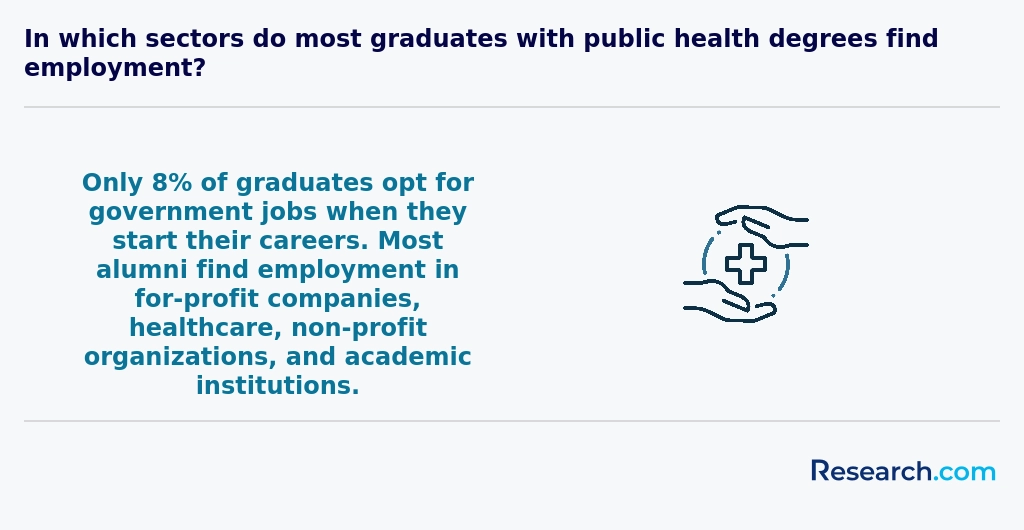
Students pursuing public health degrees in Portland find hopeful financial aid opportunities that make their dreams achievable. Many tap into federal grants and loans through FAFSA, unlocking access to Pell Grants that offer up to $7,395 annually-money that doesn't have to be repaid. Oregon's own state aid, like the Oregon Opportunity Grant, provides an additional financial boost, easing the burden for low- and middle-income students from the community.
Graduates from Portland State University and Oregon Health & Science University often share how securing merit-based scholarships or public health-focused awards from organizations such as the Oregon Public Health Association transformed their educational journey. Some have thrived by combining their studies with graduate assistantships or funded research positions, gaining valuable experience while receiving stipends and tuition waivers.
These financial pathways create a supportive environment where commitment and passion for public health are both recognized and rewarded. By exploring every option early, Portland students confidently pursue their degrees knowing meaningful assistance awaits them.
Portland’s leading public health programs are distinguished by faculty whose research achievements drive innovation in community health. Students learn directly from professors actively publishing in peer-reviewed journals, securing grants from agencies like the CDC, and leading interdisciplinary studies on topics ranging from urban health equity to climate-driven disease patterns. Engaging with these experts not only deepens theoretical understanding but also offers mentorship opportunities for graduate theses and capstone projects. Many programs partner with local organizations-such as the Oregon Health Authority and regional non-profits-to provide students with hands-on research practicums. For example, under faculty supervision, graduate teams have evaluated the impact of food-access initiatives in East Portland, producing data that shaped city-wide nutrition policies. These collaborations ensure that your work contributes to real-world interventions and enhances your professional portfolio. For doctoral candidates seeking an affordable, yet rigorous, pathway to advanced research credentials, the Low Cost Online Doctorate in Public Health Degree Programs Ranking in the South highlights programs that balance cost-effectiveness with high-caliber scholarship. Whether you aim to publish in leading journals or present findings at national conferences, Portland’s faculty-driven research ecosystem equips you with the skills, network, and credibility to advance public health knowledge and practice.
To embark on a public health degree journey in Portland, students typically need a high school diploma or GED, complemented by strong coursework in biology, chemistry, math, and social sciences. Many graduates from Portland State University and other local colleges recall how their solid STEM foundation made stepping into public health studies inspiring and energizing.
For those aiming at graduate programs like the Master of Public Health, having a bachelor's degree in related fields is key. Many Portland applicants find that gaining real-world experience through internships or community health work not only enriches their application but also deepens their passion for making a difference in local communities.
Preparing personal statements and recommendation letters that reflect genuine commitment is another crucial step. Graduates share how highlighting volunteerism and engagement in Portland's vibrant community health initiatives helped them stand out and feel connected to the city's strong social equity values.
With accessible pathways and supportive local resources, Portland offers a welcoming environment for future public health leaders ready to create positive change.
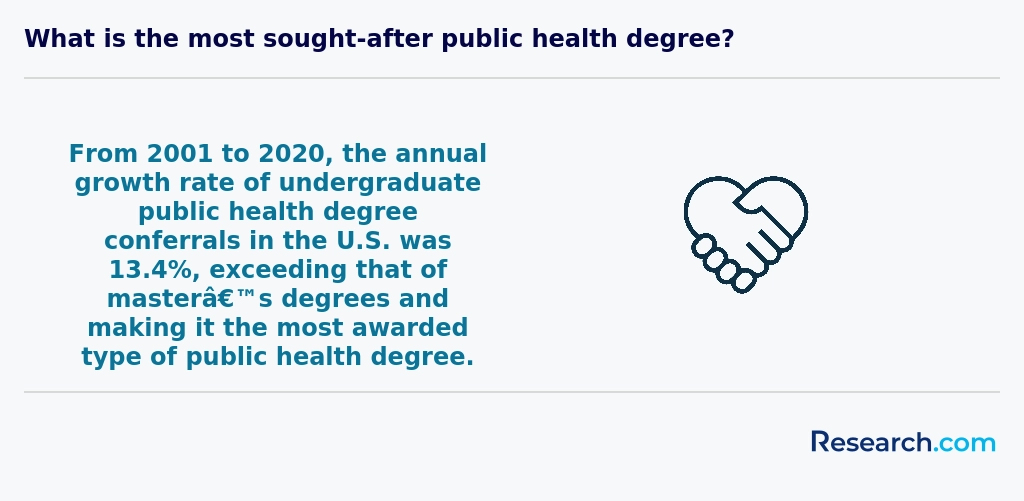
Students pursuing public health degrees in Portland dive into courses that inspire a deep understanding of how to promote healthier communities. Graduates from well-known local universities often recall how "Introduction to Public Health" helped them see the big picture of population health and prevention strategies, fueling their passion to make a difference.
Core classes include Epidemiology and Biostatistics, where students learn to track diseases and analyze vital data, skills they apply during hands-on projects addressing real Portland health concerns. Environmental Health classes bring awareness to how the city's unique surroundings impact well-being, while Health Policy and Management courses empower students to shape effective healthcare systems.
Social and Behavioral Health Sciences and Global Health open students' eyes to the cultural and international aspects of health, encouraging empathy and innovative thinking. Community Health Assessment and Program Planning further connect learning to action, offering opportunities to design programs that support Portland's diverse neighborhoods. These courses create confident, community-focused professionals ready to champion health equity and positive change.

In Portland, public health degree specializations open doors to inspiring careers that make a real difference in communities. Graduates from local universities often engage deeply with epidemiology, tracking disease patterns amid Portland's unique environmental challenges, such as monitoring air quality to protect vulnerable populations.
Many students embrace health policy and management, learning to shape healthcare systems and drive reforms essential to Oregon's evolving public insurance landscape. This specialization empowers graduates to step confidently into leadership roles in government and nonprofits.
Environmental health is a cornerstone for Portland's public health programs, reflecting the city's commitment to sustainability. Students thrive by tackling urban pollution and water quality issues, preparing to create safer, greener communities.
Community health education resonates strongly with students passionate about outreach, especially among Portland's diverse populations. Many find joy in designing programs that promote wellness and equity.
Additional options like biostatistics and global health allow for advanced data-driven research and a wider perspective on health challenges. Those exploring Portland public health career options are often inspired by personal stories of graduates combining passion with practical skills to serve locally and worldwide.
For individuals considering a public health path, it's encouraging to know that Portland's programs integrate these specializations with competitive tuition. Plus, if you're interested in related healthcare fields, exploring nursing career prospects Kansas can offer additional insights and inspiration.
Choosing the best public health degree programs Portland offers means focusing on quality, affordability, and real-world impact. Graduates from Portland State University often describe their experience with the CEPH-accredited program as transformative, appreciating the strong community health emphasis that reflects Portland's unique urban environment. This connection to local public health challenges makes their education feel immediate and meaningful.
Another key factor is affordability. Many students choose affordable public health colleges in Portland because they balance cost with excellent training. Scholarships and assistantships help lighten the financial load, allowing students to focus on learning and gaining experience. If budgeting is a concern, exploring options like cheap mha degrees within the region offers a pathway to quality education without overspending.
Hands-on opportunities are crucial. Internships with organizations such as the Multnomah County Health Department give students invaluable exposure, boosting confidence and networking. The flexibility of programs offering evening or online classes also lets students juggle work and study, fueling their drive for success in the vibrant public health sector of Portland.
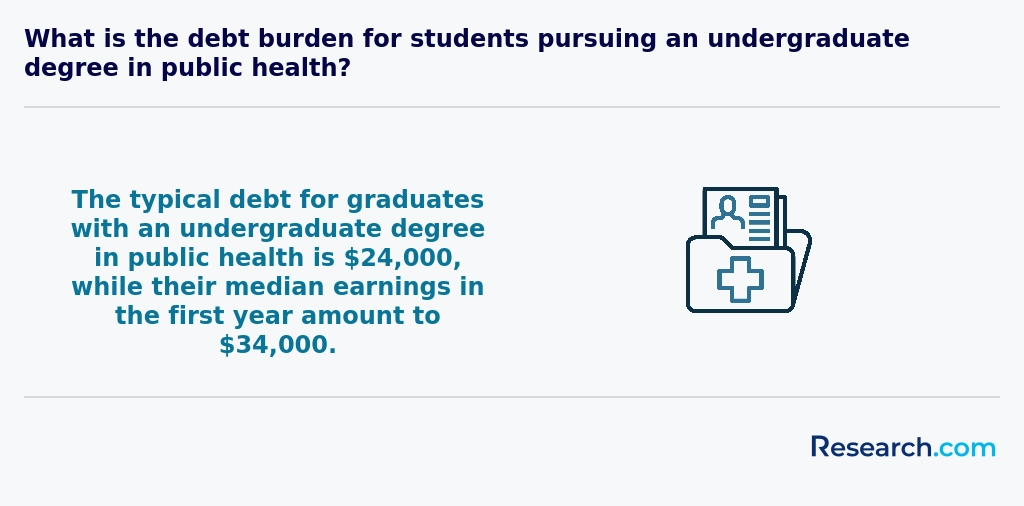
Graduates with a public health degree in Portland find inspiring career paths that truly make a difference. Many embark on roles as epidemiologists or biostatisticians, analyzing vital data to help safeguard community health. Portland's local public health departments provide meaningful opportunities where graduates contribute to disease prevention and education efforts, often supported by faculty from well-known institutions around the city. This hands-on experience reinforces the fulfillment of working close to home while impacting lives directly.
Jobs with public health degree Portland also lead to rewarding positions as health educators and community health workers. Graduates share their passion by developing programs to boost mental health awareness and fight chronic illnesses in vibrant neighborhoods. At popular universities, students often participate in impactful outreach that brings these skills to life, deepening their connection to the community.
Environmental health specialists thrive here as well, helping to protect Portland's commitment to sustainability through monitoring and policy support. For those drawn to research, Portland's academic institutions provide dynamic settings where graduates engage in groundbreaking studies. Explore these possibilities through the popular public health programs tailored for ambitious students in the region.
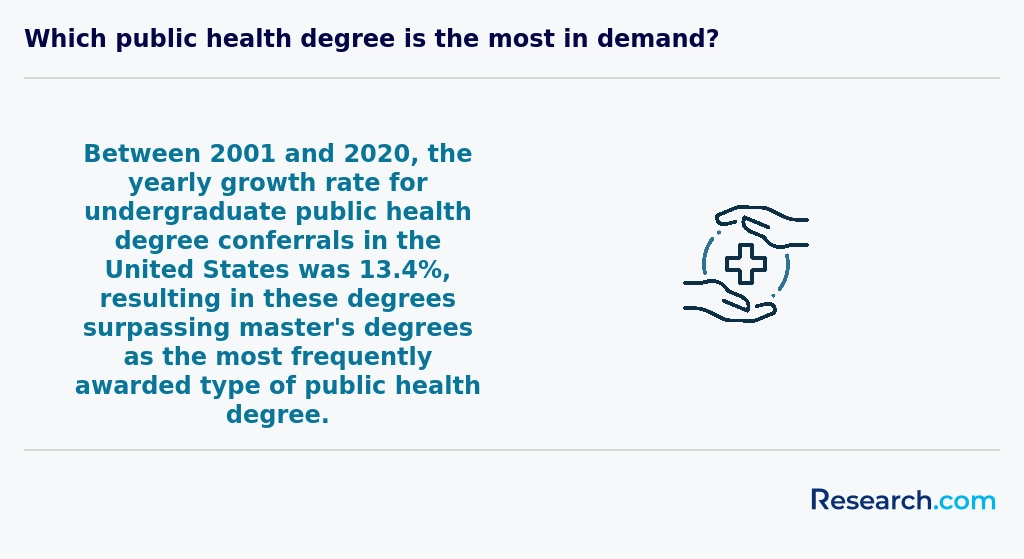
The job market for public health degree holders in Portland is vibrant and full of promise. Graduates from well-known institutions like Portland State University find themselves stepping into roles that impact the community directly, such as health educators, epidemiologists, and policy analysts. These positions offer competitive salaries, with many entry-level graduates beginning around $50,000 and experienced professionals earning upwards of $90,000 annually. The Portland public health career outlook 2027 remains strong, driven by a growing demand for expertise in health data and community outreach amid ongoing public health challenges.
Many graduates share inspiring stories of collaborating with local government agencies and nonprofits, translating their education into meaningful action within Multnomah County and beyond. For those exploring options, Portland's educational institutions balance quality and cost, and there's even opportunity to explore a cheap phd in public health programs online, connecting students with flexible pathways to advance their careers while managing expenses.
With interdisciplinary roles emerging in environmental health and policy, students equipped with practical skills from Portland schools are positioned to thrive. The public health degree job opportunities in Portland are not only broad but also deeply rewarding for those eager to make a difference.
2027 Most Popular Public Health Degree Programs Ranking in Portland
Investing in your education is a significant decision that can shape your future, and the Research.com team understands the importance of making informed choices. To assist prospective students in Portland, we have meticulously crafted the "2027 Most Popular Public Health Degree Programs Ranking in Portland." Our commitment to quality, credibility, and accuracy is reflected in the extensive research and analysis conducted to compile this ranking.
We utilized the following reputable data sources to ensure a comprehensive evaluation of public health programs:
By exploring this ranking, readers will gain valuable insights into the most popular public health degree programs in Portland, empowering them to make well-informed decisions about their educational pathways. For more details on our methodology, please visit our Research.com methodology page.

# 4 position
Oregon Health & Science University
Master of Public Health

# 5 position
Oregon Health & Science University
Public Health Doctoral
Frequently Asked Questions About public health
Public health degree students in Portland can enhance their learning by engaging with the city's diverse community health initiatives. Portland's focus on environmental health and health equity offers valuable practical experiences for students. Collaborating with local organizations such as the Oregon Health Authority provides access to real-world public health challenges.
Participating in internships and research projects connected to Portland State University or Oregon Health & Science University deepens understanding through applied learning. According to the Oregon Health Authority, over 50% of public health graduates in Oregon secure employment within the state, highlighting local opportunities.
Students should also attend public health workshops and networking events hosted by Portland institutions to build professional connections and stay updated on regional health trends.
The public health field is evolving rapidly, with several emerging niches gaining attention in Portland and across the US. One notable area is data science and informatics, which uses big data to track disease patterns and improve community health strategies. According to the Oregon Health Authority, Portland sees growing demand for professionals skilled in health analytics.
Another expanding niche is environmental health, particularly related to urban sustainability and pollution. Portland's commitment to green living drives interest in experts who assess environmental risks and promote healthier ecosystems. Global health and pandemic preparedness also remain vital, with local agencies emphasizing emergency response training.
These specializations reflect the need for interdisciplinary expertise responding to complex health challenges today.
Preparing for the job market after earning a public health degree in Portland involves building both practical experience and professional connections. Many local employers, including public agencies like the Oregon Health Authority, value candidates with internship experience. Portland offers numerous internship opportunities in community health organizations, nonprofits, and government programs.
Networking is crucial; attending local public health events and joining regional chapters of national associations, such as the American Public Health Association, can connect graduates with potential employers. According to Oregon Employment Department data, the demand for health educators and community health workers in Portland is projected to grow by over 10% by 2030.
Further certification, like the Certified in Public Health (CPH) credential, can also improve job prospects by demonstrating expertise and commitment to the field.
Employers in Portland seek public health graduates with strong analytical skills to interpret data from sources like the Oregon Health Authority. Being able to conduct community health assessments and identify local health disparities is essential. Communication skills are also highly valued, as professionals must clearly convey findings to diverse audiences, including policymakers and the public. Additionally, familiarity with public health software and Geographic Information Systems (GIS) is advantageous given Portland's focus on spatial health data.
Leadership and teamwork abilities are critical, especially when collaborating on initiatives aimed at reducing health inequities. Understanding Oregon's public health regulations adds further value. According to recent job postings on the Oregon Health Authority portal, skills in epidemiology and program planning rank among the most requested.
Finding internships in Portland relevant to a public health degree involves leveraging local resources and institutions. Portland has a growing public health sector, supported by organizations such as Multnomah County Health Department and Oregon Health Authority, which routinely offer internship opportunities. Students should explore partnerships their colleges have with these agencies, as many programs include placement assistance.
Additionally, universities like Portland State University often maintain dedicated internship boards for public health students. Websites such as Handshake and the Oregon Health Authority careers page list openings specifically in the Portland area. Networking through local public health events and professional groups like the Oregon Public Health Association can also uncover unadvertised internships.
According to a 2023 Portland Bureau of Labor Statistics report, internships in public health fields are increasingly available as the demand for health professionals rises. Seek positions focused on community health, epidemiology, or health policy for optimal career experience.
A public health degree in Portland significantly enhances career mobility and advancement opportunities. According to the Oregon Health Authority, the region's growing focus on community health programs drives demand for professionals with formal public health training. Graduates often find roles in hospitals, local government, nonprofits, and research institutions.
Many employers in Portland prioritize candidates with degrees such as a Bachelor or Master of Public Health because these credentials signal critical skills in epidemiology, policy analysis, and health education. The Bureau of Labor Statistics notes that public health careers in Oregon are projected to grow by 19% through 2030, well above the national average.
Additionally, networking through Portland's active public health organizations supports professional development and job placement. Credentials also enable advancement into leadership or specialized roles, increasing earning potential and job security in a competitive market.
Studying for a public health degree in Portland equips students with skills to work across multiple disciplines. Programs in the city emphasize collaboration with sectors such as healthcare, environmental science, and social services. This interdisciplinary approach reflects Portland's diverse public health landscape, addressing issues from urban air quality to community wellness.
Local universities often incorporate partnerships with organizations like the Oregon Health Authority and Multnomah County Health Department. These collaborations provide practical experience and insights into real-world challenges.
According to the Oregon Public Health Division, Portland faces specific health concerns requiring knowledge of policy, epidemiology, and community outreach, which are core to the curriculum.
Graduates are thus prepared to engage effectively with varied professionals, enhancing their capacity to design and implement complex public health interventions.
When deciding between a thesis and a non-thesis public health degree program in Portland, consider your career goals first. A thesis option typically suits students aiming for research or academic roles, as it involves conducting original research and writing a detailed paper. This path often prepares graduates for doctoral studies.
Non-thesis programs focus more on practical skills and coursework, ideal for those pursuing direct public health practice or administrative jobs. Portland's public health sector, which is actively expanding due to initiatives by the Oregon Health Authority, offers many roles valuing applied knowledge.
Costs and time commitments also differ; thesis programs may require more time for research. Consult advisors at Portland-based schools to explore local resources and faculty expertise aligned with your interests.
Students based in Portland who wish to study public health abroad have several options within the framework of U.S. higher education. Many universities in Portland, such as Portland State University, offer study abroad programs or partnerships with international institutions. These programs often include semester exchanges focused on global health topics.
Additionally, students can participate in programs sponsored by organizations like the Council on Education for Public Health (CEPH), which accredits schools offering global public health curriculum. According to the Oregon Health Authority, over 70% of Portland's public health graduates seek international experience to enhance their career prospects.
Financial aid and scholarships for study abroad are also available through federal programs and some Portland universities, easing access to these valuable opportunities.
Portland offers various part-time job opportunities that align well with public health degree education. Students can work as health educators or community outreach assistants, roles that support local nonprofits like Oregon Public Health Institute. These positions provide hands-on experience in health promotion and disease prevention strategies.
Additionally, part-time roles in clinics or hospitals, such as patient navigators or administrative support, help students understand healthcare systems in real time. Portland's growing focus on environmental health opens doors in organizations monitoring air quality and sustainability efforts.
According to the Oregon Employment Department, healthcare occupations in Portland are projected to grow 15% by 2030, emphasizing ample opportunities for public health students.
Public health students in Portland have access to diverse networking opportunities through local universities, professional organizations, and community initiatives. The Oregon Public Health Association (OPHA) hosts regular events connecting students with public health professionals across the state. Universities like Portland State University provide forums and workshops that foster collaboration among students and local health agencies.
Portland's active public health community encourages student participation in conferences such as the annual Oregon Public Health Conference, which attracts over 800 professionals. Internships with the Multnomah County Health Department also offer hands-on experience and valuable contacts within local government.
These opportunities are essential for building professional relationships and advancing careers in this competitive field.
Alumni networks play a significant role for public health degree students in Portland by offering valuable professional connections. These networks provide access to job opportunities in local organizations such as the Oregon Health Authority and Multnomah County Health Department, which actively recruit from regional universities. According to the Oregon Public Health Association, strong alumni ties improve employment outcomes by up to 20% for recent graduates.
Students can also benefit from mentorship offered through alumni events and online platforms, gaining insights into current public health challenges in Portland. Networking helps students develop soft skills and stay informed about industry trends, enhancing career readiness in a competitive job market.
In Portland, customizing a public health degree program to match your career goals involves selecting specializations and elective courses aligned with your interests. Many local universities offer concentrations such as epidemiology, health policy, or community health, allowing students to tailor their studies. Portland's public health workforce demands skills in environmental health and urban health promotion, reflecting the city's focus on sustainability and diverse populations, according to the Oregon Public Health Division.
Internships and practicum opportunities within Portland's extensive network of health agencies provide practical experience. This hands-on learning helps students connect theory with real-world challenges, boosting employability.
Careful program selection, combined with locally relevant experiences, helps students build a personalized skill set suited for Portland's evolving public health landscape.
Public health students in Portland often face challenges related to both academic rigor and real-world application. Many programs require balancing demanding coursework with internships or fieldwork, which can be time-consuming and stressful. The competitive nature of internships in local health departments and nonprofits adds additional pressure, especially since Portland's public health sector is highly active due to its diverse population.
Financial strain is another common issue. According to the Oregon Office of Student Access and Completion, tuition and living expenses in Portland have risen steadily, with many students relying on loans or part-time jobs. Limited availability of practicum sites in urban and rural settings contributes to difficulties in gaining diverse practical experience.
Finally, some students report challenges related to addressing complex local health issues, including homelessness and substance use, which require multidisciplinary approaches. Staying updated with rapidly changing health policies in Oregon adds to the academic demands.
With a public health degree in Portland, graduates can pursue several professional certifications to advance their careers. One of the most recognized is the Certified Public Health (CPH) credential, offered by the National Board of Public Health Examiners. This certification validates knowledge across core public health areas and is valuable for many employers.
Other certifications include the Certified Health Education Specialist (CHES) and the Registered Environmental Health Specialist (REHS), which align with specific public health roles. Portland's growing healthcare sector and public health organizations often prefer candidates with these certifications. According to the Oregon Public Health Division, certified professionals contribute significantly to community health outcomes in the region.
To write a winning application for a public health program in Portland, begin by clearly demonstrating your passion for community health and understanding of local public health challenges. According to Oregon Public Health Division data, issues such as air quality and chronic disease prevention are key priorities here. Highlight any relevant experience, including internships or volunteer work with Portland-area health organizations.
Strong academic records, particularly in sciences and social sciences, are essential. Many programs require letters of recommendation, so seek endorsers familiar with your commitment to public health. Tailor your personal statement to reflect how studying in Portland aligns with your career goals in addressing urban and environmental health disparities.
Global perspectives on a public health career emphasize the increasing need for professionals who understand complex health challenges across diverse populations. In the United States, including Portland, public health degrees prepare students to address issues like infectious diseases, environmental health, and health inequities, all of which have international relevance.
According to the Oregon Public Health Division, Portland's programs often collaborate with global health organizations, opening opportunities for students to engage in worldwide health initiatives. The demand for public health experts with a global outlook is growing due to pandemics and climate change impacts.
Public health careers in Portland increasingly value skills in epidemiology, policy development, and cross-cultural communication, reflecting the interconnected nature of health problems today.
Gaining practical experience while studying for a public health degree in Portland is crucial to building a successful career in the field. Many local universities and colleges partner with community health organizations, hospitals, and government agencies to offer internships and practicum opportunities. For example, Portland State University collaborates with Multnomah County Health Department to provide hands-on learning.
Students can also engage in volunteer work with organizations such as the Oregon Public Health Institute, allowing them to apply classroom knowledge to real-world challenges. According to the Oregon Employment Department, internship participation significantly improves job prospects in Portland's public health sector.
Choosing the right concentration within a public health degree in Portland begins with identifying your career goals. Common concentrations include epidemiology, health policy, environmental health, and community health promotion. Each focuses on distinct aspects of public health practice in Oregon's urban and rural settings.
Consider Portland's specific public health challenges like air quality and homelessness, which may influence your choice. For example, an environmental health focus is relevant due to the city's air pollution concerns reported by the Oregon Health Authority.
Review program curricula carefully and seek concentrations that offer practical experience in Portland's diverse communities. Connecting with local public health agencies or professionals can also provide valuable insight.
- 2027 Most Popular Public Health Degree Programs Ranking in Corvallis
- 2027 Most Popular Public Health Degree Programs Ranking in Seattle
- 2027 Most Popular Public Health Degree Programs Ranking in Salt Lake City
- 2027 Most Popular Public Health Degree Programs Ranking in Los Angeles
- 2027 Most Popular Public Health Degree Programs Ranking in La Jolla
- 2027 Most Popular Public Health Degree Programs Ranking in San Diego
- 2027 Most Popular Public Health Degree Programs Ranking in Albuquerque
- 2027 Most Popular Public Health Degree Programs Ranking in Omaha
- 2027 Most Popular Public Health Degree Programs Ranking in Minneapolis
- 2027 Most Popular Public Health Degree Programs Ranking in Saint Paul
- APHA Internships & Fellowships https://www.apha.org/professional-development/apha-internships
- Education https://www.ohsu.edu/education/financial-aid-and-scholarship-information
- Areas in Public Health https://www.publichealthcareers.org/areas-in-public-health.html
- Effective Networking Strategies for Public Health Professionals | PH SPOT https://phspot.org/effective-networking-strategies-for-public-health-professionals/
- Today’s Guide to Public Health Certifications https://www.publichealthdegrees.org/resources/public-health-certifications/
- Public Health Degrees & Careers | How To Work In Public Health https://www.learnhowtobecome.org/medical-health-careers/public-health/
- Medical University of GdaÅsk https://publichealth.mug.edu.pl/
- Applied Learning Experience - OHSU-PSU School of Public Health https://ohsu-psu-sph.org/applied-learning-experience/
- For Academic Public Health https://globalnetworkpublichealth.org/
- Financial Aid Guide https://www.publichealth.org/resources/financial-aid/











