
2027 Most Popular Public Health Degree Programs Ranking in Salt Lake City

Co-Founder and Chief Data Scientist
Choosing the right public health degree program in Salt Lake City can shape your future and impact your community. To guide you, this article presents the 2027 Most Popular Public Health Degree Programs Ranking in Salt Lake City, developed by the Research.com team of data scientists.
By exploring this ranking, you'll discover programs that combine quality education and local relevance. Whether you're starting or advancing your career, understanding your options helps you make confident decisions.
Investing in a public health degree opens doors to meaningful work, and this guide supports you every step of the way.
Key benefits of getting public health degree in Salt Lake City
- Graduates with a public health degree in Salt Lake City can earn competitive salaries, such as $86,710 annually for Environmental Health Specialists or around $52,610 for Community Health Workers, reflecting strong job market demand.
- Potential career paths include roles like Health Educator, Medical Assistant, or Occupational Health and Safety Specialist, offering diverse opportunities to make a meaningful impact on community health.
- Completing a public health degree online offers flexibility to balance work and study, allowing graduates from local universities to gain valuable skills without disrupting their daily routines.
- 2027 Most Popular Public Health Degree Programs Ranking in Salt Lake City
- What can I expect from public health degree in Salt Lake City?
- Where can I work with public health degree in Salt Lake City?
What can I expect from public health degree in Salt Lake City?
The average cost for a Master of Public Health (MPH) degree in Salt Lake City typically ranges from $20,000 to $40,000 in total tuition, depending largely on whether students attend the University of Utah or other local institutions. Graduates often describe their investment as worthwhile, citing accredited programs that balance rigorous academic coursework with vital practical experience through partnerships with local health agencies.
At the University of Utah, students pay tuition aligned with in-state rates, benefiting from the state's public university system. These graduates emphasize opportunities to engage in real-world projects addressing Utah-specific health challenges like chronic disease and air quality issues-experiences that significantly enhance job readiness.
Many students appreciate the affordability relative to other metropolitan areas, especially given the access to research collaboration with the Utah Department of Health. This hands-on involvement provides a solid foundation for entering competitive roles in policy development and health education locally, where salaries often range between $50,000 and $75,000 annually.
Where can I work with public health degree in Salt Lake City?
Graduates with public health degrees in Salt Lake City commonly find roles within government entities like the Utah Department of Health, where they contribute to epidemiology, community health promotion, and health policy development. This agency is a leading employer, offering impactful work that shapes statewide health initiatives.
Hospitals such as Intermountain Healthcare and University of Utah Health also absorb many public health professionals. Alumni often report engaging in infection control and patient education, utilizing data analysis skills gained during their studies at local institutions like the University of Utah. These roles create tangible improvements in community health outcomes.
The city's vibrant non-profit sector hires public health graduates for programs tackling substance abuse and chronic diseases, frequently collaborating with organizations such as the Utah Public Health Association. This environment enables professionals to address health disparities directly, fostering a strong sense of purpose.
Academic and research careers are viable paths, with universities offering opportunities in biostatistics and epidemiology research. Graduates express enthusiasm for contributing to projects analyzing regional issues such as air quality and rural health access, reflecting Salt Lake City's expanding demand for skilled public health workers.
According to the U.S. Bureau of Labor Statistics, the Salt Lake City metro area anticipates a 12% growth in health education specialists and community health workers through 2030, signaling robust job prospects for new graduates.
Graduates with a public health degree in Salt Lake City can expect annual salaries that generally exceed national averages, reflecting the city's expanding healthcare industry. Entry-level community health workers earn a mean salary of about $52,610, while health educators, a common role for recent graduates, typically make around $69,790 annually.
Environmental health specialists and occupational health and safety specialists, also relevant career paths in the area, have mean wages nearing $86,710 and $85,570 respectively. These figures illustrate promising earning potential, especially for graduates from notable institutions such as the University of Utah's public health programs.
Graduates often report feeling encouraged by Salt Lake City's growing job market, highlighting that higher education credentials, like a Master of Public Health, can elevate earnings by 15-30%. Working for local hospitals, government agencies, or nonprofits frequently brings additional perks, such as loan repayment options, enhancing overall compensation.
The real-world success of recent graduates underscores a positive economic outlook, combining competitive salaries with meaningful community impact.
- Public health programs in Salt Lake City are offered at universities like the University of Utah and cover topics such as epidemiology, health policy, and environmental health.
- In-state tuition costs range from $12,000 to $25,000 per year, while out-of-state tuition can reach up to $35,000 annually, excluding additional fees and living expenses.
- The job market is strong, with graduates often working in government, healthcare, non-profits, and private organizations focused on health and disease prevention.
- Starting salaries for public health graduates typically range from $50,000 to $60,000, with experienced professionals earning between $75,000 and $90,000 yearly.
- Program lengths vary from two to four years depending on degree level, and many offer part-time and online options to accommodate working students.
- Accreditation from bodies like the Council on Education for Public Health (CEPH) ensures quality and relevance in the curriculum.
Completing a public health degree in Salt Lake City generally aligns with national timelines but offers local flexibility. For example, students at well-known institutions such as the University of Utah often finish their Bachelor of Science in Public Health in about four years of full-time study. Graduates recall balancing general education and specialized coursework alongside meaningful internships, which enrich the learning experience without significantly extending the timeline.
Master's degree programs like the Master of Public Health (MPH) at Salt Lake City universities typically require two years, though many working professionals opt for part-time study, extending their completion to three or more years. Graduates value these programs for their adaptability, allowing them to gain practical skills while managing personal responsibilities.
Doctoral candidates pursuing a Doctor of Public Health or PhD generally spend three to five years beyond their master's, depending on research focus and dissertation progress. Among those who have graduated, this period is described as intensive but rewarding, offering in-depth expertise and research opportunities unique to Salt Lake City's academic environment.
Online public health degrees in Salt Lake City, offered by institutions like the University of Utah and Westminster College, prioritize flexibility. Graduates report managing coursework around jobs and family responsibilities by engaging with asynchronous lectures and digital materials. This format suits those seeking to balance education with other commitments, though some programs still require in-person practicum placements to ensure hands-on experience.
Conversely, on-campus programs at these universities provide immersive environments where students benefit from direct interaction with professors and peers. Graduates often emphasize the value of networking opportunities through campus events, internships, and research projects at facilities like the University of Utah's Health Sciences campus. These experiences foster collaboration and help build professional connections within Salt Lake City's public health community.
Both pathways maintain accreditation by the Council on Education for Public Health, ensuring rigorous standards. Financially, in-state students typically face average annual costs near $9,800, with online options sometimes offering tuition discounts. The choice often hinges on personal learning preferences and lifestyle demands.
Navigating the admissions process for Public Health degree programs in Salt Lake City, UT is a critical step toward launching your career. Below is a recommended timeline and key requirements to help ensure a smooth and successful application: • Research and Program Selection (10–12 months before start) – Identify accredited programs at institutions such as the University of Utah, Westminster College, and Salt Lake Community College. – Compare curricula, tuition, and fieldwork opportunities. • Standardized Tests and Prerequisites (8–9 months before start) – Verify GRE or other test requirements; many programs now offer GRE waivers based on GPA or professional experience. – Complete prerequisite courses in biology, statistics, and social sciences if needed. • Document Preparation (6–7 months before start) – Request official transcripts from all post-secondary institutions. – Secure 2–3 letters of recommendation from academic or professional contacts. – Draft a compelling statement of purpose highlighting your public health goals and relevant experience. • Application Submission (3–4 months before start) – Complete online applications and pay any required fees. – Confirm that all materials (test scores, transcripts, recommendations) have been received. • Interview and Decision (1–2 months before start) – Prepare for interviews or campus visits; practice discussing your community health projects and career vision. – Review offers and financial aid packages; compare program features and outcomes, including long-term salary projections and mph degree career options. • Enrollment and Orientation (1 month before start) – Accept your chosen offer and submit any required deposits. – Register for orientation sessions, housing, and initial coursework. By adhering to this timeline and staying organized, you can maximize your chances of joining a top public health program in Salt Lake City, setting the stage for a rewarding career in community health and policy.
The average cost of a public health degree in Salt Lake City varies significantly by residency status and type of institution. For in-state students attending public universities, the median total cost is approximately $26,574. This is a figure that aligns closely with tuition experiences shared by graduates from the University of Utah, who often describe balancing affordable tuition with practical opportunities in a vibrant academic environment. Out-of-state students, however, face a substantially higher burden, with median total costs reaching about $55,386, reflective of non-resident tuition rates and additional living expenses.
Private institutions in Salt Lake City, popular among some public health students for their specialized programs and resources, tend to fall toward the higher end of this spectrum, contributing to the variation in public health degree tuition fees Salt Lake City candidates encounter. Graduates from these schools often report positive experiences despite the steeper investment, highlighting comprehensive support and networking possibilities that justify the costs.
In real terms, students budgeting for public health degrees in Salt Lake City should anticipate a range of around $26,000 to $55,000 depending on their situation. Additional costs such as campus fees and health insurance can add $2,000 or more per year, which is important to factor into overall expenses. Many students benefit from scholarships, grants, and assistantships that make their financial commitments more manageable, which is common among programs emphasized in the local academic landscape.
Those exploring public health education options might consider reviewing the popular public health degree programs based in Salt Lake City to better understand which institutions meet their financial and academic goals.
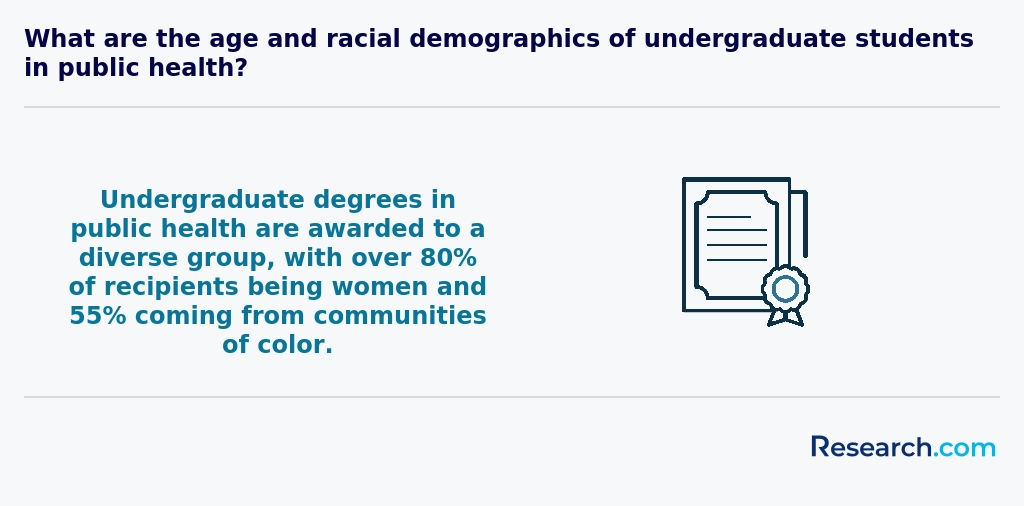
Public health degree programs in Salt Lake City integrate hands-on field experiences that bridge classroom theory and professional practice.
- CEPH-accredited practicum requirements typically range from 100 to 200 supervised hours.
- Partner sites include the Utah Department of Health, Salt Lake County Health Department, community nonprofits and local hospitals.
- Faculty mentors guide students in project selection, professional networking and skill development.
- Many capstone projects lead directly to employment offers or presentations at regional conferences.
For guidance on funding your field experience or exploring allied health career paths, consider medical billing and coding schools online with financial aid.
Students pursuing public health degrees in Salt Lake City benefit from a robust mix of financial aid options that ease the cost burden. For example, many at the University of Utah rely on federal aid like Pell Grants, which can provide up to $7,395 annually for eligible undergraduates. Graduate students often secure assistantships through the University of Utah's Department of Population Health Sciences, receiving tuition waivers and stipends that substantially lower expenses.
State support is also notable. The Utah State Board of Regents awards scholarships to academically strong students attending public institutions, including those studying public health. Additionally, families can use the Utah Educational Savings Plan, a tax-advantaged vehicle to prepare financially over time.
Moreover, professional organizations such as the American Public Health Association offer scholarships ranging from $1,000 to $5,000, encouraging community commitment. Many local students cherish the sense of achievement earned while accessing these resources, reflecting a practical path many Salt Lake City public health graduates have followed to successfully fund their education.
Navigating a Public Health program successfully involves more than just attending classes; it’s also about leveraging available resources and developing strategies that enhance personal and academic growth. Students can set themselves up for success by actively participating in mentorship programs, joining study groups, and engaging with community initiatives. Many institutions also offer career counseling, academic advising, and networking events that connect students with experienced professionals in the field. By taking advantage of these resources, you can build a robust support system that not only aids in understanding complex public health topics but also provides practical insights for career advancement. For instance, many graduates of a popular public health degree have emphasized how hands-on workshops, guest lectures, and community projects enriched their learning experience. Moreover, continuous self-improvement through supplemental workshops, online webinars, and collaborative learning environments can help you stay current with emerging trends in public health. Whether it’s mastering data analysis software or understanding new health policies, a proactive approach to utilizing campus resources can significantly pave the way for both academic success and a promising career in public health.
Enrolling in public health degree programs in Salt Lake City generally requires a high school diploma or GED for undergraduate applicants, with a preferred GPA ranging from 2.5 to 3.0. Foundational coursework in biology, chemistry, math, and social sciences prepares students for more rigorous public health topics. Graduates from local universities, such as the University of Utah, often reflect on how their early academic focus empowered them to confidently engage with complex health challenges.
For graduate programs like the Master of Public Health (MPH), a bachelor's degree from an accredited institution is mandatory. While degrees in health sciences or related fields provide an advantage, diverse academic backgrounds can be acceptable. Many students cite volunteer or professional experience in health-related settings as vital, with Salt Lake City schools placing strong emphasis on practical knowledge, reflecting statewide health initiatives.
Though the GRE requirement is waning, some institutions still request it. Letters of recommendation, personal statements, and resumes showcasing relevant experience remain crucial components that allow applicants to demonstrate commitment and a personal connection to public health work within the community.
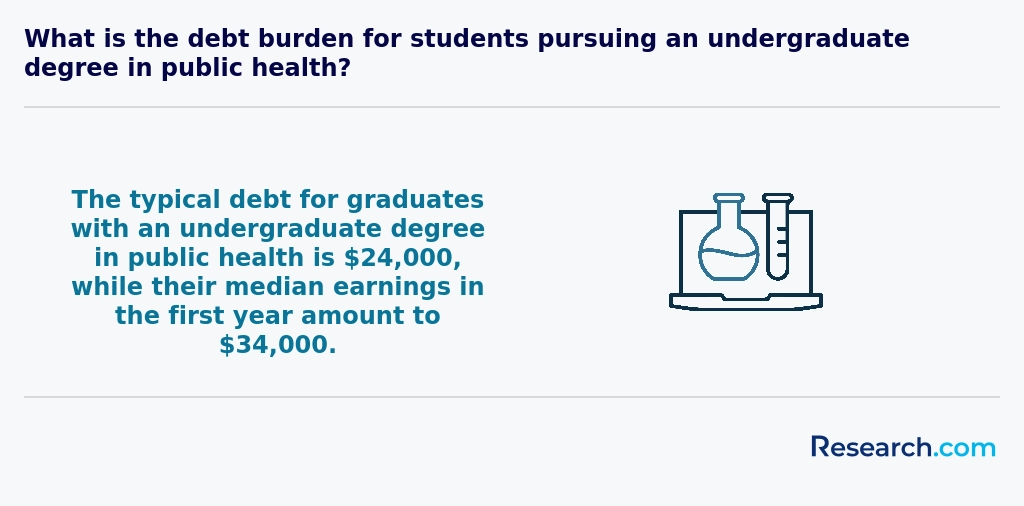
A typical public health degree program in Salt Lake City covers essential courses such as epidemiology, biostatistics, environmental health sciences, health policy and management, and community health practice. Graduates from local institutions like the University of Utah often describe epidemiology classes as eye-opening, revealing how data on disease patterns directly influences public health decisions across Utah's urban and rural areas.
Biostatistics courses equip students with strong quantitative skills, teaching them to handle real health data through software tools-a skill praised by many recent alumni who apply these abilities in state health departments. Environmental health classes are particularly relevant in Salt Lake City, where air quality challenges due to the valley's geography demand localized knowledge and solutions.
Health policy coursework prepares students to understand and influence healthcare systems, while community health classes emphasize culturally aware strategies to serve Salt Lake's increasingly diverse population. Practical internships with entities like the Utah Department of Health allow students to translate classroom theory into impactful, real-world health initiatives, fueling a sense of purpose and accomplishment among the program's graduates.
Public health degrees in Salt Lake City typically offer several core specializations tailored to regional and global health challenges. Epidemiology focuses on analyzing disease patterns and outbreak control, crucial for local graduates who have contributed to managing Utah's public health crises. Environmental Health addresses critical issues like air quality, which directly impacts Salt Lake City's population due to geographical factors. Graduates often collaborate with agencies to improve community environments. Health Policy and Management is another popular track, equipping students from prominent local universities with skills to navigate expanding healthcare systems and influence policy decisions effectively.
Community Health and Behavioral Sciences specializations reflect the city's diverse demographics, emphasizing culturally competent outreach and education. This resonates strongly with students who seek to make measurable impacts in underserved communities. Additional interdisciplinary options, such as global health and biostatistics, enable customization of academic paths to align with professional goals. These varied public health specializations in Salt Lake City attract students eager to address both local needs and broader health trends while benefiting from affordable tuition and strong institutional support. For more insight into career outcomes, explore mph degree career options.
Choosing the best public health degree in Salt Lake City involves evaluating several key factors grounded in real student experiences. Graduates from the University of Utah often highlight the value of its CEPH accreditation, ensuring education meets rigorous national standards. This accreditation is critical for those aiming to work in competitive public health arenas.
Specializations play a pivotal role-many Salt Lake City programs focus on community and rural health, aligning with local public health priorities. This relevance gives students hands-on skills that translate directly to the workforce. Affordability is also important; public institutions like the University of Utah offer in-state tuition typically under $15,000 annually, making them attractive among affordable public health schools in Salt Lake City.
Program flexibility is praised by working students balancing careers and studies. Options like part-time, online, or hybrid formats accommodate diverse lifestyles, and prospective students might explore offerings such as online accelerated bachelor's programs to fit their schedules. Finally, robust research collaborations with local health departments enrich academic experience through internships and applied projects.
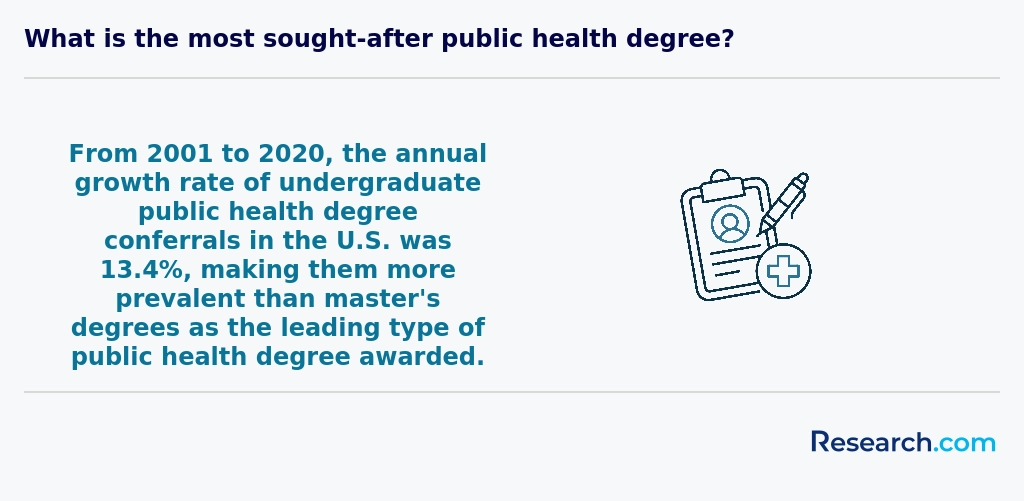
Graduates with a public health degree in Salt Lake City can pursue diverse career paths in government agencies, healthcare organizations, and nonprofit sectors focused on community health. Epidemiologists are a prominent option, earning a median salary of around $78,000 according to the U.S. Bureau of Labor Statistics, working with entities like the Utah Department of Health. Environmental health specialists address pressing local issues such as air pollution, requiring expertise in risk assessment and compliance, crucial given Salt Lake City's air quality challenges.
Health educators and community health workers develop impactful public programs on nutrition and chronic disease management, roles projected to grow 17% nationwide through 2030. Additionally, graduates often find opportunities in healthcare administration or policy analysis within Salt Lake City's strong hospital and research sectors. Students from universities here report positive experiences leveraging local internships and job placements, enhancing their Salt Lake City public health degree job prospects and career readiness.
For those exploring further education options, many also consider the best online degree programs for seniors, which complement local offerings and expand flexibility.
The job market for public health careers in Salt Lake City is expanding rapidly, driven by increasing local demand for expertise in community health, epidemiology, and health policy. Graduates from institutions such as the University of Utah report entering a workforce where employers like Utah Department of Health and Intermountain Healthcare actively recruit candidates with public health degrees. This growth correlates with national projections showing a 17% increase in roles for health educators and community health workers from 2022 to 2032, reflecting broader healthcare priorities.
Salt Lake City public health job outlook is especially promising due to the region's growing population and investment in public health programs. Public health graduates often find competitive salaries, with average annual wages ranging from $55,000 to $80,000 depending on position and experience. Many students appreciate the relatively affordable tuition at Utah public institutions, enabling them to pursue degrees with manageable debt levels while preparing for strong career opportunities.
Prospective students seeking to understand career and financial prospects might also explore what master's degrees make the most money to strategically align their education with market demands.
2027 Most Popular Public Health Degree Programs Ranking in Salt Lake City
Investing in your education is a significant decision that can shape your future, and the Research.com team understands the importance of making informed choices. To assist prospective students in Salt Lake City, we have meticulously crafted the "2027 Most Popular Public Health Degree Programs Ranking in Salt Lake City." Our commitment to quality, credibility, and accuracy is reflected in the extensive research and analysis conducted to compile this ranking.
We utilized the following reputable data sources to ensure a comprehensive evaluation of public health programs:
By exploring this ranking, readers will gain valuable insights into the most popular public health degree programs in Salt Lake City, empowering them to make well-informed decisions about their educational and professional journeys. For more details on our methodology, please visit our Research.com methodology page.


# 4 position
Western Governors University
Bachelor of Science in Public Health

Frequently Asked Questions About public health
Public health degree students in Salt Lake City can maximize their learning by engaging with the city's active public health community. Salt Lake City is home to notable institutions like the University of Utah, which offers research opportunities and community health projects. Participating in internships with local health departments or nonprofits enhances practical skills and professional networks.
The city's diverse population provides a valuable context for studying health disparities and epidemiology, particularly given Utah's unique public health challenges such as high rates of respiratory issues linked to air quality.
Students should also attend seminars and public health conferences hosted locally to stay informed on emerging trends and policies affecting Utah residents.
Emerging niches in public health reflect evolving community needs and scientific advances. In Salt Lake City, growing attention is given to environmental health, addressing air quality challenges linked to the region's unique geography and vehicle emissions, as reported by the Utah Department of Environmental Quality.
Another expanding area is health informatics, where professionals analyze data to improve public health outcomes. With Salt Lake City's increasing tech infrastructure, opportunities are rising in this field, supported by local partnerships between health agencies and technology firms.
Mental health and substance abuse prevention have also become critical focuses, especially given Utah's efforts to combat opioid misuse, highlighted in recent state health reports. Additionally, community health equity is gaining prominence, aiming to reduce disparities among diverse populations in the area.
After completing a public health degree in Salt Lake City, preparing for the job market involves several key steps to increase employability. First, gaining practical experience through internships or practicum placements at local health departments or organizations like the Utah Department of Health is essential. These opportunities provide hands-on skills and professional networking.
Next, obtaining relevant certifications such as Certified Health Education Specialist (CHES) can enhance credentials. Networking events, often hosted by the Utah Public Health Association, connect graduates to employers in the region.
Data from the Bureau of Labor Statistics shows a growing demand for public health professionals in Utah, emphasizing the importance of targeted skill development.
Employers in Salt Lake City seek specific skills when hiring public health degree graduates. Key among these are strong data analysis abilities, essential for interpreting health trends and guiding community interventions. Familiarity with epidemiology and biostatistics is highly valued, as these skills support disease monitoring and prevention strategies.
Communication skills are critical, enabling graduates to effectively share health information with diverse populations. Leadership and project management capabilities also rank highly, reflecting the collaborative nature of public health work.
According to the Utah Department of Health, proficiency in health policy and community health assessment improves employability in this growing regional market.
Finding internships in Salt Lake City relevant to a public health degree involves exploring local health departments, hospitals, and nonprofit organizations. The Utah Department of Health offers internship opportunities that provide practical experience in epidemiology, health promotion, and policy analysis. Additionally, major hospitals such as Intermountain Healthcare and University of Utah Health frequently host interns in community health and research roles.
Students can also connect with academic advisors or career centers at local universities like the University of Utah, which often have partnerships with public health agencies. Networking through local professional groups, such as the Utah Public Health Association, can reveal lesser-known internship openings.
According to the Utah Department of Workforce Services, the healthcare sector in Salt Lake City is growing steadily, which increases the availability of internships each year.
A public health degree significantly enhances career mobility in Salt Lake City, where the local healthcare sector is expanding. According to the Utah Department of Workforce Services, public health-related occupations in the area are projected to grow by 12% between 2020 and 2030, faster than the average for all jobs. This growth opens opportunities for professionals with advanced education to move into leadership, policy-making, and specialized roles.
Employers in Salt Lake City often prioritize candidates with degrees in public health, valuing their expertise in managing community health initiatives and addressing local health disparities. Strong networks developed through local universities also support career advancement.
Moreover, earning a public health degree can lead to higher salary prospects. The U.S. Bureau of Labor Statistics reports that public health professionals in Utah earn a median wage above the national average, reflecting demand in the state's urban centers like Salt Lake City.
Studying for a public health degree in Salt Lake City offers a strong foundation for interdisciplinary roles by integrating diverse fields such as epidemiology, environmental health, policy analysis, and health education. Universities here emphasize collaboration across sciences, social sciences, and healthcare sectors. This approach reflects the real-world need for public health professionals who can work with government agencies, hospitals, and community organizations simultaneously.
The local public health sector in Salt Lake City has grown, with the Utah Department of Health reporting ongoing efforts to address chronic diseases, mental health, and infectious diseases. This dynamic environment allows students to engage in practical research and internships, fostering skills in data analysis, communication, and program management.
Programs often highlight teamwork, critical thinking, and cultural competence-essential for tackling public health challenges that cross disciplinary borders. According to the Association of Schools and Programs of Public Health, Salt Lake City students consistently benefit from faculty expertise linked to regional public health priorities, enhancing career readiness in interdisciplinary settings.
When choosing between a thesis and a non-thesis public health degree program in Salt Lake City, consider your career goals and learning preferences. Thesis programs require in-depth research and a written dissertation, which suits students aiming for research careers or doctoral studies. Non-thesis options often focus on practical skills through projects or internships, ideal for those targeting immediate public health practice or administrative roles.
Salt Lake City has several accredited public health programs, and graduates often work in local health departments or nonprofits. According to the Utah Department of Health, Salt Lake County employs many public health professionals requiring strong applied skills.
Choosing depends on whether you prefer research or hands-on experience, and time commitment, as thesis tracks usually take longer to complete.
Students based in Salt Lake City interested in studying public health abroad have several pathways to consider. Many Utah universities with public health programs, such as the University of Utah, offer study abroad partnerships and exchange opportunities in countries like Canada, Australia, and several European nations.
These programs focus on global health topics, allowing students to gain experience in diverse healthcare systems. The Council on Education for Public Health (CEPH) accredits programs that may include international fieldwork. Financial aid and scholarships for study abroad in public health are often available through these institutions.
Well-planned international experience enhances cultural competence, an essential skill in public health careers.
Salt Lake City offers diverse part-time job opportunities that complement public health degree education. Many students find roles as community health workers or health educators, positions that provide practical experience in health promotion and disease prevention. According to the Utah Department of Health, community health roles in Salt Lake County have grown by over 8% in recent years, reflecting increasing demand for public health professionals.
Other valuable part-time jobs include working as research assistants at local universities like the University of Utah, where students can gain exposure to epidemiological studies and data analysis. Additionally, employment in healthcare facilities, such as clinics and hospitals, offers hands-on experience with patient care and public health interventions.
Public health students in Salt Lake City have strong networking opportunities through local universities, health departments, and professional organizations. The University of Utah's College of Health actively hosts events, workshops, and seminars that connect students with public health professionals. Additionally, the Utah Department of Health and Human Services offers internship programs allowing students to gain hands-on experience and meet experts in epidemiology and community health.
Salt Lake City also has a growing network of public health-focused non-profits and advocacy groups, such as the Utah Public Health Association (UPHA). UPHA regularly organizes conferences and meetings that attract local practitioners, researchers, and policy makers.
These connections enhance students' access to job placements, mentorship, and collaborative research opportunities, crucial for professional growth in public health.
Alumni networks play a crucial role for public health degree students in Salt Lake City. These connections provide access to local professionals who understand the unique health challenges in Utah, such as the high rates of chronic diseases reported by the Utah Department of Health. Through these networks, students can find mentorship, internships, and job opportunities at key institutions like the Utah Department of Health and Salt Lake County Health Department.
Many alumni remain actively involved, hosting networking events and workshops that help current students build practical skills. According to regional workforce studies, over 70% of public health graduates in Salt Lake City secure employment within six months, often aided by alumni referrals. This support system enhances career readiness and community engagement.
In Salt Lake City, many universities offer flexible public health degree programs that allow students to customize their coursework according to career goals. Students can often choose concentrations such as epidemiology, health policy, or community health, tailoring their studies to specific interests. Practical experience through internships with local health departments, such as the Salt Lake County Health Department, helps build relevant skills for public health careers.
The option to combine online and in-person classes offers additional flexibility for working professionals. According to the Utah Department of Health, Salt Lake City prioritizes chronic disease prevention and environmental health, areas students might focus on to align with regional needs.
Public health students in Salt Lake City often face several challenges unique to their local context and the broader U.S. higher education environment. One major issue is access to diverse practicum sites. Salt Lake City offers valuable opportunities in urban and rural public health settings, but competition for placements can be intense, impacting hands-on learning experiences.
Another challenge involves managing the rise in public health concerns such as opioid addiction, which requires students to rapidly develop skills in crisis intervention and community health education. The Utah Department of Health reports opioid-related emergency visits increased by 25% over recent years, highlighting the urgency for skilled professionals.
Additionally, balancing coursework with internships or part-time work is a common stressor, especially since many students rely on financial aid or jobs to support themselves. Graduate programs often demand intensive research and data analysis, requiring strong quantitative skills that some students must develop during their studies.
Graduates with a public health degree in Salt Lake City can pursue several recognized professional certifications to advance their careers. The most common certification is the Certified in Public Health (CPH) credential, which demonstrates mastery of core public health knowledge. Offered by the National Board of Public Health Examiners, this certification is respected nationwide, including Utah.
Another option is the Certified Health Education Specialist (CHES) credential, ideal for those focused on health promotion and education. Obtaining these certifications often requires a relevant degree and passing a national exam.
Additionally, professionals may seek certifications in epidemiology or health administration, depending on their specialization.
The availability of these certifications aligns well with growing public health employment in Salt Lake City, which, according to the U.S. Bureau of Labor Statistics, is expected to increase by approximately 15% through 2030.
Applying to public health programs in Salt Lake City requires a clear, well-crafted application. Begin by researching local universities such as the University of Utah, which offers respected public health degrees accredited by the Council on Education for Public Health (CEPH).
Highlight any relevant experience, including internships or volunteer work with organizations like the Salt Lake County Health Department. Strong letters of recommendation from professionals in health-related fields can boost your application's impact.
Your personal statement should clearly explain your motivation for studying public health in Salt Lake City, referencing local public health challenges, such as addressing air quality issues or promoting vaccination efforts, supported by recent data from the Utah Department of Health. This shows your awareness of the community you hope to serve.
Finally, maintain a competitive GPA and consider submitting GRE scores if the program requires them, as many Salt Lake City institutions have become more flexible but may still factor standardized tests into admissions decisions.
The global perspective on a public health career highlights its critical role in addressing health challenges worldwide. Public health professionals work on disease prevention, health policy, and emergency preparedness across diverse populations. In Salt Lake City, institutions emphasize global health issues, reflecting trends seen in U.S. education systems where degrees often integrate international case studies and fieldwork.
According to the Utah Department of Health, public health roles in Salt Lake City are growing at a rate of 11% through 2030, mirroring national demand fueled by global pandemics and chronic disease management. This demand aligns with global needs for experts skilled in epidemiology, environmental health, and health equity.
Students trained in Salt Lake City public health programs are prepared to engage in global health diplomacy, research, and community health initiatives, vital for careers that impact public health on an international scale.
Gaining practical experience while studying for a public health degree in Salt Lake City is vital for career readiness. Many local universities, such as the University of Utah, offer internships and fieldwork opportunities through partnerships with public health agencies like the Utah Department of Health. These placements allow students to apply classroom knowledge to real-world issues, such as managing chronic diseases or improving community health programs.
Students can also engage in research projects that address local health challenges, including air quality and opioid addiction. Volunteering with nonprofits focused on health equity is another way to build practical skills. According to Utah Department of Health reports, Salt Lake City's public health sector actively supports student involvement to prepare the next generation of public health professionals.
Choosing the right concentration within a public health degree in Salt Lake City begins with assessing your career goals and local health needs. Public health programs typically offer concentrations like epidemiology, health policy, or community health. Salt Lake City's unique health concerns, including managing chronic diseases and increasing mental health services, can guide your focus.
Research programs accredited by the Council on Education for Public Health (CEPH) to ensure quality training. Data from the Utah Department of Health highlights rising obesity and diabetes rates, suggesting a demand for expertise in those areas. Networking with local health organizations can also provide insights into emerging public health priorities.
Ultimately, align your concentration choice with both your interests and Salt Lake City's public health challenges to enhance career prospects.
- 2027 Most Popular Public Health Degree Programs Ranking in Albuquerque
- 2027 Most Popular Public Health Degree Programs Ranking in Los Angeles
- 2027 Most Popular Public Health Degree Programs Ranking in La Jolla
- 2027 Most Popular Public Health Degree Programs Ranking in San Diego
- 2027 Most Popular Public Health Degree Programs Ranking in Corvallis
- 2027 Most Popular Public Health Degree Programs Ranking in Portland
- 2027 Most Popular Public Health Degree Programs Ranking in Seattle
- 2027 Most Popular Public Health Degree Programs Ranking in Omaha
- 2027 Most Popular Public Health Degree Programs Ranking in Minneapolis
- 2027 Most Popular Public Health Degree Programs Ranking in Saint Paul
- Careers https://www.publichealthdegrees.org/careers/
- Causal link between education and good health suggested in new study https://ushe.edu/new-study-suggests-causal-link-between-education-and-good-health/
- Public Health https://disabroad.org/program/public-health/
- Public Health/Global perspective - Wikiversity https://en.wikiversity.org/wiki/Public_Health/Global_perspective
- Pre-Professional Health Experience Guide | PublicHealthOnline.org https://www.publichealthonline.org/pre-professional-experience/
- Public Health Challenges – IPA SDG Dashboard https://sdg.internationalpublishers.org/sdgaction/public-health-challenges/
- Medical University of GdaÅsk https://publichealth.mug.edu.pl/
- Why Public Health is the Ideal Career Path for Gen Z - Reach Out https://we-reachout.org/why-public-health-is-the-ideal-career-path-for-gen-z/
- Letter of Intent for Admissions to Masters of Public Health - how this program fits to my goals? https://essayforum.com/graduate/intent-admissions-masters-public-health-64817/
- Young WFPHA Initiative – Empowering Young Public Health Professionals https://www.wfpha.org/young-wfpha/










