2027 Most Popular Public Health Degree Programs Ranking in Berkeley

Co-Founder and Chief Data Scientist
Choosing the right public health degree program can feel overwhelming, especially with so many options available in Berkeley. To help you navigate this important decision, this article introduces the 2027 Most Popular Public Health Degree Programs Ranking in Berkeley, created by the Research.com team of data scientists.
By exploring this ranking, you'll gain valuable insights into the top programs that match your goals and interests. Earning a public health degree opens doors to rewarding careers that make a real difference in communities.
Start your journey with confidence by learning about the programs worth considering in Berkeley.
Key benefits of getting public health degree in Berkeley
- Graduates with a public health degree in Berkeley can earn competitive salaries, with roles like Environmental Health Specialists averaging $86,710 annually and Community Health Workers earning around $52,610.
- Career paths for Berkeley public health graduates often include positions as Health Educators or Occupational Health and Safety Specialists, providing diverse opportunities to impact community well-being.
- Online public health degrees from Berkeley offer flexibility, allowing students to balance work and study while gaining practical knowledge designed for today's fast-paced environment.
- 2027 Most Popular Public Health Degree Programs Ranking in Berkeley
- What can I expect from public health degree in Berkeley?
- Where can I work with public health degree in Berkeley?
What can I expect from public health degree in Berkeley?
The average cost of pursuing a public health degree in Berkeley, particularly at the University of California, Berkeley's School of Public Health, typically surpasses $15,000 per year for in-state graduate students. While this investment may feel significant, many students find it deeply rewarding, as it opens doors to impactful careers in improving community health. Graduates often share how their time at Berkeley blended rigorous academics with hands-on fieldwork in local organizations, making every dollar worthwhile.
Out-of-state and international students should anticipate higher tuition fees, but financial aid options like fellowships and assistantships provide meaningful support. Imagine immersing yourself in the vibrant San Francisco Bay Area, collaborating on infectious disease control projects or advocating for health equity-real experiences that enrich learning beyond the classroom.
Many graduates reflect on how the university's career services and community connections helped launch their paths in public health, with over 85% securing relevant roles shortly after completing their degrees. This combination of quality education, practical training, and financial support truly makes studying public health in Berkeley a valuable and motivating journey.
Where can I work with public health degree in Berkeley?
With a public health degree from Berkeley, graduates step into a vibrant field rich with opportunity. Many find rewarding careers with Alameda County Public Health Department, where they lead efforts in infectious disease control or maternal health, directly impacting communities of over 1.6 million people. This real-world impact brings a deep sense of purpose and pride.
Graduates from the University of California, Berkeley's public health programs often embrace roles in cutting-edge research, collaborating on projects that tackle social determinants of health or innovate health policies. Their days might involve analyzing data that shapes the future of community wellness, igniting passion through meaningful work.
Others thrive in healthcare settings like Alta Bates Summit Medical Center, crafting health education programs and improving patient safety, where their efforts visibly enhance lives. Nonprofits such as the East Bay Community Foundation also welcome graduates eager to champion health equity and write grants that transform underserved neighborhoods.
The energetic Bay Area startup scene calls out to tech-savvy public health experts ready to advance digital health and behavioral technology, blending innovation with heartfelt impact. Berkeley's unique ecosystem opens doors to careers that are not just jobs but fulfilling missions.
Graduates with a public health degree in Berkeley can confidently expect rewarding salaries that reflect their education and dedication. For example, community health workers often begin with a mean annual wage of around $52,610, offering a solid foundation for those starting their careers in local health initiatives. Mid-level roles like health educators, who earn an average of $69,790 annually, benefit from opportunities at institutions such as the University of California, Berkeley, where graduates have reported engaging in impactful community outreach and policy education work.
More specialized roles, such as environmental health specialists, command impressive earnings near $86,710 per year. Graduates from Berkeley's competitive programs have shared experiences of working with local agencies that focus on environmental safety and public welfare, enhancing their skills while contributing to healthier communities.
These figures showcase the strong potential to build a vibrant public health career right in Berkeley, where passion meets opportunity and the city's commitment to health creates pathways to both professional growth and meaningful impact.
- The University of California, Berkeley, is home to a top-ranked school of public health with strong programs in research, policy, and community health.
- Tuition costs average $14,000 per year for in-state graduate students and $29,000 for out-of-state students, excluding about $20,000 in additional living expenses.
- Starting salaries for public health graduates in Berkeley are around $60,000 per year, with mid-career professionals earning between $80,000 and $100,000 annually.
- There is strong demand for public health professionals in areas like epidemiology, health policy, environmental health, and biostatistics in Berkeley and California.
- Berkeley's location near Silicon Valley and medical centers offers access to internships and opportunities in health technology and cross-disciplinary research.
Completing a public health degree in Berkeley is an exciting journey that fits your pace and ambition. Most undergraduates at UC Berkeley's renowned School of Public Health enjoy a vibrant four-year experience filled with engaging coursework and meaningful community projects. Graduates often reflect on how this period shaped their passion for improving health on local and global scales.
For those ready to dive deeper, the Master of Public Health (MPH) program typically takes two years of focused, full-time study. Many MPH students appreciate the balance of rigorous academics with hands-on research opportunities, fueling their drive to create real-world impact.
Doctoral candidates find Berkeley's flexible PhD programs inviting, as they spend about four to six years exploring groundbreaking public health challenges. Alumni often describe this phase as transformational, giving them the tools to lead innovations and foster healthier communities.
Whether you are starting your undergraduate path or advancing through graduate studies, Berkeley's public health programs offer adaptable timelines that empower you to thrive in your own unique journey.
Berkeley’s public health programs offer more than just rigorous academics-they provide a vibrant campus life and a robust network of student support systems that enhance your overall educational experience. Prospective students can benefit from dedicated career centers, mentorship opportunities with experienced faculty, and a variety of extracurricular activities that foster collaboration and personal growth. Many programs also host workshops and seminars that connect students directly with industry professionals, helping them navigate the competitive public health landscape. For example, engaging with the popular public health programs in the area can provide insights into best practices, networking events, and innovative research projects. These experiences not only enrich classroom learning but also build essential soft skills, such as teamwork and leadership, which are critical in launching a successful career in public health.
Choosing between online and on-campus public health degrees in Berkeley opens exciting possibilities tailored to your unique lifestyle and goals. Online programs bring incredible flexibility, perfect for those balancing work or family, allowing you to engage with coursework anytime, anywhere without the hassle of commuting. Graduates from online tracks appreciate this freedom, describing how it gave them the chance to learn deeply while managing real-world commitments.
On the other hand, the University of California, Berkeley School of Public Health offers an immersive, vibrant campus experience. Here, students thrive through face-to-face connections with professors and peers, diving into hands-on projects and community internships that bring classroom lessons to life. Many graduates cherish the dynamic environment, emphasizing how the rich network and direct mentorship energized their passion and career paths.
Whether online or in-person, Berkeley's public health programs empower you to make meaningful impacts. Your choice shapes not just how you learn, but how you live and grow in this inspiring city full of opportunity.
When evaluating any Public Health degree program in Berkeley, CA, accreditation is the foundation of academic quality and professional credibility. Look for programs accredited by the Council on Education for Public Health (CEPH), the gold standard that ensures rigorous curriculum, qualified faculty, and alignment with core public health competencies. CEPH accreditation not only signals adherence to best practices in epidemiology, biostatistics, environmental health, health policy, and social and behavioral sciences, but also enhances eligibility for federal financial aid and state licensure exams. Beyond institutional accreditation, graduates can further boost career prospects through nationally recognized certifications. The Certified in Public Health (CPH) credential administered by the National Board of Public Health Examiners validates mastery of foundational public health knowledge and is increasingly preferred by employers. For those focused on health education, the Certified Health Education Specialist (CHES) or Master Certified Health Education Specialist (MCHES) designations demonstrate specialized expertise in program planning, implementation, and evaluation. Staying current with continuing education units (CEUs) is essential for maintaining these certifications and expanding professional networks. Many accredited schools in Berkeley offer on-campus workshops, online seminars, and collaborative research opportunities to fulfill CEU requirements. For students exploring cost-effective pathways to a Public Health bachelor’s degree, consider our curated list of regional online programs with robust accreditation and streamlined tuition. Learn more about affordable options in the South through this guide: Most Affordable Online Bachelor's in Public Health Degree Programs Ranking in the South.
The average cost of a public health degree in Berkeley reflects a valuable investment in one's future, with the median total cost around $70,399. Students attending renowned institutions such as UC Berkeley experience a comprehensive education that balances quality and cost. Graduates often recall the excitement of being immersed in vibrant campus communities and thriving research environments where their efforts to improve public health felt truly impactful.
For many, the total tuition and fees for Berkeley public health programs are complemented by living expenses, but these challenges inspire creativity and resourcefulness. Students share stories of balancing academics while growing their networks and pursuing passions. The university's location in the San Francisco Bay Area offers rich opportunities for real-world application, empowering students to see firsthand how their studies translate into meaningful community change.
Budgeting for a public health degree requires awareness of the typical expenses, yet many find this journey rewarding because of the support available. Scholarships, grants, and work-study options help ease financial pressure, and students learn to navigate funding opportunities effectively. Some even discover the importance of mastering auditing for financial statement review to manage their personal finances better during their studies.
Understanding the average public health degree cost in Berkeley encourages students to pursue their ambitions with confidence, knowing their investment leads to a career dedicated to improving lives and communities.
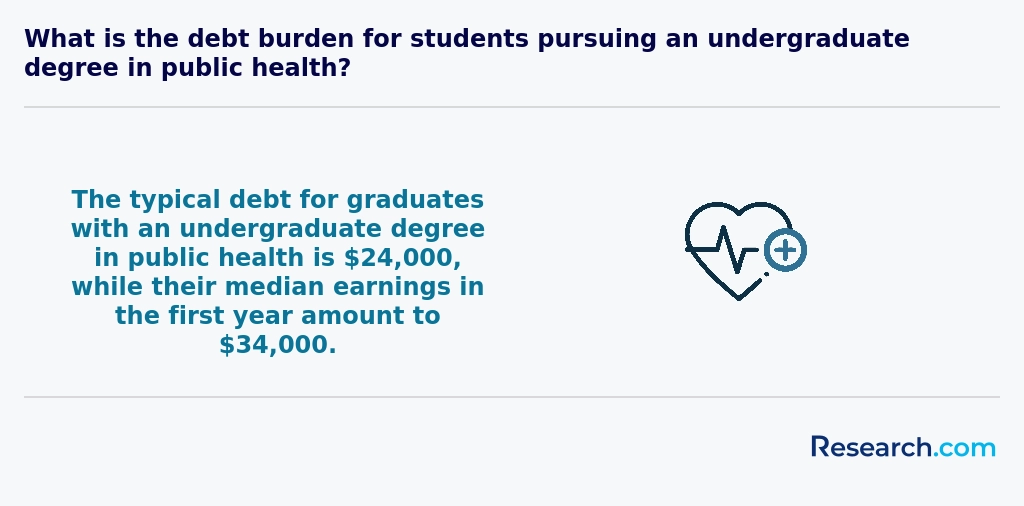
Many students pursuing public health degrees in Berkeley find exciting financial aid opportunities that make their educational dreams attainable. Graduates often recall how Pell Grants provided crucial support, offering up to $7,395 annually to ease tuition costs at UC Berkeley, where in-state fees hover around $14,300 and out-of-state can reach $44,000.
Additionally, the University's scholarships shine for those who demonstrate merit or financial need, often rewarding leadership, diversity, and community service in public health fields. Graduate students frequently embrace assistantships and fellowships, gaining valuable experience while receiving stipends that help cover tuition and living expenses.
Beyond the campus, awards from professional bodies like the American Public Health Association inspire many Berkeley students, enabling them to focus on underserved communities and leadership roles. California residents rejoice in state-specific aid, such as Cal Grants and the Middle Class Scholarship, which further brighten the path to success in public health.
Such diverse support systems give Berkeley public health students confidence and freedom to fully engage with their studies and future impact.
Enrolling in a public health degree program in Berkeley means stepping into a journey fueled by passion and dedication. Graduates from the University of California, Berkeley School of Public Health often reflect on how a strong foundation in biology, chemistry, and social sciences prepared them to tackle real-world health challenges with confidence and creativity.
At the undergraduate level, having a high school diploma with solid academic performance unlocks the door, while graduate programs seek applicants with a completed bachelor's degree and demonstrated skills in critical thinking and quantitative analysis. Many MPH students recall how their practical experiences in community health or volunteer roles enriched their understanding and made their applications stand out.
- Competitive GPA, usually 3.0 or above, supported by official transcripts
- GRE scores may be required, though some programs now waive this to reduce barriers
- Meaningful professional or volunteer experience in health-related fields
- Compelling personal statements and strong letters of recommendation
Berkeley's commitment to its diverse student body ensures support for international applicants through language proficiency guidance, reflecting the inclusive spirit that empowers every student to thrive and make a difference.

In Berkeley, public health degree programs at prestigious institutions like the University of California inspire students with a rich variety of courses that build both expertise and confidence. Graduates often recall how courses such as Epidemiologic Methods and Introduction to Biostatistics provided them with powerful tools to interpret health data, unlocking the ability to make meaningful community impacts.
Students embrace hands-on learning through classes like Environmental Toxicology and Health Policy and Management, which bring lessons to life by analyzing real issues in the vibrant Bay Area. These courses empower learners to understand the complexities of health systems and contribute to creating equitable solutions.
Electives such as Maternal and Child Health or Public Health Informatics expand career possibilities, allowing students to dive deep into areas they are passionate about. With guidance from expert faculty and collaboration with local organizations, the experience feels both supportive and energizing-turning academic theories into real-world change.
Students pursuing a public health degree in Berkeley find themselves immersed in rich specialization options tailored to address real-world challenges. Graduates from the University of California, Berkeley often speak passionately about how Environmental Health Sciences equipped them to tackle pressing issues like air pollution, impacting local communities directly. Others have thrived in Epidemiology and Biostatistics, mastering data analysis to trace disease patterns-skills that have been especially rewarding during health crises. The Health Policy and Management track inspires many to influence healthcare systems and policies, while Social and Behavioral Sciences graduates emerge with tools to improve community health through understanding social determinants.
Choosing Berkeley public health program concentration options means joining a vibrant community focused on meaningful impact. Students often share stories of collaborating across fields, and some customize their journey by combining public health with law or business, echoing the flexible paths available here. For those balancing studies and life, pathways like nursing degree completion offer additional flexibility within public health careers.
Choosing the best public health degree programs in Berkeley means focusing on accredited programs that combine academic rigor with real-world impact. Graduates from the University of California, Berkeley, often share how hands-on internships and research opportunities with local health organizations enhanced their confidence and career readiness. Imagine yourself collaborating on health policy projects or environmental health studies that truly improve community well-being.
Affordability is another key consideration. While tuition at Berkeley may be higher than average, many students find that scholarships and financial aid help ease the burden. Exploring options for part-time or online classes also provides valuable flexibility without sacrificing quality education. Prospective students may also want to compare tuition with other programs nearby to find affordable public health degrees Berkeley CA offers. For example, you can check online nursing programs cost California for cost perspectives in health fields.
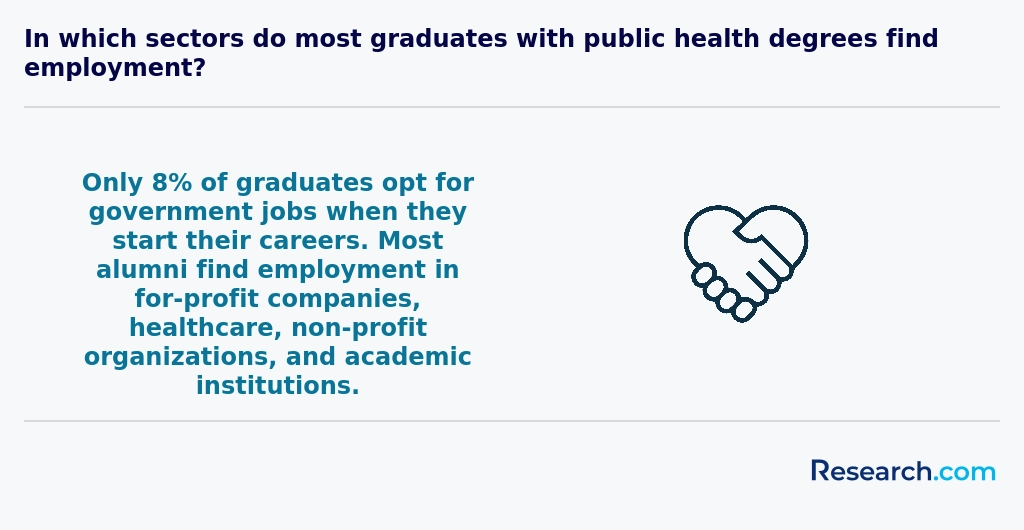
Graduates from Berkeley's renowned public health programs often find themselves stepping into impactful roles across various sectors. Many alumni thrive in government agencies like the Alameda County Public Health Department, where they contribute to vital efforts such as infectious disease control and health equity initiatives. The vibrant academic environment at UC Berkeley also prepares graduates for careers in research and policy, where they can help shape the future of public health through data-driven strategies and advocacy.
For those energized by community engagement, nonprofits in the San Francisco Bay Area offer rewarding opportunities to design and lead programs aimed at reducing health disparities among vulnerable groups. Corporate roles in occupational health and wellness are another exciting path, allowing graduates to promote employee well-being in forward-thinking companies.
With public health career opportunities Berkeley offers so many avenues, graduates often feel motivated by their ability to make a real difference. Whether working in public institutions, research centers, nonprofits, or businesses, their work is essential and deeply fulfilling. For students exploring options beyond public health, there are other exciting fields to consider, such as nurse practitioner degrees illinois reviews.

The public health job opportunities in Berkeley are thriving, powered by the city's vibrant community focus and proximity to leading healthcare and research centers. Graduates from prominent institutions like the University of California, Berkeley School of Public Health consistently find rewarding roles in local and state health departments, NGOs, and innovative private sector companies. Many alumni share how their hands-on experiences with community health projects opened doors to careers that directly impact lives, fostering a deep sense of purpose.
The Berkeley public health degree employment outlook is bright, boosted by a regional median salary often surpassing national averages. Graduates appreciate the city's dynamic environment where expertise in health promotion, epidemiology, and wellness programs is highly valued. Students benefit from networking opportunities and internships that connect them with organizations driving real-world change in public health.
Those interested in exploring academic options can discover popular public health programs that balance affordability and excellence, offering a pathway to these inspiring career possibilities. The blend of strong education and a growing local job market creates a hopeful future for every aspiring public health professional in Berkeley.
2027 Most Popular Public Health Degree Programs Ranking in Berkeley
Investing in your education is a significant decision that can shape your future, and the Research.com team understands the importance of making informed choices. To assist prospective students in Berkeley, we have meticulously crafted the "2027 Most Popular Public Health Degree Programs Ranking in Berkeley." Our commitment to quality, credibility, and accuracy is reflected in the extensive research and analysis conducted to compile this ranking.
We utilized the following reputable data sources to ensure a comprehensive evaluation of public health programs:
By exploring this ranking, readers will gain valuable insights into the most popular public health degree programs available in Berkeley, helping them make well-informed decisions about their educational and career paths. For more details on our methodology, please visit our Research.com methodology page.

Frequently Asked Questions About public health
Public health degree students in Berkeley can maximize their learning experience by actively engaging in both academic and community opportunities. Berkeley is home to the renowned School of Public Health, ranked among the top programs nationally by U.S. News & World Report. Students benefit from access to diverse faculty expertise and cutting-edge research projects that address local and global health challenges.
Participation in internships and fieldwork with local health departments or organizations like the Alameda County Public Health Department offers practical experience. Networking through campus events and public health student organizations also enhances learning while building professional connections.
Moreover, utilizing Berkeley's extensive online databases and public health resources sharpens research skills essential for career success.
Emerging niches within the public health field reflect ongoing changes in health challenges and technology. In Berkeley, specialized areas like environmental health focus on addressing local issues such as air quality and chemical exposures, supported by research from the University of California, Berkeley School of Public Health. Another expanding niche is health data science, which uses big data and analytics to improve community health outcomes; this aligns with national trends highlighting a 30% growth in demand for health informatics roles by 2030 (Bureau of Labor Statistics).
Global health equity and pandemic preparedness have gained attention after recent COVID-19 experiences, with Berkeley researchers contributing to policy recommendations at the state level. Mental health epidemiology is also a critical focus, aiming to tackle rising rates of anxiety and depression among youth, as reported by the California Health Interview Survey. These emerging areas offer students targeted opportunities in cutting-edge public health careers.
Preparing for the job market after completing a public health degree in Berkeley involves strategic steps tailored to the local and national landscape. Berkeley graduates benefit from the city's strong public health infrastructure, including nearby opportunities with the California Department of Public Health and numerous non-profits.
Networking is crucial. Students should engage with Berkeley's Public Health Student Association and attend local health policy events to connect with professionals. Internships and practicum experiences, often required by programs like those at UC Berkeley School of Public Health, provide hands-on skills and increase employability.
According to the U.S. Bureau of Labor Statistics, public health employment in California is projected to grow by 11% through 2031, faster than the national average. Graduates should also consider certifications such as Certified Health Education Specialist (CHES) to enhance qualifications.
Employers in Berkeley seek public health graduates with strong analytical and communication skills. Graduates must be able to interpret health data effectively to inform decision-making, as reported by the UC Berkeley School of Public Health. Skills in epidemiology and biostatistics are highly valued, helping to address complex health challenges locally.
Interpersonal skills are essential for collaboration with diverse communities and health organizations in the Bay Area. Additionally, proficiency in policy analysis and program planning prepares graduates to design impactful health interventions.
Technological literacy, especially in health information systems and GIS mapping, is increasingly important as public health relies on digital tools to monitor disease trends.
Finding internships in Berkeley related to public health degrees involves strategic use of local resources and university connections. The University of California, Berkeley, offers a strong network through its School of Public Health, which partners with city health departments, nonprofits, and research institutes. Students can access listings via the school's internship portal and attend career fairs focused on health professions.
Berkeley's proximity to the San Francisco Bay Area expands opportunities. According to the California Department of Public Health, over 7,000 health sector jobs are in the region, many suitable for student internships. Local organizations like the Alameda County Public Health Department and community clinics often seek public health interns.
Utilizing Berkeley Career Center services to refine resumes and interviewing skills is also recommended. Networking events and professional groups such as the Bay Area Public Health Association provide valuable contacts. Many internships are competitive, so starting early and leveraging both online platforms and in-person resources is crucial.
A public health degree in Berkeley significantly enhances career mobility and advancement opportunities within the local job market. Berkeley is home to reputable institutions like the University of California, Berkeley, whose public health programs are highly recognized nationwide. Graduates can leverage strong connections to public agencies and nonprofits, as the San Francisco Bay Area hosts numerous health organizations.
According to the California Employment Development Department, the demand for public health professionals in Berkeley and the surrounding counties is projected to grow by 15% through 2030. This growth spurs diverse roles from health education to policy planning.
Professionals with public health degrees often experience accelerated promotion paths, supported by technical expertise and leadership skills emphasized during their studies. Additionally, Berkeley's emphasis on interdisciplinary approaches and community engagement equips graduates to adapt across sectors, increasing their competitiveness.
Studying for a public health degree in Berkeley equips students with interdisciplinary skills essential for addressing complex health challenges. Berkeley's program emphasizes collaboration across fields such as epidemiology, environmental science, policy, and social sciences. Students engage in practical research through partnerships with local health departments and community organizations, gaining firsthand experience in diverse public health issues.
Berkeley's public health graduates benefit from access to the university's renowned School of Public Health, ranked among the top in the US by U.S. News & World Report. This reputation reflects strong faculty expertise and cutting-edge research opportunities that encourage interdisciplinary problem-solving.
Practical training integrates data analysis, communication, and management skills, preparing graduates to work effectively in varied settings such as government, nonprofits, and healthcare. This versatile education fosters adaptability and teamwork, key traits needed for leadership roles in rapidly evolving public health environments.
Choosing between a thesis and a non-thesis public health degree program in Berkeley depends largely on your career goals and learning preferences. A thesis option usually requires original research and is ideal for students aiming for academic or research positions. The non-thesis track focuses more on practical skills and coursework, which suits those targeting public health practice or policy roles.
UC Berkeley offers both options in its Master of Public Health (MPH) programs. According to the university's 2023 data, about 40% of MPH students opt for the thesis route, reflecting strong research opportunities in local health agencies and partnerships. The non-thesis path typically requires a capstone project, emphasizing real-world problem-solving.
Consider the time commitment as well: thesis programs often take longer due to research demands. If you plan to continue toward a PhD, a thesis track may strengthen your application. Conversely, non-thesis programs enable quicker entry into the workforce.
Students studying public health in Berkeley have access to diverse opportunities for studying abroad through partnerships established by the University of California, Berkeley. The School of Public Health offers exchange programs and short-term global health practicums, often in countries including Thailand, South Africa, and Peru, enabling hands-on experience in varied health systems.
These programs complement the Master of Public Health curriculum and emphasize global health inequities and policy interventions. According to UC Berkeley's latest reports, over 15% of public health students participate in study-abroad initiatives annually, reflecting strong institutional support for international exposure.
Additionally, students can leverage university resources like International Education programs to tailor global experiences aligned with their academic and professional goals. Such options enhance cultural competence, a vital skill in public health careers today.
Berkeley offers various part-time job opportunities that complement public health degree education, enriching both experience and skills. Students can seek roles as community health workers, which involve outreach and education in local neighborhoods. According to the California Employment Development Department, these positions are growing at a rate of 12% statewide, reflecting a strong local demand.
Another option includes research assistant roles at institutions such as the UC Berkeley School of Public Health. These positions provide hands-on experience with data analysis and public health studies, valuable for graduate and undergraduate students.
Additionally, positions in local health departments or nonprofit organizations allow students to engage directly with public health programs, enhancing their practical knowledge of policy implementation and preventive health measures.
Berkeley offers extensive networking opportunities for public health students through the University of California, Berkeley's School of Public Health. Students can connect with over 100 faculty members actively involved in diverse research areas, providing access to expert mentors. The school regularly hosts seminars, workshops, and conferences that feature leaders from government agencies, non-profits, and the private sector.
Moreover, students benefit from partnerships with local health organizations in Alameda County, offering internships and fieldwork experiences. Alumni networks also play a vital role, enabling students to engage with over 2,000 graduates working across public health careers nationwide.
Alumni networks play a crucial role for public health students in Berkeley by providing valuable connections within the field. Graduates often share job leads, internship opportunities, and mentorship, which helps current students navigate competitive job markets. The University of California, Berkeley's School of Public Health boasts a strong alumni community with thousands of professionals working across government agencies, nonprofits, and health organizations nationwide.
These networks also offer access to continuing education events and workshops that enhance students' skills and industry knowledge. According to UC Berkeley career services data, 65% of public health graduates find employment within six months, largely aided by alumni referrals.
Additionally, alumni involvement increases opportunities for collaborative research and funding support, enriching the educational experience for current students.
Berkeley offers public health degree programs that allow students to tailor their studies to meet individual career goals. Many programs provide elective courses in areas such as epidemiology, health policy, environmental health, and community health, enabling students to specialize.
Students can also engage in practicum opportunities and research projects within local health departments or organizations in the Bay Area, giving practical experience aligned with their interests. According to UC Berkeley's School of Public Health, over 80% of graduates participate in fieldwork, which enhances career readiness.
Furthermore, joint degree options, such as MPH/MPA or MPH/MS, offer interdisciplinary skills valuable for diverse public health roles.
Public health students in Berkeley often face several challenges associated with their rigorous academic environment. Many report high levels of stress due to demanding coursework, research expectations, and the need to balance internships or fieldwork alongside studies. According to a 2023 survey by the UC Berkeley Graduate Division, over 60% of public health students experienced significant stress related to workload management.
Additionally, the cost of living in Berkeley is notably high, which can strain students financially, as public health programs generally do not offer large stipends or scholarships compared to other fields. Navigating complex public health issues with limited practical experience can also pose difficulties for newcomers to the discipline, requiring strong mentorship and access to community resources.
A public health degree from Berkeley equips students to pursue several key professional certifications recognized across the United States. One of the most sought-after credentials is the Certified in Public Health (CPH) credential, offered by the National Board of Public Health Examiners. It validates expertise in areas like biostatistics, health policy, and epidemiology.
Graduates may also aim for the Registered Environmental Health Specialist (REHS) certification, especially relevant in California's regulatory landscape. For those focused on health promotion, the Certified Health Education Specialist (CHES) credential enhances career prospects.
Employers in the San Francisco Bay Area often prefer candidates holding these certifications, reflecting a commitment to professional standards and community health improvement.
To write a winning application for a public health program in Berkeley, start by clearly demonstrating your passion for public health and community impact. Berkeley's programs, like those at the University of California, Berkeley School of Public Health, look for applicants with strong academic records and relevant experience.
Highlight any volunteer work, internships, or jobs related to public health, especially those connected to local Bay Area health initiatives. According to UC Berkeley admissions data, applicants with hands-on experience have a higher chance of acceptance.
Craft a compelling personal statement that explains your career goals and why Berkeley's program specifically fits your ambitions. Include facts about Berkeley's leadership in health equity and research to show you understand its values.
Finally, secure strong letters of recommendation from professionals who can attest to your skills and dedication in public health.
The global perspectives on a public health career highlight increasing demand for professionals who can address diverse health challenges. Graduates with public health degrees from Berkeley benefit from strong connections to international health organizations and research centers. According to the Association of Schools and Programs of Public Health (ASPPH), the global public health workforce is expected to grow by 14% through 2030.
Public health careers often involve work on pandemics, health policy, and community health improvement with global implications. Berkeley's programs emphasize cultural competence and ethical leadership to prepare students for roles worldwide. This makes a public health degree highly relevant for those aiming to impact global health equity.
Students pursuing a public health degree in Berkeley can gain practical experience through internships and fieldwork opportunities offered by local institutions. The University of California, Berkeley's School of Public Health connects students with over 200 community partners, including hospitals, government agencies, and nonprofit organizations.
These placements allow students to apply classroom knowledge in real-world public health settings, addressing issues like disease prevention and health equity.
Additionally, participating in research projects led by faculty members provides hands-on exposure to data analysis and public health policy development.
The Berkeley Public Health program also encourages involvement in local public health departments, enhancing skills and professional networks crucial for career development.
Choosing the right concentration within a public health degree program in Berkeley involves understanding your career goals and interests. Berkeley offers diverse options, such as epidemiology, environmental health, and health policy. According to the latest data from the Association of Schools and Programs of Public Health (ASPPH), epidemiology remains one of the fastest-growing fields nationally.
Students should consider Berkeley's unique regional health issues, including urban health disparities and environmental challenges linked to the Bay Area. Reviewing faculty expertise and research facilities at UC Berkeley's School of Public Health can provide insight into strengths for different concentrations.
It's also useful to connect with current students and alumni to learn about job placements and real-world experiences specific to each focus area.
- 2027 Most Popular Public Health Degree Programs Ranking in Los Angeles
- 2027 Most Popular Public Health Degree Programs Ranking in La Jolla
- 2027 Most Popular Public Health Degree Programs Ranking in San Diego
- 2027 Most Popular Public Health Degree Programs Ranking in Corvallis
- 2027 Most Popular Public Health Degree Programs Ranking in Portland
- 2027 Most Popular Public Health Degree Programs Ranking in Salt Lake City
- 2027 Most Popular Public Health Degree Programs Ranking in Seattle
- 2027 Most Popular Public Health Degree Programs Ranking in Albuquerque
- 2027 Most Popular Public Health Degree Programs Ranking in Omaha
- 2027 Most Popular Public Health Degree Programs Ranking in College Station
- What do you learn in a bachelor's in public health? | edX https://www.edx.org/resources/what-do-you-learn-in-a-bachelors-in-public-health
- Public Health Challenges – IPA SDG Dashboard https://sdg.internationalpublishers.org/sdgaction/public-health-challenges/
- Pre-Professional Health Experience Guide | PublicHealthOnline.org https://www.publichealthonline.org/pre-professional-experience/
- Internships for MPH Students https://www.publichealthdegrees.org/careers/internships/
- Public Health: A Global Perspective https://www.routledge.com/Public-Health-A-Global-Perspective/Singh/p/book/9781032644226
- Public Health Jobs | How to Boost Your Public Health Experience When Starting Out https://publichealthjobs.co.uk/blog/how-to-boost-your-public-health-experience-when-starting-out
- The Interdisciplinary Nature of Public Health https://www.cune.edu/news/interdisciplinary-nature-public-health
- Letter of Intent for Admissions to Masters of Public Health - how this program fits to my goals? https://essayforum.com/graduate/intent-admissions-masters-public-health-64817/
- Know more about thesis vs non- thesis: what is the difference? https://studyfans.com/en/blogs/816
- Public Health https://berkeleyca.gov/safety-health/public-health