2027 Most Affordable Public Health Degree Programs Ranking in Athens

Co-Founder and Chief Data Scientist
If you're considering a public health degree in Athens, this article is made for you. It introduces the 2027 Most Affordable Public Health Degree Programs Ranking in Athens, thoughtfully created by the Research.com team of data scientists. This ranking helps you compare programs based on affordability and quality so you can make an informed decision.
Pursuing a public health degree opens doors to meaningful careers that impact communities. Exploring affordable options allows you to invest in your future without unnecessary financial stress. Dive in to discover programs that align with your goals and budget.
Key benefits of getting public health degree in Athens
- Graduates with a public health degree in Athens can earn competitive salaries, such as Community Health Workers earning around $52,610 annually and Environmental Health Specialists making approximately $86,710 per year, offering financial stability and rewarding career options.
- Career paths for public health graduates include roles like Health Educator, Medical Assistant, or Occupational Health and Safety Specialist, providing diverse opportunities to make a positive impact in local communities and beyond.
- Completing a public health degree online from a well-regarded Athens university allows for flexible scheduling and the ability to balance work or family, making education more accessible and convenient without compromising quality.
- 2027 Most Affordable Public Health Degree Programs Ranking in Athens
- What can I expect from public health degree in Athens?
- Where can I work with public health degree in Athens?
What can I expect from public health degree in Athens?
In Athens, pursuing a public health degree typically involves weighing the cost differences between in-state and out-of-state tuition. For example, graduates from the University of Georgia often highlight the affordability of in-state tuition, which is significantly lower and makes the degree more accessible for local students. Out-of-state students usually face higher tuition but can offset these expenses through assistantships or financial aid tailored to public health studies.
Many students find scholarships offered by professional organizations, like the American Public Health Association, helpful for managing costs. These forms of support ease financial stress and allow students to focus on meaningful community projects or internships, which are abundant in Athens' vibrant public health scene.
Graduates frequently share how the combination of reasonable tuition, affordable living expenses, and hands-on learning opportunities in Athens helped them complete their degrees without overwhelming debt. This balance creates a practical pathway for those committed to advancing their careers while managing education expenses effectively.
Where can I work with public health degree in Athens?
Graduates with a public health degree in Athens often find themselves working in local public health departments like the Athens-Clarke County Health Department. Here, you might manage real-world health challenges such as disease prevention or community emergency preparedness, directly impacting local residents' wellbeing.
Hospitals such as Piedmont Athens Regional Hospital offer roles in epidemiology and patient safety, where graduates bridge clinical care with community health efforts. Imagine collaborating with medical teams to reduce hospital-acquired infections-that's a typical responsibility.
University of Georgia graduates frequently join research centers focused on rural health or chronic disease prevention. These positions allow you to contribute to cutting-edge studies that shape public health policy and improve lives across the region.
Nonprofits and community agencies also hire public health professionals to support vulnerable groups, addressing issues like HIV/AIDS or mental health. Working here means engaging directly with Athens residents and seeing the positive difference your outreach creates.
Finally, state and federal agencies near Athens, influenced by organizations like the CDC in Atlanta, provide career paths in public health emergency response and policy development. Graduates often report feeling proud to influence health strategies on a large scale.
Graduates with a public health degree in Athens typically start with salaries around $48,000 to $55,000, especially if they work in local health departments or nonprofits. For example, many alumni from the University of Georgia find entry-level roles as community health workers earning about $52,610 annually, which matches national averages.
With experience or further education like an MPH, you can expect to earn higher wages. Health educators in Athens commonly make around $69,790 per year, reflecting steady career growth for graduates involved in outreach and education programs.
Specialized jobs often bring higher pay. Environmental health specialists, a role well-suited for advanced degree holders, earn about $86,710 annually. Graduates who secure positions as occupational health and safety specialists can expect similar salaries near $85,570, especially working in larger healthcare systems or government agencies.
This realistic salary progression shows public health graduates in Athens can build rewarding careers with increasing earnings while contributing meaningfully to community wellbeing.
- Tuition for public health programs in Athens ranges from $12,000 to $25,000 per year, making it more affordable than many other U.S. metropolitan areas.
- Starting salaries for public health graduates in Athens are typically between $50,000 and $60,000 annually for entry-level roles.
- Experienced public health professionals can earn over $80,000, especially those with advanced degrees or specializations.
- The job market in Athens is growing, with health services employment projected to increase by about 10% in the next decade.
- Many programs offer internships and practical training with local health organizations to improve job readiness.
- Flexible course options, including part-time and online classes, are available to accommodate working students.
Completing a public health degree in Athens generally follows a clear timeline depending on your chosen program and enrollment status. For undergraduates at well-known institutions like Georgia State University or the University of Georgia Athens campus, expect about four years of full-time study. Many graduates recall balancing coursework with internships, which helped them finish on time while gaining practical experience.
If you're aiming for a Master of Public Health (MPH), plan for two years full-time, though several students have successfully opted for part-time paths to balance work, stretching their completion to three or four years. Some accelerated MPH tracks-often demanding but rewarding-can be completed in just one year, ideal for those with prior public health experience.
Doctoral programs in Athens, offered by universities with strong research profiles, typically take between four to six years. Graduates highlight that this time includes intensive research and dissertation work that can be deeply fulfilling, especially when contributing to community health in the Athens area.
Public Health students in Athens, GA benefit from a dynamic campus environment and a wealth of support services designed to enhance both academic success and personal well-being. Athens, home to the University of Georgia and Athens Technical College, offers:
- Dedicated Student Organizations: Clubs like the Public Health Student Association (PHSA) and the Global Health Alliance host workshops, guest lectures, and community outreach events.
- Research Centers and Labs: Access on campus to state-of-the-art biostatistics and epidemiology labs, as well as partnerships with the UGA Center for Health Analytics.
- Career and Internship Services: Personalized advising through campus career centers connects students to local health departments, nonprofits, and hospitals for internships that often lead to full-time roles.
- Health & Wellness Facilities: On-campus clinics, mental health counseling, and group fitness programs support holistic student well-being.
- Housing and Transportation: Affordable student housing options, shuttle services, and bike-share programs make commuting and off-campus living convenient. With this robust network of student resources, Public Health learners can quickly build professional networks, engage in hands-on research, and maintain a healthy study–life balance. For those comparing affordability across regions, explore our Low Cost Public Health Degree Programs Ranking in California to see how Athens stacks up against top‐value programs nationwide.
In Athens, choosing between online and on-campus public health degrees often comes down to balancing flexibility and hands-on experience. Graduates from local universities praise online programs for letting them fit studies around demanding jobs in healthcare or government, accessing lectures anytime without the hassle of commuting. This setup works well for those managing busy schedules or family commitments.
Conversely, on-campus students at Athens colleges highlight the value of face-to-face interaction with professors and peers. They benefit from lab work, community projects, and internships that sharpen practical skills and build networks vital for public health careers. Many describe the vibrant campus events as encouraging and motivating, reinforcing their professional passion.
Cost-wise, online degrees in Athens generally save students 10% to 30% on tuition and related expenses, but some top institutions price both formats similarly. Regardless of format, all programs require CEPH accreditation to guarantee quality and credibility, ensuring your degree holds weight locally and nationally.
The average cost of a public health degree in Athens varies primarily by residency status and the program level. For in-state students attending local institutions like the University of Georgia, the median total cost stands at about $11,450, making it a reasonably affordable path for many. Out-of-state students, however, can expect the cost to rise significantly, with a median total of approximately $42,816. Graduates often recall managing their budgets carefully, taking full advantage of scholarships and assistantships available through these programs to reduce financial strain while focusing on their studies.
When planning for public health degree tuition and fees Athens students should consider, costs extend beyond tuition itself. Living expenses, including room and board, transportation, and personal items, add another layer of budgeting. Those pursuing degrees locally have noted that a realistic yearly total could range broadly depending on lifestyle, but staying mindful of these figures helps keep expenses manageable and expectations clear.
Undergraduates often find the financial commitment lighter yet still significant, with tuition lower than graduate-level programs. Some students combine their public health degree pursuit with related fields or explore options like a Doctor of Nursing Practice to enhance their post-graduation opportunities.
Public health students in Athens often rely on a mix of federal, state, and institutional financial aid to manage costs efficiently. Graduates from the University of Georgia recall benefiting from Pell Grants, which provide up to $7,395 to undergraduates based on financial need without the stress of repayment. These grants, combined with Federal Supplemental Educational Opportunity Grants (FSEOG), helped reduce tuition expenses substantially.
Direct subsidized and unsubsidized loans are another practical option, giving students access to low-interest funds for tuition and living costs. Those involved in Work-Study programs appreciated the opportunity to earn while gaining valuable experience on campus. At Athens Technical College, several public health students secured scholarships from the school's financial aid office, easing their financial burden through merit-based awards.
State aid like Georgia's HOPE Scholarship and HOPE Grant also plays a key role. Many Athens students use these to offset tuition fees at public institutions, enabling them to focus more on their studies and less on financial stress. Additionally, professional bodies such as the American Public Health Association provide specialized scholarships, especially helpful for graduate students pursuing advanced degrees.
To enroll in a public health degree program in Athens, you first need a high school diploma or equivalent if aiming for an undergraduate program. Many local universities align their requirements with U.S. standards, so securing a General Educational Development (GED) certificate also works well. Graduates from universities like the National and Kapodistrian University report that having a strong foundation in biology or social sciences makes the transition smoother.
For graduate studies such as an MPH, holding a bachelor's degree from an accredited institution is essential. Athens-based students often find that having coursework or experience in biology, statistics, or social sciences gives them a competitive edge at institutions offering public health programs.
Applicants should prepare to demonstrate a minimum GPA around 3.0, though top programs might ask for higher. Some programs require GRE scores, but many Athens universities are starting to waive this, easing the application process.
- Submit two or three letters of recommendation from professors or supervisors familiar with your work ethic.
- Write a clear personal statement highlighting your passion for public health and community impact.
- Include any volunteer or work experience in healthcare settings to strengthen your application.
Graduates frequently mention that following these prerequisites carefully made their enrollment process feel manageable and helped them connect deeply with their courses and local public health challenges.

A successful Public Health education experience in Athens, GA, extends well beyond classroom lectures and assignments. Prospective students are encouraged to explore the vibrant campus culture that offers robust student support, dynamic clubs, career centers, and hands-on internship placements. Campus life plays a pivotal role in shaping not only academic growth but also professional readiness through networking events, mentorship programs, and community outreach initiatives. Such environments help students build lasting connections, foster their leadership skills, and maintain a balanced lifestyle while pursuing their degrees. For further insight into how affordable institutions integrate these enriching experiences, check out the most affordable public health schools in georgia ranking. Engaging with campus resources early on can pave the way for academic success and a thriving career in public health.
Public health degree programs in Athens include core courses designed to build a solid foundation in key areas necessary for real-world impact. Expect to take classes like Introduction to Public Health, which covers the essentials of health promotion familiar to graduates from prominent Athens universities. Epidemiology and Biostatistics offer practical skills for analyzing disease trends and health data, skills critical for internships with local health agencies.
Environmental Health courses connect theory to issues like pollution in Athens's urban environment, giving students insight into challenges they witness daily. Health Policy and Management classes provide understanding of how local health systems function, crucial for those aiming to contribute to Athens's hospitals or government programs.
Social and Behavioral Sciences rounds out the curriculum, focusing on community dynamics and health disparities common in Athens's diverse population. Graduates often recall how these courses prepared them to design community outreach projects addressing common conditions like diabetes, making their education feel directly relevant and motivating.
In Athens, public health degree specializations often reflect practical needs and emerging public health trends. Graduates from popular universities in Athens frequently highlight Epidemiology, where they apply data analysis to manage disease outbreaks in urban settings. This specialization fits well with the Athens public health program concentrations, offering hands-on experience in local public health departments.
Health Policy and Management is another favored track, training students to navigate complex healthcare systems and create effective policies. Graduates recall managing projects that address real-world challenges related to rising healthcare costs, making this specialization very rewarding and relevant.
Environmental Health specialization attracts those focused on tackling air, water, and climate-related issues in Athens neighborhoods. The practical knowledge gained here often links to federal guidelines and local initiatives for environmental justice. Such applied training prepares students well for community impact roles.
Global Health is gaining traction among students interested in understanding cross-national health challenges; many integrate their studies with insights from the global healthcare management systems market.
Biostatistics remains crucial for graduates focused on research and policy, combining biology and statistics to interpret health data vital for informed decision-making in Athens' public health landscape.
Start by confirming the program's accreditation status in Athens. While US students often look for CEPH accreditation, programs here may follow European standards like EUPHA recognition, which graduates from local universities say gave their degrees strong international value. Next, align your choice with your career goals: some programs emphasize epidemiology or biostatistics, while others focus on health policy or Mediterranean public health issues-graduates often recommend choosing one that fits your future ambitions.
Review tuition and living expenses closely. Athens offers affordable public health degrees Athens that many find easier on the wallet than US programs. One graduate shared how lower costs allowed them to balance studies with exploring local opportunities. Equally important is seeking programs with practical experience, as hands-on work solidified other graduates' skills and confidence. Many collaborations with health departments and European agencies provide this.
Lastly, consider language. Several popular Athens colleges increasingly offer English-taught programs, ideal for US students. Whether you plan to deepen your education or pursue a forensic nursing career, ensuring you can study comfortably in English is crucial.
Graduates pursuing public health careers in Athens can find diverse opportunities that match their skills and interests. Many start as epidemiologists, analyzing data on disease trends-a role that graduates from popular Athens colleges find rewarding as they contribute to outbreak control locally and nationally. Others work as health educators or community health workers, partnering with schools and nonprofits to boost public health literacy and encourage healthier lifestyles. These roles reflect what recent graduates have expressed as fulfilling hands-on experiences in Athens.
Jobs with public health degree Athens also include positions in health policy and management. Graduates employed by hospitals or government health agencies in Athens often develop programs that improve healthcare access, shaping community well-being on a broader scale. Specializations such as biostatistics or environmental health appeal to those with strong analytical skills, offering careers focused on pollution impact or occupational hazards in the region.
Considering cost is crucial; many public health students at Athens universities appreciate affordable tuition rates and often explore options to lower expenses further. For instance, exploring an online public health degree tuition helps cut costs while gaining versatile skills for meaningful careers locally.

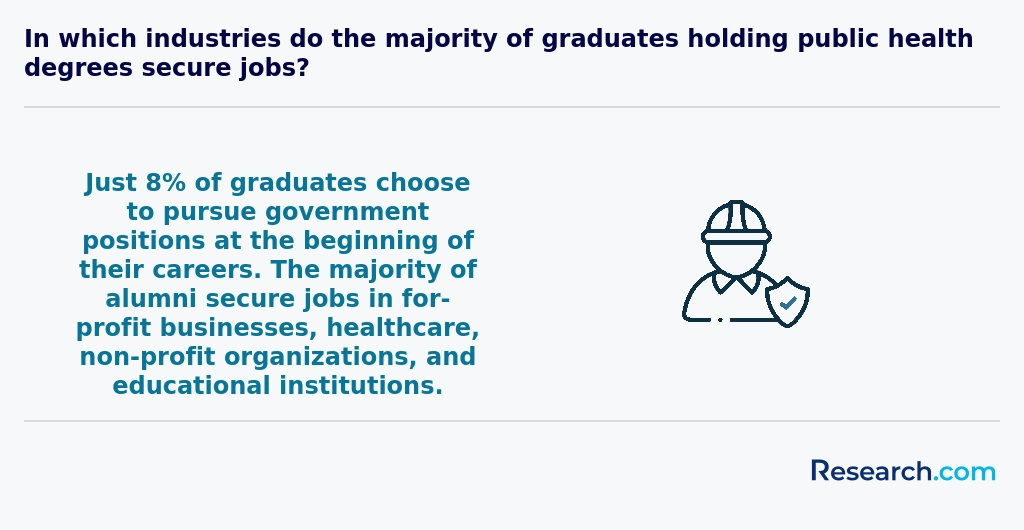
Public health degree holders in Athens encounter a steady job market supported by local government offices, hospitals, and nonprofit organizations eager to improve community well-being. Graduates from popular Athens colleges often secure roles as health educators or community health workers, reflecting the strong presence of public health job opportunities in Athens. By engaging directly in urban health initiatives, they build practical skills that align well with area employers' expectations.
Many graduates find themselves contributing as public health analysts or environmental health specialists, positions that involve hands-on program evaluation and improving urban safety. Athens's proximity to major healthcare institutions offers added employment advantages, particularly within healthcare administration, where interdisciplinary collaboration is common. Students frequently share how internships gained through their universities opened doors to these practical roles, boosting their confidence and career prospects.
It's important for students to weigh local tuition costs against potential salaries, which typically start near the national average but benefit from Athens's slightly lower living expenses. Many graduates emphasize the value of affordable education paired with the opportunity to participate in community projects, including preventive services such as oral disease screenings. Understanding this balance helps students navigate the Athens public health career outlook thoughtfully.
2027 Most Affordable Public Health Degree Programs Ranking in Athens
Investing in your education is a significant decision that can shape your future, and the Research.com team understands the importance of making informed choices. To assist prospective students in Athens, we have meticulously developed the "2027 Most Affordable Public Health Degree Programs Ranking in Athens." Our commitment to quality, credibility, and accuracy is reflected in the extensive research and analysis conducted to compile this ranking.
We utilized the following reputable data sources to ensure a comprehensive evaluation of public health degree programs:
By exploring this ranking, readers will gain valuable insights into the most affordable public health degree programs in Athens, empowering them to make well-informed decisions about their education and future careers. For more details on our methodology, please visit our Research.com methodology page.

Frequently Asked Questions About public health
Public health degree students in Athens can maximize their learning by actively engaging with local health organizations and community initiatives. Athens offers valuable internship opportunities with public health departments and non-profits, providing hands-on experience crucial for understanding real-world challenges.
Students should also leverage resources from nearby universities with accredited public health programs, such as seminars, workshops, and research projects focused on urban health issues prevalent in the Athens area. According to the CDC, community-based learning enhances retention and practical skills.
Networking with professionals at local conferences and participating in public health campaigns can deepen students' knowledge and expand career prospects.
The field of public health is rapidly evolving with new specialized niches emerging to address complex health challenges. In Athens, students pursuing public health degrees can explore areas such as health informatics, which integrates data science to improve health outcomes. Another growing niche is environmental health, focusing on the impact of pollution and climate change on communities.
Global health equity also attracts attention, promoting fair access to healthcare worldwide. Additionally, biosecurity and pandemic preparedness have become critical following recent global outbreaks. These niches offer diverse career paths and reflect the sector's adaptation to modern needs.
After earning a public health degree in Athens, preparation for the job market involves targeted steps aligned with U.S. employment standards. Graduates should pursue internships or practicums during their studies, as practical experience is highly valued by employers. According to the Bureau of Labor Statistics, public health roles are expected to grow by 17% from 2022 to 2032, reflecting strong demand in healthcare and government sectors.
Networking is also key; joining professional associations such as the American Public Health Association can offer connections and job listings. Additionally, obtaining certifications like Certified Health Education Specialist (CHES) can boost employability. Developing skills in data analysis and communication is essential to meet today's public health needs, especially when working in diverse communities like Athens.
Employers seeking public health degree graduates in Athens prioritize a blend of technical and interpersonal skills. Analytical ability ranks highly, as graduates must interpret complex data to support community health initiatives. According to the Bureau of Labor Statistics, proficiency in biostatistics and epidemiology is critical for addressing local health challenges.
Communication skills also stand out, enabling professionals to effectively convey health information to diverse populations. Additionally, problem-solving capabilities are essential due to the dynamic nature of public health concerns in urban environments like Athens.
Competency in health policy and management is increasingly valued as public health systems evolve. Familiarity with relevant software tools and community engagement experience further enhances employability. These skills collectively prepare graduates to contribute effectively to improving public health outcomes locally.
Finding internships in Athens relevant to a public health degree involves a strategic approach focusing on local healthcare institutions and organizations. The city hosts several public health agencies and nonprofits where students can gain practical experience. For example, partnerships with the Athens Public Health Department and local hospitals often provide structured internship opportunities.
National US public health databases, including the Association of Schools and Programs of Public Health (ASPPH), recommend contacting university career centers for Athens-based placements. Many programs encourage students to secure internships through affiliations with global health nonprofits headquartered or operating in Athens.
Additionally, students should explore research projects led by Athens-based faculty connected to US institutions, as these often involve fieldwork suitable as internships. Networking through professional organizations such as the American Public Health Association (APHA) can also uncover available roles.
In Athens, a public health degree significantly enhances career mobility and advancement within the healthcare sector. Graduates often find opportunities in diverse roles such as epidemiology, health policy, and community health management. According to the U.S. Bureau of Labor Statistics, employment in public health-related occupations is projected to grow 12% from 2022 to 2032, a rate faster than average.
Professionals with public health degrees in Athens benefit from connections to local health departments and nonprofits, which frequently seek individuals with specialized knowledge. Additionally, graduates with advanced credentials tend to secure leadership positions more rapidly, earning salaries up to 20% higher than their peers without such qualifications.
Studying for a public health degree in Athens offers strong preparation for interdisciplinary roles within the U.S. public health sector. Programs emphasize collaboration across fields such as epidemiology, health policy, social sciences, and environmental health, reflecting current workforce demands. According to the Association of Schools and Programs of Public Health (ASPPH), 60% of public health jobs require professionals comfortable working in diverse teams. Athens-based institutions often incorporate case studies and practicum experiences that simulate real-world, cross-sector challenges, enhancing critical thinking and communication skills.
Additionally, students gain familiarity with data analysis and community outreach, essential for roles in healthcare administration or health education. The local emphasis on global health and urban health issues aligns well with U.S. public health priorities, fostering adaptability in various interdisciplinary settings.
Choosing between a thesis and a non-thesis public health degree program in Athens involves weighing your career goals and learning preferences. Thesis programs require original research and are ideal for those considering doctoral studies or research careers. Non-thesis options focus more on coursework and practical skills, fitting professionals seeking immediate employment in public health agencies or organizations.
In the US, thesis tracks often extend program length by 6-12 months. According to data from the Council on Education for Public Health (CEPH), approximately 40% of MPH students choose thesis options nationally, reflecting significant interest in research.
Athens-based students should consider the program's alignment with US accreditation standards and available faculty expertise, especially if aiming for careers requiring strong research credentials.
Students based in Athens who wish to study public health abroad have several options within the U.S. higher education system. Many U.S. universities offer fully online Master of Public Health (MPH) programs, which provide flexibility without the need to relocate. Schools such as the University of North Carolina or Johns Hopkins University are renowned for their public health programs and frequently enroll international students, including those from Greece.
For those considering on-campus study, obtaining a student visa is required, and many institutions assist with this process. Tuition can vary widely, typically ranging from $20,000 to $60,000 per year, depending on the school and program type.
Additionally, scholarships and assistantships are available to international students, which can help offset costs. According to the Association of Schools and Programs of Public Health, interest in global health studies among Athens-based students has increased by 15% since 2020, highlighting the growing demand for U.S.-based public health education opportunities.
Students pursuing public health degrees in Athens, Georgia, can find several part-time job opportunities that complement their education and enhance practical skills. Positions such as research assistants at the University of Georgia's College of Public Health provide valuable experience in epidemiology, biostatistics, and health policy.
Local hospitals and health clinics often seek interns or part-time workers for roles like patient outreach or health education, which help students understand community health challenges firsthand. Additionally, roles with public health-focused nonprofits like the Athens Community Council on Aging offer chances to engage in program development and public health advocacy.
According to the Georgia Department of Public Health, Athens has seen increased demand for public health workers in response to chronic disease management and pandemic preparedness, making relevant part-time experience highly beneficial for students' future careers.
Public health students studying in Athens benefit from several valuable networking opportunities that can enhance their academic and professional growth. Athens is home to public health programs affiliated with universities that connect students to local health departments, nonprofit organizations, and community clinics. These partnerships often provide internships and volunteer placements, allowing students to build practical experience and professional contacts.
Organizations such as the American Public Health Association's local chapters and the Greek Public Health Association also host events, workshops, and conferences that students in Athens can attend to meet experts and peers in the field. Networking at such events is crucial, as recent data shows that nearly 65% of public health graduates in the region found their first jobs through professional connections (source: Bureau of Labor Statistics, 2023).
Additionally, many Athens universities invite public health professionals as guest speakers and mentors. Students can engage in research projects or attend seminars that foster relationships with leading academics and practitioners in public health. These educational collaborations often lead to long-term networking benefits and job references.
Alumni networks are a valuable resource for public health degree students in Athens. Graduates often share job leads and internship opportunities within these communities, increasing the chances of employment in competitive public health roles. According to the Council on Education for Public Health, networking can improve career prospects by up to 30% for recent graduates.
Many Athens-based universities offer formal alumni groups that host events, workshops, and mentorship programs. These activities help students build professional relationships with experienced public health practitioners in the US system.
Additionally, alumni connections can guide students toward specialized fields like epidemiology or health policy, offering insider knowledge that is difficult to find elsewhere.
Students pursuing public health degrees in Athens have multiple options to tailor their education according to career goals. Many universities offer concentrations such as epidemiology, health policy, environmental health, or community health. Choosing specific electives or minors supports focused skill development.
Internships and practicum placements within Athens' local health departments or nonprofit organizations provide valuable hands-on experience, aligning academic knowledge with real-world public health challenges. This practical approach enhances employability in the competitive job market.
Additionally, flexible scheduling and online coursework options are increasingly available, allowing students to balance studies with work or family commitments. Accreditation by CEPH (Council on Education for Public Health) ensures program quality and relevance.
Customizing your degree can help meet the demands of Athens' growing public health sector, which, according to the Georgia Department of Public Health, has seen a steady increase in employment opportunities over recent years.
Public health students in Athens often face challenges related to adapting US-based public health curricula within a local context that differs significantly in healthcare infrastructure and policy. Navigating the differences in public health priorities can be difficult, as US standards emphasize diverse population health issues that may not align directly with Athens' specific community health needs.
Financial strain is another common obstacle. According to the National Center for Education Statistics, graduate public health programs in the US average over $20,000 annually, which can be particularly burdensome for students living abroad or balancing work.
Additionally, limited access to local internship opportunities that meet both US and Athens accreditation requirements can restrict practical experience. Students must often seek cross-border collaborations or virtual practicum options to fulfill hands-on learning criteria, complicating timely graduation.
With a public health degree, students in Athens can pursue several respected professional certifications that enhance their career opportunities in the United States. One of the most recognized is the Certified in Public Health (CPH) credential offered by the National Board of Public Health Examiners. This certification validates knowledge across critical public health areas and is highly regarded by employers nationwide.
Another valuable option is the Certified Health Education Specialist (CHES) credential, awarded by the National Commission for Health Education Credentialing. It focuses on health education competency and community health promotion skills. Public health graduates may also consider certifications in epidemiology or health administration, depending on their specialization and career goals.
These certifications can improve job prospects and salary potential, with public health workers in Athens and beyond seeing higher demand amid ongoing public health challenges. Students should verify eligibility requirements, including coursework and experience, to prepare adequately for each exam.
To write a winning application for a public health program in Athens, start by carefully researching the specific university requirements since they often follow U.S. accreditation standards and may request GRE scores, transcripts, and recommendation letters. Emphasize your academic background and relevant experience in public health or healthcare. Highlight any volunteer or professional work related to community health, epidemiology, or health policy, which are key focus areas in Athens' public health education.
Demonstrate clear career goals and how studying in Athens will help achieve them, referencing the city's growing public health initiatives.
Strong recommendation letters from professionals or professors familiar with your skills are crucial. Proofread your statements to ensure clarity and professionalism.
The global perspective on a public health career highlights the increasing demand for skilled professionals worldwide. In the United States, public health roles are projected by the Bureau of Labor Statistics to grow 17% from 2021 to 2031, much faster than the average for all occupations. This growth is driven by challenges such as pandemics, chronic diseases, and health disparities.
For students in Athens interested in US public health degrees, understanding international health systems and global disease patterns is crucial. Many US programs emphasize global health, preparing graduates to work in diverse settings. According to the Association of Schools and Programs of Public Health, global health competencies are increasingly integrated into curricula.
Graduates often find opportunities in government agencies, NGOs, and multinational organizations. Salaries in public health vary but tend to reflect the growing importance of the field, with median yearly wages around $45,000 to $95,000 depending on the role and location. These career paths offer meaningful impact on public well-being worldwide.
Gaining practical experience while studying for a public health degree in Athens is essential for career readiness. Many US-accredited programs encourage internships with local health departments, hospitals, or non-profits that address urban health challenges in Athens. These placements provide hands-on exposure to epidemiology, health promotion, and policy development.
Students can also engage in research projects alongside faculty, focusing on pressing public health issues such as infectious disease control or environmental health within the Athens metropolitan area. According to the Association of American Universities, experiential learning boosts employment prospects by up to 30% for public health graduates.
Volunteering with community health initiatives in Athens further enriches students' practical skills and networks.
Choosing the right concentration within a public health degree program in Athens begins with understanding your career goals. Public health offers various fields such as epidemiology, health policy, biostatistics, and environmental health. Each concentration demands different skills and leads to distinct job roles.
Consider the local health challenges in Athens, like chronic diseases and urban environmental issues, which may guide your focus toward relevant specializations. According to the Georgia Department of Public Health, epidemiologists and health educators are among the fastest-growing roles in the region, influencing program demand.
Research the program's curriculum to ensure it covers your desired concentration thoroughly. Also, look for opportunities like internships or partnerships with Athens healthcare providers, which enhance practical experience. Accreditation by CEPH (Council on Education for Public Health) ensures quality education and licensure eligibility.
- 2027 Most Affordable Public Health Degree Programs Ranking in Atlanta
- 2027 Most Affordable Public Health Degree Programs Ranking in Columbia
- 2027 Most Affordable Public Health Degree Programs Ranking in Charlotte
- 2027 Most Affordable Public Health Degree Programs Ranking in Charleston
- 2027 Most Affordable Public Health Degree Programs Ranking in Nashville
- 2027 Most Affordable Public Health Degree Programs Ranking in Greensboro
- 2027 Most Affordable Public Health Degree Programs Ranking in Chapel Hill
- 2027 Most Affordable Public Health Degree Programs Ranking in Lynchburg
- 2027 Most Affordable Public Health Degree Programs Ranking in Cincinnati
- 2027 Most Affordable Public Health Degree Programs Ranking in Bloomington
- Public Health: A Global Perspective https://www.routledge.com/Public-Health-A-Global-Perspective/Singh/p/book/9781032644226
- Student Aid Fund https://merimna-en.uoa.gr/student_welfare/student_aid_fund/
- Master of Science (M.S.) Major in Public Health Education and Promotion (Non-thesis Option) https://mycatalog.txstate.edu/graduate/education/health-human-performance/public-healthed-promo-nonthesis-ms/
- 27 Best Public Health schools in Greece [2026 Rankings] https://edurank.org/medicine/public/gr/
- Public Health Degrees & Careers | How To Work In Public Health https://www.learnhowtobecome.org/medical-health-careers/public-health/
- The Interdisciplinary Nature of Public Health https://www.cune.edu/news/interdisciplinary-nature-public-health
- Yes, the Public Health Job Market is Tough, But You’re Tougher! | PH SPOT https://phspot.org/yes-the-public-health-job-market-is-tough-but-youre-tougher/
- What Can You Do With a Public Health Degree? https://www.publichealthdegrees.org/careers/what-can-you-do-with-public-health-degree/
- Students and Alumni associations - Europubhealth https://www.europubhealth.org/students-alumni-associations/
- Dive deeper into public health topics. https://www.apha.org/topics-and-issues