2027 Most Affordable Online Bachelor's in Public Health Degree Programs Ranking in the South

Co-Founder and Chief Data Scientist
Choosing the right public health degree program can feel overwhelming, especially when balancing affordability and quality. This article presents the 2027 Most Affordable Online Bachelor's in Public Health Degree Programs Ranking in the South, thoughtfully created by Research.com's team of data scientists.
Designed to guide Southern students, this ranking helps you explore programs that offer excellent value while advancing your career goals. Pursuing a public health degree opens doors to impactful work in communities, making a real difference in people's lives.
Discover affordable options that fit your needs and start your journey toward a rewarding future.
Key benefits of getting online public health degree in the South
- Graduates with a public health degree in the South can earn competitive salaries, such as Environmental Health Specialists making around $86,710 annually and Health Educators earning about $69,790 per year, offering strong financial stability.
- Career paths include roles like Community Health Worker or Occupational Health and Safety Specialist, showing diverse opportunities to make a real difference in community well-being and workplace safety.
- Completing a public health degree online provides flexibility and convenience, as demonstrated by graduates from Southern universities who balance work, family, and education successfully while advancing their careers.
- 2027 Most Affordable Online Bachelor's in Public Health Degree Programs Ranking in the South
- What can I expect from online public health degree in the South?
- Where can I work with online public health degree in the South?
What can I expect from online public health degree in the South?
The average cost of an online public health degree in the South varies significantly, often influenced by whether students qualify for in-state tuition discounts at public universities. For many Southern institutions, this can mean tuition rates substantially lower than the national average, making education more accessible for local students balancing work and family commitments. Graduates from popular programs recall feeling motivated knowing they invested in a degree that combined affordability with strong regional health focus.
For example, students attending well-regarded Southern universities often pay around $10,000 to $20,000 total for their online degree if staying in-state. Yet, out-of-state tuition or private universities can push costs higher, sometimes doubling expenses. Some graduates found that scholarship opportunities or employer tuition assistance helped manage these expenses, affirming that costs need not be a barrier.
Considering the practical demands of online study, many appreciate the flexibility offered by these programs-especially when financing options coincide with the ability to study without pausing their careers. Those focused on Southern public health challenges often feel their investment gains value through tailored coursework addressing issues like regional chronic disease and rural healthcare access.
Where can I work with online public health degree in the South?
Graduates with an online public health degree from Southern institutions like the University of North Carolina or Emory University often find themselves working in dynamic settings such as state health departments, where they tackle regional health disparities and emergency responses. Many describe the satisfaction of contributing directly to communities grappling with chronic diseases and rural healthcare challenges common in states like Texas and Georgia.
Others pursue roles in healthcare systems and hospitals, becoming epidemiologists or community health managers, driven by a goal to enhance patient outcomes and preventive care. The Southern Hospital Association highlights these career paths as crucial in a region facing complex health needs.
Nonprofit organizations focused on HIV/AIDS prevention or maternal health offer meaningful work environments, where graduates link public health theory to grassroots outreach. Graduates report feeling a strong connection to their mission when working in underserved Southern neighborhoods.
Corporate wellness roles in cities like Atlanta offer graduates opportunities to innovate in employee health programs, reflecting a growing trend toward preventive strategies in the workplace. Meanwhile, some graduates choose academia or research at Southern universities, blending data analysis and policy to influence the region's public health landscape.
Graduates from online public health programs in the South often find themselves earning salaries that reflect both opportunity and challenge in the region. For example, community health workers, a common starting point, typically earn around $52,610 annually, while health educators can expect about $69,790 per year, based on U.S. Bureau of Labor Statistics data. These figures align with experiences shared by graduates of Southern universities where many appreciated the balance of solid wages and meaningful community impact in their work.
More specialized roles such as environmental health specialists bring higher salaries, averaging $86,710 annually, illustrating the value of pursuing advanced certifications or focused tracks within public health studies. Several graduates from renowned Southern institutions note that securing positions in larger cities like Atlanta or Dallas often leads to better compensation than rural areas, although rural public health jobs sometimes offer faster career progression.
Occupational health and safety specialists earn close to $85,570 annually, a strong incentive for degree holders interested in workplace health. Many alumni highlight how the evolving job market in the South, including increased demand in government and nonprofit sectors, offers a hopeful outlook for new graduates, despite salaries being slightly below national averages.
- The average total cost for an online bachelor's degree in public health in the Southern US ranges from $20,000 to $40,000, with lower tuition rates for in-state students.
- Job growth for public health and community service roles in the South is projected at 12% from 2022 to 2032, faster than the overall average.
- Starting salaries for public health graduates in the region average around $45,000, rising to $65,000 or more with experience.
- Many Southern online public health programs are accredited by the Council on Education for Public Health (CEPH), ensuring high-quality education.
- Flexible and asynchronous course formats help working professionals and students with family commitments balance education and other responsibilities.
Completing an online public health degree in the South typically takes about four years for full-time students, aligning with the standard timeframe at universities like the University of North Carolina and Florida State University. Graduates often share how this traditional pace allows them to balance coursework with work and family life without becoming overwhelmed.
However, many Southern programs offer accelerated tracks, enabling ambitious students to finish in two to three years by taking courses year-round. These options appeal to working professionals eager to advance quickly, as seen in the experiences of students at Georgia State University who appreciated the flexibility to fit studies around demanding schedules.
Conversely, part-time study can extend completion to six years or more, a necessary trade-off for those managing significant personal commitments. Southern institutions understand this and often provide credit for prior experience, helping students reduce time without sacrificing educational quality.
Since most CEPH-accredited programs require roughly 120 credit hours, the actual length depends heavily on individual circumstances like transfer credits and course load, underscoring the importance of customizing plans based on one's unique situation.
Most online public health bachelor's programs in the South include a required practicum to bridge theory and practice. Expect 150–300 hours of supervised fieldwork, which can be completed locally or remotely.
- Local health department placements to apply epidemiology, community assessment, and health promotion skills
- Remote project options, such as virtual data analysis, policy research, or designing health education campaigns
- Faculty-guided mentorship with public health professionals who provide feedback and evaluation
Programs typically assist with placement logistics by offering career services support, partnering with regional agencies for flexible scheduling, and providing clear learning objectives and assessment criteria.
For related health career training, explore affordable online medical billing and coding schools.
Graduates from Southern universities like the University of North Carolina and the University of Texas often highlight flexibility as a key advantage of online public health degrees. For those balancing work and family, the ability to access course materials any time is invaluable, especially when commuting from rural areas or cities with heavy traffic such as Dallas. This flexibility makes staying on track easier without giving up current responsibilities.
Conversely, on-campus students at these schools frequently emphasize the benefit of face-to-face interaction. They describe meaningful networking with professors and peers during in-person discussions and fieldwork that deepen practical skills. Being physically present also offers easier access to local health agencies for internships, fostering a sense of community involvement often missing in virtual environments.
Cost differences also shape experiences. Online programs in the South tend to cost between $4,000 and $15,000 annually, often lower than the combined tuition plus housing and transportation expenses of on-campus study. Some graduates found financial relief enrolling online yet still appreciate occasional campus visits for labs or hands-on projects.
Transitioning from an online bachelor’s in public health to a leadership role requires strategic planning and skill-building. Many graduates begin as Community Health Workers or Health Educators, where they hone competencies in data collection, program coordination, and stakeholder communication. To accelerate your progression: 1. Obtain Certifications: Earning credentials such as the Certified Health Education Specialist (CHES) or Project Management Professional (PMP) enhances credibility and demonstrates your commitment to best practices. 2. Strengthen Technical Skills: Master software tools for epidemiological analysis (e.g., SAS, R) and sharpen grant-writing abilities to secure funding for community initiatives. 3. Gain Field Experience: Seek internships or volunteer roles with local health departments or NGOs. Hands-on projects in outbreak response or health promotion solidify theoretical knowledge and expand your network. 4. Pursue Continuing Education: Consider an MPH or specialized graduate certificate in Health Policy, Environmental Health, or Biostatistics to deepen expertise and qualify for higher-level positions. 5. Develop Leadership and Management Abilities: Lead student or volunteer teams, coordinate workshops, and practice conflict resolution to prepare for administrative responsibilities. For actionable guidance on advancing without prior experience, explore how to become a public health administrator with no experience. This resource outlines mentorship strategies, resume optimization techniques, and interview preparation tips tailored to emerging public health leaders. By combining continuous learning, practical exposure, and targeted networking, you’ll position yourself for roles in program management, policy development, and, ultimately, public health administration.
The average cost of an online public health degree in the South can vary considerably depending on several factors, including residency status and type of institution. For in-state students enrolling in public universities, the median total cost is around $53,940, making these programs a relatively affordable option compared to out-of-state students who may face median costs closer to $91,260. Graduates from well-known Southern public universities often describe their tuition investment as reasonable, especially when considering the flexibility and quality of online courses offered.
Those seeking an affordable online bachelor's in public health Southern states may find public institutions particularly appealing due to lower tuition rates and additional financial aid opportunities. Many students appreciate how scholarships and university-specific aid reduce expenses, making the pursuit of a public health degree more manageable. For example, graduates from recognized programs at state universities frequently highlight their positive experiences balancing cost, convenience, and academic rigor.
The cost per credit hour for public universities typically ranges from about $300 to $450 for in-state students, which aligns with the credit requirements of many programs. Considering this, students planning to complete about 120 credit hours can expect overall tuition costs to range within a broad spectrum reflecting program variations and residency status. For those researching options, reviewing specific program costs on university websites and checking rankings like the most popular public health degree listings can provide helpful insights tailored to their needs.
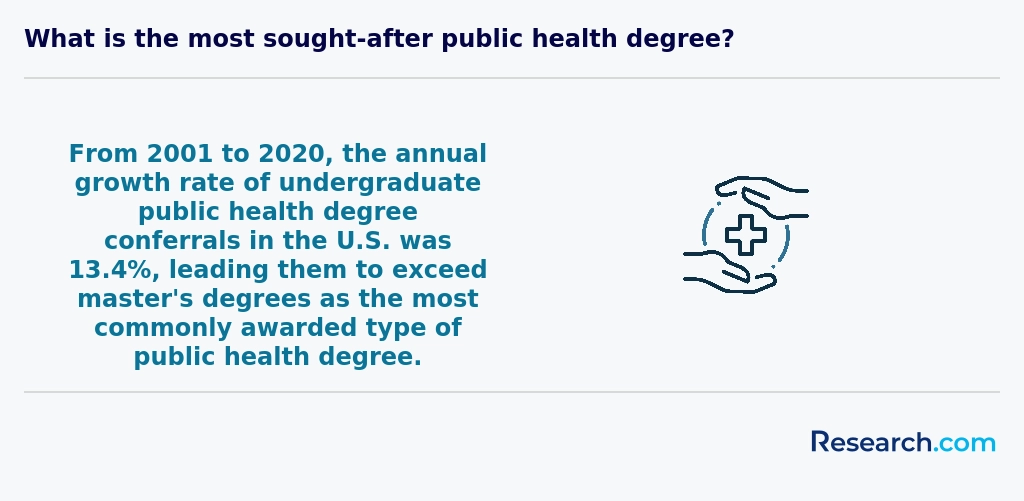
Anticipating the future of Public Health education can empower students and professionals to adapt to an ever-evolving industry. In this section, we explore industry trends, innovative teaching methods, and emerging career pathways that shape the future landscape of public health. One key trend is the integration of advanced digital tools and data analytics into curricula, allowing students to tackle complex community health challenges with real-time insights. Simultaneously, there is a growing emphasis on interdisciplinary studies, where public health intersects with technology, environmental science, and social justice, broadening the scope of potential roles in the field. Furthermore, as public health challenges such as pandemics, environmental crises, and health inequities continue to rise, professionals are expected to take on dynamic roles that blend research, policy-making, and on-the-ground community engagement. By choosing leading programs, such as the most popular public health degree, students can gain access to innovative learning environments and cutting-edge resources designed explicitly for these emerging challenges. This forward-looking approach not only helps prospective students identify programs that are adaptive and resilient but also provides current professionals insights into the skills and competencies that will be in high demand in the near future. Embracing lifelong learning and staying updated with industry trends will ensure that public health practitioners remain competitive and capable of making a significant impact on community health outcomes.
Students pursuing online public health degrees in the South often find financial aid crucial for managing tuition costs, which typically range from $8,000 to $20,000 annually at institutions like the University of North Carolina or Georgia State University. Federal aid, secured through FAFSA, is a primary resource, offering Pell Grants-which require no repayment-and low-interest federal loans. Graduates frequently recall how these funds eased their initial burdens, allowing focus on coursework rather than finances.
State-specific scholarships also significantly impact affordability. For instance, Georgia's workforce scholarships target public health students willing to serve underserved communities, creating a meaningful exchange between education and community service. Such programs, while beneficial, may require graduates to carefully consider post-graduation employment options to meet service commitments.
Institutional scholarships, both merit- and need-based, often provide vital support. Many Southern universities prioritize students from underrepresented groups, making education more accessible and fostering diverse public health leadership. Additionally, employer tuition assistance programs prove invaluable for working professionals balancing online studies and careers in healthcare, providing emotional reassurance amid heavy schedules.
Faculty members in Southern online public health programs bring extensive real-world experience and cutting-edge research to the virtual classroom. Many instructors hold joint appointments with local health departments or federal agencies like the CDC, ensuring course content is grounded in current public health practice. Students benefit from: • Distinguished Credentials: Professors with PhDs in epidemiology, environmental health, and health policy guide coursework, publish in peer-reviewed journals, and lead grant-funded projects. • Active Research Labs: Online learners can join virtual seminars on topics such as infectious disease modeling, health equity interventions, and community-based participatory research, fostering skills in data analysis and program evaluation. • Mentorship Opportunities: Faculty office hours and personalized feedback on capstone projects connect students with seasoned researchers, helping refine study designs and improve academic writing. • Collaborative Projects: Virtual research teams allow students to co-author white papers and present findings at regional conferences, strengthening resumes and professional networks. For those considering a pathway to advanced study, many programs facilitate seamless progression to doctoral work-explore our Inexpensive Online Doctorate in Public Health Degree Programs Ranking in the South to plan your long-term academic trajectory.
Enrollment in online public health degree programs in the South typically requires a high school diploma or equivalent, such as a GED. Graduates from universities like the University of South Carolina often reflect on how this foundational step reassured them as they transitioned from varied backgrounds into higher education. Many Southern schools also ask for official transcripts demonstrating satisfactory completion of general education courses, with minimum GPAs generally around 2.5 to 3.0. For example, some students recall that meeting this GPA benchmark at institutions like Florida State University bolstered their confidence in managing rigorous coursework.
While some programs request SAT or ACT scores, test-optional policies have become common, especially for online learners, promoting accessibility. This flexibility has eased entry for many who find standardized tests stressful or less reflective of their potential. International students must typically prove English proficiency through TOEFL or IELTS, though these requirements tend to affect a smaller portion of the Southern student body.
Applicants should also prepare application materials such as personal statements and recommendations. Many note the personal statement as a positive opportunity to express passion for public health, emphasizing motivations and career goals. Application fees range modestly from $25 to $75, a manageable step for most prospective students aiming to join Southern public universities known for balancing quality and affordability.
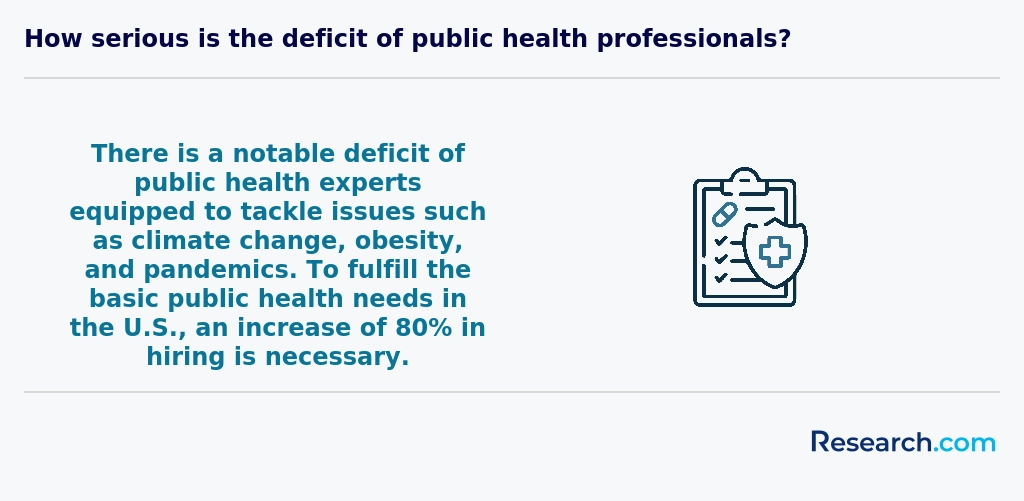
Accreditation ensures your online public health degree meets rigorous standards for curriculum, faculty expertise, and student support. Choosing an accredited program protects your investment by guaranteeing credit transferability, financial aid eligibility, and employer recognition.
- Council on Education for Public Health (CEPH): Confirms public health-specific curriculum meets national benchmarks.
- Regional Accreditation (e.g., SACSCOC, HLC): Validates institutional quality, from admissions policies to student services.
- State Authorization/SARA: Allows you to enroll legally across state lines, ensuring programs comply with local education regulations.
Verifying these credentials helps you select a reputable, career-boosting degree. For related low-cost credential options, explore the cheapest medical coding certification online.
Online public health degree programs in the South typically include courses such as Introduction to Public Health, Biostatistics, Environmental Health, Epidemiology, Health Policy and Management, and Social and Behavioral Sciences. Graduates from well-regarded Southern universities often describe how these courses helped them understand both broad public health principles and region-specific issues, like the impact of environmental factors on communities affected by climate and pollution.
For instance, studying Environmental Health at a popular Southern college can bring to life real challenges faced by rural areas, such as exposure to agricultural chemicals or limited access to clean water. Courses in Health Policy and Management frequently incorporate local healthcare system case studies, helping students imagine themselves navigating public health leadership roles in their own communities.
Many report that learning about epidemiology felt especially relevant given the South's experience with infectious disease outbreaks, making theoretical knowledge feel urgent and practical. While course content tends to cover universal public health concepts, the emphasis on Southern demographics, including rural populations and diverse cultural groups, makes the learning experiences both relatable and motivating for students.
Online public health specializations in the South typically reflect the region's complex health landscape. Graduates from universities well-known for their public health programs often choose concentrations such as Epidemiology, which prepares them to analyze disease outbreaks-a critical skill given the recurring challenges posed by infectious diseases in Southern communities. Others focus on Health Policy and Management, learning to navigate and influence the evolving healthcare regulations that affect access and quality in rural and urban areas alike.
Students find Community Health Education particularly rewarding; several graduates recall designing programs that resonate with diverse populations, improving preventive care and outreach. Environmental Health is another key specialization, addressing the South's vulnerability to climate events like hurricanes and pollution. Meanwhile, Global Health offers a broader perspective that some find vital when working with immigrant populations. Universities across the South tailor these Southern online public health degree concentrations to workforce needs, which instills a sense of purpose among students.
Notably, some students, particularly those wondering how to become a public health administrator with no experience, appreciate that these specializations often blend theoretical knowledge with practical skills, making this an encouraging path for career changers or first-time public health professionals.
When choosing the best online public health degree in the South, accreditation is paramount. Graduates from popular Southern universities often emphasize how CEPH accreditation ensured their diploma was respected by employers and graduate programs alike, especially given the region's unique public health challenges. Equally important is cost; many students appreciate how state universities offer affordable tuition, sometimes even under $4,000 annually, making these among the best affordable online public health degrees in the South. One graduate recounted balancing work and family while benefiting from asynchronous courses, highlighting program flexibility as a decisive factor.
Specialization also matters. Students who pursued concentrations in epidemiology or community health education felt their training was especially relevant to Southern public health issues. Additionally, strong online support services from these top accredited online public health programs southern states provide help with career counseling and academic advising, easing the journey. For a comprehensive view of cost-effective options, consider this Inexpensive Online Doctorate in Public Health Degree Programs Ranking in the South.
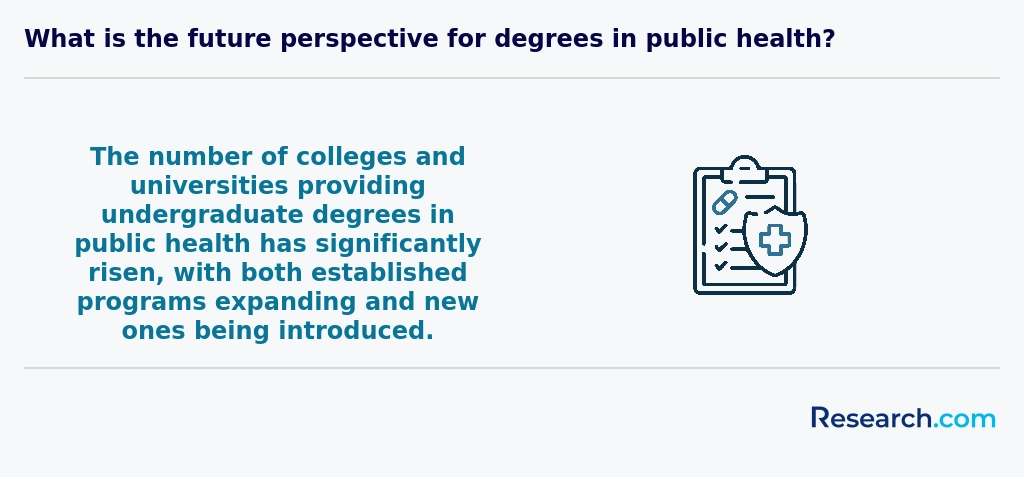
Graduates with an online public health degree in the South often pursue varied career paths ranging from health education to epidemiology. Many find fulfilling roles as health educators or community health workers, designing programs that directly impact local populations, particularly in states like Texas and Florida where demand is rising. Some graduates from popular Southern universities share how working within rural communities gives them a personal sense of contribution amidst challenges like chronic disease and obesity endemic to the region.
Others specialize in epidemiology and disease control, analyzing data to inform policy decisions essential during outbreaks. This path appeals to analytical thinkers eager to address regional disparities in health, a common focus in Southern public health programs. Meanwhile, careers in health policy and administration attract graduates wanting to lead public health initiatives, often in metropolitan areas where salaries tend to be higher.
Environmental health also remains a critical area due to the South's unique industrial landscape. Many graduates find satisfaction tackling pollution and workplace safety issues pertinent to local industries. For students balancing education and work, exploring 6 month online certificate programs high paying jobs can offer timely entry points into the workforce. Overall, online public health degree job opportunities Southern US provide diverse, impactful career choices grounded in community needs.
The job market for online public health degree holders in the South is showing promising growth, especially as regional public health initiatives expand in response to pressing challenges like opioid addiction and vaccination efforts. Graduates from well-known programs at universities in Texas, Florida, and Georgia often find roles in government agencies, nonprofits, and healthcare providers addressing health inequities in both urban and rural areas. These opportunities reflect broader national trends but are uniquely shaped by the South's public health landscape.
Many graduates report feeling encouraged by the steady demand for public health professionals, though salary levels can vary and typically fall slightly below national averages due to cost-of-living differences. Entry-level positions may start in the high $40,000 range, making public health a financially attainable career. Students looking for affordable study options find that in-state tuition for online public health degrees often ranges from $15,000 to $25,000 in this region, making it attractive for those balancing cost and job prospects.
For potential students uncertain about degree difficulty, exploring which bachelor degree is the easiest can help guide decisions. The Southern public health job market offers many career opportunities Southern US residents can realistically pursue with online education, particularly as the need for health educators, epidemiologists, and policy advisors grows.
2027 Most Affordable Online Bachelor's in Public Health Degree Programs Ranking in the South
Investing in your education is a significant decision that can shape your future, and the Research.com team is fully aware of the responsibility that comes with providing reliable guidance. To help prospective students discover affordable and quality options, we have carefully developed the "2027 Most Affordable Online Bachelor's in Public Health Degree Programs Ranking in the South." Our dedication to quality, credibility, and accuracy is demonstrated through thorough research and analysis.
We utilized the following reputable data sources to ensure a comprehensive evaluation of public health programs:
By exploring this ranking, readers will gain valuable insights into affordable and high-quality online bachelor's programs in public health across the Southern states, enabling well-informed educational decisions. For a deeper understanding of how this ranking was developed, please visit our Research.com methodology page.



# 4 position
University of Management and Technology
Bachelor of Health Administration


Frequently Asked Questions About public health
Online public health degree students in the South can maximize their learning by actively engaging with regional public health issues. The Southern states face unique health challenges, including higher rates of chronic diseases such as diabetes and heart conditions, according to the CDC. Students should seek coursework and projects focused on these local concerns to build relevant expertise.
Participation in virtual internships with Southern health departments or nonprofits enhances practical skills. Utilizing networking opportunities through organizations like the Southern Public Health Association also connects students to local professionals.
Accessing resources from Southern universities and monitoring state health data can further enrich understanding and career readiness.
Emerging niches within public health are expanding rapidly, offering diverse career paths for students pursuing online degrees in the South. One key area is health informatics, where professionals use data and technology to improve healthcare delivery. This field is growing as Southern states invest more in digital health infrastructure.
Another rising niche is environmental health, focused on addressing issues like pollution and climate change impacts, which are particularly relevant in the South due to industrial and hurricane-related challenges.
Community health and health equity also remain priorities, as many Southern populations face disparities in healthcare access. According to the CDC, nearly 22% of Southern residents live in rural areas, intensifying the need for targeted public health programs.
After earning an online public health degree in the South, preparing for the job market involves strategic steps to stand out. First, gaining practical experience through internships or volunteer opportunities with local health departments or nonprofit organizations is vital. According to the Bureau of Labor Statistics, Southern states show growing demand for public health professionals, especially in epidemiology and health education.
Networking plays a key role-joining associations like the Southern Public Health Association can connect graduates with employers. Additionally, earning certifications such as the Certified Health Education Specialist (CHES) can improve job prospects. Tailoring resumes to highlight relevant skills and regional health issues aids in securing employment in this competitive field.
Employers in the Southern states value specific skills in graduates of online public health programs. Analytical skills top the list, as professionals must interpret health data to address regional challenges like high rates of chronic diseases. Communication is also crucial because conveying health messages clearly to diverse populations improves community outcomes.
Project management capabilities are important, given the need to coordinate local health initiatives effectively. Familiarity with health policy and regulations specific to Southern states helps graduates advocate for effective interventions. According to the South Carolina Department of Health, data literacy increases the chances of employment in state public health agencies.
Overall, adaptability and cultural competence remain essential as the region faces unique public health disparities that require tailored approaches.
Finding internships in the South for public health students begins with leveraging regional networks tied to universities, state health departments, and non-profits. Many Southern states report high demand for public health professionals due to chronic health challenges, making internships valuable for practical experience.
Students should explore partnerships their online programs have with Southern organizations, including hospitals, clinics, and community health agencies. According to the Association of State and Territorial Health Officials (ASTHO), Southern states often prioritize internships to address issues like obesity and infectious diseases.
Online students can also use platforms such as the National Public Health Internship Directory and local health departments' websites to identify opportunities tailored to their region.
Obtaining an online public health degree in the South can significantly enhance career mobility and advancement. Southern states face unique health challenges, increasing demand for qualified public health professionals. According to the U.S. Bureau of Labor Statistics, employment for health educators and community health workers is projected to grow 16% between 2021 and 2031, faster than average nationwide.
Online degrees provide flexibility, enabling working professionals to advance without relocating. Accredited programs often include region-specific curricula that address Southern health disparities such as diabetes and heart disease.
Graduates can access a broad range of roles in government agencies, nonprofits, and healthcare organizations where advanced credentials are valued for promotions and leadership positions.
Studying for an online public health degree in the South equips students for interdisciplinary roles by emphasizing collaboration across healthcare, policy, and community sectors. Southern programs often highlight real-world challenges like rural health disparities and chronic disease management, fostering skills in teamwork and systems thinking. According to the Association of Schools and Programs of Public Health (ASPPH), Southern universities integrate training in epidemiology, health communication, and environmental health to prepare graduates for diverse roles.
Programs typically include modules on social determinants of health, encouraging students to work with professionals from social work, education, and government. This multidisciplinary focus aligns with the regional need for versatile public health leaders who can address complex health issues in varied communities.
When choosing between a thesis and a non-thesis public health degree program in the South, consider your career goals first. Thesis programs typically emphasize research skills and are ideal if you plan to pursue a master's degree or work in academic or research settings.
Non-thesis programs focus more on practical skills and coursework, suitable for those aiming to enter the workforce directly or seeking leadership roles in public health agencies.
According to the Southern Public Health Association, nearly 60% of public health jobs in the South prioritize applied skills over research experience, influencing program choice.
Cost and time commitment also vary; thesis options may take longer due to research requirements.
Students in the South seeking public health degrees with an international focus have growing opportunities through partnerships between Southern universities and global institutions. Many Southern schools offer online programs featuring study abroad components or virtual exchanges with universities overseas. These options enable students to gain global health perspectives without relocating.
For example, some programs include international internships or collaborative research projects in regions like the Caribbean or Latin America, where Southern institutions have established ties. According to the Association of Schools and Programs of Public Health (ASPPH), nearly 40% of public health programs now incorporate global health topics, benefiting Southern students eager for diverse experiences.
Additionally, scholarships and grants often support Southern students to attend short-term study abroad sessions, enhancing their understanding of public health challenges worldwide.
Part-time job opportunities in the South that complement public health degree education are diverse and practical. Many students find roles as community health workers, assisting local populations with health education and resource navigation. According to the U.S. Bureau of Labor Statistics, the South employs a large portion of the country's public health workforce, increasing demand for such positions.
Other common jobs include health educator assistants and research assistants at universities or health departments. These roles provide hands-on experience in program development and data collection, which are essential for public health careers.
Additionally, non-profits and local health clinics often seek part-time support staff, offering exposure to public health initiatives targeting chronic disease management and prevention in the region.
Online public health students in the South benefit from a variety of networking opportunities despite the remote nature of their studies. Many Southern universities offer virtual career fairs, alumni networking events, and online discussion forums tailored to public health fields. These platforms allow students to connect with regional professionals, faculty, and peers across the state and beyond.
Organizations like the Southern Public Health Association provide members with webinars, conferences, and local chapter meetings, helping students build important professional relationships. According to the Association of Schools and Programs of Public Health, 45% of public health graduates find jobs through networking, underscoring its importance in this field.
State health departments and nonprofit organizations in Southern states frequently partner with universities to offer internships and volunteer roles exclusively available to enrolled students. Such collaborations enhance practical experience and regional contacts, key for career growth in public health.
Alumni networks offer valuable support to online public health degree students in the South by connecting them with experienced professionals in the region. These networks provide access to job opportunities, internships, and mentorship that can enhance career prospects after graduation. According to the Southern Public Health Association, the public health workforce in the South is growing steadily, emphasizing the need for strong professional connections.
Additionally, alumni networks facilitate knowledge sharing about regional health challenges, such as disparities in rural health, which are prevalent in Southern states. This localized insight helps students apply their education more effectively.
Networking through alumni groups also promotes lifelong learning and professional development.
Online public health degree programs in the South offer flexible options that allow students to tailor their education according to career goals. Many Southern universities provide specialized tracks or concentrations, such as epidemiology, health policy, or community health. This focus lets students deepen expertise in areas aligned with regional health challenges, like chronic disease management or rural health disparities.
Course selection can often be customized, combining core public health competencies with electives suited to specific job markets. Some programs also offer practical experiences through virtual internships or partnerships with Southern health agencies, enhancing real-world skills.
According to the Association of Schools and Programs of Public Health (ASPPH), customized curricula increase graduates' ability to meet workforce needs, particularly in high-demand Southern sectors such as behavioral health and public health education.
Online public health students in the South often face several challenges related to accessibility and resources. Broadband internet access remains uneven in many rural southern areas; according to the Federal Communications Commission, about 22% of rural residents in the South lack high-speed internet, which can limit their ability to participate effectively in online courses.
Additionally, balancing work, family, and study is a significant challenge. Many students are working professionals or caregivers, making time management difficult. The limited local public health networks in some areas may also restrict opportunities for hands-on experiences or internships, which are essential for applied learning.
Financial constraints are a further barrier, as some southern states have fewer funding options and scholarships tailored to public health fields. These challenges can affect both enrollment and graduation rates for online public health programs in the region.
With an online public health degree, graduates in the South can pursue several professional certifications to advance their careers. One of the most recognized is the Certified in Public Health (CPH) credential, offered by the National Board of Public Health Examiners. This certification validates expertise in core public health competencies.
Other certifications include Certified Health Education Specialist (CHES) and the Registered Environmental Health Specialist (REHS), valuable for those focused on community health and environmental safety. Obtaining these credentials can improve employment prospects in Southern states, where public health roles are growing due to persistent health disparities, according to the Southern Public Health Association.
Crafting a strong application for an online public health program in the South begins with understanding what admission committees seek. Highlight relevant academic achievements, especially in science or statistics, since these subjects form public health's foundation. Emphasize your motivation by relating experiences that demonstrate your commitment, such as volunteering in community health initiatives common in Southern states.
Include a clear, concise personal statement explaining why you chose public health and how an online degree fits your career goals. According to the Association of Schools and Programs of Public Health, programs often prioritize applicants with strong communication skills and practical experience.
Letters of recommendation from supervisors or professors familiar with your work in health-related fields strengthen your candidacy. Additionally, maintaining a minimum GPA of 3.0 boosts your chances, as many Southern universities set this as a standard for competitive applicants.
The field of public health is increasingly recognized worldwide for its vital role in addressing health disparities and improving population health. Globally, professionals in public health work in diverse areas including disease prevention, health education, and policy development. For students in the Southern United States considering an online public health degree, understanding these global roles is essential.
Internationally, organizations such as the World Health Organization emphasize collaborative efforts to tackle pandemics and chronic diseases. Public health careers often require skills adaptable across countries, making online degrees from Southern institutions valuable for global opportunities.
Within the South, the demand for public health workers grows as the region faces unique health challenges like higher rates of obesity and chronic illness, according to the CDC. A degree focusing on these issues prepares graduates to engage with both local and global health initiatives effectively.
Gaining practical experience while studying for an online public health degree in the South is essential for career readiness. Many universities partner with local public health departments and nonprofit organizations, offering remote internships that enable students to apply classroom knowledge in real-world settings. Students can also participate in virtual research projects focused on Southern health issues, such as chronic disease prevention and rural health disparities, which are prevalent in states like Mississippi and Alabama, according to the CDC.
Additionally, networking through online public health associations allows students to connect with professionals and find mentorship or volunteer opportunities. These experiences help develop critical skills while accommodating flexible online study schedules.
Choosing the right concentration within an online public health degree program in the South involves considering regional health challenges and job market demands. The South faces higher rates of chronic diseases like diabetes and heart conditions, making concentrations in epidemiology or community health particularly relevant, according to the CDC.
Students should evaluate concentrations that align with their career goals, such as health policy, environmental health, or global health. Research job growth, as the Bureau of Labor Statistics projects a 12% increase for public health roles through 2032, with notable opportunities in Southern states.
Additionally, it's important to consider program accreditation and faculty expertise. Southern universities accredited by CEPH offer concentrations tailored to local public health needs, enhancing practical training and networking prospects.
- Public Health Career Options and Salary Overview | 2026 https://www.publichealthdegrees.org/careers/
- Top 10 Online Bachelor's Degree Public Health Programs https://www.masterspublichealth.net/best/online-bachelors-public-health/
- Top 25 Online MPH Community Health Degree Programs https://www.mphonline.org/best-online-mph-community-health/
- 15 Top Cost-No-Object and 15 Top Affordable Master's in ... https://www.healthcare-administration-degree.net/best/top-affordable-cost-no-object-mph-degree-programs/
- Online Public Health Degree Programs at Every Level https://www.publichealthonline.org/
- Pursue Your BS in Public Health Online with South University https://www.southuniversity.edu/online/degrees-programs/public-health/public-health-bs
- Engaging students through service-learning opportunities ... https://sneb.org/engaging-students-through-service-learning-opportunities-in-public-health/
- 2026 Most Affordable Online MPH Programs https://www.onlineu.com/most-affordable-colleges/public-health-masters-degrees
- Experiential Learning to Enhance ... https://annalsofglobalhealth.org/articles/10.5334/aogh.4537
- Careers with a Public Health Degree: From Epidemiology ... https://www.scuhs.edu/bshs-article/careers-with-a-public-health-degree-from-epidemiology-to-health-education/