
2027 Easiest Online Bachelor's in Public Health Degree Programs Ranking in the Midwest

Co-Founder and Chief Data Scientist
Exploring the right public health degree can feel overwhelming, especially when balancing life and studies. Our 2027 Easiest Online Bachelor's in Public Health Degree Programs Ranking in the Midwest is designed to simplify that journey. Created by the Research.com team of data scientists, this ranking highlights programs that are accessible and supportive for students in the Midwest.
Choosing a public health degree opens doors to meaningful careers that make a real difference. By reading this article, you'll gain valuable insights to confidently find a program that fits your goals and lifestyle.
Key benefits of getting online public health degree in the Midwest
- Graduates with a public health degree in the Midwest can expect strong earning potential, with roles like Environmental Health Specialists earning an average annual wage of $86,710 and Health Educators earning about $69,790.
- Career paths are diverse, ranging from Community Health Workers to Occupational Health and Safety Specialists, offering meaningful work that impacts local communities and public wellbeing.
- Online public health degrees offer flexibility and convenience, allowing students from busy Midwest lifestyles to balance work, family, and studies effectively while gaining the same valued credentials as traditional programs.
- 2027 Easiest Online Bachelor's in Public Health Degree Programs Ranking in the Midwest
- What can I expect from online public health degree in the Midwest?
- Where can I work with online public health degree in the Midwest?
What can I expect from online public health degree in the Midwest?
The average cost of an online public health degree in the Midwest offers a truly accessible path for driven students eager to make a difference. Public institutions in this region typically provide affordable tuition rates that allow passionate learners to invest in their futures without overwhelming financial stress. For example, many graduates from well-regarded Midwestern universities share stories of balancing work, family, and study while benefiting from tuition rates that respect their commitments.
Financial aid and scholarships further lighten the burden, empowering students to focus on honing skills that directly impact community health. Imagine engaging in virtual internships or hands-on projects that address rural health disparities or chronic disease prevention-experiences common among online learners at respected public health programs across the Midwest.
This affordability combined with rigorous, practical training creates a nurturing and motivating environment. It inspires students to overcome hurdles and emerge ready to improve public health, demonstrating that quality education and affordability go hand in hand in Midwest online public health programs.
Where can I work with online public health degree in the Midwest?
Graduates with an online public health degree in the Midwest find themselves stepping into rewarding roles across state and local health departments, hospitals, and nonprofit organizations. Many alumni from respected institutions like the University of Michigan and Ohio State University reflect on their journeys working side-by-side epidemiologists and health educators, shaping policies that protect communities. Imagine coordinating vital health initiatives in Illinois or improving wellness programs across small towns in Wisconsin-this is the real impact Midwestern public health professionals make.
Healthcare organizations value graduates for their skills in data analysis and preventive care, opening doors to careers in both urban centers and rural clinics. Nonprofits focused on nutrition and substance abuse offer meaningful paths for those passionate about social change. Working with agencies such as the CDC's Midwest regional offices provides a chance to influence public health strategies on a broader scale. Graduates often describe a deep sense of purpose, knowing their efforts support healthier families, neighborhoods, and schools throughout the region.
Graduates from online public health programs in the Midwest, including those from well-known institutions like the University of Michigan or Indiana University, often find rewarding career paths with encouraging salaries. Community health workers earn an average of about $52,610 annually, a figure that reflects stable entry-level opportunities where professionals make a real impact in local communities.
Health educators, another popular career choice, enjoy higher mean salaries near $69,790 per year. These roles involve designing programs that promote wellness and are often found in state health departments or nonprofits, offering graduates meaningful and fulfilling work.
For those interested in environmental health, specialists earn impressive annual wages of approximately $86,710, often addressing critical public safety and sustainability issues. Similarly, occupational health and safety specialists in the Midwest can expect about $85,570 yearly, helping protect workers in various industries.
These salaries, paired with practical experience gained through internships or remote projects connected to respected Midwest schools, inspire graduates to confidently pursue leadership and specialized roles, knowing their education opens a path to both professional fulfillment and financial security.
- The average total cost for an online bachelor's degree in public health in the Midwest ranges from $20,000 to $40,000.
- Starting salaries for graduates are typically between $45,000 and $55,000 per year, increasing to $70,000 to $85,000 with experience and specialization.
- Salary levels are higher in urban areas like Chicago and Minneapolis due to increased demand and public health infrastructure.
- Employment for public health professionals in the Midwest is expected to grow by about 11% over the next decade.
- Programs often include internships or partnerships that enhance job opportunities after graduation in various settings like public health departments and healthcare systems.
Completing an online public health degree in the Midwest often takes around four years for full-time students, a timeframe celebrated by many graduates from popular institutions like the University of Illinois or Michigan State University. These students frequently share how the flexible pacing allowed them to balance work, family, and studies without feeling overwhelmed. For those juggling busy schedules, part-time enrollment can extend the journey to five or six years, providing the freedom to advance steadily while maintaining life's priorities.
Some Midwest schools offer accelerated options, inspiring driven learners to finish in three years or less by taking extra courses or enrolling year-round. Graduates often describe the excitement and pride of completing their degrees early, opening doors to new career opportunities faster.
Many students value the ability to transfer credits from previous college work, which can shorten their path and boost motivation. This adaptability makes pursuing a public health degree in the Midwest not only achievable but an empowering step toward making a positive impact in communities.
When you pursue an online Public Health degree in the Midwest, you can expect a comprehensive mix of core and elective courses designed to build both theoretical foundations and practical skills. Programs typically require 120 credit hours, with a curriculum that balances public health sciences, social sciences, and hands-on projects. Common courses include: • Introduction to Epidemiology – Explores disease distribution and determinants, teaching students to design and interpret outbreak investigations. • Biostatistics for Public Health – Covers statistical methods, data analysis software, and interpretation techniques crucial for evidence-based decision-making. • Environmental Health Principles – Examines how physical, chemical, and biological factors impact community health, often including case studies on air and water quality in Midwestern industrial settings. • Health Behavior and Promotion – Focuses on theories and strategies for influencing individual and community health behaviors, with project-based assignments such as campaign development. • Health Policy and Management – Provides an overview of U.S. healthcare systems, policy analysis, and leadership skills necessary for administrative roles. • Capstone Project or Practicum – Culminates academic learning in a real-world setting, often partnering with local health departments or non-profits to address pressing community health issues. Many programs allow you to customize your degree with electives or specialization tracks such as Community Health, Global Health, or Environmental Epidemiology. For students seeking accelerated health credentials, you may also explore the best healthcare degree programs you can earn in 2 years or less to strengthen foundational skills before diving into advanced public health topics. This structured coursework ensures you graduate with a versatile skill set ready to tackle diverse public health challenges across the Midwest.
Choosing between online and on-campus public health programs in the Midwest empowers you to shape your education around your life. Graduates from the University of Illinois at Chicago often share how online study gave them the freedom to balance demanding jobs and family while advancing their careers. With asynchronous lectures and virtual collaboration, students engage deeply without the stress of daily commuting, making education accessible even from remote parts of states like Iowa or Nebraska.
Conversely, on-campus programs at schools like the University of Iowa offer vibrant campus life and hands-on experiences-students can dive into group projects, labs, and community internships that spark real-world connections. Many find that face-to-face interactions here enhance networking, mentorship, and immediate feedback.
Both paths provide accredited training recognized across the public health sector, proving that whether you thrive in a flexible online environment or a dynamic campus setting, the Midwest offers quality education tailored to your aspirations and lifestyle.
When exploring the average cost of an online public health degree in the Midwest, students will find that investing in their education here is both achievable and rewarding. The median total cost for these programs sits around $42,480, making the Midwest an excellent region for those seeking quality education combined with affordability. Graduates from well-regarded universities like the University of Illinois at Chicago often share how the cost aligns well with the exceptional faculty support and networking opportunities they experienced.
Midwest online bachelor's public health tuition fees tend to be very competitive, especially when compared to other regions. In-state students typically benefit from lower tuition, around $65,880 total, while out-of-state students might see a median total cost near $67,680. These figures reflect the accessibility of programs that encourage students to pursue their goals without overwhelming financial strain. Many students appreciate the flexibility that online formats provide, allowing them to balance work and study with ease.
Additionally, there are often scholarships and grants available specifically for these programs, which many graduates mention as pivotal in helping them complete their degrees. For those looking to quickly advance their career, considering the best healthcare degree programs you can earn in 2 years or less offers another pathway to affordable education in the Midwest.
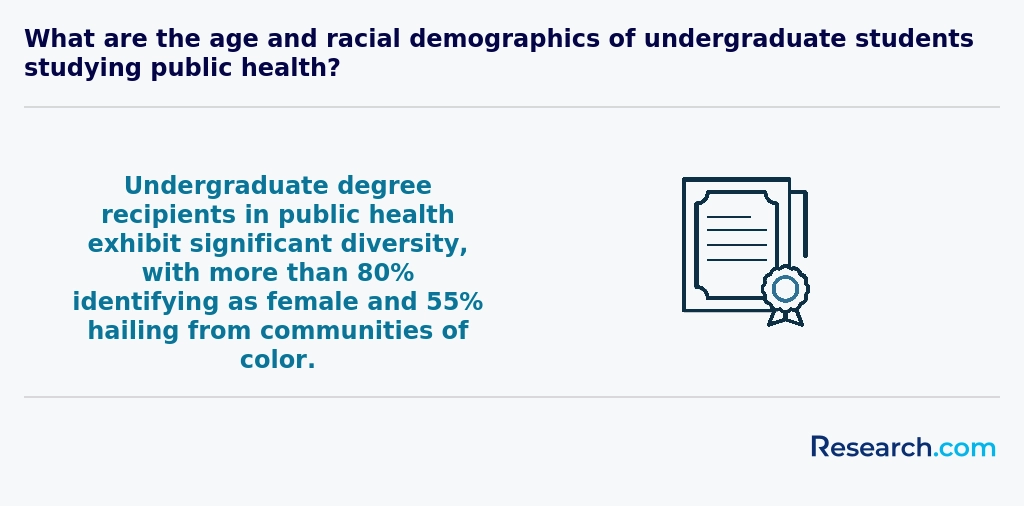
Students pursuing an online public health degree in the Midwest often find financial aid to be a powerful ally on their educational journey. Many graduates from universities like the University of Illinois or Ohio State have shared how completing the Free Application for Federal Student Aid (FAFSA) unlocked access to essential federal grants, such as the Pell Grant, easing tuition costs without creating debt. These funds make the dream of advancing in public health a reality.
Institutional scholarships are a beacon of hope for many learners, especially for those balancing careers and studies. Numerous Midwestern public universities offer scholarships recognizing academic excellence or healthcare experience, providing not just financial relief but motivation to excel.
State grant programs in Illinois, Michigan, and neighboring states further lift students by offering support designed specifically for residents committed to public health fields. Employer tuition reimbursement programs also empower working professionals to grow their expertise while staying connected to their communities and jobs.
This combination of federal, state, institutional, and employer aid helps countless online public health students in the Midwest transform aspirations into achievements.
Ensuring that your online Public Health degree holds proper accreditation is the first step toward a credible education and a competitive career. In the United States, the Council on Education for Public Health (CEPH) is the sole accrediting body recognized by the U.S. Department of Education for bachelor’s and master’s programs in public health. Graduating from a CEPH-accredited institution guarantees that your program meets rigorous standards in curriculum design, faculty expertise, and student outcomes. Employers and state health departments often require or strongly prefer candidates with degrees from CEPH-accredited schools, making this accreditation essential for licensure eligibility and federal public health positions. Beyond CEPH accreditation, some programs also hold regional accreditation from bodies such as the Higher Learning Commission (HLC), which further validates institutional quality across all academic offerings. When researching program costs and outcomes, prospective students should compare schools not only on price and ease of admission but also on accreditation status. For those balancing budget concerns with quality, our Low Cost Online Bachelor's in Public Health Degree Programs Ranking in the Midwest highlights accredited options that combine affordability with recognized standards. Accredited programs often include built-in career resources-such as internship placements, networking events with public health agencies, and professional association memberships-that boost graduate employability. Furthermore, if you plan to pursue specialized certifications (e.g., Certified Health Education Specialist, Registered Environmental Health Specialist), graduating from an accredited curriculum is typically a prerequisite for exam eligibility. By prioritizing accreditation and professional recognition, you safeguard your investment in education and set the stage for a fulfilling, impactful career in public health.
A solid academic record, usually a GPA between 2.5 and 3.0, reflects dedication-something many Midwest programs value when considering applicants. Some applicants find encouragement in schools that offer conditional acceptance, allowing them to prove their passion and commitment firsthand.
Imagine submitting your personal statement, describing your heartfelt motivation to improve community health-many successful students from prominent Midwest colleges highlight how this essay helped admissions see their unique potential.
Alongside official transcripts and letters of recommendation, strong computer skills and steady internet access empower online learners to thrive in fully digital environments.
Often, prerequisite courses in biology or social sciences deepen your grasp of public health's core, setting you up for meaningful engagement with the field.
These accessible yet purposeful prerequisites not only open doors but also align you with the vibrant, supportive community of public health students eager to make a difference across the Midwest.
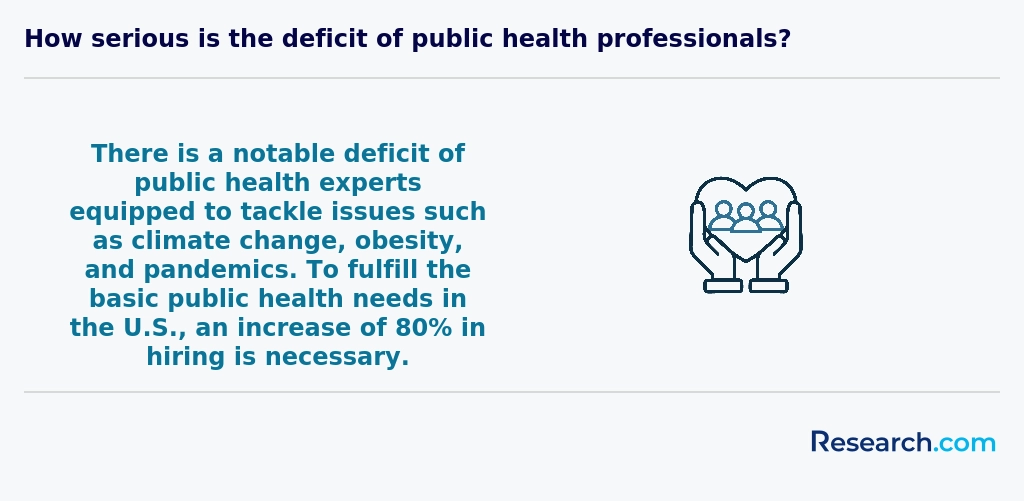
Online public health degree programs in the Midwest offer courses that empower students to make a real difference in their communities. Graduates from popular regional institutions often highlight how foundational classes like Introduction to Public Health open their eyes to the big picture of health systems, prevention methods, and critical health indicators in everyday life. Imagine learning Epidemiology through case studies of disease outbreaks in vibrant cities like Chicago or rural areas of Iowa-this practical approach brings data to life and sparks a passion for solving real-world problems.
Courses in Biostatistics teach how to analyze health data effectively, while Environmental Health classes connect students with urgent regional concerns such as pollution and occupational hazards common to Midwestern industries. Health Policy and Management prepare students to navigate and improve local health services, crucial for states like Michigan and Ohio facing high rates of chronic disease.
Many students also find hope and inspiration in Social and Behavioral Sciences and Community Health courses, where they explore how behavior influences wellness and how to promote healthy lifestyles tailored to diverse Midwestern populations, creating a powerful link between study and community impact.
Online public health specializations Midwest students choose often include exciting and impactful fields such as epidemiology, health policy and management, environmental health, community health education, and global health. Graduates from popular colleges in the Midwest frequently share how their epidemiology focus empowered them to analyze real-world disease patterns during the COVID-19 pandemic, preparing them to make a difference in their communities. Others pursuing health policy feel inspired crafting meaningful strategies for healthcare organizations, reflecting the leadership demands in this vibrant region.
Community health education tracks offer practical skills for engaging directly with diverse populations, helping to reduce rural health disparities, a priority in many Midwestern states. Environmental health students express pride in learning to mitigate pollution effects near the Great Lakes, while global health specialists embrace tackling health challenges beyond borders. Choosing any of these tracks makes studying public health fulfilling and relevant for the dynamic needs of the Midwest. Many students find excellent value in affordable programs by viewing the Low Cost Online Bachelor's in Public Health Degree Programs Ranking in the Midwest, which showcase competitively priced options for pursuing these exciting careers.
Midwest online bachelor's public health tracks inspire students by connecting them to real community impact and providing opportunities to build meaningful careers that improve lives locally and globally.
Choosing the best online public health degree in the Midwest means focusing on accreditation, flexibility, and alignment with your career goals. Graduates from well-known Midwestern universities often highlight how CEPH-accredited programs provided them with quality education and opened doors to rewarding public health careers. Many appreciate how affordable online public health programs Midwest offer competitive tuition paired with scholarships, making higher education accessible without overwhelming debt.
Flexibility is a game changer. Students balancing jobs and family thrive in asynchronous courses designed to fit their schedules while still receiving support from knowledgeable academic advisors. Popular Midwest institutions often feature specializations like epidemiology or community health, allowing you to tailor your degree to your passion. Real-world partnerships with local health departments give students practical experience that enhances confidence and job readiness.
For those considering shorter paths to high-paying roles, exploring 6 month certificate programs that lead to high paying careers can be a smart step in complementing your public health studies and accelerating your impact.
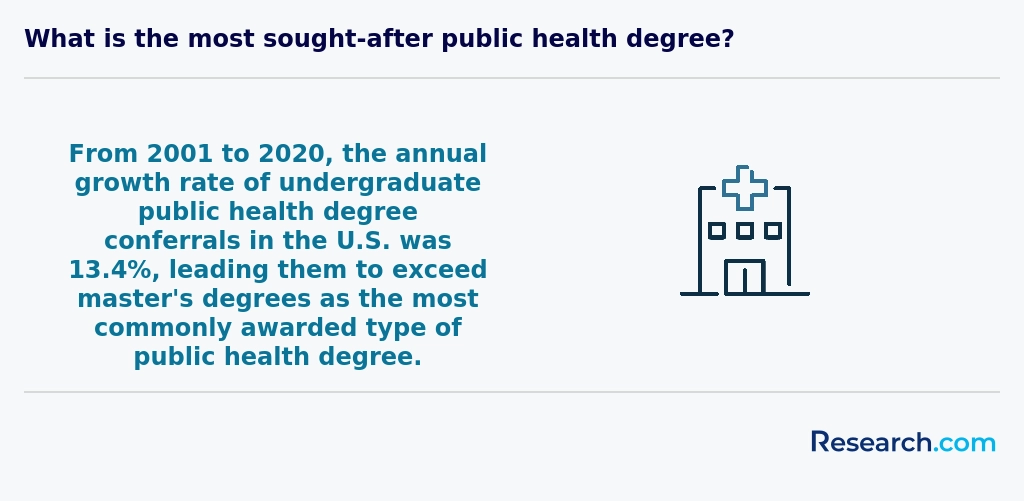
Graduates pursuing an online public health degree in the Midwest find themselves equipped for a dynamic range of career paths filled with meaningful impact. Many take roles in health education and promotion, developing programs that inspire healthier lifestyles in local communities. Others become community health coordinators, ensuring vital resources reach vulnerable populations across urban and rural areas alike. Midwestern graduates from universities known for public health programs often step into environmental health positions, tackling concerns like pollution and water safety that directly affect regional well-being.
Opportunities in epidemiology allow these professionals to analyze disease trends, helping Midwestern cities like Chicago and Minneapolis respond swiftly to outbreaks. Health policy and administration roles attract graduates eager to shape programs that benefit diverse populations in states such as Ohio and Michigan. This range of Midwest public health job opportunities offers graduates the chance to turn passion into action, fostering healthier and more equitable communities.
Many students appreciate the affordability and flexibility of studying online at popular Midwest colleges, making advanced learning accessible and life-changing. Those seeking diverse options beyond traditional routes can explore colleges with open enrollment that welcome a wide variety of learners eager to advance public health locally and beyond.
The job market for online public health degree graduates in the Midwest is vibrant and filled with opportunity. Public health roles are steadily expanding across Illinois, Ohio, and Minnesota, fueled by investments in community health infrastructure and growing demands in local health departments and nonprofit organizations. Many graduates from popular Midwestern universities find themselves stepping confidently into roles focusing on chronic disease management, epidemiology, and health education-fields that are projected to grow by about 11% through 2030.
Graduates pursuing online public health jobs Midwest often share stories of how their flexible, accredited programs helped them balance work and studies, preparing them for impactful careers in emerging fields like health informatics and policy analysis. The practical skills they gained equip them to excel in the dynamic health sector, enhancing community wellness and responding to evolving public health challenges with confidence.
The financial investment is manageable, with tuition typically ranging from $15,000 to $30,000 annually, and many students benefit from scholarships targeting public health careers in the Midwest. For those inspired to deepen their expertise, exploring which masters degree pays the most can illuminate pathways to even greater impact and earning potential.
2027 Easiest Online Bachelor's in Public Health Degree Programs Ranking in the Midwest
Investing in your education is a significant decision that can shape your future, and the Research.com team understands the importance of making informed choices. To assist prospective students interested in Public Health, we have meticulously developed the "2027 Easiest Online Bachelor's in Public Health Degree Programs Ranking in the Midwest." Our dedication to quality, credibility, and accuracy is demonstrated through comprehensive research and careful analysis to ensure a reliable ranking.
We utilized the following reputable data sources to create this ranking:
By exploring this ranking, readers will gain valuable insights into the most accessible and reputable online public health degree programs in the Midwest, helping them make well-informed decisions about their educational journeys. For more details on our methodology, please visit our Research.com methodology page.


# 3 position
Walden University
Bachelor of Public Health





Frequently Asked Questions About public health
Students pursuing online public health degrees in the Midwest can maximize their learning by actively engaging with course materials and participating in virtual discussions. Utilizing regional public health data, such as reports from the Midwest Public Health Foundation, helps contextualize learning to local health challenges. Networking with peers and professionals through online platforms strengthens practical knowledge and career opportunities.
Additionally, students should take advantage of internships or practicums offered in their states, enabling real-world experience essential for public health careers. Accessing resources from the Centers for Disease Control and Prevention (CDC) Midwest office can also enrich understanding of public health trends and policies relevant to this region.
The public health field is evolving rapidly, with several emerging niches gaining importance. One key area is health informatics, which integrates data science with health care, helping to improve community health outcomes through better data management. The Midwest, with its growing tech industry, is seeing increased demand for professionals in this area.
Another niche is environmental health. Issues like water quality and air pollution are critical in Midwest states such as Michigan and Illinois. This focus addresses the impact of environmental factors on public health.
Infectious disease management remains a vital specialty, especially following recent pandemics. Online public health programs in the Midwest often emphasize training to control outbreaks and improve vaccination rates.
Lastly, health equity and social determinants of health are gaining attention, aiming to reduce disparities in rural and urban communities throughout the region. The Centers for Disease Control and Prevention reports persistent health inequities impacting many Midwestern populations.
After earning an online public health degree in the Midwest, preparing for the job market involves targeted steps to enhance employability. First, obtaining relevant internships or practicum experiences during your studies is crucial. Many Midwestern universities collaborate with local health departments and organizations, providing valuable hands-on training.
Networking plays a key role; joining professional groups like the American Public Health Association's Midwest regional chapter can connect you with industry experts. According to the Bureau of Labor Statistics, the Midwest offers growing opportunities in public health fields, with expected employment growth of 7% through 2031.
Additionally, consider obtaining certifications such as Certified Health Education Specialist (CHES) to stand out to employers.
Employers in the Midwest value public health graduates who demonstrate strong analytical and communication skills. According to the Association of Schools and Programs of Public Health (ASPPH), local health departments emphasize data analysis for tracking disease trends and evaluating interventions.
In addition, teamwork and cultural competency are essential, especially given the diverse populations in Midwestern states such as Illinois and Ohio. Graduates should be prepared to engage communities respectfully and effectively.
Practical knowledge of health policy and program planning is also in high demand, enabling graduates to design and implement health initiatives aligned with state and federal guidelines.
Familiarity with health informatics tools is increasingly important as digital records become standard across the region.
Finding internships relevant to a public health degree in the Midwest involves strategic research and networking. Start by exploring websites of state health departments, such as the Illinois Department of Public Health or Minnesota Department of Health, which often list internship opportunities. Universities with public health programs frequently offer internship placement services; check with your online program's career center for Midwest-specific connections. National organizations like the American Public Health Association also provide internship listings that include Midwest locations.
Consider local hospitals, community health organizations, and nonprofit groups, as nearly 65% of public health jobs in the Midwest are in these sectors (Bureau of Labor Statistics, 2023). Attending regional public health conferences can further expand your network and uncover hidden internship opportunities.
Obtaining an online public health degree in the Midwest can significantly boost career mobility and advancement opportunities. Public health roles often demand specialized knowledge, and an accredited online degree meets these requirements while fitting into busy schedules. According to the U.S. Bureau of Labor Statistics (BLS), employment in health education and community health jobs in the Midwest is expected to grow about 13% through 2031, indicating strong demand for qualified professionals.
Many employers in states such as Illinois, Ohio, and Minnesota value candidates who hold a Bachelor's degree in Public Health, especially from regionally accredited institutions. This credential often opens doors to leadership roles and higher salaries within public health departments, hospitals, and nonprofit organizations.
Additionally, earning a degree online offers flexibility, enabling students to gain practical experience concurrently, which enhances resumes. Credentials obtained through these programs can equip graduates with skills in epidemiology, health policy, and program management, aligning directly with industry needs in the Midwest.
Studying for a public health degree online in the Midwest equips students for interdisciplinary roles by emphasizing collaboration across multiple fields. Midwestern programs often integrate courses in epidemiology, health policy, environmental science, and social work, reflecting real-world public health challenges.
Many universities partner with local health departments and organizations, providing students with practical experience vital for bridging different disciplines. According to the Association of Schools and Programs of Public Health (ASPPH), the Midwest has seen a 12% increase in interdisciplinary public health job openings, highlighting demand for versatile professionals.
This educational approach prepares graduates to work effectively with diverse teams in healthcare, government, and community settings.
Choosing between a thesis and a non-thesis online public health degree in the Midwest depends largely on your career goals. Thesis programs emphasize research and are ideal if you plan to pursue graduate study or work in academic or policy research roles. Non-thesis options focus more on practical skills, preparing graduates for public health practice, such as program management or community health education.
Midwestern schools like the University of Iowa and the University of Minnesota offer both tracks, with state health departments reporting a growing need for applied public health professionals. According to the Midwest Health Data Collaborative, 62% of recent graduates enter the workforce directly, favoring non-thesis programs.
Consider also your time commitment. Thesis programs typically require more independent research and time. Non-thesis tracks often include internships or capstone projects that enhance practical experience without a research focus.
Midwestern students pursuing online public health degrees have several opportunities to incorporate global experiences into their education. Many universities in the Midwest, including those in Illinois, Michigan, and Ohio, partner with international institutions to offer study abroad or exchange programs focused on public health.
While fully online programs typically emphasize local and national health issues, some Midwestern schools incorporate virtual global internships or collaborative projects addressing worldwide public health challenges. For example, the University of Michigan's School of Public Health offers global health courses with options for remote international fieldwork.
According to the Association of Schools and Programs of Public Health (ASPPH), about 40% of U.S. public health programs have global components, and Midwestern institutions are increasingly expanding these opportunities. However, students should verify each program's availability and format, as options can vary widely.
Students pursuing online public health degrees in the Midwest can find valuable part-time jobs that enhance their education and build relevant skills. Common roles include community health worker, health educator assistant, and research assistant in university public health departments. According to the U.S. Bureau of Labor Statistics, these positions often offer flexible hours, making them ideal for students.
Midwest states like Illinois and Ohio report growing demand for public health professionals, driven by expanding public health programs and initiatives funded by local governments and nonprofits. These jobs provide hands-on experience in data collection, health promotion, and program coordination.
Additionally, internships with state health departments or nonprofit organizations often pay stipends and improve employment prospects after graduation.
Online public health students in the Midwest have several networking opportunities despite studying remotely. Many universities in the region host virtual events and webinars featuring public health professionals and alumni, which help students build connections. Associations such as the Midwest Public Health Association offer memberships for students, providing access to conferences, workshops, and newsletters tailored to regional public health topics.
State-level public health departments in the Midwest often collaborate with academic programs, allowing students to participate in internships or local projects, enhancing practical connections. According to the American Public Health Association, these regional engagements are vital for job placement and career growth in public health.
Alumni networks play a crucial role for students pursuing online public health degrees in the Midwest. These networks offer valuable connections that can lead to internships, job opportunities, and mentorship. According to the Association of Schools and Programs of Public Health (ASPPH), Midwest public health graduates benefit from strong regional ties that support career advancement locally.
Many universities in this region maintain active online alumni groups, allowing students to engage with professionals working in state and local health departments. This access helps students stay informed about evolving public health challenges specific to Midwestern states like Illinois and Ohio, where healthcare demands are rapidly changing.
Networking through alumni also fosters collaboration and lifelong learning, which are vital in a field that relies on community engagement and evidence-based practices.
Customizing an online public health degree in the Midwest allows students to align their education with specific career goals. Many Midwestern universities provide options to select concentrations such as epidemiology, health policy, or community health. This flexibility helps tailor coursework to fit roles in government agencies, healthcare organizations, or nonprofit sectors.
Students can also choose electives relevant to regional health challenges, like rural health disparities or agricultural occupational safety, which are important in states like Iowa and Nebraska, according to the Midwest Public Health Data Resource.
Additionally, some programs offer practicum or capstone projects in local public health departments, providing practical experience connected to Midwestern communities.
Online public health students in the Midwest often face challenges related to balancing coursework with work and family responsibilities. Many students are working professionals, which can make scheduling synchronous sessions difficult. According to the National Center for Education Statistics, about 60% of online learners nationwide are over 25, reflecting this trend.
Connectivity issues remain a barrier in rural areas common to parts of the Midwest. Reliable high-speed internet is essential for accessing lectures and research materials, yet some regions lag behind national averages in broadband availability.
Additionally, students sometimes struggle with limited local networking opportunities that on-campus programs offer, which can impact internships and job placements in public health.
Understanding the evolving state licensure and certification requirements across Midwest states can also complicate planning for career advancement after graduation.
With an online public health degree in the Midwest, you can pursue several respected professional certifications that enhance career prospects. The Certified Health Education Specialist (CHES) credential, offered by the National Commission for Health Education Credentialing, is popular among graduates. It validates expertise in health education and promotion.
Another valuable certification is the Certified in Public Health (CPH) from the National Board of Public Health Examiners. Earning the CPH demonstrates mastery of public health knowledge and skills relevant nationwide, including Midwestern regions.
For those interested in epidemiology or data analysis, the Graduate Certificate in Epidemiology or credentials from the American Public Health Association can be beneficial. These certifications often require continuing education and can lead to higher salaries in local health departments, which employ many public health professionals in states like Illinois and Ohio.
To write a winning application for an online public health program in the Midwest, start by researching each school's specific admission requirements and values. Admissions committees appreciate clear, focused personal statements that explain your motivation for studying public health and how it relates to regional health challenges. For example, addressing issues like rural health disparities or opioid addiction in Midwest states can demonstrate relevant awareness.
Highlight your academic background and any related work experience, especially in health, social services, or community outreach. According to the Association of Schools and Programs of Public Health, many Midwest programs value applicants with practical experience.
Strong letters of recommendation from professors or supervisors familiar with your public health interest can set your application apart. Lastly, ensure your standardized test scores and GPA meet the program's benchmarks, typically around a 3.0 GPA, as reported by the National Center for Education Statistics for similar programs in the region.
The global perspective on a public health career recognizes its vital role in addressing worldwide health challenges. Public health professionals contribute to controlling pandemics, improving health systems, and promoting wellness internationally. Graduates with a public health degree from the Midwest can expect opportunities to work with organizations like the World Health Organization or the CDC, both of which emphasize global health initiatives.
Midwestern universities often incorporate global health topics into their online programs, reflecting growing interest in cross-border health issues. According to the Association of Schools and Programs of Public Health, nearly 30% of students enrolled in public health degrees consider careers in global or international health fields.
This worldwide focus aligns with the increasing demand for skilled public health workers who understand diverse populations and health systems, making the career relevant and impactful beyond U.S. borders.
Gaining practical experience while studying for an online public health degree in the Midwest is essential for career readiness. Many Midwestern universities offer virtual internships or community engagement projects with local health departments.
The region has numerous public health agencies eager to collaborate with students, supporting real-world skill development. For instance, the Illinois Department of Public Health regularly provides opportunities for online learners to participate in data analysis and outreach initiatives.
Additionally, some programs integrate capstone projects that address pressing regional health issues like opioid addiction or rural healthcare access. This hands-on approach complements coursework and helps students build professional networks in the Midwest public health community.
Choosing the right concentration in an online public health degree program in the Midwest depends on your career goals and local health challenges. Concentrations like epidemiology, environmental health, and health policy are common and aligned with regional needs. For example, the Midwest faces unique issues such as rural health disparities and agricultural health hazards, which may influence your choice. According to the Midwest Center for Public Health Practice, programs focusing on community health promotion and chronic disease prevention are in demand. Reviewing job market trends and consulting university advisors can help match your interests with concentrations that offer strong employment prospects.
- Master of Public Health Program https://www.midwestern.edu/academics/degrees-programs/college-graduate-studies/master-public-health-program
- Steps to take when applying for a graduate program | PH SPOT https://phspot.org/how-i-think-i-got-into-grad-school/
- How to Get Your First Public Health Job - PHERN https://phern.communitycommons.org/early-career-professional-learning-series/how-to-get-your-first-public-health-job/
- Careers https://www.publichealthdegrees.org/careers/
- Are there Practical Experience Courses in an MPH Program? - Master's in Public Health Degree Programs https://www.masterspublichealth.net/faq/are-there-practical-experience-courses-in-an-mph-program/
- Public Health Challenges – IPA SDG Dashboard https://sdg.internationalpublishers.org/sdgaction/public-health-challenges/
- The 14 Fastest Online MPH Programs - MPH Online https://www.mphonline.org/fastest-online-mph-programs/
- New Professionals - Ontario Public Health Association https://opha.on.ca/new-professionals/
- Financing Your Degree https://aspph.org/student-journey/financing-your-degree/
- Pre-Professional Health Experience Guide | PublicHealthOnline.org https://www.publichealthonline.org/pre-professional-experience/










