2027 Most Affordable Online Bachelor's in Public Health Degree Programs Ranking in the Midwest

Co-Founder and Chief Data Scientist
Choosing the right online public health degree can feel overwhelming, especially when budgeting matters. To help students in the Midwest, the Research.com team of data scientists created the 2027 Most Affordable Online Bachelor's in Public Health Degree Programs Ranking in the Midwest.
This article offers a clear, trustworthy guide so you can confidently explore affordable programs that align with your goals.
Pursuing a public health degree opens doors to meaningful careers that impact communities positively. Reading this article will empower you to make an informed choice and take the next step toward a rewarding future.
Key benefits of getting online public health degree in the Midwest
- Salary benefits: Graduates with a public health degree in the Midwest can earn competitive salaries, such as $69,790 annually for Health Educators and up to $86,710 for Environmental Health Specialists, offering financial stability and career growth.
- Career paths: Many Midwest graduates from universities like the University of Michigan find diverse roles in community health, safety, and education, allowing for meaningful impact in public wellbeing across different settings.
- Online degree advantages: Earning a public health degree online provides flexibility to balance work and study, as seen in graduates from institutions like the University of Illinois, accelerating career advancement without relocating or pausing employment.
- 2027 Most Affordable Online Bachelor's in Public Health Degree Programs Ranking in the Midwest
- What can I expect from online public health degree in the Midwest?
- Where can I work with online public health degree in the Midwest?
What can I expect from online public health degree in the Midwest?
The average cost of an online public health degree in the Midwest is refreshingly affordable, with in-state tuition rates at reputable public universities averaging around $9,500 per year. This accessibility has empowered countless graduates from institutions like the University of Iowa or the University of Illinois to pursue their passion without overwhelming financial burdens. Many students share that this affordability allowed them to balance work, family, and education smoothly, fueling their confidence and commitment.
Beyond just cost, these programs offer flexible, asynchronous formats that fit busy, real-life schedules-perfect for Midwestern students who juggle jobs and personal commitments. Graduates often reflect on how their studies connected to tangible regional health challenges like rural health disparities or opioid addiction, making their learning feel purposeful and motivating.
Financial aid and scholarships targeted at public health fields further ease the path, helping students turn their dreams into reality while contributing to healthier Midwestern communities.
Where can I work with online public health degree in the Midwest?
Graduates with an online public health degree from renowned Midwest institutions such as the University of Michigan or the University of Minnesota often find rewarding careers across a variety of impactful sectors. Many step into roles within state and local health departments, where they play a vital part in managing disease outbreaks, educating communities, and shaping health policy-work that directly improves the lives of neighbors and families in cities like Chicago and Minneapolis.
Others thrive in prominent healthcare systems like the Cleveland Clinic or Mayo Clinic, contributing to community health outreach and data-driven patient care that bridges clinical medicine with public well-being. Nonprofit organizations in the region provide meaningful opportunities to promote health equity and prevent illness, allowing graduates to advocate passionately for underserved populations.
Graduates also embrace roles in private industry, from health tech startups in Indianapolis to insurance firms across the Midwest, using their skills in data analysis and health communication to innovate solutions for complex challenges. This vibrant ecosystem exemplifies how public health professionals can turn degree learning into a powerful force for healthier communities.
Graduates from popular Midwest institutions like the University of Illinois or the University of Minnesota often find their online public health degrees open doors to rewarding careers with strong earning potential. For example, community health workers typically earn a mean annual wage of about $52,610, providing a solid starting income for new graduates eager to make a local impact.
Health educators, another common path, earn closer to $69,790 annually, blending meaningful work with financial stability. Many graduates from programs in states like Illinois and Minnesota share how their education combined with internships boosted them into these roles with confidence and enthusiasm.
As you gain experience, positions such as environmental health specialists and occupational health and safety specialists offer mean salaries of $86,710 and $85,570 respectively. Graduates working in these roles appreciate the ability to improve community well-being while earning a comfortable and competitive income in the Midwest's affordable living environment.
These figures reflect a promising future for online public health graduates ready to contribute to healthier communities while enjoying financial growth.
- The cost of online bachelor's degrees in public health in the Midwest ranges from $15,000 to $30,000 depending on the school and credit load.
- Employment for health educators and community health workers is projected to grow 17% through 2030, with strong demand in states like Illinois, Ohio, Michigan, and Minnesota.
- Starting salaries for recent graduates typically range from $45,000 to $50,000 annually; experienced professionals can earn between $60,000 and $75,000.
- Many online public health programs in the Midwest are accredited by the Council on Education for Public Health (CEPH) and include local practicum opportunities.
- In-state tuition discounts and financial aid are often available, and online formats allow students to work while studying for greater financial stability.
Completing an online public health degree in the Midwest often takes about four years for full-time students, mirroring a traditional campus timeline. Many graduates from well-known Midwestern universities share how this balanced pace allowed them to engage deeply with courses like epidemiology and health policy while managing personal commitments.
For those eager to accelerate their journey, flexible programs at institutions such as the University of Iowa or the University of Minnesota offer accelerated tracks. These options enable students to finish in as little as three years by leveraging transfer credits or taking more courses each term, turning ambition into achievement.
Working professionals often choose part-time study, extending their degree over five to six years. This approach works wonderfully for individuals balancing jobs and family while advancing toward their goals with confidence and steady progress.
With CEPH-accredited programs and competitive tuition rates in the region, many students find the path to a public health degree in the Midwest both achievable and rewarding, tailored perfectly to individual lifestyles and aspirations.
Navigating the admission process early ensures you meet key deadlines and submit a strong application.
- Research program deadlines (fall, spring, rolling admissions) and note priority dates.
- Request official transcripts from all institutions, allowing 2–4 weeks for processing.
- Draft a concise personal statement and secure 1–2 recommendation letters.
- Complete the FAFSA by state and university priority deadlines to maximize aid.
- Verify technical requirements and test your internet connectivity before courses start.
Early preparation reduces stress and boosts your chances. For related affordable healthcare training options, check out our low-cost medical coding and billing online program.
Choosing between online and on-campus public health degrees in the Midwest means embracing a path that fits your unique lifestyle and goals. Online programs, like the Bachelor of Public Health from the University of Illinois at Chicago, offer incredible flexibility, allowing you to balance work, family, and studies from anywhere. Graduates often share how this flexibility gave them the freedom to pursue their dreams without sacrificing everyday responsibilities.
On-campus programs, such as those at the University of Iowa or the University of Minnesota, bring a vibrant campus experience. Students thrive on in-person connections, lively classroom discussions, and easy access to labs and events that spark inspiration and build lasting networks. These immersive opportunities help students feel deeply connected to their field and peers.
Whether you choose online or in-person, Midwest programs maintain rigorous CEPH accreditation, ensuring your education is respected everywhere. Many online learners grow strong self-discipline muscles, while on-campus students enjoy immediate support and structure-both nurturing success in their public health journeys.
Earning additional credentials can strengthen your resume and open new opportunities within public health and healthcare industries.
- Certified in Public Health (CPH): nationally recognized credential from the National Board of Public Health Examiners, validating core public health knowledge.
- Certified Health Education Specialist (CHES): offered by the National Commission for Health Education Credentialing, ideal for designing and implementing community health programs.
- Medical coding specialist: combines data analysis skills with revenue cycle expertise. Explore the cheapest medical coding certification online to add coding credentials and improve job prospects.
The average cost of an online public health degree in the Midwest typically centers around an in-state total cost of about $65,880, with a median out-of-state cost rising to approximately $67,680. Many students find this investment rewarding, especially those enrolled at well-regarded institutions such as the University of Illinois Springfield or Wright State University in Ohio, where tuition can be more affordable while still offering high-quality online education. Graduates often share how these programs provide flexibility and financial support options that make finishing their degrees more achievable.
Those searching for affordable online public health programs in Midwest may feel encouraged knowing that additional fees like technology or course delivery costs usually fall between $400 and $1,200 annually, a manageable addition compared to on-campus expenses. Students pursuing these paths often balance coursework with personal commitments, appreciating the ability to study without relocating, reducing housing and commuting costs significantly.
Many who have completed their degrees highlight the strength of Midwestern schools which blend affordability and accessibility, inspiring growth in their careers and communities. For example, graduates from programs known among the most popular public health schools in the region emphasize the transformative impact of their education paired with reasonable tuition.
After earning your affordable online bachelor’s in public health, one of the most powerful ways to accelerate your career is by pursuing a Master of Public Health (MPH). An MPH deepens your expertise in epidemiology, biostatistics, and health policy, positioning you for leadership roles in government agencies, non-profits, and research institutions. Many programs offer accelerated pathways that let you apply undergraduate credits toward graduate requirements, shortening time to degree and reducing tuition costs. When selecting an online MPH program, consider accreditation by the Council on Education for Public Health (CEPH), program flexibility, and specialization options. For example, you might focus on global health to work with international NGOs, or environmental health to lead sustainability projects in industrial communities. To explore highly ranked and budget-friendly graduate options, check out the Most Affordable Online Master's in Public Health Degree Programs Ranking in Pennsylvania. Financial planning is equally important: investigate scholarships, graduate assistantships, and employer tuition reimbursement programs. Many graduates report that assistantships not only offset tuition but also provide hands-on research experience. Additionally, build on your undergrad network-reach out to faculty mentors and alumni who can offer advice on competitive applications and emerging public health trends. Finally, map out your long-term goals. Whether you aim to become a biostatistician influencing health policy or a community health director designing outreach programs, an online MPH can be the bridge from entry-level roles to executive positions. By carefully evaluating program features and funding opportunities, you’ll maximize your return on investment and make a lasting impact on public health.
Many online public health students in the Midwest find financial aid opens doors they once thought were out of reach. Graduates from well-known Midwest universities, such as the University of Illinois or Indiana University, often share how completing the FAFSA unlocked essential federal aid, including Pell Grants that can cover thousands of dollars annually without adding to their debt. This relief allowed them to focus fully on studies and community health projects.
Beyond federal programs, state scholarships like Illinois' Monetary Award Program or Michigan's Competitive Scholarship have been game changers for students balancing work and school. They've given a boost to those committed to making a difference locally, easing tuition costs while honoring their dedication to public health.
Loan forgiveness programs inspire many graduates to serve underserved communities in the Midwest after finishing their degree, transforming future repayments into rewards for their service. Plus, employer tuition reimbursements and foundation grants add layers of support, turning hopeful ambitions into achievable realities.
To embark on an inspiring journey toward an online public health degree in the Midwest, students typically need a solid academic foundation. For undergraduate programs at respected Midwestern institutions, such as those in Illinois or Ohio, applicants usually submit a high school diploma or equivalent and academic transcripts showcasing strengths in biology, chemistry, and math. Many graduates recall how mastering these subjects before starting helped them confidently engage with real-world public health challenges.
Graduate students pursuing advanced degrees like the Master of Public Health (MPH) at universities known for their public health offerings in Michigan or Indiana bring more focused preparation. Along with a bachelor's degree, many share that their prior coursework in science, statistics, or social sciences, combined with health-related work experience, empowered them to thrive online and connect theory with impactful community action.
Most schools in the region value test-optional policies and consider personal statements or letters of recommendation, recognizing the unique journeys and passion each student brings. This inclusive approach opens doors and encourages applicants to showcase how their life experience fuels their dedication to improving health outcomes across the Midwest.

Earning an online Public Health degree in the Midwest is just the first step toward a successful career-professional certifications can elevate your expertise and credibility. One of the most recognized credentials is the Certified Health Education Specialist (CHES) exam, administered by the National Commission for Health Education Credentialing (NCHEC). Preparing for CHES not only reinforces core public health competencies but also signals to employers your commitment to best practices in health education. For graduates aiming to broaden their impact, the Certified in Public Health (CPH) credential from the National Board of Public Health Examiners (NBPHE) offers a comprehensive assessment of public health knowledge across five core areas, including biostatistics, environmental health, and health policy. Maintaining these certifications typically requires completing 50 continuing education credits every five years, which can be achieved through webinars, workshops, and professional conferences hosted by organizations such as the American Public Health Association (APHA). Beyond these national credentials, specialized certifications-like the Certified Occupational Health and Safety Technologist (OHST) or the Certified Environmental Health Technician (REHS)-allow you to tailor your qualifications to niche areas. Many professionals seeking leadership roles consult the health department director career outlook to understand how advanced certifications can translate into higher-level positions and increase earning potential. Investing in continuing education not only keeps you current with emerging public health challenges but also enhances your résumé in a competitive job market, ensuring that your online degree yields long-term professional growth.
Online public health degree programs in the Midwest provide inspiring coursework designed to empower students to make a real difference. Graduates from well-known Midwestern universities often recall how courses like Introduction to Public Health opened their eyes to the vital role of community health, while Epidemiology helped them understand disease patterns that affect families just like theirs in rural Iowa or suburban Illinois.
Courses in Biostatistics equip students with powerful tools to analyze health data, turning numbers into life-saving insights. Environmental Health Sciences brings to light the connections between agriculture, industry, and wellness - an especially meaningful subject for those studying in states with strong farming communities. Health Policy and Management prepare learners to navigate and improve healthcare systems that impact millions, including their own neighbors.
Social and Behavioral Sciences courses inspire students by exploring how human behavior shapes outcomes, giving them practical skills to promote healthier choices in everyday life. These programs' focus on regional issues like rural health disparities makes every lesson resonate deeply with Midwestern students eager to impact their communities.
Online public health degree programs in the Midwest offer a rich variety of specializations that empower students to tailor their education to meaningful career paths. Graduates from popular universities in the region often highlight how concentrations such as epidemiology, health policy and management, environmental health, community health, and global health helped them connect classroom learning to real-world impact. For example, epidemiology students gain skills to track disease outbreaks, an experience many find personally rewarding as they contribute to protecting communities from health threats.
Students pursuing health policy and management in respected Midwest colleges describe feeling inspired by the opportunity to influence healthcare systems, preparing them for leadership roles in diverse organizations. Environmental health specializations stand out for those passionate about sustainability and safeguarding community well-being against pollution and climate change. The varied concentration options available in these Midwest accredited public health programs provide an ideal foundation for students eager to grow their careers while making a difference.
Those focused on community health often share how hands-on projects deepen their commitment to culturally sensitive education efforts, while global health learners appreciate the chance to address challenges that span borders. The affordability and accessibility of these programs invite prospective students to pursue their dreams confidently and with purpose. For insights into related career opportunities, consider exploring the health department director career outlook.
Choosing the best online public health degree in the Midwest begins with prioritizing accreditation, such as programs approved by the Council on Education for Public Health (CEPH). Graduates from well-respected Midwest universities often share how this recognition boosts their confidence and career opportunities in real-world health settings. Consider affordable public health programs Midwest residents praise for balancing cost and quality-many students find relief knowing tuition often falls between $8,000 and $15,000 annually, making their dreams more accessible.
Look for programs offering specializations that resonate with your passion, such as epidemiology or community health, just as many successful graduates from regional colleges highlight how tailored curricula helped them thrive. Faculty expertise and robust student support, including virtual office hours and internship guidance, create an encouraging online community that past students celebrate for keeping them motivated throughout their journey.
Finally, employ practical tools like the Most Affordable Online Master's in Public Health Degree Programs Ranking in Pennsylvania to discover options that match your goals and budget, empowering you to choose a path that feels right for you.
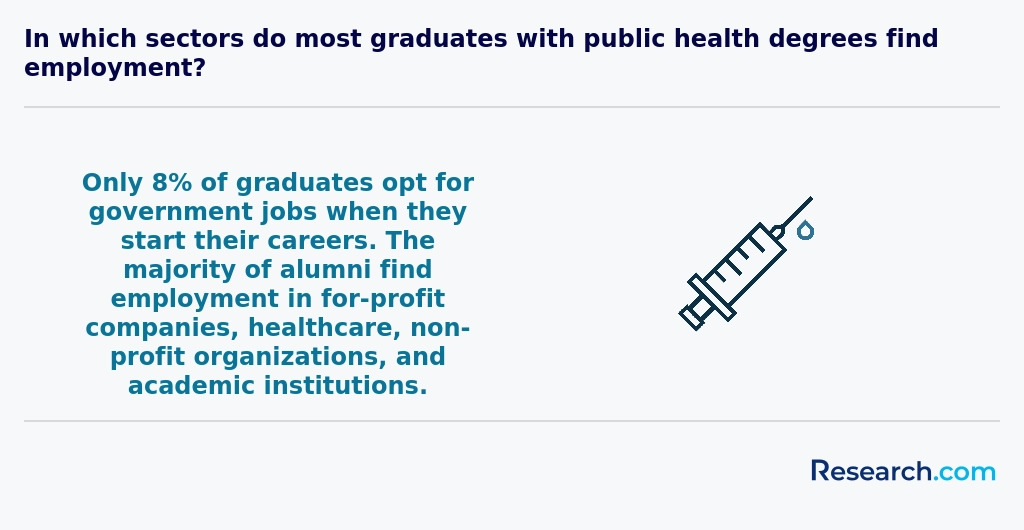
Graduates pursuing an online public health degree in the Midwest find themselves stepping into a world rich with impactful career opportunities. Many have become epidemiologists, analyzing data to curb disease outbreaks, while others thrive as community health workers connecting underserved populations with essential resources. Health educators inspire wellness in schools and workplaces, and public health analysts help shape policies that elevate the well-being of entire states like Illinois and Ohio. These roles reflect the growing demand for skilled professionals in the region, showcasing the practical and meaningful ways to make a difference locally.
Students from popular Midwest universities often share how their training equips them to tackle both rural and urban health challenges, providing a strong sense of purpose and fulfillment. This adaptable skill set fuels numerous job prospects Midwest employers eagerly seek, fostering rewarding careers built on community impact and innovation. For those balancing work with study, many explore the fastest degree college options for working adults, making their public health ambitions achievable and inspiring.
The job market for graduates with an online public health degree in the Midwest is vibrant and full of promise. From universities known for their strong public health programs to community health organizations, the demand for skilled professionals is climbing steadily. Many graduates find rewarding positions in local health departments and nonprofit organizations, where their work directly impacts the well-being of diverse urban and rural populations. This positive trend perfectly reflects the broader Midwest online public health job outlook, where employers highly value degrees that equip professionals to address chronic diseases and emerging health issues.
Graduates from well-regarded Midwestern schools embrace roles in chronic disease management and health promotion, often working alongside government health agencies. The affordability of programs in this region, coupled with competitive starting salaries, makes pursuing these degrees an inspiring choice for those eager to make a difference. For older students, there are even specialized degrees for 60 year olds that ensure education remains accessible and relevant throughout life.
Public health career opportunities in Midwest communities continue to expand, fueled by ongoing public health initiatives and government support, creating a hopeful landscape where graduates can thrive and serve.
2027 Most Affordable Online Bachelor's in Public Health Degree Programs Ranking in the Midwest
Investing in your education is a significant decision that can shape your future, and the Research.com team understands the importance of making informed choices. To assist prospective students seeking affordable options, we have carefully developed the "2027 Most Affordable Online Bachelor's in Public Health Degree Programs Ranking in the Midwest." Our dedication to quality, credibility, and accuracy is demonstrated through thorough research and detailed analysis behind this ranking.
We utilized the following reputable data sources to ensure a comprehensive evaluation of public health programs:
By reviewing this ranking, readers will gain valuable insights into affordable, accredited online degree options in public health within the Midwest, empowering well-informed decisions about their education and career goals. For more information on how we create our rankings, please visit our Research.com methodology page.





# 9 position
Walden University
Bachelor of Public Health


Frequently Asked Questions About public health
Online public health degree students in the Midwest can maximize their learning by actively engaging with digital resources and regional public health networks. Many Midwestern universities offer virtual internships and projects tied to local health departments, providing practical experience. According to the Association of Schools and Programs of Public Health, nearly 60% of accredited programs in the Midwest integrate community-based learning, which enhances applied knowledge. Students should also prioritize time management and participate in online discussion forums to build professional connections. Utilizing state health data from organizations like the Midwest Public Health Training Center can deepen understanding of regional health trends and challenges.
Emerging niches within the public health field reflect growing concerns and innovations across the Midwest and the wider US. One key area is health informatics, which merges data analysis with public health strategies. With the expansion of digital health records, demand for specialists in this field is rising sharply.
Another growing niche is environmental health. The Midwest's industrial legacy and agricultural prominence create unique challenges such as air and water quality management. According to the EPA, addressing these concerns is critical to improving regional health outcomes.
Community health and health equity also gain attention, particularly in addressing disparities among rural and urban populations common in Midwestern states. Programs emphasize culturally sensitive approaches to reduce health gaps.
After completing an online public health degree in the Midwest, preparing for the job market involves strategic steps. Begin by gaining practical experience through internships or fieldwork, often facilitated by local health departments or nonprofit organizations. Employers in Midwest states like Illinois and Ohio value hands-on skills and regional knowledge.
Networking is essential. Join professional associations such as the American Public Health Association's Midwest affiliates to connect with local experts and employers. According to the U.S. Bureau of Labor Statistics, public health jobs in the Midwest are growing at a steady rate of about 5% annually, making regional connections valuable.
Finally, consider certification options like Certified Health Education Specialist (CHES) to enhance credentials. This combination of experience, networking, and certification boosts competitiveness in the Midwest's public health job market.
Employers in the Midwest seek public health graduates with strong analytical and communication skills. The ability to interpret data correctly supports effective decision-making, a priority highlighted by the Centers for Disease Control and Prevention (CDC) regional offices. Knowledge of epidemiology and biostatistics is essential, especially as pandemic response and chronic disease prevention remain regional challenges.
Problem-solving aptitude paired with proficiency in health informatics tools often ranks highly. According to a 2023 report from the Midwest Public Health Training Center, nearly 65% of employers prioritize graduates who can manage public health programs and community outreach.
Ethical reasoning and cultural competence are also vital, given the diverse populations served across states like Illinois and Ohio.
Finding internships in the Midwest relevant to a public health degree involves leveraging multiple resources. Start by contacting your online program's career services, as many maintain partnerships with local health departments, hospitals, and NGOs. The Midwest includes states like Illinois, Ohio, and Minnesota, which report some of the highest public health employment rates, increasing internship availability. According to the U.S. Bureau of Labor Statistics, public health roles in this region are growing by approximately 11% through 2030, reflecting strong opportunities for hands-on experience. Additionally, explore state health department websites and associations such as the Midwest Public Health Training Center for internship listings.
Networking also plays a key role. Joining professional organizations like the American Public Health Association's Midwest chapters can connect students to internship openings and mentorships. Many universities post regional internship listings accessible to online learners. Lastly, consider hospitals and community health organizations, as they frequently seek interns to support epidemiology, health education, and policy projects within Midwestern communities.
Obtaining an online public health degree can significantly enhance career mobility and advancement opportunities in the Midwest. The region's growing demand for public health professionals, driven by increasing investment in healthcare infrastructure and community wellness, makes such degrees particularly valuable.
According to the U.S. Bureau of Labor Statistics, employment for health educators and community health workers in the Midwest is projected to grow by 13% from 2022 to 2032, faster than the average for all occupations. An online degree allows workers to balance current jobs with study, making it accessible to diverse populations.
Additionally, online degrees from accredited Midwestern universities often meet credentialing requirements for leadership roles in public health departments, hospitals, and nonprofit organizations. Employers increasingly recognize the flexibility and up-to-date skills acquired through online learning, supporting career progression in this field.
Studying for an online public health degree in the Midwest equips students with skills essential for interdisciplinary roles. Programs in this region often emphasize collaboration between fields such as epidemiology, healthcare management, and social sciences, reflecting the diverse public health challenges faced by Midwestern communities.
According to the Association of Schools and Programs of Public Health (ASPPH), Midwestern programs integrate applied learning with real-world data from state and local health departments. This prepares graduates to work alongside professionals in medicine, policy, and environmental science.
Moreover, the region's focus on rural and urban health disparities encourages holistic problem-solving-key to interdisciplinary positions. Students gain experience in data analysis, communication, and project management, making them adaptable across various public health sectors.
When choosing between a thesis and a non-thesis public health degree program in the Midwest, students should consider their career goals and learning preferences. Thesis programs typically require original research, appealing to those interested in academia, research, or advanced study. In contrast, non-thesis options focus more on practical skills and often include internships or projects.
According to the Association of Schools and Programs of Public Health, many Midwest institutions such as the University of Iowa offer both formats to suit different needs. Additionally, thesis tracks may extend program length by a semester or more, impacting cost and time commitments.
Students targeting public health practice roles in state agencies like the Illinois Department of Public Health might prefer non-thesis paths for quicker workforce entry. Understanding these distinctions helps align education with professional ambitions.
Midwest students seeking to study public health abroad through online programs have several pathways available. Many Midwestern universities offer online public health degrees with global learning components, including study abroad partnerships and virtual exchange programs. For example, the University of Minnesota and the University of Iowa incorporate international public health modules accessible remotely.
Additionally, some programs allow credit transfer from approved international public health internships or courses, supporting global experience without relocating. According to the Association of Schools and Programs of Public Health (ASPPH), nearly 40% of accredited public health programs in the Midwest include international fieldwork options.
These opportunities provide exposure to global health issues while maintaining affordability and flexibility for Midwestern students balancing local commitments.
Part-time job opportunities in the Midwest that complement public health degree education often involve roles in community health, research assistance, and health promotion. Many organizations, including local health departments and non-profits, seek part-time workers to support vaccine outreach, disease prevention programs, and health education campaigns. According to the U.S. Bureau of Labor Statistics, public health-related positions in the Midwest are projected to grow by 11% from 2022 to 2032, creating numerous opportunities for students.
Working part-time as a data entry clerk or research assistant at universities or healthcare facilities can provide hands-on experience with public health data. Additionally, jobs in case management or peer support help develop communication and organizational skills vital to public health professionals.
Online public health students in the Midwest have various networking opportunities that help build professional connections despite studying remotely. Many universities offer virtual career fairs, alumni events, and student organizations focused on public health. These platforms foster interaction among peers and professionals across the region. According to the Association of Schools and Programs of Public Health (ASPPH), Midwestern schools often partner with local health departments and nonprofits, providing students with access to internships and volunteer roles.
Regional public health conferences, such as those held by the Midwest Public Health Training Center, also allow online students to network and stay updated on industry trends. Engaging in these activities enhances career prospects in the region's growing health sector.
Alumni networks play a crucial role for online public health degree students in the Midwest by fostering professional connections and career growth. These networks help graduates tap into regional public health job markets, which are growing steadily-states like Illinois and Minnesota reported a 5% increase in public health employment from 2019 to 2023 according to the Bureau of Labor Statistics.
Members often share job leads, internship opportunities, and insights about local health agencies, which benefits online students who may lack in-person networking chances. Alumni mentoring programs are common, providing guidance on navigating public health careers within Midwestern communities.
Such networks also support continuing education and collaboration on regional health initiatives, enhancing graduates' impact and visibility in public health sectors.
Customizing your online public health degree program in the Midwest is possible through elective courses and specialization tracks. Many Midwest universities offer concentrations such as epidemiology, health policy, or community health, allowing you to focus on areas aligned with your career goals.
Additionally, some programs permit students to select internships or capstone projects in public health agencies across the Midwest, providing hands-on experience. According to the Association of Schools and Programs of Public Health (ASPPH), about 60% of Midwest programs emphasize practical application, which can enhance your resume.
Carefully reviewing program curricula and speaking with academic advisors can help ensure your degree matches your professional ambitions.
Online public health students in the Midwest commonly face challenges related to balancing work, family, and study commitments. Since many are working professionals, managing time effectively can be difficult. Additionally, some students experience limited access to reliable high-speed internet, especially in rural areas where broadband coverage remains below 65%, according to the Federal Communications Commission (FCC).
Another challenge involves reduced opportunities for hands-on experience, as internships and practicums in public health often require in-person presence. Networking can also be harder online, potentially affecting career development. Furthermore, limited regional public health data access can impact research quality for students in this area, as noted by the Midwest Public Health Data Collaborative.
With an online public health degree from a Midwest institution, graduates can pursue a variety of professional certifications that enhance career prospects. One widely recognized credential is the Certified Health Education Specialist (CHES), offered by the National Commission for Health Education Credentialing. This certification validates expertise in public health education and promotion.
Another key certification is the Certified Public Health (CPH) credential provided by the National Board of Public Health Examiners. Holding a CPH demonstrates mastery of core public health skills valued by employers across the Midwest and nationwide.
Additionally, some professionals seek certifications in epidemiology or health informatics, depending on their specialization. Public health degrees from Midwest programs often meet eligibility requirements for these credentials, supporting career growth in regional healthcare sectors.
When applying to an online public health program in the Midwest, start by clearly demonstrating your passion for community health and your understanding of regional challenges. Highlight relevant experience, such as volunteer work or internships addressing local health disparities. Admissions committees often look for applicants who can connect their goals to improving public health outcomes in Midwestern communities, where issues like opioid addiction and rural health access are prevalent (CDC, 2023).
Be sure to submit a well-organized personal statement that aligns your career objectives with the program's strengths. Strong letters of recommendation from professionals in healthcare or academia can further strengthen your application. Finally, maintain a competitive GPA and consider including any relevant certifications, such as CPR or epidemiology training, to demonstrate your preparedness for graduate-level study.
Public health careers are increasingly valued worldwide, reflecting a global focus on improving health outcomes and preventing disease. In the US, and notably in the Midwest, public health professionals contribute to international health efforts by addressing global challenges like pandemics, chronic diseases, and health equity.
Many online public health programs in the Midwest emphasize global health perspectives, preparing students to work in diverse environments. The Association of Schools and Programs of Public Health (ASPPH) highlights that over 20% of public health graduates engage in global health initiatives.
Public health roles often involve collaboration with organizations such as the World Health Organization, aligning US training with global standards.
Gaining practical experience while studying for an online public health degree in the Midwest is essential to build skills and improve job prospects. Many programs encourage students to complete internships or fieldwork with local health departments, nonprofit agencies, or hospitals.
The Midwest boasts numerous public health organizations offering internships, such as the Illinois Department of Public Health and the Michigan Public Health Institute. These placements often provide hands-on experience in epidemiology, community health education, and policy development.
Additionally, some universities partner with state health agencies to facilitate virtual practicums, letting students complete required hours remotely. According to the Association of Schools and Programs of Public Health, nearly 70% of accredited programs in the Midwest integrate practical experience into their curriculum.
Choosing the right concentration within an online public health degree in the Midwest begins with understanding your career goals. Popular concentrations include epidemiology, health policy, environmental health, and community health promotion. The Midwest region faces unique public health challenges like rural health disparities and opioid addiction, which can guide your specialization choice.
Research regional workforce demands using resources from the Midwest Public Health Training Center and the Bureau of Labor Statistics. For example, epidemiologists in the Midwest are projected to grow by 7% through 2030. Aligning your concentration with these trends improves job prospects after graduation.
Consider program flexibility, faculty expertise, and practicum opportunities tailored to Midwest populations. This ensures practical experience addressing local health issues through your chosen concentration.
- 2026 Most Affordable Online MPH Programs https://www.onlineu.com/most-affordable-colleges/public-health-masters-degrees
- 10 Best MPH Degrees in the Midwest https://www.masterspublichealth.net/best/mph-midwest/
- Costs for Master of Public Health - Dual Online https://www.midwestern.edu/admissions/paying-college/cost-attendance/online-program-budgets/costs-master-public-health-dual-online
- Master of Public Health Degree Programs in Illinois https://www.healthcare-administration-degree.net/masters-public-health-in/illinois/
- Most Affordable Online MPH Programs https://www.mphonline.org/cheapest-online-mph/
- Public Health Schools and MPH Programs in Illinois https://www.publichealthdegrees.org/st/illinois/
- Master of Public Health - UNE Online https://online.une.edu/program/master-of-public-health/
- Public Health https://catalog.il.midwestern.edu/public-health
- Engaging students through service-learning opportunities ... https://sneb.org/engaging-students-through-service-learning-opportunities-in-public-health/
- Degree Programs – Iowa Public Health Association | IPHA https://iowapha.org/degree-programs/