2027 Most Valuable Online Bachelor's in Public Health Degree Programs Ranking in New York

Co-Founder and Chief Data Scientist
Choosing the right online public health bachelor's degree in New York can feel overwhelming. To help, this article presents the 2027 Most Valuable Online Bachelor's in Public Health Degree Programs Ranking in New York. Developed by Research.com's team of data scientists, this ranking offers clear insights to guide your decision toward programs that truly stand out.
Getting a degree in public health opens doors to meaningful careers that positively impact communities. Exploring this ranking will empower you to find a program that fits your goals and sets you up for success.
Key benefits of getting online public health degree in New York
- Salary for public health degree graduates: Graduates can expect competitive wages, such as $86,710 annually for Environmental Health Specialists and $69,790 for Health Educators, reflecting strong earning potential in New York's public health field.
- Potential career paths: A public health degree graduate from a New York university might pursue roles like Community Health Worker or Occupational Health and Safety Specialist, enjoying diverse opportunities to impact community wellness.
- Benefits of online degrees: Online public health programs from respected New York institutions offer flexibility, allowing graduates to balance work and study, often accelerating their careers without compromising quality.
- 2027 Most Valuable Online Bachelor's in Public Health Degree Programs Ranking in New York
- What can I expect from online public health degree in New York?
- Where can I work with online public health degree in New York?
What can I expect from online public health degree in New York?
On average, pursuing an online public health degree in New York typically costs between $10,000 and $40,000, depending on whether you attend a public or private institution. Graduates from renowned schools like the City University of New York (CUNY) and New York University often share stories of balancing affordable tuition with the invaluable guidance they received from faculty deeply connected to New York's public health landscape.
Many students appreciate that tuition varies because public universities tend to offer lower costs for state residents, making education more accessible. Beyond finances, students find their investment worthwhile as programs emphasize hands-on skills, like analyzing urban health data and designing community outreach initiatives aligned with New York's unique public health challenges.
Graduates frequently express pride in how their degrees prepare them for vibrant careers addressing real issues, such as infectious disease control and emergency preparedness, supported by the state's strong public health infrastructure. This combination of affordability and relevance makes studying public health in New York an inspiring and empowering choice.
Where can I work with online public health degree in New York?
Graduates with an online public health degree in New York step into a world of meaningful opportunities that truly impact communities. Many find rewarding careers at the New York State Department of Health, where they contribute as epidemiologists or policy analysts shaping statewide health programs. Imagine the satisfaction of helping manage critical initiatives that protect millions.
Others thrive within local health departments like the New York City Department of Health and Mental Hygiene, applying their skills to real challenges in a city of over 8 million residents. Graduates from institutions like Columbia University's Mailman School of Public Health or Hunter College have shared stories of working hands-on with outreach teams to support underserved neighborhoods, making tangible differences every day.
Hospitals, nonprofits, and private companies also welcome these graduates, where they leverage data and program development in roles supporting patient education and community health advocacy. The growing health sector in New York offers energy, hope, and a strong network for recent graduates ready to make a positive impact.
Graduates with an online public health degree from institutions like Columbia University or the University at Albany often step into rewarding careers with promising salaries in New York. Entry-level roles such as Community Health Workers earn about $52,610 annually, providing a solid starting point to impact community wellbeing while building experience.
Health Educators, another common path, earn around $69,790 per year, reflecting their vital role in designing programs that promote healthier lifestyles. Many graduates find this work deeply fulfilling, often drawing inspiration from their own educational journeys balancing online coursework and local internships across New York's diverse regions.
Specialized roles like Environmental Health Specialists and Occupational Health and Safety Specialists offer median wages above $85,000, reflecting the advanced expertise these positions require. Graduates in these careers often report pride in contributing to safer workplaces and cleaner environments across the state.
With New York's vibrant public health sector and respected programs, your online degree can open doors to meaningful work and competitive salaries, empowering you to make a real difference while advancing your financial future.
- Online public health degree programs in New York cover key subjects like epidemiology, health policy, environmental health, and biostatistics.
- Tuition for online bachelor's degrees ranges from $15,000 to $35,000, with public universities usually offering lower costs than private schools.
- Entry-level public health jobs in New York pay about $50,000 to $60,000 annually, increasing to $70,000 to $90,000 with five or more years of experience.
- The job market is growing faster than average for roles such as community health workers, health educators, and epidemiologists.
- Many programs provide internships or fieldwork opportunities within state agencies or nonprofits for practical experience.
- Accreditation by agencies like the Council on Education for Public Health (CEPH) ensures degree quality and recognition in New York.
Completing an online public health degree in New York typically takes about four years of full-time study, mirroring traditional timelines in higher education. Many graduates from SUNY and CUNY schools describe their journey as a fulfilling balance of education and life, thanks to flexible and asynchronous course schedules that fit around work and family commitments.
Some students discover the excitement of accelerated tracks, finishing in as little as three years by dedicating focused time to their studies. Others embrace part-time enrollment, extending their program to five years or more, enjoying the rewarding experience of learning at their own pace without sacrificing personal or professional goals.
Transfer credits also shine as a powerful advantage for many, reducing time-to-degree and opening doors to opportunities sooner. Internships and practicum hours, essential to real-world experience, add meaningful depth to the journey, making the time invested feel valuable and inspiring for future public health careers in vibrant New York communities.
Choosing between an online or on-campus public health degree in New York means embracing the learning style that fits your life best. Graduates from schools like the City University of New York often share how on-campus programs offer vibrant campus life, with access to rich resources and face-to-face connections that spark collaboration and hands-on experiences. Imagine walking through the halls, attending lively seminars, and joining local community health projects in real time.
On the other hand, many graduates from online programs at institutions such as the University at Albany celebrate the freedom to study anywhere-whether at a cozy café or from home-balancing jobs, family, and education smoothly. This flexibility means learning on your own schedule without the stress of commuting across bustling New York City streets.
Cost differences also empower students, as online learners benefit from reduced fees and no travel expenses, making public health degrees more accessible. Both paths lead to fulfilling careers, shaped by your unique pace and passion for improving community health in New York.
The average cost of an online public health degree in New York typically centers around $50,400 for the entire program. This investment opens opportunities at various respected institutions, including those in the SUNY and CUNY systems, known for their accessibility and strong public health offerings. Graduates often share how flexible scheduling and competitive tuition helped them balance work and study, fueling their passion for impactful careers in health and community service.
New York online bachelor's in public health tuition fees can vary based on residency, program length, and school type, but many public universities offer rates intended to support local students while maintaining high-quality education. For example, some students found that the combination of live online classes and interactive coursework at popular New York colleges made learning both dynamic and manageable, allowing them to thrive without relocating or pausing their careers.
Financial aids such as scholarships and employer tuition assistance make this achievable. The inspiring stories of graduates often highlight how these support systems transformed their educational journey, turning a public health degree into a reachable goal that changed their lives. If you're seeking a path with flexible options and a strong commitment to public welfare, exploring an accelerated bachelors degree in public health might be the right step forward for you.

Financial aid for online public health degrees in New York opens doors to a brighter future. Many students at institutions like the University at Albany and CUNY Hunter College share stories of how federal aid transformed their educational journey. By completing the FAFSA, they accessed Federal Pell Grants that helped cover thousands of dollars, easing tuition burdens without needing repayment.
State support adds another layer of opportunity. The Tuition Assistance Program (TAP) offers up to $6,585 annually, making a significant impact for in-state learners. Graduates often mention how combining TAP with merit scholarships from their universities made completing their degrees feel not only possible but empowering.
For working professionals, employer tuition reimbursement provides a powerful boost. Those balancing jobs and studies find encouragement knowing their efforts are supported by their employers, which fuels their motivation daily.
External scholarships from organizations like the American Public Health Association further brighten the path, proving that financial help is abundant and accessible for those passionate about public health.
To begin your journey in an online public health degree in New York, you typically need a high school diploma or equivalent, such as a GED. Graduates from SUNY and other well-regarded universities often share how a strong foundation in biology, chemistry, math, and English helped them confidently engage with core public health concepts. Many programs may ask for standardized test scores like the SAT or ACT, though several schools here are now embracing more flexible admissions, keeping the focus on your potential rather than just numbers.
Beyond academics, involvement in health-related volunteer work or extracurricular activities can truly highlight your passion for making a difference in communities, a quality celebrated by admissions committees. Access to reliable technology and, for in-state students, residency status can influence tuition benefits-SUNY schools frequently offer more affordable rates that empower local learners to thrive.
Transfer students with prior college credits find optimism in programs welcoming transcripts and prerequisite coursework, easing their path forward. Personal statements let you express your unique motivation and dreams, giving admissions teams a glimpse of the committed future public health leader within you.
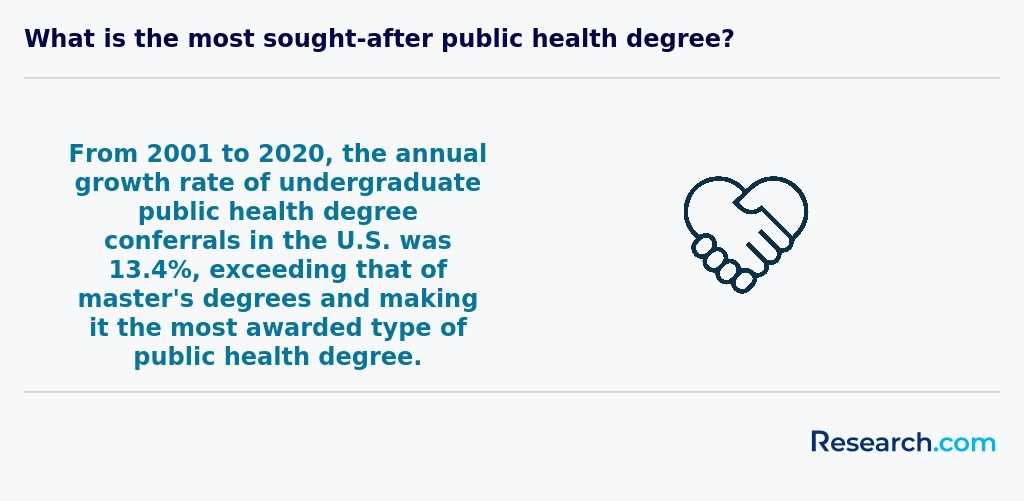
Online public health degree programs in New York offer a dynamic blend of courses that empower students to create meaningful change in their communities. Graduates from popular universities like SUNY and Columbia rave about courses such as Epidemiology, where they learn to track disease outbreaks-skills that proved vital during recent health crises in New York City neighborhoods. The Biostatistics classes equip students with tools to analyze real health data, transforming numbers into powerful stories that drive policy decisions.
Students also dive into Environmental Health, exploring how urban pollution impacts local families and how to advocate for healthier living conditions. Health Policy and Management courses inspire future leaders to design effective healthcare systems that truly serve diverse populations across the state. Many graduates cherish the Social and Behavioral Sciences classes, which reveal how social factors shape well-being, making their work deeply connected to real people's lives.
With these thoughtfully designed courses, New York's online public health degrees prepare students to be compassionate, skilled advocates for health equity in their vibrant communities.
Online public health degree specializations New York students embrace offer exciting pathways to make impactful differences in their communities. Graduates from top colleges often share how focusing on Epidemiology transformed their ability to analyze real disease patterns in bustling urban environments like NYC, helping them contribute to public safety during outbreaks. Others find inspiration in Health Policy and Management by shaping innovative healthcare systems and policies that drive positive change across the state.
Community Health Education stands out as a vital specialization, equipping learners to design programs that empower New York's diverse populations to adopt healthier lifestyles, fostering hope and resilience. Environmental Health graduates feel pride knowing their expertise protects air and water quality in metropolitan settings. Meanwhile, Global Health offers a broader perspective, motivating students to tackle worldwide health disparities with confidence.
Choosing from the best public health concentration options New York online allows you to align your passion with practical skills. Many enrolled discover how these focused tracks amplify career possibilities, especially when combined with guidance on earning online certificate programs that pay well.
Choosing the best online public health degree in New York means focusing on accredited programs that fit your unique lifestyle and aspirations. Graduates from well-known New York institutions often share how CEPH accreditation gave them confidence knowing their education met rigorous standards, helping them stand out in a competitive job market. Affordability is key-while New York's public universities typically charge around $10,000 annually for in-state tuition, private colleges may be pricier, making it vital to explore scholarships and financial aid designed for public health students. Many learners appreciate the flexibility of asynchronous classes that allow balancing work and family, a feature emphasized by successful graduates who valued studying at their own pace while handling life's demands. To ensure relevance, look for programs that emphasize New York health priorities and offer practical experiences through internships or capstone projects linked to local health departments or hospitals. For seniors or those returning to education, exploring the best online degree programs for seniors can guide your choice toward rewarding public health careers.
Graduates with an online public health degree in New York find exciting opportunities in fields like epidemiology, where they help track and manage disease outbreaks, making a real difference in community health. Many alumni from popular universities such as CUNY and Columbia University share inspiring stories of advancing quickly in these roles, fueled by their flexible online education. Exploring job opportunities for online public health degree New York reveals promising positions in healthcare administration, with salaries often exceeding $90,000 as professionals lead hospital operations and public health programs.
Others thrive as environmental health specialists, addressing pollution challenges unique to New York's urban landscape, while some take on health education, designing impactful programs to empower communities. Graduates also contribute to policy analysis, shaping effective health interventions. For students balancing life commitments, the flexibility offered by online programs at top schools in New York opens the door to rewarding careers that enhance public well-being. Those seeking to discover more about their educational pathways can explore options at best open admission colleges.
The job market for graduates with an online public health degree in New York is vibrant and filled with opportunity. Graduates from well-known universities and colleges throughout the state often share stories of securing positions within New York City's Department of Health and Mental Hygiene, where they contribute to vital initiatives in epidemiology and community health outreach. This dynamic environment perfectly suits those passionate about making a meaningful impact in diverse, urban populations.
Many graduates find rewarding employment with government agencies, nonprofit organizations, and healthcare systems, driven by growing state and local efforts to address health disparities and chronic diseases. The New York public health degree employment outlook is particularly promising, with a projected 13% growth for public health educators and community health workers from 2022 to 2032.
For those weighing program choices, considering affordable and flexible options can be important. New York offers competitive tuition for online programs and often in-state rates. Exploring the easiest associate's degree programs can provide a practical starting point for entering this rewarding field.
2027 Most Valuable Online Bachelor's in Public Health Degree Programs Ranking in New York
Investing in your education is a significant decision that can greatly impact your future, and the Research.com team is fully aware of the importance of making well-informed choices. To guide prospective students in New York, we have carefully developed the "2027 Most Valuable Online Bachelor's in Public Health Degree Programs Ranking in New York." Our dedication to quality, credibility, and accuracy is demonstrated by the thorough research and analysis involved in creating this ranking.
We utilized the following reputable data sources to ensure a comprehensive evaluation of programs:
By reviewing this ranking, readers will obtain valuable insights into the most valuable online public health degree programs in New York, empowering them to make strategic educational decisions. For a detailed explanation of our approach, please visit our Research.com methodology page.


Frequently Asked Questions About public health
Online public health degree students in New York can maximize their learning by actively engaging with virtual resources and local public health networks. Utilizing tools such as recorded lectures, interactive webinars, and online discussion boards enhances comprehension. Additionally, students should seek internships or volunteer opportunities with New York State Department of Health or local agencies to gain practical experience.
New York's diverse population offers unique case studies valuable for applied learning. According to the New York State Department of Health, job growth in public health fields is expected to rise by 7% through 2030, highlighting the benefit of networking early. Staying updated with regional public health trends through credible sources strengthens real-world understanding.
The public health field is rapidly evolving, with several emerging niches gaining importance. One significant area is health informatics, which involves using data and technology to improve health outcomes. This niche is particularly relevant in New York, where health systems increasingly rely on electronic records.
Another growing field is environmental health, focused on addressing climate change impacts and pollution, vital issues in urban areas like New York City. Additionally, global health equity attracts attention, emphasizing disparities faced by diverse populations, including immigrant communities in New York State.
Behavioral health and pandemic preparedness are also critical, shaped by recent public health challenges nationwide.
After completing an online public health degree in New York, preparing for the job market involves several key steps. Networking is crucial; connecting with local health departments, nonprofits, and professional associations in New York can open doors. Internships or volunteer opportunities during or after your studies provide practical experience valued by employers. According to the New York State Department of Labor, employment for health educators and community health workers is projected to grow 19% through 2032, indicating strong demand. Obtaining relevant certifications like Certified Health Education Specialist (CHES) can also enhance your credentials and marketability.
Staying informed about New York's public health challenges such as urban health disparities and chronic disease prevention will help tailor your skills to local needs. Utilizing career services at your institution and online job platforms specializing in health careers can aid your job search. Mastery of data analysis and communication skills, highlighted in many public health roles, is essential. Finally, continuing education and attending local public health workshops or conferences can keep your knowledge current and your network active.
Employers hiring public health graduates in New York prioritize strong analytical skills. Graduates must interpret data to address complex health challenges effectively. According to the New York State Department of Health, data literacy is crucial due to ongoing public health surveillance efforts.
Communication skills are equally important. Public health professionals need to clearly convey health information to diverse communities and stakeholders. The ability to write reports and present findings is often cited as essential by New York-based employers.
Additionally, cultural competency plays a significant role in New York's diverse population. Understanding social determinants of health helps graduates design inclusive health programs. This skill aligns with recommendations from the New York City Department of Health and Mental Hygiene.
Lastly, project management skills enable graduates to oversee initiatives efficiently, meeting deadlines and budgets under pressure.
Finding internships in New York relevant to a public health degree involves several strategic steps. Many universities with online public health programs offer career services that connect students to local health departments, hospitals, and nonprofit organizations.
New York State's Department of Health and NYC Health + Hospitals provide numerous internship opportunities due to ongoing public health initiatives and pandemic response efforts. According to the New York State Education Department, internships often require students to complete 100 to 200 field hours, which helps build practical skills.
Students can also explore placements through professional associations like the New York State Public Health Association, which lists internship openings on their website.
Networking at virtual public health events and utilizing platforms like Handshake or LinkedIn can also increase chances of securing internships. Many organizations prefer candidates familiar with New York-specific public health concerns, such as urban health disparities and infectious disease control.
An online public health degree can significantly enhance career mobility and advancement for professionals in New York. With the state's growing demand for public health experts, especially post-pandemic, holding a bachelor's degree in public health opens doors to diverse roles in government, healthcare, and nonprofit sectors.
According to the New York State Department of Labor, employment for public health professionals is projected to grow faster than average through 2030. This degree often equips graduates with essential skills in epidemiology, health policy, and data analysis, valued across many public health roles.
Moreover, an accredited online program provides flexibility for working adults, enabling career progression without geographic constraints. Employers in New York increasingly recognize online degrees from reputable institutions, supporting career advancement opportunities.
Studying for a public health degree online in New York equips students with skills to work across multiple disciplines such as epidemiology, health policy, social sciences, and environmental health. New York's diverse population and complex healthcare infrastructure offer practical case studies that foster interdisciplinary thinking.
Programs often emphasize collaboration among professionals in medicine, law, education, and technology, preparing graduates to address multifaceted health challenges.
The New York State Department of Health highlights that 62% of public health roles require cross-sector communication and problem-solving, underscoring the importance of interdisciplinary training.
This approach aligns with workforce demands in New York, where public health professionals engage with communities, policymakers, and researchers to improve health outcomes.
Choosing between a thesis and a non-thesis public health degree program in New York depends on your career goals and learning preferences. Thesis programs require conducting original research and writing a formal paper, which benefits students aiming for research roles or graduate study. According to the New York State Department of Health, research and data analysis skills are increasingly valuable in the state's expanding public health sector.
Non-thesis programs focus more on coursework and practical skills, ideal for those pursuing immediate employment in public health administration or community outreach. Online programs in New York often offer flexibility for working professionals, with non-thesis options quicker to complete.
Understanding your professional goals helps in selecting the best path for your public health education.
Students based in New York seeking to study public health abroad through online programs have multiple pathways available. Some U.S. universities with global partnerships offer joint online degrees, allowing students to access international curriculum without leaving the state. Additionally, institutions accredited by the Council on Education for Public Health (CEPH) often provide online degrees with international perspectives.
New York's public health workforce is projected to grow by 16% through 2030, increasing demand for globally informed education, according to the New York State Department of Health. This demand encourages universities to expand online offerings that include global health components.
Students can also explore study abroad opportunities tied to global public health internships facilitated by New York-based programs, complementing their online coursework with international experience.
Part-time job opportunities that complement public health degree education in New York often include roles such as community health workers, health educators, and research assistants. These positions allow students to apply classroom knowledge to real-world health initiatives and community outreach. According to the New York State Department of Health, community health workers aid in managing chronic diseases and improving health equity-key areas of study in public health.
Additionally, students might find opportunities in local hospitals, nonprofit organizations, or government agencies, supporting data collection and analysis for public health studies. The U.S. Bureau of Labor Statistics projects a 13% growth in community health jobs through 2031 in New York, reflecting rising demand. These roles provide valuable experience and networking essential for future careers in health policy and epidemiology.
Online public health students in New York benefit from multiple networking opportunities that connect them to professionals and peers statewide. Many programs offer virtual career fairs and alumni networks, enabling students to engage with public health experts and potential employers. The New York State Public Health Association (NYSPHA) hosts events and webinars, open to students, which provide chances to collaborate and learn from leaders in areas like epidemiology and community health.
Participation in local chapters of national organizations, such as the American Public Health Association, also supports networking. Additionally, experiential learning through internships in New York City's health departments often facilitates professional connections critical for future careers.
Alumni networks offer significant benefits to students pursuing online public health degrees in New York. These networks provide valuable connections to experienced professionals working in local health departments, nonprofits, and hospitals. According to the New York State Department of Health, the demand for public health workers is rising, emphasizing the importance of strong professional ties.
Through alumni events and digital platforms, students can access mentorship opportunities, career advice, and job leads tailored to the region's unique public health challenges. Engagement with alumni often helps graduates secure internships and employment in competitive NYC markets.
Additionally, many New York universities maintain active alumni groups that share resources and foster collaborations, enhancing practical knowledge beyond classroom learning. This connected community supports ongoing professional growth in a state with diverse health priorities.
Online public health degree programs in New York often offer flexible curriculum options to help students tailor their studies according to career goals. Students can typically choose from various concentrations such as epidemiology, health policy, or community health. Many programs allow elective courses, internships, or capstone projects focused on local public health issues, enhancing practical experience.
Given New York's diverse population and pressing health challenges, universities integrate regional case studies and partnerships with local health agencies. According to the New York State Department of Health, employment in public health fields is projected to grow 13% by 2030, highlighting the importance of targeted skills.
Online students should consider programs with customizable tracks and strong ties to New York's public health networks to maximize career alignment and opportunities.
Online public health students in New York often face challenges related to balancing coursework with personal and professional responsibilities. Many students juggle full-time jobs or family obligations while pursuing their degrees. This can lead to time management difficulties, which studies show is a common barrier to completion in online programs nationwide.
Another challenge is staying motivated without regular face-to-face interaction. Public health topics often require collaboration, yet some students report feelings of isolation, which can affect learning outcomes and engagement.
Technical issues and access to reliable internet can also impact students, especially in underserved areas of New York State. According to the New York State Education Department, nearly 10% of households lack high-speed internet access, which complicates online study.
Lastly, navigating fieldwork or practicum placements remotely is often complex. Many New York programs require hands-on experience in public health settings, and arranging these remotely demands additional coordination and flexibility.
With an online public health degree, graduates in New York can pursue various professional certifications to enhance their careers. One widely recognized option is the Certified Health Education Specialist (CHES) credential, offered by the National Commission for Health Education Credentialing. This certification verifies expertise in health education and promotion.
Another important certification is the Certified in Public Health (CPH) credential from the National Board of Public Health Examiners. It demonstrates a broad mastery of public health knowledge and is valuable for leadership roles.
In New York, public health professionals often seek credentials in epidemiology or healthcare quality to meet local workforce needs, as noted by the New York State Department of Health.
Writing a winning application for an online public health program in New York requires careful preparation and attention to detail. Start with a well-crafted personal statement that clearly explains your motivation for studying public health and how it aligns with your career goals. Highlight any relevant experience, including work or volunteer roles related to health in New York communities.
Strong letters of recommendation, ideally from professionals familiar with your skills or academic potential, can significantly enhance your application. Make sure your undergraduate GPA and standardized test scores meet or exceed the program's requirements.
Given New York's diverse population and public health challenges, demonstrating awareness of local health issues, such as those outlined by the New York State Department of Health, can strengthen your case.
Public health careers have a growing global significance, emphasizing disease prevention, health promotion, and policy development. For students in New York pursuing online public health degrees, understanding this global context is essential. The World Health Organization highlights that public health challenges like pandemics and chronic diseases cross borders, requiring coordinated international efforts.
In the United States, public health professionals are in high demand, particularly in New York, which experienced a 32% growth in public health jobs from 2018 to 2028, according to the New York State Department of Labor. This aligns with broader global trends toward valuing skilled health experts.
Graduates with public health degrees play a critical role in international agencies, NGOs, and government sectors, contributing to global health security. Their skills are applicable worldwide, making public health a truly global career path.
Gaining practical experience while studying for an online public health degree in New York is essential for career readiness. Many programs integrate practicum or internship opportunities with local health departments, hospitals, and nonprofit organizations. In New York, students can partner with agencies such as the New York State Department of Health or NYC Health + Hospitals, both of which offer hands-on public health projects.
Additionally, online learners often engage in virtual simulations that mimic real-world public health scenarios, enhancing critical thinking. According to the New York State Education Department, nearly 70% of accredited public health programs encourage experiential learning. Volunteering with community health initiatives also provides valuable exposure without geographic constraints.
Choosing the right concentration within an online public health degree in New York requires careful consideration of your career goals and the specific health challenges faced by New Yorkers. Popular concentrations include epidemiology, health policy, environmental health, and community health education.
NYC's Department of Health emphasizes challenges like infectious diseases and chronic conditions, so focusing on epidemiology or community health can be strategic. The New York State Department of Health reports a growing need for experts in health data analysis and policy development.
Review program curricula to ensure alignment with your interests and consider future job markets. Certifications in specialized areas can also enhance employment opportunities in the state.
- What is the Salary Outlook with MPH Degree? https://mphprogramslist.com/what-is-the-salary-outlook-for-mph-program-grads/
- How an Online MPH Degree Can Impact Public Health in 2024 https://dblp.ucnedu.org/blog/how-an-online-mph-degree-can-impact-public-health/
- What Can You Do With a Public Health Degree? https://www.publichealthdegrees.org/careers/what-can-you-do-with-public-health-degree/
- Public Health: A Global Perspective https://www.routledge.com/Public-Health-A-Global-Perspective/Singh/p/book/9781032644226
- Public Health Practice Master Degree | OHSU-PSU School of Public Health https://ohsu-psu-sph.org/degree-programs/master-public-health/mph-php/
- What do you learn in a bachelor's in public health? | edX https://www.edx.org/resources/what-do-you-learn-in-a-bachelors-in-public-health
- Loading https://www.cpalms.org/PreviewResourceStudentTutorial/Preview/166485
- 25 Most Affordable Online MPH Programs - MPH Online https://www.mphonline.org/most-affordable-online-mph-programs/
- Master of Public Health https://www.monroeu.edu/academics/king-graduate-school/master-public-health
- Public Health Degrees New York, NY | Masters (MPH) & Bachelors https://www.publichealthonline.org/new-york/