
2027 Most Valuable Online Public Health Degree Programs Ranking in Illinois

Co-Founder and Chief Data Scientist
Choosing the right public health degree program can be overwhelming, especially with so many options available online. This article presents the 2027 Most Valuable Online Public Health Degree Programs Ranking in Illinois, carefully developed by the Research.com team of data scientists to guide you in making an informed decision.
By exploring this ranking, you'll discover programs that offer real value, helping you build a rewarding career in public health. Earning your degree opens doors to impactful opportunities and personal growth, making it a meaningful investment in your future.
Key benefits of getting online public health degree in Illinois
- Salary benefits: Graduates with a public health degree in Illinois can pursue careers like Environmental Health Specialist, earning a mean annual wage of $86,710, or Community Health Worker roles with around $52,610, offering financial stability and growth.
- Career paths: A public health graduate from the University of Illinois can work in diverse roles such as Health Educator, Medical Assistant, or Occupational Health and Safety Specialist, enjoying rewarding opportunities to impact community health positively.
- Online degree advantages: Completing a public health degree online through Illinois State University allows flexible scheduling and the ability to study from home, making it easier to balance work, family, and education while advancing your career.
- 2027 Most Valuable Online Public Health Degree Programs Ranking in Illinois
- What can I expect from online public health degree in Illinois?
- Where can I work with online public health degree in Illinois?
What can I expect from online public health degree in Illinois?
Determining the average cost of an online public health degree in Illinois can be complex, as tuition varies widely between institutions and programs. Graduates from well-known schools like the University of Illinois at Chicago often report tuition ranging from moderate to higher rates, reflecting the quality and accreditation of their degrees. While online formats reduce expenses such as commuting and housing, students still face tuition bills that may challenge tight budgets.
Many Illinois students appreciate the financial flexibility online programs offer, especially when balancing work and study. Federal financial aid and employer tuition assistance can ease the burden, but relying solely on these supports may not suffice. Some graduates recall stretching their finances or taking on part-time jobs to manage costs, highlighting the importance of early financial planning.
It is also worth considering that some public universities provide more affordable rates than private counterparts, and costs may fluctuate based on residency status, credit load, and course materials. Ultimately, prospective students should weigh tuition costs alongside program reputation, support services, and career outcomes to find the best personal fit in Illinois' diverse public health education landscape.
Where can I work with online public health degree in Illinois?
Graduates with an online public health degree in Illinois find diverse career paths that reflect the state's complex health landscape. Many secure roles in government agencies like the Illinois Department of Public Health, where they contribute to disease prevention and emergency response. For example, graduates from the University of Illinois at Chicago often describe rewarding experiences supporting statewide health initiatives that directly impact communities.
Hospitals such as Northwestern Memorial and the University of Chicago Medical Center also employ public health professionals to manage community programs and analyze health trends. Alumni from DePaul University report that their online degrees prepared them well for these dynamic environments, balancing data-driven tasks with everyday patient-focused work.
Non-profit organizations centered on issues like maternal health and HIV/AIDS prevention frequently attract graduates, offering opportunities for program management and outreach. Illinois-based nonprofits provide roles that allow for meaningful engagement with vulnerable populations, a point often highlighted by recent graduates.
The expanding health tech sector in Illinois adds another dimension, with companies seeking experts who can interpret complex health data and design wellness strategies. Graduates express optimism about this expanding landscape, especially appreciating the flexibility online programs offer to work remotely within the state or nationally.
Graduates of online public health programs in Illinois, such as those from the University of Illinois Chicago or Northern Illinois University, can anticipate a range of earnings depending on their chosen career paths. For example, community health workers typically earn a mean annual salary of about $52,610, which offers a solid starting point for those entering the field. Health educators, often employed in schools or non-profits, report higher mean wages near $69,790, reflecting increased responsibilities and the benefit of relevant certifications obtained during or after studies.
More specialized roles like environmental health specialists command an even higher mean wage around $86,710, illustrating how focused expertise can significantly impact earning potential. Occupational health and safety specialists earn close to $85,570 annually, a figure that many Illinois graduates find encouraging as they move into leadership or consultancy positions.
It's important to consider that graduates' experiences vary widely. Some report starting salaries lower than averages cited, especially when working in smaller community organizations, while others in larger urban healthcare systems see salaries exceeding these figures. Real-life feedback from Illinois alumni emphasizes the value of combining online degree knowledge with practical internships or certifications to enhance both job prospects and wages.
- Illinois offers fully online public health degrees from accredited universities, ranging from bachelor's to master's levels, with some accelerated options available.
- The tuition for an online bachelor's degree in public health typically ranges from $25,000 to $40,000, while master's programs cost between $20,000 and $50,000.
- In-state tuition rates are often available for online students who live in Illinois, which can lower the overall cost.
- The employment for public health roles in Illinois is expected to grow by about 13% over the next decade, faster than the national average.
- Entry-level public health workers in Illinois earn around $48,000 annually, while mid-career professionals can expect salaries between $65,000 and $75,000.
Completing an online public health degree in Illinois often depends on several factors, including the student's pace, previous credits, and program flexibility. For example, graduates from programs at well-known institutions like the University of Illinois often share that the Bachelor of Science in Public Health usually takes about four years of full-time study. However, some students who transfer credits or enroll in accelerated tracks finish sooner, appreciating the flexibility to balance education with work or family.
At the graduate level, Master of Public Health degrees offered by schools such as Northwestern University commonly take between 18 months and three years. Many working professionals value part-time options to manage career advancement without interrupting their jobs. Graduates remark on the importance of choosing programs that accommodate theses or capstone projects based on their career goals.
Doctoral programs like the online DrPH at Illinois universities require three to five years, heavily influenced by research and dissertation demands. Graduates often mention the rewarding challenge of integrating rigorous academics with real-world impact, which makes the extended timeframe worthwhile.
- Bachelor's degrees: Approximately 4 years full-time
- Master's degrees (MPH): 1.5 to 3 years full-time
- Doctoral degrees (DrPH): 3 to 5 years
Ensure your online public health program is CEPH-accredited-this seal of approval guarantees curriculum quality, eligibility for federal funding, and recognition by employers.
Key professional certifications eligible after graduation:
- Certified in Public Health (CPH) through the National Board of Public Health Examiners
- Certified Health Education Specialist (CHES) or Master CHES (MCHES) by NCHEC
- Registered Environmental Health Specialist (REHS) via state board requirements
- Occupational Health and Safety Technician (OHST) or Specialist (CSP) credentials
Maintaining certification often requires continuing education credits, which accredited programs may integrate directly into graduate coursework. For those exploring complementary health career tracks, consider the low cost medical coding and billing online program.
Choosing between online and on-campus public health degrees in Illinois often hinges on lifestyle and learning preferences. Online programs, favored by many working professionals and parents, offer flexibility to juggle lectures and assignments around busy schedules. For instance, graduates from the online public health program at the University of Illinois report appreciating the ability to study from home without sacrificing family time or work commitments.
Conversely, on-campus programs, such as those at the University of Illinois at Chicago, provide hands-on experiences through direct interaction with faculty and access to local health departments for internships. Graduates highlight the energy of campus life and collaborative projects as key benefits, though they acknowledge the challenges of commuting and rigid class times.
Cost is also a practical consideration. While tuition rates are similar, online students save on transportation and housing, easing overall expenses. However, some emphasize the value of in-person networking that shapes their careers.
Ultimately, Illinois students should weigh these trade-offs carefully, considering personal needs alongside program accreditation, particularly CEPH standards, to ensure career readiness.
Understanding the return on investment (ROI) for an online public health degree in Illinois helps you weigh upfront costs against long-term benefits. With an average program cost of $29,520 and entry-level salaries around $50,000, most graduates recoup tuition within two to three years. Over a ten-year career, projected earnings can exceed $700,000, resulting in an ROI of over 1,200%. Key factors driving ROI: • Tuition vs. Starting Salary: At $29,520 tuition and a $50,000 starting salary, you break even in roughly 8–9 months. • Mid-Career Growth: Public Health Educators and Environmental Health Specialists often see salary increases of 4–6% annually, pushing average wages above $80,000 within 5–7 years. • Career Advancement: Advanced roles-such as health policy analyst or epidemiologist-can command $90,000+, further boosting ROI. Intangible benefits: • Flexibility: Online formats reduce lost income by allowing work–study balance. • Networking: Virtual cohorts connect you with professionals statewide, expanding job opportunities. • Impact: Career satisfaction and societal contribution often outweigh purely financial metrics. For students exploring cost-effective programs beyond Illinois, consider our Low Cost Public Health Degree Programs Ranking in Arizona to compare tuition rates, accreditation, and career outcomes in a neighboring state.
The average cost of an online public health degree in Illinois varies significantly depending on the institution and residency status. In-state students at public universities typically face tuition fees around $17,558, which aligns with the median in-state total cost data. This rate offers a more affordable pathway for Illinois residents pursuing their degree online, whether at well-known institutions offering dedicated public health programs or large state universities with flexible digital learning options.
Graduates of these programs often share that managing tuition alongside work and family commitments feels feasible, thanks in part to relatively moderate costs compared to private institutions. However, out-of-state students usually encounter higher fees, which heightens the total financial investment required. Across private colleges, tuition can reach figures substantially above the median, sometimes pushing near $32,499 for the entire degree, reflecting a broader national trend where private education commands a premium.
Understanding the Illinois online public health degree tuition fees is essential for budgeting and planning. Many students appreciate how some Illinois schools simplify expenses by offering flat-rate tuition or digital resources that minimize additional costs such as textbooks and commuting. Furthermore, Illinois residents benefit from state financial aid programs, which graduates frequently cite as critical support in reducing their overall burden.
Prospective students should explore options among the most affordable public health programs in Illinois, as these options strategically balance quality education with financial accessibility. This approach allows learners to invest wisely in their public health careers while navigating a market of varying tuition structures and cost expectations.

Accreditation ensures your degree meets rigorous quality standards and qualifies you for licensure, certifications, and reputable career opportunities. Public health programs in Illinois should hold both institutional and specialized accreditation.
- Council on Education for Public Health (CEPH) accreditation ensures curriculum alignment with industry competencies.
- Regional accreditation (e.g., Higher Learning Commission) confirms institutional oversight and academic rigor.
- Completion of an accredited program makes you eligible for certifications like the Certified in Public Health (CPH) exam and Certified Health Education Specialist (CHES).
To expand your administrative skill set, explore a low cost medical coding and billing online program.
Students enrolled in online public health programs in Illinois often rely on a mix of federal, state, and institutional financial aid to make their education affordable. For example, graduates from the University of Illinois Chicago have utilized the Free Application for Federal Student Aid (FAFSA) to access Pell Grants, which can provide up to $7,395 without repayment. This grant is especially valuable for those balancing work and study, offering crucial relief from tuition costs.
Illinois residents benefit from the Monetary Award Program (MAP) grant, which many Northern Illinois University students have cited as a key support in managing expenses. While MAP awards fluctuate based on state budgets, they remain a vital resource for undergraduate online learners.
Beyond these, institutional scholarships tailored to public health students are common at schools like DePaul University. These awards often reflect a student's commitment to underserved communities, making the funding feel both personal and motivating.
Additionally, working professionals often find employer tuition assistance programs helpful, though these may require post-graduation commitments. Some graduates express satisfaction with how these options, combined with federal Direct Loans, have helped them pursue degrees while minimizing debt stress.
With rapid technological advancements and shifting healthcare needs, the landscape of public health education is experiencing transformative changes. Prospective students are now witnessing greater integration of digital learning platforms, innovative course delivery methods, and real-time data analytics in online programs. These trends not only enhance the quality of education but also align with the increasing demand for professionals adept at navigating complex health challenges. Recent studies indicate a surge in remote learning enrollments and an emphasis on interdisciplinary skill sets, from data science to community engagement. This evolution mirrors the broader shift in the job market, where employers prioritize adaptability, technological competence, and proactive public health strategies. As the industry continues to expand, prospective students should consider factors such as curriculum innovation, faculty expertise, and long-term career support when selecting a program. For those evaluating cost-effective options that maintain high academic standards, exploring the most affordable public health programs in illinois can be an excellent starting point in making an informed investment in their future. Embracing these trends now can empower you to thrive in a dynamic field that is critical to shaping healthier communities for tomorrow.
Applicants to online public health degree programs in Illinois typically need a high school diploma or equivalent for bachelor's programs and a bachelor's degree from an accredited institution for graduate-level study. For instance, graduates from the University of Illinois at Chicago often recall submitting SAT or ACT scores, although many schools have shifted to test-optional policies, recognizing diverse educational backgrounds.
For Master of Public Health applicants, the prerequisites become more focused. Graduates report that a 3.0 GPA minimum, along with thoughtful letters of recommendation and a personal statement, were crucial in reflecting their dedication and career goals. Many also found that relevant volunteer or work experience, such as helping with community health initiatives, added meaningful context to their applications.
Some programs, like those at Southern Illinois University, may require GRE scores, but the trend is moving towards waiving this to enhance accessibility. Prospective students find that strengthening foundations in statistics and biological sciences better equips them for the demands of these programs, aligning with Illinois's public health educational standards.
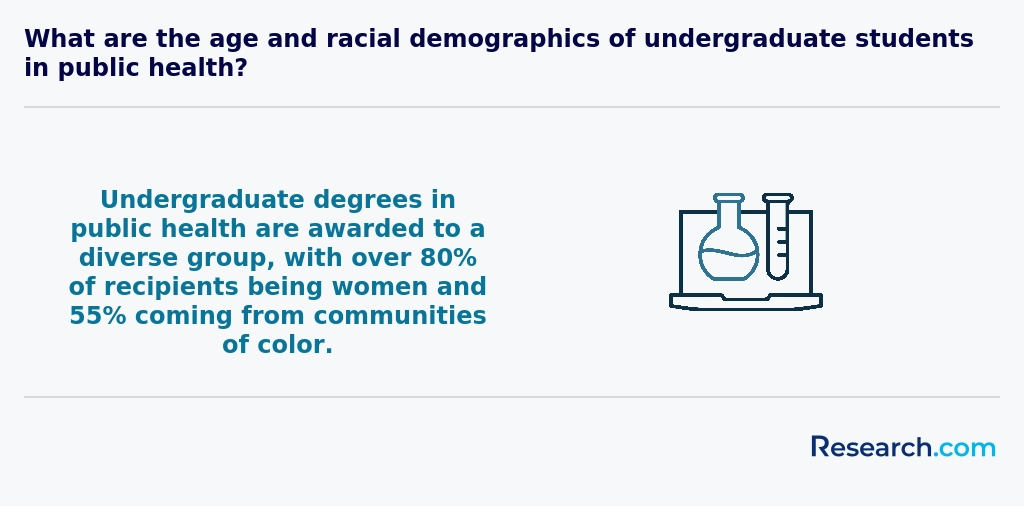
Entering the public health workforce without prior experience can feel daunting, but strategic steps can accelerate your transition from student to professional. Begin by building foundational skills through volunteering or part-time roles in community clinics, non-profit outreach programs, and local health departments. These hands-on opportunities demonstrate initiative and help you develop competencies such as data collection, health education, and cultural sensitivity-qualities employers highly value. Pursue entry-level certifications to bolster your résumé. The Certified Health Education Specialist (CHES) credential and basic first aid/CPR certifications signal commitment and proficiency. Many graduates also leverage free or low-cost online courses in epidemiology and biostatistics to sharpen analytical skills. Networking plays a pivotal role: join state public health associations, attend virtual webinars, and connect with alumni from Illinois programs. These interactions often lead to referrals for internships, contract positions, or volunteer assignments that build your professional portfolio. Craft a targeted resume by highlighting relevant coursework, capstone projects, and any fieldwork. Use quantifiable results-such as “led a campus vaccination campaign reaching 300 students”-to illustrate impact. Tailor your cover letters to each role, emphasizing transferable skills like project management, community engagement, and cross-functional collaboration. For those interested in clinical pathways, explore our guide on how to become a public health nurse with no experience for practical tips on licensure, clinical placements, and mentorship programs. Finally, maintain momentum by setting clear short-term goals-such as completing a specialty certification or securing a mentor-and long-term objectives, like advancing to a health policy analyst or program coordinator role. With persistence, networking, and a commitment to lifelong learning, you can successfully launch a public health career even without previous experience.
Online public health degrees in Illinois typically include core courses designed to equip students with both theoretical and practical skills. Graduates from programs at well-regarded institutions like the University of Illinois describe courses such as Introduction to Public Health, which lays the groundwork by exploring health systems and community impact, making abstract concepts feel tangible through local case studies.
Biostatistics and Epidemiology are often highlighted as challenging yet rewarding, helping students analyze health data and understand disease patterns that directly relate to Illinois' urban and rural populations. One graduate shared how learning Epidemiology provided insights into managing Chicago's chronic disease rates.
Environmental Health and Health Policy courses emphasize real-world challenges such as lead exposure risks in Illinois neighborhoods. These classes encourage students to think critically about public health strategies and governance, often informed by regional health department data.
Social and Behavioral Sciences deepen understanding of how culture and behavior influence health outcomes-a perspective students find valuable when engaging with diverse Illinois communities. Many programs also offer specialized electives tailored to local needs, enhancing relevance and student engagement.
Online public health degree specializations Illinois students frequently choose reflect the state's unique health landscape and workforce demand. Graduates from well-known institutions like the University of Illinois or DePaul University often highlight epidemiology, where they analyze disease patterns such as COVID-19 outbreaks in Chicago neighborhoods. These are not just theoretical studies but skills actively applied to real-time public health challenges.
Another popular Illinois online public health concentration option is Health Promotion and Education, where students develop community programs targeting chronic illnesses prevalent in urban centers. Environmental Health also draws interest, with students researching pollution effects connected to Illinois' industrial zones. Experiences at local universities often include projects that tie directly to state-based issues, encouraging practical solutions over broad generalizations.
Graduates frequently note the leadership skills gained from Health Policy and Management tracks, preparing them to influence state health initiatives. Some choose Global Health, connecting Illinois' diverse population to worldwide trends. For those exploring career entry points, learning how to become a public health nurse with no experience fits naturally within many programs, enhancing employability while addressing local workforce needs.
Choosing the best online public health degree in Illinois involves careful evaluation beyond surface factors. Accreditation by the Council on Education for Public Health is essential; graduates from respected programs at institutions like the University of Illinois at Chicago often praise how it boosted their confidence and helped with job placement. However, some students value flexibility more, opting for programs that offer asynchronous classes to balance work and family commitments, found at several popular colleges across Illinois.
Cost also plays a pivotal role; affordable online public health degrees Illinois offer in-state tuition typically ranging from $10,000 to $25,000, which many graduates highlight as a key reason they pursued their degree locally rather than out-of-state. For those seeking financial relief, exploring financial aid and scholarships can make a difference. Some prospective students consult rankings such as the Low Cost Public Health Degree Programs Ranking in Arizona to compare affordability and value more broadly.
Curriculum specialization is another practical consideration. Graduates emphasize focusing on programs offering concentrations relevant to Illinois's unique public health landscape, such as epidemiology tied to urban centers like Chicago. Balancing outcomes, program reputation, and personal learning style ensures a choice aligned with both career aspirations and lifestyle demands.
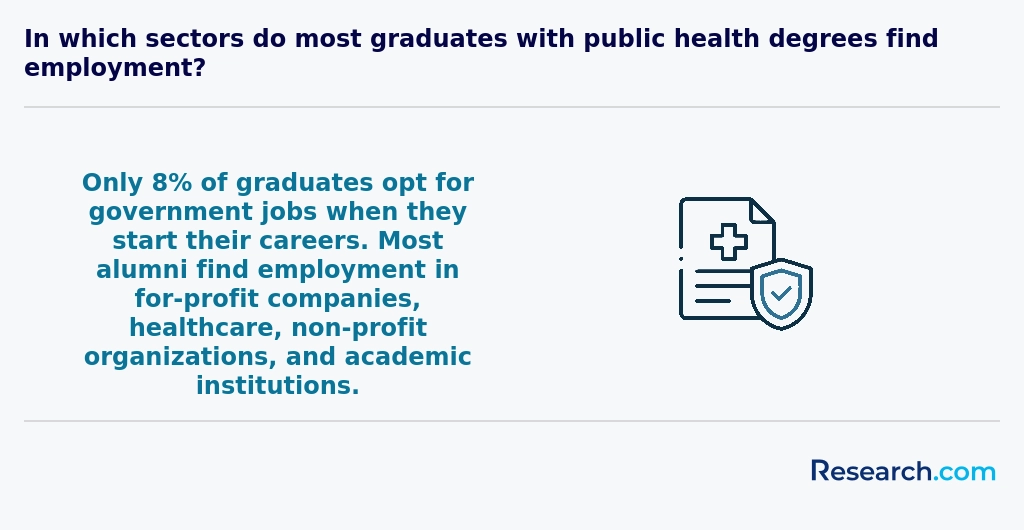
Graduates pursuing online public health careers in Illinois find diverse opportunities in government agencies, universities, and healthcare organizations. For instance, alumni from notable institutions like the University of Illinois at Chicago report engaging in public health programming at the state level, focusing on disease prevention and emergency preparedness. Yet, it's important to consider that competition for these roles may be significant, requiring graduates to gain practical experience alongside academic credentials.
The Illinois public health degree job opportunities extend into healthcare administration as well. Graduates often become health services managers overseeing clinical operations or budgets, especially as the demand for healthcare management surges nationwide. Some others enter research roles at universities or nonprofits, contributing data analysis that shapes policy and communal health outcomes, which survivors of these programs describe as deeply rewarding despite the challenges of grant-driven environments.
Aside from these, the career spectrum includes health policy analysts, environmental health specialists, and epidemiologists. Graduates frequently highlight the advantage of studying in Illinois, where the public health infrastructure and spending support meaningful community impact. For those looking to expedite their education, exploring the fastest degree programs proves beneficial, balancing speed with thorough preparation.
The job market for online public health degree graduates in Illinois presents a dynamic yet competitive landscape, influenced by urban centers such as Chicago and robust health infrastructure investments. Graduates from well-regarded programs at institutions like the University of Illinois at Chicago or DePaul University often find themselves navigating diverse roles ranging from environmental health specialists to health policy advisors, reflecting the breadth of opportunities for public health graduates in Illinois.
Real-life experiences shared by recent graduates highlight how internships and partnerships within Chicago's health departments and nonprofits provide critical hands-on exposure, enhancing employability in a job market that shows steady growth. The Illinois online public health degree career outlook suggests roughly 9% growth in public health occupations over the next decade, echoing national trends yet benefiting from localized demand spurred by challenges such as COVID-19 and chronic disease management.
While salary prospects vary, entry- to mid-level roles commonly offer between $50,000 and $80,000 annually, with advanced certifications opening doors to leadership positions. Prospective students should carefully evaluate costs and benefits, exploring options at online colleges with open admissions and in-state tuition to maximize return on investment in this evolving job market.
2027 Most Valuable Online Public Health Degree Programs Ranking in Illinois
Investing in your education is a significant decision that can shape your future, and the Research.com team understands the importance of making informed choices. To assist prospective students in Illinois, we have meticulously crafted the "2027 Most Valuable Online Public Health Degree Programs Ranking in Illinois." Our commitment to quality, credibility, and accuracy is reflected in the extensive research and analysis conducted to compile this ranking.
We utilized the following reputable data sources to ensure a comprehensive evaluation of online public health degree programs:
By exploring this ranking, readers will gain valuable insights into the most valuable programs available in Illinois, enabling them to make confident and informed decisions about their educational pursuits. For more details on our methodology, please visit our Research.com methodology page.

# 2 position
University of Illinois Chicago
Master of Concentration in Community Health Practice and Methods


Frequently Asked Questions About public health
Online public health degree students in Illinois can enhance their learning by actively engaging with both digital coursework and local community resources. Illinois hosts a robust public health system, with organizations like the Illinois Department of Public Health offering valuable data and internship opportunities. Utilizing these can deepen practical understanding beyond textbook knowledge.
Students should also build connections through virtual study groups or professional networks such as the Illinois Public Health Association. Networking facilitates knowledge exchange and career advancement.
Furthermore, staying updated with Illinois-specific public health challenges, like addressing chronic disease prevalence and COVID-19 responses, helps align academic learning with real-world issues. The CDC and Illinois health departments regularly publish relevant data.
Emerging niches in public health reflect evolving challenges and technology advancements. In Illinois, areas such as epidemiology focusing on infectious diseases have gained importance, especially after the COVID-19 pandemic. The Illinois Department of Public Health highlights increased demand for professionals skilled in data analytics to track health trends and inform policy decisions.
Another growing area is environmental health, addressing issues like pollution and its impact on community well-being, which aligns with Illinois' urban and industrial landscape. Health informatics is also expanding, integrating technology and healthcare data to improve patient outcomes.
Lastly, community health equity practices are evolving to reduce disparities among diverse populations in Illinois, supporting inclusive public health initiatives.
After earning an online public health degree in Illinois, it is essential to build a competitive job profile. Begin by gaining practical experience through internships or volunteer work with local health departments or organizations like the Illinois Department of Public Health. According to the Illinois Department of Employment Security, the demand for public health professionals is projected to grow by 7% through 2030, emphasizing the importance of hands-on skills.
Networking plays a vital role-joining professional groups such as the Illinois Public Health Association can connect you with industry experts and job leads. Also, consider obtaining certifications like the Certified in Public Health (CPH), which strengthens your credentials. Lastly, staying informed about Illinois-specific public health issues, including chronic disease trends and rural health disparities, can help tailor your job search and interview focus effectively.
Employers in Illinois increasingly seek public health graduates with strong analytical and communication skills. Proficiency in data analysis tools, such as SPSS or SAS, is highly valued for evaluating community health trends. Effective written and verbal communication helps graduates convey findings clearly to diverse audiences.
Knowledge of health policy and program planning is essential, given Illinois' diverse urban and rural health challenges. Additionally, problem-solving abilities and cultural competence are crucial for addressing disparities highlighted by the Illinois Department of Public Health.
Familiarity with epidemiology and biostatistics, both core components of Illinois public health curricula, further enhances employability in this competitive job market.
Finding internships in Illinois relevant to a public health degree involves leveraging both educational and community resources. Many Illinois universities with online public health programs partner with local health departments, hospitals, and nonprofits to offer practicum placements. The Illinois Department of Public Health (IDPH) frequently posts internship opportunities that provide hands-on experience in epidemiology, health promotion, and emergency preparedness.
Students should also explore organizations like the Chicago Department of Public Health, which offers internships focused on urban health issues. Professional associations such as the Illinois Public Health Association provide networking events and job boards to connect interns with employers. According to IDPH, Illinois has over 12,000 public health professionals, creating a solid market for internships and early career roles.
Additionally, career services at universities often assist with internship placements tailored for online students. Engaging early with supervisors and faculty advisors can increase chances of securing a valuable experience aligned with academic goals and Illinois's public health priorities.
Obtaining an online public health degree in Illinois can significantly enhance career mobility and advancement. According to the Illinois Department of Public Health, the state is projected to see a 13% increase in public health jobs by 2030, creating ample opportunities for qualified graduates. Online programs offer flexibility, allowing working professionals to gain advanced skills without interrupting their careers.
Employers in Illinois often prefer candidates with at least a bachelor's or master's in public health, as these degrees demonstrate expertise in epidemiology, health policy, and community health. The convenience of online study helps expand access, enabling more individuals to meet these qualifications.
Graduates can pursue diverse roles in government agencies, nonprofit organizations, or healthcare systems across Illinois. The degree's practical focus on data analysis and health promotion fosters leadership potential, which is crucial for career growth in this expanding field.
Studying for an online public health degree in Illinois equips students to excel in interdisciplinary roles by integrating knowledge from multiple fields. Programs commonly include coursework in epidemiology, biostatistics, health policy, and social sciences, which collectively prepare graduates to work collaboratively across sectors.
Illinois' public health programs often emphasize partnerships with state agencies like the Illinois Department of Public Health, offering practical insights and data-driven decision-making skills. According to the Illinois Health and Hospital Association, 67% of public health jobs in the state require competencies spanning clinical, policy, and community engagement fields.
This interdisciplinary training enables students to address complex health issues collaboratively, making them valuable in diverse roles-including healthcare management, environmental health, and health education.
Choosing between a thesis and a non-thesis online public health degree in Illinois depends on your career goals and time commitment. Thesis programs typically require original research and are ideal if you plan to pursue a PhD or work in research-intensive roles.
Non-thesis options focus on practical skills and coursework, appealing to professionals aiming for leadership or policy positions without extensive research. The Illinois Department of Public Health reports over 200,000 public health workers statewide, emphasizing diverse career paths.
Consider your learning style, availability, and whether you prefer hands-on projects or theoretical study when deciding.
Students based in Illinois interested in studying public health abroad have several options. Many Illinois universities with public health programs offer study abroad opportunities or international internships affiliated with accredited schools. These experiences allow students to gain a global perspective while earning credits toward their degree.
Additionally, online public health programs in Illinois often partner with institutions worldwide, enabling students to engage in virtual exchange programs or collaborative research projects. The Illinois Board of Higher Education provides resources highlighting international academic collaborations to support these initiatives.
The Illinois Department of Public Health emphasizes global health competency, encouraging programs to include international content in their curricula. This helps prepare students for diverse public health challenges globally.
Part-time job opportunities in Illinois that complement a public health degree include community health worker positions, health educator roles, and research assistant jobs. According to the Illinois Department of Public Health, community health workers help bridge gaps between health services and diverse communities, offering practical experience for public health students. Health educators in local health departments or nonprofit organizations promote wellness programs and disease prevention, directly applying skills gained in public health study.
Research assistant roles at universities or public health agencies like the Illinois Public Health Institute provide valuable exposure to data collection and analysis. These positions align with core competencies in public health education and enhance a student's resume for future career advancement.
Online public health students in Illinois have access to numerous networking opportunities that can enhance their education and career prospects. Many Illinois universities offer virtual meetups, webinars, and alumni networks tailored specifically for online learners. These platforms facilitate connections with faculty, peers, and public health professionals statewide.
The Illinois Public Health Association (IPHA) is a valuable resource, providing students with access to events, workshops, and an extensive membership base of public health experts across Illinois. Engaging with IPHA can help students build professional relationships.
Additionally, the state's numerous public health departments and agencies often collaborate with universities, offering internships and volunteer opportunities that promote direct networking.
Alumni networks play a crucial role for online public health degree students in Illinois by offering valuable connections in a competitive job market. Graduates often join established networks that include professionals working in major Illinois health organizations such as the Illinois Department of Public Health. These connections can lead to internships, mentoring, and job opportunities.
According to the Illinois Public Health Association, over 70% of public health graduates find employment through networking within five months of completing their degree. Online students benefit similarly, as alumni frequently share local job market insights and community health initiatives.
Active alumni also provide support through webinars, workshops, and regional meetups, helping remote students stay engaged with Illinois' public health landscape.
Online public health degree programs in Illinois offer various ways to tailor your education to suit specific career goals. Many universities provide concentrations such as epidemiology, health policy, community health, or environmental health. Choosing a concentration helps focus your studies on industry-relevant skills.
Additionally, you can often select electives that align with your interests, including health informatics or global health. Some programs allow practical experiences like internships or capstone projects with Illinois public health agencies, enhancing real-world expertise.
Customizing your coursework ensures you meet requirements recognized by the Illinois Department of Public Health, improving job prospects in the region's expanding public health sector.
Online public health students in Illinois often face challenges related to balancing work, family, and study commitments. According to the Illinois Board of Higher Education, many adult learners juggle full-time jobs alongside coursework, which can lead to time management difficulties.
Another common challenge is limited access to hands-on experiences. Public health programs typically emphasize applied learning, but online formats may restrict internships and fieldwork opportunities within local communities.
Technical issues also affect some students. Reliable internet and familiarity with online learning platforms are essential, yet can be barriers for those in rural areas of Illinois where connectivity remains inconsistent.
Lastly, maintaining motivation and engagement without in-person interaction is often cited by students as a hurdle to success in virtual learning environments.
An online public health degree in Illinois opens pathways to several recognized professional certifications. One of the most sought-after is the Certified in Public Health (CPH) credential offered by the National Board of Public Health Examiners. This credential demonstrates a mastery of foundational public health knowledge and is valued by employers statewide. Additionally, graduates can pursue certifications like the Certified Health Education Specialist (CHES), which is important for roles focused on community health outreach. For those interested in epidemiology or health administration, the Certified Public Health Administrator (CPHA) is another option. These certifications enhance career prospects in Illinois' growing public health sector.
To write a winning application for an online public health program in Illinois, start by clearly stating your career goals and how the degree aligns with them. Admissions committees value applicants who demonstrate a strong understanding of public health challenges in Illinois, such as addressing disparities in urban areas or rural healthcare access, as reported by the Illinois Department of Public Health.
Highlight any relevant experience, including volunteer work or jobs related to community health or data analysis. Strong letters of recommendation from professionals familiar with your skills can significantly boost your application.
Pay attention to your personal statement by making it concise and focused on your motivation and readiness for online learning. Finally, ensure all transcripts and documents are submitted on time, as Illinois schools often have strict deadlines.
Public health careers offer extensive global opportunities, as many health challenges cross borders. Professionals trained in Illinois benefit from a curriculum aligned with worldwide health standards, preparing them to address issues such as infectious diseases, chronic illnesses, and health inequities globally.
The U.S. Bureau of Labor Statistics projects a 17% growth for health educators and community health workers through 2030, reflecting rising demand locally and abroad. Illinois, notably, has multiple online programs emphasizing global health perspectives and practical skills for international collaboration.
Graduates typically work with organizations like the WHO, CDC, or NGOs, tackling pandemics or developing health policies. Understanding global health trends is key to a robust public health career.
Gaining practical experience is essential while pursuing an online public health degree in Illinois. Many programs incorporate internships or fieldwork opportunities at local health departments, hospitals, or community organizations. The Illinois Department of Public Health often partners with universities to provide real-world placements, allowing students to engage in projects that address state-specific health challenges.
Additionally, students can benefit from virtual practicums, which have become more common and allow flexibility while maintaining hands-on learning. Volunteer opportunities related to public health initiatives also support skill development. According to the Illinois Board of Higher Education, applied experience increases job prospects and readiness in the growing public health sector.
Choosing the right concentration within an online public health degree program in Illinois depends on your career goals and local health priorities. Illinois faces challenges like chronic disease, substance abuse, and urban health disparities, which influence demand for specialists in epidemiology, health policy, or community health. The Illinois Department of Public Health highlights a need for experts in data analysis and emergency preparedness. Researching concentrations that align with these areas can improve job prospects. Also, consider your background-some concentrations require prior experience or specific skills.
Review curricula to ensure they cover relevant competencies recognized by the Council on Education for Public Health (CEPH), which accredits most Illinois programs.
- 2027 Most Valuable Online Public Health Degree Programs Ranking in Wisconsin
- 2027 Most Valuable Online Public Health Degree Programs Ranking in Iowa
- 2027 Most Valuable Online Public Health Degree Programs Ranking in Missouri
- 2027 Most Valuable Online Public Health Degree Programs Ranking in Michigan
- 2027 Most Valuable Online Public Health Degree Programs Ranking in Minnesota
- 2027 Most Valuable Online Public Health Degree Programs Ranking in Ohio
- 2027 Most Valuable Online Public Health Degree Programs Ranking in Kansas
- 2027 Most Valuable Online Public Health Degree Programs Ranking in South Dakota
- 2027 Most Valuable Online Public Health Degree Programs Ranking in North Dakota
- 2027 Most Valuable Online Public Health Degree Programs Ranking in Pennsylvania
- Public Health Online | Online Public Health Degrees https://www.publichealthonline.org/
- Public Health Courses Abroad: Top Universities, Cost, Jobs https://www.aeccglobal.com/advice/public-health-courses-abroad
- All Programs https://www.healthcareerpaths.org/programs/list/
- Highest Paid Public Health Careers https://www.publichealthdegrees.org/careers/highest-paid-public-health-jobs/
- Areas in Public Health https://www.publichealthcareers.org/areas-in-public-health.html
- Financing Your Degree https://aspph.org/student-journey/financing-your-degree/
- What can I do with an online DrPH? - MPH Online https://www.mphonline.org/careers-online-drph/
- Master of Science (M.S.) Major in Public Health Education and Promotion (Non-thesis Option) https://mycatalog.txstate.edu/graduate/education/health-human-performance/public-healthed-promo-nonthesis-ms/
- Financial Aid Guide https://www.publichealth.org/resources/financial-aid/
- Public Health Jobs https://publichealthjobs.aspph.org/










