2027 Most Valuable Public Health Degree Programs Ranking in the Midwest

Co-Founder and Chief Data Scientist
Choosing the right public health degree program can feel overwhelming, especially with so many options in the Midwest. To help, we're introducing the 2027 Most Valuable Public Health Degree Programs Ranking in the Midwest, developed by the Research.com team of data scientists.
This ranking offers clear, data-driven insights so you can confidently select a program that aligns with your goals. Earning a public health degree opens doors to meaningful careers that impact communities and improve lives.
Explore this guide to make an informed choice and take a rewarding step toward your future.
Key benefits of getting public health degree in the Midwest
- Graduates with a public health degree can earn competitive salaries in the Midwest, such as $86,710 for Environmental Health Specialists and $69,790 for Health Educators, reflecting strong demand in these roles.
- Career paths are diverse, ranging from Community Health Worker to Occupational Health and Safety Specialist, offering rewarding opportunities that make a positive difference in community wellbeing.
- Online public health degrees provide flexibility and accessibility, allowing busy students to balance work and study while gaining the same respected qualifications as traditional programs.
- 2027 Most Valuable Public Health Degree Programs Ranking in the Midwest
- What can I expect from public health degree in the Midwest?
- Where can I work with public health degree in the Midwest?
What can I expect from public health degree in the Midwest?
When considering the cost of a public health degree in the Midwest, many students find that tuition is more manageable here than in other regions of the U.S. Public universities, such as the University of Michigan or Ohio State University, often offer competitive rates that help reduce financial stress while you focus on your studies. Graduates from these institutions often mention how scholarships and state-specific financial aid made a significant difference, allowing them to fully engage in internships and community research without worrying about excessive debt.
Many Midwestern programs also provide targeted financial support because state health agencies recognize the need for a strong public health workforce. Imagine yourself gaining hands-on experience in rural health initiatives or urban chronic disease prevention, funded by scholarships designed with your success in mind. This practical support combined with affordable tuition creates an environment where you can build confidence and expertise without overwhelming financial burdens, making your pursuit of a public health career both inspiring and attainable.
Where can I work with public health degree in the Midwest?
If you earn a public health degree in the Midwest, you're stepping into a world full of meaningful career paths. Many graduates find fulfilling roles in state and local health departments, such as the Illinois Department of Public Health or Ohio's Department of Health, where they tackle real community issues-from managing disease prevention programs to shaping health policies. This hands-on work brings a powerful sense of purpose, knowing you're protecting your neighbors' well-being.
Others from universities like the University of Michigan or University of Minnesota land positions within major healthcare facilities such as the Mayo Clinic or Cleveland Clinic. Here, they apply their skills to improve patient care and launch impactful outreach programs, witnessing firsthand the difference they make in people's lives each day.
Nonprofits and private companies also seek passionate public health grads to lead initiatives on substance abuse, chronic disease prevention, or wellness programs. Graduates often express pride working in roles where their focus on evidence-based solutions directly shapes healthier communities across the Midwest.
Graduates from Midwestern universities with a public health degree often find rewarding opportunities that come with competitive salaries. For instance, community health workers typically earn around $52,610 annually, a solid starting point for those passionate about community engagement. Health educators, who often shape vital wellness programs, enjoy average salaries near $69,790, reflecting their important role in public health outreach across states like Illinois and Minnesota.
Graduates from schools such as the University of Michigan or the University of Minnesota tell inspiring stories of stepping into roles as environmental health specialists or occupational health and safety specialists. These positions offer mean wages of about $86,710 and $85,570 respectively, combining practical impact with substantial compensation. These roles are perfect for those who want to protect communities by ensuring safe environments and workplaces.
Many students from Midwestern public health programs mention how their education prepared them to confidently negotiate salaries and advance quickly by specializing in skills like data analysis and program management. The hands-on experiences at popular institutions provide a clear path to financial and personal growth in a field that truly makes a difference in people's lives.
- Tuition for public health degrees in the Midwest ranges from $10,000 to $20,000 per year for in-state students, with private schools often charging more.
- Entry-level salaries for public health graduates in the region are typically between $50,000 and $60,000 annually.
- Experienced professionals in public health can earn $80,000 or more, especially in management, epidemiology, and health policy roles.
- The job market is strong with employers including health departments, hospitals, nonprofits, and federal agencies such as the CDC.
- Growth for health educators and community health workers is projected around 11%, with even higher growth trends in the Midwest.
- Many Midwest programs offer concentrations and internships in areas like epidemiology, health promotion, and environmental health.
Completing a public health degree in the Midwest is a journey filled with growth and opportunity, typically shaped by the level of study and your personal commitments. For example, undergraduates at the University of Michigan or the University of Minnesota usually finish their Bachelor of Science in Public Health in about four years. This structured timeline allows you to build a solid foundation in public health principles and gain hands-on experience through internships or campus projects.
Graduate students pursuing a Master of Public Health at schools like Indiana University often complete their degrees in two years if studying full-time. Many find accelerated programs that let them finish in just 12 to 18 months especially motivating, particularly if they've already earned relevant credits or have professional experience.
For those balancing work or family, part-time or online MPH options in the Midwest offer flexibility, though this can extend the timeline to three or four years. Doctoral students at universities such as the University of Iowa embrace a more variable timeline-between four to six years-where deep research and passion for a public health issue guide their pace.
Midwest public health programs offer a strong ROI by balancing affordable tuition with competitive salaries. Key metrics:
- Average total tuition for an MPH: $40,000–$60,000
- Mean starting salary: $65,000–$75,000
- Typical payback period: under 3 years for full-time roles
- Value boosts from assistantships, internships and employer tuition benefits
Evaluate ROI by comparing in-state vs. out-of-state rates, available scholarships and long-term salary growth. For those weighing health career options beyond public health, consider exploring nursing schools with high acceptance rates.
Choosing between online and on-campus public health degrees in the Midwest comes down to how you want to experience your education. Online programs offer incredible flexibility, allowing you to balance work, family, and studies without relocating. Graduates from online tracks often share how this freedom helped them stay motivated while managing busy schedules, accessing courses anytime from home or anywhere. This is perfect if you're far from Midwest hubs like the University of Michigan or University of Minnesota.
On the other hand, on-campus programs create a vibrant, immersive environment. Imagine engaging directly with professors and peers during lively discussions or hands-on internships at local public health agencies. Many graduates treasure these face-to-face connections that sharpen teamwork and communication skills, essential in public health careers.
Both paths maintain high standards through CEPH accreditation, so whether online or in person, your degree holds strong value. Financially, tuition is similar, but online students often save on housing and commuting, making it a practical choice if flexibility and cost matter most.
Graduates holding a Public Health degree in the Midwest enjoy a broad spectrum of employment settings, leveraging their interdisciplinary training to improve community well-being. From urban centers like Chicago to rural counties in Iowa, opportunities span government agencies, non-profit organizations, and private enterprises. Common workplaces include:
- State and local health departments overseeing disease surveillance and prevention campaigns.
- Community health centers delivering direct care and education in underserved neighborhoods.
- Hospitals and health systems implementing population health initiatives and quality improvement projects.
- Research institutions and universities conducting epidemiological studies and policy analyses.
- Corporate wellness programs and occupational health firms designing workplace safety protocols.
- Non-governmental organizations (NGOs) coordinating global health interventions and disaster response. Specialized roles also open doors in data management and health informatics. Some professionals pursue positions such as Health Information Manager, ensuring the accuracy and security of patient records-an increasingly vital function as healthcare becomes data-driven. For in-depth details on compensation and career progression in this field, explore our health information manager job salary guide. Emerging sectors:
- Telehealth companies developing remote monitoring and virtual care solutions.
- Pharmaceutical and biotech firms conducting clinical trials and health outcomes research.
- Policy think tanks and advocacy groups influencing public health legislation.
- Environmental agencies monitoring air and water quality to safeguard community health. Whether you’re drawn to frontline education, data-driven research, or strategic leadership, a Public Health degree in the Midwest provides a versatile foundation to launch a rewarding career.
For those pursuing a public health degree in the Midwest, understanding the average cost is crucial for planning your educational journey. Typically, the median total cost of obtaining this degree hovers around $43,159, but many in-state students benefit from a significantly lower median total cost near $14,430. These numbers show how residency status can dramatically affect affordability, with out-of-state students often paying the higher median total of $43,159. Graduates from well-known institutions in the region, such as those from the University of Michigan or other reputable Midwest public universities, often recall balancing expenses while enjoying strong academic programs and valuable research opportunities.
Midwest public health degree tuition and fees generally reflect this divide between in-state and out-of-state rates. Many students find that attending a public university as an in-state student provides excellent value without sacrificing the quality of education or networking opportunities. Conversely, private universities or out-of-state tuition can bring significant financial commitment but may offer unique resources and program offerings that students find rewarding for their careers.
Many students navigate these costs while sharing a common goal: to contribute meaningfully to communities through public health. Scholarships, assistantships, and smart budgeting often help ease the financial burden. For those interested in flexible scheduling, exploring programs like the fastest online public health degree in michigan can offer an alternative to traditional campus expenses while maintaining quality education and career momentum.

Prospective students evaluating public health degree programs in the Midwest should consider the depth of faculty expertise and the breadth of research opportunities available. Leading institutions such as the University of Michigan and the University of Wisconsin–Madison boast faculty members with active roles in CDC advisory panels, NIH-funded studies, and global health initiatives. These seasoned professors guide students through cutting-edge research in epidemiology, environmental health, and health policy, ensuring a robust, real-world education that aligns with current public health challenges. Midwest universities host specialized research centers-ranging from infectious disease modeling labs to community health outreach programs-that offer graduate assistants and undergraduates hands-on experiences. For instance, the Environmental Health Sciences Center at Indiana University engages students in air and water quality monitoring projects, while the Center for Social Epidemiology at the University of Illinois promotes studies on health equity. Collaborative grants and partnerships with state health departments provide invaluable networks, allowing students to contribute to policy briefs and publish in peer-reviewed journals under faculty mentorship. To balance quality and cost, many programs integrate stipends and tuition remission into research assistantships. Prospective students can explore a list of Affordable Public Health Degree Programs that partner with high-impact research teams, ensuring both financial sustainability and academic excellence. Engaging with faculty-led labs not only enhances technical skills-such as statistical modeling and program evaluation-but also boosts employability by showcasing published work and professional collaborations. By prioritizing faculty credentials, active research portfolios, and funded assistantships, Midwest public health programs cultivate a dynamic learning environment where evidence-based practice meets community impact, preparing graduates to lead in academia, government, and industry.
When pursuing a public health degree in the Midwest, you'll find many financial aid options designed to ease your journey. Graduates from places like the University of Michigan often share how federal aid, especially through FAFSA, opened doors to Pell Grants that don't require repayment-sometimes providing up to $7,395 per year. This grant alone can make a huge difference in managing tuition that can range from $10,000 to over $30,000 annually.
Many Midwestern universities recognize your potential and offer institutional scholarships or fellowships based on merit. For example, students at the University of Minnesota frequently benefit from these awards, which reward hard work and dedication. Imagine securing such a scholarship and gaining extra motivation to excel in your studies!
State programs also provide hope. Illinois, Ohio, and Wisconsin offer scholarships or loan forgiveness if you commit to working in the state's public health sector-turning your education into meaningful local impact. Professional groups like APHA further boost support through scholarships focused on academic and research excellence, giving you access to a community invested in your success.
Graduate assistantships in teaching or research often provide stipends and tuition remission at many Midwest schools, blending financial help with invaluable hands-on experience. Visualize standing in a lab or lecture hall, funding your education while building your public health career through these roles. Taking advantage of these varied resources will empower you to confidently embark on this important path.
If you're aiming to enroll in a public health degree program in the Midwest, such as those offered by the University of Michigan or the University of Iowa, know that meeting clear prerequisites is key to your success. At the undergraduate level, a high school diploma with strong performance in science and math sets you up well. Graduates often highlight how excelling in biology and statistics helped them feel confident when starting their coursework.
For graduate programs like the MPH, a bachelor's degree from an accredited school is non-negotiable. Many students share that having prior coursework in biology, stats, or introductory public health gave them the smoothest transition into the rigorous curriculum. One graduate from a prominent Midwest institution reflected on how their one to two years of hands-on experience in a healthcare setting made academic concepts tangible and motivated their studies.
Don't forget the importance of your application package-official transcripts, thoughtful recommendation letters, and a personal statement that clearly shares your passion and goals. For international students, proving English proficiency through TOEFL or IELTS scores is essential, as many Midwest schools require this to ensure you thrive in their programs.
Public Health graduates in the Midwest enjoy a diverse array of employment opportunities that extend well beyond traditional healthcare settings. They can pursue careers within local and state health departments, hospitals, research institutions, and non-profit organizations, where their expertise is instrumental in designing and managing community health initiatives. Many enter roles within governmental agencies, contributing to policy development and disease prevention programs, while others thrive in private sectors by working with healthcare consulting firms or international organizations focused on global health. Opportunities also abound in academic institutions and research centers, where graduates can engage in innovative studies that drive public health advancements. For those seeking flexible learning options that complement professional pursuits, consider exploring the fastest online public health degree in michigan, which combines rigorous academic frameworks with practical application strategies tailored to meet current industry demands. This broad spectrum of career pathways not only reflects the dynamic nature of the public health field but also reinforces the transformative impact that well-rounded education can have on community well-being.
In public health degree programs across the Midwest, you'll dive into courses designed to prepare you for real impact in your community. Graduates from well-known Midwestern universities often highlight how Introduction to Public Health gave them a clear understanding of the principles shaping health today, while Epidemiology equipped them to track disease outbreaks-skills crucial for tackling regional health challenges.
Biostatistics is another cornerstone, helping students make sense of complex health data, much like analyzing trends in rural health disparities common to the Midwest. Courses in Environmental Health bring a direct connection as you explore issues like agricultural pollutants affecting local populations.
Moreover, studying Health Policy and Management prepares you to navigate the healthcare systems and policies affecting your neighbors, while Social and Behavioral Sciences deepen your ability to understand community behaviors and their influence on health outcomes.
Many graduates praise the practical Research Methods course for its hands-on projects, often involving internships or capstone experiences at regional health departments or community clinics, enabling you to apply classroom learning to meaningful, local work.
Choosing a public health degree in the Midwest means diving into specializations that truly address the region's unique health landscape. Graduates from well-known universities often share how studying epidemiology empowered them to tackle local challenges like rural healthcare disparities and chronic disease trends common here. Another key focus is health policy and management, where students gain practical skills to lead programs that improve healthcare access in underserved communities-an essential need across many Midwest states.
Environmental health is also a vibrant concentration, thanks to the area's industrial and agricultural footprint. Hands-on collaborations with local agencies help students envision how pollution and runoff affect public wellbeing. For those passionate about community engagement, community health specializations offer a chance to design impactful outreach targeting minority and rural groups. Additionally, global health options allow students to expand their perspective beyond state lines, drawing on local lessons for worldwide health challenges.
These Midwest public health program concentrations prepare you for diverse roles. Plus, if you're wondering about career prospects, consider exploring the health information manager job salary as a promising path to a rewarding career.
To choose the best public health degree in the Midwest, start by prioritizing programs accredited by CEPH to ensure quality and professional recognition. Graduates from universities like the University of Michigan often share how CEPH accreditation opened doors to meaningful careers in epidemiology and community health. Consider programs that offer specializations matching your passion-whether that's biostatistics, environmental health, or health policy. Many students from the University of Minnesota highlight the value of hands-on internships that deepen their learning and expand their local networks.
Cost is a practical concern for many, so explore options among affordable public health colleges in the Midwest and investigate scholarships or assistantships available to reduce tuition expenses. Some students find urban campuses in Chicago provide vibrant internship opportunities and rich resources, while others prefer smaller cities that offer tight-knit communities. For comprehensive insights into cost and options, you can review Affordable Public Health Degree Programs.
Look for programs with high graduation and job placement rates; Midwest graduates report employment success exceeding 85% within six months. Flexibility is key-many schools now provide online or hybrid formats that accommodate working professionals seeking to balance studies with life. By aligning your goals with these factors, you'll confidently identify the program that's right for you in this rewarding field.
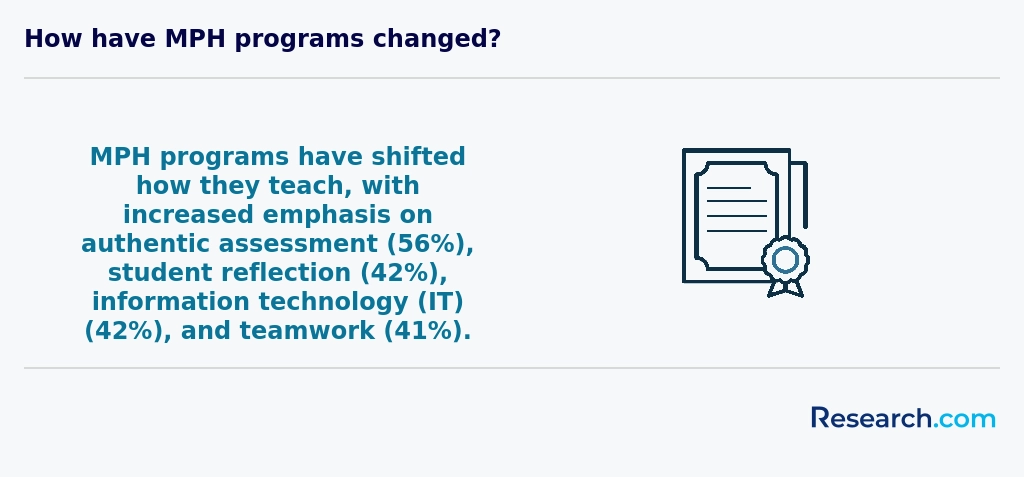
Graduates with a public health degree in the Midwest find a wealth of career paths that suit their passions and talents. Many pursue roles as community health workers or epidemiologists, especially in urban areas like Chicago and Minneapolis, where they tackle real-world health challenges firsthand. Others become environmental health specialists addressing air and water quality issues or health policy analysts influencing laws that protect local populations. A graduate from a prominent Midwestern university shared how their public health education led them to contribute significantly in healthcare administration, improving patient care while managing costs efficiently.
The demand for skilled public health professionals here is impressive, reflecting the strong job prospects for those focused on public health career opportunities in the Midwest. The region's diverse healthcare landscape means you can work in schools, nonprofit organizations, or hospitals, applying your knowledge in practical, impactful ways. Whether driven by data analysis or community wellness, your degree opens doors to meaningful work.
This accessibility is strengthened by affordable tuition rates at universities across the region, encouraging many students to explore the top 6 month associate programs online for flexible continuation of their education and career advancement.
Midwest public health degree job prospects are bright, and graduates often find their skills in demand across both rural and urban settings, making their careers both stable and rewarding.
The public health job outlook Midwest is very promising, especially for graduates from well-regarded programs at universities such as the University of Michigan or the University of Minnesota. Many graduates find rewarding roles in local health departments, hospitals, or non-profits focused on disease prevention-positions that offer both a meaningful impact and a chance to grow professionally. For example, a recent graduate working in Illinois shared how their MPH degree helped them secure a role as a health program coordinator, directly contributing to community wellness projects.
Midwest public health career opportunities also benefit from the region's expanding healthcare infrastructure and numerous public health initiatives. Salaries start around $45,000 to $65,000, with growth potential as experience builds. Entry-level professionals appreciate that cost-effective education here balances well with career prospects. Those seeking flexibility might explore the easiest way to get a master's degree available locally, which many find ideal while gaining real-world experience in nearby urban centers like Chicago and Columbus.
2027 Most Valuable Public Health Degree Programs Ranking in the Midwest
Investing in your education is a significant decision that can shape your future, and the Research.com team fully recognizes the importance of making informed choices. To support prospective students interested in public health, we have carefully developed the "2027 Most Valuable Public Health Degree Programs Ranking in the Midwest." Our dedication to quality, credibility, and accuracy is reflected through thorough research and rigorous analysis.
We utilized the following reputable data sources to ensure a comprehensive evaluation of public health programs:
By exploring this ranking, readers will gain valuable insights into the most valuable public health degree programs available in the Midwest, enabling smarter educational decisions aligned with their career goals. For more information on the methodology behind this ranking, please visit our Research.com methodology page.
# 1 position
Capella University
Doctor of Public Health

# 2 position
Walden University
Doctor of Public Health


# 4 position
Walden University
Master of Public Health

# 6 position
Capella University
Master of Public Health (MPH)


# 9 position
Walden University
BS in Public Health


.webp)


Frequently Asked Questions About public health
Public health students in the Midwest can maximize their learning by engaging actively with local community health initiatives. Many universities partner with state and county health departments, offering practical internships that connect classroom theory with real-world application.
Midwest schools often emphasize interdisciplinary studies, encouraging students to combine public health with fields like environmental science or sociology. This broad approach reflects regional public health challenges such as rural healthcare access and industrial pollution, providing relevant skills for future employment.
According to the Association of Schools and Programs of Public Health, institutions in Illinois, Michigan, and Minnesota rank highly for public health research and community engagement, highlighting opportunities for hands-on experience.
Students should also leverage conferences and workshops hosted by local chapters of the American Public Health Association to build professional networks and stay informed on regional health policies.
The public health field in the Midwest is rapidly evolving with several emerging niches gaining attention. One significant area is digital epidemiology, which uses data analytics and digital tools to monitor and predict disease outbreaks. The University of Michigan reports growing demand for specialists in this niche due to the increased reliance on big data.
Another expanding field is environmental health, focusing on how climate change impacts community health, particularly in industrial Midwestern states. According to the CDC, careers addressing pollution and public health intersections are expected to grow by over 10% by 2030.
Health equity and social determinants of health also remain critical, especially in diverse urban centers such as Chicago and Minneapolis. Professionals are needed to design programs targeting disparities in access and outcomes, with local health departments emphasizing this focus in hiring trends.
Preparing for the job market after earning a public health degree in the Midwest involves a mix of practical experience and networking. Students should pursue internships with local health departments or nonprofit organizations, as the Midwest has a strong focus on community health initiatives. These opportunities help build relevant skills and professional connections.
Certifications like Certified Health Education Specialist (CHES) can increase employability. According to the U.S. Bureau of Labor Statistics, employment for public health professionals in the Midwest is projected to grow by 11% through 2031, indicating strong job prospects.
Joining regional professional associations such as the Midwest Public Health Training Center aids in staying updated on job openings and trends.
Employers in the Midwest highly value public health graduates with strong analytical skills. The ability to interpret data and apply statistical methods is essential, as regional health agencies rely on precise data to address issues like chronic diseases and environmental health challenges.
Communication skills are also crucial. Graduates must effectively convey complex health information to diverse audiences, including policymakers and the public. According to the Association of Schools and Programs of Public Health, over 60% of Midwest employers prioritize this skill.
Additionally, proficiency in community outreach and cultural competency is key. The Midwest's diverse populations require tailored health interventions, making these skills indispensable for successful public health practice.
Finding internships in the Midwest relevant to a public health degree involves leveraging local resources and university partnerships. Many Midwest universities offer internship placement assistance through their public health departments, connecting students with nearby health departments, hospitals, and nonprofit organizations. According to the Association of Schools and Programs of Public Health (ASPPH), nearly 75% of accredited public health programs incorporate internships or practicum experiences as a graduation requirement.
Students should explore opportunities with established employers like county health departments in Illinois or Michigan, which frequently offer internships to aspiring public health professionals. Additionally, networking through regional public health associations can provide access to less advertised positions.
Utilizing online platforms such as Handshake or public health-specific job boards tailored to the Midwest improves chances. Engaging early in academic advising can also identify internships aligned with current public health challenges specific to the region, such as rural healthcare or chronic disease prevention initiatives highlighted by the Centers for Disease Control and Prevention (CDC).
A public health degree significantly enhances career mobility and advancement opportunities in the Midwest. According to the U.S. Bureau of Labor Statistics, the healthcare and social assistance sector in the region is growing faster than the national average, creating a strong demand for qualified public health professionals. Earning a degree helps graduates qualify for roles in government agencies, hospitals, and nonprofit organizations, which often require specialized knowledge in epidemiology, health policy, or community health.
In states like Illinois and Minnesota, public health master's degree holders report faster promotions and a median salary increase of 15-20% compared to those without advanced education, per data from the Midwestern Public Health Consortium. Additionally, ongoing partnerships between Midwestern universities and local health departments facilitate internships and networking, promoting career advancement within the region.
Studying for a public health degree in the Midwest equips students with interdisciplinary skills vital in today's health landscape. Midwestern programs often emphasize collaboration across fields like epidemiology, health policy, environmental health, and biostatistics. This approach reflects the region's diverse health needs, including rural health disparities and urban population challenges.
The integration of hands-on experiences with community organizations and healthcare providers allows students to apply theoretical knowledge practically. According to the Association of Schools and Programs of Public Health, many Midwestern schools rank highly for their cross-disciplinary curriculum and community engagement.
Such programs prepare graduates to work in varied settings, from government agencies to nonprofits, addressing multifaceted public health problems through teamwork.
When choosing between a thesis and a non-thesis public health degree program in the Midwest, students should consider their career goals. Thesis programs usually require original research and are suited for those interested in academic, research, or doctoral study paths.
Non-thesis programs focus more on practical skills and coursework, appealing to students aiming for immediate work in public health agencies or healthcare organizations. In the Midwest, many accredited programs offer both options, with thesis tracks often lasting longer due to research commitments.
According to data from the Council on Education for Public Health, about 45% of Midwest public health graduates pursue thesis options, reflecting regional research investment trends.
Students based in the Midwest who wish to study public health abroad have several opportunities through exchange programs and study abroad partnerships offered by regional universities. Many public health degrees in the Midwest, including those at the University of Michigan and University of Minnesota, provide established international collaborations with institutions in Europe, Asia, and Latin America. These programs typically last a semester or a summer and often include internships or fieldwork focused on global health challenges.
Midwestern schools frequently support these experiences with scholarships dedicated to public health students interested in gaining international exposure. According to NAFSA, study abroad participation from the Midwest has grown annually, reflecting increasing student interest.
Choosing study abroad options helps students develop a global perspective on public health, a critical skill in today's interconnected world.
Students pursuing public health degrees in the Midwest have access to diverse part-time job opportunities that complement their academic learning. Many engage in community health outreach programs, often organized by local health departments, to gain firsthand experience in health education and disease prevention. According to the Midwest Public Health Training Center, internships and part-time roles in nonprofit organizations focusing on chronic disease management are common.
Jobs like research assistants in university public health labs also offer valuable hands-on experience with data analysis and epidemiology. Additionally, healthcare facilities in the region often hire student workers to support patient education and wellness programs.
Such roles not only build practical skills but also strengthen professional networks within Midwestern public health systems.
Public health students in the Midwest benefit from robust networking opportunities through regional professional organizations and university partnerships. Groups like the Midwestern Public Health Consortium promote collaboration among students, faculty, and professionals across multiple states.
Many Midwestern universities host annual public health conferences and career fairs that attract local employers, including government health departments and nonprofits. For example, the American Public Health Association reports that the Midwest has seen a 12% increase in public health job placements linked to these networking events over the past five years.
Students often access internship programs offered through city and state health agencies, enabling them to build valuable professional contacts within their communities. Additionally, Midwestern schools frequently connect students with alumni networks dedicated to public health careers, providing mentorship and job referral opportunities.
Alumni networks play a crucial role for public health degree students in the Midwest by providing valuable professional connections. These networks often include graduates working in local health departments, hospitals, and nonprofits, offering students access to internships and job opportunities. According to the Association of Schools and Programs of Public Health (ASPPH), 75% of public health graduates find employment through contacts made during their studies.
Participation in alumni events helps students gain insights into current Midwest public health challenges, such as addressing rural health disparities common in states like Iowa and Nebraska. Networking also supports mentorship, guiding students in career paths including epidemiology, health policy, or community health.
Strong alumni ties enhance collaboration and knowledge sharing, essential for tackling regional health issues effectively.
Public health degree programs in the Midwest offer various ways to tailor your studies according to career goals. Many universities provide concentrations such as epidemiology, health policy, environmental health, or community health education. Selecting a concentration helps focus your expertise on specific public health challenges relevant to the region.
Additionally, Midwest programs often incorporate practical experiences through internships or partnerships with local health departments, hospitals, and NGOs. The Association of Schools and Programs of Public Health (ASPPH) reports that hands-on training greatly increases job readiness and networking opportunities.
You can also customize your degree by choosing electives aligned with emerging regional issues, such as rural health disparities or opioid crisis intervention. Flexible course formats, including online or evening classes, accommodate working professionals seeking advancement in public health careers.
Public health students in the Midwest often encounter unique challenges related to the region's demographic and economic context. Many programs emphasize rural health, which can limit direct access to diverse clinical experiences compared to urban centers. According to the Association of Schools and Programs of Public Health (ASPPH), rural population health disparities require students to adapt to resource-constrained environments while addressing social determinants of health.
Additionally, funding and internship opportunities can be scarcer in Midwest states with lower public health expenditures. Students also face challenges balancing academic workloads with local community engagement, which is vital for their practical training.
With a public health degree, graduates in the Midwest can pursue several professional certifications that enhance career opportunities. The Certified in Public Health (CPH) credential, offered by the National Board of Public Health Examiners, is widely recognized and often sought by employers across states like Illinois, Ohio, and Michigan.
Another important certification is the Certified Health Education Specialist (CHES), which focuses on health promotion and education. This credential is valuable for those aiming to work in community health roles.
Additionally, epidemiologists often seek certification through the Certification Board of Infection Control and Epidemiology (CBIC). According to the Association of Schools and Programs of Public Health, certification increases job prospects and salary potential in the Midwest's growing healthcare sector.
Crafting a winning application for a public health program in the Midwest begins with highlighting your relevant academic background, such as coursework in biology, statistics, or social sciences. Programs like those at the University of Michigan or University of Minnesota emphasize both GPA and practical experience. Including volunteer work or internships in community health can strengthen your profile.
Personal statements should clearly address your motivation for pursuing public health, referencing regional health challenges like opioid addiction or rural health disparities, which are significant in Midwest states according to CDC reports. Admissions committees look for applicants who demonstrate a clear understanding of public health issues unique to the region.
Lastly, securing strong recommendation letters from professors or professionals familiar with your analytical and communication skills can improve your chances. Many Midwestern universities recommend two to three references who can attest to your readiness for graduate-level public health studies.
Public health careers offer a unique global perspective that combines local action with international impact. Graduates from Midwest public health programs often engage in efforts that address worldwide health challenges such as pandemics, chronic disease, and health inequities. The U.S. Bureau of Labor Statistics projects a 17% growth in public health jobs nationally by 2030, reflecting rising demand for experts who understand global health dynamics.
Midwestern universities increasingly incorporate global health topics into their curricula, preparing students for work with organizations like the CDC and WHO. According to the Association of Schools and Programs of Public Health, nearly 40% of accredited programs in the Midwest include courses on global health policy and epidemiology.
Understanding global health trends helps professionals manage diverse populations and emerging diseases in U.S. communities, making a Midwest public health degree valuable for international and domestic careers.
Gaining practical experience while studying public health in the Midwest is essential for career readiness. Many universities collaborate with local health departments and hospitals to offer internships or practicum placements. These opportunities allow students to apply classroom knowledge in real-world settings, addressing regional health challenges like rural healthcare access and chronic disease management.
Students can also engage in community-based research projects, often supported by federal grants, to develop skills in data collection and program evaluation. According to the Association of Schools and Programs of Public Health, over 70% of Midwestern public health programs include required fieldwork components, ensuring hands-on learning.
Volunteering with organizations such as the Midwest Public Health Association can further enhance practical skills and professional networking.
Choosing the right concentration in a public health degree program in the Midwest requires understanding regional health needs and your career goals. Common concentrations include epidemiology, health policy, environmental health, and community health. The Midwest faces unique challenges such as rural health disparities and chronic diseases like diabetes and heart conditions, which can guide your focus.
Research from the Association of Schools and Programs of Public Health (ASPPH) highlights growing demand for experts in behavioral health and health equity in this region. Evaluating local job markets through sources like the Bureau of Labor Statistics can also inform your decision.
Consider programs offering strong community engagement and internships to gain practical experience in Midwestern settings.
- Young WFPHA Initiative – Empowering Young Public Health Professionals https://www.wfpha.org/young-wfpha/
- Public Health/Global perspective - Wikiversity https://en.wikiversity.org/wiki/Public_Health/Global_perspective
- Work Experience Opportunities - Everyone Health Careers https://careerseveryonehealth.co.uk/work-experience/
- Public Health: A Global Perspective https://www.routledge.com/Public-Health-A-Global-Perspective/Singh/p/book/9781032644226
- Highest Paid Public Health Careers https://www.publichealthdegrees.org/careers/highest-paid-public-health-jobs/
- Know more about thesis vs non- thesis: what is the difference? https://studyfans.com/en/blogs/816
- Medical University of GdaÅsk https://publichealth.mug.edu.pl/
- 2025 Most Affordable Online MPH Programs https://www.onlineu.com/most-affordable-colleges/public-health-masters-degrees
- Engaging students through service-learning opportunities in public health https://sneb.org/engaging-students-through-service-learning-opportunities-in-public-health/
- Letter of Intent for Admissions to Masters of Public Health - how this program fits to my goals? https://essayforum.com/graduate/intent-admissions-masters-public-health-64817/