
2027 Most Affordable Online Public Health Degree Programs Ranking in North Carolina

Co-Founder and Chief Data Scientist
Exploring your options for a public health degree in North Carolina can feel overwhelming. This article presents the 2027 Most Affordable Online Public Health Degree Programs Ranking in North Carolina, carefully developed by the Research.com team of data scientists.
Our goal is to help you make a well-informed decision about affordable and quality programs that fit your needs. Whether you're starting your career or seeking advancement, earning a public health degree opens doors to meaningful work that impacts communities.
Reading this guide will empower you to choose a path that aligns with your goals and budget.
Key benefits of getting online public health degree in North Carolina
- Salary for public health degree graduates: Graduates can expect rewarding pay, such as Environmental Health Specialists earning about $86,710 annually and Health Educators around $69,790, reflecting strong financial prospects in North Carolina.
- Career paths: A public health graduate from the University of North Carolina might pursue roles like Community Health Worker or Occupational Health and Safety Specialist, offering diverse and impactful opportunities in healthcare and safety sectors.
- Benefits of online degrees: Online public health degrees from schools like East Carolina University offer flexibility for working students, allowing you to balance studies and life while earning a respected credential without relocating.
- 2027 Most Affordable Online Public Health Degree Programs Ranking in North Carolina
- What can I expect from online public health degree in North Carolina?
- Where can I work with online public health degree in North Carolina?
What can I expect from online public health degree in North Carolina?
The average cost of an online public health degree in North Carolina varies, often influenced by whether students qualify for in-state tuition at public universities like the University of North Carolina or East Carolina University. Graduates frequently recall feeling a sense of relief and optimism when discovering that in-state tuition rates for online programs can significantly reduce expenses, sometimes making advanced degrees more affordable than expected. These savings allow students to focus on mastering vital skills such as epidemiology and health policy without the heavy financial burden.
Many students appreciate flexible payment plans and scholarships offered by institutions across the state, which help them manage costs while balancing work and family commitments. For example, graduates often mention how financial aid enabled them to engage fully in practical projects and remote internships, enriching their learning without worry over mounting debt.
Looking ahead, the continued expansion of affordable online public health programs in North Carolina is likely to enhance accessibility, supporting a new generation of skilled professionals ready to address the state's evolving health challenges with confidence and dedication.
Where can I work with online public health degree in North Carolina?
Graduates with an online public health degree from renowned North Carolina schools like UNC Chapel Hill and East Carolina University increasingly find themselves stepping into dynamic roles that directly shape community wellbeing across the state. Many begin careers in local health departments, applying skills in data analysis and health communication to combat health disparities in both urban centers and rural areas. One graduate shared how involvement in maternal health programs sparked a deep sense of purpose and opened doors to leadership in nutrition assistance initiatives.
Hospitals such as Duke Health offer expanding opportunities for public health graduates to engage in patient education and quality improvement, especially following pandemic-driven shifts that demand expertise in disease prevention. Alumni often describe a rewarding transition from online learning to impactful work on community outreach teams, feeling energized by their contributions.
Nonprofits and private firms also attract these graduates, where they innovate on policies addressing mental health and workplace wellness. The growing demand throughout North Carolina for professionals who can tackle chronic diseases and health equity means future graduates can expect promising and meaningful career paths that nurture both their skills and their passion for public service.
Graduates from online public health programs at institutions like the University of North Carolina and East Carolina University often find themselves stepping into roles with promising salaries. For example, community health workers in North Carolina earn a mean annual wage of about $52,610, providing a solid starting point for those launching their careers after a bachelor's degree. Health educators see even more potential, with average earnings near $69,790, reflecting their vital role in educating communities and shaping health initiatives.
As graduates pursue advanced roles, such as environmental health specialists or occupational health and safety specialists, salaries increase significantly, with mean wages around $86,710 and $85,570 respectively. These paths reflect real stories from alumni who appreciated how their online education translated directly into impactful, well-paid public health careers.
The evolving health landscape in North Carolina, particularly in urban centers like Raleigh and Charlotte, promises growing demand for skilled public health professionals. Many graduates express excitement about earning potential increasing further as specialized certifications and practical experience come into play, aligning perfectly with emerging public health challenges and innovations within the state.
- Tuition for online bachelor's degrees in public health at North Carolina public universities ranges from $6,000 to $10,000 per year for in-state students.
- Employment for public health professionals in North Carolina is projected to grow by about 12% over the next decade.
- Early-career salaries average around $50,000 annually, increasing to $70,000 to $85,000 for experienced workers in mid-to-late career stages.
- Programs often have CEPH accreditation and offer concentrations like health policy, environmental health, and community health promotion.
- Many online programs include practicum or internship components that can be completed locally to meet hands-on training requirements.
Completing an online public health degree in North Carolina often varies depending on the level pursued and a student's lifestyle. Graduates from well-known institutions like the University of North Carolina at Chapel Hill or East Carolina University frequently share how flexible pacing made balancing work and family feasible. For example, many undergraduates finish their Bachelor of Science in Public Health in about four years, but some take up to six years when studying part-time or managing other responsibilities.
Master's degree holders, particularly from programs such as the online MPH at NC State University, often report completion times between 18 months and two years. Some accelerated tracks have enabled highly motivated students to finish in as little as one year by leveraging summer courses and heavier workloads. This adaptability sparks optimism, showing how online formats in North Carolina are evolving to fit diverse schedules while maintaining academic rigor.
Doctoral degree candidates experience more variability, with 3 to 5 years typical. North Carolina's online doctoral programs encourage integration of research with professional practice, inspiring students to engage deeply at their own pace. This blend of real-world application and academic study cultivates a rewarding journey that many find fulfilling despite longer timelines.
Graduates from the University of North Carolina at Chapel Hill recall how online public health programs allowed them to balance demanding jobs and family life by accessing coursework anytime, anywhere in the state. This flexibility reduces stress and commuting costs, making education feel more achievable. Meanwhile, those who attended on-campus programs at East Carolina University often highlight the energizing atmosphere of in-person classes, hands-on lab experiences, and spontaneous study sessions with peers, which deepened their passion for public health.
Future trends may blend these benefits-imagine hybrid models where online students join virtual internships with local health departments like those near North Carolina Central University, gaining real-world skills without relocating. Online formats may increasingly incorporate live discussions, enriched with local case studies relevant to North Carolina's unique public health challenges, fostering a strong community feeling even at a distance.
Both paths offer accredited, quality education, but the choice often hinges on personal lifestyle, cost considerations, and the desire for direct campus engagement. This evolving landscape invites students to envision a customized education combining convenience with immersive experiences.
The average cost of an online public health degree in North Carolina reflects a promising balance between quality and affordability, making it an attractive option for many students. Based on median data, in-state students typically face a total cost around $17,281, while out-of-state learners encounter a higher investment near $51,980. Graduates from well-regarded programs at institutions like the University of North Carolina system or East Carolina University often share how their tuition investment felt worthwhile given the flexible, career-focused education they received.
Because North Carolina offers several affordable online public health programs North Carolina tuition is competitive compared to in-person alternatives, allowing students to pursue rigorous coursework without relocating or sacrificing income from employment. Many students describe how accessing these programs online helped them balance family commitments and careers while advancing their qualifications in a growing field.
Technology fees and materials are sometimes factors adding modest additional costs, but practical residencies and digital resources provided by schools often lower the overall financial burden. In fact, several graduates emphasize the value of employer tuition assistance programs and financial aid, which can make the path more accessible and manageable.
For those curious about the long-term benefits, exploring how an online degree can foster career advancement may be worth considering, including expanding nursing career paths through interdisciplinary public health knowledge.
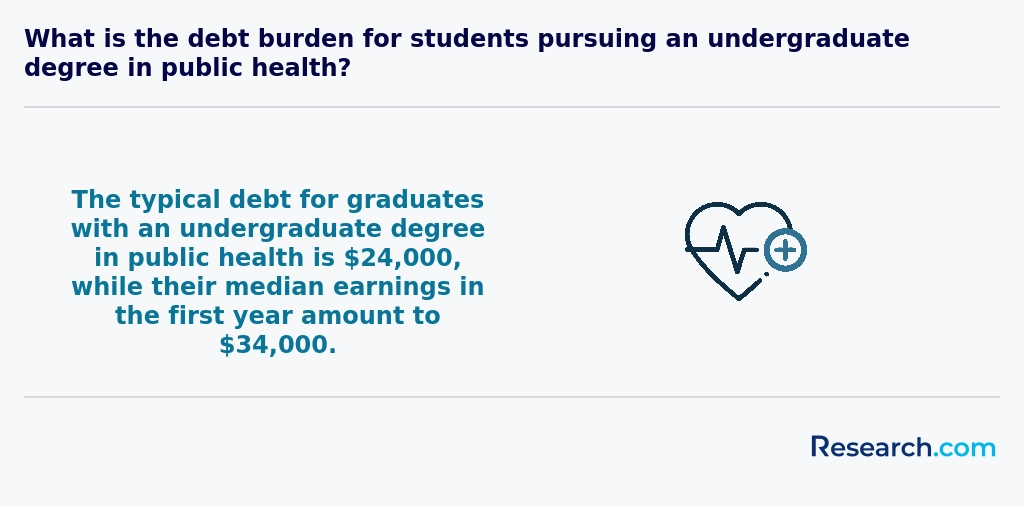
Online public health students in North Carolina often find financial aid evolving to meet their needs, blending traditional support with innovative options. Graduates from institutions like the University of North Carolina at Chapel Hill and East Carolina University frequently share how federal aid-such as Pell Grants and subsidized loans-served as essential lifelines during their studies, enabling them to focus on coursework instead of financial stress.
State scholarships, including the North Carolina Need-Based Scholarship, increasingly target online learners to ensure accessibility. Students appreciate how these programs acknowledge their unique challenges, such as balancing work and family commitments while studying remotely.
Many graduates also report benefiting from graduate assistantships that offer stipends alongside tuition remission, often tied to public health research or community outreach projects, creating hands-on experience while easing financial burdens.
Looking ahead, partnerships between North Carolina's public health employers and universities may expand, offering more robust tuition reimbursement and scholarships designed to retain skilled professionals within the state's growing healthcare workforce.
Early FAFSA completion and proactive exploration of institutional aid portals remain key strategies for future students aiming to maximize support opportunities for their online degrees.
To enroll in an online public health degree in North Carolina, most programs require a bachelor's degree from an accredited institution, though not necessarily in public health. Graduates often recall how their backgrounds in biology or sociology from schools like the University of North Carolina or East Carolina University helped them confidently meet this prerequisite. A minimum GPA typically around 2.5 to 3.0 is expected, reflecting academic readiness without unnecessary barriers.
Many programs ask for prerequisite courses in biology and statistics, which former students found crucial when applying knowledge to real-world public health challenges, such as analyzing community health data or managing outbreak responses virtually. Letters of recommendation and a statement of purpose remain important, allowing applicants to share their passion and experiences, often from volunteering or working in health settings.
Interestingly, while GRE scores once felt mandatory, more North Carolina schools are now waiving this test, reducing stress for applicants balancing work and study. This shift reflects a growing recognition that practical experience and motivation often speak louder than exams.
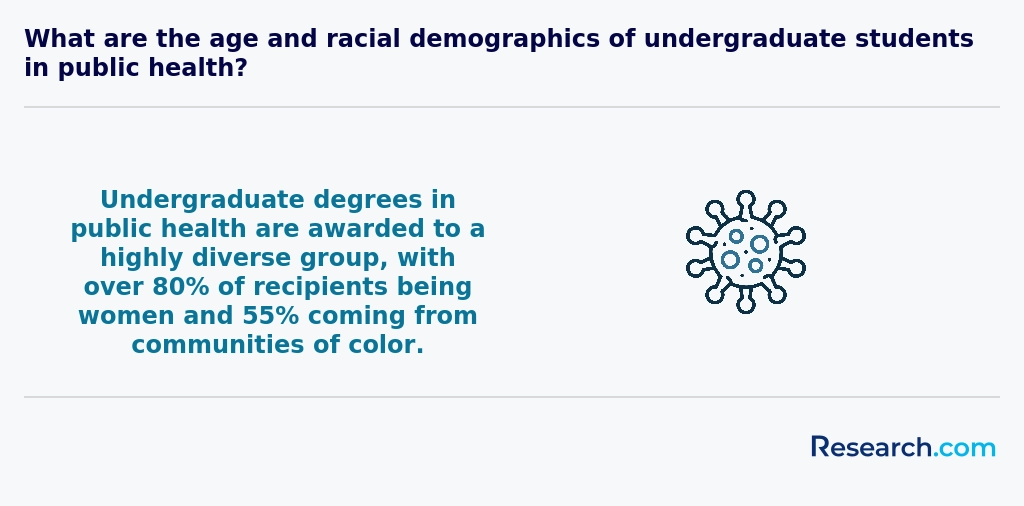
Online public health degree programs in North Carolina, such as those offered by universities like UNC Chapel Hill and East Carolina University, typically include foundational courses like epidemiology, where students learn to track disease outbreaks and understand patterns affecting community health. Graduates often recall how these skills made real-world impact tangible when analyzing recent local health crises or pandemic responses.
Biostatistics is another core course, teaching students to interpret health data effectively-a vital skill for making evidence-based decisions. Many students have found that mastering these techniques allowed them to feel confident applying for research roles focused on North Carolina's unique health challenges, such as rural health disparities.
Environmental health courses explore concerns like pollution effects in industrial towns, empowering students to advocate for healthier environments. Health policy and management classes prepare learners to influence local and state health initiatives, an inspiring prospect for those driven to enact change within North Carolina's healthcare system.
Social and behavioral sciences reveal how cultural factors shape health behaviors-a topic particularly relatable in diverse communities across the state. Reflecting on their education, graduates express enthusiasm about practicum projects, which connect theory with action in real North Carolina settings, igniting a passion for future public health leadership.
Online public health degree specializations in North Carolina offer pathways that reflect both the state's unique health challenges and the evolving global landscape. Graduates from well-regarded institutions often highlight how focusing on Epidemiology helped them respond confidently to local outbreaks and chronic disease issues, a demand growing in places like Raleigh and Charlotte. Others pursuing Health Policy and Management find fulfillment shaping healthcare delivery systems within North Carolina's diverse hospitals and government agencies.
With increasing environmental concerns, Environmental Health specialists trained through online programs report positive experiences addressing pollution and occupational hazards, particularly in the state's rural and industrial regions. Meanwhile, Global Health is gaining momentum, enabling students to tackle worldwide problems, which graduates describe as deeply rewarding when applying lessons learned remotely to real-world crises beyond North Carolina's borders.
Community Health remains a vital specialization, especially for those motivated to reduce disparities in underserved areas, a sentiment echoed by alumni from major North Carolina schools proud of making tangible local impacts. Many prospective students also explore how these specializations impact on nursing careers, blending roles in public health and nursing to broaden their influence.
Choosing the best online public health degree in North Carolina involves looking beyond basic criteria to future trends like program adaptability and advanced technology integration. Graduates from popular universities in the state often highlight how flexible schedules and asynchronous courses allowed them to juggle demanding jobs while gaining relevant skills in epidemiology or health policy. Affordability remains a key factor; many find that affordable public health degrees NC online help ease financial stress while accessing quality education, especially when programs hold strong accreditation and offer scholarships. Prospective students imagine themselves collaborating virtually with faculty who bring real-world experience from the state's public health agencies, enhancing career readiness. Some graduates stress the value of checking every detail, from curriculum specialization options to robust student support, reflecting what you'd expect from reputable programs.
In fact, understanding accreditation for nursing programs can also inform your choice in public health degrees, ensuring recognition by employers and state bodies. These thoughtful considerations help you pick a program fully aligned with evolving public health demands in North Carolina.

Graduates pursuing online public health careers in North Carolina find themselves entering a dynamic job market shaped by both regional health priorities and national trends. Many alumni from popular institutions like the University of North Carolina and East Carolina University share how their roles as health educators or community health workers in local departments have allowed them to directly impact public wellness, fostering a strong sense of purpose and community connection. The expanding focus on disease prevention and health promotion creates avenues in governmental agencies and nonprofit organizations, where graduates contribute to meaningful health initiatives.
For those inclined toward data and analysis, a future as a public health analyst or epidemiologist working with state agencies like the North Carolina Department of Health and Human Services offers a vital role in tracking and managing health threats. Others have found rewarding careers in healthcare management or policy, influencing how systems adapt to emerging challenges, including climate change's public health effects.
Exploring career options is also eased by affordable online degree paths, often compared favorably to traditional programs or alternatives like LPN programs in Colorado. This affordability encourages students to envision careers that blend passion, financial stability, and service to North Carolina's diverse communities.
Graduates with an online public health degree in North Carolina are positioned to meet the growing demand driven by the state's focus on preventive care and community wellness. Popular institutions such as the University of North Carolina and East Carolina University offer strong programs that prepare students for diverse roles in government agencies, nonprofits, and healthcare providers. Many recent graduates describe feeling hopeful and motivated as they find opportunities in urban centers like Raleigh and in rural areas where public health expertise is urgently needed.
The job outlook for public health graduates North Carolina shows promising trends, with many taking advantage of remote and telehealth positions that extend beyond traditional workplaces. Online learners benefit from practical experiences aligned with the state's commitment to health equity, allowing them to develop skills that employers value. Some graduates also explore additional certifications, enhancing their career paths.
To complement their degrees, students often explore allied fields and training pathways, similar to those found in LPN education in Virginia, broadening their qualifications and job prospects in the dynamic healthcare environment.
2027 Most Affordable Online Public Health Degree Programs Ranking in North Carolina
Investing in your education is a significant decision that can shape your future, and the Research.com team understands the importance of making informed choices. To assist prospective students in North Carolina, we have meticulously created the "2027 Most Affordable Online Public Health Degree Programs Ranking in North Carolina." Our commitment to quality, credibility, and accuracy is demonstrated through careful research and analysis in compiling this ranking.
We utilized the following reputable data sources to ensure a comprehensive evaluation of public health programs:
By exploring this ranking, readers will gain valuable insights into the most affordable and credible online public health degree options in North Carolina, empowering them to make well-informed decisions about their education. For more details on our methodology, please visit our Research.com methodology page.


Frequently Asked Questions About public health
Online public health degree students in North Carolina can maximize their learning by actively engaging with course materials and participating in virtual discussions. North Carolina ranks among the top states for public health job growth, making internships and networking with local health departments essential for practical experience. Utilizing resources like the North Carolina Department of Health and Human Services website provides current data and policy updates relevant to state-specific issues. Students should also seek out mentorship opportunities through professional organizations such as the North Carolina Public Health Association. Combining theory with real-world context strengthens understanding and career readiness.
The field of public health is rapidly evolving, with several emerging niches gaining prominence. One notable area is epidemiology focusing on infectious disease modeling, especially important given recent global health challenges. North Carolina has increased investment in health data analytics, reflecting a growing demand for professionals skilled in interpreting complex health data to guide policy decisions.
Environmental health is another rising niche, addressing issues like pollution and climate impact on communities. The state's diverse ecosystem provides unique opportunities for such research.
Additionally, global health equity and health communication are expanding areas, driven by the need for effective outreach and intervention in diverse populations across North Carolina and beyond.
Preparing for the job market after earning an online public health degree in North Carolina involves strategic planning and skill development. First, gaining practical experience through internships or volunteer opportunities with local health departments or organizations like the North Carolina Department of Health and Human Services can be crucial.
Networking within professional associations, such as the North Carolina Public Health Association, helps connect graduates to job leads and mentorship. Familiarity with state-specific public health challenges, including rural health disparities and chronic disease management, strengthens resumes.
Additionally, obtaining certifications like Certified Health Education Specialist (CHES) boosts employability. According to the U.S. Bureau of Labor Statistics, public health jobs in North Carolina are projected to grow by 10% through 2031, signaling strong opportunities for qualified graduates.
Employers in North Carolina increasingly seek public health graduates with strong analytical skills. The ability to interpret data and understand epidemiological trends is essential, especially as the state focuses on addressing rural health disparities and chronic disease management (North Carolina Department of Health and Human Services, 2023).
Communication skills are also highly valued. Graduates must convey complex health information clearly to diverse populations, aiding in community outreach and education programs.
Knowledge of health policy and program planning is critical. Public health professionals should be able to navigate local and federal regulations while designing effective interventions.
Finally, technology proficiency, including familiarity with health informatics systems, enhances a graduate's employability in the evolving health landscape of North Carolina.
Finding internships relevant to a public health degree in North Carolina begins with exploring opportunities offered by local health departments, hospitals, and nonprofits. The North Carolina Department of Health and Human Services (NCDHHS) provides numerous internship openings that give hands-on experience in public health programs.
Universities offering online public health degrees often have partnerships with institutions throughout the state, helping students access internships remotely or locally. Websites like Handshake and the Public Health Jobs board specifically list internships in North Carolina.
Statistics show that public health roles in North Carolina are growing, with a 7% job growth projected through 2030, making internships a crucial step in building a strong resume.
Connecting with professional organizations such as the North Carolina Public Health Association can also aid students in networking and discovering valuable internship positions.
An online public health degree can significantly enhance career mobility and advancement in North Carolina's growing healthcare sector. The state's Department of Health and Human Services reports a steady increase in public health jobs, projecting 9% growth through 2030. This growth opens opportunities in epidemiology, health education, and policy analysis across both government agencies and private organizations.
Graduates with online degrees often benefit from flexible learning, enabling them to gain experience while earning credentials recognized by employers statewide. Additionally, North Carolina's online degree programs typically align with CEPH accreditation, ensuring quality education that meets industry standards and supports licensure or certification.
Skills gained online, such as data analysis and program management, are highly valued, helping professionals move into leadership roles or specialized positions. This degree helps bridge gaps in rural areas, where public health services are expanding, further boosting career prospects for online learners.
Studying for an online public health degree in North Carolina equips students with skills essential for interdisciplinary roles in healthcare and community settings. Programs often integrate coursework in epidemiology, biostatistics, health policy, and social sciences, fostering collaboration across multiple fields.
North Carolina's public health degrees emphasize practical experience, with many offering internships partnered with organizations like the North Carolina Department of Health and Human Services. This exposure helps students work effectively with professionals from medicine, social work, and environmental sciences.
According to the North Carolina Institute for Public Health, interdisciplinary teamwork is critical in addressing the state's rising chronic disease rates, highlighting the demand for graduates who can navigate diverse health challenges collaboratively.
When choosing between a thesis and a non-thesis public health degree program in North Carolina, consider your career goals and learning preferences. Thesis programs often require original research and a formal defense, suitable for students aiming for research roles or doctoral studies. Non-thesis options focus more on practical skills and coursework, fitting those seeking immediate employment in public health practice or administration.
North Carolina offers diverse public health programs online, with the Council on Education for Public Health (CEPH) accrediting many. The state's growing public health sector, highlighted by the NC Department of Health and Human Services, values both research and applied skills. Review program requirements carefully to align them with your objectives.
Students based in North Carolina seeking to study public health abroad while enrolled in online programs have limited direct options, as fully abroad-based public health degrees are rare within U.S. higher education pathways. Most North Carolina universities offering online public health degrees, such as UNC Chapel Hill or East Carolina University, focus on domestic delivery but may include international components like global health courses or study abroad partnerships.
Students can explore summer or semester-long study abroad programs affiliated with their home institution to gain international experience. According to the Association of Schools and Programs of Public Health (ASPPH), incorporating global health perspectives enriches public health training, vital for addressing worldwide challenges.
North Carolina's public health sector emphasizes global disease tracking and community health, making international exposure valuable. Prospective students should consult academic advisors about exchange opportunities to complement their online degree with abroad-based learning.
In North Carolina, part-time jobs that complement public health education typically include community health worker roles, health educator assistants, and data entry positions in local health departments. These positions provide practical experience with public health programs and help students build skills in outreach, data analysis, and health communication.
North Carolina's Department of Health and Human Services offers various internship and part-time opportunities, particularly in rural and underserved areas. According to the NC Public Health Association, these jobs often pay between $12 and $17 per hour, giving students financial support while enhancing relevant expertise.
Additionally, nonprofit organizations focused on chronic disease prevention and health promotion frequently seek part-time help, allowing students to engage with programs aimed at diverse populations. Such roles align well with online public health curricula and timing flexibility.
Online public health students in North Carolina benefit from diverse networking opportunities despite studying remotely. Many universities offer virtual career fairs and alumni networking events, connecting students with local public health professionals and employers across the state.
The North Carolina Public Health Association (NCPHA) provides accessible online meetings and conferences, enabling students to engage with key public health leaders and practitioners. Participation can enhance local connections and open pathways to internships and jobs.
Additionally, some programs encourage joining specialized student chapters of national organizations like the American Public Health Association (APHA), which facilitate broader networking on a regional and national scale.
Alumni networks offer valuable support to online public health degree students in North Carolina by connecting them with experienced professionals across the state. These networks facilitate mentorship opportunities and career guidance tailored to North Carolina's public health landscape. According to the North Carolina Public Health Association, engagement with alumni can increase job placement rates for graduates by providing exclusive access to statewide job fairs and internships.
Alumni often share local insights about public health challenges unique to North Carolina, such as rural health disparities and opioid crisis management. This knowledge helps current students apply theory to real-world situations effectively.
Strong alumni communities also foster collaboration and professional growth, which is essential in a field focused on improving public health outcomes.
Many public health programs in North Carolina offer flexible online formats that allow students to tailor their studies to specific career goals. Customization typically involves selecting electives, concentrations, or certifications in key areas such as epidemiology, health policy, or community health.
For example, some universities provide options to focus on rural health or healthcare management, addressing North Carolina's unique public health challenges. Aligning coursework with sectors like local government or nonprofit organizations can enhance employment prospects in the state.
Advisors often help students create personalized plans by considering their experience and career ambitions, ensuring relevant practicum or capstone projects. The NC Department of Health and Human Services reports growing demand in areas like chronic disease prevention, further guiding specialization choices.
Online public health students in North Carolina face several common challenges. Balancing coursework with work and family responsibilities is a frequent issue, as many learners are working professionals. Limited access to local public health resources and community engagement opportunities can hinder practical learning, especially since North Carolina's public health workforce is experiencing shortages, according to the North Carolina Department of Health and Human Services (NCDHHS).
Technical difficulties and inconsistent internet access are also concerns, particularly in rural areas where broadband connectivity falls below the national average. Additionally, some students report feeling isolated without in-person interaction, which may affect motivation and networking possibilities.
Managing financial costs is another challenge. While tuition can be more affordable online, students must consider expenses such as textbooks, technology, and sometimes out-of-state tuition differentials. Finally, staying updated with rapidly evolving public health issues demands strong self-discipline and resourcefulness, critical skills for succeeding in this field.
With an online public health degree, students in North Carolina can pursue various professional certifications to enhance their careers. A common certification is the Certified Health Education Specialist (CHES), which demonstrates expertise in health education and promotion. This credential is administered by the National Commission for Health Education Credentialing and is valued across the US.
Graduates may also consider the Registered Health Information Administrator (RHIA) certification if their focus includes health data management. Additionally, the Certified in Public Health (CPH) credential offered by the National Board of Public Health Examiners is recognized nationwide and supports roles in public health policy and leadership.
North Carolina's growing public health sector offers increasing demand for certified professionals, with state health departments and organizations often requiring or preferring these certifications. According to the North Carolina Department of Health and Human Services, certified professionals contribute significantly to improving community health outcomes statewide.
When applying to an online public health program in North Carolina, start by thoroughly researching each school's admission requirements. Schools often value a strong academic record, relevant volunteer or work experience, and clear career goals. According to the North Carolina Department of Health and Human Services, public health professionals in NC are in growing demand, so highlighting how your background aligns with local health challenges strengthens your application.
Be sure to write a concise personal statement explaining why you want to study public health online and how you plan to contribute to community health in North Carolina. Include any leadership roles or projects related to health initiatives. Also, request recommendation letters from professionals familiar with your skills in health or social services sectors.
Public health careers are increasingly viewed through a global lens, emphasizing the interconnectedness of health challenges worldwide. Professionals trained in public health are vital for managing pandemics, improving healthcare systems, and addressing social determinants of health across borders.
In the US, and specifically North Carolina, online public health programs prepare students to engage with global health issues by integrating international case studies and evidence-based practices. According to the North Carolina Department of Health and Human Services, the state's public health workforce also collaborates on global health initiatives, reinforcing the career's broad scope.
This worldwide outlook enhances opportunities in diverse fields like epidemiology, health policy, and environmental health, reflecting the growing demand for skilled professionals who understand health in a global context.
Gaining practical experience while pursuing an online public health degree in North Carolina is essential for career readiness. Many programs include required internships or practicum placements with local health departments or nonprofit organizations. The North Carolina Department of Health and Human Services offers opportunities that align with coursework, helping students apply theory in real-world settings.
Students can also engage in research projects or community outreach initiatives. Universities often partner with regional hospitals and health agencies, providing additional hands-on experiences. According to the North Carolina Public Health Association, these connections improve job prospects after graduation.
Additionally, online students benefit from virtual simulations and case studies designed to build skills relevant to North Carolina's public health challenges.
Choosing the right concentration within an online public health degree in North Carolina involves evaluating your career goals and the state's health priorities. North Carolina faces challenges such as rural healthcare access and chronic diseases, so concentrations like epidemiology or health policy can be particularly relevant.
Consider programs accredited by the Council on Education for Public Health (CEPH) for quality assurance. Look at North Carolina's Department of Health and Human Services data to identify areas with strong job growth, such as community health or environmental health.
Additionally, assess each concentration's curriculum and how it aligns with your interests in research, policy, or direct practice. Networking opportunities with local health agencies can also guide your decision.
- 2027 Most Affordable Online Public Health Degree Programs Ranking in South Carolina
- 2027 Most Affordable Online Public Health Degree Programs Ranking in Virginia
- 2027 Most Affordable Online Public Health Degree Programs Ranking in Florida
- 2027 Most Affordable Online Public Health Degree Programs Ranking in Maryland
- 2027 Most Affordable Online Public Health Degree Programs Ranking in Pennsylvania
- 2027 Most Affordable Online Public Health Degree Programs Ranking in Ohio
- 2027 Most Affordable Online Public Health Degree Programs Ranking in Missouri
- 2027 Most Affordable Online Public Health Degree Programs Ranking in New York
- 2027 Most Affordable Online Public Health Degree Programs Ranking in Massachusetts
- 2027 Most Affordable Online Public Health Degree Programs Ranking in Illinois
- Finding Fulfillment in Your Public Health Career Journey | PH SPOT https://phspot.org/finding-fulfillment-in-your-public-health-career-journey/
- Master of Science (M.S.) Major in Public Health Education and Promotion (Non-thesis Option) https://mycatalog.txstate.edu/graduate/education/health-human-performance/public-healthed-promo-nonthesis-ms/
- Are there Practical Experience Courses in an MPH Program? - Master's in Public Health Degree Programs https://www.masterspublichealth.net/faq/are-there-practical-experience-courses-in-an-mph-program/
- Loading https://www.cpalms.org/PreviewResourceStudentTutorial/Preview/166485
- How to Be a Good Candidate for a Public Health Job https://www.publichealthdegrees.org/careers/highest-paid-public-health-jobs/good-candidate/
- Is an Online MPH Right for You? | University of Bridgeport https://www.bridgeport.edu/news/is-an-online-mph-right-for-you/
- Young WFPHA Initiative – Empowering Young Public Health Professionals https://www.wfpha.org/young-wfpha/
- Practicum Program | NC Public Health Pathways https://www.ncphpathways.org/practicum-program
- Areas in Public Health https://www.publichealthcareers.org/areas-in-public-health.html
- What can I do with an online DrPH? - MPH Online https://www.mphonline.org/careers-online-drph/














