2027 Best Public Health Degree Programs Ranking in Syracuse

Co-Founder and Chief Data Scientist
Choosing the right public health degree program in Syracuse can feel overwhelming. Our 2027 Best Public Health Degree Programs Ranking in Syracuse, created by the Research.com team of data scientists, is here to simplify that decision.
This article highlights top programs that match your goals and aspirations. By exploring these rankings, you'll gain valuable insights helping you pick a program that's respected and suits your needs.
Pursuing a degree in public health opens doors to meaningful careers that make a real difference. Dive in and discover your path forward.
Key benefits of getting public health degree in Syracuse
- Salary benefits: Graduates with a public health degree in Syracuse can expect competitive salaries, such as $52,610 annually for Community Health Workers and up to $86,710 for Environmental Health Specialists, reflecting strong earning potential in the field.
- Career paths: A public health graduate from Syracuse University can explore diverse roles including Health Educator, Medical Assistant, or Occupational Health and Safety Specialist, offering meaningful work that directly improves community well-being.
- Online degree advantages: Earning a public health degree online from Syracuse-based programs provides flexible scheduling and the ability to balance work or family, making it easier to achieve your goals without sacrificing personal commitments.
- 2027 Best Public Health Degree Programs Ranking in Syracuse
- What can I expect from public health degree in Syracuse?
- Where can I work with public health degree in Syracuse?
What can I expect from public health degree in Syracuse?
The average cost of a public health degree in Syracuse varies widely, but students often find it more accessible than many expect. Graduates from institutions like Syracuse University report that tuition and fees for public health programs typically range from $20,000 to $40,000 per year, depending on whether they attend private or public colleges. What surprises many is how the value gained from hands-on experiences with local health departments outweighs the financial investment.
Many students emphasize the transformative nature of working alongside the Onondaga County Health Department, tackling challenges like asthma rates or lead poisoning in their own neighborhoods. These real-world applications make every dollar spent feel purposeful, illustrating how Syracuse's unique urban health landscape offers an education that's both rigorous and deeply connected to community impact.
Flexible program formats also allow working professionals to manage costs by balancing part-time study with jobs, which rounds out Syracuse public health experiences with financial pragmatism and emotional fulfillment.
Where can I work with public health degree in Syracuse?
Graduates with a public health degree in Syracuse often find themselves at the forefront of meaningful community impact, working in dynamic environments like SUNY Upstate Medical University or St. Joseph's Health. These roles go beyond traditional healthcare, immersing professionals in health education, epidemiology, and disease prevention efforts that directly affect local lives. One graduate shared how their work in a hospital's prevention program gave them a real sense of purpose by reducing chronic illness in underserved neighborhoods.
Government agencies such as the Syracuse-Onondaga County Health Department offer another realm where skills in data analysis and health communication become tools for protecting public welfare. Imagine influencing vaccination campaigns or environmental health initiatives that shape the well-being of entire communities-this is the daily reality for many public health alumni.
Nonprofits and social service groups present yet more compelling opportunities, especially for those passionate about social determinants of health like food security and housing stability. Graduates from Syracuse University's Maxwell School often describe collaborating on cross-sector projects that challenge them to innovate while nurturing deep community connections.
Graduates with a public health degree in Syracuse often find their earnings reflecting both regional demand and specialized skills. For instance, community health workers-roles many Syracuse area graduates pursue-earn about $52,610 annually on average, aligning closely with local entry-level wages between $45,000 and $60,000. Graduates from SUNY Upstate Medical University who step into health educator positions can expect higher pay, often reaching around $69,790 per year, which reflects growing responsibilities in community outreach and education.
More specialized roles, such as environmental health specialists or occupational health and safety specialists, command salaries above $85,000 nationally, suggesting that Syracuse graduates equipped with advanced skills or certifications could break into this higher income bracket. Those driven to merge hands-on impact with financial stability often find themselves motivated by the vibrant public health network around Syracuse's research centers and medical institutions.
These salaries aren't just numbers but stories of graduates proudly translating their academic efforts into meaningful community health improvements, with compensation that grows alongside skills and professional growth in Central New York's supportive environment.
- Public health degrees in Syracuse cost approximately $25,000 to $40,000 per year for in-state tuition, with higher rates for out-of-state students.
- Many programs offer financial aid, scholarships, or assistantships to help reduce education expenses.
- Entry-level public health professionals in Syracuse earn between $50,000 and $60,000 annually.
- Experienced public health workers, especially those with five or more years, can earn salaries ranging from $70,000 to $85,000.
- Career opportunities are available in government, hospitals, nonprofits, and community health programs across Syracuse.
- Public health programs often require internships or field placements, providing practical experience and connections to local employers.
Completing a public health degree in Syracuse often challenges expectations about timeframes. Graduates from local institutions frequently share how their four-year Bachelor of Science in Public Health felt both intense and rewarding when pursued full-time. One recalls balancing coursework with community service, which made those four years fly by yet still allowed deep learning.
Master's students at Syracuse universities often highlight the flexibility offered by programs-some finish their MPH in two years full-time, while others extend to three years when juggling part-time work or family. This adaptability turns what might seem like a rigid timeline into a personalized journey.
Doctoral candidates in Syracuse face a different reality: four to six years of focused research and writing, with progress tied closely to dissertation milestones. One graduate noted the pride in achieving this milestone despite the demanding timeline, emphasizing the drive and passion fueling their path.
These real-life perspectives affirm that while public health degrees in Syracuse have typical durations, they also allow room for individual pace and life's unpredictability.
Choosing a CEPH-accredited program ensures that your degree from Syracuse meets rigorous standards for curriculum, faculty expertise, and student outcomes. Accredited programs undergo regular review by the Council on Education for Public Health (CEPH), guaranteeing that core competencies-such as epidemiology, biostatistics, and environmental health-are thoroughly covered and aligned with industry best practices. For students evaluating options, even those looking for an easy bachelors in public health program should verify accreditation status to safeguard eligibility for federal financial aid, streamlined licensure pathways, and seamless credit transfers between institutions. After graduation, earning the Certified in Public Health (CPH) credential from the National Board of Public Health Examiners can significantly boost your credibility and job prospects. The CPH exam assesses mastery of foundational domains-ranging from public health biology to systems thinking-and is recognized by employers nationwide. Many Syracuse graduates recommend enrolling in a CPH review course during your final semester to consolidate learning and increase your exam-day confidence. Additionally, maintaining certification requires ongoing continuous professional development (CPD), which keeps you current on emerging health threats, policy changes, and innovative intervention strategies throughout your career.
Choosing between online and on-campus public health degrees in Syracuse often hinges on more than just convenience. Graduates from Syracuse University's Falk College frequently talk about the irreplaceable value of face-to-face interactions-engaging directly with professors and peers sparks lively discussions and fosters networks essential for careers in public health.
Contrast this with online students who cherish the autonomy to study asynchronously, fitting classes around jobs or family. For many, this flexibility reduces stress and opens doors that traditional schedules might close. Yet, some online learners find themselves missing spontaneous campus connections, relying heavily on virtual support services instead.
Financially, while on-campus learning averages $20,000-$25,000 annually including housing, online programs hover closer to $18,000-$22,000, easing budget worries but not necessarily tuition itself. Graduates recall internships secured through on-campus ties with local agencies like the Syracuse-Onondaga County Health Department-experiences harder to replicate online but vital for hands-on skill-building.
Ultimately, the real difference surfaces in daily experience: immersive community versus flexible independence, each shaping how students grasp public health's challenges and opportunities in Syracuse's vibrant educational landscape.
The average cost of a public health degree in Syracuse typically centers around $65,528 for in-state students, with out-of-state students facing median totals near $86,469. Graduates from Syracuse University and other local institutions often reflect on these figures as a significant but worthwhile investment in their future. Many recall balancing tuition with part-time work or seeking employer tuition assistance, which softened the financial burden and made the pursuit feel attainable rather than overwhelming.
When considering total tuition and fees for public health programs Syracuse students frequently weigh specialized resources and expert faculty as key reasons for the premium price. One graduate described feeling energized by the real-world exposure and network built through the university, justifying the cost through enhanced career readiness. Conversely, those who began at Onondaga Community College emphasize affordable foundational courses that helped them save money before transferring to full degree programs, emphasizing other pathways within the local educational ecosystem.
Understanding the average cost also means reflecting on additional expenses: textbooks, health insurance, and daily living expenses pile up quickly, sometimes adding $10,000 or more annually. Students seeking alternative routes sometimes explore online sonography degrees accreditation as a complement or alternative to traditional public health study. The line between cost and value is personal, shaped by individual goals and the vibrant academic community in Syracuse fostering both hope and resilience among students.
Many prospective students value not only an excellent academic program but also the strength of its alumni network and real-world career success. Graduates from Syracuse-based Public Health programs often mention how connections formed during their studies helped them land rewarding roles and continue their professional growth long after graduation. With active alumni networks, mentorship programs, and ongoing career support initiatives, these programs demonstrate a commitment to student success beyond the classroom. Many institutions also host reunions, guest lectures, and networking events that provide current students with valuable exposure to seasoned professionals and industry leaders. For instance, students interested in budget-friendly options frequently discover that some of the cheapest public health programs in new york lead to robust alumni communities that offer insider tips, job leads, and guidance on emerging trends in public health. This blend of academic rigor and community support creates a dynamic environment where student achievements are celebrated and professional trajectories are continually enhanced.
Students pursuing public health degrees in Syracuse often discover that financial aid extends well beyond the standard federal loans they initially expect. Graduates from Syracuse University frequently share how Pell Grants and Direct Loans provided crucial foundational support, enabling them to focus on their studies rather than financial stress. Yet, many are pleasantly surprised by university-specific scholarships tailored to public health majors, which can significantly ease education costs.
Consider a graduate who combined federal Graduate PLUS Loans with a federal work-study position on campus. This allowed hands-on experience tied to their degree while earning money to cover living expenses, making the entire process feel more manageable and rewarding. Others highlight the value of employer tuition assistance, particularly for those already working in local healthcare or government agencies, which transforms their professional roles into stepping stones rather than barriers.
Many also find hope in loan forgiveness programs like Public Service Loan Forgiveness (PSLF), especially when committed to underserved communities around Syracuse. These options challenge the assumption that debt is an unavoidable burden and highlight financial aid's role in fostering public health careers with lasting community impact.
Enrolling in a public health degree program in Syracuse demands more than just academic transcripts-it invites reflection on your readiness to engage deeply with complex community issues. Graduates from Syracuse-area universities often recall the challenge of balancing strong foundational knowledge in biology and social sciences with meaningful real-world experiences. For many undergraduates, excelling in high school courses like chemistry and math felt essential not only for admission but to grasp the interdisciplinary nature of public health.
At the graduate level, the expectations intensify. Applicants to Syracuse's Master of Public Health programs typically hold bachelor's degrees and bring forward experiences that resonate with local public health challenges-like volunteering at area hospitals or working with nonprofits combating urban health disparities. Reflecting on this, many alumni emphasize how letters of recommendation and a thoughtful statement of purpose become opportunities to demonstrate passion and contextual understanding, not just academic prowess.
This blend of rigorous academics and tangible commitment shapes the very essence of what Syracuse schools seek in potential students, inviting you to consider how your own journey aligns with the city's dynamic health environment.

Investing in a Public Health degree is a significant financial commitment, and understanding the return on investment (ROI) is crucial for prospective students. On average, Syracuse University MPH graduates report a job placement rate of 92% within six months of graduation, with starting salaries ranging from $60,000 for Health Educators to $85,000 for Environmental Health Specialists-figures that align with national trends. Considering an average program cost of $48,000 (in-state) to $80,000 (out-of-state), graduates typically recoup tuition expenses within 3–4 years through increased earning power and career advancement opportunities. Beyond direct earnings, ROI also encompasses professional growth and networking benefits. Alumni networks in Syracuse boast over 500 active members working across local health departments, nonprofit organizations, and research institutions, facilitating mentorship and job referrals. Recent surveys show 78% of graduates receive at least one promotion or significant salary increase within two years, underlining the long-term value of the degree. For prospective students weighing program costs and outcomes, examining affordability benchmarks can be informative; for example, our Cheapest Online Master’s in Public Health Degree Programs Ranking in Texas offers insights into cost-effective alternatives and comparative ROI metrics. Finally, ROI is enhanced by strategic use of financial aid and employer tuition assistance. Graduates who combined scholarships, federal loans, and work-study programs reduced out-of-pocket expenses by up to 40%, accelerating their break-even point. Prospective students should explore all funding options and consider part-time or online program formats that allow continued employment, ensuring both academic progress and sustained income.
Graduates from well-known Syracuse institutions often recall how epidemiology courses transformed their understanding of health patterns-not as abstract data, but as stories of real people impacted by disease outbreaks in their own neighborhoods. Biostatistics then becomes less about numbers and more about empowering students to uncover truths hidden within messy urban health data.
Environmental health classes challenge students to rethink how Syracuse's industrial history and seasonal weather create unique health hurdles. Walking through local communities, they see firsthand how pollution or occupational hazards translate into urgent public health issues, making theory vividly tangible.
Courses in health policy and management push students to engage critically with the complex web of regulations and healthcare systems that shape Syracuse's diverse communities. Graduates report feeling a deep sense of responsibility as they learn to influence policies that truly serve public needs.
Finally, behavioral and social sciences encourage students to empathize with local populations, exploring how culture, behavior, and inequality interact to affect health outcomes. Electives on maternal and child health or global health provide further avenues to personalize their education, fueling passion for meaningful change in Syracuse and beyond.

In Syracuse, public health degree specializations go beyond textbook definitions, immersing students in real-world challenges that shape their understanding and passion. Graduates from well-known universities here recall hands-on experiences in epidemiology, where analyzing outbreak data felt like being on the front lines during a public health emergency. Others found their calling in health policy and management, navigating the complexities of healthcare systems and leadership through case studies rooted in Syracuse's own community institutions.
Environmental health remains a standout focus in Syracuse, reflecting the city's urban and industrial backdrop. Students describe a powerful connection between classroom theory and local concerns, like air and water quality impacting neighborhoods. The community health education track challenges graduates to innovate health promotion strategies that resonate across diverse groups, while global health students embrace the urgency of pandemic preparedness with a broader eye.
These specializations shape public health career options in Syracuse, offering students a mosaic of paths driven by purpose. For those also seeking interdisciplinary growth, balancing public health studies with insights from top nursing programs Cincinnati can further deepen impact and opportunity.
Choosing the best public health degree programs Syracuse offers is more than checking boxes for accreditation or cost. Graduates from popular Syracuse colleges often reflect on how their programs' ties to local agencies like the Onondaga County Health Department transformed classroom theory into tangible community impact. One recalls balancing a part-time schedule while interning with nonprofits, gaining skills unavailable in traditional settings. Such flexibility is crucial when deciding between full-time or hybrid formats.
Rather than solely focusing on tuition fees, consider the emotional payoff of engaging with Syracuse's public health network firsthand. Affordable public health schools in Syracuse may provide lower cost options, but digging deeper into curriculum focus-whether it's epidemiology, community health, or policy-reveals which degrees truly resonate with your passion. Alumni success stories frequently mention how these programs opened doors through local connections, positioning graduates for faster-than-average job growth in New York State.
For those who juggle work and education, exploring options like affordable online nursing degrees oregon serves as a reminder that alternative paths exist. Integrating flexible online elements or part-time study can be a strategic move in your public health journey, ensuring that your education not only fits your life but energizes your aspirations.

Graduates from Syracuse's well-regarded public health programs often find themselves navigating a landscape rich with diverse opportunities, challenging the notion that public health careers are limited to clinical settings. Many alumni emphasize how working locally as epidemiologists allows them to directly impact disease tracking and prevention, offering a gratifying connection between data and real-world outcomes. These roles are vital in Syracuse's evolving health ecosystem, reflecting the city's commitment to addressing complex public health issues.
Career options with public health degree Syracuse also include health educators and community health workers who draw from intense classroom experiences to engage vulnerable populations, making wellness education a personalized mission. Others move into administrative roles at community health centers or local government, balancing policy oversight with frontline impact. Syracuse graduates have highlighted the rewarding challenge of blending data analytics with policy advocacy to tackle social determinants of health, a growing focus that positions them at the forefront of innovative interventions.
For those weighing costs, institutions here offer competitive tuition, and students often explore the cheapest public health programs in new york, making advanced degrees more accessible while positioning graduates for strong employment in public health job opportunities Syracuse.
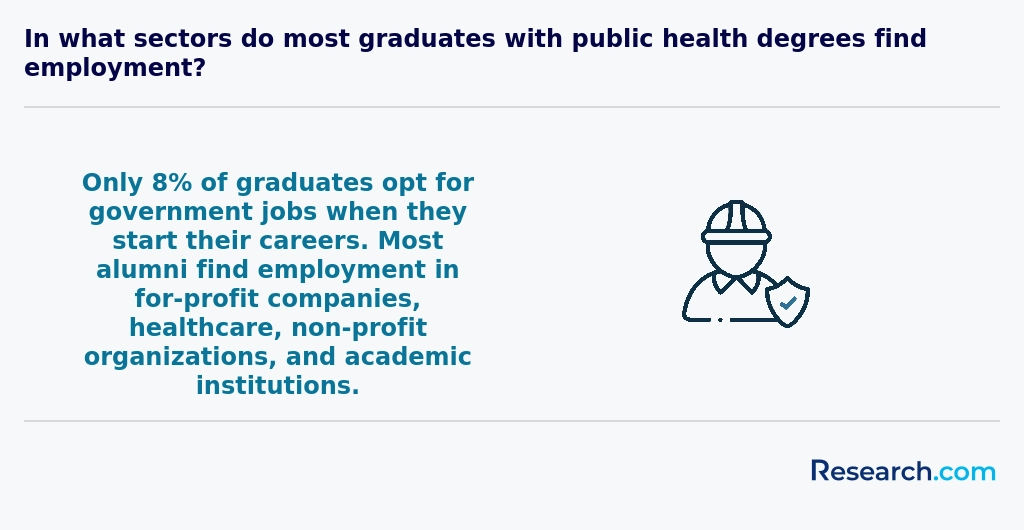
The public health job outlook Syracuse offers is shaped by the city's unique challenges and opportunities. Graduates from Syracuse-area institutions report being drawn into roles tackling chronic disease management and substance abuse, directly addressing local public health needs. Employment opportunities for public health graduates Syracuse are growing at a pace higher than many fields, driven by expanding community health programs and policy initiatives.
Many graduates find their initial roles in hospitals and nonprofit organizations, where practical experience gained through local internships proves invaluable. Universities known for their public health programs in Syracuse provide vital networking, connecting students with research centers focused on health disparities. One common reflection from these graduates is the rewarding feeling of contributing tangibly to their neighborhoods.
While entry-level salaries may trail behind state averages, the lower cost of living in Syracuse makes these positions attractive. Investing in education is made easier when considering options like the easy bachelors in public health program available locally, which helps many overcome financial barriers to entering this growing field.
2027 Best Public Health Degree Programs Ranking in Syracuse
Investing in your education is a significant decision that can shape your future, and the Research.com team understands the importance of making informed choices. To assist prospective students, we have meticulously crafted the "2027 Best Public Health Degree Programs Ranking in Syracuse." Our commitment to quality, credibility, and accuracy is reflected in the extensive research and analysis conducted to compile this ranking.
We utilized the following reputable data sources to ensure a comprehensive evaluation of public health programs:
By exploring this ranking, readers will gain valuable insights into the best public health degree programs in Syracuse, empowering them to make well-informed decisions about their educational paths. For more details on our methodology, please visit our Research.com methodology page.


Frequently Asked Questions About public health
Public health degree students in Syracuse can enhance their learning by engaging with local health organizations such as the Onondaga County Health Department. Practical experience through internships or volunteer work offers valuable insight into community health challenges and programs. Syracuse is part of a region with rising investment in public health infrastructure, providing students with opportunities to participate in initiatives addressing disparities in healthcare access.
Additionally, networking with professionals at events organized by Syracuse University's Maxwell School can broaden understanding of policy and administration aspects. Utilizing online databases like CDC WONDER and local health reports helps students apply data analysis skills to real-world cases, essential for careers in public health.
The field of public health is rapidly evolving, with new niches emerging to address modern challenges. In Syracuse, growing attention is being given to environmental health, focusing on urban pollution and its effects on vulnerable populations. This aligns with nationwide trends emphasizing sustainability and climate change impact mitigation, as reported by the Centers for Disease Control and Prevention (CDC).
Another expanding area is health informatics, which combines data science with public health to improve healthcare delivery and pandemic response. Syracuse's access to strong technology programs supports opportunities in this niche.
Additionally, behavioral health and mental health are gaining prominence due to rising community needs, a trend reflected by local health departments' increasing funding. These specialties offer promising career paths for students pursuing degrees in public health within the region.
Preparing for the job market after completing a public health degree in Syracuse involves strategic steps to enhance employability. Students should pursue internships with local health departments such as the Onondaga County Health Department, which often partners with universities to provide practical experience.
Networking through Syracuse-area public health events and joining organizations like the American Public Health Association (APHA) can open doors. Gaining skills in data analysis and epidemiology is crucial, as 2023 reports indicate a growing demand for these competencies in New York State.
Additionally, obtaining certifications like Certified Health Education Specialist (CHES) may improve job prospects in the Syracuse public health sector.
Employers in Syracuse seeking public health degree graduates prioritize strong analytical skills. Graduates must be able to interpret health data to support community health improvements effectively. According to the Onondaga County Health Department, data literacy helps tackle local health disparities, a key regional concern. Communication skills are equally vital, as professionals often work with diverse populations and public agencies.
Additionally, knowledge of health policy and program management is highly valued. Syracuse's public health sector focuses on collaborative efforts across organizations, requiring leadership and project coordination abilities. Problem-solving and cultural competence also rank highly, enabling graduates to address unique community challenges.
Finding internships in Syracuse relevant to a public health degree involves leveraging local resources and networking effectively. Syracuse hosts several healthcare institutions like Upstate University Hospital and the Onondaga County Health Department, which often offer internship opportunities. Students should regularly check these organizations' websites and contact their human resources or education departments.
University career centers, such as those at Syracuse University and SUNY Upstate Medical University, provide valuable internship listings and guidance tailored to public health students. Joining professional groups like the Central New York Public Health Association can also help connect students with internship opportunities and mentorship.
The U.S. Bureau of Labor Statistics highlights that practical experience through internships increases employability in public health. Local non-profits and community health programs in Syracuse frequently seek interns to support initiatives addressing pressing issues like opioid addiction and health disparities.
Obtaining a public health degree in Syracuse can significantly enhance career mobility and advancement opportunities in the region.
Syracuse hosts various healthcare organizations and public agencies that value advanced training in public health, increasing demand for graduates with these credentials.
According to the New York State Department of Labor, employment for health educators and community health workers is projected to grow by 11% statewide from 2022 to 2032, reflecting strong career prospects.
Public health degrees equip graduates with skills in data analysis, epidemiology, and health policy, which are critical for leadership roles in local hospitals, government, and non-profits.
Furthermore, Syracuse University and Onondaga Community College offer accredited programs that facilitate networking and internships, directly supporting career growth.
This education often leads to higher salaries and eligibility for management positions in the region's expanding health sector.
Studying for a public health degree in Syracuse equips students with skills to excel in interdisciplinary roles by integrating knowledge from healthcare, social sciences, and policy. Syracuse's academic programs emphasize collaboration between departments like biology, sociology, and environmental science. This approach mirrors real-world public health challenges that require multifaceted solutions.
Students engage in community-based projects and internships with organizations such as the Onondaga County Health Department, gaining practical experience in addressing local health disparities. According to recent data, Syracuse faces challenges like higher rates of asthma and lead exposure, encouraging programs to focus on environmental health and social equity.
Through such experiences, graduates are well-prepared to work across diverse fields, including epidemiology, healthcare management, and public policy, ensuring they can adapt to evolving public health needs.
When choosing between a thesis and a non-thesis public health degree program in Syracuse, consider your career goals and learning preferences. Thesis programs focus on original research, ideal for students interested in pursuing doctoral studies or research careers. Non-thesis options emphasize practical skills through internships and coursework, preparing students for immediate public health jobs in agencies or nonprofits.
Thesis formats usually require 6-12 months for research and writing, which may extend your study duration. Non-thesis tracks often finish faster, appealing to professionals seeking quick advancement. Syracuse's public health workforce grew 5% in recent years, increasing demand for skilled practitioners, especially in policy and community health roles (Syracuse University data, 2023).
Review program specifics and speak with advisors to understand how each path aligns with your ambitions and schedule.
Students based in Syracuse seeking to study public health abroad have several pathways through U.S. university partnerships and study abroad programs. While Syracuse University itself does not offer a dedicated public health degree with an established international exchange, many nearby institutions provide joint programs or summer study opportunities overseas. These programs often focus on global health issues and offer practical experience in public health systems outside the U.S.
Additionally, students can explore programs coordinated through organizations like the Council on Education for Public Health (CEPH), which accredits schools offering public health education and may facilitate international study components. According to the U.S. News & World Report, about 15% of public health students in the U.S. engage in international experiences during their studies, often enhancing their global perspective.
Local public health agencies in Syracuse, such as the Onondaga County Health Department, also sometimes partner with academic institutions to promote global public health understanding, which aspiring students might leverage for abroad study or internships.
Students pursuing public health degrees in Syracuse can benefit from various part-time job opportunities that enhance their practical skills. Positions such as community health worker assistants, research aides at local universities like Syracuse University, or interns at public health organizations provide valuable hands-on experience. These roles often involve data collection, health education, and outreach activities relevant to public health practice.
Syracuse's health sector employs approximately 12,000 people, emphasizing a strong local demand for support roles in public health fields, according to the New York State Department of Labor. Such jobs complement academic studies by developing communication and analytical skills vital in this sector.
Public health students in Syracuse have several valuable networking opportunities that enhance their educational experience and career prospects. Syracuse University, a local hub for public health education, often hosts seminars, workshops, and guest lectures featuring experts from regional health departments and organizations. These events help students connect with professionals actively working in community health and policy.
Additionally, Syracuse's proximity to multiple healthcare facilities, including hospitals and nonprofits, offers students internships and volunteer placements. Such experiences provide real-world contacts in public health practice.
Students can also participate in local chapters of national groups like the American Public Health Association, which encourages networking and professional development in the area.
Alumni networks play a vital role for public health degree students in Syracuse by offering access to a broad community of professionals. These connections help students gain mentorship, career advice, and internship opportunities within local health organizations such as the Onondaga County Health Department. Strong alumni ties can improve job placement, with Syracuse-based public health graduates benefiting from a reported 15% higher employment rate within six months post-graduation compared to the national average, according to recent figures from the New York State Department of Health.
Networking events and workshops led by alumni provide practical insights into epidemic trends and public health policies relevant to Central New York. Through these networks, students often receive support in navigating certifications like the Certified Health Education Specialist (CHES) credential, enhancing their professional qualifications.
Customizing a public health degree in Syracuse to align with your career goals is possible through a variety of flexible options offered by local institutions. Many programs allow students to select electives in areas like epidemiology, health policy, or community health, which helps tailor their expertise. For example, Syracuse University offers concentrations that reflect workforce needs in Central New York, a region where public health initiatives increasingly focus on chronic disease prevention and health equity, according to the Syracuse-Onondaga County Health Department.
Students can also pursue internships and research projects with local public health agencies, gaining practical experience relevant to their desired career paths. These hands-on opportunities are essential for networking and understanding community health challenges specific to Syracuse. Additionally, some programs provide part-time or online options, accommodating working professionals looking to balance education with employment. This flexibility supports personalized learning schedules and career progression simultaneously.
Public health students in Syracuse face several typical challenges that shape their educational journey. One significant obstacle is balancing rigorous coursework with practical fieldwork demands, including internships required by many accredited programs. Limited local public health agencies can make finding these opportunities competitive. According to the Syracuse University Department of Public Health, students often report difficulties securing placements that align with their specific interests.
Financial strain also affects many students, as tuition and living costs in Syracuse have increased over recent years. The New York State Education Department reports that public health programs require extended study periods, which can add to overall expenses.
Finally, students must navigate evolving public health issues such as pandemics and health disparities, requiring adaptability and ongoing learning. These challenges, while common, prepare students for the dynamic nature of public health careers in Syracuse and beyond.
A public health degree in Syracuse opens the door to several important professional certifications. The most common certification is the Certified in Public Health (CPH), offered by the National Board of Public Health Examiners. This credential demonstrates mastery of public health knowledge and skills, enhancing job prospects in government, healthcare, and community organizations.
Another valuable certification is the Certified Health Education Specialist (CHES), ideal for those focused on health promotion and education. Additionally, certifications like Registered Health Information Administrator (RHIA) may appeal to graduates interested in health data management.
In Syracuse, where public health agencies prioritize preparedness and community health, holding such certifications can be especially beneficial, reflecting both national standards and local workforce needs.
To write a winning application for a public health program in Syracuse, focus on clearly demonstrating your passion for community health issues. Syracuse's population faces unique challenges like high rates of chronic diseases, making local experience valuable. Highlight any volunteer work or professional involvement related to public health, especially within Onondaga County.
Emphasize your academic achievements, particularly in biology, statistics, or social sciences. Competitive programs often seek applicants with a GPA above 3.0 and relevant skills in data analysis or research methods.
Strong letters of recommendation from professors or employers familiar with your public health interests can significantly boost your application. Lastly, craft a personal statement that outlines your career goals and how a Syracuse-based program can support your contributions to local health improvements.
A public health career offers a broad, global outlook that extends beyond local or national boundaries. Professionals in this field address worldwide health challenges such as pandemics, chronic diseases, and health inequities. Public health degrees in Syracuse prepare students to engage with these global issues, reflecting the growing demand for experts who understand health in diverse socioeconomic and cultural contexts.
According to the Centers for Disease Control and Prevention, public health roles in the U.S. are expected to grow by 17% through 2031, driven by a need for global health knowledge. Graduates can work with international organizations or contribute to local health improvements that have global impact, highlighting the field's international relevance.
Students pursuing public health degrees in Syracuse can gain practical experience through various internships and community-based projects. Local institutions, such as the Syracuse Health Department and Upstate Medical University, frequently offer internship opportunities where students can engage with real-world public health challenges.
Additionally, many Syracuse-area programs encourage participation in service-learning courses that combine classroom knowledge with fieldwork. These often involve collaborating with nonprofits or government agencies focused on pressing public health issues, including disease prevention and health promotion.
The availability of such hands-on experiences helps students build essential skills while contributing to local communities. According to the New York State Department of Health, Syracuse-region public health initiatives emphasize practical training, benefiting both students and public health outcomes.
Choosing the right concentration within a public health degree program in Syracuse starts with understanding your career goals. Common concentrations include epidemiology, health policy, community health, and environmental health. Each focus area offers unique skills suited to different job markets.
Look into local health challenges-Syracuse faces issues like high rates of asthma and diabetes, making environmental and community health concentrations particularly relevant. The Center for Public Health Systems Science highlights growing demand for experts tackling these problems in the region.
Consider program offerings at Syracuse institutions, which often align with city health priorities. Reviewing faculty expertise and internship opportunities can also guide your decision.
- 2027 Best Public Health Degree Programs Ranking in Ithaca
- 2027 Best Public Health Degree Programs Ranking in Rochester
- 2027 Best Public Health Degree Programs Ranking in Albany
- 2027 Best Public Health Degree Programs Ranking in Buffalo
- 2027 Best Public Health Degree Programs Ranking in Bronx
- 2027 Best Public Health Degree Programs Ranking in New York
- 2027 Best Public Health Degree Programs Ranking in New Brunswick
- 2027 Best Public Health Degree Programs Ranking in New Haven
- 2027 Best Public Health Degree Programs Ranking in Philadelphia
- 2027 Best Public Health Degree Programs Ranking in Lowell
- Internships for MPH Students https://www.publichealthdegrees.org/careers/internships/
- Areas in Public Health https://www.publichealthcareers.org/areas-in-public-health.html
- Master of Science (M.S.) Major in Public Health Education and Promotion (Non-thesis Option) https://mycatalog.txstate.edu/graduate/education/health-human-performance/public-healthed-promo-nonthesis-ms/
- Why Public Health is the Ideal Career Path for Gen Z - Reach Out https://we-reachout.org/why-public-health-is-the-ideal-career-path-for-gen-z/
- Pre-Professional Health Experience Guide | PublicHealthOnline.org https://www.publichealthonline.org/pre-professional-experience/
- How to Get Your First Public Health Job - PHERN https://phern.communitycommons.org/early-career-professional-learning-series/how-to-get-your-first-public-health-job/
- Public Health - SUM Admission https://admission.sum.edu.pl/public-health/
- Young WFPHA Initiative – Empowering Young Public Health Professionals https://www.wfpha.org/young-wfpha/
- Know more about thesis vs non- thesis: what is the difference? https://studyfans.com/en/blogs/816
- Public Health Challenges – IPA SDG Dashboard https://sdg.internationalpublishers.org/sdgaction/public-health-challenges/