
2027 Best Online Public Health Degree Programs Ranking in the USA

Co-Founder and Chief Data Scientist
Choosing the right online public health degree can shape your future career and make a real difference in communities. Our article introduces the 2027 Best Online Public Health Degree Programs Ranking in the USA, carefully created by the Research.com team of data scientists.
This ranking helps you explore trusted programs designed to fit your lifestyle and goals. Whether you're starting fresh or advancing your education, earning a public health degree opens doors to rewarding opportunities and meaningful impact.
Discover the options that best suit you and take a confident step toward your future today.
Key benefits of getting online public health degree in America
- Graduates with a public health degree can pursue well-paid careers like Environmental Health Specialists earning a mean annual wage of $86,710 or Health Educators with $69,790, providing strong financial opportunities.
- A degree opens diverse career paths, from Community Health Workers to Occupational Health and Safety Specialists, offering roles in various settings such as hospitals, government, and nonprofit organizations.
- Online public health degrees offer flexibility to balance work and study, as seen by graduates from leading universities, making education more accessible without sacrificing quality or career growth.
- 2027 Best Online Public Health Degree Programs Ranking in the USA
- What can I expect from online public health degree in America?
- Where can I work with online public health degree in America?
What can I expect from online public health degree in America?
The average cost of an online public health degree in America can vary significantly based on factors such as the institution's public or private status and the student's residency. For example, graduates from well-known public universities often report paying between $10,000 and $25,000 per year for tuition, benefiting from in-state rates or special online learner discounts.
Private institutions typically charge higher tuition, sometimes exceeding $30,000 annually. However, many students cite access to financial aid, scholarships, and employer tuition assistance as crucial in making these programs affordable. Graduates frequently express appreciation for the flexibility these online programs offer, allowing them to work full-time in healthcare or community roles while advancing their education.
Popular schools such as the University of North Carolina and Johns Hopkins University offer rigorous online public health degrees that emphasize current public health challenges and practical experience. Students often engage in virtual internships with governmental or nonprofit health agencies, further enhancing their real-world skills and job prospects without geographic constraints.
Where can I work with online public health degree in America?
Graduates with an online public health degree in America find diverse career paths across government agencies, nonprofits, healthcare, research, and the private sector. Many graduates from top public health programs, such as those at Johns Hopkins University or the University of North Carolina, report securing roles at agencies like the CDC or state health departments. These positions involve epidemiology, emergency preparedness, and health policy, reflecting a projected 11% employment growth for health educators and community health workers between 2022 and 2032, according to the U.S. Bureau of Labor Statistics.
Nonprofit organizations offer opportunities focused on program management and advocacy, often serving underserved communities-an area where cultural competency learned during studies proves essential. Healthcare institutions also employ graduates for roles in population health management and quality improvement, requiring strong data analysis skills that many students develop through practical coursework.
Research roles at universities or institutions frequently involve data collection and collaboration on grant-funded projects. Meanwhile, the private sector, including biotech and pharmaceuticals, increasingly values public health expertise for regulatory and communication strategies, demonstrating the degree's broad applicability in real-world settings.
Graduates with an online public health degree in America can anticipate earnings varying significantly by role and experience. Community Health Workers typically earn a mean annual wage of about $52,610, while Health Educators, often employed by state health departments or non-profits, see higher average earnings near $69,790. Some graduates from programs at well-known public health schools find roles as Environmental Health Specialists, who earn a mean approximately $86,710 annually, reflecting advanced training in areas like environmental risk assessment. Occupational Health and Safety Specialists make similarly competitive wages around $85,570 a year, leveraging their expertise to protect workplace health.
Those starting at entry-level positions may earn closer to $40,000, but many alumni from respected institutions pursuing online degrees report quickly growing their income as they gain experience and move into supervisory or specialized roles. For example, graduates of top-ranked public health programs in states like New York and Massachusetts often benefit from higher local demand and wages, with salaries scaling upward as their skills prove indispensable to employers.
- Online public health degrees are offered at bachelor's, master's, and doctoral levels by accredited institutions following CEPH standards.
- Bachelor's tuition ranges from $15,000 to $40,000, master's from $20,000 to $60,000, and doctoral programs can be more expensive.
- Employment for health educators and community health workers is projected to grow 16% between 2021 and 2031.
- Starting salaries for master's graduates are typically $50,000 to $60,000 per year, with mid-career earnings between $70,000 and $90,000.
- Online programs include practical experiences like internships or capstone projects for real-world skills.
Completing an online public health degree in America typically depends on the level of study and enrollment status. Associate degrees generally take about two years, while bachelor's degrees commonly require around four years of full-time study from accredited institutions like the University of North Carolina or Johns Hopkins University. Many graduates appreciate the flexibility these programs offer, allowing them to balance work and family commitments by studying part time or accelerating their courses.
Master's degrees, such as the Master of Public Health (MPH), usually consist of 42 to 60 credit hours and can be completed in 12 to 24 months when studying full time at well-known schools like George Washington University or University of Michigan. Part-time enrollment extends this to three years or more, which suits working professionals eager to advance their careers without pausing employment. Graduates often highlight how transfer credits and prior coursework helped shorten their timelines, reflecting institution-specific policies and individual backgrounds.
Pursuing key certifications after earning your online Public Health degree can significantly enhance your expertise, credibility, and job prospects. Employers often prefer candidates who hold recognized credentials, and continuing education ensures you stay current with evolving best practices in the field. Common certifications include:
- Certified in Public Health (CPH): Offered by the National Board of Public Health Examiners, this credential validates your mastery of core public health knowledge and is highly valued by government and nonprofit employers.
- Certified Health Education Specialist (CHES) & Master Certified Health Education Specialist (MCHES): Administered by the National Commission for Health Education Credentialing, these certifications demonstrate proficiency in planning, implementing, and evaluating health education programs.
- Certified in Infection Prevention and Control (CIC): Ideal for those focusing on epidemiology and disease prevention, this credential showcases advanced skills in infection control protocols.
- Certified Occupational Health Nurse (COHN) or Certified Occupational Health Nurse Specialist (COHN-S): For graduates interested in workplace health and safety, these certifications highlight expertise in occupational health nursing and align with community health nursing career options. Continuing education is essential for maintaining these credentials. Professional organizations such as the American Public Health Association (APHA) and the Society for Public Health Education (SOPHE) offer webinars, workshops, and annual conferences that address emerging topics-from pandemic preparedness to health equity. By engaging in these opportunities, you not only earn continuing education credits but also expand your professional network, discover mentorship possibilities, and position yourself as an expert prepared to tackle complex public health challenges.
Online and on-campus public health degrees in America primarily differ in flexibility, cost, and learning environment. Graduates from universities such as the University of North Carolina and Johns Hopkins often highlight the convenience of online programs, which offer asynchronous courses that fit around full-time jobs or family responsibilities. This format eliminates commuting and housing costs, reducing the typical $12,000 annual tuition plus additional expenses seen in on-campus programs at public universities.
On-campus degrees, popular at institutions like UCLA and the University of Michigan, provide direct access to hands-on labs, community projects, and in-person networking. Students benefit from real-time faculty interaction and campus resources, fostering a collaborative atmosphere often missed online. However, online learners appreciate the ability to study from rural or underserved areas, accessing accredited programs identical in curriculum and faculty to their on-campus counterparts.
Both formats maintain rigorous academic standards set by CEPH, but online students must manage internships and practicals locally, cultivating strong self-discipline and organizational skills that many find rewarding in post-graduation careers.
The average cost of an online public health degree in America is around $32,760, with significant variation depending on residency status and institution type. In-state students typically pay a median total tuition of approximately $25,751, benefiting from lower rates at public universities. Out-of-state students face higher median costs near $31,430, reflecting the premium on non-resident tuition.
Graduates from well-regarded institutions often recall managing these fees alongside personal commitments, highlighting the importance of strategic financial planning combined with accessible tuition rates. For example, students enrolled in online public health programs at prominent universities enjoy the flexibility to work while studying, easing the financial burden even when tuition approaches the median average cost online public health degree USA.
Many programs price tuition per credit hour, commonly ranging from $300 to $900, which aligns with total tuition fees public health programs 2027 estimates. These rates accommodate diverse pacing for students, from full-time to part-time enrollment, enabling learners to balance work, family, and study. Fees for books, technology, and other supplies may add to the total, but scholarships and employer tuition assistance often help alleviate the cost.
Students interested in pursuing an efficient and cost-effective route frequently research options through trusted platforms. Those aiming for top programs can explore the top public health degree universities, which combine quality education and competitive pricing, creating opportunities for career advancement without excessive debt.
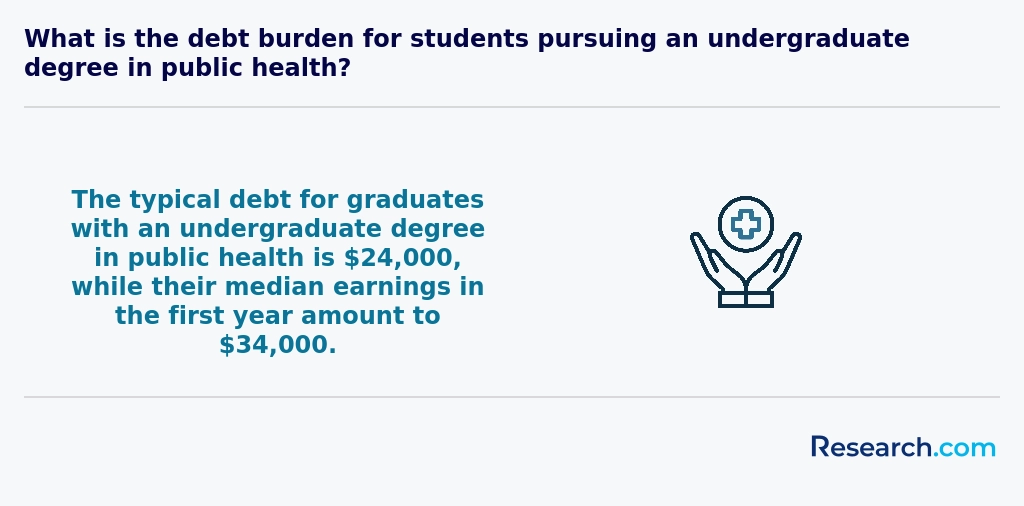
Students enrolled in online public health programs in America often rely on a range of financial aid options to offset tuition, which can range between $20,000 and $60,000 for a full Master of Public Health (MPH) program. Federal aid remains the primary resource, with FAFSA enabling access to Pell Grants for undergraduates and Direct Unsubsidized Loans or Grad PLUS Loans for graduate students. These funding sources offer manageable repayment terms that graduates from institutions like the University of North Carolina at Chapel Hill have found invaluable in reducing debt stress.
State-sponsored scholarships and loan forgiveness programs further support residents attending in-state schools such as the University of Washington, enhancing affordability for those committed to local public health careers. Additionally, many universities provide merit-based scholarships and assistantships; students at Johns Hopkins University often benefit from research assistant roles that cover tuition and provide stipends, making rigorous academic pursuits financially viable.
Professional organizations like the American Public Health Association offer targeted scholarships helping diverse students access education. Working professionals commonly utilize employer tuition assistance, particularly in healthcare and government sectors, enabling continued learning without financial strain.
Online public health degree programs ensure you gain real-world skills through structured experiential learning:
- Virtual simulations and case studies that mirror outbreak investigations and community assessments
- CEPH-approved practicum placements with local health departments or NGOs, typically 200–300 supervised hours
- Capstone projects partnering with healthcare agencies to design and evaluate intervention programs
- Interactive labs and skill workshops via secure online platforms, covering data analysis tools like SAS or R
Many programs guide students in documenting competencies and securing preceptors, ensuring hands-on readiness for public health roles. Some also recommend complementary coursework-students often explore medical billing and coding online schools to bolster administrative competencies.
Enrolling in an online public health degree in America requires clear academic and experiential foundations. Undergraduate applicants typically must have completed a high school diploma or GED, with coursework in biology, chemistry, mathematics, and social sciences favored by admissions committees. Many graduates from large public universities recall submitting strong transcripts and personal statements that connected their passion for community health to their academic records.
For graduate programs such as the Master of Public Health (MPH), a bachelor's degree from an accredited institution is essential. Programs often look for a minimum GPA around 3.0 and value professional experience in healthcare or community services. Graduates from prominent institutions like the University of North Carolina emphasize how their prior volunteer work and clear career goals made their applications competitive, even without GRE scores when waived.
Doctoral applicants typically hold a master's degree and demonstrate research experience. They are expected to submit a detailed research proposal and identify faculty mentors aligned with their topics. Many PhD students at top public health schools express motivation and confidence once they meet these prerequisites, feeling well-equipped to tackle rigorous research online.
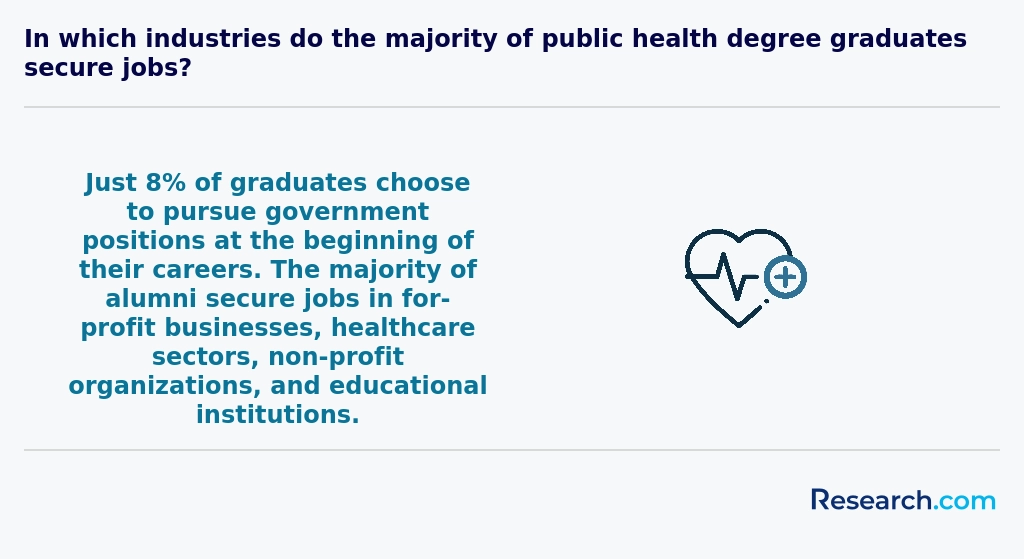
Online public health degree programs in America typically include core courses such as Introduction to Public Health, Epidemiology, Biostatistics, Environmental Health, Health Policy and Management, and Social and Behavioral Sciences. Graduates from popular universities like the University of North Carolina and Johns Hopkins often recall how Epidemiology courses equipped them to analyze real-world disease outbreaks, fostering confidence in tackling public health crises.
In Biostatistics classes, students learn to interpret complex health data-skills frequently applied in internships within state health departments. Environmental Health courses vividly connect theoretical knowledge to local concerns, such as pollution impacts in urban communities, enhancing students' sense of purpose.
Health Policy and Management prepares learners to navigate healthcare systems, often inspiring those from public institutions like the University of Michigan to pursue leadership roles. Social and Behavioral Sciences further deepen understanding of health disparities, a perspective shared by graduates engaged in community outreach programs.
This curriculum balance, combined with practicum projects, solidifies actionable skills, leaving online students feeling prepared and motivated to contribute to public health in diverse American settings.
Online public health degree specializations in USA typically include Epidemiology, Health Policy and Management, Environmental Health, Community Health, and Global Health. Graduates from well-known programs such as those at Johns Hopkins University and the University of Michigan report strong career satisfaction, especially when their studies focused on epidemiology or health policy. These fields provide practical skills in tracking disease outbreaks and shaping healthcare systems-critical areas highlighted during recent public health emergencies.
Community Health is another popular specialization, offering students opportunities to engage directly with local or underserved populations. Those pursuing this path often explore community health nursing career options, which broadens their impact and employability. Environmental Health addresses pollution and occupational risks, while Global Health focuses on international health challenges, reflecting the growing importance of cross-border cooperation.
Students at universities offering the best public health concentration options America trusts usually benefit from faculty expertise and accredited programs. This ensures they gain relevant, data-driven training to meet workforce needs in a competitive job market.
Choosing the best online public health degree in America demands a focus on accreditation, cost, curriculum, and faculty expertise. Graduates from top universities often highlight the value of CEPH accreditation, which assures rigorous academic standards recognized nationwide. For many, balancing tuition costs-ranging from $7,000 to over $20,000 annually-against available financial aid and in-state rates makes a substantial difference in affordability. Public institutions commonly offer lower tuition for residents, making them appealing for budget-conscious students.
In selecting among the best online public health degree programs USA offers, prospective students should evaluate curriculum depth, including subjects like epidemiology and biostatistics, and consider program flexibility. Working professionals report positive experiences with asynchronous formats that allow studying without interrupting their careers. Faculty involvement in current research and accessible career services are also frequently cited as key factors in student satisfaction.
Students also benefit from exploring program options thoroughly, including financial incentives or guidance on what certificate makes the most money post-graduation, allowing for a clearer career pathway.
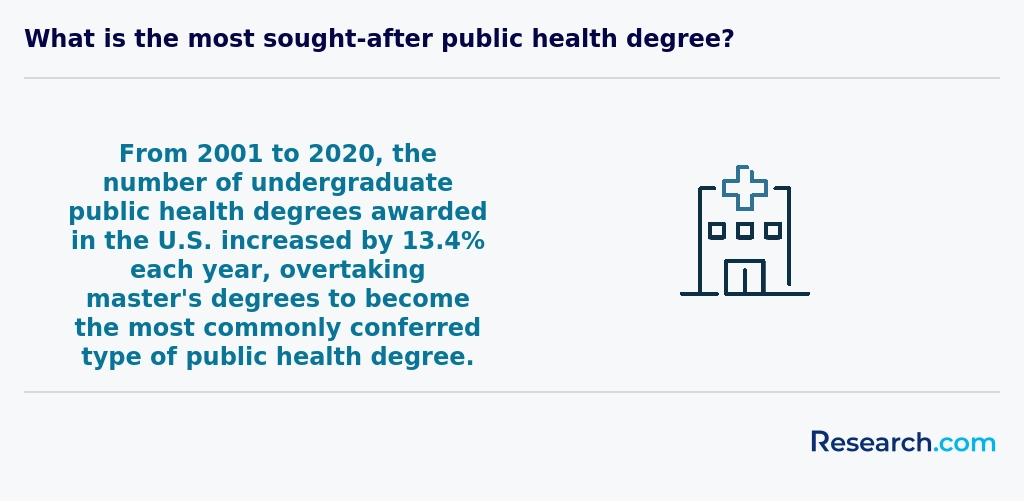
Graduates with an online public health degree in America frequently enter diverse roles across government agencies, healthcare, and nonprofit sectors, reflecting the degree's versatility. For example, employment for epidemiologists is projected to grow 10% from 2022 to 2032, outpacing many other fields, according to BLS data. Graduates commonly find positions with organizations like the CDC or local health departments, working as epidemiologists, health educators, or community health workers. These roles directly impact disease prevention and community wellness.
In healthcare, professionals with public health training take on roles such as healthcare administrators and policy advisors, managing complex systems and programs to improve patient outcomes. Median salaries for healthcare administrators near $101,000 underscore the field's economic viability. Graduates from renowned programs at institutions popular for studying public health in America report fulfilling experiences, often involving meaningful data analysis and program development.
Public health job opportunities in America also include work with international agencies and nonprofits focused on advocacy, education, and emergency preparedness. Environmental health careers further offer pathways in assessing pollution risks and regulatory compliance. Many graduates appreciate the flexibility and affordability of pursuing these paths via online programs, which typically cost between $10,000 and $30,000 annually at public universities. Those curious about what is the easiest bachelor's degree often find public health a practical and impactful option.
The job market for graduates holding an online public health degree in America is robust, with significant growth expected. According to studies, public health-related roles are projected to grow by about 12% between 2022 and 2032, outpacing many other fields. Graduates from major public health programs at universities like the University of North Carolina and Johns Hopkins often find employment in government health departments, nonprofit organizations, or healthcare systems. These roles-ranging from health educators to epidemiologists-offer median wages near $49,000 to $79,000 annually, with higher pay in metropolitan areas.
Many students pursuing an online public health degree highlight the flexibility and affordability compared to on-campus counterparts, making it easier to balance work and study. For those evaluating costs, it's helpful to compare tuition expenses with the benefits of entering a growing sector. Programs often emphasize valuable practical skills such as data analysis and health policy, which enhance employability. For those curious about cost-effectiveness in public health education, reviewing options among high paying 4 year degrees can provide additional clarity.
Overall, the public health career opportunities in America are encouraging for online degree holders, reflecting strong demand across federal, state, and private sectors looking to address health challenges nationwide.
2027 Best Online Public Health Degree Programs Ranking in the USA
Investing in your education is a significant decision that can shape your future, and the Research.com team understands the importance of making informed choices. To support prospective students seeking quality public health education, we have carefully developed the "2027 Best Online Public Health Degree Programs Ranking in the USA." Our dedication to quality, credibility, and accuracy guided every step of our rigorous research and analysis.
We utilized the following reputable data sources to ensure a comprehensive evaluation of public health programs:
By exploring this ranking, readers will gain valuable insights into the top online public health degree programs in the USA, enabling them to make well-informed decisions about their educational journeys. For more information on how this ranking was created, please visit our Research.com methodology page.


# 4 position
University of Maryland-College Park
Master of Public Health Practice and Policy, Online


# 6 position
University of Florida
Master of Health Science in Environmental and Global Health: Concentration One Health


# 20 position
University of Illinois Chicago
Master of Concentration in Community Health Practice and Methods

Frequently Asked Questions About public health
To maximize their learning experience, online public health degree students in America should engage actively with course materials and participate in virtual discussions. According to the National Center for Education Statistics, students who interact regularly with instructors and peers report higher satisfaction levels. Utilizing available resources such as CDC data sets and public health case studies can deepen understanding. Students should also seek internships or volunteer opportunities locally, as practical experience supports academic learning and enhances job prospects in this competitive field.
The public health field in the United States is rapidly evolving, with several emerging niches attracting significant attention. One key area is health informatics, combining data analysis and public health to improve outcomes. According to the Bureau of Labor Statistics, jobs in this sector are expected to grow by 17% from 2021 to 2031, faster than average growth.
Another growing niche is environmental health, focusing on how factors like pollution affect community health. The CDC emphasizes its importance in combating climate-related health risks.
Global health also remains a critical focus, particularly due to recent pandemics. Many online public health programs include this specialization to prepare students for worldwide challenges.
After completing an online public health degree in America, preparing for the job market requires a strategic approach. First, gaining relevant experience through internships or practicum placements is essential. Many programs include these components, allowing students to build practical skills.
Networking with professionals via platforms like the American Public Health Association or LinkedIn can open doors. Strong communication skills and proficiency in data analysis tools such as SAS or SPSS are highly valued by employers. According to the U.S. Bureau of Labor Statistics, employment in public health is projected to grow 17% from 2021 to 2031, highlighting growing opportunities.
Continuing education and certifications like Certified Health Education Specialist (CHES) further enhance employability.
Employers in the United States prioritize a combination of technical and soft skills in graduates with public health degrees. Analytical abilities, especially in data interpretation and epidemiology, are essential. According to the Association of Schools and Programs of Public Health (ASPPH), proficiency in biostatistics and health informatics is increasingly demanded.
Strong communication skills are also critical, as public health professionals must convey complex information to diverse audiences. Problem-solving and leadership capabilities help in managing community health initiatives effectively. Additionally, cultural competence is vital, given America's diverse population. These skills enable graduates to tackle public health challenges from local to national levels.
Finding internships relevant to a public health degree in America involves several key steps. Start by exploring university career centers; many online programs partner with local health departments and nonprofits to offer internship opportunities. According to the American Public Health Association, internships provide critical hands-on experience and often lead to employment.
Check government websites like the Centers for Disease Control and Prevention (CDC) for public health internship listings. Platforms such as USAJOBS also advertise federal internships in health-related fields.
Networking through professional organizations like the Society for Public Health Education (SOPHE) can connect students to internships nationwide.
An online public health degree in America significantly enhances career mobility and advancement opportunities. The U.S. Bureau of Labor Statistics reports a 12% growth projection for health education specialists and community health workers from 2022 to 2032, faster than average for all occupations. Earning a degree online offers flexibility, allowing working professionals to gain advanced skills without interrupting their careers. Graduates often qualify for higher-level positions in government agencies, healthcare organizations, and nonprofits. Additionally, an accredited online degree meets employer expectations and can lead to salary increases, career shifts, and leadership roles in public health sectors across the country.
Studying for a public health degree in America equips students to work across multiple disciplines by integrating knowledge from epidemiology, policy, biostatistics, and social sciences. Many programs emphasize practical skills like data analysis, community engagement, and health communication, fostering collaboration with sectors such as healthcare, government, and education. According to the Association of Schools and Programs of Public Health (ASPPH), interdisciplinary training is key to addressing complex health challenges.
Online formats often incorporate case studies and team projects, reflecting real-world public health scenarios. Graduates are thus well-prepared for roles requiring diverse expertise, including health policy advisors, program managers, and epidemiologists.
When choosing between a thesis and a non-thesis public health degree program in America, students should consider their career goals and learning preferences. A thesis option often suits those interested in research or planning to pursue a PhD, as it involves conducting original research and writing a detailed paper. According to the Council on Education for Public Health (CEPH), thesis programs typically require more time but develop strong analytical skills.
Non-thesis programs focus more on practical skills and coursework, appealing to professionals aiming for immediate entry into public health roles. The U.S. Bureau of Labor Statistics projects a 17% growth in public health jobs through 2031, highlighting demand for diverse skill sets.
Factors like faculty mentorship availability and program flexibility are also critical when deciding.
American students seeking to study public health abroad have several options while remaining enrolled in U.S.-based online programs. Many U.S. universities offer partnerships with international institutions, allowing students to complete global coursework or field experiences remotely. This enables exposure to diverse health systems without relocating.
Some accredited online public health degrees incorporate global health concentrations, teaching students about worldwide health challenges and policies. According to the Council on Education for Public Health (CEPH), about 30% of accredited programs include such international content.
Additionally, U.S. students can pursue virtual internships or practica with global health organizations based overseas, providing practical experience while studying online. This approach expands understanding of public health issues in different cultural contexts.
Institutions like Johns Hopkins and UNC provide flexible online MPH degrees specifically designed for international public health engagement, supporting U.S. learners interested in global careers.
Part-time job opportunities can greatly enhance the educational experience for students pursuing online public health degrees in America. Popular roles include community health worker, health educator, and medical records technician. According to the U.S. Bureau of Labor Statistics (2023), employment for community health workers is expected to grow 12% through 2031, reflecting increasing demand in public health.
Working as a health educator allows students to develop communication and teaching skills, essential for promoting wellness. Medical records technicians gain valuable experience in managing health information systems, a growing field with a projected 9% job growth.
Other relevant positions include research assistant roles in universities or health organizations, which provide exposure to data analysis and epidemiology. These jobs offer practical experience while balancing academic commitments, supporting career advancement in public health.
Online public health students in America have varied networking opportunities despite studying remotely. Many programs incorporate virtual events, discussion forums, and group projects that encourage interaction among peers and faculty. These platforms foster professional connections crucial for career advancement.
Additionally, students can join national organizations like the American Public Health Association (APHA), which offers memberships accessible regardless of physical location. APHA regularly hosts conferences, webinars, and workshops that provide valuable networking with public health professionals and researchers.
Some universities also provide access to local internship placements and alumni networks, enhancing practical connections within the U.S. public health sector. According to the U.S. Bureau of Labor Statistics, networking is vital for job opportunities in the public health workforce, expected to grow 11% from 2021 to 2031.
Alumni networks play a crucial role for online public health degree students in America by offering professional connections and career support. These networks often provide access to job listings and internship opportunities, which is vital given the competitive nature of the public health job market in the US. According to the Association of Schools and Programs of Public Health (ASPPH), strong networking can increase employment chances by up to 30%.
Furthermore, alumni often share industry insights and mentorship, helping students navigate challenges unique to public health fields. Given that the US public health workforce is expected to grow by over 13% by 2030, tapping into alumni expertise can guide career planning and skill development.
Many universities also host exclusive events and webinars for their alumni, enhancing ongoing education and collaboration. This continuous engagement helps students stay updated on public health trends and policies relevant in America.
Customizing an online public health degree in America allows students to align their education with specific career goals. Many programs offer concentrations such as epidemiology, health policy, environmental health, or community health, enabling focused study. Students can also select electives that match their interests or professional needs.
Practical experience is often integrated through capstone projects or internships tailored to various public health sectors. This hands-on approach enhances job readiness. Additionally, students can choose part-time or accelerated formats to fit work schedules.
According to the Association of Schools and Programs of Public Health (ASPPH), nearly 75% of online public health students select specializations to better meet workforce demands in the U.S.
Online public health students in America often face challenges related to balancing coursework with professional and personal responsibilities. Many are working professionals who must manage time effectively to meet rigorous program demands. According to the National Center for Education Statistics, about 31% of graduate students enrolled in distance education courses reported difficulty staying motivated without in-person support.
Technical issues can also hinder learning, as not all students have reliable internet or updated devices. Moreover, public health programs frequently require practical experience, such as internships or fieldwork, which may be difficult to arrange remotely. These challenges highlight the importance of strong institutional support for online learners.
Graduates with an online public health degree in the United States can pursue several professional certifications to enhance their career prospects. The most recognized credential is the Certified in Public Health (CPH) exam, offered by the National Board of Public Health Examiners. This certification demonstrates a professional's expertise in public health practice and is increasingly valued by employers.
Other certifications include the Certified Health Education Specialist (CHES), which focuses on health education and promotion. Additionally, advanced degrees may lead to eligibility for specialist certifications in epidemiology or health policy.
According to the U.S. Bureau of Labor Statistics, certified public health professionals often have better job opportunities and higher salaries.
To write a winning application for an online public health program in America, start with clear and concise personal statements. Highlight your motivation for studying public health and how your background aligns with program goals. Admissions committees value applicants who demonstrate commitment to improving community health, backed by relevant experiences such as volunteering or work in healthcare.
Include strong letters of recommendation, preferably from professionals familiar with your academic abilities or public health work. Official transcripts should show solid academic performance.
Many American public health programs require GRE scores, but some have waived this due to COVID-19. Always check specific program requirements early.
Finally, tailor your application to each school, showcasing understanding of their curriculum and focus areas. According to the Council on Education for Public Health, programs weigh practical experience and clear career goals heavily in admissions.
The global perspective on a public health career highlights growing demand for professionals trained to manage health challenges worldwide. In the United States, public health jobs are projected to increase by 13% from 2021 to 2031, according to the U.S. Bureau of Labor Statistics. This growth reflects recognition of health disparities, pandemics, and environmental issues as shared global concerns.
Many U.S. institutions emphasize global health topics within their online public health degree programs. Understanding international health systems and cross-cultural communication is vital for graduates aiming to work with organizations like the World Health Organization or CDC.
Public health careers in America increasingly require skills applicable in diverse settings, blending local expertise with global awareness. The Council on Education for Public Health (CEPH) accredits programs that integrate these global competencies to meet workforce needs.
Students pursuing an online public health degree in America can gain practical experience through internships, fieldwork, and practicums, which are often mandatory components of accredited programs. Many universities partner with local health departments, hospitals, and non-profit organizations to provide remote or in-person opportunities. According to the Council on Education for Public Health (CEPH), these hands-on experiences enhance students' skills in data analysis, community outreach, and health policy implementations.
Online learners are encouraged to seek placements relevant to their geographic area for convenience and networking benefits. Some programs also offer virtual simulations and case studies as supplemental practical experiences.
Choosing the right concentration within an online public health degree in America depends on your career goals and interests. Popular concentrations include epidemiology, health policy, environmental health, and community health. According to the U.S. Bureau of Labor Statistics, epidemiologists earned a median annual wage of $78,830 in 2022, reflecting the demand in disease control roles. Consider concentrations that align with growing public health needs, such as biostatistics or health informatics, which support data-driven decision making.
Researching job outlooks and licensure requirements in your state helps inform your selection. Additionally, check if the program is CEPH-accredited, ensuring quality education. Online flexibility allows professionals to balance work while specializing.
- Online Health Science Degrees with Financial Aid https://www.edumed.org/online-schools/health-science-degrees/financial-aid/
- Global Health Perspectives https://globalhealthperspectives.com/
- Effective Networking Strategies for Public Health Professionals | PH SPOT https://phspot.org/effective-networking-strategies-for-public-health-professionals/
- Are there Practical Experience Courses in an MPH Program? - Master's in Public Health Degree Programs https://www.masterspublichealth.net/faq/are-there-practical-experience-courses-in-an-mph-program/
- The Interdisciplinary Nature of Public Health https://www.cune.edu/news/interdisciplinary-nature-public-health
- Loading https://www.cpalms.org/PreviewResourceStudentTutorial/Preview/166485
- Internships for MPH Students https://www.publichealthdegrees.org/careers/internships/
- 20 Best Online Bachelor's in Public Health - MPH Online https://www.mphonline.org/best-online-bachelors-in-public-health/
- Public Health Jobs https://publichealthjobs.aspph.org/
- Public Health: A Global Perspective https://www.routledge.com/Public-Health-A-Global-Perspective/Singh/p/book/9781032644226









