2027 Best Public Health Degree Programs Ranking in the USA Territories

Co-Founder and Chief Data Scientist
Choosing the right public health degree program is an important step toward a rewarding career. For students in the USA Territories, this decision can shape your future impact on community well-being.
This article presents the 2027 Best Public Health Degree Programs Ranking in the USA Territories, carefully developed by the Research.com team of data scientists. Their goal is to help you make an informed choice based on reliable data and trusted insights.
By exploring these top programs, you'll discover opportunities that align with your passion for health and service. Pursuing a degree in public health opens doors to meaningful work that truly makes a difference.
Key benefits of getting public health degree in the USA Territories
- Public health graduates in the USA Territories can expect competitive salaries, such as Environmental Health Specialists earning a mean annual wage of $86,710 and Health Educators around $69,790, reflecting the value of their expertise.
- Career paths for public health graduates include roles like Community Health Workers, Medical Assistants, and Occupational Health and Safety Specialists, offering diverse opportunities to make a positive community impact.
- Online public health degrees provide flexible learning schedules, enabling students to balance life and work while gaining credentials recognized equally to traditional programs from well-known universities in the USA Territories.
- 2027 Best Public Health Degree Programs Ranking in the USA Territories
- What can I expect from public health degree in the USA Territories?
- Where can I work with public health degree in the USA Territories?
What can I expect from public health degree in the USA Territories?
The average cost of a public health degree in the USA Territories varies but generally tends to be more affordable compared to many mainland institutions. Graduates from the University of Puerto Rico's Graduate School of Public Health often share that tuition and fees usually range from moderate to low levels, reflecting the public status of such regional universities. This affordability, combined with the smaller program sizes, often allows for a more personalized and supportive learning environment.
Students emphasize the value of practical experiences integrated into their studies, such as internships with local health departments and community clinics. These opportunities help students apply theory to address health challenges unique to the territories, such as managing chronic illness in tropical climates or disaster preparedness after hurricanes. While costs might be lower, the specialized regional focus provides rich educational benefits that offset potential concerns about budget constraints.
However, it is important to consider that financial aid availability and cost can fluctuate depending on residency status, program length, and specific campus policies. Graduates appreciate the investment in their education as it allows them to contribute meaningfully to their communities, blending affordability with impactful career preparation.
Where can I work with public health degree in the USA Territories?
Graduates with a public health degree in the USA Territories often find fulfilling roles in local government agencies, healthcare institutions, and community organizations. For instance, those who studied at the University of Puerto Rico have taken on positions within the Puerto Rico Department of Health, engaging directly in programs for disease prevention and emergency preparedness. These roles allow graduates to see the immediate impact of their work on island communities, creating a strong sense of purpose and connection.
Similarly, graduates from the University of Guam share experiences of employment in the Guam Department of Public Health and Social Services, where they tackle infectious disease control and maternal health. Working closely with indigenous populations requires cultural sensitivity, which enriches their professional and personal growth. Many appreciate the opportunity to blend scientific knowledge with community outreach, fostering a rewarding and dynamic work environment.
In more remote territories like American Samoa and the Northern Mariana Islands, public health careers often involve rural clinic work or tribal health programs. Graduates report that these positions challenge them to adapt creatively to limited resources while building resilience in isolated areas. Such diverse career paths highlight how public health degrees in the USA Territories open doors to roles that provide both meaningful service and the chance to grow as culturally competent professionals.
Graduates with public health degrees in the USA Territories can expect varied earnings influenced by their exact role and experience. For example, community health workers in territories like Puerto Rico or Guam report mean annual wages around $52,610, reflecting entry to mid-level positions commonly filled by recent graduates from well-known institutions such as the University of Puerto Rico's School of Public Health.
Health educators, a natural career step for many with a Master of Public Health from regional colleges, often earn closer to $69,790 annually. Such salaries resonate with those working in local non-profits or government programs, offering both stability and the rewarding challenge of community engagement.
More specialized roles, such as environmental health specialists or occupational health and safety specialists, command higher wages-respectively around $86,710 and $85,570 yearly. Graduates with these advanced skills, often honed through focused programs at regional universities, find satisfaction in protecting public health through regulatory and environmental oversight.
While salaries in the territories tend to be lower than mainland U.S. averages, federal funding support can boost compensation for some, especially in programs linked to agencies like the CDC. This nuanced salary landscape encourages graduates to weigh local commitment against personal growth and financial goals.
- Public health programs in USA Territories like Puerto Rico and Guam offer accredited degrees but are fewer than mainland U.S. schools.
- Tuition costs in these territories range from $4,000 to $7,000 annually, which is much lower than the U.S. national average of over $20,000.
- Living expenses vary by territory and can be similar to or slightly higher than those in many parts of the mainland.
- Early-career salaries for public health graduates typically range between $40,000 and $50,000 per year, increasing to $60,000-$75,000 with experience.
- Job opportunities exist mainly in local health departments, NGOs, and federal agency branches, with demand for skills in epidemiology, environmental health, and health policy.
Completing a public health degree in the USA Territories generally aligns with the timeframes seen in the mainland United States, but with nuances unique to these regions. For example, graduates from the University of Puerto Rico often reflect on their four-year full-time Bachelor of Science in Public Health (BSPH) programs as manageable and well-structured, providing a clear path without unnecessary delays.
Master of Public Health (MPH) students in territories like Guam or the U.S. Virgin Islands typically invest around two years for full-time study. Some find part-time options valuable, balancing work and family commitments, which can extend completion to three or four years but offer flexibility that fosters personal growth.
Doctoral candidates, although fewer, usually face a three- to five-year commitment beyond the master's degree. Since these programs are less accessible locally, many graduates express a mix of challenge and excitement in seeking opportunities at mainland universities, often gaining broader perspectives.
Importantly, practical experiences with local health departments enrich learning but may lengthen the timeline slightly, a trade-off many students appreciate for the hands-on skills gained in community settings.
Choosing between online and on-campus public health degrees in the USA Territories often hinges on balancing flexibility with direct engagement. Graduates from the University of Puerto Rico's public health programs describe on-campus learning as vibrant and immersive, offering face-to-face interaction with faculty and peers that fosters strong networks and hands-on experiences in local health settings. However, many students from Guam or the US Virgin Islands value online options that allow them to study without relocation, fitting classes around work and family commitments.
While online programs provide vital flexibility, especially given the geographic challenges in the territories, some students note the challenge of securing hands-on internships remotely. Still, completing practical fieldwork locally is a common solution that maintains community relevance. Tuition costs remain a key consideration; on-campus students often face additional housing and commuting expenses, whereas online learners may save on these but pay comparable tuition.
Both formats require programs accredited by CEPH, ensuring quality regardless of delivery mode, which graduates emphasize as crucial for employment opportunities across the territories and mainland US.
The average cost of obtaining a public health degree in the USA Territories presents a notably affordable option for many students compared to mainland tuition fees. Median in-state total costs typically hover around $7,750, while median out-of-state costs can reach approximately $17,450. Students attending institutions like the University of Guam or universities in Puerto Rico often share positive experiences related to manageable tuition fees paired with quality education. Graduates frequently reflect on how the lower cost helped reduce financial stress, allowing them to focus fully on their studies and community health projects.
This affordability is significant in understanding the public health degree tuition fees in USA territories, where government subsidies and local economic factors play a crucial role. One can imagine a local student in Puerto Rico balancing academic commitments with community engagement, appreciating how tuition fees ranging between $3,000 and $10,000 per year make higher education more accessible. Such cost-effectiveness contrasts with mainland public universities, which often charge upwards of $10,000 annually for in-state students.
However, students should also consider additional expenses like fees, books, and living costs, which can vary widely depending on the territory. For those seeking flexible learning paths, it might be valuable to explore options such as an online accelerated bachelor's degree to complement or substitute traditional campus programs, potentially balancing cost and convenience effectively.
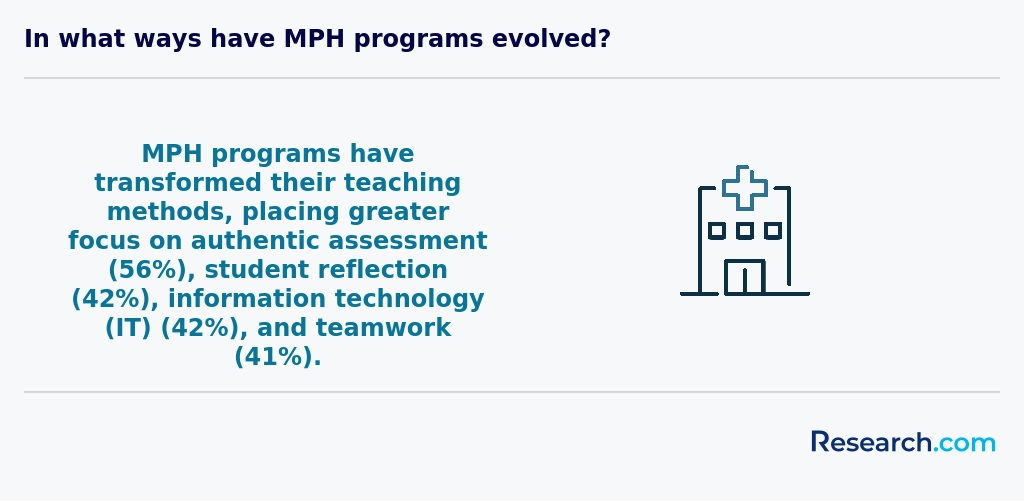
Public health students in the USA Territories often find a mix of financial aid options essential for managing tuition, which typically ranges from $5,000 to $15,000 annually at local public institutions. Graduates from universities such as the University of Puerto Rico have shared how applying early for federal aid, like Pell Grants and Direct Subsidized Loans, was crucial in reducing their debt. These federal programs treat Territory students similarly to those on the mainland, provided their schools are accredited and participate in these aid systems.
A notable graduate recounted benefiting from scholarships offered by local governments and USDA initiatives, which specifically target Territory residents pursuing health degrees. Such awards not only lowered costs but also encouraged commitment to underserved communities. Additionally, programs like Public Service Loan Forgiveness appeal to students willing to work in local health departments, easing long-term repayment concerns.
Partnerships between Territory institutions and mainland universities have expanded access to aid and exchange opportunities, though students must remain proactive in consulting financial aid offices to navigate application deadlines and eligibility nuances. This hands-on approach fosters confidence and optimism among students balancing financial challenges while pursuing meaningful public health careers.
Enrolling in public health degree programs in USA Territories like Puerto Rico, Guam, or the U.S. Virgin Islands typically involves fulfilling several key prerequisites, though these can vary somewhat by institution. For undergraduate degrees, such as a Bachelor of Science in Public Health at universities popular in these regions, a high school diploma or equivalent is essential. Graduates often share how maintaining a solid GPA and submitting standardized test scores like the SAT or ACT helped smooth their application process.
Graduate programs, including the Master of Public Health, usually require a bachelor's degree from an accredited institution. Many students found that having an academic background related to health sciences or social sciences strengthened their applications, although some schools increasingly adopt test-optional policies, reflecting a flexible admissions approach.
Applicants commonly submit official transcripts, personal statements sharing their passion and career goals, and letters of recommendation. These documents help admissions committees appreciate not just academic capability but also commitment and relevant experiences.
In territories like Puerto Rico, many graduates emphasize the importance of demonstrating English proficiency through tests like TOEFL, especially since instruction often occurs in English. These practical requirements, while challenging, foster a supportive environment for motivated students pursuing meaningful public health careers locally.

Students pursuing public health degrees in the USA Territories typically encounter a curriculum that carefully blends foundational knowledge with region-specific relevance. At institutions such as the University of Puerto Rico or the Guam Community College, graduates often highlight courses like Introduction to Public Health, which grounds them in essential concepts about population health while addressing the unique needs of their communities.
Biostatistics and Epidemiology are emphasized, especially with case studies targeting tropical diseases and outbreaks common to island environments. One recent graduate recalled how studying Environmental Health brought awareness to local concerns like water quality and air pollution affecting island residents daily.
Health Policy and Management courses provide critical insight into navigating healthcare systems shaped by territorial governance and resource limits. Social and Behavioral Sciences also take on new meaning as students explore cultural factors shaping health behaviors in their diverse populations.
These courses are often complemented by internships with local health departments, offering students practical exposure to emergency preparedness and disease prevention efforts. Such hands-on learning helps graduates feel empowered to make a real impact in the health of their communities.
Public health degree specializations in USA Territories often reflect the unique environmental and social challenges of these regions. Graduates from popular universities and colleges there frequently highlight specializations such as Environmental Health, crucial for addressing climate change impacts and natural disasters typical to island life. Epidemiology is another common focus, enabling students to track and control vector-borne diseases like dengue and Zika, a reality frequently experienced on these islands. Others pursue Health Policy and Management to develop health initiatives suited to local governance structures, while Global Health specializations emphasize broader issues like healthcare access and nutrition relevant to isolated communities.
Community Health Education is valued by many students who engage directly with their neighborhoods through outreach programs, fostering a strong sense of purpose. Many who considered what is an easy associate's degree to get ended up drawn to these specializations because of their community impact. The emphasis on practical experience through internships allows graduates to feel confident and emotionally connected to their work, which is often more fulfilling than purely theoretical studies. Exploring the best public health programs USA Territories offer can be rewarding for prospective students aiming to tackle these real-world problems.
Choosing the best public health degree programs USA Territories requires careful consideration beyond just tuition costs or school reputation. Graduates from popular institutions in these regions often highlight how critical accreditation, specifically by CEPH, was to their decision, ensuring their degree held value nationally and locally. While some affordable public health schools in USA Territories offer lower tuition, reviewing curriculum relevance is essential-programs that focus on tropical diseases, disaster preparedness, and local health disparities better prepare students for regional challenges.
Real-life experiences from alumni reveal that practical training opportunities such as internships with community health organizations or territory-specific health departments provide meaningful exposure and build confidence. Students also emphasize assessing support services including flexible online or hybrid options, which are vital for those balancing work or island life. Considering these factors, prospective students might explore affordable online phd programs, which can provide cost-effective, accredited pathways aligning with their personal and professional goals.
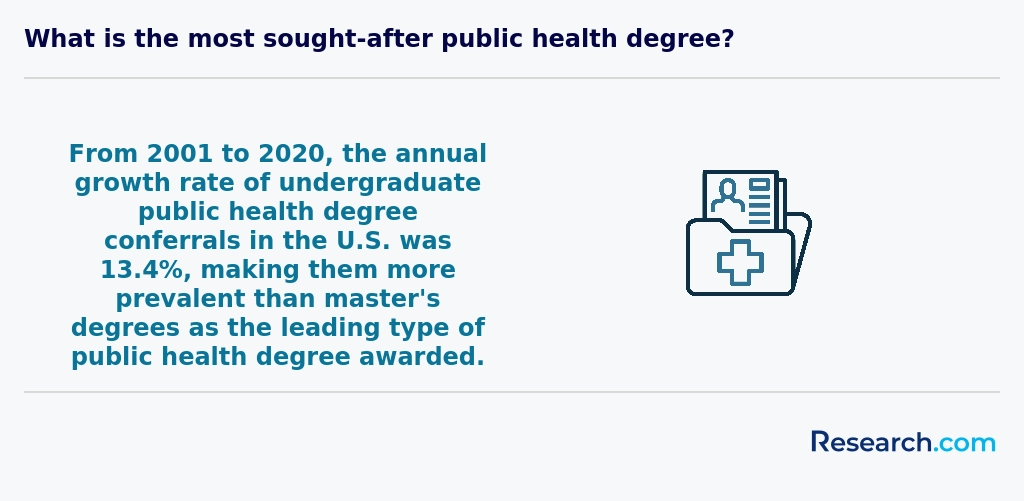
A public health degree in the USA Territories opens diverse career paths tailored to local needs, offering graduates opportunities as epidemiologists, health educators, public health administrators, and policy analysts. For instance, graduates from the University of Puerto Rico have contributed as epidemiologists tracking disease outbreaks like Zika and COVID-19, directly impacting community safety. Others have embraced roles as health educators and community outreach coordinators, designing programs that address chronic illnesses prevalent in Guam and the U.S. Virgin Islands, reflecting essential efforts to reduce hospitalization rates and enhance preventive care.
Not all career paths are straightforward; some graduates find that public health administration demands navigating complex local policies and resource constraints unique to territories. Yet, the expanding healthcare services projected nationwide benefit these regions. Research collaborations, such as those involving territorial universities and the CDC, provide positions that bolster evidence-based public health, attracting graduates eager to influence policy and interventions. Those considering this field locally may explore options through the best schools to go to for college offering public health, further broadening their job prospects with public health degree in USA Territories.
The job market for public health degree holders in the USA Territories presents a mix of promising opportunities and challenges. Graduates from institutions like the University of Puerto Rico often find rewarding roles within local government agencies and healthcare organizations, addressing region-specific issues such as disaster preparedness and chronic disease prevention. While salaries tend to be lower than mainland averages, many appreciate working in environments that directly improve community well-being and public health outcomes. This dynamic appeals to those motivated by meaningful impact rather than just financial gain. Public health career opportunities in USA Territories grow as federal funding increases, especially in areas battling infectious diseases and maternal-child health concerns.
Employment trends suggest steady demand, but graduates should remain adaptable, often taking roles in non-profits or educational settings. The relatively affordable tuition in these regions can ease educational investment burdens, which many graduates value when weighing career decisions. Those exploring alternatives might compare earnings against other fields; for instance, the trade school jobs salary may offer higher pay, but fewer pathways to community-level influence and health policy development.
Overall, the job outlook for public health graduates USA Territories is shaped by regional health priorities, cost of living, and growing infrastructure investments, making local public health degrees a practical and impactful choice for those seeking to contribute meaningfully at home.
2027 Best Public Health Degree Programs Ranking in the USA Territories
Investing in your education is a significant decision that can profoundly influence your future, and the Research.com team is committed to supporting you in making well-informed choices. To aid prospective students in USA Territories, we have carefully developed the "2027 Best Public Health Degree Programs Ranking." Our dedication to quality, credibility, and accuracy is demonstrated through thorough research and precise analysis used to compile this comprehensive ranking.
We utilized the following reputable data sources to ensure an authoritative evaluation of public health programs:
By exploring this ranking, readers will obtain valuable insights into the top public health degree programs available in USA Territories, empowering them to make informed decisions about their educational futures. For more information about how this ranking was created, please visit our Research.com methodology page.
# 1 position
San Juan Bautista School of Medicine
Master of Public Health

# 4 position
University of Puerto Rico-Medical Sciences
Master of Public Health
# 5 position
Universidad Ana G. Mendez-Gurabo Campus
Bachelor of Science in Public Health
# 6 position
Universidad Ana G. Mendez-Gurabo Campus
Master of Public Health
# 7 position
Universidad Ana G. Mendez-Cupey Campus
Bachelor of Science in Public Health
# 8 position
Universidad Ana G. Mendez-Carolina Campus
Bachelor of Science in Public Health
# 9 position
Atenas University
Master of Public Health

# 10 position
Ponce Health Sciences University
Master of Public Health in International Health

Frequently Asked Questions About public health
Students pursuing public health degrees in the USA Territories can maximize their learning by engaging with local health agencies and community programs. Territories like Puerto Rico and Guam face unique challenges such as higher rates of chronic diseases and limited healthcare access, making practical experience essential. According to the Centers for Disease Control and Prevention (CDC), collaboration with local public health departments enhances understanding of regional health disparities.
Participating in internships or research projects focused on territorial health issues provides valuable hands-on experience. Additionally, utilizing online resources and partnerships with mainland universities can expand educational opportunities. Networking with public health professionals in the territories fosters mentorship and career development specific to local needs.
Emerging niches within the public health field are rapidly evolving to meet new challenges, especially in the USA Territories. Areas like environmental health have gained prominence due to increased climate change effects that impact island communities. Another growing niche is health informatics, leveraging data technology to improve healthcare delivery and disease tracking locally.
Maternal and child health remains a key focus, addressing higher infant mortality rates in some territories compared to the mainland. Additionally, behavioral health has become crucial, with rising awareness of mental health issues intensified by natural disasters and socioeconomic factors.
According to the CDC and NIH reports, these niches offer expanding career opportunities for public health graduates in the territories.
Graduates with public health degrees in the USA Territories can improve job market readiness by gaining practical experience during their studies. Internships and fieldwork with local health departments or organizations like the Centers for Disease Control and Prevention's (CDC) Caribbean Public Health Agency are invaluable. Networking at regional public health conferences also opens doors to employment opportunities.
Understanding local health challenges-such as high rates of diabetes and infectious diseases in territories like Puerto Rico and Guam-helps tailor skills to community needs. According to the U.S. Bureau of Labor Statistics, healthcare jobs in these regions are expected to grow by 10% through 2030, indicating steady demand.
Additionally, earning certifications such as Certified Health Education Specialist (CHES) can enhance credentials. Strong communication and data analysis skills remain critical for success in diverse public health roles across the territories.
Employers in the USA Territories prioritize a diverse skill set from public health degree graduates. Strong analytical abilities are essential, as interpreting data to track local health trends is a key responsibility. Communication skills are also vital for effectively educating communities and stakeholders, especially given the multilingual and multicultural environments of territories like Puerto Rico and Guam.
Graduates must demonstrate proficiency in program planning and evaluation, enabling them to design targeted interventions. Knowledge of emergency preparedness is increasingly critical due to frequent natural disasters in the region. According to the Territorial Health Workforce Report (2023), 78% of employers seek graduates with cultural competence and adaptability to address unique public health challenges.
Finding internships in the USA Territories related to a public health degree requires proactive research and local networking. Key opportunities often exist within territorial health departments, such as the Puerto Rico Department of Health or the Virgin Islands Territorial Health Department. These organizations collaborate with federal agencies like the Centers for Disease Control and Prevention (CDC) to offer internships focused on community health and disease prevention.
Students should also explore partnerships between universities in the territories and non-profit organizations addressing regional health issues like chronic disease and infectious disease control. The Health Resources and Services Administration (HRSA) provides occasional internship listings that target underserved communities in these areas.
Many internships emphasize hands-on experience in epidemiology, health education, and policy analysis, aligning well with public health curricula. Contacting university career centers and checking online portals dedicated to internships in US territories can increase your chances of securing relevant placements.
Obtaining a public health degree in the USA Territories can significantly enhance career mobility and advancement. The territories, including Puerto Rico, Guam, and the U.S. Virgin Islands, face unique health challenges such as high rates of chronic diseases and limited healthcare infrastructure. Graduates with public health qualifications are often preferred for leadership roles in government agencies, NGOs, and healthcare organizations working to address these issues.
According to the U.S. Bureau of Labor Statistics, public health professionals in territories experience growing demand, with job growth projected at 11% nationally through 2030. This trend also reflects in territories due to increased emphasis on community health initiatives.
Additionally, public health degrees meet licensure and certification requirements needed for career advancement in many territories, enhancing eligibility for higher-paying positions and specialized roles.
Studying for a public health degree in the USA Territories equips students with skills crucial for interdisciplinary roles. Programs often integrate coursework in epidemiology, environmental health, health policy, and community health, reflecting the complex needs of these regions. Given the unique health challenges in territories like Puerto Rico and Guam-such as higher rates of chronic diseases and limited healthcare resources-students gain practical experience addressing diverse issues.
Many territorial programs collaborate with local health departments and federal agencies, providing hands-on training in real-world settings. This exposure fosters teamwork among professionals from various fields, including medicine, social services, and environmental science.
According to the CDC, the territories face significant public health disparities, making interdisciplinary approaches essential for effective solutions. This training prepares graduates to work across sectors, improving community health outcomes efficiently.
When choosing between a thesis and a non-thesis public health degree program in the USA Territories, consider your career goals and time commitments. Thesis programs often suit students aiming for research, academic, or doctoral pathways, as they require original research and a formal dissertation. Non-thesis options focus more on practical skills and may include comprehensive exams or projects, which are ideal for those pursuing public health practice roles.
In the USA Territories like Puerto Rico or Guam, public health challenges such as infectious diseases and natural disaster response make applied skills valuable. According to the Association of Schools and Programs of Public Health, around 40% of students in these regions prefer non-thesis paths, emphasizing workforce readiness.
Also, thesis programs usually take longer-often 2-3 years-while non-thesis degrees may be completed faster. Evaluate available faculty mentorship and resources in your territory, as not all institutions offer robust thesis support. Understanding your professional focus and local program strengths will guide your choice effectively.
Students based in the USA Territories seeking public health degrees abroad often explore options within the broader United States higher education system. Since the territories fall under U.S. jurisdiction, many students qualify for federal financial aid to study in mainland U.S. institutions accredited by the Council on Education for Public Health (CEPH). Programs in states like California, New York, and Maryland are popular due to their strong public health curricula.
Some territories lack their own accredited public health schools, prompting students to pursue bachelor's or graduate degrees elsewhere. According to the Association of Schools and Programs of Public Health, over 80 accredited programs exist nationwide, offering diverse specializations.
Distance learning and hybrid models provide flexible options, particularly important for students balancing professional or family commitments. These programs maintain the quality of on-campus alternatives and often carry CEPH accreditation, ensuring recognized credentials.
The U.S. Territories include Guam, Puerto Rico, the U.S. Virgin Islands, American Samoa, and the Northern Mariana Islands. Students from these regions generally face no immigration barriers when studying stateside, which simplifies access to high-quality public health education and research opportunities.
Part-time job opportunities in the USA Territories that complement public health degree education often focus on community engagement and healthcare support. Roles such as health educator assistants, community outreach workers, and medical interpreters provide practical experience while contributing to local health initiatives. For example, in Puerto Rico, the Department of Health regularly offers part-time positions supporting vaccination campaigns and disease prevention programs.
Additionally, many local clinics and non-profits hire students to assist with data collection and health promotion, which aligns well with public health studies. According to the U.S. Bureau of Labor Statistics, healthcare support jobs are expected to grow steadily, providing valuable real-world skills. These jobs help students apply classroom knowledge to address public health challenges in their communities.
Public health students in the USA Territories have access to growing networking opportunities through local universities, health departments, and community organizations. Institutions like the University of Puerto Rico and the University of Guam offer events, seminars, and partnerships that connect students with public health professionals active in the region. These platforms allow students to engage with experts addressing issues such as infectious diseases and environmental health challenges common in territories.
Students can also participate in internships and cooperative education programs facilitated by territorial health agencies, which help build practical skills and professional contacts. According to the CDC, collaborative efforts in territories increased by 15% from 2018 to 2023, enhancing networking chances.
Alumni networks play a vital role for public health degree students in the USA Territories by offering access to professional connections within the region. These networks often provide mentorship opportunities, helping students navigate local public health challenges unique to territories like Puerto Rico, Guam, and the U.S. Virgin Islands. According to the Association of Schools and Programs of Public Health, strong alumni ties increase internship and job placement rates by up to 30% for graduates in territorial programs.
Many alumni remain active in regional public health agencies, facilitating collaborations and resource sharing. Their experience is crucial given health disparities in territories, such as higher rates of chronic diseases reported by the CDC.
Through alumni events and online platforms, students gain insights into current public health initiatives, enhancing both academic and practical learning within the community.
Customizing a public health degree program in the USA Territories allows students to align their education with specific regional health challenges. Many institutions offer elective courses or concentrations focused on areas such as epidemiology, health policy, or community health, reflecting local concerns like infectious diseases and environmental health issues common in these regions.
Students can often adjust practicum or internship placements to gain experience with local health departments or NGOs addressing territorial health priorities. According to the CDC, the USA Territories face unique public health challenges that require tailored skills, making such customization valuable for career readiness.
Additionally, some programs provide flexibility in research projects, enabling students to investigate topics directly related to the Territory's population health needs, thereby enhancing relevance and impact in their future careers.
Public health students in the USA Territories often face limited access to accredited degree programs locally. Many territories, such as Guam and the US Virgin Islands, have fewer institutions offering comprehensive public health curricula compared to mainland states. This scarcity requires students to seek online options or relocate, which can be costly and disruptive.
Resource constraints also impact practical training opportunities. According to the Association of Schools and Programs of Public Health, territories report fewer public health infrastructure investments, limiting internships and community projects vital for hands-on experience.
Additionally, geographic isolation affects networking and exposure to diverse expert faculty, which can hinder professional development. Language and cultural diversity further complicate curriculum relevance, requiring tailored approaches to address local health issues effectively.
With a public health degree, students in the USA Territories can pursue several professional certifications that enhance their careers. The most recognized is the Certified Public Health (CPH) credential offered by the National Board of Public Health Examiners. This certification demonstrates mastery of public health knowledge and skills.
Another option is becoming a Certified Health Education Specialist (CHES), which focuses on health education and promotion. Those interested in epidemiology or environmental health might pursue certifications through the National Environmental Health Association (NEHA).
These credentials improve job prospects in government agencies, healthcare, and nonprofit organizations supporting public health in the Territories.
Writing a strong application for a public health program in the USA Territories requires careful adherence to admission guidelines specific to local institutions. Applicants should highlight relevant community experience and awareness of health issues prevalent in territories like Puerto Rico or Guam, where public health challenges include chronic diseases and limited healthcare access. According to the CDC, emphasizing an understanding of territorial health disparities can strengthen your personal statement.
Applicants must provide official transcripts showing academic readiness, typically with a minimum GPA of 3.0 in related coursework. Letters of recommendation from local health professionals or educators are valuable. Test scores, when required, should meet or exceed the average scores reported by territorial schools. Demonstrating commitment to improving territorial health through volunteer work or internships supports a competitive submission.
Public health careers offer a worldwide perspective focused on improving health outcomes and preventing diseases. In the USA Territories, public health professionals often address unique challenges, such as higher rates of chronic diseases and limited healthcare access. According to the CDC, these regions experience distinct public health needs influenced by geographic isolation and economic factors. Globally, public health is recognized as a critical field, with demand for skilled workers increasing due to pandemics and climate change.
For students in the USA Territories, public health degrees align training with local and global health priorities. Graduates may work in community health, policy, or epidemiology, contributing to health improvements both locally and internationally.
Students pursuing a public health degree in the USA Territories can gain practical experience through several key pathways. Many institutions integrate internships and fieldwork directly into their curricula, partnering with local health departments and community organizations. For example, agencies in Puerto Rico and Guam often offer placements that expose students to real-world challenges such as infectious disease control and health promotion.
Additionally, students may participate in federally supported programs like the Public Health AmeriCorps*, which operates in several territories and provides hands-on experience while earning educational awards. Collaborating with the Centers for Disease Control and Prevention (CDC) local offices also offers opportunities. Such experiences are vital given that, according to the CDC, the USA Territories face unique public health issues, including higher rates of chronic diseases and access disparities.
Choosing the right concentration within a public health degree program in the USA Territories involves considering local health priorities and workforce demands. Common concentrations include epidemiology, environmental health, health policy, and community health. For example, territories like Puerto Rico face distinctive challenges such as infectious diseases and disaster response, making epidemiology and emergency management highly relevant.
Review data from entities like the CDC and local health departments that highlight pressing public health issues in your territory. Consider concentrations that align with these needs to improve job prospects and community impact. Additionally, check if programs offer practical internships or partnerships with local agencies for experience.
Understanding your career goals and local health trends will help you make an informed decision supported by the changing public health landscape in the US territories.
- Program Fees And Payment Options - PublicHealthU.org https://phu.nextgenu.org/program-fees/
- Today’s Guide to Public Health Certifications https://www.publichealthdegrees.org/resources/public-health-certifications/
- The Interdisciplinary Nature of Public Health https://www.cune.edu/news/interdisciplinary-nature-public-health
- How to carve a niche in your public health career | PH SPOT https://phspot.org/carvinganiche/
- Pre-Professional Health Experience Guide | PublicHealthOnline.org https://www.publichealthonline.org/pre-professional-experience/
- How Bachelor of Public Health Shapes the Future of Wellness https://tau.edu.zm/blog/how-public-health-shapes-the-future-of-wellness/
- Top 15 Places to Look For M.P.H. Jobs - Benedictine University Online https://online.ben.edu/programs/public-health/mph/resources/top-places-to-find-mph-jobs/
- Public Health Challenges – IPA SDG Dashboard https://sdg.internationalpublishers.org/sdgaction/public-health-challenges/
- Public Health Overview https://explorehealthcareers.org/careers/public-health/
- Dive deeper into public health topics. https://www.apha.org/topics-and-issues