
2027 Most Popular Public Health Degree Programs Ranking in Tallahassee

Co-Founder and Chief Data Scientist
Choosing the right public health degree program in Tallahassee can shape your future career and impact your community. This article features the 2027 Most Popular Public Health Degree Programs Ranking in Tallahassee created by the Research.com team of data scientists to help you explore top options.
By understanding these rankings, you'll gain valuable insight into programs that align with your goals and interests. A public health degree opens doors to meaningful work and growth opportunities. Dive in to discover which programs are worth considering for your educational journey.
Key benefits of getting public health degree in Tallahassee
- Public health degree graduates in Tallahassee can expect competitive salaries, with careers like Health Educators earning a mean annual wage of $69,790 and Community Health Workers earning around $52,610.
- Graduates from local universities often pursue diverse paths, including roles as Environmental Health Specialists or Medical Assistants, offering opportunities to impact community well-being and grow professionally.
- Obtaining an online public health degree in Tallahassee provides flexibility, allowing students to balance work and study while earning credentials from respected institutions without relocating.
- 2027 Most Popular Public Health Degree Programs Ranking in Tallahassee
- What can I expect from public health degree in Tallahassee?
- Where can I work with public health degree in Tallahassee?
What can I expect from public health degree in Tallahassee?
The average cost of obtaining a public health degree in Tallahassee varies depending on the level of study and residency status. For example, at Florida State University (FSU), in-state undergraduate tuition typically ranges around $6,500 per year, while out-of-state students may pay closer to $21,000 annually. Graduate programs, including master's and doctoral degrees in public health, generally cost more, with tuition for in-state students hovering around $10,000 to $12,000 per year. Many graduates appreciate that these costs are offset by extensive hands-on experience gained through FSU's partnerships with local health agencies, making the investment feel worthwhile and directly tied to career growth.
Students often highlight how their involvement in community projects addressing substance misuse and chronic diseases made their education feel alive and relevant, justifying the tuition. Access to internships and research funded by prominent institutions also adds value, helping graduates feel confident stepping into Tallahassee's growing public health job market without the burden of excessive debt.
Where can I work with public health degree in Tallahassee?
Graduates with a public health degree in Tallahassee often find rewarding employment with state agencies like the Florida Department of Health, which offers roles in epidemiology, environmental health, and community outreach. These positions provide a stable career foundation with competitive salaries, perfect for those eager to impact public health policy and programs directly. Many graduates from Florida State University appreciate how internships there led them to roles within the department, giving real-world experience that employers value.
Another major opportunity lies with the Centers for Disease Control and Prevention (CDC) offices in Tallahassee, where graduates engage in disease prevention and health education. Jobs focused on data analysis and research allow graduates to apply their academic knowledge in meaningful ways, making a visible difference in community health outcomes.
Local hospitals and nonprofits also offer hands-on career paths. Graduates working at Capital Regional Medical Center, for example, frequently collaborate on community health initiatives and patient advocacy, directly improving lives. Nonprofit careers often involve grant writing and program evaluation, providing diverse, impactful work environments aligned with a passion for social change.
Educational institutions like Florida State University offer chances to blend research and practice through academic roles and health promotion programs, giving graduates a dynamic range of career options in Tallahassee's vibrant public health sector.
Graduates with a public health degree in Tallahassee typically earn competitive salaries reflective of the area's growing health sector. For example, community health workers earn a mean annual wage of about $52,610, while health educators, a popular role among college graduates in public health programs at local schools, make around $69,790 annually.
Some graduates find rewarding positions as environmental health specialists or occupational health and safety specialists, roles that command higher salaries near $86,710 and $85,570 respectively, according to the latest data. These figures align well with the advanced research and public health initiatives driven by Tallahassee's universities and state agencies.
Many graduates from public health programs in Tallahassee feel optimistic about their financial futures, especially when gaining experience in government health departments or nonprofit organizations. Starting salaries around $45,000 can grow quickly with professional development and graduate degrees like the MPH, which is available at institutions in the region.
By focusing on specialized roles and leveraging Tallahassee's resources, new public health professionals are well-positioned to maximize their earnings while contributing meaningfully to community health improvement.
- Public health degree programs in Tallahassee cost between $6,000 and $12,000 per year for in-state students, with out-of-state tuition potentially twice as high.
- Graduates typically earn between $45,000 and $55,000 annually in entry-level public health jobs within the local area.
- Experienced professionals can expect salaries around $70,000 or more, especially in management, research, or specialized roles.
- The Tallahassee job market shows strong demand for public health workers in roles like epidemiology, health education, and environmental health sciences.
- Many programs include practical experience such as internships and community projects to improve job prospects after graduation.
- Accreditation by bodies like CEPH ensures programs meet national quality standards valued by employers across the US.
Completing a public health degree in Tallahassee typically depends on your chosen level and study format. Undergraduates at local institutions like Florida State University often finish a Bachelor of Science in Public Health in about four years of full-time study. Many graduates recall balancing coursework with part-time jobs or campus activities, making the journey manageable and rewarding.
Graduate programs, including the Master of Public Health (MPH), usually take two years full-time. However, part-time options extend this to three years or more, ideal for professionals juggling work and family responsibilities. Students appreciate this flexibility, especially when they can apply lessons directly at work during practicum experiences offered by the FSU College of Medicine's public health initiatives.
For those aiming higher, doctoral degrees may require four to six years, with a focus on research and dissertation projects. Many doctoral candidates in Tallahassee come with prior experience, which helps smooth progress. Overall, the time invested aligns well with personal and professional goals, creating a fulfilling academic experience rooted in this vibrant city.
Studying in Tallahassee is about more than top-ranked degree programs-it's an immersive local experience that blends academic rigor with a vibrant community atmosphere. Prospective students can look forward to exploring a city known for its affordable living, diverse cultural events, and close-knit neighborhoods. From weekend farmers' markets and outdoor recreational parks to local volunteer opportunities, Tallahassee offers endless ways to connect your classroom learning with real-life community engagement. Many students choose to pursue a popular public health degree in the area not only for the quality education but also for the unique chance to work on local health initiatives that address the city's specific needs. Living in Tallahassee means gaining access to networking events, career fairs, and collaborations with local government agencies and nonprofits-all of which can pave the way for internships and future job opportunities. Additionally, the city’s supportive student environment and access to resources like affordable housing, public transportation, and community centers create a well-rounded experience that enhances both personal growth and professional development.
Choosing between an online and on-campus public health degree in Tallahassee largely depends on your lifestyle and learning preferences. For example, graduates from Florida State University often highlight the value of face-to-face interactions with professors and peers, which help foster real-time discussions and networking opportunities. On-campus programs provide access to local labs and internships, giving students hands-on experience within Tallahassee's public health community.
Alternatively, online programs offer flexibility that appeals to working professionals or those with family responsibilities. Graduates appreciate being able to study at their own pace without the need to commute, which reduces stress and expenses. Online CEPH-accredited degrees in Florida typically maintain the same academic rigor, making them a practical choice for balancing career and education.
Many students share that success comes from aligning the program with their personal circumstances. Whether thriving in structured, in-person classes or excelling through self-directed, remote learning, Tallahassee's public health options support varied pathways to fulfilling careers.
The average cost of a public health degree in Tallahassee is quite affordable, especially for in-state students. At Florida State University (FSU), one of the most popular institutions for public health education, the median in-state total cost is approximately $5,720, making it a financially reasonable choice for local students. Out-of-state students typically face a higher median cost of around $31,476, which reflects the broader range of tuition fees but still remains competitive compared to other states.
Graduates from Tallahassee's public health programs often share that managing tuition alongside living expenses feels doable due to the city's moderate cost of living. Many students balance their finances by leveraging scholarships and assistantships offered through FSU and other institutions. For example, graduates often recall stretching their budgets by living off-campus, where annual expenses including housing and food may total around $10,000, allowing them to invest more in their education.
When budgeting, it's important to consider the median in-state tuition as part of your overall estimate, including fees and supplies. Students frequently highlight the value of programs at Tallahassee public universities, which provide quality education without the heavy financial burden found elsewhere. Additionally, if you're interested in accelerated paths, exploring related accelerated nursing programs can sometimes complement your public health studies and reduce time to degree completion.
Considering the average cost of public health degree in Tallahassee, planning carefully can help you achieve your goals without overwhelming debt, making Tallahassee a smart choice for future public health professionals.

Students and professionals in Tallahassee, FL, can elevate their credentials and stay competitive by pursuing recognized certifications and engaging in lifelong learning. Beyond your degree, earning credentials such as the Certified in Public Health (CPH) credential from the National Board of Public Health Examiners or the Certified Health Education Specialist (CHES) credential from the National Commission for Health Education Credentialing demonstrates specialized expertise and commitment to professional excellence. Key certification pathways:
- Certified in Public Health (CPH): Validates mastery of core public health knowledge in epidemiology, biostatistics, environmental health, and health policy. Preparation often includes structured review courses and practice exams.
- Certified Health Education Specialist (CHES): Focuses on health promotion, program planning, and community outreach. Many local workshops and online modules offer targeted exam preparation.
- Fellowships and Advanced Certificates: Universities in Tallahassee, such as Florida State University, offer post‐bachelor’s certificates in global health or epidemiology that can be completed in as little as one semester. Continuing education strategies:
- Online Microcredentials: For flexibility, explore the best online public health degree program that integrates certificate courses with degree curricula, allowing you to earn credits toward both a degree and a certification.
- Professional Workshops and Conferences: Attend annual events hosted by the Florida Public Health Association or local health departments to earn CEUs (Continuing Education Units) and network with industry leaders.
- Institutional Partnerships: Leverage partnerships between Tallahassee’s academic institutions and state agencies to gain hands‐on experience in outbreak response simulations, policy brief development, and grant writing seminars. By strategically combining accredited certifications with ongoing professional development, public health graduates in Tallahassee position themselves for leadership roles, higher salary tiers, and impactful contributions to community well-being.
Students pursuing public health degrees in Tallahassee, especially at Florida State University, find several financial aid options that make education more affordable and less stressful. Many graduates recall starting with the Free Application for Federal Student Aid (FAFSA), which unlocks access to Pell Grants-awards up to $7,395 that don't have to be repaid. This grant is a significant relief for undergraduates managing tight budgets while balancing coursework and part-time jobs.
In addition, Florida residents can tap into the Bright Futures Scholarship Program, which rewards strong academic performance with tuition support. This has helped many local students reduce their costs and focus more on their studies in public health fields like epidemiology or health policy.
Institutions like FSU also offer targeted scholarships and assistantships for public health students, providing both financial support and hands-on research opportunities. Alumni frequently mention how these programs not only eased their financial burden but also enhanced their resumes. Outside funding from organizations such as the American Public Health Association adds another practical layer, especially for those committed to community health careers in Tallahassee.
To enroll in a public health degree program in Tallahassee, you'll need to meet certain educational and experience-based prerequisites. For undergraduate programs, having a high school diploma with completed courses in biology, chemistry, math, and English is essential. These foundational subjects helped many graduates build confidence in handling scientific concepts and critical thinking during their studies at Florida State University.
At the graduate level, such as the Master of Public Health (MPH) at Tallahassee's prominent institutions, a bachelor's degree from an accredited college is required. Although the degree doesn't always have to be in health-related fields, coursework in biology, statistics, or social sciences often boosts both readiness and admissions chances. Many MPH applicants recall their GRE preparation as a meaningful step, although some programs now waive this requirement, providing more flexibility.
Relevant work or volunteer experience in community health settings is highly valued and can make your application stand out. Graduates often cite how this direct involvement fueled their passion and gave real insight into public health challenges locally. Planning ahead to gain such experience will significantly enhance your admission prospects in Tallahassee's competitive programs.
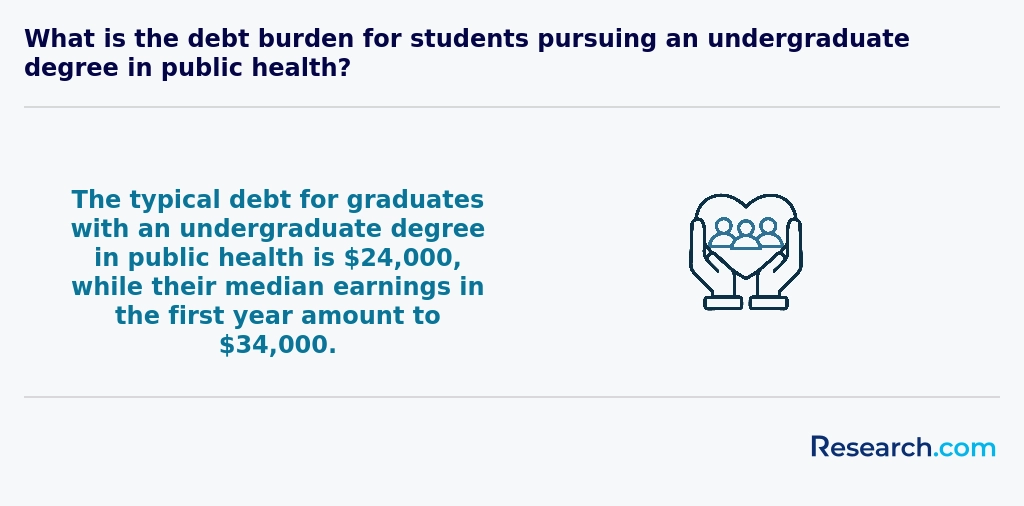
Public Health programs in Tallahassee, FL, distinguish themselves through extensive practicum and field placement components that bridge classroom theory with real-world impact. Students typically complete 200–300 supervised hours across diverse settings, ensuring competency in community assessment, program planning, and evaluation. Many local partnerships include: • Florida Department of Health in Leon County, where interns assist with disease surveillance and health education campaigns. • Big Bend Health Council, offering roles in grant writing and program evaluation for rural outreach initiatives. • Leon County Schools, enabling students to design and deliver nutrition and wellness workshops. Hands-on practica not only refine technical skills but also foster professional networks; more than 85% of graduates secure full-time positions with their internship hosts. To maximize placement success, applicants should begin exploring opportunities as early as the spring semester of their junior year, utilize career services for resume reviews, and attend the annual Public Health Career Fair at Florida State University. For students mindful of program costs, exploring alternative pathways can be beneficial-consider our Inexpensive Public Health Degree Programs Ranking in New Hampshire to compare field-based training models at lower tuition rates.
Public health degrees in Tallahassee include core courses designed to build strong practical skills. Graduates from popular universities often highlight courses like Introduction to Public Health, which sets the stage by exploring the field's history and essential functions. Epidemiology teaches students how to analyze disease patterns, a crucial skill when working with Tallahassee's local health departments.
Biostatistics provides hands-on training in data analysis, enabling students to interpret real health data effectively. Environmental Health courses focus on identifying and mitigating risks present in Florida's unique ecosystems, making concepts immediately relevant to daily community life. Health Policy and Management classes guide students through navigating healthcare systems, preparing them to influence policy and administration locally.
Students also appreciate Social and Behavioral Sciences courses for understanding the social factors influencing health, which ties directly to addressing challenges in Tallahassee's diverse populations. Practical experiences, such as internships with community organizations, allow learners to apply classroom knowledge to real problems-boosting both confidence and competence in public health careers.
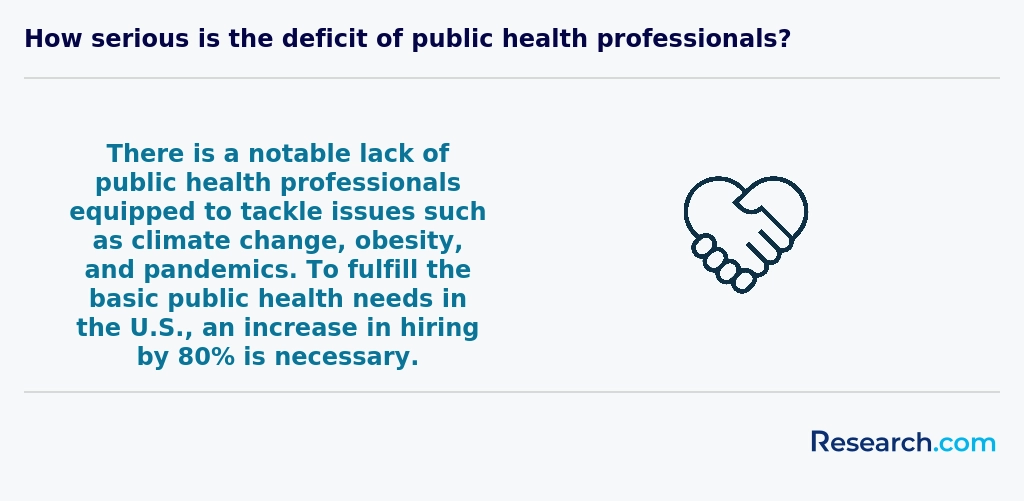
Public health degree specializations in Tallahassee offer targeted paths that align with the city's unique health challenges and workforce needs. Graduates from popular colleges in Tallahassee often choose Epidemiology to gain skills in tracking disease patterns and interpreting health data, crucial for tackling local outbreaks. Others find Health Policy and Management appealing, enabling them to influence healthcare systems directly and work within Florida's diverse government agencies. This specialization emphasizes strategic decision-making and hands-on leadership.
Environmental Health is a practical choice given Tallahassee's focus on managing water quality and occupational safety, preparing students to address real-world environmental risks. Additional specializations such as Global Health, Biostatistics, and Community Health round out the options, allowing students to focus on international health issues, quantitative research, or tailored prevention programs.
Many graduates appreciate how these specializations at Tallahassee universities connect classroom learning with real practice, enhancing job readiness. Those interested in nursing pathways can also explore the APRN licensure process in Nebraska as part of a broader healthcare career plan.
Choosing the best public health degree in Tallahassee means focusing on accredited programs that provide flexible formats and strong local connections. Many graduates from Florida State University appreciate its CEPH-accredited public health programs, which combine rigorous coursework with hands-on internships at Tallahassee's public health departments. These real-world experiences make learning feel relevant and immediately applicable, helping students develop skills that employers value. When assessing programs, prioritize affordable public health schools Tallahassee offers, since managing tuition costs alongside work or family demands can greatly reduce stress.
It helps to pick a program that matches your career goals-bachelor's degrees build a foundation for entry roles, while MPH degrees prepare you for leadership in agencies or nonprofits. Also, explore faculty expertise and ongoing research projects, as graduates often mention how engaging with professors focused on epidemiology or health policy enhanced their confidence and professional network. Finally, if you plan to become licensed, like in counseling fields, look into the licensure application process for smooth transitions after graduation.
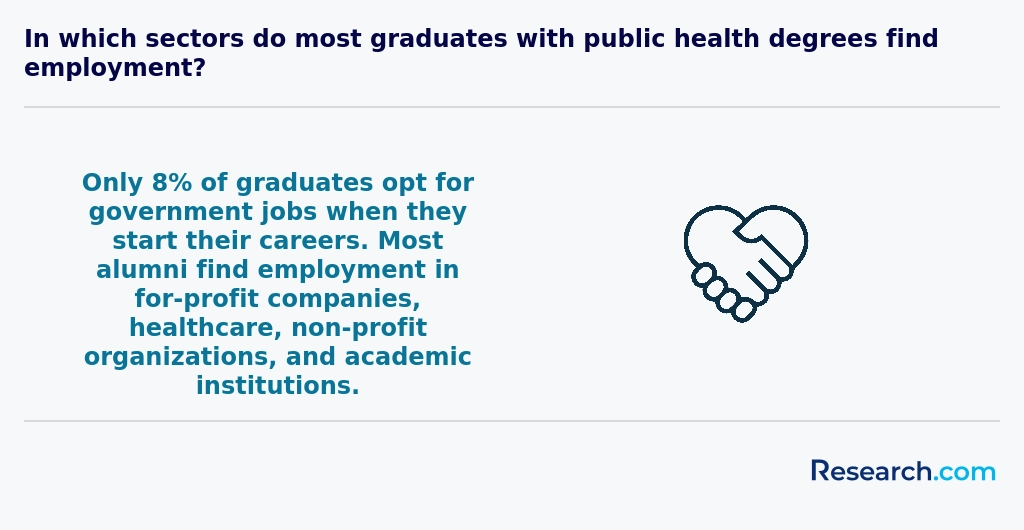
Graduates pursuing public health careers in Tallahassee can find diverse opportunities in government health departments, nonprofits, healthcare providers, and academic institutions like Florida State University and Florida A&M University. Many graduates enjoy roles in community health promotion, epidemiology, and policy development within agencies such as the Florida Department of Health, where their efforts directly impact local populations. Others engage in program coordination and health communication, applying skills learned through hands-on projects during their studies.
Some graduates find rewarding careers in data analysis and biostatistics, capitalizing on the city's growing demand for public health informatics expertise. These roles often involve managing extensive health data to guide decision-making processes in both government and private sectors. Many students from Tallahassee's universities highlight how internships and community-based research fueled their confidence and connected them to key employers, making job transitions smoother.
For those interested in expanding career options, exploring global healthcare management provides pathways into leadership roles in health services. This avenue combines managerial skills with public health knowledge, which increasingly appeals to graduates navigating Tallahassee's dynamic job market.
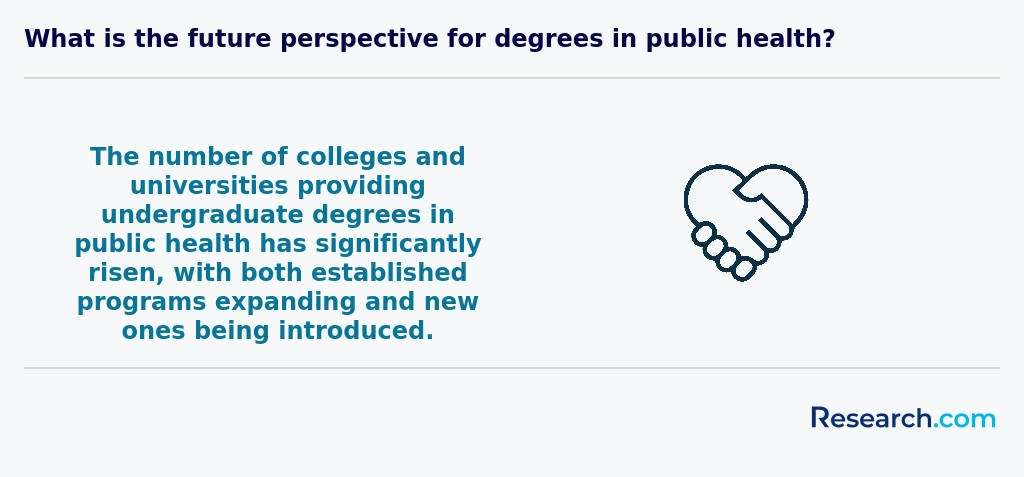
The public health job outlook in Tallahassee is strong, driven by its role as Florida's capital and a center for government and healthcare organizations. Graduates from well-known local institutions, such as Florida State University, find opportunities in organizations like the Florida Department of Health and various health-focused nonprofits. These employers often seek public health analysts, epidemiologists, and health educators to support community health initiatives and policy development.
Employment opportunities for public health graduates Tallahassee are diverse, with roles spanning health program coordination, data analysis, and advocacy. Many graduates share positive experiences about entering the workforce with competitive salaries ranging from $40,000 for entry-level positions to more than $70,000 for advanced roles. The city's growing healthcare needs and extensive support networks create an encouraging environment for career growth. Students managing costs benefit from affordable degree programs, which complements pursuing higher-paying roles.
For those interested in further healthcare education, Tallahassee also has options like nursing graduate degree programs, providing flexible career pathways within public health and related fields.
2027 Most Popular Public Health Degree Programs Ranking in Tallahassee
Investing in your education is a significant decision that can shape your future, and the Research.com team understands the importance of making informed choices. To assist prospective students in Tallahassee, we have meticulously crafted the "2027 Most Popular Public Health Degree Programs Ranking in Tallahassee." Our commitment to quality, credibility, and accuracy is reflected in the extensive research and analysis conducted to compile this ranking.
We utilized the following reputable data sources to ensure a comprehensive evaluation of public health programs:
By exploring this ranking, readers will gain valuable insights into the best public health degree programs available in Tallahassee, helping them make well-informed decisions about their educational journey. For more details on our methodology, please visit our Research.com methodology page.


Frequently Asked Questions About public health
Public health degree students in Tallahassee can maximize their learning by engaging in practical experiences offered through local institutions like Florida State University and Florida A&M University. Both universities provide access to internships and research projects focused on community health, disease prevention, and policy development, which are essential for applied skills.
The city's role as Florida's capital offers unique opportunities to observe state public health initiatives firsthand, including collaborations with the Florida Department of Health in Leon County. According to recent data, students involved in internships report enhanced understanding of epidemiology and health promotion.
Networking with local health agencies and participating in workshops or seminars can deepen knowledge and professional connections critical for future careers in public health.
Emerging niches in the public health field reflect evolving challenges and innovations. In Tallahassee, experts highlight rising demand in health informatics, which combines data analysis with public health strategies to improve community health outcomes. Another growing area is environmental health, focusing on local issues like water quality and air pollution in Florida's capital region.
Community health promotion tailored to diverse populations also gains attention, emphasizing culturally sensitive approaches in preventive care. Additionally, epidemiology remains crucial, especially with ongoing efforts to track and respond to infectious diseases.
These niches align with national trends, supported by data from the Florida Department of Health and local university research centers specializing in public health studies.
Graduates with a public health degree in Tallahassee should focus on building practical skills to improve employment prospects. Internships are essential; local agencies like the Florida Department of Health offer valuable hands-on experience. Networking is also crucial-joining organizations such as the Florida Public Health Association can connect students with professionals. According to the U.S. Bureau of Labor Statistics, the demand for public health workers in Florida is expected to grow by 13% through 2031.
Certifications like the Certified Health Education Specialist (CHES) can enhance a resume. Additionally, staying informed about regional health issues through Tallahassee's Public Health Research and Development Center helps tailor expertise to local needs.
Employers seeking public health degree graduates in Tallahassee prioritize a combination of analytical, communication, and practical skills. Strong data analysis abilities are essential, as handling health statistics supports evidence-based decisions. According to the Florida Department of Health, proficiency in epidemiology and biostatistics significantly improves job prospects locally.
Effective communication skills, both written and verbal, are crucial since public health professionals frequently educate and collaborate with diverse community groups. Additionally, knowledge of policy development and program management is valued, particularly for roles involving public health outreach or administration.
Familiarity with local health challenges, such as infectious disease control and environmental health in the Tallahassee region, further enhances employability. Employers also appreciate adaptability and teamwork skills to navigate evolving public health issues efficiently.
Finding internships in Tallahassee relevant to a public health degree involves several strategic steps. Start by exploring opportunities at local health departments, such as the Florida Department of Health in Leon County, which often offers internships focused on community health outreach and epidemiology.
Nearby hospitals and nonprofits, including Capital City Medical Center and the Big Bend Minority Development Coalition, also provide practical experience in public health programs. Many Florida universities in Tallahassee maintain internship boards linking students to area organizations.
Additionally, students should utilize online resources like the Florida Public Health Association and national platforms like the Council on Education for Public Health's internship listings to find roles tailored to public health.
Networking at conferences and career fairs within Tallahassee's health sector can significantly increase your chances of securing internships. Regularly checking university career services in Tallahassee ensures access to the most current opportunities specific to public health students.
A public health degree in Tallahassee significantly enhances career mobility and advancement opportunities within the region's growing health sector. The city hosts institutions such as Florida State University, recognized for its accredited public health programs, which provide graduates with essential skills highly sought by employers. According to the U.S. Bureau of Labor Statistics, the health education and community health jobs sector in Florida is projected to grow by 13% from 2022 to 2032, faster than average for all occupations.
Graduates with public health degrees often find roles in government agencies, non-profits, and healthcare systems concentrated in Tallahassee, improving their leadership and policy-making prospects. Networking opportunities and internships available locally further support upward career trajectories in public health.
Studying for a public health degree in Tallahassee offers students a solid foundation for interdisciplinary careers. Local programs emphasize collaborative learning, combining courses in epidemiology, health policy, social sciences, and environmental health. This broad approach equips graduates to work alongside professionals from medicine, government, and community organizations.
Many Tallahassee institutions partner with Florida's Department of Health, providing practical experience in real-world settings. For example, Florida State University's College of Medicine and its public health initiatives facilitate cross-disciplinary projects.
According to the Tallahassee-Leon County Public Health Department, graduates often enter roles that require diverse skills to address complex health challenges, such as disease prevention and health promotion.
Choosing between a thesis and a non-thesis public health degree in Tallahassee depends on your career goals and learning preferences. A thesis program emphasizes original research, ideal for those aiming for doctoral studies or research roles. In contrast, non-thesis tracks focus more on practical skills and coursework, suited for professionals seeking leadership or community health positions.
Tallahassee's public health programs often align with Florida's growing need for skilled health professionals, supported by data from the Florida Department of Health showing a 10% regional job growth in public health fields through 2028. Consider faculty expertise and available resources when deciding.
Students in Tallahassee seeking to study public health abroad have a variety of options through exchange programs and partnerships offered by local institutions. Florida State University (FSU), a major university in the city, often collaborates with international schools to provide study abroad opportunities focused on global health issues. These programs allow students to gain practical experience in diverse healthcare settings while earning credits toward their degrees.
Many of these opportunities include destinations in Europe, Latin America, and Asia, regions known for different public health challenges and innovations. According to FSU's Center for Global Engagement, about 8% of students participate in such programs, with public health being a growing field of interest.
Additionally, organizations such as the Global Health Institute at FSU help facilitate internships and research projects abroad, enhancing students' understanding of international public health systems. These experiences are valuable for careers in epidemiology, health policy, and community health both nationally and internationally.
Students pursuing public health degrees in Tallahassee can find valuable part-time job opportunities that align with their academic goals. Local healthcare facilities, including Tallahassee Memorial HealthCare, often offer entry-level positions such as patient service representative or health educator assistant. These roles provide practical experience supporting public health initiatives.
Internships with the Florida Department of Health in Leon County are also popular, allowing students to engage directly with community health programs and epidemiological research. According to the department's 2023 workforce report, these internships improve skills in data collection and health communication.
Nonprofit organizations focused on health education and outreach, like the Tallahassee Public Health Coalition, frequently seek part-time community outreach workers, offering hands-on involvement in public health promotion.
Public health students in Tallahassee benefit from strong networking opportunities through local universities and community organizations. Florida State University (FSU) and Florida A&M University (FAMU) both have active public health programs that connect students with faculty, alumni, and public health professionals in the state capital. These connections often lead to internships and job placements within Florida's Department of Health and other government agencies.
Additionally, the Tallahassee-Leon County Public Health Department frequently hosts events and workshops that are open to students, providing real-world experiences and direct contact with public health practitioners.
Professional organizations such as the Florida Public Health Association hold regional conferences in Tallahassee, allowing students to network statewide.
Alumni networks offer significant advantages for public health degree students in Tallahassee. Graduates from local universities, such as Florida State University, often stay engaged through these networks, providing current students with mentorship opportunities and career guidance. According to the Florida Department of Health, Tallahassee has a growing public health sector, making alumni connections valuable for job placement.
These networks also facilitate internships and volunteer positions with local agencies, enhancing practical experience. Furthermore, alumni events and seminars allow students to build professional relationships, which can lead to collaborations and employment. Given the competitive job market in Florida's capital, these connections are crucial for student success in public health.
Customizing a public health degree program in Tallahassee allows students to align their education with specific career goals. Many local institutions offer electives and concentrations such as epidemiology, health policy, or community health. Choosing internships or practicum experiences within Tallahassee's health departments or nearby agencies provides practical exposure tailored to individual interests.
Flexible course schedules, including part-time and online options, support working professionals. Students can also engage in research projects related to regional health concerns, including chronic disease trends reported by the Florida Department of Health.
Advising services in Tallahassee schools help students select courses and experiences that best fit public health roles in government, nonprofits, or healthcare.
Public health students in Tallahassee often face challenges related to balancing rigorous coursework and real-world experience requirements. Programs typically demand extensive fieldwork, which can be difficult to schedule alongside academic commitments. Many students report difficulties securing local internships that align closely with their career goals, despite Tallahassee's public health organizations and agencies.
Another common challenge involves navigating evolving public health policies in Florida, which require students to stay current with state regulations and health disparities affecting local populations. According to the Florida Department of Health, chronic disease prevalence and environmental health issues in the region add complexity to students' studies.
Financial strain is also notable, as some public health programs may have limited funding for scholarships. Students often need to manage tuition costs while gaining valuable experience. Additionally, adapting to the increasing use of data analytics and technology in the field requires ongoing learning outside classroom hours.
Graduates with a public health degree in Tallahassee have several professional certification options that can enhance their careers. One widely recognized certification is the Certified in Public Health (CPH) credential, offered by the National Board of Public Health Examiners. It demonstrates expertise in core public health sciences and is valued nationwide.
Another key certification available is the Certified Health Education Specialist (CHES) from the National Commission for Health Education Credentialing. It focuses on health education and promotion skills, which are in demand in Florida's public health sector.
For those interested in epidemiology or disease control, the Field Epidemiology Training Program (FETP) certification is also an option, though less common locally. Additionally, Florida offers state-specific certifications for emergency preparedness professionals, important given the region's vulnerability to hurricanes.
Professionals pursuing these certifications can improve job prospects and salary potential in Tallahassee's growing public health field, which is supported by institutions like Florida State University and the Florida Department of Health. According to the Bureau of Labor Statistics, employment for health educators and community health workers is projected to grow by 13% nationally through 2032, reflecting rising demand in regions including Tallahassee.
Crafting a strong application for a public health program in Tallahassee requires clear focus and preparation. Start by thoroughly researching the programs available at local institutions, such as Florida State University, which has a well-regarded College of Public Health. Highlight your relevant academic background, work experience, or volunteer activities related to health or community services.
Authenticity is important, so tailor your personal statement to demonstrate your commitment to improving public health in the Tallahassee area or broader communities. Use specific examples to show problem-solving skills and teamwork.
Additionally, obtaining strong recommendation letters from professionals familiar with your critical thinking and dedication can be valuable. According to the National Center for Education Statistics, applicants with higher GPAs and relevant experience generally have better chances of admission nationwide, which applies to Tallahassee as well.
Finally, meet all deadlines carefully and proofread your materials to avoid errors that could undermine your application's strength.
Public health careers in Tallahassee offer valuable opportunities aligned with growing global health challenges. Worldwide, public health professionals play key roles in managing disease outbreaks, improving health equity, and influencing policy. The U.S. Bureau of Labor Statistics projects a 17% growth for health educators and community health workers through 2031, reflecting rising demand. Tallahassee, home to Florida State University and Florida A&M University, provides strong academic programs that prepare students to address both local and international health issues.
Global health organizations like the World Health Organization emphasize interdisciplinary skills, which are essential in U.S. public health curricula.
Tallahassee's public health sector benefits from focus on diverse populations and environmental concerns, mirroring international priorities.
Gaining practical experience while studying for a public health degree in Tallahassee is essential for building a strong career foundation. Many local universities, including Florida State University, offer internship opportunities through partnerships with regional health departments and community organizations. These internships allow students to work directly on public health initiatives such as disease prevention and health education programs.
The Florida Department of Health in Leon County often collaborates with students, providing hands-on experience in epidemiology and environmental health. Additionally, Tallahassee's growing public health sector supports volunteer roles and part-time jobs in clinics and outreach programs, helping students apply classroom learning in real-world settings.
Choosing the right concentration within a public health degree program in Tallahassee depends on your career goals and local community needs. Tallahassee, home to Florida State University's College of Medicine and public health research centers, offers specializations such as epidemiology, health policy, and environmental health.
Consider concentrations aligned with Tallahassee's health challenges, like chronic disease prevention or rural health, as cited by the Florida Department of Health. Job growth in public health roles is projected at 11% nationally through 2031, with Tallahassee showing demand for experts in biostatistics and health education (Bureau of Labor Statistics).
Review program curricula, internship opportunities, and faculty expertise to find a concentration that matches both your interests and the local public health landscape.
- 2027 Most Popular Public Health Degree Programs Ranking in Gainesville
- 2027 Most Popular Public Health Degree Programs Ranking in Statesboro
- 2027 Most Popular Public Health Degree Programs Ranking in Savannah
- 2027 Most Popular Public Health Degree Programs Ranking in Atlanta
- 2027 Most Popular Public Health Degree Programs Ranking in Athens
- 2027 Most Popular Public Health Degree Programs Ranking in Birmingham
- 2027 Most Popular Public Health Degree Programs Ranking in Charleston
- 2027 Most Popular Public Health Degree Programs Ranking in Columbia
- 2027 Most Popular Public Health Degree Programs Ranking in New Orleans
- 2027 Most Popular Public Health Degree Programs Ranking in Charlotte
- Young WFPHA Initiative – Empowering Young Public Health Professionals https://www.wfpha.org/young-wfpha/
- What do you learn in a bachelor's in public health? | edX https://www.edx.org/resources/what-do-you-learn-in-a-bachelors-in-public-health
- Public Health Challenges – IPA SDG Dashboard https://sdg.internationalpublishers.org/sdgaction/public-health-challenges/
- Public Health Jobs | How to Boost Your Public Health Experience When Starting Out https://publichealthjobs.co.uk/blog/how-to-boost-your-public-health-experience-when-starting-out
- Students and Alumni associations - Europubhealth https://www.europubhealth.org/students-alumni-associations/
- Public Health Degrees & Careers | How To Work In Public Health https://www.learnhowtobecome.org/medical-health-careers/public-health/
- Florida https://www.publichealthdegrees.org/st/florida/
- Master of Public Health Specializations: What are they and how should you navigate the decision? https://masterspublichealth.com/master-of-public-health-specializations/
- 2025 Most Affordable Online MPH Programs https://www.onlineu.com/most-affordable-colleges/public-health-masters-degrees
- Pre-Professional Health Experience Guide | PublicHealthOnline.org https://www.publichealthonline.org/pre-professional-experience/














