
2027 Most Affordable Public Health Degree Programs Ranking in Boston

Co-Founder and Chief Data Scientist
If you're looking to pursue a public health degree in Boston, this article is here to guide you. The 2027 Most Affordable Public Health Degree Programs Ranking in Boston was created by the Research.com team of data scientists to help you make an informed decision about which programs to consider.
Choosing the right degree can open doors to meaningful careers that improve communities. Reading this article will give you clear insights into affordable options and help you plan your future with confidence.
Your public health journey starts here, and it's worth exploring every opportunity.
Key benefits of getting public health degree in Boston
- Salary for public health degree graduates: Graduates in Boston can expect competitive salaries, with roles like Environmental Health Specialists earning around $86,710 annually and Medical Assistants making about $43,350 annually, providing a strong financial foundation.
- Career paths: Public health graduates from Boston University often pursue diverse roles such as Health Educators, who earn approximately $69,790 per year, or Community Health Workers, with an average annual wage of $52,610, ensuring varied opportunities.
- Benefits of online degrees: Completing a public health degree online through institutions like Northeastern University offers flexibility and convenience without sacrificing quality, making it easier to balance studies with work or personal commitments in Boston.
- 2027 Most Affordable Public Health Degree Programs Ranking in Boston
- What can I expect from public health degree in Boston?
- Where can I work with public health degree in Boston?
What can I expect from public health degree in Boston?
The average cost of a public health degree in Boston varies significantly depending on the institution. Graduates from prestigious private schools like Harvard T.H. Chan School of Public Health often encounter higher tuition fees, which can feel challenging but are offset by numerous scholarships and assistantship opportunities. On the other hand, students at public schools such as the University of Massachusetts Boston typically benefit from more affordable tuition, especially if they qualify for in-state rates.
Many public health students recall balancing part-time internships, which offer valuable hands-on experience within Boston's vibrant healthcare ecosystem, while applying for financial aid to manage costs. Practical exposure at local hospitals and public health agencies not only enriches education but also helps students build networks that can lead to paid positions.
By strategically combining scholarship applications, financial aid, and work opportunities, students manage expenses effectively without compromising their education quality. This approach makes pursuing public health degrees in Boston both achievable and rewarding.
Where can I work with public health degree in Boston?
Graduates with a public health degree in Boston often find rewarding roles within the city's vibrant healthcare system. Those from institutions like Harvard T.H. Chan School of Public Health commonly secure positions in major hospitals such as Massachusetts General or Boston Medical Center, applying their skills to community health education and health policy development. These roles enable them to directly impact patient outcomes and address health disparities in real-world settings.
Others join government agencies like the Boston Public Health Commission or Massachusetts Department of Public Health, where they work on initiatives such as vaccination campaigns or maternal health programs. These opportunities allow graduates from Boston University School of Public Health to engage in meaningful policy and prevention efforts that shape local health.
Research and academia also draw many grads, who contribute as data analysts or outreach specialists, often collaborating with renowned research centers in Boston. Nonprofit organizations focused on social determinants of health provide career paths in advocacy and program management, offering fulfilling work that aligns with graduates' passion for community impact.
Graduates with a public health degree from Boston-area institutions, such as Boston University or Harvard T.H. Chan School of Public Health, often find that their earnings reflect both local demand and their level of training. Entry-level roles like Community Health Workers tend to start around $52,610 annually, with an hourly wage near $25.30. Those who move into roles such as Health Educators report mean annual wages around $69,790, making it a solid step up for many MPH graduates.
Boston's strong healthcare sector favors specialists, too. Environmental Health Specialists and Occupational Health and Safety Specialists earn mean salaries of approximately $86,710 and $85,570 respectively, translating to hourly wages above $41. These figures represent rewarding outcomes for graduates who leverage internships or research projects at major hospitals or public health agencies in the city.
In practical terms, pursuing certification or specialization during your studies can help you target these higher-paying roles. Local graduates often emphasize how Boston's extensive network of healthcare and nonprofit organizations offers a variety of steps to build experience and move up the salary ladder swiftly.
- Master's tuition for public health degrees in Boston ranges from $30,000 to $55,000 per year, varying by institution and program type.
- Public universities in Boston tend to have lower tuition than private ones, but additional costs like fees and living expenses should be considered.
- Starting salaries for public health graduates in Boston range from $50,000 to $65,000, covering entry- to mid-level roles.
- With 5 to 10 years of experience, salaries typically increase to between $75,000 and $100,000 or more for specialized and managerial positions.
- Boston's public health job market is growing, with an expected 10% increase in roles like health education specialists and community health workers through 2030.
Completing a public health degree in Boston typically varies by program level and study format. For example, undergraduate students at universities like Boston University often finish their Bachelor of Science in Public Health in four years, balancing core courses and electives in a full-time schedule. Graduate students pursuing a Master of Public Health (MPH) at schools such as the Harvard T.H. Chan School of Public Health usually take about two years full-time, but many choose part-time options extending up to four years to manage work and studies.
Accelerated MPH programs available at some Boston colleges allow motivated students to graduate in as little as 12 to 18 months by studying year-round with summer courses, though this requires strong commitment and discipline. Doctoral candidates pursuing a DrPH or PhD generally spend 3 to 5 years focusing on research and leadership skills, a timeframe reported by graduates from institutions like Northeastern University.
Choosing flexible online or hybrid formats at Boston schools can help customize the pace of study, making it easier for working professionals to pursue their goals confidently without sacrificing quality.
To secure admission into a 2024 Most Affordable Public Health Degree Program in Boston, MA, it’s crucial to understand the application workflow and key deadlines. Most institutions follow a similar timeline: • Fall Intake – Application Opens: August 1 – Priority Deadline: October 15 – Final Deadline: December 1 • Spring Intake – Application Opens: November 1 – Priority Deadline: January 15 – Final Deadline: March 1 Core application requirements often include: • Completed online application form • Official transcripts (undergraduate and, if applicable, graduate) • Personal statement detailing public health interests and career goals • Two to three letters of recommendation from academic or professional references • Resume or CV highlighting relevant internships, research, or work experience • GRE scores (if required; many Boston programs have waived this in recent cycles) Application Tips: 1. Start Early: Request transcripts and recommendation letters at least two months before deadlines to avoid last-minute delays. 2. Tailor Your Personal Statement: Address how Boston’s public health landscape aligns with your research or community health ambitions. 3. Leverage Campus Visits: Attending virtual open houses or in-person tours can provide insights and demonstrate genuine interest to admissions committees. 4. Financial Aid Applications: Submit FAFSA by January 15 for maximum federal aid consideration; also explore institutional scholarships by November 30. If you’re exploring cost-effective alternatives beyond Massachusetts, don’t miss our Cheapest Public Health Degree Programs Ranking in Maine, which highlights programs with competitive tuition and robust support for public health students.
Online public health degrees in Boston offer flexibility ideal for working professionals or those balancing family life. Graduates from Boston University's online program often appreciate being able to study asynchronously, fitting coursework around jobs without relocating. This flexibility lets students progress at their own pace, though it may limit spontaneous peer discussions and direct access to campus labs.
Conversely, on-campus programs, like those at Harvard T.H. Chan School of Public Health, immerse students in a vibrant academic setting. Graduates recall the value of face-to-face faculty engagement and hands-on projects with local public health agencies. This direct involvement enhances networking opportunities crucial for internships and Boston-based job placement.
Cost differences also impact decisions. While in-state tuition averages $15,000 annually, prestigious on-campus programs can exceed $50,000, with online alternatives sometimes more affordable. Students should weigh hands-on experiences and networking against convenience and price to find the best fit for their public health career goals in Boston.
Boston’s dynamic academic landscape is not only steeped in reputable traditions but is also at the forefront of emerging trends shaping public health education. In today’s rapidly evolving healthcare environment, programs are increasingly integrating digital health platforms, advanced data analytics, and innovative research methodologies to prepare graduates for complex challenges. With the rise in telemedicine, AI-driven health diagnostics, and real-time epidemiological surveillance, students are gaining hands-on experience that bridges theory with the latest technological advances. Moreover, institutions in Boston are fostering partnerships with local healthcare providers and community organizations, enabling students to participate in cutting-edge research and pilot projects that address urban health disparities. These collaborative experiences not only enhance learning outcomes but also offer invaluable networking opportunities that can lead to rewarding career paths. For prospective students seeking a cost-effective education along with these innovative experiences, exploring the cheapest public health programs in massachusetts might be an ideal starting point. The integration of sustainability, technological adaptability, and a strong emphasis on community impact continues to redefine public health strategies. This forward-thinking approach ensures that graduates are not only career-ready but also well-equipped to drive transformative change in an ever-evolving global health landscape.
The average cost of a public health degree in Boston typically ranges around $64,000 in total expenses, with in-state students paying slightly less, approximately $46,800. This reflects both tuition and associated fees across different programs and institutions. Graduates from well-known schools like Boston University and Harvard often mention that while the sticker price is high, the value of access to experienced faculty and professional networks makes the investment feel worthwhile.
Many students pursuing public health in Boston find that tuition fees at private universities can be steep, with annual rates from $35,000 up to $55,000. However, several of these students highlight the availability of scholarships and assistantships that significantly ease financial burdens. Public universities such as the University of Massachusetts Boston offer more affordable tuition around $18,000 to $22,000 for in-state residents, making public health degrees more accessible without compromising educational quality.
When considering affordable public health programs Boston tuition fees are an important part of the decision, but additional living expenses within the city's urban setting also play a big role. Boston-based students frequently point out that careful budgeting helps to manage costs of housing, campus fees, and learning materials effectively. Those interested in cost-saving options should explore the cheapest public health programs in massachusetts for practical alternatives to reduce overall expenses.

Evaluating ROI helps you balance program costs against potential earnings and career growth in Boston’s public health sector.
Consider these factors to gauge ROI:
- Total tuition and fees versus average starting salary
- Availability of scholarships, assistantships, and work-study opportunities
- Living expenses in Boston’s urban environment
- Median salary increases over national averages for roles like health educator and biostatistician
- Time to recoup investment based on entry-level wages and career progression
Calculating your payback period (total cost divided by annual post-graduation salary) offers clarity on affordability. For alternative affordable healthcare pathways, explore easy nursing schools to get into.
Public health students in Boston can access several financial aid options tailored to their needs. Federal aid remains the cornerstone, with many students at Boston University or Harvard T.H. Chan School of Public Health securing Direct Federal Student Loans after completing FAFSA. These loans come with fixed interest rates and income-driven repayment plans, providing flexibility during and after studies.
Merit-based scholarships are another crucial resource. Graduates often share how competitive scholarship awards at Boston-area schools eased their tuition burden, sometimes covering a significant portion. Additionally, assistantships and fellowships are common paths, offering tuition remission plus stipends for research or teaching-an ideal fit for students eager to gain hands-on experience while funding their education.
Massachusetts residents benefit from state grants like the Massachusetts Public Service Grant. These grants reward academic excellence and in-state study commitment, helping keep costs manageable at local institutions. For employed students, employer tuition assistance programs within Boston's thriving healthcare sector can be a game-changer, enabling professionals to advance their degrees without financial strain.
Combining these aid sources often makes earning a public health degree in Boston achievable and rewarding, reflecting the real-world strategies many local students use.
To enroll in a public health degree program in Boston, you first need a strong academic foundation. For undergraduate programs at institutions like Boston University or Northeastern University, having a high school diploma with solid grades in biology, chemistry, and math is essential. Many graduates recall that excelling in these subjects helped ease their transition into public health coursework.
For graduate degrees such as an MPH, a bachelor's from an accredited college is required. Boston schools often favor applicants who have taken courses in epidemiology or statistics, reflecting real-world demands. Graduates from Harvard T.H. Chan School of Public Health emphasize how earlier exposure to these topics made tackling complex public health challenges more manageable.
Relevant experience is highly valued. Volunteering in a community health center or working with local health initiatives in Boston can set your application apart. Many successful students share that even 1-2 years of hands-on involvement gave them confidence and a deeper connection to the community.
Documentation like personal statements and recommendation letters must clearly convey your passion and practical know-how. Although some programs have dropped GRE requirements, highlighting your background thoughtfully remains crucial for strong admissions.
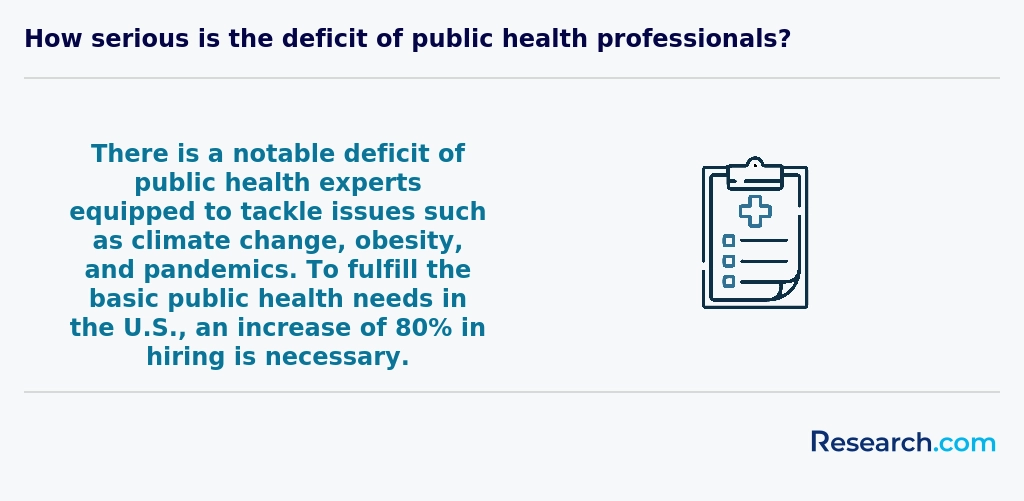
In today’s data-driven health landscape, graduates with a Public Health degree in Boston are increasingly turning to health information management as a strategic specialty. Combining principles of epidemiology, biostatistics, and health policy with advanced information systems, this field ensures that patient data is accurate, secure, and accessible-critical for effective population health strategies. Pursuing a dedicated health information manager career can position you at the intersection of technology and public health, where demand is rising across hospitals, government agencies, and research institutions. Key responsibilities include designing and maintaining electronic health record (EHR) systems, analyzing big data to identify community health trends, and ensuring compliance with HIPAA and other regulatory standards. In Boston’s leading healthcare facilities, health information managers collaborate with clinicians, IT teams, and policy makers to streamline workflows and support data-driven decision making. By mastering these skills, graduates not only enhance patient outcomes but also contribute to large-scale public health initiatives such as disease surveillance and health equity programs. Certification opportunities-such as the Certified Health Data Analyst (CHDA) or Registered Health Information Administrator (RHIA)-further validate your expertise and often lead to higher salary bands. According to recent industry reports, Health Information Managers in metropolitan areas like Boston can command median salaries exceeding $95,000 annually, with senior roles and specialized informatics positions reaching well above $120,000. This makes the investment in additional credentials highly worthwhile, especially when coupled with Boston’s robust network of professional associations and continuing education providers. For graduates seeking a dynamic, impactful role in the evolving public health ecosystem, integrating health information management into your career plan offers both financial reward and the chance to shape future healthcare delivery. As data privacy, interoperability, and analytics become central to public health policy, professionals trained in this discipline will be indispensable allies in safeguarding community well-being.
Public health degree programs in Boston typically include core courses designed to build practical skills relevant to real-world challenges. Graduates from universities like UMass Boston share how foundational courses like Introduction to Public Health helped them understand community health history and current issues, essential for working in diverse urban environments.
Courses in Epidemiology teach students how to investigate disease outbreaks, a skill Boston students practice through hands-on projects connected with local health departments. Biostatistics classes equip them to analyze health data, turning numbers into actionable insights-a critical ability when addressing Boston's varied population health needs.
Environmental Health courses explore pollution and workplace hazards, topics Boston graduates recall applying during internships with city agencies. Health Policy and Management courses prepare students to navigate Boston's complex healthcare systems, while Social and Behavioral Sciences emphasize understanding how behavior influences health outcomes, reflecting Boston's commitment to health equity.
Public health degrees in Boston offer a range of specializations tailored to meet varied career paths and local industry demands. Graduates from popular Boston universities often highlight specializations like Epidemiology, which prepares them to investigate outbreaks by working closely with institutions such as the Massachusetts Department of Public Health. Those focusing on Health Policy and Management find themselves equipped to influence healthcare delivery within Boston's extensive network of health agencies and hospitals. Environmental Health is another valued specialization, taking advantage of the city's strong environmental research scene to tackle pollution and workplace safety issues.
Many students choose Global Health, gaining hands-on experience through Boston's collaborations with local NGOs, while Social and Behavioral Sciences focus on designing community health interventions that resonate with Boston's diverse population. Biostatistics appeals to those passionate about data analysis, crucial for interpreting trends in clinical trials. Exploring these options at Boston's universities helps align your public health degree specializations Boston with real-world skills and opportunities. For those interested in administrative roles, researching a health information manager career can be a practical next step.
Choosing the best public health degree programs in Boston means focusing on programs that offer a curriculum matching your career goals, whether it's epidemiology, environmental health, or health policy. Graduates from universities like Boston University often highlight how specialized courses and access to local health agencies shaped their practical skills and confidence in tackling Boston's health challenges.
Cost is also crucial. Many students share how exploring scholarships and in-state tuition options helped make their education affordable. If finances are a concern, check out the Cheapest Public Health Degree Programs Ranking in Maine as a reference for budget-friendly options nearby. Balancing quality with affordability is key, especially for those targeting affordable public health schools Boston residents prefer.
Finally, proximity to hospitals and research centers allows students to gain hands-on internships, which enrich learning and networking. Alumni often mention that flexibility - part-time or hybrid formats from Boston schools - enabled them to work while studying, making the journey manageable and rewarding.
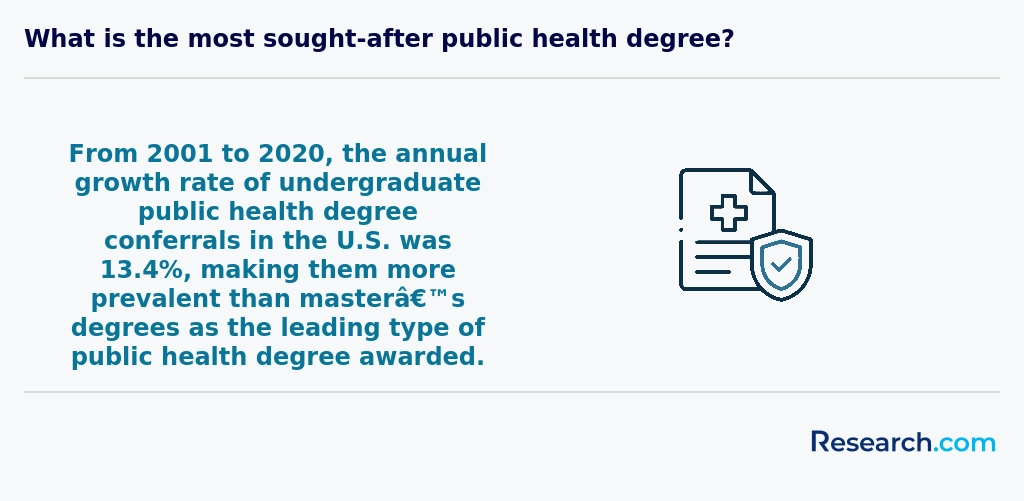
Graduates with a public health degree in Boston find diverse career paths that match their passion for impacting community wellness. For example, many work in government agencies like the Massachusetts Department of Public Health, focusing on health policy or emergency preparedness. Others join Boston's top hospitals, such as Massachusetts General, to coordinate clinical research and lead health improvement initiatives. These roles offer a hands-on way to see the difference their efforts make locally.
Boston's universities, including those known for strong public health programs, also provide gateways to careers in academic research and biostatistics. Graduates often engage in projects addressing health disparities, proudly contributing to studies funded by federal grants. This blend of study and real-world application inspires confidence and professional growth.
The variety of nonprofit organizations in the city offers opportunities to build programs around nutrition and maternal health, ideal for graduates eager to work directly with communities. Networking during graduate studies enables access to these roles, turning academic knowledge into rewarding jobs.
For those weighing next steps, considering an easy masters can provide a strategic advantage in entering Boston's competitive job market with public health career opportunities Boston.
The public health job outlook Boston is strong, thanks to the city's network of hospitals, research centers, and public health agencies. Graduates from well-known institutions in Boston often find roles in healthcare administration, epidemiology, and policy analysis, reflecting the city's emphasis on innovation in healthcare data and technology. Many public health students share how their internships and connections through local universities open doors to diverse career opportunities.
For those exploring health degree career opportunities Boston offers, salaries start competitively, with experienced professionals earning upwards of $80,000 annually. Boston's investment in public health outreach and health equity means recent graduates can quickly move into impactful roles addressing urban health challenges. Cost-conscious students can also consider programs with tuition ranging from $20,000 to $50,000, balancing affordability and career potential.
Prospective students interested in accelerated pathways should explore options like the quickest associates degree programs, which provide a faster route into the job market without sacrificing quality education and practical experience.
2027 Most Affordable Public Health Degree Programs Ranking in Boston
Investing in your education is a significant decision that can shape your future, and the Research.com team understands the importance of making informed choices. To assist prospective students in Boston, we have meticulously crafted the "2027 Most Affordable Public Health Degree Programs Ranking in Boston." Our commitment to quality, credibility, and accuracy is reflected in the extensive research and analysis conducted to compile this ranking.
We utilized the following reputable data sources to ensure a comprehensive evaluation of public health programs:
By exploring this ranking, readers will gain valuable insights into the most affordable and high-quality public health degree programs in Boston, empowering them to make well-informed decisions about their educational futures. For more details on our methodology, please visit our Research.com methodology page.


# 5 position
Massachusetts College of Pharmacy and Health Sciences
Bachelor of Science in Public Health

Frequently Asked Questions About public health
Public health degree students in Boston can enhance their learning by engaging directly with the city's extensive healthcare network. Boston hosts more than 30 hospitals and numerous public health organizations, offering valuable internship and research opportunities. For example, collaborating with institutions like Massachusetts General Hospital or the Boston Public Health Commission can provide hands-on experience in real-world settings.
Students should also take advantage of Boston's academic resources, including libraries and seminars offered by universities such as Harvard and Boston University. Participating in community health projects allows students to understand urban health disparities prevalent in Massachusetts, where nearly 1 in 5 adults reports poor physical health according to CDC data.
Networking through local public health conferences and workshops further expands learning and career prospects. Staying informed on Boston-specific public health issues, such as opioid addiction and infectious disease outbreaks, can prepare students for impactful careers.
Emerging niches within the public health field reflect evolving societal needs and technological advances. In Boston, a prominent area is health informatics, which combines data science with public health to improve patient outcomes and healthcare delivery. This niche is crucial as the city hosts leading hospitals and research centers focusing on electronic health records and big data.
Another growth area is environmental health, particularly concerning urban air quality and climate change impacts. Boston's local government emphasizes sustainable practices, opening career paths for specialists.
Additionally, global health equity and community health promotion are gaining attention due to Boston's diverse population and international collaborations led by its universities.
Graduates with a public health degree in Boston can enhance their job prospects by gaining practical experience through internships and volunteer opportunities. Boston's rich healthcare ecosystem offers roles in hospitals, government agencies, and nonprofits. According to the Massachusetts Department of Public Health, professionals with experience in data analysis and epidemiology are in high demand.
Networking is essential-attending local public health conferences or joining the Boston Public Health Commission's events can connect candidates with employers. Additionally, certification such as Certified Health Education Specialist (CHES) can improve competitiveness. Familiarity with software like SAS or R is also valued in Boston's data-driven public health roles.
Employers in Boston value several key skills when hiring public health degree graduates. Strong analytical abilities are essential to interpret complex health data and support evidence-based decisions. Communication skills, both written and verbal, are critical for effectively educating diverse communities about health risks and policies.
Knowledge of epidemiology and biostatistics ranks highly, given Boston's active role in public health research, as reported by the Boston Public Health Commission. Additionally, familiarity with health policy and program planning helps graduates contribute to local health initiatives.
Technical skills, such as proficiency with software like SAS or R, are also sought after to manage and analyze health datasets efficiently.
Finding internships in Boston related to a public health degree involves leveraging local resources and networks. Boston hosts numerous hospitals, public health organizations, and research institutions that offer practical experience. For example, partnerships with Massachusetts Department of Public Health and Boston Public Health Commission provide valuable internship opportunities focused on community health.
Students should explore internship listings on university career centers and platforms like Handshake or Glassdoor. Additionally, attending public health conferences and networking events in Boston can connect students with potential employers. According to the Boston Public Health Commission, approximately 30% of public health internships in the city are linked to nonprofits, government agencies, or healthcare providers.
Applying early and tailoring resumes to public health skills enhances chances of securing internships. Internships often require clear objectives aligned with coursework, so consulting academic advisors helps in selecting relevant positions.
A public health degree in Boston significantly enhances career mobility and advancement opportunities. The city is home to numerous hospitals, government agencies, and research institutions that value formal public health education. According to the Massachusetts Department of Public Health, professionals with a master's degree in public health see a 15% higher likelihood of promotion compared to those without. Employers often seek graduates with skills in epidemiology, biostatistics, and health policy.
Moreover, Boston's strong network of public health organizations provides ample internship and networking opportunities, which can lead to leadership roles and salary growth. Data from the Boston Public Health Commission highlights steady demand for qualified professionals in areas like community health and health education.
Studying for a public health degree in Boston offers a distinct advantage in preparing students for interdisciplinary roles. Boston is home to top institutions like Harvard T.H. Chan School of Public Health and Boston University School of Public Health, which emphasize collaboration across fields such as epidemiology, health policy, and social sciences. This approach equips graduates with diverse skills needed to tackle complex health issues.
Students engage with real-world public health challenges in local communities, fostering teamwork among professionals in medicine, data analysis, and environmental sciences. According to the Boston Public Health Commission, over 50% of local public health projects require interdisciplinary cooperation.
Choosing between a thesis and a non-thesis public health degree program in Boston depends on your career goals and learning preferences. A thesis option typically suits those interested in research or pursuing a PhD later. It involves designing and conducting original research, which can enhance critical thinking and analytical skills.
Non-thesis programs are often preferred by professionals seeking practical skills and faster completion. They focus more on coursework and may include a capstone project or practica relevant to Boston's public health challenges.
Boston, with its strong concentration of top public health institutions and research centers like Harvard and Boston University, offers diverse options. According to the Boston Public Health Commission, practical experience in local health programs can be vital, favoring non-thesis tracks for applied careers.
Students in Boston pursuing public health degrees have multiple opportunities to study abroad through their home institutions' partnerships. Universities like Boston University and Harvard T.H. Chan School of Public Health offer exchange programs and global fieldwork experiences in countries across Europe, Asia, and Africa. These programs enhance practical learning by addressing health issues in diverse settings.
The Council on Education for Public Health (CEPH) accredited Boston institutions often collaborate with international organizations, providing students access to research internships abroad. Participation in global health conferences and short-term study trips also supplement formal coursework.
Such options allow Boston students to gain a broader understanding of public health challenges worldwide, preparing them for careers in global health policy and practice.
Boston offers diverse part-time job opportunities that complement public health degree education. Students can seek roles in community health organizations, where they assist with outreach and education efforts, gaining practical experience in health promotion. Hospitals and healthcare centers often hire part-time patient service representatives or health information clerks, which help students understand healthcare operations.
The Massachusetts Department of Public Health frequently offers internships or part-time roles, valuable for exposure to policy development and disease prevention initiatives. Additionally, research assistant positions at Boston's numerous universities and public health institutes provide data analysis and project support experience.
According to the Bureau of Labor Statistics, Boston's public health sector continues to grow, making these roles both relevant and accessible.
Boston offers robust networking opportunities for public health students due to its concentration of prestigious universities and health organizations. Students can join professional groups such as the Boston Public Health Association or the Massachusetts Public Health Association, which regularly host events and workshops.
Many local universities, including Harvard T.H. Chan School of Public Health and Boston University School of Public Health, have active alumni networks and career services that connect students with internships and job placements.
The city's dense healthcare and research sectors, including institutions like Massachusetts General Hospital and the CDC's regional office, also provide valuable channels for mentorship and collaboration.
Alumni networks in Boston provide significant advantages to public health degree students by connecting them to experienced professionals in the field. These networks offer mentorship opportunities that can guide students through academic and career challenges.
Boston is home to numerous public health institutions, including Harvard T.H. Chan School and Boston University's School of Public Health, whose alumni often hold influential roles in healthcare organizations. By leveraging these connections, students can access internships, job openings, and collaborative research projects.
According to the Association of Schools and Programs of Public Health, graduates with strong alumni ties report higher employment rates within six months of graduation. This local network support enhances both professional growth and community engagement.
Customizing a public health degree program in Boston allows students to align their education with specific career goals. Many Boston universities offer flexible curricula with options to concentrate in areas like epidemiology, health policy, or community health. For example, the Boston University School of Public Health provides multiple specialization tracks, helping students tailor their skills to local and global health challenges.
Students can also pursue electives or dual degrees to broaden expertise. Internships and practicum opportunities are widely available in Boston's extensive healthcare and public health sectors, such as the Massachusetts Department of Public Health, enabling practical experience aligned with career objectives.
Additionally, research opportunities at nearby institutions support student interests in addressing urban health disparities, which is vital given Boston's diverse population of over 700,000 residents. According to the Boston Public Health Commission, targeted education can help tackle local health issues effectively.
Public health students in Boston face several challenges related to academic rigor and practical experience requirements. Many programs demand a strong foundation in both quantitative and qualitative research methods, which some students find difficult without prior experience. Additionally, securing internships or field placements in Boston's competitive healthcare environment can be challenging due to high demand and limited availability.
Financial strain is also a common concern; tuition rates for public health degrees in Boston often exceed the national average, with mid-career salaries varying widely across public health roles. According to the Boston Public Health Commission, students must balance coursework with real-world public health emergencies that arise in a major metropolitan area, adding stress and urgency to their studies.
With a public health degree, graduates in Boston can pursue several respected professional certifications to enhance their careers. The most recognized is the Certified in Public Health (CPH) credential, administered by the National Board of Public Health Examiners. This certification validates core public health competencies and is highly regarded nationwide, including Massachusetts.
Another important certification is the Certified Health Education Specialist (CHES) offered by the National Commission for Health Education Credentialing. It focuses on health promotion and education skills.
For those interested in epidemiology or biostatistics, the Society for Public Health Education (SOPHE) offers specialized credentials.
According to the Massachusetts Department of Public Health, professionals holding certifications often see better job prospects and salary opportunities in the Boston health sector.
Writing a winning application for a public health program in Boston requires clear focus and strong evidence of commitment. Start with a well-crafted personal statement that highlights your passion for public health, relevant experiences, and your career goals. Boston is home to top institutions like Boston University and Harvard, known for competitive admissions, so demonstrating familiarity with their program strengths is essential.
Include specific examples of volunteer work, internships, or employment in healthcare settings. According to the Boston Public Health Commission, public health initiatives in the city prioritize equity and community engagement-align your application with these values.
Strong letters of recommendation from academic or professional contacts who can attest to your skills and dedication can significantly boost your chances.
A public health career is increasingly viewed through a global lens, highlighting the interconnectedness of health issues worldwide. For students in Boston pursuing public health degrees, understanding global health challenges is essential. According to the Boston University School of Public Health, graduates often work with international organizations addressing pandemics, nutrition, and environmental health.
Global perspectives emphasize the importance of culturally informed strategies and collaboration across countries. The U.S. public health workforce, including Boston-based professionals, frequently partners with agencies like the World Health Organization and CDC to combat health crises.
Moreover, the demand for public health experts knowledgeable in global health grew by nearly 10% from 2020 to 2023, illustrating expanding career opportunities in this field.
Gaining practical experience while studying for a public health degree in Boston is essential for career readiness. Many universities in Boston, such as Boston University and Northeastern University, offer fieldwork opportunities integrated into their public health programs. These often include internships with local health departments, hospitals, or community organizations.
Boston's rich healthcare environment provides access to institutions like Massachusetts Department of Public Health and Boston Medical Center. Students can apply classroom knowledge to real-world challenges through these placements. According to the Association of Schools and Programs of Public Health (ASPPH), hands-on experience significantly improves employment prospects after graduation.
Additionally, Boston's public health sector benefits from research collaborations, enabling students to assist in studies focused on urban health disparities, infectious diseases, or chronic illness prevention. Volunteering and part-time roles at city health initiatives also add valuable experience without delaying academic progress.
Choosing the right concentration within a public health degree program in Boston depends on your career goals and local health priorities. Boston offers concentrations like epidemiology, health policy, community health, and biostatistics, reflecting its strong public health research environment.
Consider Boston's health landscape: chronic diseases, infectious disease control, and health equity are significant local focuses. Data from the Massachusetts Department of Public Health show a growing need for experts in community health and policy to address regional disparities.
Additionally, reviewing faculty expertise and research centers at Boston universities can help align your interests with cutting-edge work. Internships with Boston public health agencies offer practical experience, an important factor in choosing a specialization that matches your professional aims.
- 2027 Most Affordable Public Health Degree Programs Ranking in Lowell
- 2027 Most Affordable Public Health Degree Programs Ranking in Providence
- 2027 Most Affordable Public Health Degree Programs Ranking in New Haven
- 2027 Most Affordable Public Health Degree Programs Ranking in Albany
- 2027 Most Affordable Public Health Degree Programs Ranking in Bronx
- 2027 Most Affordable Public Health Degree Programs Ranking in New York
- 2027 Most Affordable Public Health Degree Programs Ranking in New Brunswick
- 2027 Most Affordable Public Health Degree Programs Ranking in Syracuse
- 2027 Most Affordable Public Health Degree Programs Ranking in Philadelphia
- 2027 Most Affordable Public Health Degree Programs Ranking in Ithaca
- Pre-Professional Health Experience Guide | PublicHealthOnline.org https://www.publichealthonline.org/pre-professional-experience/
- The Networking Guide for Public Health Professionals https://www.publichealthdegrees.org/resources/professional-networking/
- Public Health/Global perspective - Wikiversity https://en.wikiversity.org/wiki/Public_Health/Global_perspective
- 5 Internships for a Master’s in Public Health Student - Healthcare Administration Degree Programs https://www.healthcare-administration-degree.net/lists/5-internships-for-a-masters-in-public-health-student/
- Yes, the Public Health Job Market is Tough, But You’re Tougher! | PH SPOT https://phspot.org/yes-the-public-health-job-market-is-tough-but-youre-tougher/
- Public Health Degrees & Careers | How To Work In Public Health https://www.learnhowtobecome.org/medical-health-careers/public-health/
- Your guide to a public health career: what you need to know | University of East London https://www.uel.ac.uk/blog/your-guide-public-health-career-what-you-need-know
- Global Health Perspectives https://globalhealthperspectives.com/
- For Academic Public Health https://globalnetworkpublichealth.org/
- Areas in Public Health https://www.publichealthcareers.org/areas-in-public-health.html











