2027 Most Valuable Public Health Degree Programs Ranking in Detroit

Co-Founder and Chief Data Scientist
Choosing the right public health degree program can shape your future career and impact your community. This article presents the 2027 Most Valuable Public Health Degree Programs Ranking in Detroit, created by the Research.com team of data scientists to help you make an informed decision.
By exploring this ranking, you'll discover programs that offer strong value and opportunities tailored to Detroit students. Earning a public health degree opens doors to meaningful work that improves lives.
Take a confident step toward your goal with insights designed to support your educational journey.
Key benefits of getting public health degree in Detroit
- Salary benefits: Graduates with a public health degree in Detroit can earn competitive salaries, such as $86,710 annually for Environmental Health Specialists and $69,790 for Health Educators, offering strong financial stability.
- Career paths: Public health graduates from Detroit-area universities often pursue roles like Community Health Workers or Medical Assistants, with meaningful opportunities to improve local communities and build rewarding careers.
- Online degree advantages: Earning a public health degree online from a Detroit university provides flexibility, allowing students to balance work or family while gaining skills and credentials that employers highly value.
- 2027 Most Valuable Public Health Degree Programs Ranking in Detroit
- What can I expect from public health degree in Detroit?
- Where can I work with public health degree in Detroit?
What can I expect from public health degree in Detroit?
The average cost of earning a public health degree in Detroit can vary, but students often report tuition and fees at institutions like Wayne State University to be more affordable compared to national averages for similar programs. Graduates frequently mention balancing financial challenges with valuable hands-on opportunities tied to the city's health initiatives.
For example, while tuition may range around $10,000 to $15,000 per year for in-state students, additional expenses such as materials, transportation for local internships, and living costs should be considered. Some graduates recall how internships with Detroit's health department or community nonprofits provided critical practical experience without extra cost, adding significant value beyond the tuition paid.
It is also important to recognize that scholarship availability and financial aid at Detroit's public health programs can substantially lower out-of-pocket expenses. This accessibility resonates with students committed to addressing local issues like hypertension and environmental health.
Ultimately, the cost reflects a combination of academic investment and direct engagement with Detroit's urban health challenges, creating a meaningful educational journey despite financial considerations.
Where can I work with public health degree in Detroit?
Graduates from institutions like Wayne State University often find themselves drawn to local government roles, such as positions at the Detroit Health Department working on epidemiology and community health initiatives. These roles feel rewarding to many, as they directly address health disparities evident in Detroit's neighborhoods where conditions like asthma and diabetes affect large portions of the population.
Healthcare systems including Henry Ford Health System and Detroit Medical Center consistently recruit public health graduates for roles focusing on patient education and quality improvement. Alumni describe the satisfaction of contributing to efforts that decrease hospital readmissions or boost vaccination rates, providing tangible improvements in public health outcomes.
Nonprofits in Detroit offer yet another meaningful career path. Graduates have expressed fulfillment working with organizations like the Detroit Area Agency on Aging, engaging in community advocacy and program design that support vulnerable populations. These roles enable them to see the direct community impact of their work.
Some graduates gravitate toward private firms-insurance, consulting, or pharmaceutical companies-where analytical skills are crucial for health data assessment and regulatory compliance. While these opportunities may feel less community-focused, they offer valuable experience and professional growth in public health domains.
Ultimately, public health careers in Detroit offer diverse, purposeful roles, although students should weigh the different environments carefully to find the best fit for their passion and skills.
Graduates from Detroit's public health programs often find starting salaries aligning with regional job roles and industry demands. For instance, community health workers typically earn around $52,610 annually, reflecting entry-level opportunities that graduates from institutions like Wayne State University appreciate as they begin their careers. Those focusing on health education roles report average salaries near $69,790, which matches experiences shared by recent graduates who valued Detroit's community outreach programs during their studies.
The specialization trend is clear. Environmental health specialists and occupational health and safety specialists in Detroit earn mean annual wages of about $86,710 and $85,570 respectively, demonstrating the tangible financial benefits of advanced training. Graduates aiming for such roles often highlight Detroit Mercy and other local colleges' strong ties with city agencies as key for practical experience that leads to these higher salaries.
Though these salaries provide a useful benchmark, it's important to consider variables like employer type, years of experience, and local economic factors. Graduates increasingly note that roles linked to public institutions or nonprofits in Detroit sometimes offer added benefits or mission-driven satisfaction that softens the strictly financial comparison.
- Annual tuition for public health programs in Detroit ranges from $10,000 to $25,000 for in-state students at public universities, while private schools may charge over $30,000.
- Additional costs like fees, books, and living expenses can add several thousand dollars to the total yearly cost.
- Entry-level public health jobs in Detroit typically offer salaries between $45,000 and $55,000 annually.
- With experience, public health professionals can earn $70,000 to $85,000 per year, with specialized or leadership roles exceeding $100,000.
- Detroit's job market for public health is growing due to urban health initiatives and strong demand from government, healthcare, and nonprofit employers.
- Students benefit from local internships and practicum opportunities supported by collaborations between academic institutions and community organizations.
Completing a public health degree in Detroit typically spans several years, depending on the level pursued and individual circumstances. Undergraduates at institutions like Wayne State University often spend about four years in full-time study to earn a Bachelor of Science in Public Health, aligning with the national average.
Graduate students pursuing a Master of Public Health (MPH) at Detroit Mercy or similar schools usually take around two years full-time, although some opt for part-time or online classes that extend this period. Graduates often share that while the standard timeline is manageable, balancing studies with work or family commitments can affect completion speed, reflecting the city's diverse student population.
For doctoral candidates aiming for a DrPH or PhD, completion can stretch from three to five years post-master's, as seen at universities offering advanced research opportunities. Successful graduates appreciate the extended duration as a chance to deeply engage with Detroit's unique public health challenges, such as urban health equity, making their education feel both rigorous and rewarding.
Choosing between online and on-campus public health degrees in Detroit often comes down to learning style and daily commitments. Graduates from Wayne State University's on-campus program highlight the value of face-to-face interactions with professors and peers, noting how hands-on activities-like community health projects addressing Detroit's urban challenges-deepened their understanding beyond textbooks.
Conversely, alumni from the same university's online program appreciate the flexibility to juggle jobs or family while earning their degree. They emphasize that strong self-discipline and reliable internet are essential to stay engaged in digital lectures and virtual discussions. Despite the distance, these students benefit from the same curriculum and access to expert faculty, reinforcing that quality education isn't confined to a physical classroom.
The cost difference can be subtle too. While in-state tuition at Wayne State averages around $26,000, online students often save on commuting and housing, easing financial stress. Both formats cultivate skills relevant to Detroit's public health needs, but the choice depends on whether you thrive in structured, in-person environments or flexible, self-paced learning.
The average cost of a public health degree in Detroit shows some variation depending on residency and the institution chosen. For in-state students attending public universities like Wayne State University, the median total cost is about $24,068, which balances tuition, fees, and additional expenses. Out-of-state students typically face a median total cost around $47,309, reflecting the higher tuition rates applied to non-residents. Graduates from these programs often recall managing their expenses carefully but appreciate the quality education offered in Detroit's public health landscape.
Private institutions in the city can increase these costs substantially, with tuition fees generally ranging from $25,000 to $40,000 annually. Despite the higher price, many students find value in the smaller class sizes and specialized resources these universities provide. Those curious about how Detroit fits into broader national pricing trends can explore valuable public health programs in michigan, which highlight competitive pricing and strong outcomes relative to other regions.
This landscape means that anyone researching public health degree tuition fees Michigan should carefully weigh total costs against potential financial aid and scholarships, which vary widely. Living expenses in Detroit offer some relief compared to larger metropolitan areas, contributing positively to student experiences. Graduates often describe their education as a worthwhile investment, especially when considering the generally moderate living costs paired with quality academic programs.

A comprehensive Return on Investment (ROI) analysis helps prospective students weigh the long-term value of a Public Health degree against its upfront costs. In Detroit, the average annual tuition for an MPH program ranges from $15,000 to $30,000. When factoring in living expenses-approximately $12,000 per year-the total cost of a two-year master’s averages $54,000 to $84,000. With entry-level salaries for Community Health Workers starting at $49,900 and Health Educators at $66,710, graduates typically recoup their investment within 2 to 3 years of full-time employment. Environmental Health Specialists and Occupational Health and Safety Specialists, earning $83,820 and $82,110 respectively, can expect break-even points closer to 1.5 years. To optimize ROI, students should consider program length, delivery format, and financial aid opportunities. Accelerated or online programs often reduce living costs and lost income from full-time study. For example, many Detroit-based students leverage grants, assistantships, and employer tuition reimbursement to lower out-of-pocket expenses. Additionally, networking through internships-highlighted as a key component at Wayne State University and the University of Detroit Mercy-can fast-track career advancement, leading to higher starting salaries and shorter payback periods. Prospective MPH candidates seeking to maximize value should explore accelerated online options that combine affordability with quality curriculum. For a streamlined pathway into the workforce, reviewing the best rated one year online mph degree program can reveal programs designed for rapid completion without compromising on accreditation or experiential learning. By comparing program costs, financial aid packages, and projected graduate earnings, students can make data-driven decisions that align with both their career aspirations and financial goals.
Students pursuing public health degrees in Detroit often rely on multiple financial aid sources to manage costs effectively. Federal aid through FAFSA is a common starting point, providing access to Pell Grants up to $7,395 annually, which many graduates recall as a crucial relief during their studies at institutions like the University of Michigan or Wayne State University.
State grants such as the Michigan Tuition Grant and Competitive Scholarship offer additional support for residents, easing the financial burden further. Graduates frequently mention how these state-specific awards made continuing education feel more attainable while balancing work and study.
Local scholarships from Detroit health organizations, like those provided by the Detroit Medical Center Foundation, often require community involvement but foster a strong connection to Detroit's urban health challenges. Many recipients describe this aid as not only financially helpful but deeply motivating.
Institutional scholarships and assistantships at Detroit universities combine tuition remission with stipends, allowing students to engage in meaningful research or teaching roles. Some graduates also benefit from employer tuition assistance, reinforcing both career and education goals within the local healthcare sector.
Understanding the financial return on your educational investment is vital when choosing a Public Health program. In Detroit, MI, students balance tuition, fees, and living expenses against post-graduation salaries to determine program value. Average Total Cost • Bachelor’s Degree: $40,000–$80,000 (tuition + fees over 4 years) • Master’s Degree (MPH): $30,000–$50,000 (tuition + fees over 2 years) • Living Expenses: $15,000/year (rent, utilities, transportation, food) Median Starting Salaries in Detroit • Community Health Worker: $49,900 • Health Educator: $66,710 • Environmental Health Specialist: $83,820 • Occupational Health & Safety Specialist: $82,110 Break-Even Analysis • Bachelor’s Degree holders typically recoup their investment in 2–3 years, based on an average salary of $60,000 and annual loan payments of $10,000. • MPH graduates often reach break-even within 1.5–2 years, thanks to higher entry salaries and shorter program length. 10-Year Net ROI Calculating salary growth (3% annual increase) against loan repayment schedules shows a 10-year net positive cash flow ranging from $250,000 to $350,000, depending on discipline and institution. Benchmarking Affordability For students comparing regional costs, the Most Affordable Online Public Health Degree Programs Ranking in Maryland offers a useful cost-outcome benchmark for online MPH options. This comparison can help you evaluate whether an out-of-state or online program aligns with your budget and career goals.
Enrolling in public health degree programs in Detroit typically requires meeting specific academic and administrative prerequisites that balance rigor with opportunity. For undergraduates at institutions like Wayne State University, a high school diploma with solid grades in science courses such as biology and chemistry is essential. Many graduates reflect that a GPA around 3.0 helped them feel confident during admissions, even if some programs recommend or require SAT or ACT scores, though these are becoming less emphasized.
Graduate applicants pursuing an MPH often come from diverse academic backgrounds but must hold a bachelor's degree, preferably supported by coursework in statistics or social sciences. Several MPH students at University of Detroit Mercy found submitting GRE scores optional but valuable to demonstrate readiness. Personal statements and recommendation letters are pivotal, allowing applicants to share experiences like volunteering in Detroit's community health centers, which adds meaning beyond grades.
Some programs may require or conditionally accept students pending completion of epidemiology or biostatistics courses, reflecting Detroit's focus on addressing local health disparities with practical skills and community engagement.
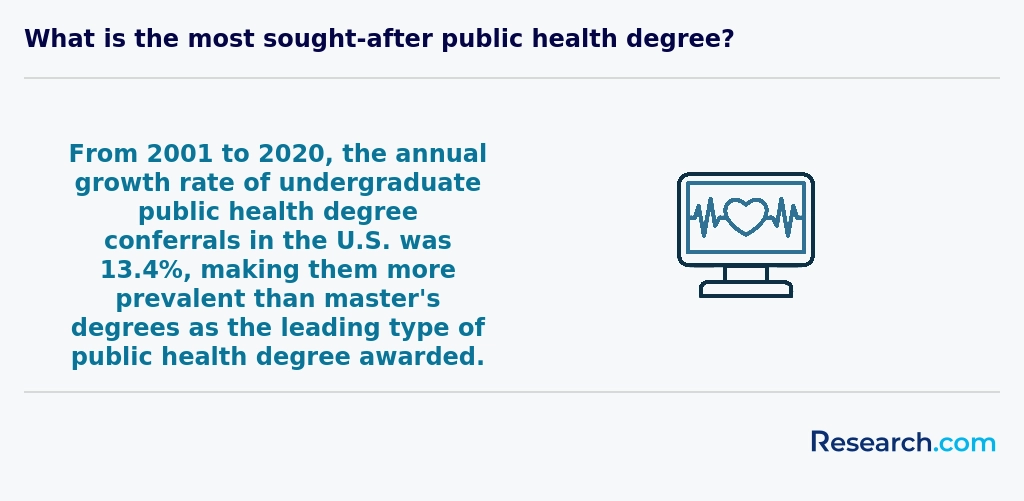
The landscape of public health education is continuously evolving, reflecting advancements in technology, shifting community needs, and changing industry standards. As programs adapt to incorporate cutting-edge research and innovative teaching methods, prospective students can expect to encounter a greater emphasis on digital health tools, data analytics, and interdisciplinary collaboration. This trend is not only transforming classroom learning but also preparing graduates to address complex issues like epidemics, environmental challenges, and health disparities with a forward-thinking approach. Institutions are increasingly integrating real-world projects, such as interactive simulations and telehealth initiatives, into their curricula to ensure students remain competitive in a rapidly changing job market. By exploring available resources and comparing rankings-such as those highlighting valuable public health programs in michigan-students can gauge which programs are best equipped to foster both current expertise and future-ready skills in public health.
Public health degree programs in Detroit typically offer courses that blend foundational theories with practical skills tailored to urban health challenges. Graduates from institutions like the University of Detroit Mercy or Wayne State University often recall how epidemiology classes helped them understand disease patterns such as asthma and diabetes, which are particularly relevant in Detroit's neighborhoods. These courses are more than theory; students analyze real local data, sparking a sense of purpose as they see results connect to communities they know.
Biostatistics is another core course where students develop crucial skills to interpret health data accurately. A graduate mentioned feeling empowered after applying statistical methods to environmental health issues like lead exposure, prevalent in Detroit's older housing. This anchored abstract numbers into tangible health threats affecting family and friends.
Courses in health policy and social determinants of health provide insight into systemic issues shaping disparities in Detroit's socioeconomically diverse areas. Hands-on practicum experiences are highly praised as opportunities to engage directly with community initiatives, fostering a hopeful outlook about making real impact locally.
Detroit's public health programs often include specializations that directly respond to the city's unique health challenges. Common concentrations like epidemiology allow students to analyze disease trends rooted in Detroit's industrial history, preparing them to address persistent urban health issues. Graduates from these programs frequently recall hands-on experiences at local universities that illuminate real disease mapping and intervention strategies.
Another core focus includes health policy and management, essential for navigating Detroit's economic and healthcare disparities. Public health students here often find themselves deeply engaged with community stakeholders, learning how to craft policies that reflect local needs. For those interested in teaching and outreach, community health education is widely available, equipping graduates to lead initiatives in underserved neighborhoods.
Environmental health is another key specialization, reflecting Detroit's persistent environmental challenges. Students can expect immersive opportunities to study pollution control and sustainable development, which alumni report as both eye-opening and personally rewarding. Additional concentration options include global health, biostatistics, and health equity and social justice, allowing students to explore broader or deeply localized concerns.
For prospective students searching for flexibility, some Detroit programs highlight the best rated one year online mph degree program, which accommodates varying schedules without sacrificing the depth of specialization options. Such diverse Detroit public health program concentration options help students shape meaningful careers tailored to the city's evolving needs.
Selecting the best public health degree in Detroit requires balancing several practical considerations. Graduates from Detroit's universities, such as Wayne State University, often emphasize the value of CEPH accreditation, which ensures a rigorous curriculum aligned with national standards. This accreditation can be a decisive factor since reputable programs enhance employability in Detroit's competitive health sector. Cost also matters; many appreciate that public institutions here, offering affordable public health schools in Detroit, provide in-state tuition benefits. For instance, Wayne State's MPH program averages about $15,000 per year for residents, making it accessible without sacrificing quality.
Students report that programs focusing on Detroit-specific issues like urban health disparities and environmental challenges deeply resonate with their career goals, enriching their educational experience. Hands-on internships connected to local health agencies bring real-world context to coursework, fostering a sense of meaningful community impact. Flexible delivery formats-online or hybrid courses-accommodate working adults balancing family and jobs, an important advantage for those navigating life's complexities.
For those prioritizing affordability alongside quality, exploring options in the Most Affordable Online Public Health Degree Programs Ranking in Maryland can offer insights into comparable programs and financial planning.

Graduates pursuing a public health degree in Detroit often explore a range of career paths reflecting the city's unique health landscape. Epidemiology and disease control stand out, as many Detroit-based graduates recount working with local health departments to tackle chronic diseases and infectious outbreaks affecting their communities. This demand for specialized knowledge highlights one of the public health job opportunities Detroit offers.
Health education and promotion also appeal to many, especially those passionate about community outreach. Graduates from popular Detroit colleges find fulfilling roles in schools and nonprofit organizations, crafting campaigns to raise awareness about nutrition and preventive care within urban populations. These experiences showcase practical applications of a public health degree in Detroit's diverse neighborhoods.
Career options with public health degree Detroit extend into health policy and management too. Some graduates emphasize navigating local healthcare systems and regulations, adapting policy analysis skills to Detroit's evolving infrastructure. For those considering flexibility, pursuing an accelerated online degree for working adults offers strategic advantages while balancing professional demands.
Finally, environmental health specialists address Detroit's industrial and environmental challenges, ensuring public safety through risk management. These roles demonstrate how public health professionals contribute meaningfully beyond traditional healthcare settings.
The job market for public health degree holders in Detroit offers both promising opportunities and certain challenges. Graduates from local institutions like Wayne State University often find rewarding roles within city and state health departments, non-profits, and hospitals addressing Detroit's significant public health issues. The demand is fueled by ongoing efforts in chronic disease prevention and environmental health, where public health career opportunities Detroit are growing steadily. Many graduates report positive experiences applying their skills to tackle real community problems, finding fulfillment in helping underserved populations.
However, while employment is expected to grow by about 11% in the coming decade, competition for certain specialized roles may still be high. Salaries vary, typically ranging from $50,000 to $75,000, with higher wages for epidemiologists and health services managers. Considering educational costs in Detroit, programs tend to be more affordable than national averages, which encourages local students to pursue public health degrees. Some graduates explore the easiest phd to earn routes to further advance their careers efficiently.
2027 Most Valuable Public Health Degree Programs Ranking in Detroit
Investing in your education is a significant decision that can profoundly impact your future, and the Research.com team recognizes the importance of making well-informed choices. To aid prospective students in Detroit, we have carefully developed the "2027 Most Valuable Public Health Degree Programs Ranking in Detroit." Our dedication to quality, credibility, and accuracy is demonstrated through the thorough research and analysis involved in creating this ranking.
We utilized the following reputable data sources to ensure a comprehensive evaluation of public health programs:
By consulting this ranking, readers will obtain valuable insights into the most valuable public health degree programs offered in Detroit, empowering them to make confident and strategic educational decisions. For further information on our ranking process, please visit our Research.com methodology page.


Frequently Asked Questions About public health
Public health degree students in Detroit can maximize their learning by engaging with the city's unique community health challenges. Detroit has high rates of chronic diseases such as diabetes and heart disease, making local public health internships and service-learning opportunities invaluable for practical experience (CDC, 2023).
Collaborating with Detroit-based organizations like the Detroit Health Department provides firsthand exposure to urban health issues. Additionally, students should utilize resources from Michigan's public universities, which often offer research projects focused on Detroit's population health trends.
Attending public health conferences and workshops in Michigan helps students stay updated on emerging health policies and innovations relevant to the city's underserved communities.
The public health field is rapidly evolving, with several emerging niches gaining importance, especially in urban centers like Detroit. One significant area is community health equity, focusing on addressing disparities in healthcare access among Detroit's diverse populations. Programs there emphasize strategies to reduce chronic diseases linked to socioeconomic factors.
Another growing niche is environmental health science, which is critical in Detroit due to industrial pollution concerns affecting local communities. Graduates trained in this specialty help monitor and mitigate environmental risks to improve residents' health outcomes. Additionally, data analytics and informatics are becoming essential as public health professionals use big data to track disease patterns and improve intervention strategies.
Telehealth and digital health promotion have also expanded, accelerated by the COVID-19 pandemic, allowing Detroit public health workers to reach underserved areas more effectively. According to Detroit's health department reports, these niches align with city efforts to enhance public health infrastructure and reduce health inequities.
Preparing for the job market after earning a public health degree in Detroit involves strategic steps tailored to the local and national landscape. Detroit's public health sector is growing, with agencies focusing on urban health challenges such as chronic disease, substance abuse, and environmental hazards. Graduates should seek internships or volunteer roles with organizations like the Detroit Health Department or local nonprofits to gain practical experience.
Networking is essential; attending events hosted by the Michigan Public Health Association can connect candidates with employers and peers. Additionally, certifications such as Certified Health Education Specialist (CHES) enhance your credentials. According to the U.S. Bureau of Labor Statistics, employment for health educators in Michigan is projected to grow 7% through 2031.
Employers in Detroit seek public health graduates with strong analytical skills to interpret data and assess community health trends. The Detroit Health Department emphasizes the need for proficiency in epidemiology and biostatistics to help address local health challenges effectively. Communication skills are also crucial, as professionals must convey complex information clearly to diverse audiences, including policymakers and the public.
Furthermore, cultural competence is valued highly due to Detroit's diverse population. Graduates should understand social determinants of health and demonstrate practical experience with community engagement. Familiarity with health policy and program management is often required for leadership roles.
According to the Michigan Public Health Institute, 65% of local employers prioritize skills in data-driven decision-making and collaborative problem-solving.
Finding internships in Detroit related to public health involves exploring opportunities within local health departments, hospitals, and community organizations. The Detroit Health Department, for example, frequently offers internships focusing on urban health challenges, such as chronic disease prevention and environmental health, which are pivotal in Motor City.
Additionally, Detroit's numerous hospitals like Henry Ford Health System provide programs where students can gain hands-on experience. Networking through university career centers and attending public health events in Detroit can also connect you with potential placements. Data from the Michigan Public Health Institute suggests that nearly 40% of public health students in Michigan obtain internships through local government agencies.
Furthermore, nonprofit organizations addressing health disparities in Detroit often welcome interns, providing practical exposure to public health advocacy and community outreach.
A public health degree in Detroit significantly enhances career mobility and advancement opportunities. The city's growing focus on addressing urban health challenges, such as chronic diseases and environmental hazards, creates a strong demand for trained professionals. According to the U.S. Bureau of Labor Statistics, metro Detroit offers higher-than-average growth in health education and community health careers, with a projected 12% increase from 2020 to 2030.
Graduates with such degrees often qualify for positions in government agencies, hospitals, and nonprofit organizations, where leadership and specialized knowledge are valued. Additionally, local institutions like Detroit Mercy and Wayne State University provide networking opportunities that support career development. Overall, public health degrees equip individuals with versatile skills needed to advance in Detroit's dynamic health sector.
Studying for a public health degree in Detroit equips students with skills to work across multiple disciplines essential for addressing complex health issues. Detroit's public health programs often integrate coursework in epidemiology, policy, environmental health, and social sciences. This interdisciplinary approach reflects the city's diverse health challenges, including high rates of chronic diseases and environmental concerns, as documented by the Detroit Health Department and CDC.
Collaborations with local health agencies and community organizations offer hands-on experience, fostering teamwork with professionals in healthcare, social work, and urban planning. Graduates are thus prepared to design and implement comprehensive public health interventions that consider social, economic, and environmental factors affecting Detroit's populations.
When deciding between a thesis and a non-thesis public health degree program in Detroit, consider your career goals carefully. A thesis track often suits students planning to pursue research or doctoral studies, as it requires conducting original research and writing a detailed report. This can deepen expertise and improve competitiveness for academic or scientific roles.
In contrast, a non-thesis option typically focuses on practical skills and coursework, which appeals to professionals aiming for policy, community health, or administration positions. Detroit's public health challenges, such as elevated rates of chronic diseases reported by the Detroit Health Department, highlight the value of applied knowledge.
Cost and program length also vary; thesis programs may take longer due to research demands. Consult local universities' public health departments for specific differences to make an informed choice.
Students in Detroit seeking to study public health abroad have several pathways available through established U.S. university partnerships and exchange programs. While Detroit itself hosts prominent public health programs, such as those at Wayne State University, students can enhance their education by participating in global internships or semester exchanges affiliated with their home institutions.
Many U.S. universities collaborate with international schools in regions like Europe, Asia, and Africa to offer joint degrees or practical fieldwork opportunities. These options provide exposure to diverse health systems and global challenges.
Detroit students should also explore funding from organizations like the Fulbright Program or the Gilman Scholarship, which support U.S. undergraduates and graduates in studying abroad.
Overall, while Detroit campuses focus primarily on local public health, students benefit from leveraging university international programs to gain a broader perspective.
Part-time job opportunities in Detroit that complement public health degree education are diverse and well-suited for students seeking practical experience. Positions such as community health worker assistants or health educators are common, offering insight into local health challenges like those identified by the Detroit Health Department, which highlights issues such as high rates of chronic diseases and health disparities.
Local hospitals and nonprofit organizations frequently hire interns or part-time staff to support outreach and data collection efforts. Detroit's expanding focus on environmental health also creates roles related to monitoring pollution and public safety.
Volunteer coordinator roles in public health campaigns provide additional hands-on learning while developing communication skills essential for public health professionals.
Public health students in Detroit benefit from strong networking opportunities through partnerships with local universities such as Wayne State University and the University of Detroit Mercy. These institutions often collaborate with Detroit's health departments and community organizations to offer internships and research projects critical for real-world experience. The Detroit Health Department hosts events and workshops where students can connect with public health professionals and policymakers. Additionally, Detroit's vibrant nonprofit sector creates avenues for students to engage in community health initiatives. According to the Michigan Public Health Institute, Detroit's growing focus on equity and urban health fosters a networked environment for emerging public health leaders.
Alumni networks play a vital role for public health degree students in Detroit by providing valuable professional connections within a city facing significant health challenges. Detroit's public health alumni often work in local government, hospitals, and community organizations, creating a strong support system for current students seeking internships and job opportunities.
These networks often host events and mentoring programs, helping students navigate the competitive job market. Data from the Detroit Health Department shows that alumni engagement correlates with higher employment rates for recent graduates.
Moreover, connections with alumni working in Detroit contribute to localized knowledge sharing, especially in addressing chronic diseases and environmental health issues prevalent in the region.
In Detroit, students pursuing a public health degree can tailor their studies to align with specific career goals through elective courses and specialized tracks. Many local universities offer concentrations in areas such as epidemiology, community health, or health policy. This flexibility allows students to develop skills relevant to Detroit's unique health challenges, including addressing urban health disparities. Additionally, internships with Detroit-based health organizations provide practical experience.
Engaging in research projects or partnering with Detroit's public health agencies can enhance understanding of local issues. According to the Detroit Health Department, focusing on chronic disease prevention or environmental health can be pivotal career choices within the city's public health landscape.
Public health students in Detroit often face challenges related to limited local internship opportunities. Despite Detroit's high public health needs-such as a 40% obesity rate and significant chronic disease prevalence-practical placements in community organizations can be competitive and scarce, according to the Detroit Health Department. Additionally, students may struggle with balancing coursework and financial demands, as in-state tuition and living costs remain a concern for many. Access to updated technology and research resources is another issue, particularly at smaller institutions in the area. These factors combined can make it difficult for students to gain hands-on experience and maintain financial stability while pursuing their degrees.
With a public health degree, students in Detroit can pursue several recognized professional certifications to advance their careers. The most common certification is the Certified in Public Health (CPH) credential, offered by the National Board of Public Health Examiners. It demonstrates mastery of core public health skills.
Other valuable certifications include Certified Health Education Specialist (CHES) and Registered Environmental Health Specialist (REHS), which can broaden job opportunities in health promotion and environmental health sectors.
Detroit's public health professionals also benefit from local organizations like the Detroit Health Department, which supports continuing education to meet community health needs.
Statistics show that obtaining certifications can increase job prospects and salaries by up to 15% in the Great Lakes region, highlighting their importance for graduates.
Writing a winning application for a public health program in Detroit requires careful attention to both academic and personal achievements. Start by highlighting any relevant coursework or experience in health sciences, biology, or community service. Detroit's public health landscape, marked by unique challenges such as high rates of chronic diseases and environmental health concerns, rewards applicants who show a commitment to local health improvement.
Strong letters of recommendation from professors or health professionals familiar with Detroit's communities can significantly boost your application. Include a clear, focused personal statement explaining your motivation for choosing public health and how you intend to contribute to Detroit's health sector.
Research from the Detroit Health Department reveals that programs favor candidates aware of urban health disparities and with practical experience. Make sure to submit all required materials on time and highlight any volunteer work or internships in local health organizations.
Public health careers increasingly reflect global challenges such as pandemics, chronic disease, and health equity. Professionals trained in the U.S. system, including Detroit, often engage with international organizations to address these issues.
According to the Association of Schools and Programs of Public Health (ASPPH), about 40% of graduates work in roles influencing global health policies. Detroit's public health programs emphasize this global perspective, combining local experience with international health principles.
Students learn to navigate worldwide health trends and policies, preparing for roles in agencies like the WHO or CDC. This global outlook enhances job opportunities both in the U.S. and abroad.
Gaining practical experience while studying for a public health degree in Detroit is essential for career readiness. Many Detroit universities collaborate with local health departments, non-profits, and hospitals, offering internship opportunities that provide hands-on exposure to community health challenges.
The Detroit Health Department and organizations like the Henry Ford Health System frequently host student interns, allowing work on projects related to disease prevention and health education. According to the Detroit Economic Growth Corporation, these partnerships often lead to job offers after graduation.
Additionally, students can participate in community-based research, where applied skills in data collection and program evaluation are developed. Detroit also hosts several health-focused events and workshops, valuable for networking and skill enhancement.
Choosing the right concentration within a public health degree program in Detroit depends on your career goals and local health challenges. Detroit faces significant issues like chronic diseases and environmental health concerns, which shape available specializations.
Popular concentrations include epidemiology, health policy, community health, and environmental health sciences. For example, epidemiology focuses on disease patterns and is vital due to Detroit's higher rates of conditions like diabetes and asthma, as reported by the Detroit Health Department.
Research programs affiliated with Detroit institutions often emphasize urban health disparities. Exploring faculty expertise and local partnerships can guide your choice.
Consider also the job market; Detroit's public health workforce grows annually, especially in health education and policy roles, based on Michigan Department of Health statistics.
- 2027 Most Valuable Public Health Degree Programs Ranking in Columbus
- 2027 Most Valuable Public Health Degree Programs Ranking in Buffalo
- 2027 Most Valuable Public Health Degree Programs Ranking in Chicago
- 2027 Most Valuable Public Health Degree Programs Ranking in Indianapolis
- 2027 Most Valuable Public Health Degree Programs Ranking in Rochester
- 2027 Most Valuable Public Health Degree Programs Ranking in Bloomington
- 2027 Most Valuable Public Health Degree Programs Ranking in Ithaca
- 2027 Most Valuable Public Health Degree Programs Ranking in Syracuse
- 2027 Most Valuable Public Health Degree Programs Ranking in Washington
- 2027 Most Valuable Public Health Degree Programs Ranking in College Park
- Top 15 Places to Look For M.P.H. Jobs - Benedictine University Online https://online.ben.edu/programs/public-health/mph/resources/top-places-to-find-mph-jobs/
- Public Health/Global perspective - Wikiversity https://en.wikiversity.org/wiki/Public_Health/Global_perspective
- Online Degrees https://www.publichealthdegrees.org/online/
- What do you learn in a bachelor's in public health? | edX https://www.edx.org/resources/what-do-you-learn-in-a-bachelors-in-public-health
- Public Health Degrees & Careers | How To Work In Public Health https://www.learnhowtobecome.org/medical-health-careers/public-health/
- Letter of Intent for Admissions to Masters of Public Health - how this program fits to my goals? https://essayforum.com/graduate/intent-admissions-masters-public-health-64817/
- Master of Public Health Specializations: What are they and how should you navigate the decision? https://masterspublichealth.com/master-of-public-health-specializations/
- Know more about thesis vs non- thesis: what is the difference? https://studyfans.com/en/blogs/816
- Public Health Jobs | How to Boost Your Public Health Experience When Starting Out https://publichealthjobs.co.uk/blog/how-to-boost-your-public-health-experience-when-starting-out
- Master of Science (M.S.) Major in Public Health Education and Promotion (Non-thesis Option) https://mycatalog.txstate.edu/graduate/education/health-human-performance/public-healthed-promo-nonthesis-ms/