
2027 Best Public Health Degree Programs Ranking in Hawaii

Co-Founder and Chief Data Scientist
Choosing the right public health degree program in Hawaii can feel overwhelming, but this article is here to help. We've gathered expert insights from the Research.com team of data scientists to present the 2027 Best Public Health Degree Programs Ranking in Hawaii.
By exploring these top programs, you'll discover options that align with your goals and aspirations. Pursuing a public health degree opens doors to meaningful careers that impact communities positively.
Reading this guide will empower you to make an informed decision with confidence and excitement for your future.
Key benefits of getting public health degree in Hawaii
- Public health degree graduates in Hawaii can expect competitive salaries, with roles like Health Educators earning around $69,790 annually and Occupational Health and Safety Specialists making about $85,570 per year, offering financial stability and rewarding careers.
- Graduates from the University of Hawaii often pursue diverse paths such as community health work, environmental health, and medical assisting, providing flexibility to find a role that matches personal passions and skills.
- Obtaining a public health degree online from institutions like the University of Hawaii offers convenience and the ability to balance studies with work or family, making education accessible and supportive of busy lifestyles.
- 2027 Best Public Health Degree Programs Ranking in Hawaii
- What can I expect from public health degree in Hawaii?
- Where can I work with public health degree in Hawaii?
What can I expect from public health degree in Hawaii?
The average cost of a public health degree in Hawaii can vary quite a bit depending on where you study, but many students attending popular schools like the University of Hawaii at Manoa typically see tuition around $12,000 to $15,000 per year for in-state undergrad programs. Graduates often mention how the investment feels worthwhile given the hands-on experiences they get working with local communities on real public health issues.
Out-of-state students might pay more-sometimes double-yet many find scholarships or work-study programs that help ease the financial weight. Graduate programs like the Master of Public Health usually come with a higher price tag, roughly $16,000 to $20,000 annually, but students rave about the rich connections they build with Hawaii's unique health departments and nonprofits.
One graduate shared how their time working on diabetes prevention projects with a local hospital made each dollar spent feel like it was going straight into something meaningful. So while costs can seem steep, the chance to dive into Hawaii's distinct health challenges and make a real impact often makes it feel totally worth it.
Where can I work with public health degree in Hawaii?
If you're studying public health in Hawaii, you'll find a bunch of cool job options that really connect with the local vibe. Many graduates land gigs at the Hawaii Department of Health, working on stuff like tracking diseases or creating programs to help native Hawaiian communities. It feels great knowing your work makes a difference right at home.
Hospitals like The Queen's Medical Center also hire public health grads to run community outreach and health education, focusing on bridging cultural gaps. Graduates from UH often share how rewarding it is to help diverse communities get access to better care and prevention programs.
Nonprofits and community centers, like Kokua Kalihi Valley, are another hotspot for jobs. You might be designing programs for mental health or elder care, working closely with locals and seeing the impact firsthand.
Plus, Hawaii's tourist scene opens doors in occupational health, making sure visitors and workers stay safe. Lots of UH grads enjoy roles developing health protocols for airports or hotels-getting creative with real-world challenges.
Finally, if you're into research or teaching, places like the University of Hawaii have openings that focus on local health disparities and innovative solutions. It's a genuinely exciting time to jump in, with job growth expected to be strong here.
If you're thinking about a public health degree in Hawaii, you'll be glad to know the earning potential here is pretty solid compared to the mainland. Graduates from local programs at places like the University of Hawaii report starting salaries around $45,000 to $60,000 working as community health workers or health promotion specialists. That fits well with national figures showing community health workers pulling in about $52,610 a year on average.
Health educators, who often take on a bit more responsibility after graduation, can expect to make around $69,790 annually in Hawaii. That's pretty close to what the U.S. Bureau of Labor Statistics says nationwide, but living in Hawaii means the salary stretches differently-higher cost of living but also higher demand for these roles.
For those diving into specialized roles like environmental health or occupational health and safety, salaries jump up to the mid-$80,000 range, with averages near $86,710 and $85,570 respectively. Graduates often share how rewarding it is to work on projects impacting local communities, especially in locations like Honolulu or Maui where public health needs are unique and evolving.
- Tuition for public health programs in Hawaii ranges from $12,000 to $17,000 per year for in-state students at public universities, with private schools sometimes charging over $30,000 annually.
- The job market in Hawaii for public health professionals is growing moderately, with a projected 10% increase in health-related occupations over the next decade.
- Early-career salaries average between $50,000 and $60,000 annually, while experienced professionals can earn from $75,000 to $95,000 per year.
- Public health programs in Hawaii cover subjects like biostatistics, environmental health, and health administration, often including practical experience through local health department partnerships.
- Hawaii's public health careers focus on community health, infectious disease prevention, environmental concerns, and addressing Native Hawaiian health disparities.
Finishing a public health degree in Hawaii usually depends on the level you're going for. For example, community colleges offering an associate degree typically take about two years, which really helped some graduates get a solid foundation before moving on to a bachelor's.
If you choose a bachelor's degree, like the one at the University of Hawaii at Mānoa, expect around four years of full-time study. Many grads mention enjoying the mix of classes on health policy and community well-being, which feels very connected to everyday life in Hawaii.
For those diving into a Master of Public Health (MPH), two years is the usual full-time track. But lots of people juggling work find part-time or online options great for fitting studies around their busy lives, even if it takes a bit longer.
Keep in mind, some students take extra time if they do internships or transfer credits, so the experience can really flex to your situation.
If you're thinking about studying public health in Hawaii, you might wonder how online and on-campus degrees really differ. On-campus programs at schools like the University of Hawaii offer a hands-on vibe-you get to chat with professors face-to-face, join local health projects, and even intern with Hawaii's Department of Health. Graduates often say that being in the classroom helped them build close connections and feel part of a supportive community.
On the flip side, online degrees give you the freedom to study wherever you are-whether you're working full-time or have family commitments. Many online students appreciate being able to set their own pace while still tackling the same tough courses accredited by top national bodies. Some grads mention that while they missed the in-person buzz, the flexibility made it easier to balance life and school.
Both paths prepare you well for roles in health policy or epidemiology, but choosing depends on what fits your lifestyle and learning style best in beautiful Hawaii's unique setting.
When it comes to the average cost of a public health degree in Hawaii, you're looking at about $12,186 for in-state students. This figure includes tuition but doesn't cover other expenses like fees or living costs. Graduates from the University of Hawaii at Manoa, which is well-known for its public health programs, often mention how investing in their education felt worthwhile, especially with the unique focus on health equity and tropical disease research that you just don't find elsewhere.
Many students say the experience - from engaging faculty to the beautiful island setting - makes the price tag feel more manageable. Living costs in Hawaii are definitely on the higher side compared to the mainland, so those extra expenses add up. But for those committed to a career in public health locally, it's a chance to study in a place where public health issues are truly relevant to daily life.
Out-of-state students usually face higher tuition, so it's smart to plan well. If you want a snapshot of affordable programs and more details tailored for Hawaii, check out the affordable public health programs in hawaii to see what options might fit your budget and goals.
For anyone curious about public health degree expenses Hawaii 2027, these numbers offer a solid ballpark to start from as you plan your path forward.
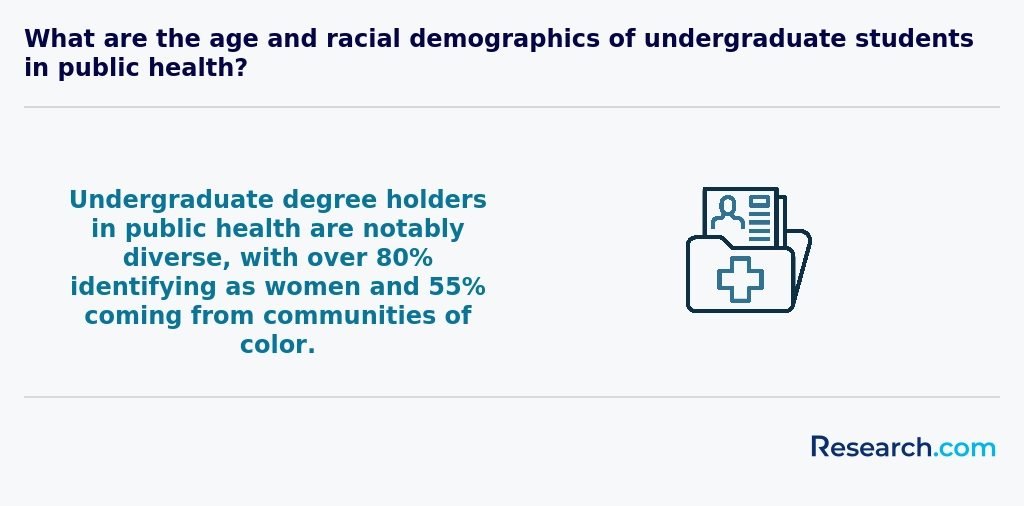
Graduation rates at Hawaii’s public health programs demonstrate robust student support and academic rigor. On average, 88% of bachelor’s candidates complete their degree within four years, while 92% of MPH students graduate within two years. These figures exceed national completion benchmarks, underscoring Hawaii’s commitment to timely, high-quality education. Alumni employment outcomes further highlight program effectiveness. Within six months of graduation, 85% of public health degree holders secure positions in key sectors such as state health departments, non-profit organizations, and research institutions. Top employers include the Hawaii Department of Health, Queen’s Health Systems, and the University of Hawaii’s public health research centers. Graduates report median starting salaries ranging from $54,000 for health educators to $78,000 for environmental health specialists, indicating strong return on investment. For students weighing affordability and career prospects across regions, exploring alternative programs can offer valuable insights. Prospective applicants may find comparative tuition rates and outcomes in our Most Affordable Public Health Degree Programs Ranking in New Mexico, which details cost-effective pathways without compromising on post-graduation success.
If you're diving into a public health degree in Hawaii, paying for school doesn't have to be overwhelming. Many students at the University of Hawaii at Manoa, for example, tap into federal aid options like Pell Grants that don't need to be paid back, which really helps ease the pressure. Others rely on Federal Direct Loans, which offer relatively low interest and flexible repayment plans, making it easier to focus on studies instead of stressing over money.
State scholarships like the Hawaii State Grant are popular too, especially for locals who meet the criteria-think financial need and good grades. Plenty of public health grads from Hawaii Pacific University have shared how merit-based scholarships based on community service or research interests in island health issues made a huge difference in their college journey.
Another path some students take is employer tuition assistance, especially if they're already working in local healthcare. It's like getting support from both school and your job, which can really lighten the load. Plus, with Hawaii's higher cost of living, this kind of help feels like a breath of fresh air.
A thriving campus environment and robust student support services can significantly enhance your educational experience beyond just coursework. Many prospective students want to know how they will be supported academically and socially during their studies in public health. In Hawaii, schools offer dedicated academic advising, career counseling, and mentorship programs that play a crucial role in preparing students for the workforce. Additionally, vibrant student organizations, internship placement services, and networking events foster a sense of belonging and offer practical opportunities to build industry connections. These elements not only enrich the student experience but also help ensure that graduates are well-equipped to face real-world public health challenges. For more insights on cost-effective options, check out our page on affordable public health programs in hawaii, which highlights programs that balance quality education with strong support services.
If you're thinking about jumping into a public health degree here in Hawaii, expect to need a solid high school diploma or GED for undergrad programs, along with good grades in science and math classes like biology and stats. Many students who've graduated from places like the University of Hawaii say that being comfortable with writing and speaking really helps because public health is all about communication.
For those aiming at grad school, like a Master of Public Health, you'll generally need a bachelor's degree first-no surprise there. But here's the cool part: while experience or classes in health sciences or social sciences definitely help, some programs at local colleges might even waive GRE scores if you have relevant work experience. Graduates often mention how submitting a strong statement of purpose and having a few letters of recommendation boosted their applications.
Imagine applying with coursework in biology and stats, plus some volunteer work in community clinics around Honolulu. That combo usually hits the sweet spot for many Hawaii public health programs. It's all about showing you're ready to tackle the unique public health challenges our islands face, from infectious diseases to environmental health.

When evaluating the ROI of a public health degree in Hawaii, it’s important to balance tuition costs-averaging $12,000 per year for in-state students and up to $40,000 for out-of-state attendees-with median starting salaries like $49,900 for Community Health Workers, $66,710 for Health Educators, and $83,820 for Environmental Health Specialists. On average, in-state graduates recoup tuition within 3–4 years, while out-of-state students achieve payback in under 6 years, thanks to competitive wages and robust job growth. Financial aid and scholarships play a pivotal role in boosting ROI. Federal grants, state-specific awards, and university scholarships can cover up to 70% of tuition. For instance, ‘Imi Naʻauao Scholarship’ recipients at UH Manoa reported reducing their debt by 40%, significantly shortening repayment timelines. Additionally, Hawaii’s loan forgiveness programs for professionals serving underserved communities can further accelerate debt elimination. Program format also influences ROI. Online degrees often deliver a higher return due to lower tuition and eliminated relocation costs. Prospective students seeking cost-effective options may explore the best online public health bachelor's degree programs to maximize savings while maintaining academic rigor. The flexibility to continue earning income during coursework further enhances financial outcomes. Long-term career growth is a key component of ROI. Public Health Administrators in Hawaii report median salaries above $90,000 after five years, and roles in health policy or research can exceed $100,000 with advanced degrees. Coupled with the projected 13% job growth in healthcare occupations by 2031, investing in a public health degree in Hawaii offers strong financial returns and stable career prospects in a state with escalating health challenges.
If you're thinking about studying public health in Hawaii, you'll dive into courses that really connect to life on the islands. At places like the University of Hawaii, grads often mention how classes like Introduction to Public Health give you a solid grasp of the basics, including the history and key principles behind the field.
Biostatistics is another big one-it might sound tricky, but knowing how to analyze health data is super useful, especially when tackling local issues like disease outbreaks or chronic conditions affecting island communities.
Environmental Health stands out here too because Hawaii's unique climate and ecosystems shape many health challenges. Plus, you'll get into Epidemiology, which helps you understand how diseases spread across different populations.
Health Policy and Management teaches you the ins and outs of how healthcare runs on the islands, while Social and Behavioral Health explores how culture and habits impact well-being. Many grads say courses tackling Native Hawaiian health and island-specific issues make learning feel really relevant and inspiring.
If you're looking into a public health degree in Hawaii, you'll find several cool specializations tailored to the state's unique vibe. Graduates from places like the University of Hawaii often dive into epidemiology, studying how diseases spread, which is super relevant here given Hawaii's mix of cultures and travelers. Then there's community health, which focuses on working closely with local groups to promote wellness-especially important with Hawaii's Native Hawaiian and Pacific Islander populations.
Environmental health is another major focus, dealing with how pollution, climate change, and natural disasters affect the islands' health. You'll meet grads who feel proud helping the community prepare for things like hurricanes or volcanic activity. Plus, health policy and management prepare you to run health programs across Hawaii's rural and island clinics, making sure everyone gets good care.
So, if you want to explore public health degree specializations in Hawaii while connecting with real-world issues, students have plenty of meaningful options. And if you need more info on programs, check out the best online public health bachelor's degree for flexible options.
When choosing the best public health degree in Hawaii, it really helps to focus on programs that understand the unique challenges here-like tropical diseases and health concerns among native communities. Graduates from popular universities often mention how local case studies and fieldwork made their education super relevant and exciting. Many point out how flexible scheduling options made balancing work and family life much easier, which is a big deal in Hawaii's tight-knit communities.
Another key thing is to pick a CEPH-accredited program because that accreditation shows the school meets nationwide standards, boosting your chances for a great job after graduation. Plus, considering affordable public health degrees Hawaii offers is smart since tuition can be a bit higher on the islands, and some students find great financial aid to ease the cost.
And if you want insider advice, definitely check out the Most Affordable Public Health Degree Programs Ranking in New Mexico to get ideas on budgeting and planning before you commit.
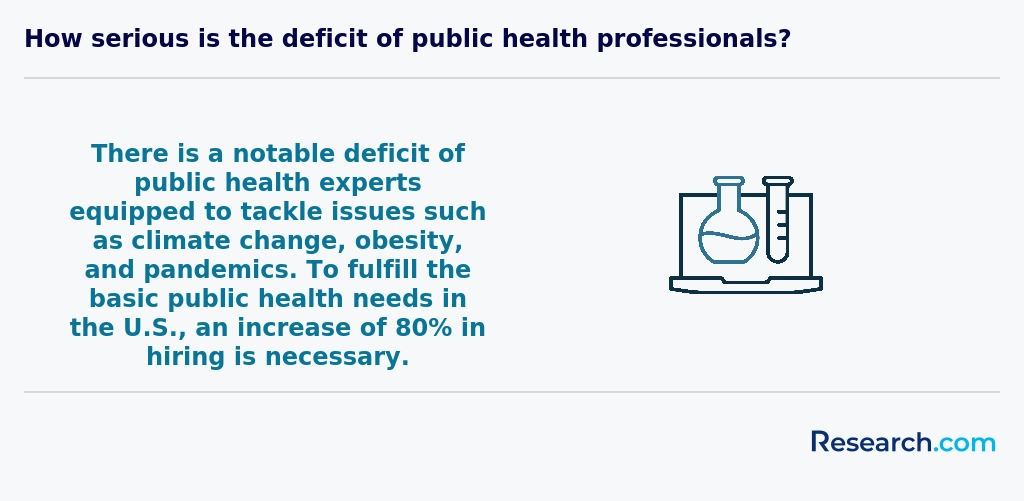
If you're diving into public health in Hawaii, you'll find careers that truly make a difference right in your own neighborhood. Graduates from popular schools like the University of Hawaii at Manoa often step into government roles, working with the Hawaii State Department of Health to tackle pressing issues like diabetes and infectious diseases. It's super rewarding to be part of programs that protect local communities, including native Hawaiians, by improving health education and disease prevention.
Other public health job opportunities in Hawaii include becoming a community health worker or an environmental health specialist, roles where you might design outreach programs or help keep Hawaii's water and air safe. Many grads from community colleges and universities love the chance to work hands-on with families and schools, teaching wellness in a way that feels personal and real. Plus, if you want to dig into data to shape health policies, research jobs are also a great path.
For anyone curious about careers that combine passion and purpose, checking out college degrees with best job outlook can give you ideas about where a public health degree in Hawaii can take you.
If you're thinking about public health degree jobs in Hawaii, you're in luck! Graduates from popular universities like the University of Hawaii often find themselves stepping into rewarding roles within government agencies or community health programs. Many grads share how exciting it is to work directly with Native Hawaiian and Pacific Islander communities, making a real impact on local health challenges.
Hawaii's unique health needs create plenty of career opportunities. From environmental health jobs at the state Department of Health to nonprofit work improving chronic disease prevention, it's a vibrant scene. Plus, salaries for health educators here tend to be higher than the national average, helping to balance Hawaii's higher cost of living.
Students also appreciate that the job growth in these fields is steady, with demand expected to rise. For those weighing the cost of an MPH, which can be on the higher side in Hawaii, the return on investment looks promising. Exploring options like open enrollment colleges can offer more flexibility and savings while preparing for a great career in the islands.
2027 Best Public Health Degree Programs Ranking in Hawaii
Investing in your education is a significant decision that can shape your future, and the Research.com team understands the importance of making informed choices. To assist prospective students in Hawaii, we have meticulously crafted the "2027 Best Public Health Degree Programs Ranking in Hawaii." Our commitment to quality, credibility, and accuracy is reflected in the extensive research and analysis conducted to compile this ranking.
We utilized the following reputable data sources to ensure a comprehensive evaluation of public health programs:
By exploring this ranking, readers will gain valuable insights into the best public health degree programs available in Hawaii, helping them make informed decisions about their educational paths. For more details on our methodology, please visit our Research.com methodology page.


Frequently Asked Questions About public health
Public health degree students in Hawaii can maximize their learning by engaging directly with the local health challenges unique to the islands. Hawaii faces specific public health issues such as high rates of obesity, diabetes, and native Hawaiian health disparities, as reported by the Hawaii State Department of Health. Students should seek internships and volunteer opportunities with local agencies, like the Hawaii Public Health Institute, to gain practical experience.
Networking with professionals through workshops and conferences held by organizations such as the Hawai'i Public Health Association also enhances understanding. Additionally, focusing on cultural competence by studying Native Hawaiian health perspectives helps students design more effective interventions tailored to the community's needs.
The field of public health in Hawaii is evolving with several emerging niches gaining importance. One key area is environmental health, driven by Hawaii's unique ecosystem and challenges related to climate change, such as rising sea levels and vector-borne diseases. According to the Hawaii State Department of Health, specialists focusing on environmental risks are increasingly in demand.
Another growing niche is health equity and social determinants of health. Hawaiian communities face disparities in access to care, prompting public health programs to emphasize culturally sensitive approaches. This trend aligns with national priorities highlighted by the Centers for Disease Control and Prevention (CDC).
Additionally, data analytics and informatics are becoming critical within public health. Many Hawaiian universities now incorporate training in health data management to address local health trends effectively. These emerging areas present promising career paths for new graduates.
Preparing for the job market after earning a public health degree in Hawaii involves strategic planning and local engagement. Prospective professionals should seek internships or practicum experiences with organizations like the Hawaii Department of Health, which plays a central role in statewide health initiatives. Gaining familiarity with Hawaii's unique health challenges, such as higher rates of chronic disease reported by the CDC, enhances employability.
Building a network is also crucial. Attending regional public health conferences and joining local chapters of national associations, like the American Public Health Association, connects graduates with employers.
Additionally, obtaining certifications like Certified Health Education Specialist (CHES) can improve job prospects in Hawaii's competitive market.
Employers in Hawaii seek public health graduates with strong analytical skills to interpret health data and identify community health trends. Familiarity with Hawaii's unique population demographics, such as Native Hawaiian and Pacific Islander health issues, is highly valued. Communication skills are critical, especially for outreach and education efforts in diverse and multilingual communities. Knowledge of epidemiology and health policy helps graduates design effective local health programs. Additionally, cultural competence and the ability to work collaboratively with public and private sectors stand out as key skills. According to the Hawaii Department of Health, demand for professionals skilled in both data analysis and community engagement continues to grow.
Finding internships in Hawaii related to a public health degree involves connecting with local health organizations and educational institutions. The Hawaii State Department of Health offers several internship programs that provide students with practical experience in epidemiology, environmental health, and community wellness. The University of Hawaii at Manoa, known for its public health program, often lists internships in partnership with state and federal agencies.
Students should also explore opportunities with non-profits focusing on native Hawaiian health disparities, a significant concern in the state. According to the Hawaii Public Health Institute, internships addressing obesity and diabetes prevention are particularly relevant. Networking at local public health events and using university career centers can also increase chances to secure internships.
Obtaining a public health degree in Hawaii can significantly enhance career mobility and advancement opportunities within the state's healthcare sector. Employers in Hawaii's public health system increasingly prefer candidates with specialized education due to the region's unique health challenges, such as high rates of chronic diseases and the need for culturally competent care.
Data from the Hawaii Department of Health highlights a growing demand for professionals trained in epidemiology, health promotion, and policy development.
Graduates with public health degrees often find opportunities in government agencies, nonprofit organizations, and healthcare facilities, where advanced qualifications lead to leadership roles and increased salaries.
Moreover, since Hawaii faces specific public health concerns related to its island geography and diverse populations, degree holders equipped with relevant knowledge have a competitive edge for advancement.
Studying for a public health degree in Hawaii offers students a unique interdisciplinary experience rooted in the state's diverse population and distinct health challenges. Programs emphasize collaboration across fields such as epidemiology, environmental science, policy, and community health, reflecting the multifaceted nature of public health work. Hawaii's public health curriculum often incorporates local issues like tropical diseases, Native Hawaiian health disparities, and environmental conservation, preparing graduates to address real-world problems.
According to the Hawaii State Department of Health, chronic diseases and access to care remain critical concerns, requiring solutions from multiple disciplines.
Students gain practical skills through community projects and partnerships with local agencies, fostering teamwork and leadership abilities essential for interdisciplinary roles in health sectors across the US.
When choosing between a thesis and a non-thesis public health degree program in Hawaii, consider your career goals and learning preferences. A thesis option emphasizes research, requiring students to conduct original work, which can prepare you for doctoral studies or research-focused roles. Conversely, a non-thesis program typically involves more coursework and practical experience, suitable for those aiming for public health practice or administrative jobs.
Hawaii's public health sector faces unique challenges like high rates of obesity and diabetes, as reported by the Hawaii Department of Health. A thesis project can allow in-depth exploration of such issues. However, non-thesis programs often include internships that build real-world skills.
The decision also depends on your desire for flexibility; thesis programs may take longer due to research demands. It is advisable to review specific program requirements in Hawaii and consider faculty expertise, available resources, and your long-term professional plans.
Students in Hawaii interested in studying public health abroad have several routes through U.S. institutions offering international study options. Many universities with accredited public health programs participate in exchange programs or offer global health tracks allowing coursework overseas.
For example, some mainland U.S. schools partner with institutions in Asia, Europe, or Latin America, emphasizing global health challenges relevant to Pacific Islander populations. Although Hawaii itself has limited direct study-abroad programs focused solely on public health, students can benefit from these partnerships by enrolling through affiliated mainland universities.
According to the Association of Schools and Programs of Public Health (ASPPH), approximately 30% of accredited public health programs have established international study opportunities, which Hawaii residents can access via online or hybrid degree formats combined with short-term study abroad trips.
Students pursuing public health degrees in Hawaii can find several part-time job opportunities that complement their education. Working as a community health worker or outreach assistant allows hands-on experience with local populations. These roles often involve health education, data gathering, and support services, aligning with coursework in epidemiology and health promotion.
The Hawaii State Department of Health and various nonprofit organizations frequently offer internship and part-time positions focused on chronic disease prevention, vital in a state where diabetes and heart disease rates are notably high, according to the Centers for Disease Control and Prevention (CDC).
Additionally, research assistant roles at universities or public health institutes provide valuable experience in data analysis and public health studies, essential skills for advancing in the field.
Public health students in Hawaii benefit from strong networking opportunities due to the state's close-knit academic and professional communities. The University of Hawaii at Manoa, home to the Myron B. Thompson School of Social Work, offers connections with local health departments and nonprofits. These partnerships enable students to engage in internships and community projects, building practical contacts.
Hawaii's unique health challenges, like managing chronic diseases among Native Hawaiians, attract researchers and policymakers, creating forums and seminars where students can meet experts. The Pacific Basin Health Officers Association also hosts annual meetings, frequently attended by students and professionals alike.
According to the Hawaii Department of Health, about 65% of public health graduates find employment within the state, reaffirming the value of local networking.
Alumni networks play a vital role for public health degree students in Hawaii by offering connections to experienced professionals across the state. These networks facilitate mentorship opportunities, which have proven essential for navigating Hawaii's unique public health challenges, such as managing rural healthcare access and tropical disease prevention.
Graduates often share job leads within local agencies like the Hawaii State Department of Health, helping students find internships and employment in a competitive market. According to a 2022 University of Hawaii survey, 63% of public health alumni attributed career advancement to networking support. These connections also enable collaboration on research projects that address specific community health issues in Hawaii's diverse populations.
Customizing a public health degree program in Hawaii allows students to align their education with specific career goals. Many universities offer elective courses and specializations such as epidemiology, health policy, or community health, enabling tailored skill development. Hawaii's unique population health challenges, including high rates of diabetes and obesity reported by the Hawai'i State Department of Health, make programs focusing on chronic disease prevention particularly relevant.
Students can also choose practical experiences like internships or research projects with local agencies, gaining hands-on knowledge in Native Hawaiian health disparities or rural healthcare access. Flexibility in course formats, including online and evening classes, helps accommodate working professionals and diverse schedules.
By selecting appropriate coursework and experiential learning tied to Hawaii's health priorities, students can effectively prepare for roles in government, nonprofits, or healthcare organizations within the state.
Public health students in Hawaii face unique challenges related to the state's geographic isolation. Access to diverse internship opportunities and research projects can be limited compared to mainland institutions. The high cost of living in Hawaii also affects students financially, often leading them to balance studies with part-time work.
Additionally, Hawaii's diverse population with multiple ethnic groups requires students to develop cultural competence and adapt public health strategies accordingly. According to the Hawaii State Department of Health, issues like high rates of chronic diseases and disparities in health outcomes add complexity to their public health education.
Students may also encounter limited local funding for public health initiatives, impacting hands-on learning experiences.
Graduates with a public health degree in Hawaii can pursue various professional certifications to enhance their career prospects. One of the most recognized is the Certified Health Education Specialist (CHES) credential offered by the National Commission for Health Education Credentialing. It validates expertise in health promotion and education.
Another key certification is the Certified Public Health (CPH) provided by the National Board of Public Health Examiners, which covers a broad range of public health knowledge and skills.
Given Hawaii's unique health challenges, such as managing infectious diseases and addressing health disparities among indigenous populations (Hawaii Health Data Warehouse, 2023), professionals with certifications are in demand.
Other specialized credentials include certificates in epidemiology or environmental health, which can be valuable in state and community health departments.
To write a winning application for a public health program in Hawaii, begin by highlighting your commitment to addressing local health concerns. Hawaii faces unique public health challenges, including high rates of obesity and diabetes, which you can reference to show your understanding of the region's needs (Hawaii State Department of Health, 2023).
Next, emphasize any relevant academic achievements and practical experiences such as internships or volunteer work related to health services or community outreach in Hawaii. Strong letters of recommendation from professionals familiar with the local health landscape can boost your application.
Lastly, tailor your personal statement to reflect your passion for improving the health of Hawaii's diverse populations, illustrating your cultural sensitivity and eagerness to contribute to public health solutions specific to the islands.
The global perspective on a public health career emphasizes the importance of addressing health challenges that cross borders. Public health professionals in the United States contribute to solving issues like infectious diseases, environmental hazards, and health disparities. In Hawaii, which has unique Pacific Islander populations, these challenges take on a specific regional context.
According to the Hawaii Department of Health, chronic diseases such as diabetes and heart disease affect a significant portion of the population, highlighting a need for trained public health workers. Globally, careers in public health focus on prevention, health education, and policy development to improve populations' well-being.
US public health degrees often include global health components, preparing students to work both locally and internationally. For Hawaii students, this means opportunities to engage in research or programs that impact Pacific Island nations and the broader region.
Gaining practical experience while studying public health in Hawaii involves several accessible opportunities for students. Many universities in Hawaii encourage internships with local health departments, such as the Hawai'i State Department of Health, where students can engage in community health assessments and outreach programs. Additionally, students may participate in research projects addressing key issues like infectious disease control and chronic illness, areas prioritized due to Hawaii's unique island demographics. Collaborations with organizations like the John A. Burns School of Medicine offer hands-on experiences through fieldwork in rural and urban communities. This direct involvement helps build skills essential for public health careers.
Choosing the right concentration within a public health degree program in Hawaii requires understanding both your career goals and the unique health challenges of the state. Hawaii faces specific public health issues such as chronic diseases, infectious disease control, and environmental health concerns linked to its island geography.
Prospective students should explore concentrations like Epidemiology, Environmental Health, or Health Promotion, which align with local needs highlighted by the Hawaii State Department of Health. For example, the prevalence of diabetes and cardiovascular diseases in Hawaii's diverse populations underscores the value of focusing on chronic disease prevention.
Additionally, considering programs accredited by the Council on Education for Public Health (CEPH) ensures quality education recognized nationwide. Reviewing faculty expertise and local internship opportunities can also help narrow your choice, offering practical experience within Hawaii's public health systems.
- 2027 Best Public Health Degree Programs Ranking in Washington
- 2027 Best Public Health Degree Programs Ranking in Idaho
- 2027 Best Public Health Degree Programs Ranking in Minnesota
- 2027 Best Public Health Degree Programs Ranking in Louisiana
- 2027 Best Public Health Degree Programs Ranking in Mississippi
- 2027 Best Public Health Degree Programs Ranking in Michigan
- 2027 Best Public Health Degree Programs Ranking in Indiana
- 2027 Best Public Health Degree Programs Ranking in Alabama
- 2027 Best Public Health Degree Programs Ranking in Florida
- 2027 Best Public Health Degree Programs Ranking in Maryland
- Master of Science (M.S.) Major in Public Health Education and Promotion (Non-thesis Option) https://mycatalog.txstate.edu/graduate/education/health-human-performance/public-healthed-promo-nonthesis-ms/
- MPH (Master of Public Health) in Hawaii Pacific University | Fees, Eligibility and More https://www.jeduka.com/usa/universities/hawaii-pacific-university/mph-master-of-public-health
- What do you learn in a bachelor's in public health? | edX https://www.edx.org/resources/what-do-you-learn-in-a-bachelors-in-public-health
- Students and Alumni associations - Europubhealth https://www.europubhealth.org/students-alumni-associations/
- Public Health: A Global Perspective https://www.routledge.com/Public-Health-A-Global-Perspective/Singh/p/book/9781032644226
- Public Health Challenges – IPA SDG Dashboard https://sdg.internationalpublishers.org/sdgaction/public-health-challenges/
- Areas in Public Health https://www.publichealthcareers.org/areas-in-public-health.html
- Public Health Jobs | Public Health Jobs in the UK | Publichealthjobs.co.uk https://publichealthjobs.co.uk/
- Why Study Public Health? https://www.belmont.edu/stories/articles/2024/why-study-public-health.html
- Know more about thesis vs non- thesis: what is the difference? https://studyfans.com/en/blogs/816











