2027 From Community Organizing to Public Health: Choosing a Graduate Pathway

Co-Founder and Chief Data Scientist
Community organizing can prepare you to build trust, mobilize partners, and identify priorities that matter locally. Moving into public health may also require skills in program evaluation, population-level data, or health policy - but not every goal requires a graduate degree.
This guide is for organizers and nonprofit professionals deciding whether to pursue an MPH, a specialized graduate degree, or a shorter route. It connects each option to the work you want to do, the preparation you already have, and the time and money you can reasonably invest.
Key Things You Should Know
- Choose the credential by the work you want to perform: an MPH often fits program design and evaluation, while a research-focused MS fits deeper analytic training.
- Your organizing experience is valuable evidence of partnership and implementation skills, but it does not automatically replace statistics preparation, supervised practice, or a program's admission requirements.
- Compare the full cost of study - including reduced work hours and fieldwork - against a certificate, targeted course, or supervised project before committing to a degree.
What Is the Path From Community Organizing to Public Health Careers?
The closest transition is often from organizing into community health program work: coordinating partnerships, helping design outreach, implementing an intervention, or reporting what a grant-funded program delivered. You already know how to listen, navigate institutions, and sustain participation. Public health adds tools for defining a population-level problem, selecting evidence-informed approaches, measuring results, and explaining limitations.
Start with a target job description, not a degree brochure. If the work centers on relationships and implementation, seek responsibilities such as program coordination or community engagement. If it calls for independent evaluation, budget authority, or advanced analysis, identify the methods and experience you still need. A supervised project at your current organization may close a smaller gap; a graduate program may make sense when you need broader preparation or access to a different career track.
Academic history can affect that choice without defining your potential. If earlier grades are a concern, review advice on strengthening a lower-GPA public health master's application, then ask prospective programs how they weigh recent coursework and substantial community work.
Which Public Health Degree Best Fits Your Career Goals?
The useful distinction is the kind of responsibility you want next. Program names vary, so compare required courses and projects rather than assuming every degree with a similar label provides the same preparation.
| Pathway | Strongest fit for an organizer | Important limitation |
| MPH | Population-health practice, program planning, evaluation, and work across community partners | A generalist curriculum alone may not provide advanced statistical or management expertise |
| Research-oriented MS | Deeper training in a defined field or analytic method | May offer less preparation for managing community programs |
| MPA, MSW, or related degree | Public administration, social-work practice, or another clearly defined professional goal | Public health methods may require separate study |
| Certificate or targeted training | A specific gap, such as grant reporting or introductory evaluation | May not satisfy jobs that explicitly require a graduate degree |
If your goal is to manage a community health initiative and assess whether it reaches its intended population, an MPH with relevant applied work is often the most direct graduate option. If you want to conduct specialized research, examine the MS curriculum and faculty supervision instead. For a broader comparison of public health graduate study areas and career outcomes, keep your target job's actual requirements in view.
What Accreditation Should You Look for in a Public Health Program?
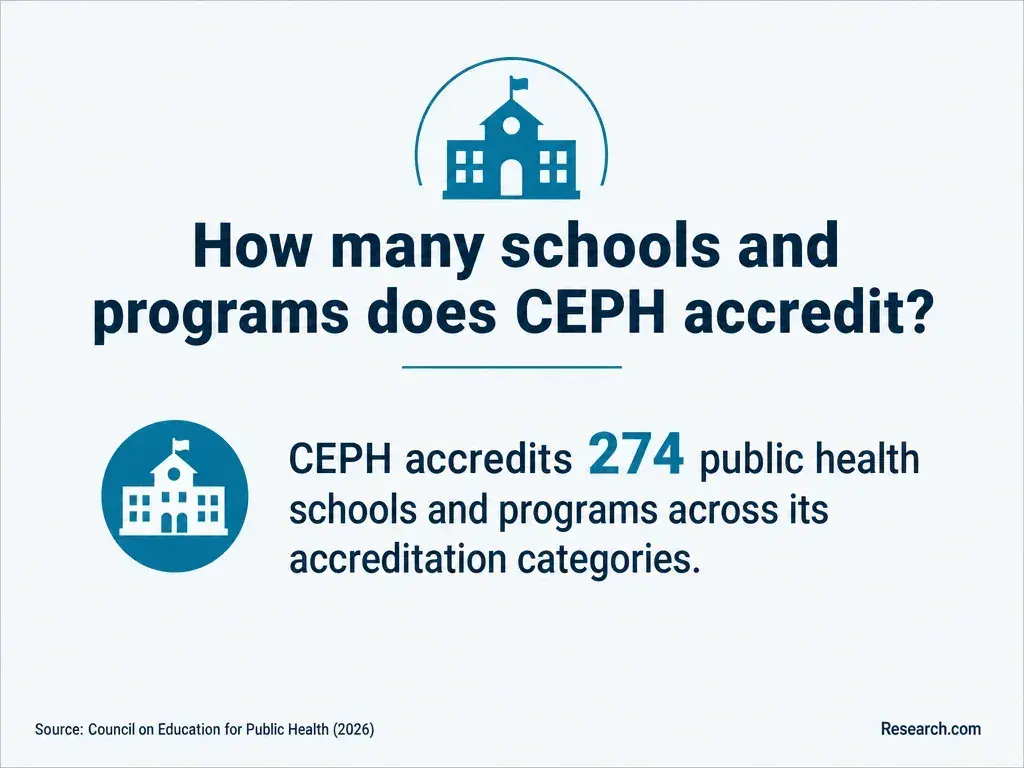
Check both institutional accreditation and public health-specific accreditation. The Council on Education for Public Health (CEPH) accredits eligible public health schools and programs, but its scope must be checked for the exact school, program, and degree you are considering. Accreditation of the university alone does not establish that a particular public health degree is CEPH-accredited.
Use the accreditor's directory and the program's current disclosures to confirm status and scope for your intended enrollment. Then ask whether its applied experience can involve a community organization, who approves the site, and what supervision is required. Those details may matter more to your transition than an appealing concentration name. This guide to checking CEPH accreditation before MPH enrollment can help frame the review; confirm the final answer with the accreditor and school.
Online study can let you remain employed and work with partners in your community. Campus study may provide easier access to local faculty projects and peer networks. Neither format guarantees a suitable practicum: an online student may need to secure an approved local site, while a campus student may still face daytime fieldwork or travel.
Request a term-by-term schedule showing live sessions, group meetings, required visits, and fieldwork hours. Ask whether your current organization qualifies as a site and whether you may use work you already perform; school approval and distinct learning objectives may still be necessary. For later-career leadership or research goals, online DrPH and public health PhD options warrant a separate review of residencies, supervision, and project or research access. A doctorate is not the default next step for an organizer entering public health.
An MPH commonly introduces epidemiology, biostatistics, health systems, environmental health, and social and behavioral approaches, then applies those foundations through program planning and other practice-oriented work. For organizers, the most useful question is whether you will learn to turn community priorities into a feasible program, choose meaningful measures, interpret evidence, and report findings without overstating impact.
Look closely at the depth of evaluation and research-methods courses. Counting attendance is different from assessing reach, implementation, or outcomes; conducting an analysis is different from claiming an intervention caused a change. Ask to see sample assignments and the rules for using organizational data. Community permission, confidentiality, data-use terms, and any required institutional review should be resolved before an applied project begins.
If your goal shifts toward independent epidemiologic research, compare methods sequences and supervision as well as tuition. Lists of lower-tuition online PhD programs in public health are a starting point, not evidence that a program offers the research training, advisor fit, or funding you need.
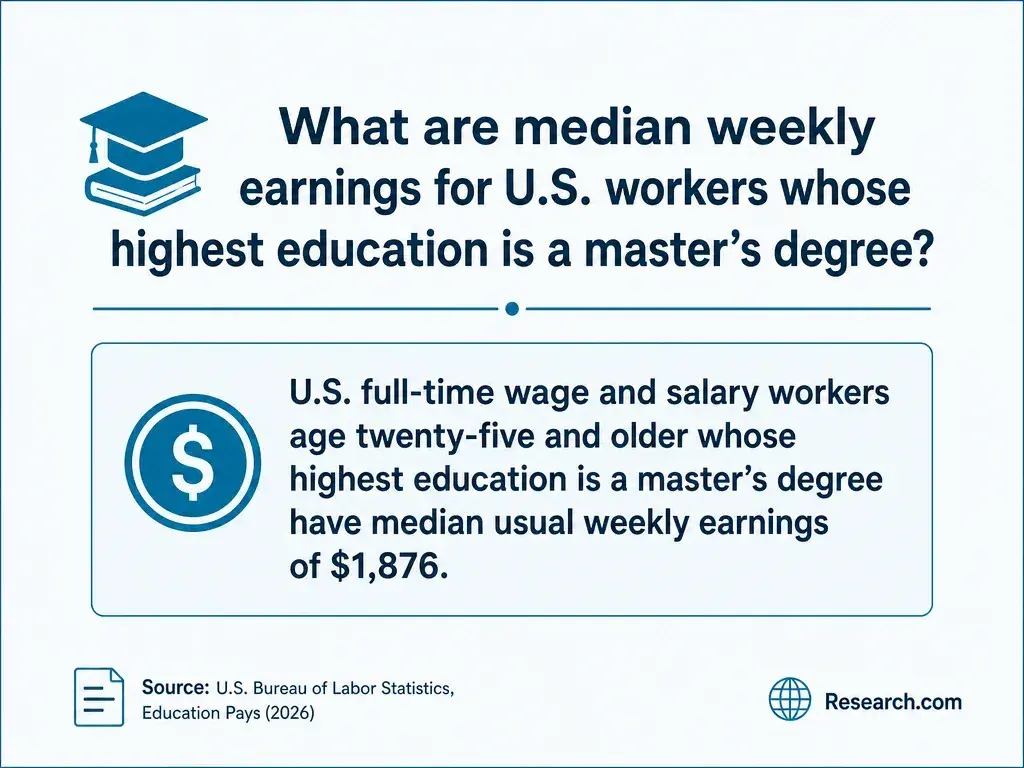
Requirements vary by institution and degree. A bachelor's degree is commonly expected for master's admission, while statistics or other preparatory coursework may be required, recommended, or taught within the program. An undergraduate major outside public health does not automatically rule you out.
Present organizing work as evidence, not merely a list of causes: describe your responsibilities, the partners involved, a decision you helped inform, and what you learned from its results. Separate that record from formal requirements. A school may value your experience yet still require a specified course, transcript, or application document.
Before applying, confirm prerequisites, deadlines, recommendation rules, and whether outstanding coursework can be completed after admission. If obtaining references is difficult, investigate online MPH study without reference letters, but verify the policy for your application term rather than assuming it applies to every track.
Completion time depends on credit requirements, course availability, enrollment pace, and any applied experience or thesis. Part-time study may preserve income but extend the period during which you pay fees and balance school with community commitments. A shorter advertised timeline may require a course load that is unrealistic alongside organizing work.
Compare each school's published tuition and required fees for your expected credit load, then account for travel, technology, fieldwork, and earnings you would give up. Ask whether employer education assistance covers the degree and whether any award has renewal conditions. Use budget-friendly Master of Public Health programs as candidates for comparison, not as proof of your individual total cost.
For a nonprofit professional, return on investment need not mean an immediate salary increase. A sound comparison asks whether the program provides a credential required for your target jobs, usable evaluation skills, and an applied project you can complete ethically - at a cost your household or organization can sustain.
Organizers may move into community engagement, health education, program coordination, or evaluation support. These jobs differ: engagement staff build and maintain partnerships; coordinators manage delivery and reporting; analysts work more intensively with data. Hiring decisions depend on demonstrated tasks and employer requirements, not the degree title alone.
An MPH plus a well-supervised evaluation project can support a move toward program evaluation, but independent analyst roles may demand stronger quantitative skills. Epidemiologist positions generally require substantial epidemiology and statistical preparation; a generalist MPH does not automatically establish that readiness. Leadership roles commonly require a record of budgets, staff supervision, and organizational accountability beyond graduate coursework.
For research-oriented epidemiology careers, weigh the work you want against the training and support available. Comparisons of epidemiology doctorate aid and affordability comparisons may help if doctoral research is genuinely your goal; a doctorate is unnecessary for many community-facing positions.
There is no single public health graduate salary. Pay varies by occupation, location, employer, responsibility, and prior experience. The U.S. Bureau of Labor Statistics reports wages for defined occupations such as community health worker, health education specialist, and epidemiologist - not for everyone holding an MPH or another public health degree. Those occupational figures are useful for comparing target roles, but they cannot predict your offer or the financial return on a particular program.
Compare current job postings that match your location and experience with the duties you can already demonstrate. Nonprofit and public-sector pay structures may limit an immediate raise even when graduate study improves your effectiveness. A public health master's compensation outlook can add context, provided you keep occupation-wide wages separate from degree-specific outcomes.
What Certifications and Licenses Are Required for Public Health Careers?
Many community program and engagement roles do not have a universal professional license. Some employers prefer or require a specific credential, and requirements for health education or community health worker positions can vary by employer and state. Check the actual posting and the relevant certifying body or state authority before paying for preparation.
The Certified in Public Health (CPH), Certified Health Education Specialist (CHES), and Master Certified Health Education Specialist (MCHES) credentials are distinct; an MPH does not automatically award any of them. Nor does a public health degree authorize clinical care. If your immediate goal is a narrowly defined skill rather than credential eligibility, compare employer training and shorter public health study formats and career prospects before committing to a full degree.
Other Things You Should Know About Public Health
Not necessarily. Ask for the actual class and project schedule, then assess whether your employer can accommodate fieldwork, meetings, and deadlines. Staying employed may also preserve valuable community relationships.
Usually you can describe your own responsibilities, but obtain permission before sharing internal documents or identifiable information. A deidentified summary of the problem, your role, and the decision supported is often safer.
Ask how partners help define projects, review deliverables, and control the use of their information. Speak with potential site supervisors about whether student work meets a real organizational need rather than adding unpaid burdens.
Choose a target role, review its job postings, identify your missing skills, and test whether a course or supervised project addresses them. Seek a degree when the remaining gap justifies its cost and time.
- Your financial path to graduation | consumerfinance.gov https://www.consumerfinance.gov/paying-for-college/your-financial-path-to-graduation/
- Competencies for Public Health Professionals | cdc.gov https://www.cdc.gov/infrastructure/training-professional-development/competencies-for-public-health-professionals.html
- Review of MPH practicum requirements in accredited schools of public health - PubMed https://pubmed.ncbi.nlm.nih.gov/23334673/
- Social determinants of health | who.int https://www.who.int/health-topics/social-determinants-of-health
- MPA vs. MPH - Which Degree Is The Best Fit? | Public Affairs Master's Degree Programs at Northeastern https://publicaffairs.northeastern.edu/articles/mpa-vs-mph/
- Explore Careers | Program in Public Health & Society - WashU https://publichealthandsociety.washu.edu/explore-careers
- MHA vs MPH | Online MHA | NYU Wagner https://onlinemha.wagner.nyu.edu/insights/comparing-master-health-administration-vs-master-public-health
- Online Master in Public Health Pitfalls (and Why UW is Different) https://hspop.uw.edu/online-masters-in-public-health-pitfalls/
- Is an Online MPH Right for You? | University of Bridgeport https://www.bridgeport.edu/news/is-an-online-mph-right-for-you/
- College of Public Health Competencies - Catalog Home | The University of Oklahoma Health Sciences Course Catalog https://catalog.ouhsc.edu/public-health/bulletin/competencies/