2027 DrPH vs Professional Certification for a Specific Leadership Goal

Co-Founder and Chief Data Scientist
Leading a public health team, directing a community program, and changing an agency's strategy call for different preparation. For an experienced practitioner, the choice between a Doctor of Public Health (DrPH) and professional certification depends less on prestige than on the responsibilities ahead.
A DrPH offers sustained leadership training and an applied doctoral project; certification validates a defined body of knowledge or professional practice. This guide compares their requirements, costs, time commitments, and career relevance so you can choose the next step that serves your leadership goal.
Key Things You Should Know
- Choose a DrPH when your goal requires sustained preparation for organizational change, cross-sector leadership, and a substantial applied project, not simply a credential after your name.
- Choose certification when you already have relevant experience and need to demonstrate defined competencies more directly; CPH, CHES, and MCHES serve different purposes and have different eligibility rules.
- Check the actual job and total commitment first. A doctorate takes years, while certification generally involves exam preparation and continuing education; neither substitutes for the experience or authority an employer requires.
What is the difference between a DrPH and professional certification for public health leadership?
A DrPH is a practice-focused doctoral degree. Its coursework and culminating work are intended to develop advanced judgment in areas such as systems leadership, policy, evaluation, and organizational improvement.
Professional certification is a separately awarded credential: a certifying body assesses whether an applicant meets its eligibility and examination requirements, then sets conditions for maintaining the credential.
The Certified in Public Health (CPH) credential addresses broad public health knowledge. Certified Health Education Specialist (CHES) and Master Certified Health Education Specialist (MCHES) focus on health education and promotion practice, with MCHES oriented toward advanced-level responsibilities.
They are not interchangeable substitutes for a doctorate, and a DrPH does not automatically award any of them. An MPH may be a more proportionate educational step for someone who needs a public health foundation; different routes through public health master's study can help clarify that separate decision.
Which pathway best supports your specific public health leadership goal?
Start with the decisions you expect to own, rather than the title you hope to hold. The comparison below distinguishes preparation for changing a public health system from evidence that you meet a narrower professional standard.
| Leadership goal | More useful first step | Why |
| Lead an agency-wide improvement initiative or shape policy across organizations | Consider a DrPH | Advanced coursework and an applied project can support complex change work, provided you can access a suitable organization and project. |
| Demonstrate broad public health knowledge in an existing role | Examine CPH eligibility | Certification may document competencies without requiring another degree. |
| Lead health education or promotion programs | Examine CHES or MCHES eligibility | These credentials align more closely with that professional function than a general leadership doctorate alone. |
| Gain first-time supervisory responsibility | Seek supervised management experience first | Neither pathway replaces evidence that you can manage staff, budgets, partnerships, or delivery. |
For a public-sector or nonprofit practitioner, the strongest sequence may be a stretch assignment, mentorship, and targeted credential before doctoral study.
If the gap is foundational public health training rather than advanced leadership, assess an MPH's value against your actual role and employer support; an online public health master's value guide offers a starting point for that comparison.
What are the education and experience requirements for a DrPH or certification?
DrPH admissions standards vary. Programs may expect a relevant graduate degree and substantial professional practice, but an MPH, a director-level title, or a fixed number of post-degree years is not a universal requirement.
Admissions reviewers may look closely at the scope of your decisions: budgets you managed, partnerships you negotiated, staff you supervised, and improvements you helped implement. They may also assess whether you have access to a feasible applied project and appropriate organizational support.
Certification eligibility is set by the certifying organization, not by DrPH programs. CPH applicants should check the National Board of Public Health Examiners' current eligibility pathways. CHES and MCHES applicants should check the National Commission for Health Education Credentialing's education, experience, and documentation rules. Do not assume that a public health job title or degree alone makes you eligible.
If you lack graduate preparation, resolve that gap before planning a doctorate. Applicants concerned about earlier grades can investigate public health master's admission workarounds for GPA gaps, while checking each school's actual policy rather than assuming an exception applies.
A well-matched DrPH should help a practitioner move from managing a program to diagnosing and changing the conditions that affect multiple programs.
Look for meaningful work in leadership and governance, strategic communication, policy, budgeting, equity, evaluation, and implementation, not just course titles. Ask how students practice making decisions with incomplete evidence, competing stakeholder priorities, and public accountability.
The culminating project is especially important. A proposed agency improvement project may require a partner's approval, access to appropriate data, faculty supervision, and time to implement or evaluate a change. Enrollment does not grant permission to use employer records, and an internal improvement effort may still require privacy or ethics review under the applicable rules.
If your goal is to direct original research rather than lead practice change, compare PhD training instead of assuming a DrPH is the stronger research credential. Funding arrangements can differ substantially. Comparing epidemiology doctoral tuition support illustrates questions to ask when considering a research-intensive alternative.
Online delivery can reduce commuting, but it does not make doctoral work asynchronous or easy to schedule. Live seminars, group projects, residencies, and partner-site work can conflict with agency meetings, emergency-response duties, or caregiving. Campus-based study may provide more in-person collaboration but can require a larger change to employment or location.
Before choosing either format, request a term-by-term schedule showing required live sessions, campus visits, project milestones, and leave options. Ask whether your proposed project can be completed at your workplace, who must approve it, and what happens if you change employers.
Admissions-focused public health doctorate rankings can help identify programs to investigate, but apparent admission accessibility does not establish scheduling fit or project feasibility.
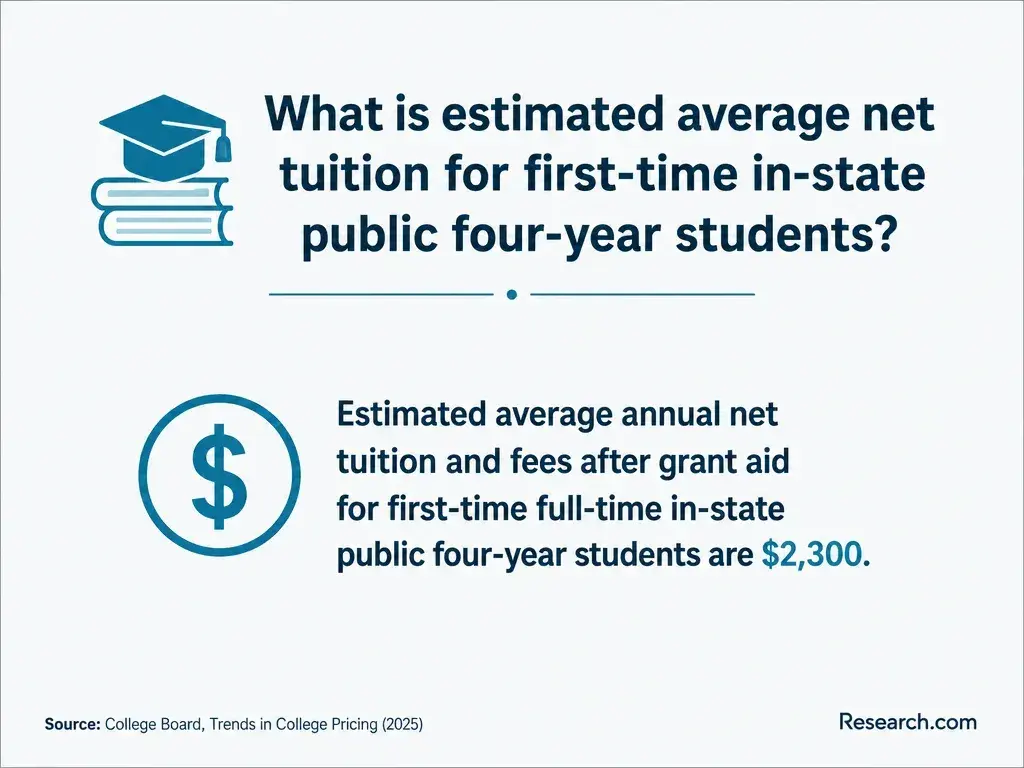
A sound comparison uses total out-of-pocket cost and foregone time, not an advertised tuition figure or exam fee alone. DrPH expenses can include tuition, university fees, travel for required visits, project-related costs, and additional terms if work takes longer than planned.
Certification can involve an application or exam charge, preparation materials, retesting, and continuing-education or renewal costs. Confirm current charges with the school or certifying organization before making a budget.
For a government or nonprofit employee, ask whether the employer covers tuition, exam fees, paid study time, or none of these, and whether reimbursement requires continued employment. If a master's degree is the necessary first step, university scholarships for online public health master's study may inform that earlier budget decision; they should not be counted as DrPH funding.
A DrPH is a multiyear commitment because coursework, doctoral milestones, and an applied project depend on program pacing and partner-site realities.
Certification may be earned more quickly by an already-eligible practitioner, but the schedule still depends on documentation, exam availability, preparation, and the certifier's rules. Certification also requires attention after the exam: check the applicable renewal cycle and continuing-education obligations.
Ask DrPH programs for completion-time information for students with your intended enrollment pattern, not just the shortest advertised pathway. If you first need a public health degree, comparing public health tuition and study length can help frame that separate timeline. A fast course schedule is useful only if it leaves enough capacity for work and applied learning.
Experienced DrPH graduates may pursue responsibilities such as public health program director, agency leader, policy or strategy lead, or health-system population-health executive.
Certification can complement roles in program management, health education, workforce development, and community health. In either case, employers evaluate results and experience alongside credentials: managing a cross-sector initiative, for example, requires evidence of partnership and implementation skills.
Match the credential to the job description's actual duties. An employer seeking advanced health education practice may value CHES or MCHES more directly than a doctorate; an agency seeking someone to redesign governance may value substantial leadership experience and doctoral preparation.
Someone still building foundational experience should not treat a DrPH as a shortcut to a director role. Earlier-stage candidates can consider relevant work and fast-paced public health bachelor's course formats if they do not yet hold an appropriate undergraduate degree.
There is no defensible universal salary premium for a DrPH over CPH, CHES, or MCHES. Public labor-market data group workers by occupation, not by this credential comparison.
Compensation for a health department director, health education specialist, or epidemiologist reflects different duties, employers, locations, and experience; an occupation-wide median is not a forecast for someone earning a particular degree.
For a useful return-on-investment estimate, compare vacancies for your target role and location, noting which credentials are required, preferred, or absent. Then compare likely pay under your employer's actual salary structure with the full cost and time of each pathway.
If research leadership is the real objective, an economical route to a public health PhD may merit consideration, but a lower-priced doctorate is not evidence of higher earnings or a better fit for practice leadership.
How can you evaluate accredited DrPH programs and reputable certifications?
Check institutional accreditation and the Council on Education for Public Health (CEPH) listing separately. Confirm the exact school, unit, or program covered and ask how that status applies to the DrPH you would enter; institutional accreditation alone does not establish public health-specific accreditation.
Then examine required courses, project supervision, scheduling, completion evidence, and written policies for students whose jobs or project sites change.
For certification, use the certifying body's current eligibility handbook to verify the awarding organization, exam scope, fees, renewal rules, and any employer-specific recognition. If you are considering an MPH as a precursor, comparing accreditation across online MPH programs addresses that distinct degree-selection task.
Before committing to either pathway, ask a hiring manager which qualification would change your eligibility or responsibilities for the role you actually want.
Other Things You Should Know About Public Health Programs
No. A DrPH is a public health doctorate, not a medical degree or clinical license. Clinical practice requires the applicable professional education and licensure.
A person who has earned a DrPH may use the doctoral title, but should identify the degree clearly in clinical settings so patients do not mistake a public health doctorate for a medical qualification. Follow employer policies.
CPH, CHES, and MCHES are professional credentials rather than state licenses. Recognition by an employer may vary, and a state-regulated job can impose separate requirements.
Do not present a credential as earned before the certifying body awards it. If useful to an employer, accurately describe your status - for example, that you are preparing for an exam - without implying certification.
- DrPH Advanced Practice Leadership in Public Health | Doctoral | USF Health https://health.usf.edu/publichealth/apply/doctoral/drph-aplph
- Doctor of Public Health (DrPH) | Academics at Walden University https://academics.waldenu.edu/catalog/health-sciences-public-policy/doctor/public-health
- Doctor of Public Health | llu.edu https://publichealth.llu.edu/academics/drph
- Doctoral program in Public Health Executive Leadership (DrPH) | UNC Gillings School of Global Public Health https://sph.unc.edu/hpm/hpm-drph/
- Doctor of Public Health (DrPH) | Claremont Graduate University https://www.cgu.edu/academics/program/doctor-public-health/
- What is the Difference Between a DrPH and a PhD? | Fairfield University https://www.fairfield.edu/news/insights/nursing-health-studies/difference-between-drph-and-phd.html
- Doctoral Degree (DrPH) in Public Health - UK Online https://online.uky.edu/doctoral/public-health/drph
- CPH Eligibility Requirements | NBPHE https://www.nbphe.org/certified-in-public-health/cph-eligibility-requirements/