2027 Choosing MPH Coursework for Rural Health Systems Research

Co-Founder and Chief Data Scientist
Rural health research asks more than whether a service works. It asks who can reach it, how local health systems sustain it, and whether the evidence reflects residents' priorities. For prospective MPH students, that makes course selection consequential: a general public health curriculum may not provide enough training in health services research, rural data limitations, or community-engaged evaluation. This guide shows how to build a course sequence, assess applied opportunities, and compare programs against the research work you hope to do - without paying for a specialization that does not serve your goal.
Key Things You Should Know
- Prioritize epidemiology, biostatistics, health systems or policy, and qualitative or mixed-methods research; then test those skills in a supervised rural project.
- Check the exact MPH degree's accreditation coverage, course schedule, faculty supervision, and access to an approved partner - not just a program's rural-health branding.
- Compare the full cost and time commitment, including travel and unpaid fieldwork; an MPH alone does not confer a research job, certification, or clinical license.
What Is an MPH in Rural Health Systems Research?
Rural health systems research examines how healthcare, public health agencies, community organizations, transportation, financing, and policy affect health in rural places. An MPH can prepare students to evaluate access, service delivery, prevention programs, and population outcomes.
It is a professional public health degree, however, not a promise of intensive research training or a standardized degree called "rural health systems research." Schools may offer a named concentration, a relevant elective cluster, or neither.
The right curriculum depends on the question. A student studying missed appointments linked to travel barriers needs different analytical and partnership skills from one evaluating a county health department's prevention program.
If the goal is primarily to produce independent methodological research, a research-oriented MS or eventual doctoral training may fit better. If the reader has not yet completed a bachelor's degree, comparing affordable online public health colleges addresses that earlier educational decision; it is not a substitute for evaluating graduate research training.
Which MPH Coursework Prepares Students for Rural Health Research?
Start with the research question you want to answer, then work backward to the courses needed to answer it responsibly. The following comparison distinguishes useful foundations from more specialized training; course titles and availability vary by school.
| Course area | Contribution to rural health systems research | Depth to look for |
| Epidemiology and biostatistics | Define populations and outcomes, assess patterns, and interpret uncertainty | Study design and applied analysis beyond introductory survey material |
| Health policy and health services research | Examine coverage, workforce, service organization, and access | Assignments that evaluate a policy or delivery-system decision |
| Qualitative and mixed methods | Understand experiences that administrative data may miss | Sampling, interviewing, analysis, reflexivity, and integration with quantitative findings |
| Program evaluation and implementation | Assess whether a service reaches people and operates as intended | Measures, comparison options, limitations, and usable recommendations |
| Community-engaged research | Share decisions with local partners and interpret findings in context | Practice with governance, communication, and ethical data use |
For a student new to quantitative work, introductory statistics should precede advanced analysis. Pair methods courses with a substantive rural health or health policy course, then use an applied project to bring them together. Do not mistake a software elective for full training in research design.
Students whose goal is advanced epidemiologic methods rather than applied systems evaluation can compare an MPH with later doctoral study, including the distinct funding questions raised by low-cost epidemiology doctorates and financial aid.
How Do You Choose an Accredited MPH Program for Rural Health?
Confirm both the institution's accreditation and whether the exact MPH degree falls within the Council on Education for Public Health (CEPH) accreditation scope. Those are different checks. Then compare the published catalog with the course schedule: an attractive elective is less useful if it is rarely offered or conflicts with required methods courses.
Ask the program director which faculty supervise rural health services research, what questions recent student projects addressed, and how students obtain approved partner placements.
Request the current requirements for the applied practice experience and integrative learning experience. A rural partner's willingness to host you does not, by itself, establish academic approval, supervision, or permission to use its data.
Application convenience is a secondary criterion. For example, MPH programs with no recommendation letter requirement may simplify an application, but lighter paperwork is not evidence of strong rural research mentorship. Compare the curriculum and project arrangements before treating admissions logistics as a deciding factor.
Rural research requires sound methods and careful interpretation of local context. Small populations can make estimates unstable; county-level averages can obscure differences among communities; and a service-use dataset may exclude people who could not reach care in the first place.
Students should learn to define an appropriate population and denominator, inspect missingness, report uncertainty, and avoid presenting an observed association as a causal effect.
Methods should also fit the decision. Interviews may explain why a program is difficult to use, while administrative records may show how use changes over time. Combining them can be valuable, but only if recruitment, data quality, interpretation, and partner responsibilities are planned.
Before using identifiable information, check institutional review requirements, site permission, confidentiality safeguards, and any data-use agreement; a class project is not automatically exempt from oversight.
A useful portfolio might include a deidentified evaluation plan, reproducible analysis, and a short brief written for a local decision-maker. Students entering from another discipline can use alternative entry routes to a public health master's to frame preparation questions, but should ask their target MPH which statistics or methods knowledge is required for its advanced courses.
Neither format is inherently better. An online MPH may let a student remain near a rural employer or community partner, which can improve the feasibility of sustained collaboration. A campus program may make regular faculty meetings, research assistant work, and methods workshops easier to access. Either can fall short if supervision is thin or a suitable project site is unavailable.
Ask how often classes meet live, whether group work has fixed meeting times, whether campus visits are required, and where approved fieldwork may occur. An online student should also confirm how the school handles local-site agreements and remote research supervision.
A campus student should calculate the travel needed to work with rural partners. When comparing budget-friendly Master of Public Health programs, weigh those obligations alongside tuition: "online" does not necessarily mean asynchronous or travel-free.
Requirements belong to the specific MPH, not to rural health as a field. Programs generally evaluate prior degree work and application materials, but may differ in statistics preparation, tests, recommendations, work experience, and how they assess an applicant's fit.
Check the admissions page for the entry term you intend to use, then ask whether any methods preparation must be completed before enrollment or before a particular course.
Applicants from clinical care, social science, business, computing, agriculture, or community organizations can explain how their experience connects to a researchable rural systems problem.
Evidence of data handling, evaluation, or partnership work may strengthen that explanation, but it does not waive a published prerequisite unless the school approves an alternative. Use online public health master's entry requirements as a starting point for comparison, not as a substitute for the target program's current rules.
Completion time depends on required credits, enrollment pace, prerequisite sequencing, elective availability, and the timing of applied work. A fast advertised schedule may not fit a student who needs an advanced methods course offered in a particular term or must first secure a rural project partner. Ask for a term-by-term plan showing when each desired course and required experience is available.
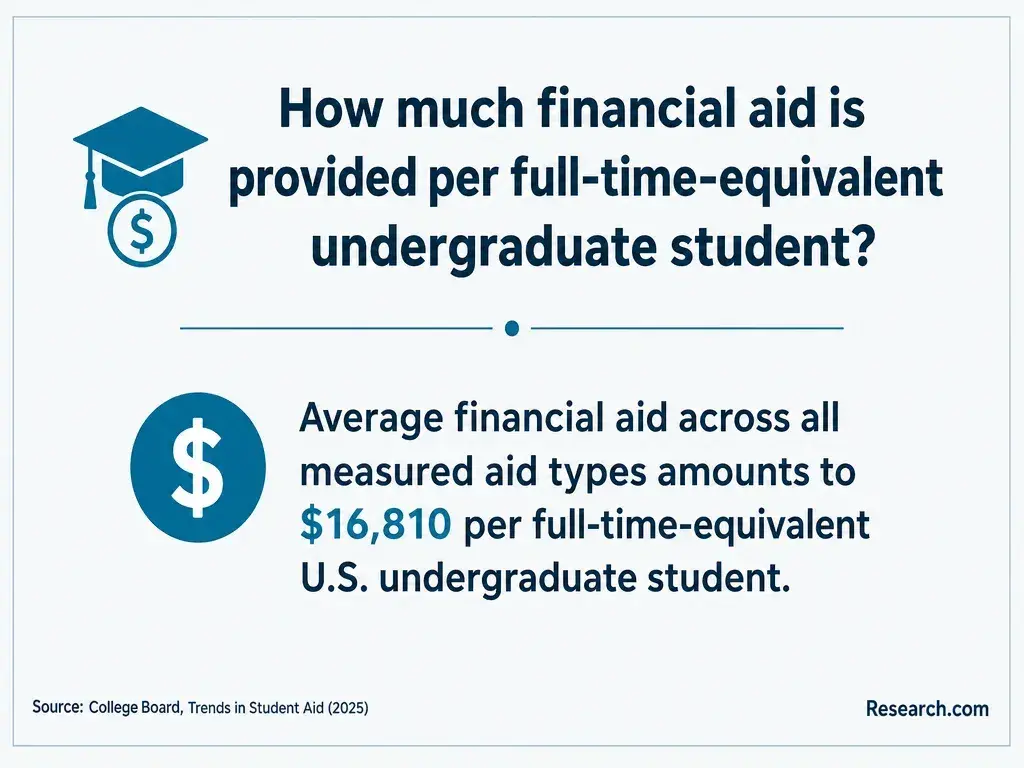
Compare a written cost estimate rather than a headline tuition figure. Include tuition and mandatory fees, travel to partners or campus, software or data-access costs if applicable, and the income implications of fieldwork.
Ask whether assistantships, employer education assistance, or other funding are available to your program and enrollment pattern; do not budget for them before receiving an offer. Comparing public health tuition and study length can help identify questions to bring to each school, but the school's itemized estimate should control your decision.
An MPH with relevant projects can support applications for program evaluation, health services research support, public health analysis, and policy or community-health roles in government, health systems, universities, and nonprofit organizations.
Responsibilities differ: an evaluation coordinator may manage indicators and partner reporting, while a research analyst may clean data and help interpret study results. Employers may require particular methods experience even when they accept an MPH.
For an initial role, show what you did under supervision: the question you defined, methods you used, limitations you identified, and how you communicated findings without disclosing restricted data. An MPH is not an automatic route to a principal investigator, research director, or faculty position.
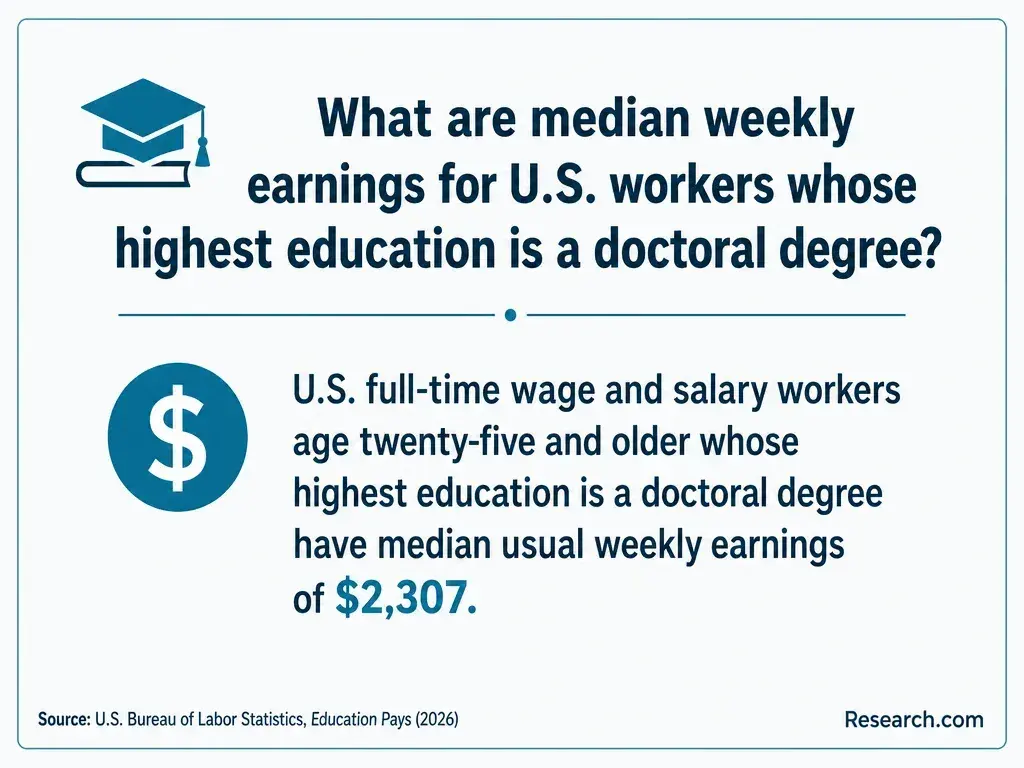
Readers aiming for independent academic research should examine doctoral expectations separately; a public health doctoral program selectivity overview addresses only one part of that later decision, not research fit or funding.
There is no single wage for "rural health research MPH" graduates. Pay varies with the actual occupation, employer, location, experience, and technical responsibilities. U.S. Bureau of Labor Statistics figures for occupations such as epidemiologists describe workers in those occupations nationally; they are not a starting-salary estimate for this degree or a rural-only wage measure.
For a useful comparison, identify local postings for the roles you want, record their stated pay ranges and required skills, and compare them with the full cost and time away from work associated with each program.
A higher credential does not automatically produce a higher-paying job. If compensation is part of a decision about further research training, examine the duties and funding of public health doctoral education options online rather than assuming that doctoral study will repay its cost.
What Certifications and Licenses Do Rural Health Researchers Need?
There is no general license required solely to conduct rural health systems research. An employer may prefer a professional public health credential or specific analytical training, while clinical duties require the applicable professional license. Check a job posting's actual tasks before deciding whether a certification is worth pursuing; an MPH does not automatically award one.
The Certified in Public Health (CPH) credential and health education credentials such as CHES or MCHES have separate eligibility and examination rules set by their certifying bodies. Those credentials also serve different professional purposes.
If you are still choosing an undergraduate foundation, public health bachelor's degree planning online can help you assess coursework, but no degree listing should be taken as proof of later certification or clinical-license eligibility. Verify the current rules with the credentialing body and, for regulated work, the relevant state board.
Other Things You Should Know About Public Health
Yes, if the data can answer a well-defined question. Check geographic coverage, suppressed values, definitions, and whether the dataset represents people who never accessed services.
No. You do need a credible way to learn the local context and work respectfully with relevant partners. Remote analysis alone may miss important service and community realities.
No. A coherent combination of methods courses, health systems study, supervision, and approved applied work may be more useful than a concentration whose research offerings are limited.
Possibly, but publication is not an automatic right or degree outcome. Discuss authorship, partner permission, data-use restrictions, and any required review before presenting or submitting findings.
- Area Health Resources Files | hrsa.gov https://data.hrsa.gov/topics/health-workforce/ahrf/
- Community-based Participatory Research (CBPR) - PMC - NIH https://pmc.ncbi.nlm.nih.gov/articles/PMC6054913/
- Rural Classifications - What is Rural? http://www.ers.usda.gov/topics/rural-economy-population/rural-classifications/what-is-rural
- Rural Health Resources | Rural Health | CDC https://www.cdc.gov/rural-health/php/resources/index.html
- Accreditation | Department of Public Health | ECU https://public-health.ecu.edu/accreditation/
- Rural Public Health - msu.mph.edu https://mph.msu.edu/academics/master-of-public-health-program/rural-public-health
- Health Policy and Management (MPH) | Jackson State University https://www.jsums.edu/healthpolicy/health-policy-and-management-mph/
- Community-Engaged Research Guidelines | Advancement & Strategy https://research.wsu.edu/advancement/research-resources/cer-guidelines/
- Multi-Level Modeling | Columbia University Mailman School of Public Health https://www.publichealth.columbia.edu/research/population-health-methods/multi-level-modeling
- Public Health Accreditation and Competencies | Arcadia University https://www.arcadia.edu/majors-and-programs/public-health-mph/accreditation-competencies/