2027 DrPH vs EdD for Public Health Workforce Development

Co-Founder and Chief Data Scientist
Developing a public health workforce takes more than delivering training. Leaders must identify skill gaps, build learning systems, evaluate whether practice changes, and work within agency budgets and community priorities. For experienced practitioners considering a doctorate, the choice between a Doctor of Public Health (DrPH) and a Doctor of Education (EdD) depends on which of those responsibilities they want to lead. This guide compares the degrees around workforce development - not prestige - so you can identify the preparation, project opportunities, and costs that fit your next role.
Key Things You Should Know
- Choose a DrPH when workforce development is part of broader public health leadership: strengthening agency capacity, implementing programs, and measuring population-health practice.
- Choose an EdD when your primary responsibility is designing, leading, and evaluating education systems for public health employees or students.
- Neither doctorate guarantees advancement. Compare the actual curriculum, supervised project, employer requirements, and total cost; there is no universal DrPH or EdD price or completion time.
What is the difference between a DrPH and EdD in public health workforce development?
A DrPH is a practice-oriented public health doctorate. An EdD is an education doctorate commonly focused on leadership and improvement in learning organizations. Both can support workforce development, but they usually approach its central problem - helping people perform public health work effectively - from different directions.
This comparison describes typical orientations, not requirements shared by every university. A program's courses, faculty, and doctoral project matter more than its initials alone.
| Decision point | DrPH | EdD |
| Primary lens | Public health practice and organizational leadership | Learning, instruction, and educational leadership |
| Workforce-development question | What capabilities does an agency need to deliver better public health services? | How should a learning system develop and assess those capabilities? |
| Likely applied work | Assessing workforce needs and implementing an agency-wide improvement initiative | Designing and evaluating a training or professional-learning system |
| Potential gap to address | Depth in instructional design or adult learning | Depth in epidemiology, public health governance, or agency operations |
A candidate whose earlier academic record complicates graduate admission may need a preparation step before either doctorate. Guidance on improving low-GPA MPH application prospects is relevant if a master's degree is the more appropriate next qualification; it does not establish eligibility for a particular DrPH or EdD.
Which degree better prepares leaders for public health workforce development?
The DrPH is usually the closer fit for a public health leader accountable for workforce capacity as part of agency performance. That leader may have to align training with service delivery, budgets, partnerships, emergency readiness, and measurable improvements in practice.
The EdD may be stronger for a leader whose principal responsibility is the learning system itself: curriculum, coaching, assessment, or professional development across an organization.
Consider the decision your employer expects you to make. If you must decide which competencies a health department needs and reorganize work to use them, prioritize DrPH programs with public-sector leadership and implementation opportunities.
If you must decide how staff learn and demonstrate those competencies, prioritize EdD programs with adult-learning, instructional-design, and evaluation depth. Either choice improves when the doctoral project can address a real, approved organizational problem rather than a hypothetical training product.
For a narrower goal, such as learning to run a needs assessment or design a course, neither doctorate may be proportionate. Employer-supported projects, mentorship, a certificate, or low-cost fast-track public health study may address the gap with less time away from work. A faster program is useful only if its coursework and schedule match the skill you need.
What careers can you pursue with a DrPH or EdD in public health?
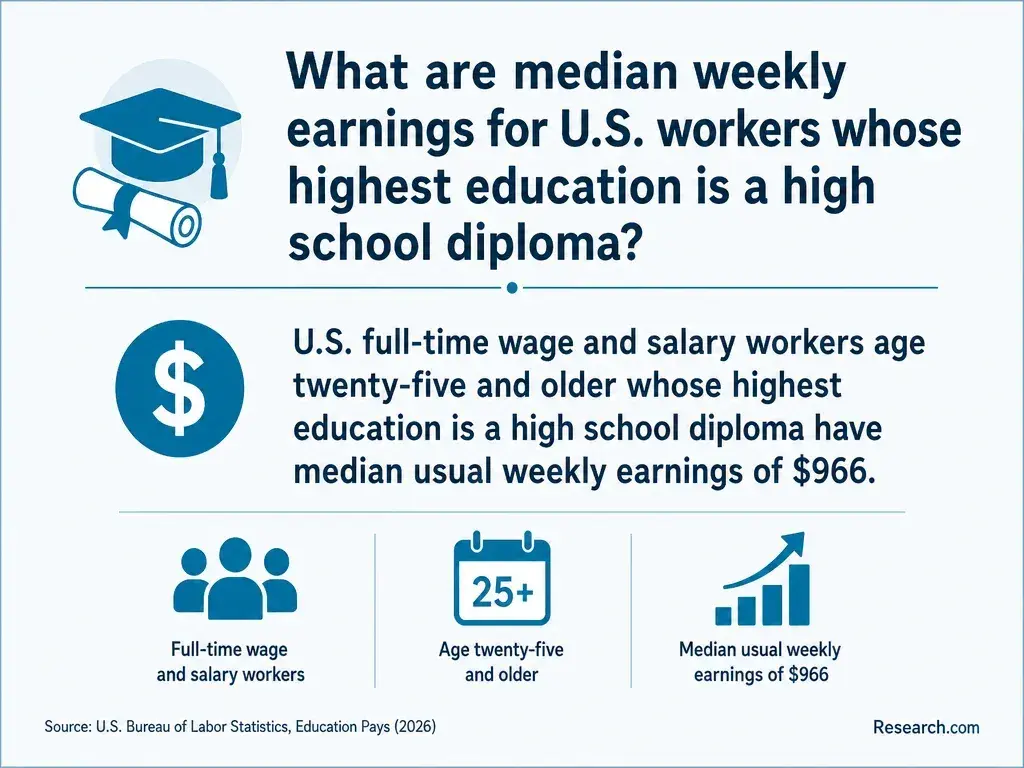
Relevant roles include health department workforce-development director, public health training director, organizational-learning leader, academic public health administrator, and director of continuing professional education.
A DrPH may be especially relevant when the position combines staff development with agency strategy or program improvement; an EdD may be especially relevant when it centers on teaching and learning systems.
Job titles do not settle eligibility. An agency may value years of supervisory experience, government hiring qualifications, grant management, or demonstrated evaluation work more than a particular doctorate.
University faculty positions may have separate teaching, scholarship, or disciplinary expectations. Examine vacancies for the work you want to do, then compare their required experience with your record - not just with a degree description.
For practitioners still building that record, MPH-level roles can provide experience in program implementation and evaluation before doctoral study. Information on MPH-related occupations and earnings can help frame those adjacent pathways, but it should not be read as a salary forecast for future doctorate holders.
A workforce-focused DrPH curriculum may combine public health leadership, policy, systems thinking, evidence use, implementation, and applied evaluation. An EdD curriculum may emphasize adult learning, instructional design, organizational change, education research, and assessment. Both can include qualitative and quantitative methods, but the questions those methods serve may differ.
Look past course titles. A useful program should let you diagnose a workforce problem, engage supervisors and staff in defining it, choose an intervention that fits available resources, and assess whether work practices - not merely course satisfaction - change.
Ask who will supervise that work, whether you can use your workplace as a project site, and what approvals and data access it requires. Employment at a site does not automatically authorize a doctoral project there.
Leaders responsible for a training pipeline should also distinguish their own doctoral preparation from education offered to incoming staff. Comparing online public health bachelor's pathways may help when assessing entry-level preparation; it does not tell you whether a DrPH or EdD develops the advanced leadership skills you need.
Requirements vary by institution. DrPH programs commonly seek evidence that applicants can lead public health practice and complete applied doctoral work. EdD programs commonly assess professional experience, leadership goals, and fit with an education-focused problem of practice.
Each program sets its own rules for prior degrees, relevant experience, recommendations, writing samples, tests, and interviews; an MPH or a particular job title is not a universal DrPH prerequisite.
For either application, document what you were responsible for rather than relying on titles. A strong workforce-development account explains the population or organization served, the staff-learning problem, your decision-making authority, the partners involved, and how you assessed results. If you propose a workplace project, ask whether your employer can provide access and whether the university can supervise the proposed work.
If your immediate obstacle is preparation for a public health master's rather than doctoral admission, check the school's policy on outstanding coursework. Advice on applying to an MPH with incomplete prerequisites can inform that earlier step, but one program's flexibility does not transfer to a doctoral application.
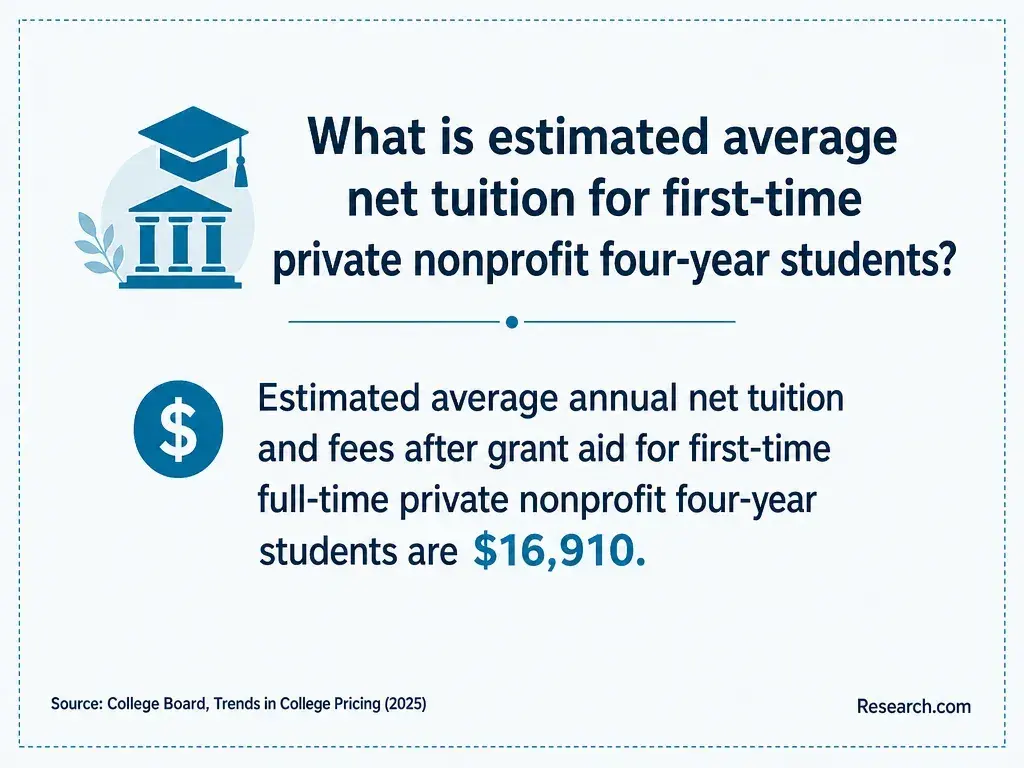
Neither degree has a universal completion time or price. Coursework load, part-time enrollment, required residencies, project approval, and dissertation or applied-project progress can all change the timeline. Compare programs using the same enrollment plan, including the time you may need after coursework to finish the final project.
Request a written estimate that separates tuition from mandatory fees, travel, materials, and any continuation charges. Then account for reduced work hours and employer assistance, including its eligibility and repayment conditions. A lower advertised tuition figure may not mean a lower total cost if the program requires travel or extends your enrollment.
If a master's degree would meet your near-term objective, compare that cost before committing to doctoral study. Scholarship-supported online public health master's options offer a starting point, but verify award eligibility and your actual net price with each institution.
Online delivery can support effective doctoral learning, but the format alone proves little. For workforce-development work, examine the quality of faculty feedback, peer collaboration, project supervision, and access to an organization where you can test an approach.Ask how often students meet live, whether residencies are required, and how the school handles a project that depends on employer or community-partner approval.
For working practitioners, flexibility means more than avoiding a commute. Live meetings, group projects, site visits, and project deadlines may still conflict with agency duties or caregiving. Ask for a sample term schedule and speak with current students in comparable roles.
Resources on online public health bachelor's term-length comparisons illustrate why an online label or short course block should not be mistaken for a manageable workload; confirm the doctoral program's own schedule directly.
First confirm that the university holds recognized institutional accreditation. Then check program-specific claims. The Council on Education for Public Health (CEPH) accredits eligible public health schools and programs, but a university's CEPH-accredited public health unit does not automatically mean every doctorate it offers is within that accreditation's scope.
An EdD housed in an education unit should not be described as CEPH-accredited merely because its university also offers public health degrees. Accreditation is a starting check, not a substitute for examining faculty expertise, project supervision, student support, and outcomes.
Ask the institution to identify the exact accredited unit and covered degree, then obtain current details for your intended entry term. When reviewing online public health doctoral admission options, confirm both accreditation scope and admission requirements with the universities themselves; ease of entry is not evidence of workforce-development fit.
There is no sound single salary or job-growth figure for "DrPH graduates" or "EdD graduates in public health workforce development." Employers classify positions by occupation and responsibilities, not by the doctorate an employee holds. A health department training director, university administrator, and organizational-learning manager may work in different labor markets and pay systems.
For a realistic estimate, compare current postings for your target role, location, and sector; in government, examine the applicable pay grade and promotion rules. U.S. Bureau of Labor Statistics occupation data can add context when the occupation closely matches the job, but its median covers workers with varied degrees and experience. It is not a graduate outcome or a forecast of your raise.
Before borrowing, compare the full program cost with advancement opportunities you can document at your employer or in relevant vacancies. Guides to affordable public health doctorates and earning potential can help organize a shortlist, but verify each program's charges and avoid treating advertised career outcomes as a return on investment you will receive.
Do DrPH or EdD graduates need professional licenses or certifications?
Neither doctorate automatically grants a clinical license or a public health certification. Most workforce-development leadership jobs do not have one universal professional license, though a particular employer may prefer a credential or require an existing license for a role that includes regulated clinical duties.
The Certified in Public Health (CPH) credential and health education credentials such as CHES or MCHES have separate eligibility and examination rules. If a posting names one, check the current requirements with its certifying organization and confirm whether your education and experience qualify. Do not assume that a DrPH, EdD, related course, or university accreditation satisfies those rules.
Some practitioners considering certification do not need a doctorate at all. When a master's-level pathway better fits the target job, reviewing public health graduate programs with accessible entry may be more useful than pursuing another doctoral credential - but admission, certification eligibility, and job eligibility remain separate decisions.
Other Things You Should Know About Public Health
Possibly. An EdD may admit applicants from education or other professional backgrounds, while DrPH policies differ by school. Check the specific program's prior-degree rules and whether you have the public health knowledge needed for its coursework.
Potentially, but ownership of the materials, employer permission, university project standards, and access to evaluation data must be resolved first. Existing materials alone may not satisfy the requirement for a doctoral inquiry or applied project.
Yes. Their input can reveal whether training priorities reflect the needs of people served, not only agency assumptions. Agree on their role, how feedback will be used, and any approval or confidentiality requirements before collecting information.
That depends on the receiving university's transfer-credit, course-equivalency, and recency policies. Request a written evaluation before assuming prior doctoral coursework will shorten the program.
- Core Competencies for Doctoral Education in Public Health | nih.gov https://pmc.ncbi.nlm.nih.gov/articles/PMC3490571/
- Framework for Program Evaluation in Public Health | cdc.gov https://www.cdc.gov/mmwr/preview/mmwrhtml/rr4811a1.htm
- Curriculum and Concentrations | Johns Hopkins https://publichealth.jhu.edu/academics/drph/curriculum
- EdD vs. PhD in Education: Choosing the Right Program | Goodwin College of Professional Studies https://drexel.edu/soe/resources/career-path/edd-vs-phd/
- EdD vs. PhD in Education: Key Differences, Careers & Salary | Alverno College https://edd.alverno.edu/articles/professional-doctorate-vs-phd/
- Public health education shifts in wake of accreditation changes | The Nation's Health https://www.thenationshealth.org/content/51/1/22.1
- DrPH vs. PhD | National Association for Doctors of Public Health https://nadrph.org/drphvsphd
- Who's Leading DrPH Programs? And Why More Program Faculty Should Hold a DrPH - JPHMP Direct https://jphmpdirect.com/whos-leading-drph-programs-and-why-more-program-faculty-should-hold-a-drph/
- Education | Association of Schools and Programs of Public Health (ASPPH) https://aspph.org/what-we-do/education/
- Analysis of the Doctor of Public Health (DrPH) training and identity needs in the United States: a qualitative study https://www.springermedizin.de/analysis-of-the-doctor-of-public-health-drph-training-and-identi/26274958