2027 Evaluating an MPH Practicum in A Public Health Workforce Training Center

Co-Founder and Chief Data Scientist
A public health workforce training center can offer an MPH student a useful practicum - but its training mission alone does not make a placement suitable. The deciding factors are the work you will do, the supervision you will receive, and whether your program approves the experience.
This guide is for students comparing field sites or shaping a proposed project. It explains accreditation expectations, practical costs, career value, and the questions that can prevent an appealing placement from becoming an unworkable one.
Key Things You Should Know
- A workforce training center is a strong MPH practicum site when the student contributes to a real public health practice need, produces assessable work, and has an approved supervisor - not merely access to training sessions.
- CEPH's MPH applied practice expectations include at least two work products demonstrating at least five competencies: three foundational and two concentration-specific. The MPH program determines how the placement meets those expectations.
- Before accepting, confirm project scope, site and academic approval, data permissions, scheduling, compensation, and what you may retain for a portfolio. CEPH does not prescribe one universal practicum hour requirement.
What Is an MPH Practicum in a Public Health Workforce Training Center?
An MPH practicum - often called an applied practice experience, or APE - is supervised work in which a student applies public health competencies to a practice setting.
A public health workforce training center may assess training needs, develop courses for health department staff, coordinate learning with community partners, or evaluate whether training supports workplace practice. Centers differ in their funding, partners, and authority; the name does not establish that a particular project qualifies for academic credit.
A suitable project might produce a training-needs assessment, an accessible emergency-preparedness learning module, and a plan for evaluating its use. The student should have defined responsibilities and a real audience for the outputs. Attending webinars or observing staff without producing independently assessable work is a weaker fit.
This is a graduate practice requirement, not simply another public health internship. Students comparing online public health undergraduate education options should check those programs' separate fieldwork rules rather than assuming a bachelor's internship meets MPH APE standards.
What Requirements Must an MPH Practicum Meet for CEPH Accreditation?
The Council on Education for Public Health (CEPH) accredits public health schools and programs, not individual workforce training centers. Under CEPH's MPH applied practice criteria, students must produce at least two work products that demonstrate at least five competencies, including at least three foundational and two concentration-specific competencies. The program must be able to assess the work. Confirm the criteria applicable to your program and entry term with its practicum coordinator.
CEPH does not set one universal number of practicum hours. Your MPH program may impose hours, prerequisite courses, site agreements, supervisor qualifications, learning-contract deadlines, or additional deliverables. A center's willingness to host you is therefore not the same as program approval. Institutional accreditation also does not, by itself, establish that your particular MPH is within CEPH's accredited scope.
Shorter academic terms can make scheduling more complicated, but accelerated course planning for a public health degree does not change the need to document graduate-level applied competencies. If your MPH uses compressed terms, settle the project and approval timeline before the term starts.
How Does a Workforce Training Center Practicum Prepare Students for Public Health Careers?
A training-center practicum is most valuable for students interested in workforce development, health department operations, health communication, preparedness, or program evaluation. It can show how a public health agency identifies a staff skill gap, works with partners, builds a usable resource, and checks whether that resource serves its intended audience. That sequence is more persuasive to an employer than a list of training sessions attended.
The setting also has limits. A center focused on course production may offer little direct experience with community program delivery, epidemiologic analysis, or policy implementation. A student targeting one of those functions should negotiate a relevant project or choose another site. Supervised MPH work can establish early-career readiness; it does not substitute for the experience expected of a program director.
Students whose longer-term aim is organizational leadership or independent research can compare public health doctorates for research and practice. A DrPH or PhD serves a different purpose from an MPH practicum, and neither is necessary simply to begin workforce-training work.
The strongest competency plan ties each skill to a task the student will perform and a product a reviewer can inspect. A workforce training center may offer opportunities to assess learner needs, interpret routine workforce data, translate evidence into plain-language instruction, work respectfully with agency or community partners, and design a practical evaluation. The selected competencies must match the student's MPH concentration as well as the project.
For example, a student could summarize a center-authorized, deidentified needs-assessment dataset, explain its limitations, and use the findings to revise a training outline. That demonstrates more than claiming "data analysis" after viewing a dashboard. If the goal is advanced statistical modeling rather than applied training evaluation, online graduate biostatistics options for professionals may offer more appropriate depth.
Ask the supervisor which decisions your work will inform and which methods you may use. A project with no access to relevant stakeholders or usable data may need a different scope, even if its proposed topic sounds compelling.
The two CEPH work products should be substantive evidence of competency, not merely a timesheet and a reflection. Depending on program approval, a training-center student might submit a needs-assessment brief and a facilitator guide, or an evaluation plan and an accessible training resource. One project can yield distinct products, but the program decides whether each adequately demonstrates the mapped competencies.
Schools may also require a learning agreement, progress check-ins, supervisor evaluation, reflection, or faculty assessment. Establish who reviews drafts and when revisions are due. If a product uses staff responses, agency records, or community input, confirm data access, confidentiality, any required permissions, and whether research or other institutional review is necessary before collection or analysis. Remove restricted information before sharing work in a portfolio.
An MPH training evaluation is not automatically a dissertation study. Students considering a later research pathway can explore online epidemiology doctorate cost and funding separately; doctoral research expectations and data-access arrangements should not be assumed for a practicum.
Both online and campus MPH programs may permit local, remote, hybrid, or institution-connected placements, subject to their own policies. Delivery mode does not determine whether the work is flexible. A remote training-center project can still require live stakeholder meetings, access to agency systems during business hours, and scheduled review with a supervisor.
The comparison below shows where placement format changes the student's practical obligations, rather than the underlying need for approval and assessable work.
| Placement arrangement | Potential advantage | Constraint to verify |
| Local or campus-connected center | In-person collaboration and established institutional contacts | Travel, site hours, and whether the available project fits the concentration |
| Remote center project | Access to a suitable project without relocating | Live meeting times, secure data access, supervision, and permission for remote work |
| Current employer as host | Familiar partners and operational context | Program rules for work distinct from ordinary job duties and approved supervision |
Students balancing employment or caregiving should request a weekly meeting schedule, not just a promise of "online flexibility." If tuition support affects whether a placement is feasible, compare public health master's university award comparisons and verify whether any award applies during the practicum term.
Admission to an MPH program and eligibility to start its practicum are separate decisions. Programs commonly expect students to complete specified foundational coursework and obtain approval for a site, supervisor, learning objectives, and competency plan before work begins. The exact course sequence, credit registration, and deadlines belong to the MPH program - not to CEPH or the host center alone.
A student entering from another discipline should distinguish an admissions gap from a practicum-readiness gap. Introductory preparation may be manageable during early coursework, while a proposed evaluation project could require additional competence in data interpretation or program planning. Guidance on starting public health graduate study with prerequisite gaps can help frame that earlier decision; the school must still confirm when the student may begin fieldwork.
Before committing to a host, ask the practicum coordinator which courses must be completed, whether an existing job is eligible, and which approvals must be signed before hours or activities can count.
There is no single CEPH-mandated hour total or universal practicum price. Duration depends on the school's required hours or credits, the center's project cycle, approval lead time, and whether work can occur alongside paid employment. A needs assessment awaiting partner input may take longer on the calendar than the student's direct work hours suggest.
Use a full-cost estimate rather than looking only for a placement fee. The relevant components are shown below; the school and host must supply the actual amounts and terms.
| Cost component | Why it matters |
| Practicum tuition and mandatory fees | Charges may depend on credits or enrollment term. |
| Travel, equipment, or software | Remote and local projects have different incidental costs. |
| Reduced paid-work hours | An unpaid placement may create a substantial opportunity cost. |
| Extra enrollment term | Delayed approval or an unfinished project may extend charges and graduation. |
Compare the resulting estimate with a broader public health master's degree investment guide, but verify the program's current charges and financial-aid rules directly. A paid project or employer-sponsored placement may reduce the burden; neither should be assumed available.
A well-matched placement can support applications for workforce-development coordinator, public health training specialist, program coordinator, health education, or junior evaluation roles. The student's strongest evidence is a permitted work sample paired with a clear account of the problem, their contribution, the methods used, and the limits of the product. Employers still set their own experience and technical requirements; a practicum does not guarantee a job or a particular salary.
Training-center experience is less direct preparation for an epidemiologist role if it contains little surveillance or analytic work. Likewise, advanced research positions may expect methods training and research experience beyond a practice-oriented MPH project.
Students weighing that longer route should assess a public health PhD affordability guide alongside research fit and funding conditions, rather than treating a doctorate as a routine next step.
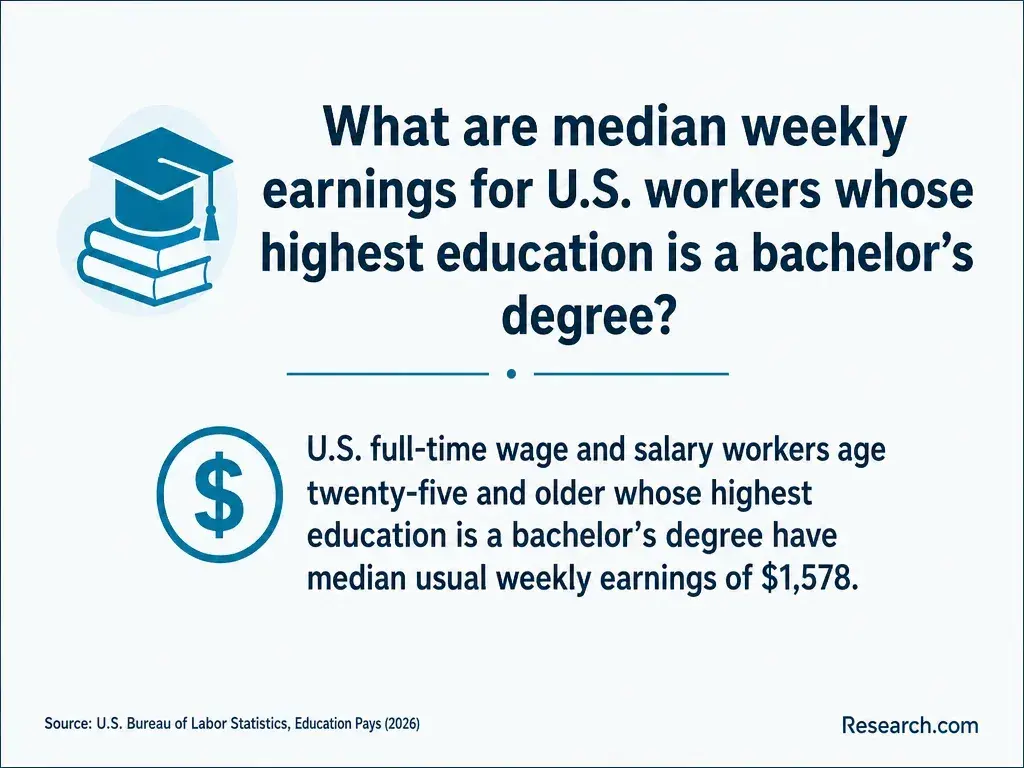
When reviewing pay, compare postings for the actual role, location, employer type, and required experience. An occupation-wide wage median - including figures published by the US Bureau of Labor Statistics - is not the expected starting salary of a particular MPH graduate.
How Can Students Evaluate a Reputable MPH Workforce Training Center?
Evaluate the specific placement, not the center's name or reputation alone. A credible host can identify a practice need, assign a supervisor with time to review the student's work, explain who will use the products, and state what information the student may access. The MPH program retains authority to approve the experience and assess competencies.
Take a short project proposal to both the site supervisor and practicum coordinator. These questions expose the most consequential gaps before you commit:
- What practice decision will my work support, and who will review or use each proposed product?
- Which tasks will I perform myself, and how often will my supervisor provide feedback?
- Which data, staff, or partners may I access, and what permissions or confidentiality rules apply?
- What are the expected weekly hours, meeting times, location requirements, and any compensation?
- Will the program approve this site, supervisor, competency mapping, and work-product plan before I start?
If the answers are uncertain, narrow the project or compare another host. Students also comparing MPH programs by public health degrees by price and completion time should ask whether practicum placement support and approval delays are reflected in the advertised timeline. The best choice is the approved project you can complete ethically and well - not simply the fastest available opening.
Other Things You Should Know About Public Health
Only if the host and program permit it. Obtain approval for the version you share, remove confidential or identifying material, and describe your contribution without claiming the center endorsed your conclusions.
Possibly, but first confirm the center's permission, the purpose of the interviews, privacy expectations, and whether institutional research review or another approval process applies. Do not assume course credit alone authorizes data collection.
Tell your academic coordinator promptly. A revised project may need an updated learning agreement and competency mapping so the final work remains assessable.
Ask the practicum coordinator about other approved settings with comparable workforce-development tasks, such as a health department, nonprofit, or health system. The project's substance matters more than the host's label.
- Framework for Program Evaluation in Public Health | cdc.gov https://www.cdc.gov/mmwr/preview/mmwrhtml/rr4811a1.htm
- Best methods for evaluating educational impact - PMC - NIH https://pmc.ncbi.nlm.nih.gov/articles/PMC3484955/
- Field Education With External Supervision: Supporting Student Learning: Applied Learning in Social Work Education https://alswe.simmons.edu/article/field-education-with-external-supervisions-support-student-learning/
- Full article: Developing the public health workforce through community-based fieldwork | tandfonline.com https://www.tandfonline.com/doi/full/10.1080/10852352.2021.1915736
- Practicum - Master of Public Health | Grand Valley State University https://www.gvsu.edu/grad/mph/practicum-24.htm
- MPH Practicum - Washington University Bulletin - WashU https://bulletin.wustl.edu/publichealth/mph/practicum/
- Section 2. MPH Practicum - Master of Public Health Practicum Manual - Academic Guides at Walden University https://academicguides.waldenu.edu/masters-public-health-practicum-manual/practicum-overview
- Practicum Instructions | UW School of Public Health https://sph.washington.edu/mph-practicum/forms-and-deliverables