2027 MPH Programs: Checking Whether Fieldwork Can Be Completed in Your State

Co-Founder and Chief Data Scientist
An online MPH may let you study from home without guaranteeing that you can complete fieldwork nearby. If you need to stay in your state for work, caregiving, or other commitments, that distinction can determine whether a program is feasible.
This guide explains who approves a placement, what students do there, and which questions to ask before paying a deposit. You will be able to distinguish a genuine local-fieldwork option from a program that merely allows students to propose one.
Key Things You Should Know
- MPH fieldwork is not automatically available in every state: confirm enrollment eligibility, program approval of the site and project, and the host's willingness to supervise you.
- A CEPH-accredited MPH applied practice experience requires at least two work products; a nearby organization is useful only if the proposed work meets your program's competencies and assessment rules.
- Ask who finds the site, whether your current job can qualify, and what happens if a placement falls through before choosing an online program.
Can MPH fieldwork be completed in any state?
Sometimes, but "online" does not mean "fieldwork in any state." A program may accept students in your state yet have restrictions on where it can administer a supervised placement. It may also permit local placements without having an available partner near you. Ask about your exact state and intended entry term; do not rely on a general statement that students complete practicums "where they live."
These are separate decisions. A positive answer at one stage does not settle the others.
| Decision | Who confirms it | Evidence to request |
| May you enroll while living in your state? | Admissions or the institution's state-authorization office | Written confirmation for the degree and your state |
| May the proposed organization host your placement? | MPH practicum coordinator | Site-eligibility rules and required agreement |
| May you perform the proposed work? | Host supervisor and program faculty | Approved duties, supervision plan, competencies, and deliverables |
A research doctorate is a different educational decision, not a way to bypass an MPH placement requirement. If independent research is your actual goal, comparing affordable public health PhD pathways makes more sense than selecting an MPH based solely on fieldwork convenience.
What is an MPH fieldwork or practicum requirement?
MPH fieldwork - often called an applied practice experience - is supervised work on a public health practice problem. The school sets learning objectives and evaluates what you produce; the host organization supplies a setting, appropriate work, and supervision. It is distinct from merely shadowing staff and may be distinct from a separate integrative learning experience or capstone.
CEPH's MPH applied practice standards call for work products that demonstrate selected competencies. Programs decide how students propose sites, document hours or activities, obtain approval, and submit products. Those rules, rather than the word "internship" in a course title, determine whether an opportunity qualifies.
If your goal is an entry-level community role rather than graduate-level public health practice, an MPH may be more education than you need. Public health BS distance learning pathways offer a different credential to investigate, though you must still check their own experiential requirements.
How do online MPH programs arrange fieldwork near students?
Programs use different arrangements: some maintain partner networks, some help students approach local organizations, and others expect students to identify a host for approval. Placement assistance is not a placement guarantee. Ask the coordinator which model applies in your state, how early the search begins, and whether students have recently completed approved work within commuting distance of your location.
A proposed site might be a health department, community organization, health system, or other organization doing population-health work. Before work begins, the program may require a site agreement, a qualified supervisor, defined duties, and faculty approval. The host may separately require onboarding or access authorization. Remote project tasks can reduce travel, but online coursework does not make host meetings or supervision asynchronous.
Short academic terms do not necessarily make a field placement easier to schedule. If you are comparing an MPH with an undergraduate route, short-session courses for online public health majors address course pacing, not whether a local host can accommodate your work hours.
Yes, if you want an MPH whose applied practice experience is assessed against CEPH's public health accreditation standards. Institutional accreditation and CEPH accreditation answer different questions. Check CEPH's directory for the exact school, unit, or program and confirm that the MPH degree you would enter is covered; do not infer coverage from another degree at the same university.
CEPH accreditation does not promise a placement in your state or waive a program's site rules. Use CEPH-accredited Master of Public Health programs as a starting point for comparison, then confirm accreditation scope and local-placement policy directly with each school before applying.
Suitable tasks produce something a public health partner can use and that a faculty member can assess. Depending on the site and concentration, a student might develop a community outreach plan, analyze approved program data, draft an evaluation tool, or prepare a policy brief. The exact project should match the program's competencies and the host's priorities - not just the student's preferred topic.
Ask the prospective supervisor: What decision will the work support? Who will review drafts? Which information may the student access, and what may appear in a submitted or public portfolio? Permission to work at a site is not permission to use restricted data or publish a deliverable. Check applicable privacy, data-use, community-approval, and institutional-review requirements before collecting or sharing information.
If your primary goal is intensive statistical training rather than a public health practice placement, biostatistics graduate study while working is a distinct option worth comparing; its applied or research requirements must be checked separately.
Programs commonly assess prior degree work, academic preparation, a statement of purpose, and recommendations, but requirements vary. A public health undergraduate major is not universally required. A program may expect or recommend quantitative preparation, relevant experience, or particular prerequisite coursework; distinguish a stated admission requirement from advice for strengthening an application.
For this decision, admissions eligibility is only the first check. Ask whether the program will admit a student in your state and administer a placement there. If you are missing a stated requirement, review provisional entry criteria for public health graduate study, then obtain the specific school's written conditions and deadlines. Provisional admission should not be mistaken for permission to begin fieldwork.
Completion depends on the program's credit requirements, course schedule, enrollment pace, and when you may start fieldwork. The practicum may have prerequisites and an approval process that begins well before the fieldwork term. A student who can attend evening classes may still need daytime access to a host, supervisor, or community meeting.
Request a term-by-term plan showing the earliest fieldwork start, proposal and agreement deadlines, expected weekly availability, and what happens if a site cancels. For working adults, that plan is more useful than the advertised fastest completion time.
If you are also considering a doctorate, compare its progression and project obligations on their own terms. Affordable public health doctorates and earning potential cannot establish that doctoral study will be faster or easier to schedule than an MPH practicum.
Compare the full cost of completing the degree, not tuition alone. Ask each school for its published tuition and required fees for your enrollment status, then budget separately for commuting, onboarding requirements, software or equipment, and any unpaid time away from work. A local placement may save relocation costs while still creating a substantial scheduling expense.
Ask whether practicum credits are charged like other credits, whether a delayed placement changes fees or aid eligibility, and whether the program funds travel or required screening. Financial assistance is program- and student-specific; online public health master's aid eligibility is a useful comparison topic, but an award should not enter your budget until the school confirms your eligibility and amount.
An MPH and a well-scoped local practicum can provide evidence of skills for public health program, evaluation, health education, policy, or epidemiology-related work. The best placement depends on the tasks of the role you want: an outreach project may help demonstrate community-engagement skills, while an approved surveillance analysis may better support an analytical application.
Neither the degree nor the placement automatically qualifies you for a particular job, certification, or clinical license.
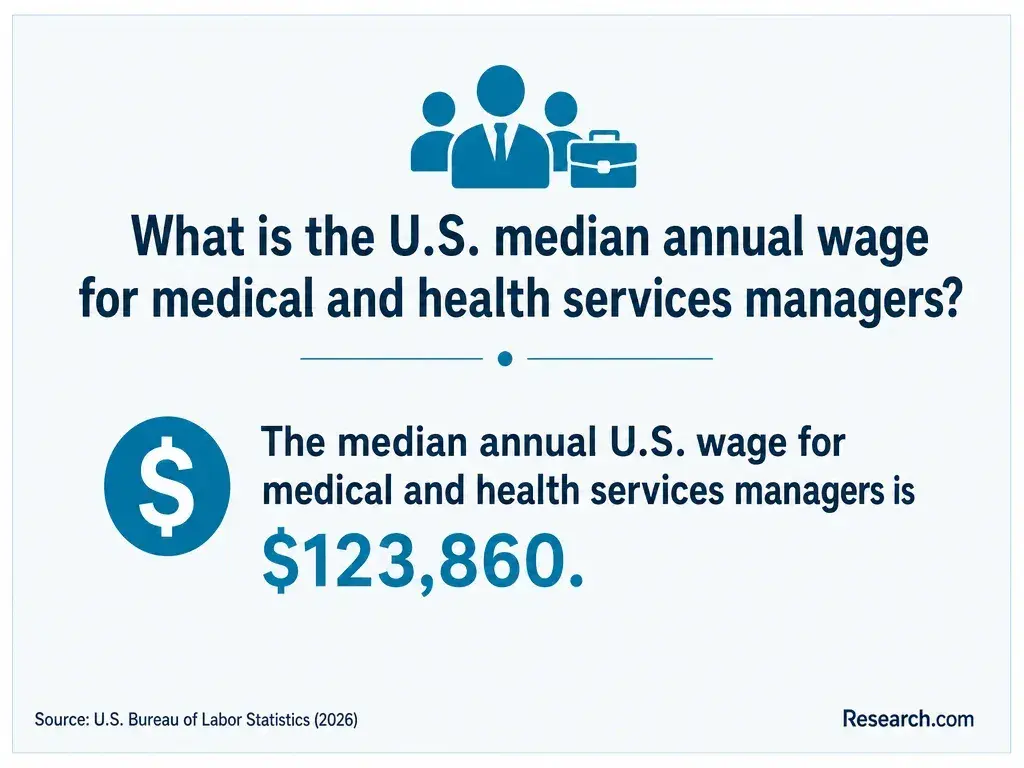
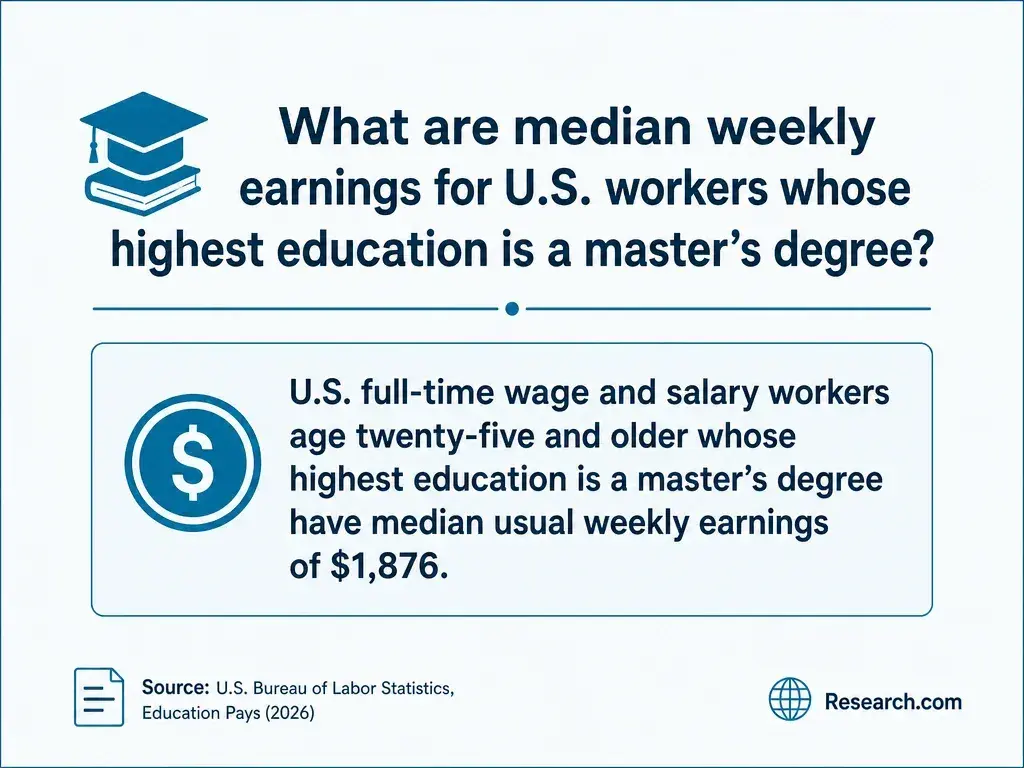
For pay decisions, compare named occupations, locations, and experience levels rather than an "MPH salary." The US Bureau of Labor Statistics Occupational Outlook Handbook reports wages by occupation, not by possession of an MPH. MPH career pay comparisons can help frame that research, but local job postings and your existing experience are essential when judging whether the degree's cost is worthwhile.
How should you choose an MPH program with in-state fieldwork?
Build a shortlist around placement feasibility before comparing elective menus. Give each coordinator your state, approximate location, scheduling constraints, and a possible host or project type. Request the policy that would govern your entry term rather than relying on a recruiter's general description.
Use these questions to identify a workable program and surface obligations that could delay graduation:
- Can students in my state enroll and complete the required applied practice experience there?
- Who identifies the host, and what local placement support can you document?
- Can my employer or a remote project qualify, and who approves the duties, supervisor, and work products?
- What agreements, onboarding steps, deadlines, and on-site hours apply before work begins?
- What is the alternative if the proposed site declines or the placement ends early?
Compare the written answers against your available time and budget. Then consider whether the program's coursework and placement opportunities support your target role; comparing specialization fit across public health master's degrees can help with that separate decision. A strong concentration is little use if you cannot complete its required fieldwork.
Other Things You Should Know About Public Health
Tell the program before moving. Enrollment and placement permissions can differ by state, so ask for written confirmation that both your coursework and planned fieldwork can continue from the new location.
Do not assume it does. Ask the school and host which liability, workers' compensation, or other coverage applies to your status and duties before signing a placement agreement.
Contact the school's accessibility or disability-services office early. It can explain the accommodation process; the practicum coordinator can clarify which activities are essential and how an approved arrangement would work with a host.
Only with appropriate permission. Ask what the host and program allow, remove confidential or identifiable information, and describe your own contribution without presenting restricted work as a public document.
- Review of MPH practicum requirements in accredited schools of public health - PubMed https://pubmed.ncbi.nlm.nih.gov/23334673/
- Program Eligibility, Written Arrangements, and Distance Education | 2024-2025 Federal Student Aid Handbook https://fsapartners.ed.gov/knowledge-center/fsa-handbook/2024-2025/vol2/ch2-program-eligibility-written-arrangements-and-distance-education
- MPH Fieldwork | Public Health | Binghamton University https://www.binghamton.edu/decker/public-health/academics/fieldwork.html
- Master of Public Health - UOnline - The University of Utah https://online.utah.edu/graduate-programs/public-health/index.php
- State Authorization - UK Online - University of Kentucky https://online.uky.edu/faculty-resources/state-authorization
- Practicum - Master of Public Health | Grand Valley State University https://www.gvsu.edu/grad/mph/practicum-24.htm
- Affiliation Agreement Approval Process | tufts.edu https://provost.tufts.edu/policies/affiliation-agreement-internal-approval-process/
- The Practicum - An applied practice experience | Master of Public Health Program https://familymedicine.med.wayne.edu/mph/practicum
- State Authorization and Program Availability | UofL Online | Information Technology Services https://online.louisville.edu/resources/compliance/state-authorization
- The MPH Practicum | Johns Hopkins https://publichealth.jhu.edu/offices-and-services/office-of-public-health-practice-and-training/the-mph-practicum