2027 From Local Government Budget Analysis to Public Health: Choosing a Graduate Pathway

Co-Founder and Chief Data Scientist
Local government budget analysts already work with decisions that shape community health: funding services, measuring performance, and explaining trade-offs to public officials. Moving into public health could mean applying those skills to health policy - or retraining for epidemiology, program evaluation, or community health practice.
This guide helps public-sector professionals identify which graduate pathway fits the work they want to do, where their experience gives them an advantage, and when a degree may be less useful than targeted training or an internal move.
Key Things You Should Know
- For health department finance, policy, or program-management roles, budget experience may be more immediately valuable than a new degree; check job postings before enrolling.
- An MPH generally fits population-health practice and policy, while a research-oriented MS better fits a defined methods goal. CEPH's MPH criteria generally call for at least 42 semester credits, making cost and time substantial considerations.
- Compare programs by the skills and supervised work needed for your target role - not by the degree title alone. A move into epidemiology usually requires stronger statistics and analytic evidence than a move into public health budgeting.
What public health graduate degrees can lead to careers beyond local government budget analysis?
Start with the work you want to perform. An adjacent move into health department budgeting or policy is different from a substantial switch into disease surveillance or research. The degree should close a specific skills gap, not merely signal an interest in health.
The comparison below shows where common pathways fit a budget analyst's background. Program titles and curricula vary, so use it to shortlist options rather than assume every school offers the same training.
| Pathway | Best fit | What to check |
| MPH in health policy, management, or general public health | Health department programs, policy analysis, population-health planning, and evaluation | Applied practice opportunities, policy methods, and whether projects can involve government partners |
| Methods-focused MS in epidemiology, biostatistics, or health services research | A defined goal involving substantial analysis or research | Statistics prerequisites, programming depth, thesis expectations, and research supervision |
| MPA or MPP with relevant health coursework | Public finance, governance, or policy roles where health is one subject among several | Whether the curriculum provides enough health-specific knowledge for target jobs |
| Graduate certificate or targeted courses | An adjacent move that requires a narrower skill, such as program evaluation | Employer recognition, course depth, and whether credits can later apply to a degree |
An experienced practitioner considering senior public health leadership might eventually examine a DrPH. A PhD is a different, research-focused commitment; neither is a routine next step for entering a health department. If doctoral study becomes relevant, compare actual experience requirements and program fit rather than treating online public health doctorates by admissions accessibility as a measure of career value.
Why is CEPH accreditation important when choosing a public health program?
The Council on Education for Public Health (CEPH) accredits eligible public health schools and programs against public health education standards. For an MPH applicant, it provides an external check on the program's population-health curriculum and applied training. It is not a ranking or a promise of employment.
Check the CEPH directory for the exact school, unit, and degree you would enter, including its status for your intended enrollment period. University-wide institutional accreditation is a separate matter, and a university's CEPH-accredited unit does not automatically cover every health-related degree it offers. Some employers or credential pathways may specify CEPH-accredited education, so check their actual rules before relying on that advantage.
A practical starting point is checking CEPH accreditation before MPH enrollment, followed by confirmation in CEPH's directory and with the program itself.
What careers can an MPH or other public health graduate degree prepare you for?
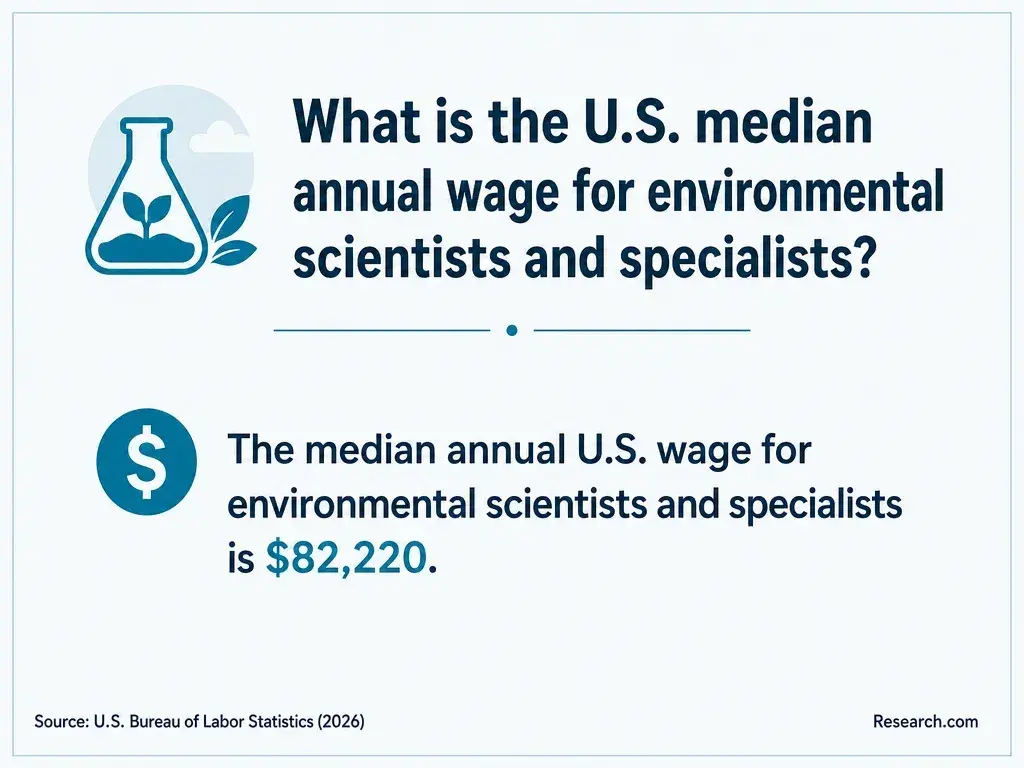
Your closest transitions are likely health department budget analyst, public health policy analyst, grants or performance analyst, and program evaluator. These roles use fiscal analysis, procurement knowledge, forecasting, and communication with public officials. An MPH can add epidemiology, population-health context, and evaluation methods; it may not be necessary if a department will hire you based on existing experience and provide training.
A larger transition into epidemiology involves designing or interpreting surveillance and studies, handling health data, and assessing uncertainty. A methods-focused MPH or MS may help, but employers will also look for demonstrated analytic work. Community health program roles place more weight on implementation and partnerships than on financial modeling. Management positions generally require relevant responsibility and experience, not simply a graduate credential.
If you do not yet hold the bachelor's degree required by a target graduate program, finish that prerequisite before comparing master's options. Public health bachelor's programs with compressed classes may offer a scheduling option, but check transfer credit, total remaining requirements, and whether a different bachelor's completion route would be faster.
An online MPH may let a government employee remain in their position and, where approved, connect coursework to local public health agencies. Campus study may make it easier to attend in-person seminars, build faculty relationships, and pursue nearby research or practice opportunities. Neither format determines academic quality or guarantees a placement.
Ask each program which classes meet live, whether exams or group projects have fixed times, whether campus visits are required, and who finds the applied practice site. If you hope to use your current job for an MPH experience, get the school's approval first: ordinary job duties may not meet its requirements for supervised learning and distinct deliverables.
Compare the total price and workable schedule, not just the advertised delivery format. A guide to choosing a budget-friendly online MPH can help build a shortlist, but confirm current charges and required visits with each school.
An MPH commonly introduces epidemiology, biostatistics, social and structural determinants of health, health systems and policy, and program planning or evaluation. For a budget analyst, the most valuable sequence may combine introductory epidemiology with health policy, evaluation, and an applied project that connects spending to clearly defined service or population-health measures.
Choose methods depth according to the target job. Reading surveillance reports and assessing whether a program's measures are useful calls for data literacy; independently conducting advanced epidemiologic research calls for substantially more statistics, study design, and computing. A research-oriented MS may provide that depth, often with different thesis or research expectations from an MPH.
Doctoral epidemiology is not simply a longer version of an MPH methods sequence. Before considering it, establish a research goal, assess faculty fit, and examine funding and opportunity cost; a discussion of online epidemiology doctorate cost and funding is relevant only if that research pathway matches your objective.
Most master's programs expect a completed bachelor's degree, transcripts, and an explanation of academic and professional goals. Schools set their own policies for GPA, recommendations, tests, and prerequisite coursework. An MPH applicant from public finance may be able to show readiness through quantitative work and government experience; a methods-intensive MS may require more formal mathematics, statistics, or programming preparation.
Before applying, compare the published requirements with your transcript and ask whether recommended courses are mandatory before entry. In your application, describe a concrete public health problem you have worked near - such as funding an intervention or evaluating service reach - without claiming that budget work alone establishes epidemiologic expertise.
Documentation rules also vary. If securing references is difficult, review public health master's application document alternatives, then verify the current requirements for the specific program and entry term.
Full-time MPH study commonly takes around two years; part-time study can take longer, depending on credit load, course availability, and applied practice requirements. MS timelines depend on research and thesis expectations. CEPH's MPH credit minimum is one reason to compare the full program rather than a single term's tuition.
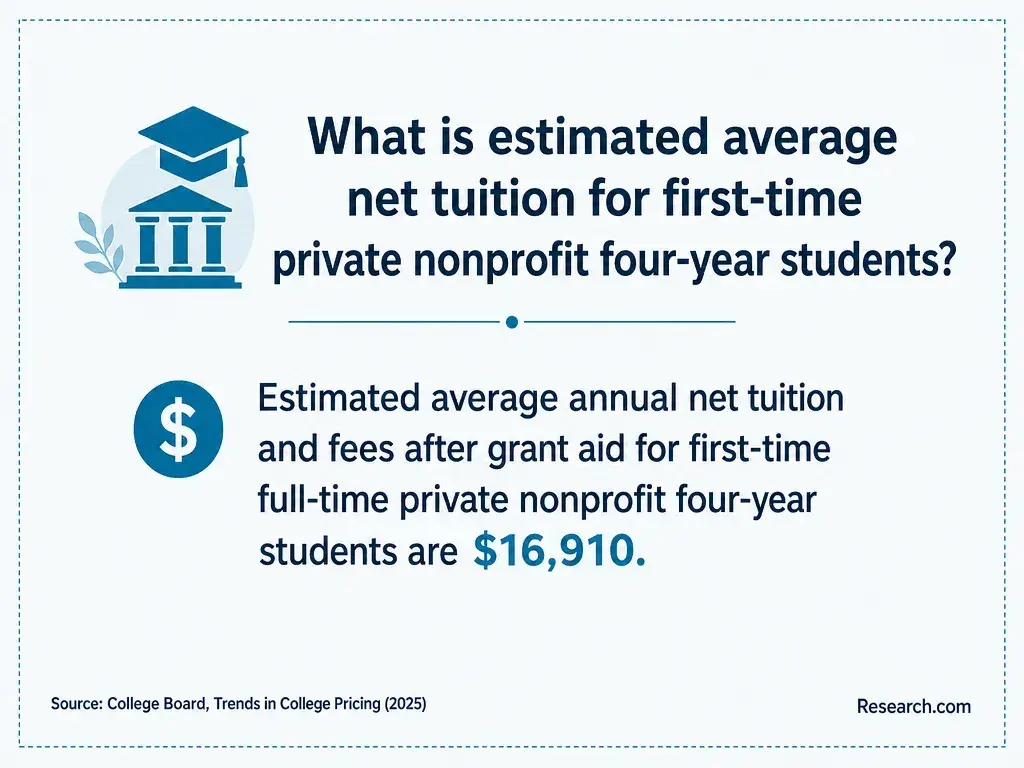
Calculate tuition from required credits and your applicable rate, then add mandatory fees, books or software, travel, and any unpaid fieldwork time. If you remain employed, compare realistic part-time schedules and ask your agency about education assistance, service commitments, and whether reimbursement applies to this degree. Do not assume an advertised per-credit rate equals the total cost.
Use public health master's affordability and earnings comparisons as a screening tool, not a personal return-on-investment forecast. A lower-cost certificate or employer-supported project may have better value if your target role does not require a master's degree.
There is no single "public health graduate salary." Pay depends on occupation, location, employer, seniority, and the work performed. For a local government employee, a more useful first comparison is the published pay range for a specific health department classification against your current grade and promotion rules.
Federal Bureau of Labor Statistics occupational wages can provide broader context for roles such as epidemiologist or health education specialist, but those figures include workers with different degrees and experience. They do not predict an MPH graduate's starting pay. For occupation-specific comparisons, see public health graduate salaries by career and check the wage reference year, occupation definition, and local government job posting before estimating a return.
A move from general budget analysis into an entry-level specialist role could even mean a pay cut. Price the degree against the actual position you could plausibly obtain, not a senior public health title you hope to hold later.
Many public health policy, budget, and program-analysis jobs do not require an individual professional license. The Certified in Public Health (CPH) credential and health education credentials such as CHES or MCHES have separate eligibility and examination rules; an MPH does not award them automatically. Clinical and some specialized roles may require a profession-specific license that public health coursework cannot replace.
Read several postings for your exact target job and distinguish required credentials from preferred ones. If a master's program offers conditional entry into public health master's programs, confirm what must be completed and when; conditional admission is not a substitute for a job credential or license.
How can you choose a reputable public health graduate program?
Work backward from three to five real job postings in the agency or field you want to enter. Identify which duties you can already perform, which require public health context, and which demand supervised analytic or community-facing experience. Then compare programs on the relevant courses, CEPH scope where applicable, project supervision, schedule, full cost, and evidence of graduate outcomes.
Ask an advisor whether government budget work can support a relevant applied project, who approves the site, and what happens if your employer cannot release data or provide supervision. Request outcomes with clear definitions rather than accepting a placement claim without knowing which graduates were counted. If your academic record is a concern, guidance on improving low-GPA MPH application prospects can inform preparation, but the program decides eligibility.
Finally, test the no-degree option: speak with a health department hiring manager about lateral transfers, evaluation assignments, or employer-funded training. If those steps can get you into the work you want, you may be better positioned to choose - or decline - a graduate degree later.
Other Things You Should Know About Public Health
Yes. Explain the connection through the services funded, decisions supported, and outcomes measured. Be precise about your contribution and avoid presenting fiscal analysis as clinical or epidemiologic experience.
Possibly. Check your jurisdiction's internal postings, classification rules, and transfer procedures. An informational conversation can reveal whether a lateral move is feasible before you pay for additional education.
Ask your employer and program what approvals, data-use restrictions, and review requirements apply before accessing or sharing it. A public-facing budget document is different from restricted records or identifiable health information.
Build an authorized work sample, such as a policy brief or evaluation plan using public information. State its assumptions and limitations, and remove confidential material before including it in a portfolio.
- Framework for Program Evaluation in Public Health | cdc.gov https://www.cdc.gov/mmwr/preview/mmwrhtml/rr4811a1.htm
- 7 High-Impact Government and Public Service Careers for MPA Graduates - Cornell Brooks Public Policy https://publicpolicy.cornell.edu/masters-blog/7-high-impact-government-and-public-service-careers-for-mpa-graduates/
- Admissions - Master of Public Health - The University of Chicago https://publichealth.bsd.uchicago.edu/about/admissions/
- Apply Now | Department of Public Health Sciences https://www.publichealth.med.miami.edu/admissions/apply/index.html
- Admissions: Community-Oriented Public Health Practice MPH | Health Systems and Population Health https://hspop.uw.edu/cophpmph/admissions/
- MPH Program Skills: What You Learn and Where They Lead | NMSU Global Campus https://global.nmsu.edu/blog/healthcare/mph-program-skills-what-you-learn-and-where-they-lead/
- 18 Public Health Skills Needed for Upskilling | 5 Public Administration Careers for MPA Graduates https://www.augusta.edu/online/blog/upskilling-public-health-skills
- MPH Joint Degree - Master of Public Policy | The University of Utah https://mpp.utah.edu/program-options/degree-options/mph-joint-degree.php
- Are MPH Graduates Aligned with Today's Job Market? | Columbia University Mailman School of Public Health https://www.publichealth.columbia.edu/news/are-mph-graduates-aligned-todays-job-market
- Dual Degree with Rutgers School of Public Health (MPP/MPH) | Edward J. Bloustein School of Planning & Public Policy https://bloustein.rutgers.edu/graduate/public-policy/joint-degrees/mpp-mph/