2027 An MPH Applied Practice Experience vs an MS Research Internship

Co-Founder and Chief Data Scientist
An MPH applied practice experience and an MS research internship can both put public health students in real workplaces, but they are assessed for different purposes. That distinction matters when choosing a program, negotiating a placement, or deciding whether a proposed project will count toward graduation. This guide compares the work, supervision, deliverables, and career preparation associated with each route. It is especially useful if you want to turn a placement into credible evidence of either practice skills or research ability.
Key Things You Should Know
- An MPH applied practice experience focuses on using public health competencies to address a practice need; an MS research internship typically develops research methods, analysis, and scholarly work, if that program requires an internship at all.
- Under CEPH's MPH criteria, students must produce at least two work products from the applied practice experience; the school determines how its approved competencies, supervision, and assessment are documented.
- Choose the placement by its tasks and supervision, not its title: a research site can support an MPH project, while a health department can host rigorous MS research, if the degree program approves the work.
How does an MPH applied practice experience differ from an MS research internship?
An MPH applied practice experience (APE) is supervised work in which a student applies public health competencies to a practice setting and produces work useful to that setting. An MS research internship is a program-defined opportunity to develop research skills; it may involve study design, data management, analysis, or manuscript preparation. Some MS degrees require a thesis or research project instead of an internship.
This comparison describes the usual educational emphasis, not a rule about where either student may work. Comparing specialization fit across public health master's degrees can help if the subject area matters as much to you as the placement format.
| Decision point | MPH applied practice experience | MS research internship |
| Primary purpose | Apply competencies to a population-health practice need | Develop research methods and contribute to an inquiry |
| Possible work | Create an evaluation tool, communication resource, or implementation plan | Develop a protocol, clean data, conduct analyses, or document methods |
| Assessment | Approved competencies and tangible practice work products | Program-specific research objectives and outputs |
| Key approval | School approval of site, supervision, tasks, and competency evidence | Program approval of research scope, supervision, and any required data access |
A placement is not defined by its employer. At a university research center, an MPH student might develop a usable outreach protocol for a community partner. At a health department, an MS student might analyze surveillance data under a research mentor. In both cases, the program - not the site's name - decides whether the work satisfies the degree requirement.
What are the requirements for an MPH applied practice experience?
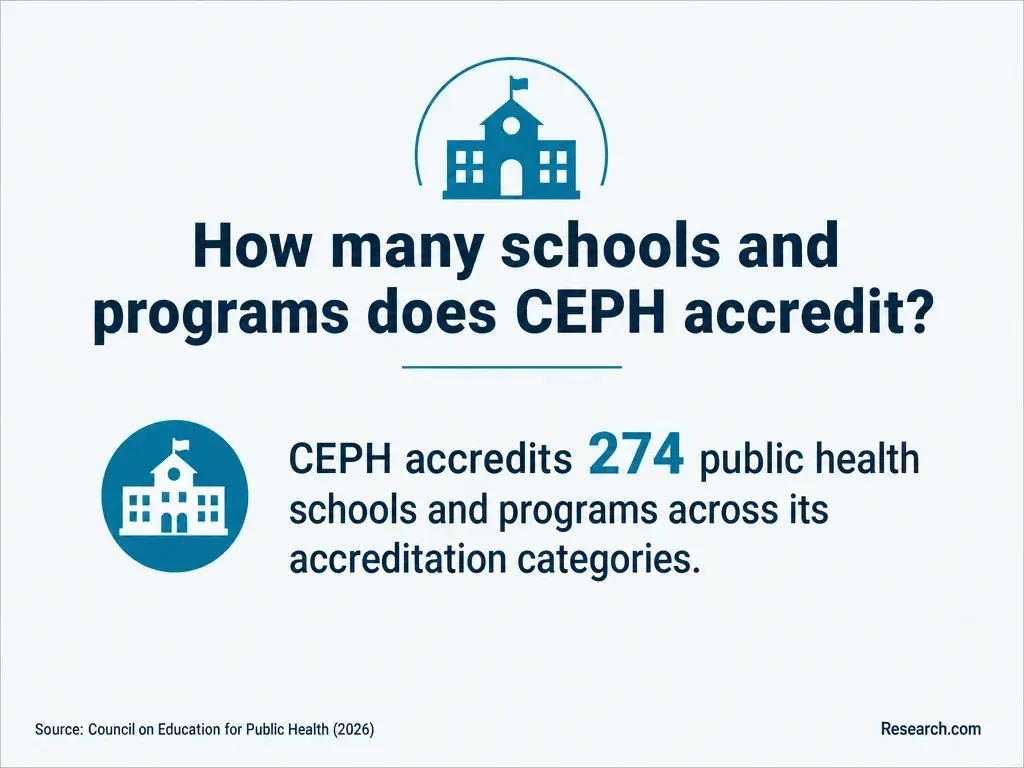
For an MPH covered by Council on Education for Public Health (CEPH) accreditation, the APE must give students an opportunity to apply competencies and create work products that demonstrate them. The school sets the procedures for selecting a site, approving a project, documenting supervision, and evaluating the work. Required hours, course enrollment, contracts, and deadlines can differ by program.
Before accepting an offer, ask the academic coordinator and prospective supervisor the following questions. Their answers will reveal whether the placement offers substantive work rather than observation alone.
- Which competencies will the proposed tasks demonstrate, and what work products can the student realistically complete?
- Who will supervise day-to-day work, provide feedback, and sign the school's required evaluations or agreement?
- Can the student access the necessary people, materials, and data within the placement period?
- Who must approve remote work, confidentiality arrangements, data use, and any public portfolio version?
Host-site interest, school approval, and permission to use data are separate decisions. An existing job or volunteer role may qualify only if the program approves distinct learning objectives, appropriate supervision, and assessable work. If you are still choosing a school, comparing online MPH admission requirements is a separate step from confirming that its APE policy accommodates your proposed site.
Which degree is better for public health careers: an MPH or MS?
Choose the MPH when the work you want to demonstrate is public health practice: planning or evaluating programs, communicating with communities, coordinating partners, or translating evidence into organizational action.
Choose a relevant MS when your target role depends more heavily on research design, statistical methods, laboratory or environmental methods, or preparation for further research training. Neither label alone establishes job eligibility.
The best test is to compare job duties with the work you would actually complete. Someone aiming for community program evaluation may benefit more from an MPH placement that produces an evaluation plan with a partner than from an MS internship limited to data cleaning.
An aspiring research analyst may need the reverse: deeper methods coursework, supervised analysis, and a defensible account of their own contribution.
Prior experience can reverse the recommendation. An established nonprofit practitioner might need targeted research training rather than another general practice placement; a researcher moving into community-facing implementation might need supervised practice.
For later leadership or scholarly goals, online DrPH and public health PhD options represent different paths, but neither is necessary simply to complete or benefit from a master's placement.
CEPH's MPH applied practice criteria require tangible evidence of competency attainment, including at least two work products. A school identifies the competencies and decides how the products will be assessed. A student should therefore start with the approved competency map, not an attractive project title, and confirm what each proposed output will prove.
A feasible project might pair a partner-ready communication guide with a brief explaining its evidence base and intended use. Another might produce an evaluation plan and a data-collection tool.
The point is not to manufacture results: a proposed survey or dashboard does not become a validated intervention simply because it looks finished. Skills developed through public health BS programs and career preparation can provide a foundation, but they do not replace the graduate program's own APE assessment.
Ask who owns each deliverable and what can leave the site. Restricted records, identifiable information, and community input require appropriate permission and handling. A portfolio version may need redaction or a newly written description of your methods rather than a copy of a confidential partner document.
MPH curricula typically combine foundational population-health study with opportunities to apply skills in areas such as program planning, communication, policy, and evaluation. A research-oriented MS generally gives greater depth to a defined discipline or method, though its structure varies widely.
Compare required courses, not just concentration names: an MS in epidemiology may look different from an MS in environmental health, and an MPH can also offer substantial quantitative training.
Curriculum should prepare you for the placement you want. For an MPH project involving community outreach, look for training in engagement, ethical practice, and evaluation before fieldwork begins.
For an MS internship involving analysis, check the sequence of statistics, research design, computing, and interpretation courses - and whether a qualified research supervisor is available. A student considering an eventual doctorate should also examine funding separately; an epidemiology doctoral tuition assistance guide addresses a later financial decision, not the quality of a master's internship.
Yes, when the program permits an approved local or remote arrangement. Online coursework does not mean fieldwork is asynchronous. A community partner may hold daytime meetings; a research team may require scheduled mentoring, secure-system access, or in-person training. MS research internships are not universal requirements, so confirm that the specific online MS offers one rather than assuming it does.
Ask for a sample placement timeline and distinguish weekly coursework from placement hours, live meetings, travel, and any campus visits. Students balancing employment or caregiving should ask whether their workplace can host an approved project, whether evening tasks are feasible, and what happens if a site withdraws.
The advertised pace of an online degree may also differ from the pace at which an approved placement can be completed; online public health cost-duration tradeoffs are most useful when fieldwork time is included.
Both degrees generally require an eligible bachelor's degree, but specific prerequisites and selection criteria belong to the individual program. An MPH may value evidence of community, clinical, policy, or other relevant experience.
A methods-intensive MS may place greater weight on statistics, mathematics, programming, laboratory preparation, or prior research. Applicants from other majors should check for formal prerequisites rather than assume their background rules them out.
Admission and placement readiness are different. A student might be admitted before completing a recommended methods course yet still need that course before undertaking a particular analysis. If a prerequisite is outstanding, ask when it must be completed and whether an approved alternative exists. Reviewing conditional public health graduate entry can frame that conversation, but only the admitting program can confirm its policy.
Neither degree has a universal completion time or price. Total cost depends on required credits, tuition rate, fees, enrollment pace, and whether the placement requires travel, reduced work hours, software, or another unpaid commitment. An MS thesis or research project may add time if data access or supervision is delayed; an MPH APE can do the same if site approval or partner work takes longer than planned.
Request a term-by-term plan and a written cost estimate for each finalist. Compare the expected graduation term under the pace you can actually maintain, then ask whether funding continues if the project extends.
Do not use advertised tuition alone as a return-on-investment calculation. If a research MS is intended as a step toward doctoral study, public health PhD program cost comparisons belong in a separate, longer-term funding assessment rather than in the master's tuition figure.
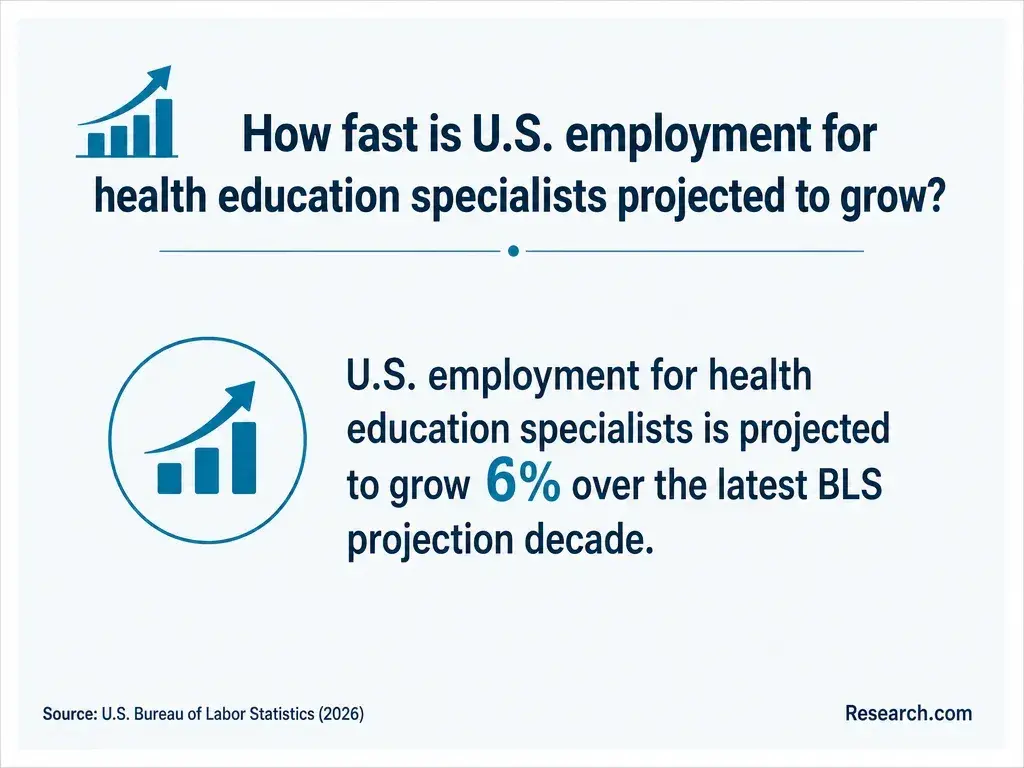
An MPH placement can provide evidence for roles in program coordination, health education, public health practice, or evaluation. An MS research internship may be more directly relevant to research assistant, analyst, or specialist roles. Employers still assess the applicant's methods, experience, sector knowledge, and ability to explain their contribution; graduation does not automatically qualify someone for an epidemiologist, manager, or research-director position.
Salary comparisons should start with a specific occupation and location, not a degree label. US Bureau of Labor Statistics occupational medians cover workers with varied degrees and experience, so they are not expected starting salaries for MPH or MS graduates.
Use a relevant job title and actual postings to test whether the skills developed in your placement match the roles you want. MPH degree salary expectations can provide context, but should not substitute for occupation- and employer-specific research.
How can students evaluate accredited MPH and MS public health programs?
Check the institution's accreditation and the exact scope of any CEPH accreditation separately. Confirm whether the school, unit, program, and degree you are considering are covered; do not infer that an MS is CEPH-accredited because an MPH at the same institution is. Then request the applicable handbook and compare the actual placement or research requirements for your entry term.
For each finalist, get specific answers about who finds sites, who approves supervisors, whether your preferred employer or research group is eligible, what products are assessed, and what support exists if access or supervision falls through. Ask to see the required agreement and evaluation criteria before committing.
If you have not yet completed a bachelor's degree, accelerated courses in public health bachelor's study may inform your earlier planning, but they do not establish eligibility for a particular graduate program or placement.
The strongest choice is the program that can approve and support work you want to do - not merely one that advertises a practicum or internship. Obtain written confirmation of the rules that affect your proposed project before relying on a site's informal offer.
Other Things You Should Know About Public Health
Do not assume so. If you are pursuing two degrees, each program must decide whether the work independently satisfies its requirements and whether shared credit or deliverables are permitted.
No universal requirement says it must. A practice project can use permitted existing evidence or focus on planning and implementation. Confirm the approved tasks and any data-use conditions with your program and site.
No. Discuss anticipated contributions, authorship criteria, review processes, and publication restrictions with the research supervisor before starting.
Tell the academic coordinator and site supervisor promptly. A change in tasks, supervisor, data access, or deliverables may require a revised learning agreement before the new work can count.
- Review of MPH practicum requirements in accredited schools of public health - PubMed https://pubmed.ncbi.nlm.nih.gov/23334673/
- Differences Between MPH and MS Degrees | Yale School of Public Health https://ysph.yale.edu/school-of-public-health/graduate-programs/mph-degree-and-ms-degree/
- Comparing the MPH, MS and MHA | University of Illinois Chicago https://publichealth.uic.edu/academics/comparing-the-mph-ms-and-mha-degrees/
- Online MPH Student Experience | Zuckerman College of Public Health https://publichealth.arizona.edu/programs/online/mph/online-mph-student-experience
- Where MPH Graduates Work: Careers Across Sectors | tufts.edu https://medicine.tufts.edu/news-events/news/where-mph-graduates-work-careers-across-sectors
- Applied Practice Experience requirements | osu.edu https://cph.osu.edu/mph/applied-practice/requirements
- Applied Practice Experience - University of Pennsylvania Masters of Public Health https://mph.med.upenn.edu/ape/
- The Applied Practice Experience - Cornell Public Health https://publichealth.cornell.edu/curriculum/ape/
- MPH Internships & Applied Practice Experiences | umich.edu https://sph.umich.edu/careers/internships-experiential-learning/mph-internships-apex.html
- MPH vs MS vs MHA: Which Public Health Master's Degree Is Right for You? | Tulane WSPH https://sph.tulane.edu/mph-vs-ms-vs-mha