2027 Building a Case for Public Health Workforce Investment for DrPH Students

Co-Founder and Chief Data Scientist
A request for more public health staff is stronger when it connects workforce gaps to services, community needs, and a feasible budget. For DrPH students and experienced practitioners, building that case is both a leadership skill and a way to test whether doctoral study fits their work. This guide explains how to define an investment, assemble credible evidence, measure results, and choose a program that supports an applied workforce project - without assuming that a doctorate is necessary to make the case.
Key Things You Should Know
- A persuasive workforce proposal identifies a specific service gap, the people affected, the capacity needed, its cost, and measures that can show whether the investment works.
- A DrPH can strengthen this work through leadership, budgeting, evaluation, and applied projects, but employer authority and access to usable data matter as much as the degree.
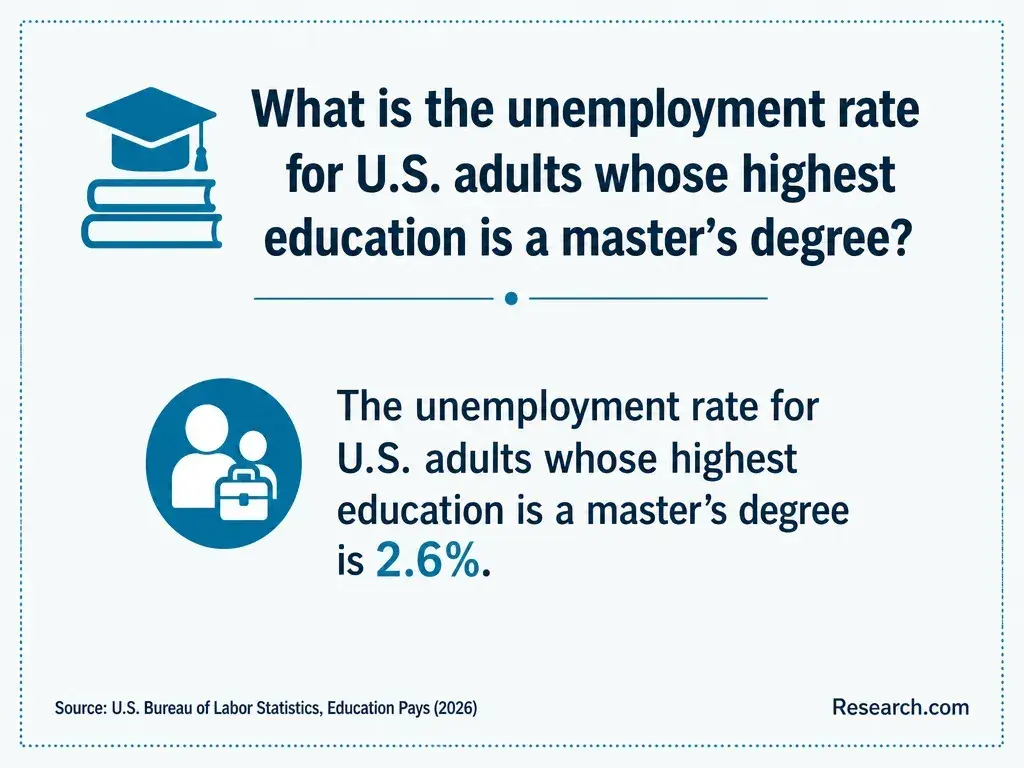
- The Bureau of Labor Statistics reports a May 2024 median annual wage of $83,980 for epidemiologists; that occupation-wide figure is not a DrPH salary or a forecast of returns on tuition.
What Is a DrPH and How Does It Support Public Health Workforce Investment?
A Doctor of Public Health, or DrPH, is a practice-focused doctorate generally designed for professionals who want to lead public health organizations, systems, or programs. Unlike a research-focused PhD, its central purpose is applying evidence to practice decisions. Program structures differ, so applicants should examine the actual coursework and final project rather than rely on the degree name alone.
Public health workforce investment means committing resources to the people and capabilities needed to deliver population-health services. That might involve additional positions, better supervision, training, retention measures, or data support.
For a DrPH student, the useful question is not simply whether staffing is insufficient. It is which service is constrained, why existing capacity cannot meet the need, and what a proposed investment could realistically change.
Someone whose main goal is to lead a workforce strategy may benefit from a DrPH. Someone seeking a narrower skill - such as an initial grounding in public health management - may find a master's pathway more proportionate. Reviewing specialization choices in public health graduate study can help clarify that distinction before committing to doctoral work.
Why Is Public Health Workforce Investment Important for DrPH Graduates?
Workforce decisions determine whether an agency can sustain services, respond to changing needs, and support staff responsibly. DrPH graduates who manage programs or advise decision-makers need to translate those concerns into choices a budget office, governing board, or community partner can assess.
A strong case starts with a defined function, such as inspection follow-up or community outreach. It then pairs workload and service measures with staff perspectives and community priorities.
Vacancies alone do not establish how many positions to add: processes, supervision, technology, and training may also affect capacity. Conversely, a faster workflow is not evidence of success if it reduces service quality or shifts burdens onto residents.
Investment also spans career stages. An agency may need entry-level hiring and supervision as well as advanced leadership. For people considering the earlier end of that pipeline, a public health bachelor's affordability guide addresses a different educational decision than a DrPH. Neither degree substitutes for an employer's plan to recruit, develop, and retain staff.
What Are the Requirements for Earning a DrPH Degree?
DrPH programs typically combine advanced coursework, assessed leadership competencies, and a culminating practice-focused project. Schools may also require examinations, a portfolio, field-based work, or a formal proposal before the final project. The program handbook - not a general description of the degree - controls the requirements for a student's entry term.
For a workforce-investment project, feasibility deserves attention early. A student might propose an evaluation of how staffing and supervision affect follow-up times, then produce a decision brief comparing feasible options.
That plan requires an appropriate organizational partner, a faculty supervisor, permission to use relevant information, and agreement about what may be reported. Access to personnel records, identifiable service data, or community feedback cannot be assumed.
If a doctoral project is not yet feasible, additional practice responsibility or master's preparation may be the better next step. Applicants who need that bridge can investigate conditional public health master's eligibility, while checking each school's actual conditions and deadlines.
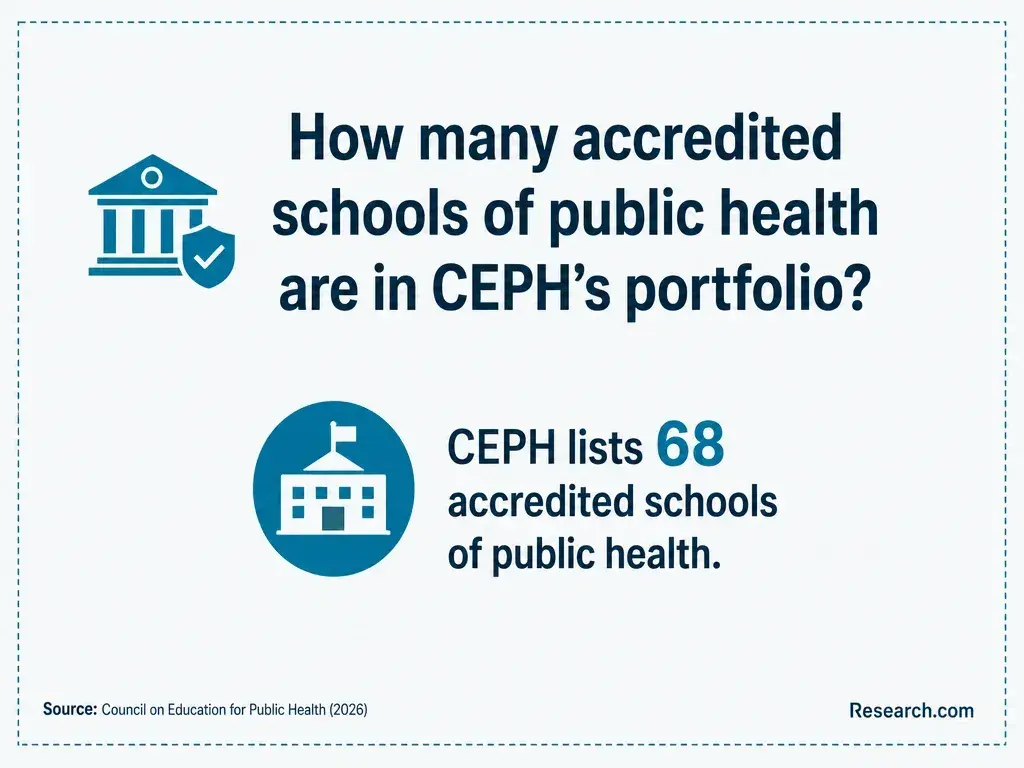
The Council on Education for Public Health (CEPH) reviews public health education against standards that address areas such as curriculum, resources, and assessment. Accreditation offers a useful quality check; it does not establish that a particular program has the workforce-policy expertise, schedule, or project partnerships a student needs.
Check the CEPH listing for the exact accredited school, unit, or program and confirm that the intended DrPH falls within its scope. Institution-level accreditation is a separate question.
Then compare the program's published competencies, recent applied-project examples, faculty interests, and rules for projects at a student's own workplace. Students weighing a master's instead can use comparing CEPH-accredited MPH options as a separate program-selection exercise, not as proof of a DrPH program's status.
DrPH curricula commonly develop leadership, policy analysis, organizational change, communication, evidence appraisal, and evaluation. Coursework may also cover budgets, partnerships, equity, and research methods. The depth and sequencing vary by school.
For a workforce-investment case, useful preparation connects those subjects: estimate the resources required, explain whose access to services is affected, assess implementation constraints, and select measures that a decision-maker can revisit.
A student should look for opportunities to test these skills with an organization rather than assume that one course in budgeting or statistics establishes advanced competence.
Method-intensive workforce analysis can require more quantitative preparation than a general leadership curriculum provides. A practitioner whose main gap is statistical modeling - not organizational leadership - might compare targeted methods courses or balancing employment with a biostatistics master's before choosing a DrPH.
Choose the format that makes the applied work possible, not merely the one with the most convenient course delivery. An online DrPH may let a working practitioner remain with an agency that could support a workforce project.
It may still require live sessions, group meetings, residencies, and scheduled partner work. A campus-based program can offer easier in-person collaboration, but relocation or reduced employment may make the project less practical.
Before enrolling, ask how often students must attend live sessions or campus visits; whether an existing employer can host the project; who approves its scope; and what happens if job duties, leadership, or data permissions change.
Compare those answers with the program's leave and progression policies. A review of doctoral public health program features can help organize the questions, but current program staff should confirm the obligations.
A DrPH is a multiyear commitment, but completion time depends on course load, project approvals, and progression rules. To estimate cost, request the current tuition schedule and required credit total, then account for fees, travel or residencies, project expenses, and any charges that continue after coursework. A part-time path may preserve earnings while extending the period in which tuition or fees are due.
For a practitioner proposing workforce investment, the personal financial test is distinct from the agency's staffing budget. Ask whether the employer offers education assistance, whether it requires continued service afterward, and whether project work can be completed within paid duties.
Get those terms in writing. If the immediate goal is a narrower qualification, compare the DrPH's full cost and time commitment with a master's route; information about university scholarships for online public health master's study may help frame that alternative, but an award should never be assumed.
Programs set their own rules for prior degrees, professional experience, quantitative preparation, recommendations, and application materials. Some expect substantial public health practice after graduate study; others assess relevant leadership experience more broadly. An MPH, a director title, or a fixed number of years should not be treated as a universal requirement.
For this topic, a competitive application should show what the applicant has actually done: managed a service, improved a process, developed staff, negotiated with partners, or used evidence in a budget decision. It should also explain what authority and organizational support would make an applied project possible. A promising idea is not the same as permission to use employer data.
Compare each school's stated eligibility rules with its expectations for doctoral work. A public health doctoral admissions comparison can prompt further questions, but an admissions label does not establish project fit or likelihood of acceptance.
DrPH graduates may pursue leadership and senior practice roles in health departments, community organizations, health systems, and public health consulting. Relevant responsibilities can include directing programs, developing workforce strategy, evaluating implementation, managing partnerships, and advising on policy or budgets. Hiring decisions still depend on prior experience, the position's technical requirements, and the employer's authority structure.
A practitioner already responsible for teams and budgets may use the degree to strengthen a case for broader organizational responsibility. Someone trying to enter public health from an unrelated field may need supervised practice and sector-specific experience first. For that reader, reviewing eligibility for accessible MPH programs may be more useful than applying directly to a practice doctorate.
Before choosing a program, examine target job postings for recurring duties and qualifications. If the work chiefly requires payroll analysis, procurement, or human-resources authority, determine whether DrPH training addresses the gap - or whether employer training and direct experience would do so more efficiently.
What Salary and Job Outlook Can DrPH Graduates Expect?
There is no single salary or job-growth rate for DrPH graduates: the degree can lead to different occupations, and many leadership positions depend heavily on experience. As one occupation-specific reference, the U.S. Bureau of Labor Statistics reports a $83,980 median annual wage for epidemiologists in May 2024.
That figure covers the occupation, not DrPH holders, and epidemiology roles often call for specialized methods preparation rather than a practice doctorate specifically.
To evaluate a likely return, compare compensation ranges for the actual jobs you could pursue with your experience, location, and employer type. Account for tuition, foregone earnings, and whether advancement is available through your present employer.
Public-sector pay structures may limit immediate salary changes even when the degree improves your capacity to lead. A comparison of public health master's affordability and earnings can help assess a lower-cost alternative, provided its occupation-wide earnings figures are not mistaken for guaranteed graduate outcomes.
Other Things You Should Know About Public Health
Ask whether finance staff can provide approved, aggregated staffing costs or cost ranges. State the limits of any estimate rather than trying to reconstruct confidential individual pay.
They can contribute valuable work, but a proposal should distinguish volunteer contributions from funded positions and account for supervision, reliability, and responsibilities that require employed staff.
Start with its service obligations, geography, workload, and available partnerships. A comparison with a larger agency's headcount alone may obscure travel demands and shared-service arrangements.
No. Some investments aim to improve service access, quality, or resilience rather than reduce spending. Name the intended benefits, the costs, and when meaningful results could reasonably be assessed.
- Public Health Finance and Infrastructure Support Framework | cdc.gov https://www.cdc.gov/infrastructure/resources-public-health-professionals/finance-and-infrastructure-support-framework.html
- Exploring the geospatial variations in the public health workforce | nih.gov https://pmc.ncbi.nlm.nih.gov/articles/PMC11450470/
- Workforce Development | eda.gov https://www.eda.gov/resources/comprehensive-economic-development-strategy/content/workforce-development
- Our Work | Consortium for Workforce Research in Public Health https://cworph.umn.edu/our-work
- Public Health COVID-19 Impact Assessment | NAM https://nam.edu/perspectives/public-health-covid-19-impact-assessment-lessons-learned-and-compelling-needs/
- Public Health Funding - U.S. Public Health | KFF https://www.kff.org/other-health/health-policy-101-u-s-public-health/