2027 MPH vs MS in Epidemiology for a Future Research Analyst

Co-Founder and Chief Data Scientist
An epidemiology research analyst needs more than a degree title: employers may expect study-design judgment, defensible statistical analysis, and evidence that you can work responsibly with health data. An MPH and an MS in epidemiology can both build those skills, but they often emphasize different work. If you are choosing between them, this guide shows how to compare curricula, supervised projects, costs, and career fit - so you can select the program that prepares you for the analyst jobs you actually want.
Key Things You Should Know
- For a primarily quantitative research analyst role, favor the program - often an MS - that offers deeper methods courses and a substantial supervised analysis project; an MPH can be equally suitable if it provides comparable training.
- Compare required coursework and project access, not degree labels: an MPH may prioritize applied public health practice, while an MS may prioritize research design and a thesis, but requirements vary by school.
- The U.S. Bureau of Labor Statistics reports a $83,980 median annual wage for epidemiologists in May 2024; that occupation-wide figure is not an expected salary for new research analysts or graduates of either degree.
What Is the Difference Between an MPH and MS in Epidemiology?
An MPH in epidemiology is generally a professional public health degree that combines epidemiologic methods with population-health practice. An MS in epidemiology generally places more emphasis on research methods and producing original analysis. Neither description is a universal rule: some MPH programs are highly quantitative, and some MS programs include substantial applied work.
The comparison below identifies the features most likely to affect preparation for a research analyst position. Check each school's actual degree requirements rather than relying on its program name.
| Feature | MPH in epidemiology | MS in epidemiology |
| Typical emphasis | Applying evidence to population-health decisions | Designing studies and conducting research analysis |
| Learning beyond methods | Often includes broader public health competencies | Often concentrates more credits in methods or a research area |
| Major project | Often includes an approved applied practice experience and integrative project | May require a thesis or other supervised research project |
| Best evidence of analyst readiness | A rigorous analysis completed through coursework or a placement | A rigorous analysis completed through a thesis or research placement |
Research depth is not determined by how selective a program appears. If admissions flexibility matters, exploring less selective MPH study pathways can help you identify options, but assess their advanced methods courses and research opportunities separately.
Which Degree Is Better for a Future Epidemiology Research Analyst?
Choose the stronger analyst-training program, not automatically the MS. An MS is often the better starting point when you want to design observational studies, analyze complex datasets, or prepare for later doctoral research. An MPH may be the better fit when you want to analyze surveillance or program data while working closely with health departments, community partners, or implementation teams.
Compare programs against job postings you would realistically pursue. Look for advanced epidemiologic methods, regression and statistical inference, reproducible programming, interpretation of bias and uncertainty, and a supervised project using data you are authorized to analyze. Ask who supervises that work and whether students can produce a shareable, appropriately redacted writing or analysis sample. A thesis requirement is less valuable if the available projects do not match your interests; an applied MPH project can be highly valuable if it involves substantive analysis.
If your immediate goal is an analyst job, a doctorate is usually not the first qualification to pursue. Doctoral admissions and research fit become relevant if you later decide to lead an independent research agenda; a public health doctoral program selectivity overview addresses a different decision than selecting a master's for analyst preparation. If you already have strong quantitative training, supervised research experience or targeted methods courses may also address your skill gap more directly than another full degree.
What Careers Can You Pursue With an MPH or MS in Epidemiology?
Both degrees can support applications for research analyst, epidemiology analyst, research coordinator, surveillance analyst, and some epidemiologist positions. Titles are inconsistent across employers, so read the duties and minimum qualifications. A research coordinator may manage recruitment and study operations, while an analyst may clean data, write code, estimate associations, document limitations, and prepare results for investigators or public health decision-makers.
Health departments, universities, health systems, research organizations, and consulting firms can offer different mixes of those responsibilities. An MPH may be especially relevant to surveillance and program-facing teams; an MS may be especially relevant to methods-intensive research groups. Neither degree alone establishes readiness to lead a study. Employers may also require specific software experience, domain knowledge, or experience with their data systems.
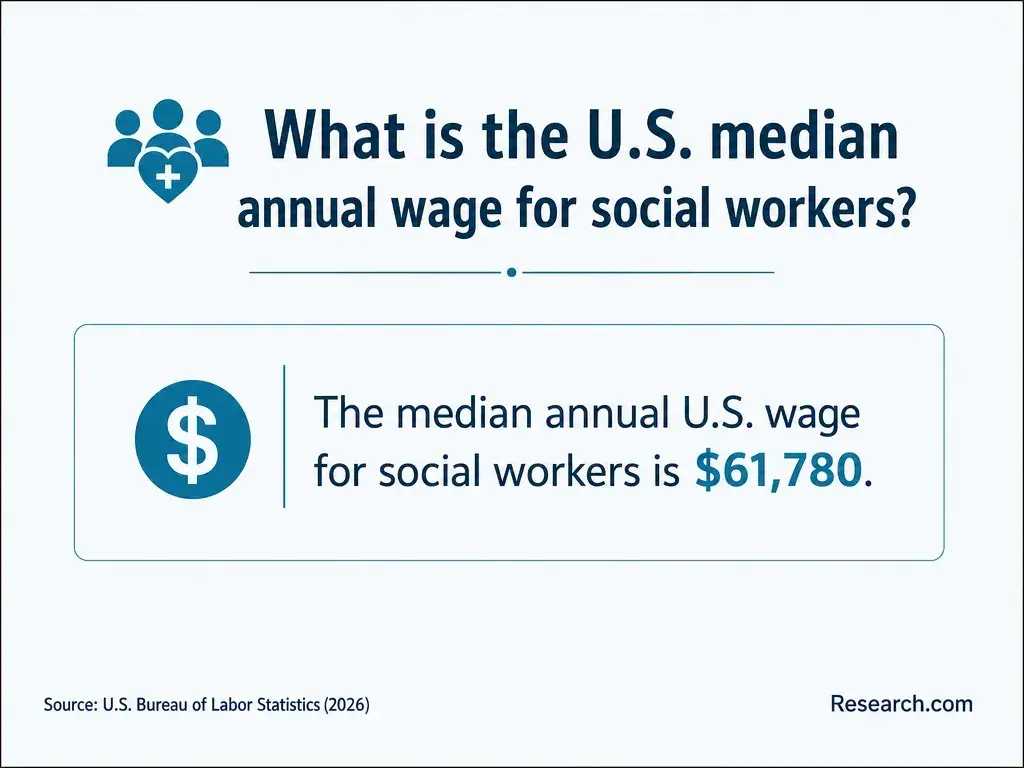
Because job titles cover different tasks, understanding salary variation after an MPH is more useful than treating one degree-wide earnings figure as a forecast for your first analyst role.
Both paths should teach study design, measures of disease frequency and association, bias, confounding, and biostatistics. MPH students commonly add broader public health coursework and practice-oriented learning. MS students may have more room for advanced epidemiologic methods, statistical modeling, and a thesis. The decisive question is how far the required sequence takes you - not whether an advanced elective appears somewhere in the catalog.
For analyst work, inspect the order of methods courses and their prerequisites. A strong sequence moves from data management and basic inference to regression, study-design decisions, and independent interpretation. Seek training in reproducible workflows and clear reporting, not software commands alone. A supervised project should require you to explain missing data, measurement limitations, and why an observational association does not by itself establish causation.
If the courses you need are concentrated in statistics rather than epidemiology, a biostatistics program may be worth comparing. Biostatistics master's schedules for employed students are particularly relevant if course sequencing and attendance will determine whether you can complete that deeper quantitative route.
Admissions requirements vary by institution. MPH and MS applicants generally need an acceptable undergraduate degree and must submit the materials specified by the program. An unrelated major does not automatically rule out either path. For a methods-intensive MS, however, prior statistics, mathematics, programming, or research coursework may be required or may make an application more competitive. Some MPH programs also expect quantitative preparation.
Check each program's stated prerequisites, accepted alternatives, test policy, and deadlines before applying. If your background is in clinical care, social science, computing, or another field, use your statement and résumé to connect existing work to research tasks: framing questions, handling data, interpreting evidence, or communicating findings. Where a prerequisite is missing, ask whether it must be completed before application, admission, or enrollment. Applicants concerned about their academic record can use guidance on public health master's options after a weak GPA to prepare questions, but only the individual program can confirm its policy.
Both are master's degrees, but calendar time depends on required credits, full- or part-time enrollment, course availability, and the final project. A thesis can extend an MS if finding a supervisor, obtaining data access, or revising the analysis takes longer than planned. An MPH can also take longer if an applied placement must be approved or completed on a particular schedule.
Ask for a term-by-term plan showing when advanced methods courses run and when the project begins. For an online or part-time program, confirm live class times, research meetings, fieldwork hours, and whether a needed course is offered every term. Advertised speed is less informative than a schedule you can actually complete. Comparing online public health cost-duration tradeoffs may help frame that question, but verify the timeline for the exact epidemiology pathway.
Neither degree type is consistently cheaper. Calculate the cost of the specific offer: tuition across required credits, mandatory fees, travel or placement expenses, and any charges that continue while a project remains unfinished. Then subtract only funding confirmed in writing. An assistantship can change the comparison substantially, but its availability, duties, duration, and tuition benefits must be checked with the program.
Time has a cost, too. A longer thesis may reduce working hours; a practice placement may require unpaid time or travel. Compare the net expense with the skills and supervised work you will gain, rather than assuming the cheapest credential has the best return. Resources on affordable public health graduate study and earnings can help organize the comparison, but published tuition and earnings examples are not a substitute for your own aid offer and target-job requirements.
Online delivery does not, by itself, establish or undermine academic quality. For an aspiring research analyst, examine whether online students can take the same advanced methods sequence, obtain timely feedback on code and study design, and access qualified project supervision. Confirm how a thesis or applied experience works at a distance and whether data access, meetings, examinations, or campus visits create constraints.
Admissions convenience is a separate issue from research quality. For example, online public health master's programs without recommendation letters may suit an applicant who cannot readily obtain references, but that policy says little about methods depth or mentorship. Check the school's recognized institutional accreditation, the degree's curriculum, and the actual support available to online students.
Institutional accreditation applies to the university. Council on Education for Public Health (CEPH) accreditation has a separate scope: it may cover a school or a particular public health program, so do not assume every degree at an institution is included. Check the accreditor's listing and ask the school whether the exact MPH or MS you are considering falls within that scope. A guide to CEPH-accredited Master of Public Health programs can be a starting point for MPH comparisons, not confirmation of an individual degree's current status.
The Certified in Public Health (CPH) credential is separate from a degree. Check the certifying organization's current eligibility routes if a target employer mentions it. For most research analyst comparisons, demonstrated methods ability, relevant project experience, and the employer's stated qualifications will matter more than assuming an MPH or MS automatically awards certification. Neither degree grants clinical licensure.
What Are the Salary and Job Outlook Differences for Graduates?
There is no reliable occupation-wide wage figure that isolates MPH epidemiology graduates from MS epidemiology graduates doing the same analyst work. The U.S. Bureau of Labor Statistics lists a $83,980 median annual wage for epidemiologists in May 2024 and projects 16% employment growth from 2024 to 2034. Those figures describe an occupation, not entry-level research analysts or the payoff from either degree. Research analyst jobs may also be classified under other occupations.
For a useful earnings comparison, collect postings for the same target role, employer type, and location. Note their required methods, experience, degree preferences, and posted pay where available. Then compare each program's net cost and opportunities to acquire those qualifications. If you are considering more education primarily to increase pay, comparing doctoral public health costs and pay can help test that later-stage decision; a doctorate is not an automatic salary upgrade or a standard prerequisite for analyst work.
Other Things You Should Know About Public Health
Check the tools named in your target postings. Being able to clean data, reproduce an analysis, and explain results in one relevant language is usually more persuasive than listing several tools without project evidence.
Usually, if you have permission to share the material and remove restricted, identifiable, or otherwise confidential information. Confirm the course, data-use, and project-site rules before publishing code, tables, or a report.
No single rule covers every project. Whether review or a formal determination is needed depends on the activity, data, institution, and applicable requirements. Ask the responsible office before accessing or sharing data; do not make the determination yourself based only on whether the work is for a class.
Clarify the permitted tools and time limit. Document your cleaning choices, check your results, and explain assumptions and limitations in plain language. Sound reasoning is often more informative than an elaborate model you cannot defend.
- Evolution of Master of Public Health Core Curriculum - PMC https://pmc.ncbi.nlm.nih.gov/articles/PMC11574769/
- How to Become an Epidemiologist | Goodwin College of Professional Studies https://drexel.edu/dornsife/students/career-services/how-to-become-an-epidemiologist/
- What Can I Do with an MPH in Epidemiology? | University of South Carolina https://sc.edu/study/colleges_schools/public_health/departments/epi-bios/students/prospective/what-can-i-do-with-an-mph-in-epidemiology.php
- Degrees in Epidemiology: MPH, MS, DRPH, & PhD | Columbia University Mailman School of Public Health https://www.publichealth.columbia.edu/academics/departments/epidemiology/programs/degrees-epidemiology
- Master of Public Health Degree in Epidemiology | umich.edu https://sph.umich.edu/epid/programs/mph.html
- Master of Public Health with a concentration in Epidemiology | UNT Health Fort Worth https://www.unthealth.edu/tcom/public-health/mph-in-epidemiology.html
- Tuition and Expenses for all MPH Programs | Yale School of Public Health https://ysph.yale.edu/admissions-financial-aid/financial-aid/tuition-and-expenses-budgets/
- MPH Admissions and Tuition & Fees - Tufts School of Medicine https://medicine.tufts.edu/admissions-financial-aid/admission-program/master-public-health
- MPH vs MS vs MHA: Which Public Health Master's Degree Is Right for You? | Tulane WSPH https://sph.tulane.edu/mph-vs-ms-vs-mha
- MS in Epidemiology | SPH | Boston University https://www.bu.edu/sph/education/degrees-and-programs/ma-ms-programs/master-of-science-in-population-health-research-epidemiology/