2027 From Disability Services Leadership to Public Health: Choosing a Graduate Pathway

Co-Founder and Chief Data Scientist
Leading disability services builds skills in partnerships, accessibility, operations, and advocacy. Moving into public health, however, may require stronger preparation in population-level data, evaluation, or policy, and a graduate degree is not always the most direct way to gain it.
This guide is for experienced disability services professionals deciding whether to pursue an MPH, another graduate degree, or targeted training. It connects each option to realistic roles, explains what to check before enrolling, and helps you judge whether the time and expense will advance your specific goal.
Key Things You Should Know
- An MPH is usually the closest fit for population-health program leadership; a research-focused MS fits deeper analytic work, while an MPA, MHA, or targeted training may better serve a narrower management goal.
- Disability services leadership is valuable evidence of practice experience, but employers may still expect demonstrated epidemiology, evaluation, data, or government-policy skills for a new role.
- No single salary or employment statistic describes this transition: compare the specific occupation and employer you want, then check a program's accreditation scope, applied opportunities, total cost, and schedule.
What graduate public health degrees can lead from disability services leadership to public health careers?
Start with the work you want to do, not the degree label. A leader who wants to improve access across communities needs different preparation from someone who wants to conduct statistical research on health outcomes. The distinctions below identify the most relevant graduate routes.
| Pathway | Best fit for this transition | Important limitation |
| Master of Public Health (MPH) | Population-health programs, policy implementation, community partnerships, and evaluation | A general MPH may not provide enough advanced statistical training for specialist analyst roles |
| Research-oriented public health MS | Defined interests in epidemiology, biostatistics, or health services research | May emphasize research more than practice leadership or community implementation |
| Master of Public Administration (MPA) or Master of Health Administration (MHA) | Government administration, budgets, or healthcare organization management | Does not necessarily teach population-health methods or disability-focused public health practice |
| Doctor of Public Health (DrPH) or public health PhD | Experienced practitioners pursuing advanced practice leadership, or applicants pursuing sustained research | A doctorate is a substantial commitment and is unnecessary for many program and policy roles |
For an adjacent move into disability-inclusive health programming, an MPH with a relevant applied project is often more useful than starting over in an entry-level role.
For a defined research question and a desire to produce original scholarship, investigate the MS or PhD instead. A DrPH is generally a practice-focused doctoral option for experienced professionals; reviewing public health doctoral degree choices can help clarify that distinction before you commit.
Why is CEPH accreditation important when choosing a public health graduate program?
The Council on Education for Public Health (CEPH) accredits eligible public health schools and programs against public health education standards. That makes accreditation a useful quality check, but it does not prove that a program offers strong disability-related coursework, suitable field partners, or the schedule you need.
Institutional accreditation and CEPH accreditation are different; verify the exact accredited school or program and whether your proposed degree falls within its scope.
Before applying, check CEPH's current directory and ask the school to confirm coverage for your degree and entry term. Then compare the curriculum and applied opportunities. A starting list of CEPH-accredited Master of Public Health programs is useful for narrowing options, not a substitute for checking current status and program fit.
What public health career paths are available with an MPH or related graduate degree?
Your strongest initial opportunities may be roles that combine public health responsibilities with your existing disability-sector expertise. That experience can establish credibility with service providers and community partners, while coursework and supervised projects can supply evidence of new technical skills.
Potential directions include disability-inclusive program management in a health department or nonprofit, health policy analysis focused on access and service delivery, and evaluation of community health initiatives.
A health education specialist may design and assess accessible health communication; an epidemiology or research role generally requires stronger study-design and quantitative evidence than leadership experience alone provides. Job descriptions, not degree names, show which functions and tools employers actually require.
For each target role, compare several local postings with your résumé. If you already meet the management requirements but lack evaluation experience, a supervised project or methods course may be a better first step than another degree.
Senior public health leadership can call for substantial practice experience; if a DrPH becomes relevant later, comparing public health doctorate entry requirements is more useful than assuming a leadership title alone establishes eligibility.
Online study may let you remain employed and bring questions from disability services into coursework. Campus study may make in-person collaboration and local field relationships easier. Neither format guarantees access to the partners, courses, or supervision your transition requires.
Ask each program whether classes are asynchronous, when live sessions occur, how group work is scheduled, and whether campus visits are required. Confirm who arranges applied placements and whether you can propose a project at your employer; school approval, appropriate supervision, and permission to use organizational information are separate matters.
For quantitative study, compare actual course sequence and faculty support rather than assuming an online degree offers less rigor; biostatistics graduate programs for busy professionals provide a useful specialist comparison.
If your work includes evening meetings, crisis coverage, or travel, request a sample term schedule before treating a program as flexible. Include any required field hours and campus travel in that assessment.
An MPH commonly introduces epidemiology, biostatistics, social and behavioral approaches, health systems, and program planning. For a disability services leader, the decisive question is how far the program lets you build beyond those foundations.
Look for substantive work in accessible community engagement, policy analysis, evaluation design, qualitative methods, and ethical use of administrative data.
Concentrations vary by school and are not interchangeable with individual electives. A health policy or community health concentration may support systems-level disability inclusion; epidemiology or biostatistics may fit someone pursuing surveillance or research. Inspect syllabi and course sequencing: a course that introduces data interpretation is not, by itself, preparation to lead complex analyses.
If your goal is narrowly defined; for example, learning to evaluate an existing service program, an evaluation course with a mentored project may be enough. If it is independent epidemiologic research, compare method-intensive degrees and lower-cost epidemiology research training and aid only after establishing that doctoral-level training is necessary for the work you want.
MPH programs generally consider prior college study, academic performance, a statement of purpose, recommendations, and relevant experience, but exact requirements vary.
Disability services leadership can strengthen an application when you describe concrete responsibilities: budgets managed, partnerships developed, programs improved, or decisions informed by evidence. It does not replace a prerequisite that a particular program explicitly requires.
Check each school's current policy for statistics or other prerequisite coursework, application materials, testing, deadlines, and any experience requirement. Research-intensive MS programs may expect stronger quantitative preparation than a generalist MPH.
If earlier grades are uneven, review the program's stated policy and present later coursework or professional evidence honestly; MPH applications after uneven undergraduate grades can help you organize that case without assuming an exception will be granted.
In your statement, name the population-health problem you want to address and the skills you still need. That is more persuasive, and more useful for choosing a program, than describing public health as a broad career change.
Completion time depends on the required credits, course availability, enrollment pace, and any fieldwork or culminating project. A working leader should ask for a term-by-term plan based on the courses actually offered, including what happens if a required course is unavailable or an approved placement takes longer to arrange.
Compare total expected charges rather than advertised tuition alone: required credits, mandatory fees, travel or campus visits, placement-related expenses, and the income you might forgo if you reduce work hours.
Do not count employer reimbursement until you have confirmed eligibility, reimbursement limits, grade conditions, and any obligation to remain employed. Master of Public Health affordability comparisons can generate a shortlist, but obtain a personalized cost estimate from each school before deciding.
The financial test is practical: identify the roles the credential could help you pursue, check whether those employers require it, and compare that benefit with a certificate, targeted coursework, or an employer-supported project. A lower-priced degree is not better value if it lacks the methods training or applied access you need.
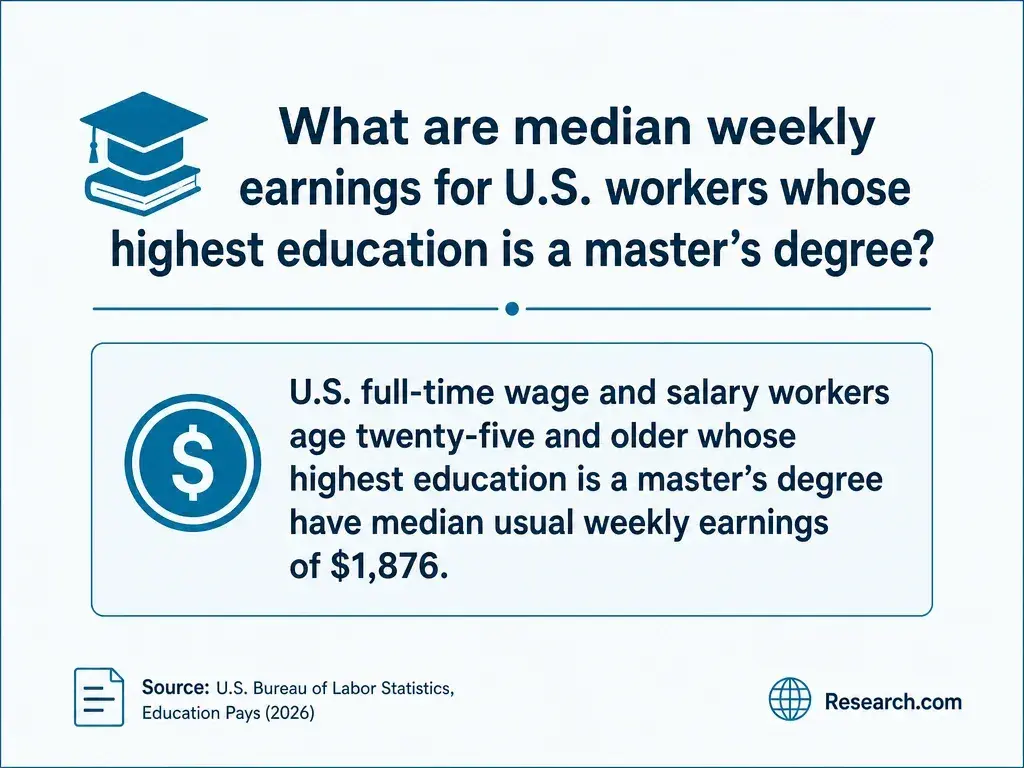
There is no single "public health graduate salary" that predicts what a disability services leader will earn after a degree. Pay depends on the occupation, location, employer, responsibilities, and prior experience.
The US Bureau of Labor Statistics reports occupation-wide wages for roles such as epidemiologist and health education specialist; those figures are not starting salaries or outcomes for MPH graduates.
Use the latest Bureau of Labor Statistics Occupational Outlook Handbook wage figure for your specific target occupation, then compare current postings at government agencies, health systems, and nonprofits in the locations where you would work.
Pay attention to whether a position values your existing leadership seniority or expects you to enter a new technical track at a lower level. A guide to Master of Public Health earning potential can provide context, but the most useful comparison is the job you can credibly pursue before and after training.
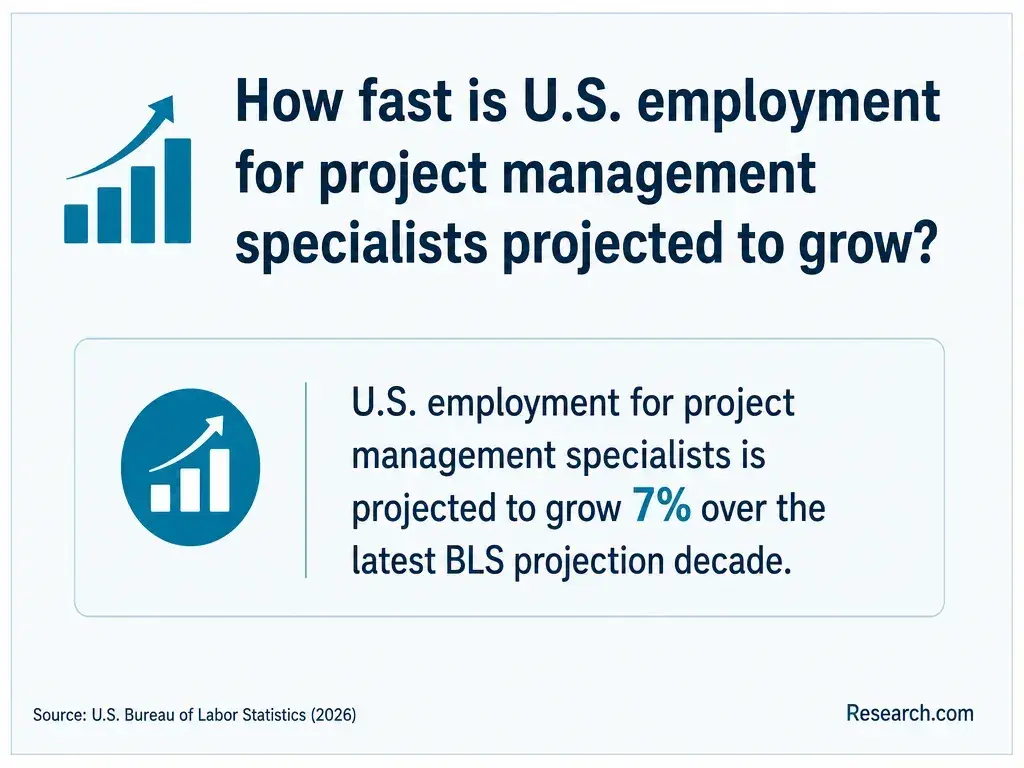
Job outlook differs across public health occupations and cannot be inferred from demand for disability services alone. The Bureau of Labor Statistics publishes occupation-specific employment projections, but broad categories may combine employers and duties unlike the role you want.
Use the latest projection for a named occupation as context, then inspect local postings for disability inclusion, evaluation, policy, and data requirements.
A stronger transition plan builds evidence while you remain employed: seek an approved cross-agency initiative, document an accessibility-focused evaluation, or gain supervised experience interpreting population-level data.
If relevant vacancies require a master's degree but you need academic preparation first, explore entry flexibility in public health master's programs; verify what must be completed before enrollment or progression. If employers instead prioritize a skill you can demonstrate through a smaller project, test that route before paying for a full degree.
Which public health certifications and licenses do graduates need?
An MPH or related degree does not automatically confer a professional certification or clinical license. Depending on the job, employers may value the Certified in Public Health (CPH) credential or a health education credential such as Certified Health Education Specialist (CHES).
Eligibility and examination rules come from the relevant certifying organization and should be checked directly for the credential you intend to pursue.
Many disability-inclusive program, policy, and evaluation roles do not have a universal public health license. Clinical services and certain regulated professions are different: a public health degree does not authorize nursing, counseling, or other licensed clinical practice. Before paying for either a degree or an exam, read target job postings to determine whether the credential is required, preferred, or unrelated.
If your employer offers tuition assistance for education tied to your current responsibilities, compare a degree and a shorter credential at their net cost rather than sticker price. A public health master's scholarship and net-price guide can help frame that comparison, while the employer and school must confirm your actual eligibility.
Other Things You Should Know About Public Health
Possibly, but employment alone is not enough. Ask the program whether a new, supervised project at your workplace can meet its competencies, approval process, and deliverable requirements.
Describe a specific population-level challenge, your role in addressing it, what evidence informed your decisions, and the skills you need next. Avoid presenting individual service delivery as equivalent to population-health analysis.
Not necessarily. Cross-sector work on accessible health communication, community partnerships, policy, or evaluation may provide relevant experience without leaving your position. Check what your target programs and employers recognize.
Ask how it provides accessible course materials and field placements, handles accommodation requests, and supports community-engaged work with disabled people. Also ask whether faculty or partners have relevant expertise; a course title alone cannot establish that fit.
- The Evolution Toward Accreditation - PMC - NIH https://pmc.ncbi.nlm.nih.gov/articles/PMC4235277/
- Competencies for Public Health Professionals | cdc.gov https://www.cdc.gov/infrastructure/training-professional-development/competencies-for-public-health-professionals.html
- Practicum and Capstone: COPHP MPH | Health Systems and Population Health https://hspop.uw.edu/cophpmph/program-experience/practicum-capstone/
- Careers Guide: Explore Public Health Jobs | UIC Online MPH https://onlinemph.uic.edu/news-stories/public-health-careers/
- MHA vs MPH | Online MHA | NYU Wagner https://onlinemha.wagner.nyu.edu/insights/comparing-master-health-administration-vs-master-public-health
- Admissions - Master of Public Health - The University of Chicago https://publichealth.bsd.uchicago.edu/about/admissions/
- 18 Public Health Skills Needed for Upskilling | 5 Public Administration Careers for MPA Graduates https://www.augusta.edu/online/blog/upskilling-public-health-skills
- MPH vs MS vs MHA: Which Public Health Master's Degree Is Right for You? | Tulane WSPH https://sph.tulane.edu/mph-vs-ms-vs-mha
- MPH vs. MHA: How to Choose Between These Master's Degrees | American Public University (APU) https://www.apu.apus.edu/area-of-study/nursing-and-health-sciences/resources/mph-vs-mha/
- MPH admission and application | missouri.edu https://healthsciences.missouri.edu/public-health/masters-degree-mph/admission-and-application/