2027 A Refugee Health Orientation Feedback Study: A Graduate Public Health Portfolio Project

Co-Founder and Chief Data Scientist
A refugee health orientation may explain how to find care, request an interpreter, or arrange follow-up. But attendance alone does not show whether participants understood the information or could use it. For a graduate public health student, a carefully scoped feedback study can answer a practical question for a community partner while producing a credible portfolio deliverable.
This guide explains how to choose measures, collect feedback responsibly, document limitations, and decide whether the project fits your coursework and career goals - without presenting a proposed study as completed research.
Key Things You Should Know
- Study a decision the orientation team can act on, such as which explanation or referral step needs revision; satisfaction alone is not evidence of improved access to care.
- Define who was invited, who responded, and when feedback was collected. Keep the survey brief and offer a way to respond without an orientation worker listening.
- A portfolio can include an evaluation plan and blank tools without participant data; collecting or publishing real feedback requires site permission and an appropriate review of privacy and oversight requirements.
What Is a Refugee Health Orientation Feedback Study?
It is a focused evaluation of how people experience an orientation about navigating health services after resettlement. Depending on the program, the orientation might address appointments, interpretation, insurance, preventive services, or referrals. A useful study asks not merely whether participants liked the session, but whether its content was understandable, relevant, and actionable.
For example, a partner might need to decide whether to revise its explanation of how to request an interpreter. Feedback could assess whether participants can identify the request process and what remains unclear. That would describe understanding after the session; without an appropriate comparison and follow-up, it would not establish that the orientation caused better healthcare access.
This is a graduate-level project because it requires more than administering a survey: the student must define a decision, justify the measures, examine whose perspectives may be missing, and communicate findings responsibly. Someone still working toward a first degree could explore low-cost public health bachelor's programs online, but should not mistake a classroom exercise for an authorized study at a resettlement organization.
How Does This Project Fit a Graduate Public Health Portfolio?
The strongest portfolio artifact is a decision-ready package, not a folder of raw responses. A feasible package contains a partner-approved evaluation question, a short logic model, a feedback instrument, a recruitment and interpretation protocol, a data dictionary, an analysis plan, and a brief explaining how the partner could use the results. A student without permission to collect data can produce and clearly label a proposed package instead.
An MPH student might use the project for a capstone or integrative learning experience; a separate applied practice experience may have its own site, supervision, and competency requirements. An MS student might pursue a more intensive methods question. Neither route guarantees that an existing job or volunteer role meets academic fieldwork rules. Before starting, confirm the course rubric, faculty supervision, site agreement, and what the partner will actually receive.
If cost affects whether the project is feasible, compare total tuition and fees alongside travel, interpretation, and any unpaid fieldwork time. Tuition-conscious pathways to a public health master's are worth examining, but a lower advertised tuition does not establish that a program will approve this project or supply a community partner.
What Public Health Skills Does the Project Demonstrate?
A well-documented study demonstrates program evaluation, plain-language health communication, community engagement, basic data management, and interpretation of evidence. The convincing evidence is in the student's choices: a question tied to a program decision, measures participants can understand, a documented response denominator, and conclusions that acknowledge uncertainty.
For instance, comparing responses across language versions requires attention to translation and whether each question means the same thing - not just a chart by language. A small orientation feedback study does not establish advanced biostatistical competence.
Students aiming for quantitative research roles can compare the methods depth and scheduling demands of biostatistics graduate education for employed adults rather than treating this project as a substitute for specialist training.
Program evaluation provides the logic model and measure selection. Qualitative methods help students write neutral interview questions and analyze open-ended feedback.
Survey methods address wording, response options, and nonresponse; epidemiology and biostatistics support denominators and descriptive summaries. Coursework in health communication and community-engaged practice is equally important when an instrument must work across languages and differing levels of familiarity with US healthcare.
A practical sequence is to develop the evaluation question in a planning course, test the instrument in a methods course without recruiting actual participants, and seek approval for field use through the relevant capstone or placement process.
Students who want to develop this into independent, research-intensive work should distinguish an MPH portfolio from a doctorate's research expectations and funding conditions; epidemiology doctorate scholarships and grants are a separate consideration, not funding to assume for a master's evaluation.
Start with the orientation team's decision. If staff can revise a handout but cannot change referral capacity, an evaluation of handout clarity is more actionable than a broad study of healthcare outcomes. The following sequence keeps the scope appropriate for a student project:
- Agree on one decision and a narrowly defined question with the partner and faculty supervisor.
- Map the relevant orientation activity to an immediate outcome, such as understanding how to request interpretation.
- Define eligible participants, the invitation process, response timing, and a denominator for each reported measure.
- Choose a few understandable questions, translation and accessibility checks, and a secure data-handling plan.
- Specify in advance how responses will be summarized, what limitations will be disclosed, and when the partner will review a draft brief.
For example, "Among participants invited to provide feedback after this orientation, which interpreter-request steps remained unclear?" is answerable with brief feedback. It cannot establish whether people later received interpretation.
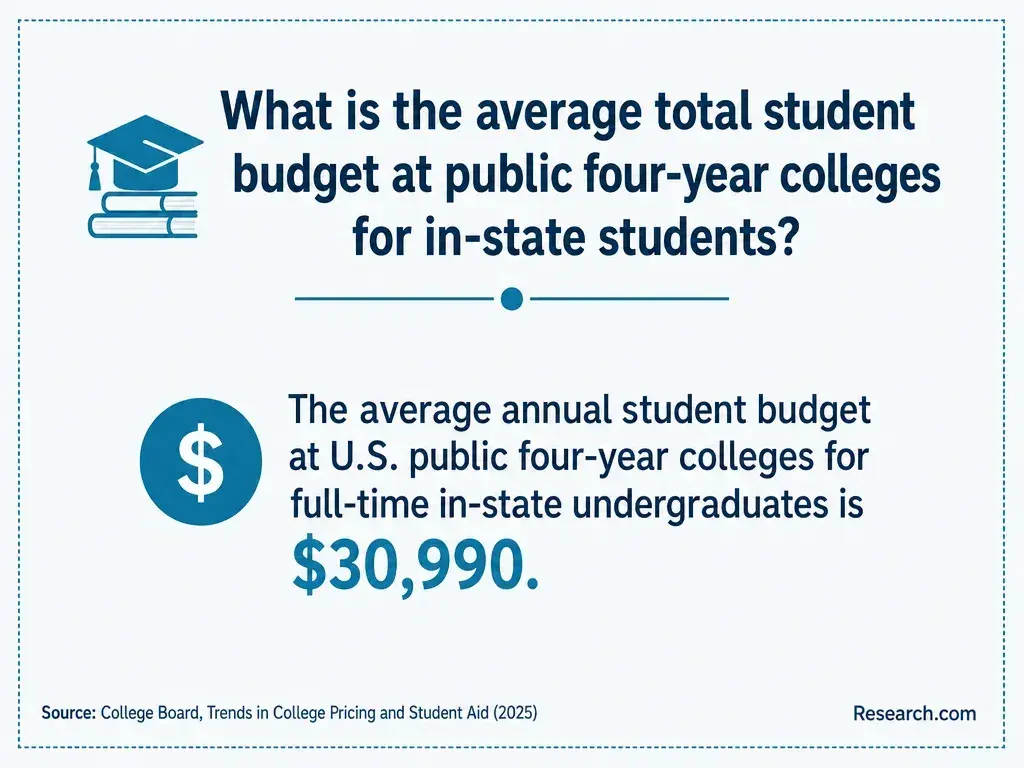
Account for costs such as interpreter time and staff coordination before proposing collection. When comparing lower-cost Master of Public Health study online, ask whether project support and required fieldwork are available within the advertised format.
A short anonymous questionnaire can capture immediate clarity and unanswered questions without requiring participants to recount personal histories. Optional, interpreter-supported interviews can explain why a step is confusing, but require more time and careful consent. A later follow-up can explore whether information remained useful, although contact permissions, changing circumstances, and nonresponse make it more demanding.
The methods have different strengths and limits. This comparison helps a student match the collection method to the partner's decision rather than defaulting to a long survey.
| Method | Best fit | Key limitation |
| Brief anonymous questionnaire | Immediate feedback on clarity and remaining questions | Limited explanation; unclear who did not respond |
| Optional interview | Understanding why instructions are difficult to use | More staff time; greater confidentiality demands |
| Permission-based follow-up | Exploring later use of orientation information | Selective responses and difficult attribution |
Do not turn participation into a test of eligibility for services. If the academic work depends on interviewing or survey skills not yet taught, check course sequencing before enrollment; online public health master's entry requirements do not, by themselves, show when a student can take evaluation methods or begin partner-facing work.
Participants should know that feedback is optional, declining will not affect services, and they may skip questions. Avoid requesting migration histories, diagnoses, or other sensitive details unless essential to an approved purpose. Work with the partner to assess language access, accessible formats, interpreter confidentiality, and whether a staff member's presence could make a response feel compulsory. Do not assume one language version or one recruitment method represents everyone attending.
Before collecting feedback, the student and partner should determine who owns the data, who may access it, how it will be stored, and whether institutional review, a data-use agreement, or another approval is required. Program evaluation and human-subjects research can require different oversight; a class label alone does not settle the question.
In a public portfolio, use blank instruments, aggregate results cleared for release, or clearly labeled illustrative examples - not identifiable responses or recognizable quotations.
If a student later considers a doctorate to study a broader refugee health question, that is a distinct admissions and research-governance decision. A public health doctoral admissions comparison cannot replace checking faculty fit, community permissions, and access to suitable data.
A graduate portfolio project generally begins after admission; prior refugee health experience is not a universal entry requirement. MPH and MS applicants typically need an eligible prior degree, but required statistics or methods preparation, application materials, experience expectations, and deadlines vary by program. An MS with substantial quantitative research may expect different preparation from a practice-oriented MPH.
Applicants from community organizations can document outreach, interpretation coordination, program delivery, or evaluation work while being precise about their responsibilities. Ask admissions staff which preparation is required before entry, which can be completed later, and how the program assesses non-public-health coursework.
If references are difficult to obtain, investigate public health graduate applications without references; verify the actual requirements for the specific degree and entry term before applying.
First verify the institution's accreditation and whether the exact public health school, unit, or program and degree are within the Council on Education for Public Health's accreditation scope. Institutional accreditation and CEPH accreditation answer different questions. Then assess project fit: access to evaluation coursework, a supervisor with relevant expertise, placement approval rules, interpretation resources, and permission to work with an outside organization.
For an online program, ask when live meetings occur, whether fieldwork can be done locally, who secures a site, and whether the capstone can be a proposed evaluation rather than collected participant data. Compare the published curriculum and written fieldwork policy, not just a program's description of flexibility.
If an application is missing a prerequisite, MPH admission when some requirements are incomplete is a separate policy question to resolve with the admissions office; admission does not waive later course or project requirements.
What Careers, Salaries, and Job Outlook Follow This Public Health Path?
This portfolio is especially relevant to entry-level program evaluation, health education, community health, and nonprofit program-coordination work. A graduate might help draft instruments, summarize feedback, revise educational materials, or support a more experienced evaluator. An epidemiologist or research lead generally needs stronger methods preparation and relevant experience; a portfolio alone does not qualify someone for clinical care, licensure, or management.
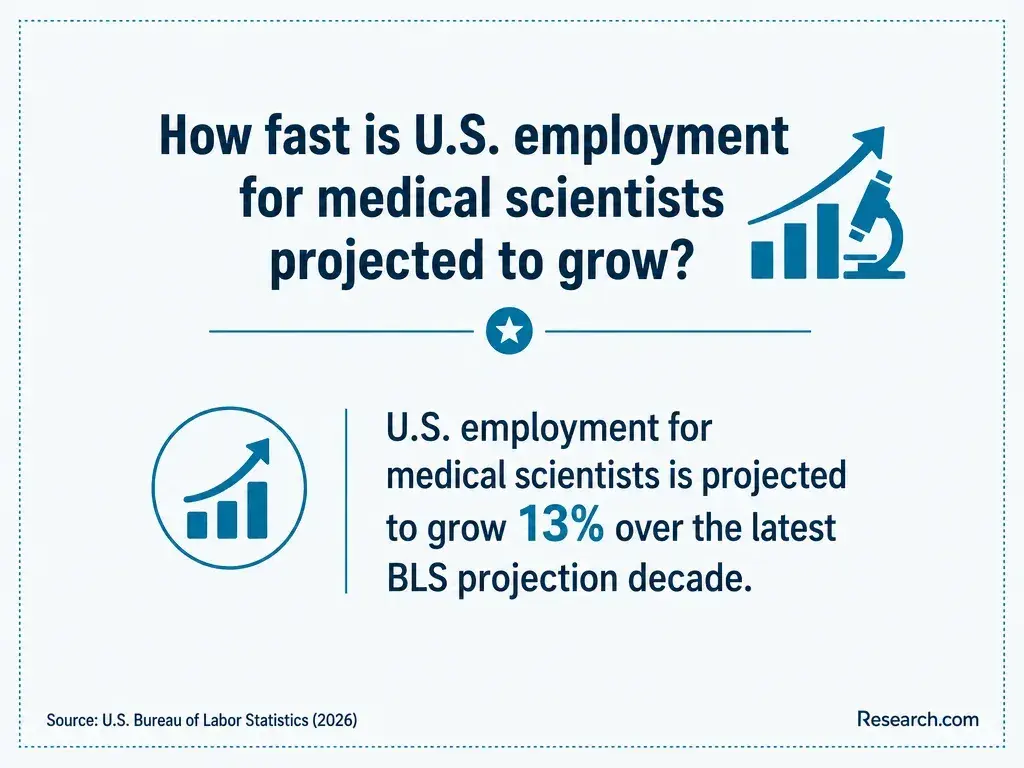
Compare openings by their tasks and requirements, not by the presence of "public health" in the title. The US Bureau of Labor Statistics reports occupation-wide wages and projections for roles such as health education specialist, community health worker, and epidemiologist, but those figures are not starting salaries or placement rates for people with this project or an MPH.
For broader earnings outlook for public health master's holders, evaluate the named occupation, location, employer, and required experience before weighing tuition against potential pay.
The most useful next step is to show an employer a brief that states the partner's decision, the student's contribution, the limits of the evidence, and a feasible revision. Where the goal is simply to improve one organization's orientation, supervised evaluation training or a short methods course may be more proportionate than another degree.
Other Things You Should Know About Public Health
Yes. Label it a draft, explain its intended use, and identify what translation, accessibility, partner, and pilot checks remain before field use.
Language ability is helpful but not sufficient validation. Arrange an appropriate review of meaning, terminology, and readability with the partner before using a translated instrument.
Report how many were invited and responded, describe possible nonresponse bias, and avoid presenting the responses as representative of all attendees.
Not automatically. Confirm site permission, data-use terms, academic requirements, and any applicable review before submitting an abstract or releasing results.
- Ethical Considerations in Research With People From... - PMC https://pmc.ncbi.nlm.nih.gov/articles/PMC11289226/
- Informed Consent FAQs | hhs.gov https://www.hhs.gov/ohrp/regulations-and-policy/guidance/faq/informed-consent/index.html
- Refugee Health Program - Georgia Department of Public Health https://dph.georgia.gov/refugee-health-program
- Study Bias - StatPearls - NCBI Bookshelf - NIH https://www.ncbi.nlm.nih.gov/books/NBK574513/
- Social and Behavioral Research | ucsf.edu https://irb.ucsf.edu/social-and-behavioral-research
- Research Ethics and Informed Consent | Educational Research Basics by Del Siegle https://researchbasics.education.uconn.edu/ethics-and-informed-consent/