2027 Public Health PhD Applications With Community Research Experience

Co-Founder and Chief Data Scientist
Community research experience can make a public health PhD application distinctive, but working with a community organization is not, by itself, evidence of doctoral research readiness. Applicants need to show what they investigated, how they handled evidence and ethics, and why a particular faculty member can supervise their next question. This guide is for nonprofit professionals, community researchers, and other applicants deciding whether to apply now. It explains how to assess program fit, present your work accurately, and identify gaps worth addressing before you commit to a doctorate.
Key Things You Should Know
- Community-engaged work is strongest PhD evidence when you can explain a research question, your methodological contribution, partner responsibilities, and what the evidence could - and could not - establish.
- Admission eligibility is not the same as research readiness: programs may differ on prior degrees, methods coursework, tests, writing samples, and whether prospective supervisors are accepting students.
- Compare faculty fit, community-partner access, research oversight, and the written funding offer before prioritizing a program's name or advertised format.
What is community research experience in public health PhD applications?
Community research experience is participation in systematic inquiry shaped by a community-defined concern. It may include developing questions with residents, conducting interviews, assessing a program, analyzing survey data, or returning findings to partners in a usable form. The setting alone does not make an activity research: organizing events and delivering services are valuable, but applicants should distinguish those responsibilities from study design, data collection, analysis, and interpretation.
A credible description also states who had authority over the project. Community-based participatory research, for example, involves meaningful partnership across research decisions; it is not simply recruiting participants through a nonprofit. A project may require organizational permission, data-use terms, consent procedures, or institutional review, depending on its purpose and data. Never imply that a partner endorsed publication or that an ethics board approved work unless it did.
Applicants who began this work before graduate school can build useful preparation without claiming that an undergraduate project substitutes for doctoral methods training. For those still choosing an initial credential, cost-conscious online public health undergraduate study is one possible starting point; supervised research responsibilities matter more to this application than the delivery label on a degree.
How does community research experience strengthen a public health PhD application?
It strengthens an application when it shows that the applicant can turn a consequential public health problem into a feasible question while working responsibly with people affected by the findings. A strong example connects the community priority to a study design, explains the applicant's own decisions, and acknowledges limitations such as incomplete records, selection bias, or results that cannot be generalized beyond the setting.
Community experience can also reveal a scholarly direction: perhaps repeated evaluation work raised a question about why an intervention reaches some households but not others. That is a more persuasive basis for doctoral study than a broad promise to "help underserved communities." The proposed question still needs a suitable supervisor, adequate methods preparation, and a realistic path to data access.
If your experience is primarily program delivery and you have not yet practiced research design or analysis, an MPH or supervised research role may be a better next step than an immediate PhD application. Applicants comparing that route can examine pathways into public health master's prerequisite completion, while checking the actual entry rules of any program they consider.
What are the admission requirements for public health PhD programs?
Requirements vary by university and doctoral field. Programs commonly evaluate academic preparation, research interests, recommendations, a statement of purpose, and evidence that the applicant can handle advanced methods. A prior MPH, thesis, publication, GRE score, or prospective advisor's agreement may matter at a particular program, but none is a universal public health PhD requirement.
Separate three questions before applying: Am I eligible? checks formal degree and coursework rules. Am I competitive? asks whether my work demonstrates research reasoning and fit. Am I ready? asks whether I could sustain the program's coursework, research duties, and dissertation. A community organizer might be eligible and have exceptional partnership skills yet benefit from more statistics or qualitative analysis practice before starting.
Ask each program which academic records, writing samples, tests, and references it requires for your entry term. If you are comparing doctoral expectations with public health master's reference requirement comparisons, do not assume the policies transfer: a PhD committee may place particular weight on letters describing independent research potential.
Look for a doctoral field and an available supervisor, not just a school that advertises community engagement. Health behavior, social and behavioral sciences, population health, health policy, and related fields may support this work, but their methods and dissertation expectations differ. As starting points for investigation, examine the PhD in Health Behavior at UNC Gillings and the PhD in Health, Behavior and Society at Johns Hopkins Bloomberg. These are examples to research, not claims that a particular faculty member is recruiting or that a proposed project will be supported.
The most useful comparison is whether recent faculty projects involve sustained community partnerships, whether their questions and methods match yours, and whether doctoral students can participate with appropriate supervision. Read recent publications alongside program requirements; an affiliated community center does not establish that a prospective advisor has capacity, funding, or suitable data access. Ask how partners participate in setting questions, interpreting findings, and deciding what can be shared.
Search tools covering accessible online public health doctoral pathways can broaden an initial list, but apparent admissions accessibility or online delivery is not evidence of fit for a research-intensive PhD. Confirm the exact degree, research track, supervisor availability, and current application rules directly with the university.
Use your statement, CV, writing sample, and references to tell a consistent, specific account. Name the public health question, your actual responsibilities, the methods used, the partner's role, and a limitation you learned to address. Distinguish a coauthored publication from an internal report, and an approved research activity from a proposed one. If a writing sample contains restricted information, seek permission and use an appropriately redacted or alternative sample.
A short evidence sequence can keep the application focused:
- Identify one project that best demonstrates a research decision you personally made.
- Explain how community input changed the question, measures, interpretation, or dissemination plan.
- Describe the method and its limits without overstating causal conclusions or your authority over partner data.
- Connect the unresolved question to specific faculty work and training you need.
- Ask a research supervisor or partner who knows your contribution to provide a reference, if the program permits it.
If your goal is to improve programs at your organization rather than produce independent scholarship, pause before investing in a PhD application. Budget-conscious MPH study and career outcomes can provide a different comparison point, though a targeted evaluation course or mentored project may be more direct still.
Doctoral training typically combines advanced theory, research design, methods, scholarly communication, and a dissertation. The balance depends on the field: a community-engaged behavioral researcher may need qualitative interviewing and implementation science, while a researcher examining neighborhood exposures may need stronger epidemiologic and quantitative methods. Community partnership skills complement rather than replace defensible sampling, measurement, analysis, and interpretation.
Compare curricula against the question you want to study. Check when required methods courses are offered, how students progress to candidacy, whether teaching or research assignments align with their interests, and what happens if an advisor or partner relationship changes. A proposed dissertation also needs feasible access to participants or data and appropriate review; prior access through an employer does not automatically carry over to university research.
Where quantitative preparation is the main gap, online biostatistics program planning for workers may help you compare ways to build it. A focused course can sometimes meet the need without another full degree, subject to the doctoral program's expectations.
They can be suitable when the program offers sustained research supervision, methods courses appropriate to the dissertation, and workable arrangements for partner meetings and data collection. "Online" does not necessarily mean asynchronous: seminars, research-group meetings, residencies, and community activities may have fixed times or locations. Applicants employed by a community organization should also check whether their job permits the proposed research and whether university and partner data-governance requirements can both be met.
Ask how remote students find advisors, join funded projects, access research support, and manage required campus visits. A flexible course schedule cannot compensate for limited supervision or an unfunded dissertation plan. Because doctoral funding can differ sharply by format and appointment, use epidemiology doctorate aid and affordability comparisons only as a starting point; obtain the public health PhD's own written funding terms before deciding.
A public health PhD is a multiyear commitment, and the dissertation can extend beyond the scheduled coursework. Time depends on methods preparation, program milestones, enrollment status, advisor availability, and whether community agreements or data access delay the study. Ask for the program's published completion data and how it defines the cohort and time period rather than relying on a stated minimum.
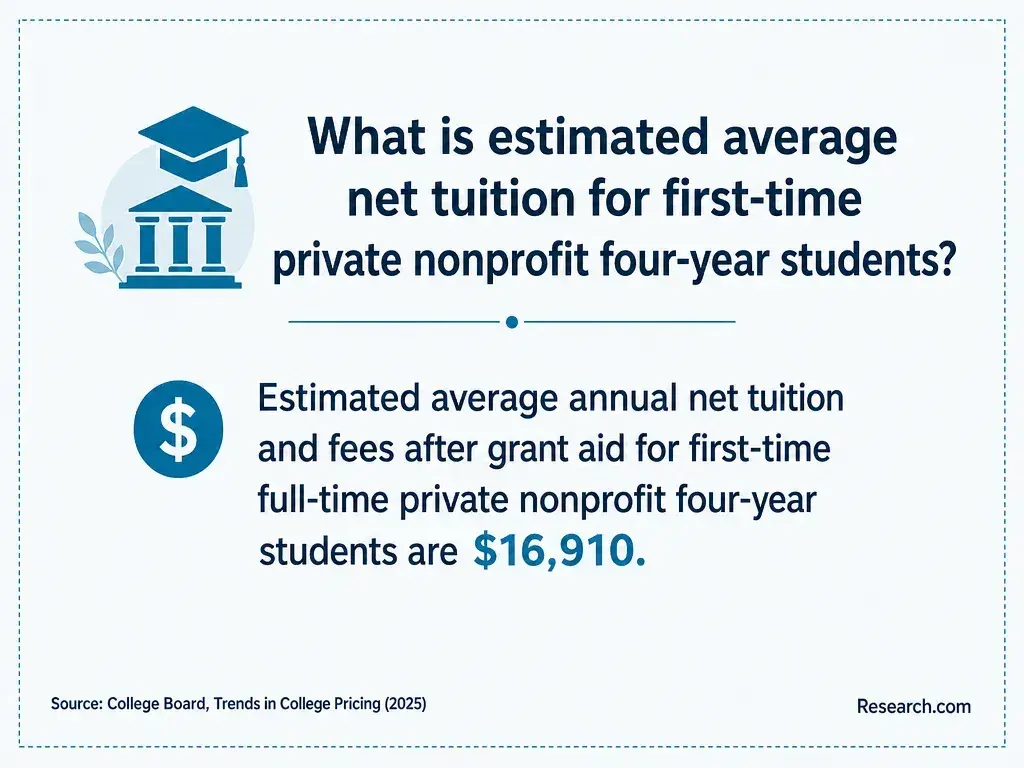
Compare offers by net obligation and conditions, not tuition alone. Determine which years of tuition and fees are covered, whether a stipend or health coverage is included, what teaching or research work is required, whether summer support exists, and what happens after funded years expire. Include travel to partners or campus, research expenses, and earnings you would give up. A funded offer can still be financially difficult if its appointment conflicts with your community job or household needs.
For a broader checklist of advertised costs, see comparing public health doctorate tuition and length. Confirm every figure and renewal condition in the offer for your specific degree and entry term.
A PhD can prepare researchers for faculty appointments, research-scientist roles, policy or health-services research, and evaluation leadership in universities, government, health systems, or nonprofits. Actual eligibility depends on methods expertise, publications or other research outputs, grant experience, and the employer's requirements. A doctorate does not automatically confer a senior title, clinical license, or authority to represent a community partner.
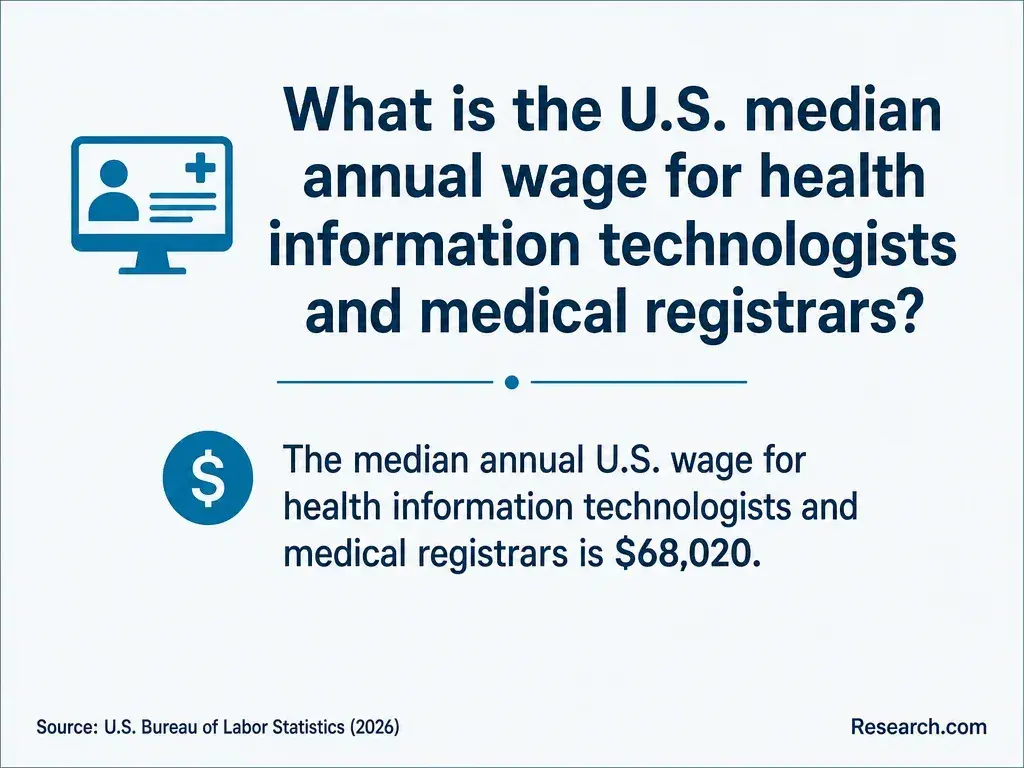
Salary comparisons need a job target. The US Bureau of Labor Statistics reports occupation-wide wages for roles such as epidemiologist, not a wage for public health PhD graduates; epidemiology positions also vary in their education requirements. Faculty and nonprofit research jobs follow different pay structures. If your preferred work is program management rather than independent research, compare the doctorate with an MPH and the relevant experience requirements. Master of Public Health earning potential offers context for that alternative, not a predicted return on either degree.
What accreditation and professional standards should applicants verify?
Verify the university's institutional accreditation and the exact scope of any Council on Education for Public Health (CEPH) accreditation. A university can hold institutional accreditation while a particular school, unit, or degree has a different CEPH status; do not infer that a PhD is covered because an MPH at the same university is. The university and accreditor can confirm the status relevant to your entry term. Guidance on checking CEPH accreditation before MPH enrollment is useful for understanding the distinction, but applicants must check the doctoral degree separately.
Also verify the program's research ethics training, human-subjects review process, data-security rules, and policies on partner agreements and authorship. These standards affect whether community work can become a dissertation and whether findings can be published responsibly. Professional credentials and clinical licenses have separate eligibility rules; a public health PhD alone does not award them.
Other Things You Should Know About Public Health
Only if your organization permits it and the submission meets its privacy and data-use obligations. Ask whether a redacted version is acceptable; otherwise, submit work you are authorized to share.
Check the program's instructions first. Where contact is welcome, send a concise note identifying your research question, relevant experience, and why the faculty member's work fits; do not assume a reply is an admissions commitment.
Yes, if you describe what you actually did. Distinguish outreach or service from research tasks, and explain any research-relevant observations without claiming ownership of a partner's findings.
Possibly, but employment does not grant research permission. Discuss conflicts of interest, participant protections, data access, organizational approval, and university review before relying on the project in your doctoral plans.
- Building a strong foundation: How pre-doctorate experience shapes doctoral student outcomes - PMC https://pmc.ncbi.nlm.nih.gov/articles/PMC10490895/
- Harnessing the Power of Community Engagement for Population Health | cdc.gov https://www.cdc.gov/pcd/issues/2025/25_0189.htm
- Admissions: Health Services PhD | Health Systems and Population Health https://hspop.uw.edu/healthservicesphd/admissions/
- Doctor of Philosophy (PhD) in Epidemiologic Science | umich.edu https://sph.umich.edu/epid/programs/phd.html
- Demystifying the Public Health PhD Application Process | Boston University https://www.bu.edu/ewl/2025/06/09/demystifying-the-public-health-phd-application-process/
- How to Apply: Doctor of Philosophy in Public Health (PhD) | NYU School of Global Public Health https://publichealth.nyu.edu/admissions/apply/doctor-philosophy-public-health-phd
- Research Experiences to Prepare for Grad School | umich.edu https://me.engin.umich.edu/grad-school-guide/early-undergrad/research-experiences/
- PhD in Public Health Sciences | charlotte.edu https://ech.charlotte.edu/academic-programs/graduate-programs/phd-public-health-sciences/
- Doctor of Philosophy | College of Public Health https://cph.osu.edu/phd
- Section 5. Ethical Issues in Community Interventions | ku.edu https://ctb.ku.edu/en/table-of-contents/analyze/choose-and-adapt-community-interventions/ethical-issues/main