2027 Public Health BS Practical Training When You Live in a Rural Area

Co-Founder and Chief Data Scientist
Living far from a public health department or major hospital does not rule out meaningful practical training for a public health BS. It does make the details matter: a willing local partner is not necessarily an approved field site, and an online course may still require scheduled, supervised work.
This guide is for students choosing a program or arranging an internship, practicum, or capstone from a rural community. It explains which projects can build useful skills, what approvals to secure, and how to compare options before committing time or travel money.
Key Things You Should Know
- Rural practical training can take place with a local health department, community organization, health system, or other approved partner; the program must confirm that the work meets its learning and supervision requirements.
- Ask about site approval, supervisor qualifications, required hours, on-site visits, and data permissions before accepting a placement; online coursework does not eliminate these obligations.
- A public health BS commonly involves about 120 semester credits, but a student's remaining credits, placement schedule, and total cost depend on the school's requirements and approved degree audit.
What Is a Public Health BS Degree and What Does It Prepare You to Do?
A Bachelor of Science in public health is an undergraduate degree focused on population health: understanding patterns of health and illness, preventing problems, and improving programs and conditions that affect communities. The "BS" designation often signals science or quantitative coursework, but curricula vary by institution.
For a rural student, the most useful preparation may combine basic data interpretation with community engagement and clear health communication. A supervised project could involve reviewing publicly available health indicators, developing accessible outreach materials, or helping evaluate a service's reach. These are population-health tasks, not clinical treatment or independent research authority.
A BS can support entry-level work, but it does not substitute for the experience or graduate training required by some specialist positions. If your eventual goal is advanced practice or research, comparing graduate public health degree types can help you plan beyond the bachelor's degree without treating graduate study as a prerequisite for undergraduate fieldwork.
How Can You Complete Public Health Practical Training in a Rural Area?
Start with the work your program requires, not the nearest organization that will take a volunteer. Undergraduate programs use terms such as internship, practicum, field experience, and capstone differently. Ask your academic coordinator for the written requirements covering hours, learning objectives, approved activities, supervision, deliverables, and assessment.
The following settings can offer different kinds of practice. Their availability and eligibility must be confirmed with both the host and your program.
| Potential setting | Possible supervised work | Key limitation to check |
| County or regional health department | Outreach planning, preparedness materials, or descriptive reporting | Staff capacity and access to usable data |
| Rural hospital or clinic community-health team | Community needs activities or referral-resource mapping | Whether the assignment is population-health work rather than clinical shadowing |
| Food access, housing, or other community organization | Service mapping, communication, or program-monitoring support | Whether an approved supervisor can assess the required competencies |
| Regional nonprofit or university partner | Remote analysis or evaluation support with scheduled local engagement | Remote-work rules and community permissions |
Use this sequence before accepting an offer:
- Request the fieldwork handbook and identify the required competencies, hours, deadlines, and deliverables.
- Ask a prospective host what decision it needs help making, what work a student may actually perform, and who can supervise it.
- Send the proposed scope to the academic coordinator for site and project approval; confirm any affiliation agreement, safety training, or travel requirement.
- Agree on check-in times, feedback, a feasible final product, and what may be shared outside the organization.
A small, completed product - such as a reviewed resource map or a plan for monitoring outreach - can demonstrate more than weeks of observation. Do not assume access to patient records, permission to contact residents, or the right to publish results. The host, school, and relevant oversight offices may each have separate approval roles.
Rural fieldwork also need not be a stepping-stone to a doctorate. If your long-term aim is specialist epidemiology research, reducing epidemiology doctorate costs through assistance is a later, separate decision - not a reason to make a BS placement more complex than its learning objectives require.
What Should You Look for in an Accredited Public Health BS Program?
Check two distinct questions: whether the institution has recognized institutional accreditation, and whether the public health school, unit, or individual program has accreditation from the Council on Education for Public Health (CEPH). CEPH status must be checked against the exact school or program and degree you would enter; accreditation of a university or its MPH does not automatically establish that its BS is within the same scope.
For rural fieldwork, published placement policies are as important as a program's general reputation. Ask whether students may propose sites outside the university's established network, whether remote supervision is allowed, who finds a replacement if a site falls through, and whether faculty can assess a project based in your community. Request the requirements for your intended entry term in writing.
Lists of CEPH-accredited MPH degree options online concern graduate programs; they are not evidence that a particular undergraduate degree or rural placement is approved. Confirm the BS itself with the institution and accreditor.
Yes, if the specific program permits an approved local or remote placement. "Online" describes course delivery, not necessarily where fieldwork happens. A program may require live meetings, daytime supervisor check-ins, local site visits, campus attendance, or work within a defined geographic area.
Compare the actual schedule with your transportation, employment, internet access, and the host's operating hours. A remote project can reduce travel, but it still needs assigned tasks, reliable supervision, and an agreed way to handle files and feedback. Work involving identifiable health information may require controls that a personal laptop or ordinary video call cannot provide.
Ask the coordinator whether the school approves placements in your county or state, who secures the host agreement, and what happens if broadband fails or the supervisor becomes unavailable. Even online doctorates in public health can have distinct in-person obligations; a graduate program's format tells you nothing conclusive about the BS you are considering.
Common subjects include introductory public health, epidemiology, statistics, environmental health, health policy, social and behavioral influences on health, and program planning or evaluation. General education and science requirements differ. Review the course sequence, not just the catalog titles: statistics or introductory methods may need to come before a data-focused field project.
For rural training, look for coursework that teaches you to interpret small-area data cautiously, communicate with community partners, and distinguish an unmet need from a conclusion unsupported by evidence. An elective in epidemiology can strengthen a placement, but it does not by itself qualify someone to direct surveillance or conduct independent research.
If research becomes your long-term goal, affordable online public health PhD programs address a different level of study. For now, choose BS courses that let you carry out a sound, appropriately supervised undergraduate project.
Schools may admit students directly to the major or require a separate application after introductory courses. Typical application materials can include prior transcripts and the institution's standard undergraduate application; prerequisite and GPA rules vary. A returning or transfer student should distinguish admission to the university from admission to the public health major.
Before planning a rural placement, ask for an official degree audit showing which transferred courses satisfy general education, statistics, science, and major requirements. Accepted credits do not necessarily shorten the sequence leading to fieldwork. The receiving institution has final authority over equivalencies, substitutions, and graduation requirements.
Undergraduate admission is also separate from future graduate admission. Advice about MPH admission chances with a low GPA should not be used to infer a BS program's entry requirements; ask the undergraduate admissions and major offices for their actual policies.
A bachelor's degree commonly requires about 120 semester credits, often planned as four academic years of full-time study. Your timeline may differ because of transfer-credit decisions, course sequencing, part-time enrollment, or a placement offered only in particular terms. Get a degree audit and a term-by-term plan before relying on an advertised completion time.
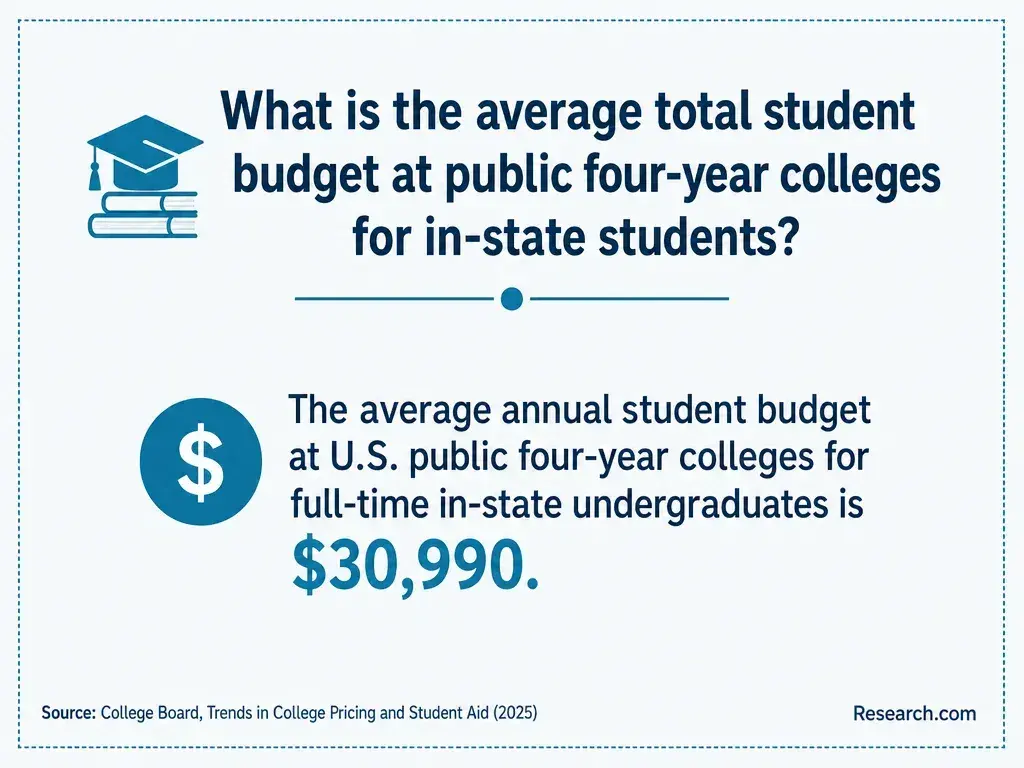
Compare more than tuition. Include mandatory fees, required equipment or software, travel to field sites, lodging if a distant placement is unavoidable, and earnings you might forgo during scheduled hours. Ask whether fieldwork carries tuition-bearing credits, whether unpaid placements are permitted, and whether financial aid covers your intended enrollment pattern. Without a specific school and aid award, a credible total price cannot be calculated.
Public health bachelor's accelerated study schedules may shorten classroom terms, but they do not automatically shorten required placement hours or make a suitable rural supervisor available sooner.
Depending on the employer and your experience, plausible entry-level targets include community health worker, outreach coordinator or assistant, health program assistant, and roles supporting health education or data collection. Duties might involve connecting residents with services, organizing events, maintaining program records, or preparing materials under supervision. Job titles are inconsistent, so compare postings by tasks and minimum qualifications.
A rural placement can provide evidence of local partnership work, dependable follow-through, and practical communication - especially if you can describe your contribution without revealing confidential information. It does not automatically qualify you as an epidemiologist, clinical practitioner, or program manager. Some positions require additional education, certification, or substantial experience.
If repeated job postings for your target role require graduate study, comparing accessible online public health master's options may be useful later. First check whether supervised work or targeted training would close the actual gap at lower cost.
There is no reliable single salary for "a public health BS graduate." Pay depends on the occupation, employer, location, responsibilities, and experience.
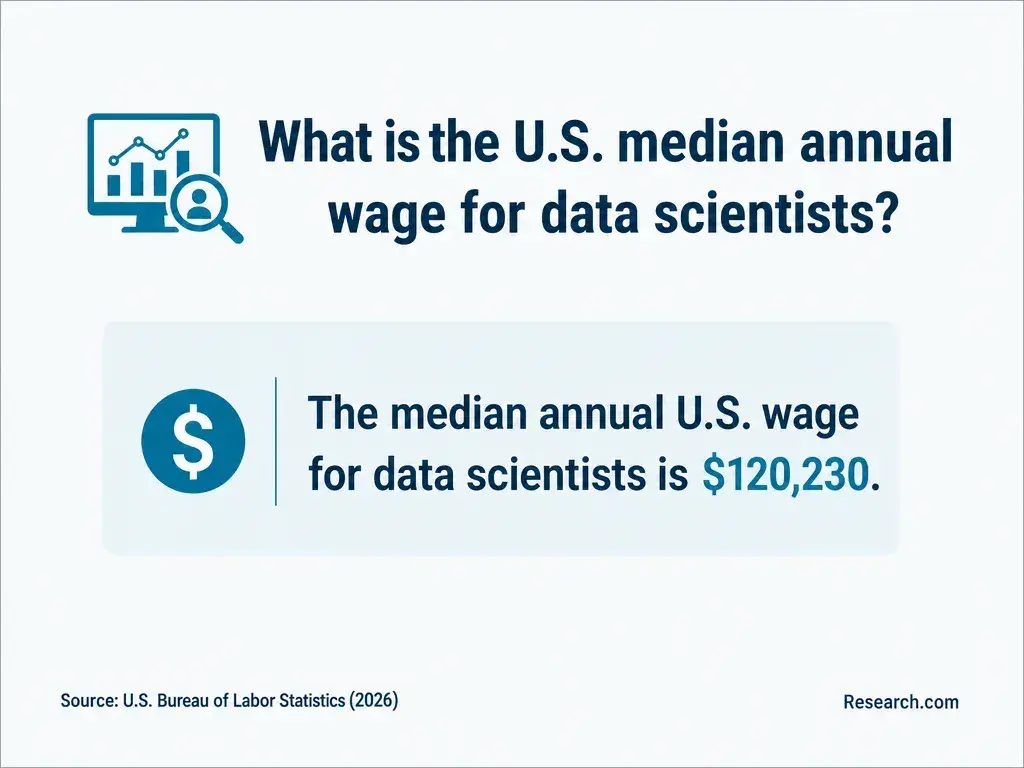
The US Bureau of Labor Statistics reports wages for defined occupations, not for everyone holding a particular degree. Its Occupational Outlook Handbook entries for community health workers and health education specialists can provide national occupational context, but their medians include workers with different credentials and experience levels.
For a rural job decision, compare actual local postings and ask about benefits, travel reimbursement, and whether the role requires regular visits across a large service area. A national median should not be treated as an entry-level offer in your county. The same caution applies when understanding salary variation after an MPH: degree level alone does not determine pay.
Do Public Health Careers Require Licensure or Professional Certification?
A public health BS does not itself grant a clinical license or professional certification. Many program-support and outreach jobs do not require a public health license, but an employer or state may specify training or credentials for a particular position. Clinical care, including nursing and other regulated practice, follows separate licensing rules.
Health education and community health worker roles may have credential expectations that vary by job and jurisdiction. If a posting names a certification, check the issuing organization's current eligibility rules and the employer's exact requirement before assuming your degree or practicum qualifies you.
If the credential is not required for your target job, compare its cost and value with supervised experience before enrolling in more education. Public health master's cost and completion planning is relevant only when a graduate degree addresses a documented career requirement or skill gap; it is not a substitute for a required license or certification.
Other Things You Should Know About Public Health
Tell both your site supervisor and academic coordinator promptly. Ask how missed hours or deadlines can be made up and whether approved remote tasks are possible; do not assume they will count automatically.
Potentially, if the organization wishes to host the work and your program approves it. Respect the organization's own governance, permissions, and expectations for how information is used and shared.
Notify your academic coordinator before continuing independently. The program and host may need to approve a new supervisor or revise the placement so your work remains supervised and assessable.
Not necessarily. Some approved projects may be largely remote or based at an accessible local site. Confirm any required visits, travel between communities, and transportation expectations before accepting a placement.
- Systemic Challenges in Internship Training for Health-Service Psychology: A Call to Action From Trainee Stakeholders https://pmc.ncbi.nlm.nih.gov/articles/PMC9718483/
- Competencies for Public Health Professionals | cdc.gov https://www.cdc.gov/infrastructure/training-professional-development/competencies-for-public-health-professionals.html
- 11.3.8 Allowable and Unallowable Costs | nih.gov https://grants.nih.gov/grants/policy/nihgps/HTML5/section_11/11.3.8_allowable_and_unallowable_costs.htm
- F-1 Curricular Practical Training (CPT) - Study in the States https://studyinthestates.dhs.gov/sevis-help-hub/student-records/fm-student-employment/f-1-curricular-practical-training-cpt
- Public Health Training Centers (PHTC) Program FAQs | hrsa.gov https://bhw.hrsa.gov/funding/apply-grant/phtc-faq
- Cost of Attendance (Budget) | 2025-2026 Federal Student Aid Handbook https://fsapartners.ed.gov/knowledge-center/fsa-handbook/2025-2026/vol3/ch2-cost-attendance-budget
- Best Practices | Field Study - UC Irvine https://fieldstudy.soceco.uci.edu/pages/best-practices
- Public Health Practicum | Pacific University https://www.pacificu.edu/public-health/practicum
- Undergraduate Majors with Required and Optional Internships | indiana.edu https://internships.publichealth.indiana.edu/internship_area/undergrad-majors.html
- Practicum Requirements | UW School of Public Health https://sph.washington.edu/mph-practicum/requirements