
2027 DrPH Applications When Your Employer Cannot Sponsor the Project

Co-Founder and Chief Data Scientist
Your employer may support your doctoral ambitions but be unable to release data, supervise a project, or authorize work on company time. That does not necessarily rule out a Doctor of Public Health (DrPH), but it makes project access a critical application decision. This guide is for experienced practitioners weighing whether to apply, where to find an outside partner, and what to confirm before enrolling. You will learn how applied-project requirements differ, what approvals matter, and how to compare programs without assuming that online study solves the sponsorship problem.
Key Things You Should Know
- Employer sponsorship is not a universal DrPH admissions requirement; the decisive question is whether a program will approve a feasible outside project and its supervision arrangements.
- Plan for three distinct permissions: academic project approval, a partner organization's agreement to host the work, and authorization to access or use any needed data.
- Compare programs on partner-finding support, project milestones, scheduling, and total cost - not online delivery alone.
What Is a DrPH Applied Practice Project Without Employer Sponsorship?
A DrPH applied practice project addresses a public health problem through leadership, implementation, evaluation, or organizational improvement. Without employer sponsorship, the student completes the work with another approved organization - or, where program rules allow, through a separately approved practice arrangement. The host's role is to provide a genuine practice context, appropriate oversight, and access to work the student is authorized to perform. It need not be the student's employer.
For example, a community organization might want to improve how it tracks referrals to preventive services. A feasible project could map the existing process, agree on useful measures with staff, and produce an evaluation plan. That is a proposal, not evidence that the referral process is deficient or that a change will improve outcomes.
First determine whether you need a doctorate for the responsibility you want. If your goal is narrower skill development rather than advanced practice leadership, compare targeted training or online public health degrees for budget-conscious students before committing to doctoral study.
Can You Complete a DrPH Project Without Your Employer's Support?
Often, yes - but only if the specific program permits an outside site and the proposed work meets its academic requirements. Lack of employer sponsorship can mean different things: no tuition assistance, no paid project time, no supervisor, or no permission to use workplace information. Identify which constraints apply before asking whether an alternative site solves them.
These arrangements offer different kinds of access. The comparison helps distinguish a credible project pathway from an informal invitation to volunteer.
| Arrangement | Potential advantage | Main limitation |
| External public health agency or nonprofit | Direct connection to a defined practice need | Staff time, approvals, and data access may be limited |
| University-supported partner network | Established relationships may ease introductions | A placement or suitable project is not guaranteed |
| Independent project with an approved practice partner | May fit a specialized leadership interest | Requires especially clear authority, supervision, and scope |
Get the program's answer in writing before relying on any arrangement. If an outside project would require substantial unpaid hours or travel, an affordable graduate public health career preparation route may better fit a goal that does not require doctoral-level leadership training.
How Can You Find an Organization to Sponsor a DrPH Project?
Start with a practice problem, not a request for a host to invent a dissertation topic. Health departments, health systems, community organizations, and public health coalitions may have planning or evaluation needs, but their priorities and capacity must govern the partnership. An existing professional relationship can open a conversation; it does not establish permission or project suitability.
A short sequence helps protect both the prospective partner's time and your application timeline:
- Ask the DrPH program which outside organizations, supervisors, remote arrangements, and project types it will consider.
- Approach prospective partners with a brief description of your relevant experience, available time, and the type of decision your work could inform.
- Co-define a bounded problem, intended output, staff contact, timeline, and realistic access to information.
- Confirm academic approval, organizational authorization, data-use rules, and any required ethics review before collecting or analyzing information.
A useful first output might be a workflow map or evaluation protocol rather than a promised improvement in health outcomes. If a partner cannot commit supervisory time, pause rather than treating a verbal expression of interest as sponsorship. An applicant who needs more time to build practice relationships might first compare online MPH affordability rankings, while checking whether an MPH would actually advance their current qualifications.
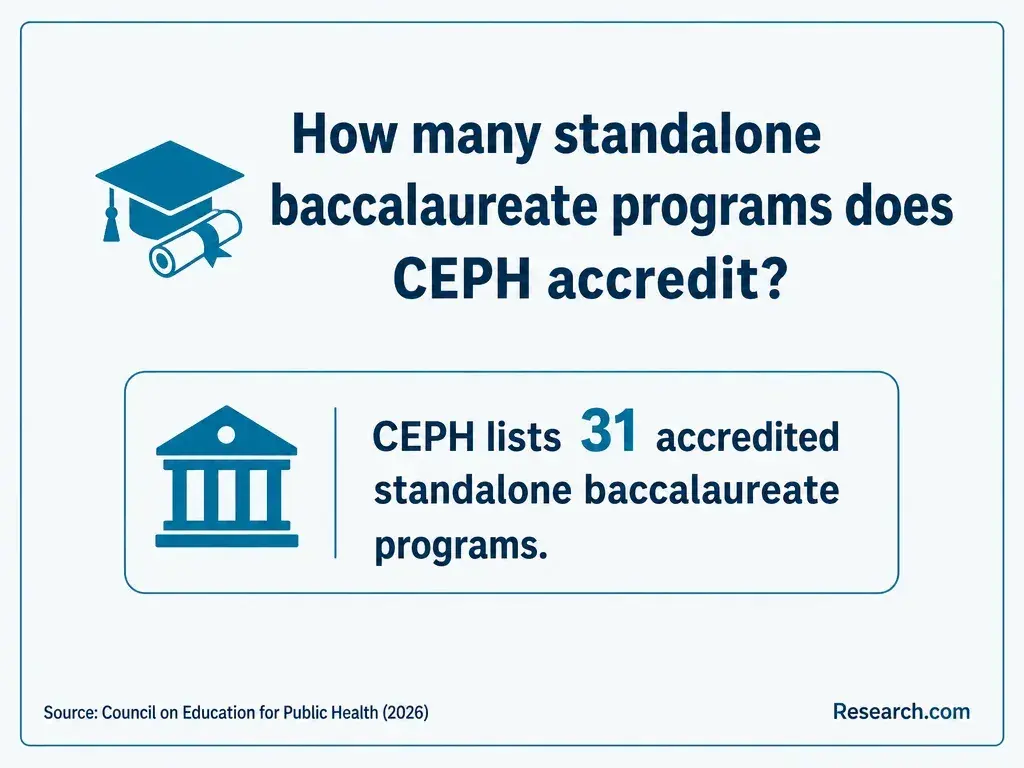
The Council on Education for Public Health (CEPH) sets accreditation criteria for covered public health schools and programs, including expectations for doctoral-level practice preparation and assessment. Accreditation does not mean every DrPH uses the same project name, host-site rules, sequence, or final product. A program may distinguish an applied practice experience from an integrative learning experience or doctoral dissertation; applicants should not assume that one activity automatically satisfies another.
Check CEPH's directory for the exact accredited school, unit, or program and whether the DrPH is within its scope. Then obtain the institution's current DrPH handbook and ask which competencies the applied work must demonstrate, who approves an external site, what work products are assessed, and when approval occurs. Institutional accreditation alone does not answer those questions.
Admissions flexibility is a separate issue from project standards. Comparing less selective online MPH programs may help someone considering a different degree, but MPH admission policies cannot establish what a DrPH will accept as doctoral applied practice.
They can if their policies permit external partners and faculty can supervise the proposed work. Online coursework does not make fieldwork asynchronous: partner meetings, community engagement, data-access procedures, presentations, and required residencies may occur at fixed times or locations.
Ask for a recent project timeline showing proposal approval, site agreements, faculty feedback, and final assessment. Also ask whether the school introduces students to partners outside its home region, how it handles a host's withdrawal, and whether a local site must provide an on-site supervisor. Those answers are more useful than a general claim of flexibility.
Do not substitute a research-focused doctorate merely because its delivery format appears easier. An online public health PhD tuition guide can help frame a cost comparison, but PhD research supervision and data requirements present a different access problem from a DrPH practice partnership.
Programs commonly assess graduate preparation, relevant professional experience, leadership potential, and fit with practice-focused doctoral work, but their rules differ. An MPH, a particular job title, and a fixed number of post-degree years should not be treated as universal requirements. Describe what you actually led: decisions made, people or budgets coordinated, partnerships managed, and changes assessed.
For this application scenario, explain why your employer cannot host the project without criticizing its policies. Then show how you would identify an appropriate outside partner, protect time for the work, and seek approval before relying on organizational data. Ask admissions whether a confirmed host is required at application, before enrollment, or only before the project begins.
If earlier grades are a concern, low-GPA pathways to public health master's study may offer context for demonstrating later academic readiness; a DrPH admissions committee will apply its own standards. Likewise, public health bachelor's programs with compressed classes concern undergraduate preparation, not a shortcut around DrPH experience or project requirements.
Look for coursework that connects leadership decisions to defensible evidence: program evaluation, implementation, organizational change, budgeting, policy, community engagement, and qualitative or quantitative methods. The right balance depends on the proposed work. A project redesigning referrals needs process measures and stakeholder input; one evaluating a service change may also need stronger study-design and analytic skills.
Compare course descriptions with the program's project milestones. Can students develop a problem statement, negotiate measures with a partner, test data quality, and revise a plan before formal approval? A methods course alone does not supply data access or the authority to change an organization's procedures.
Practitioners whose main gap is analysis rather than leadership may find working-professional pathways into biostatistics study worth comparing before choosing a full DrPH.
There is no reliable single timeline or price for this situation. Credit requirements, part-time enrollment, project approval, partner availability, and revision cycles all affect completion. Losing a host midway can extend the schedule even if coursework is finished.
Request a term-by-term estimate that separates tuition and required fees from residencies, travel, project expenses, and any charges for continued enrollment. Ask what happens financially if site approval takes longer than expected, whether aid remains available during project-only terms, and whether your employer will fund coursework even though it cannot host the project. Use public health doctoral tuition and career comparisons as a starting point, then obtain a program-specific cost estimate. Neither a low advertised tuition figure nor a nominal completion time captures the cost of an extended outside partnership.
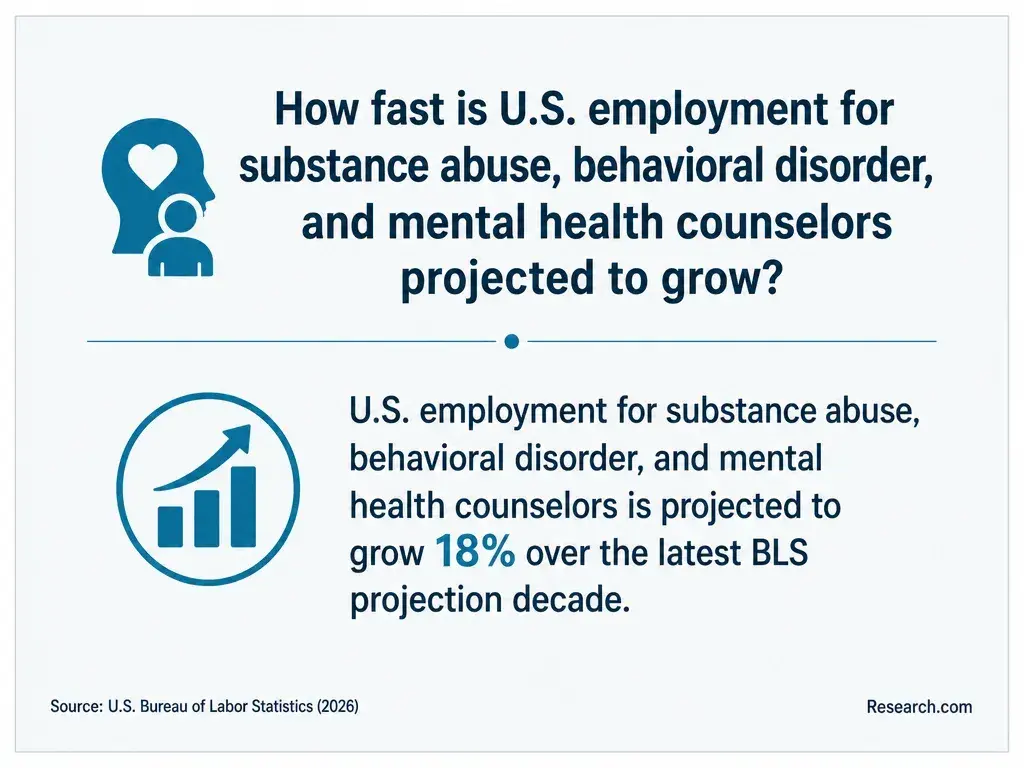
A DrPH may support advancement into public health program leadership, health department management, implementation leadership, evaluation oversight, or practice-oriented teaching. The strongest case is usually a career in which you can apply doctoral-level judgment to organizations and populations - not a job that merely lists a doctorate as desirable. Hiring and promotion still depend on your experience, technical skills, and the employer's requirements.
An outside project can provide evidence of partnership-building beyond your current employer, provided you can explain your own contribution and share only materials the partner permits. It is not proof of a successful intervention unless outcomes were measured and support that conclusion.
For compensation planning, compare actual postings for your target role and location rather than treating an occupation-wide wage as a DrPH graduate salary. If the target role generally calls for a master's degree and relevant experience, salary planning for MPH graduates can inform an alternative-pathway comparison without predicting your earnings.
How Should You Compare DrPH Programs Without Employer Sponsorship?
Make external-project feasibility a screening criterion before comparing reputation or electives. Contact each program with the same brief description of your experience, employer restriction, possible practice problem, location, and available hours. Ask for policy-based answers rather than a general assurance that students "find their own sites."
These questions identify the points most likely to change an admissions or enrollment decision:
- Must applicants name a partner, or can they secure one after enrollment?
- Which office approves outside sites, supervisors, project scopes, and remote work?
- What introductions or contingency support exist if a partner declines or withdraws?
- When are data permissions and ethics determinations required, and who is responsible for obtaining them?
- What are the required live sessions, residencies, project milestones, and costs if completion is delayed?
Prefer a program whose published rules and written answers make a workable route visible. If none can explain how you would complete an approved project, defer the application or pursue a more direct qualification. Affordable graduate public health career preparation may be the better investment when the immediate goal is a defined skill or role rather than doctoral practice leadership.
Other Things You Should Know About Public Health
Mention it if the program asks about project access or if it affects your study plan. State the constraint neutrally and explain your proposed alternative; avoid implying that an unapproved partner has already committed.
Ask the program before assuming prior work qualifies. Doctoral assessment may require new work completed under faculty oversight, and a former organization may still control its data and materials.
Not automatically. Agree on confidentiality, review, attribution, and dissemination permissions with the partner, and follow university requirements before sharing results or examples from the work.
Do not accept or transfer records informally. Have the organization and university determine the applicable privacy, data-use, security, and review requirements before access begins; an aggregate or deidentified approach may be more feasible.
- Writing a Data Management and Sharing Plan | nih.gov https://grants.nih.gov/policy-and-compliance/policy-topics/sharing-policies/dms/writing-dms-plan
- Secondary Analysis Research - PMC - NIH https://pmc.ncbi.nlm.nih.gov/articles/PMC7520737/
- DrPH Degree Program Requirements | Columbia University Mailman School of Public Health https://www.publichealth.columbia.edu/academics/degrees/degree-requirements/drph
- 4 Collaborating with the Institutional Review Board (IRB) | mit.edu https://admindatahandbook.mit.edu/book/v1.0-rc6/irb.html
- Guidance on Secondary Analysis of Existing Data Sets | University of Connecticut https://ovpr.uconn.edu/services/rics/irb/researcher-guide/secondary-analysis-of-data-sets/
- What is a DrPH and what can you do with it? | Capella University https://www.capella.edu/blog/health-sciences/what-is-a-drph-and-what-can-you-do-with-it/
- Secondary Use of Existing Data | virginia.edu https://hrpp.research.virginia.edu/teams/irb-sbs/researcher-guide-irb-sbs/secondary-use-existing-data
- IRB Approval for Collaborative Research | Human Resources https://www.etsu.edu/irb/how-to/guidance_reliance.php
- When Do External Organizations Need IRB Approval? | Human & Animal Research Compliance https://irb.stanford.edu/for-researchers/when-do-external-organizations-need-irb-approval
- Doctor of Public Health (DrPH) | Rutgers School of Public Health https://sph.rutgers.edu/academics/degree-programs/doctor-public-health-drph


