2027 MPH Programs: Comparing Remote and On-Site Community Partner Supervision

Co-Founder and Chief Data Scientist
An MPH practicum can be remote even when its community partner is local, but the arrangement must still provide meaningful practice, feedback, and an approved work product. For prospective and current MPH students, the choice affects what they can learn, which partners they can work with, and whether the placement fits their schedule and budget.
This guide compares remote and on-site supervision, explains what accreditation does and does not require, and shows how to evaluate a program or placement before committing.
Key Things You Should Know
- Remote and on-site supervision can both support an MPH applied practice experience; neither format substitutes for program approval, active supervision, and work performed for a practice setting.
- CEPH's MPH applied practice criteria call for at least two work products. Ask how the partner will review those products and how the program will assess the competencies they demonstrate.
- Choose by project and access needs: remote arrangements can suit analysis or communications work, while on-site time may be essential for observing operations, building relationships, or carrying out field activities.
What Is Community Partner Supervision in MPH Practicums?
Community partner supervision means that a designated person at a host organization guides a student's work in a public health practice setting. The partner might be a health department, nonprofit, health system, or other organization serving a population.
A faculty member or practicum coordinator has a different role: approving the experience and evaluating it under the MPH program's rules. Host-site willingness alone does not constitute academic approval.
A strong arrangement gives the student a defined public health task, access to the people and information needed to complete it, regular feedback, and a way to resolve problems. For example, a nonprofit supervisor might review a proposed outreach evaluation plan while a faculty advisor checks whether the resulting products demonstrate the student's selected competencies.
The student's public health graduate concentration selection may affect which projects and supervisors are a good match, but a concentration name alone does not establish placement eligibility.
How Do Remote and On-Site MPH Practicums Compare?
The consequential difference is not where a supervisor sits; it is what the student can do, observe, and discuss with that supervisor. This comparison shows where each format tends to help and where students should check for gaps.
| Decision factor | Remote supervision | On-site supervision |
| Suitable work | Can fit evaluation plans, approved data analysis, resource development, or communications products. | Can fit field observation, in-person engagement, workflow assessment, or activities requiring physical presence. |
| Feedback | Needs scheduled meetings, clear response times, and shared drafts. | May permit informal feedback, but still needs documented objectives and reviews. |
| Access and relationships | May widen partner choice while limiting informal learning and contact with community members. | May deepen contextual understanding but require travel and fixed hours. |
| Main feasibility check | Confirm secure data access and whether the student can complete substantive tasks from a distance. | Confirm site hours, accessibility, travel, safety, and any required clearances. |
A hybrid arrangement can be stronger than either default: on-site meetings may establish context and relationships, while remote time supports drafting and analysis. It is only practical if the host and school approve the schedule.
When comparing advertised flexibility with cost-conscious online MPH program choices, include required travel and unpaid placement time, not tuition alone.
How Do CEPH-Accredited MPH Programs Structure Practicum Supervision?
CEPH-accredited MPH programs must provide an applied practice experience in which students apply competencies in a practice setting and produce work for that setting. CEPH specifies at least two work products.
The program determines how it approves sites, documents supervision, and assesses student work under its policies. Accreditation does not mean every program offers remote placements or that any particular employer qualifies as a host.
Look for a written division of responsibilities: who approves the site and scope, who supervises daily work, who assesses competencies, and who handles a project that changes midway. Verify that the particular MPH degree is within the accredited school's or program's scope.
Online MPH program accreditation comparisons can help identify programs to investigate, but the program and CEPH should confirm current accreditation scope and the school should confirm its placement rules.
Useful preparation depends on the proposed task. Program planning and evaluation help a student define feasible measures; epidemiology and biostatistics help with interpreting population data; qualitative methods and health communication support listening, interviewing where approved, and presenting findings responsibly. Coursework in ethics and community engagement helps students distinguish a partner's priorities from their own academic interests.
Before seeking a placement, identify a skill you can apply with supervision and one you need to develop. A student planning a dashboard, for instance, should discuss data definitions, missingness, accessibility, and who may see the results, not just software.
Students still completing an undergraduate degree can use accelerated courses in public health bachelor's study to assess academic timing, but faster coursework does not replace the preparation or approvals needed for MPH fieldwork.
MPH applicants generally need a completed bachelor's degree, but GPA policies, prerequisite courses, tests, essays, recommendations, and experience expectations vary. A public health major is not universally required. Prospective students should check whether a program expects prior statistics or community experience and whether its practicum can be completed near their home or workplace.
If your record raises eligibility concerns, distinguish a stated minimum from evidence that can strengthen an application, such as recent methods coursework or documented community work.
A guide to strengthening a lower-GPA public health master's application can help you plan that conversation; only the admissions office can confirm its policy. Admission to an MPH is separate from approval of a future practicum site, including your current employer.
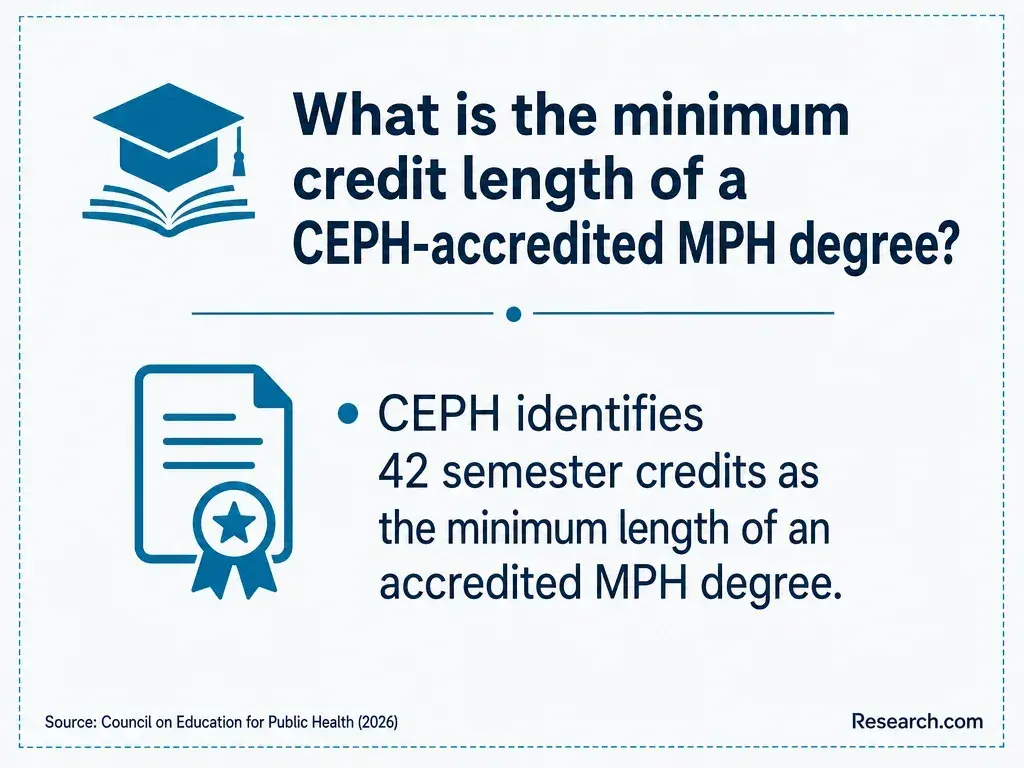
MPH completion time depends on credit requirements, course sequencing, and full- or part-time enrollment. Practicum timing can add a constraint: a student may need prerequisite coursework, an approved agreement, and a supervisor available during a particular term. Ask whether a delayed placement postpones graduation or triggers another term of charges.
Compare total expected tuition and fees alongside placement-specific expenses: transportation, time away from paid work, clearances, equipment, and any required campus visits. Remote supervision can reduce travel without reducing the hours needed for meetings and project work. Check award terms and whether fieldwork enrollment affects aid before relying on a public health graduate scholarship eligibility guide to estimate affordability.
Employer Confidence in Online vs. In-Person Degree Skills, Global 2024

A well-scoped practicum can supply evidence of readiness for roles in program coordination, health education, evaluation support, community engagement, or public health analysis. The persuasive evidence is the task performed: a partner-reviewed implementation tool, for example, says more about practice skills than a placement title alone. Entry-level responsibility and hiring requirements still depend on the employer, prior experience, and technical skills.
For someone who has not yet earned a bachelor's degree, public health undergraduate degree options online may be a more appropriate first step than planning an MPH. For someone who already works in a community organization, targeted evaluation training and a supervised project may serve an immediate goal without another degree. Neither route should be treated as equivalent to every MPH-qualified position.
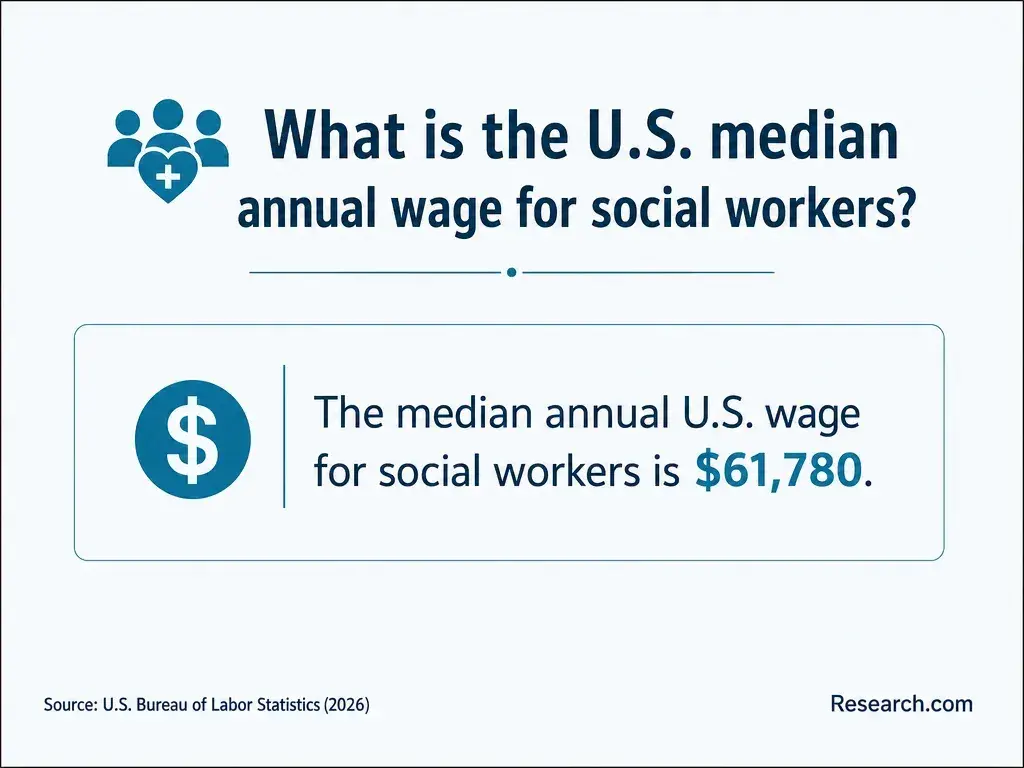
There is no reliable single "MPH salary": community health, evaluation, epidemiology, and management positions represent different occupations, employers, and experience levels. When researching pay, use the US Bureau of Labor Statistics wage data for the specific occupation you intend to pursue, then compare local postings and their degree and experience requirements. An occupation-wide median is not an expected starting salary for an MPH graduate.
Supervision format matters financially only if it changes the experience and evidence you can take to employers or the cost of obtaining them. A remote placement that produces a strong, authorized work sample may be more useful than an expensive on-site placement dominated by observation. Weigh that distinction when comparing public health master's costs and pay; do not assume either format produces a wage premium.
An MPH does not itself grant a clinical license or automatically award a professional certification. Credentials such as Certified in Public Health or Certified Health Education Specialist have separate eligibility and examination rules.
A regulated clinical role has licensing requirements set by the relevant state authority. Most students should select practicum tasks for their target work, then check actual job postings and credentialing bodies before paying for an additional qualification.
If your goal is an entry-level community role rather than an MPH-specific position, compare targeted training and online public health degrees for budget-conscious students with the credentials employers actually request. A lower-cost degree is not a substitute for a required license, and an MPH placement cannot authorize work beyond the student's training or the site's rules.
How Can Students Choose a Reputable MPH Program?
Start with institutional recognition and the exact scope of CEPH accreditation, then examine the program's placement policy rather than relying on a promise of "flexible fieldwork."
Ask the practicum coordinator whether remote supervision is permitted, who finds and approves partners, whether a current employer can host, what makes a supervisor qualified, and what happens if a site withdraws. Ask a potential host how often feedback will occur, who can approve access to data or community activities, and which products it can review.
Request an example timeline and the current agreement or handbook before enrolling. Confirm separately the school's approval, the host's commitment, and any permissions needed to access information or share a finished product.
Public-facing portfolio use may require redaction or separate permission. Apply the same checks to MPH programs with broader admissions criteria: accessible admission says nothing by itself about the quality of community partner supervision.
Other Things You Should Know About Public Health Programs
Only if the site and program permit it. Remove confidential information, and obtain approval before sharing an organization's internal document, data, or branding. A separately prepared, nonconfidential summary may be an option.
Ownership and reuse depend on the school-site agreement and applicable organizational policies. Clarify these terms before starting, especially if you hope to publish or use the work in a portfolio.
Not every survey is human-subjects research, but a student should not make that determination alone. Ask the program and site what review, consent, privacy, and community permissions apply before collecting responses.
Tell the academic coordinator promptly. A revised project may still work, but changes to tasks, competencies, products, supervision, or data access may need approval before you proceed.
- Guidelines: The do's, don'ts and don't knows of direct... - PMC https://pmc.ncbi.nlm.nih.gov/articles/PMC5630537/
- 4. Supportive supervision | who.int https://iris.who.int/bitstreams/2da1db37-4ccb-4a2a-a144-44a2dcd83cac/download
- Is an Online MPH Right for You? | University of Bridgeport https://www.bridgeport.edu/news/is-an-online-mph-right-for-you/
- Online Master's in Public Health Program (MPH) | Drexel University Online https://www.online.drexel.edu/online-degrees/public-health-degrees/master-public-health.aspx
- Online Master of Public Health (MPH) | jefferson.edu https://www.jefferson.edu/academics/colleges-schools-institutes/population-health/degrees-programs/public-health/online-mph.html
- Section 2. MPH Practicum - Master of Public Health Practicum Manual - Academic Guides at Walden University https://academicguides.waldenu.edu/masters-public-health-practicum-manual/practicum-overview
- Online Master in Public Health Pitfalls (and Why UW is Different) https://hspop.uw.edu/online-masters-in-public-health-pitfalls/
- Practicum Site Supervisor | UW School of Public Health https://sph.washington.edu/mph-practicum/site
- Master of Public Health (MPH) | charlotte.edu https://ech.charlotte.edu/master-of-public-health/
- Accelerated Master of Public Health (MPH) | Claremont Graduate University https://www.cgu.edu/academics/program/accelerated-master-of-public-health-online/