2027 Does a Public Health BS Prepare You for Community Health Worker Training Support?

Co-Founder and Chief Data Scientist
A public health BS can help you support community health worker (CHW) training, but knowing population health is not the same as knowing how to prepare someone for frontline work. If you are considering a degree to develop training materials, assist instructors, or coordinate a CHW program, the distinction matters before you commit time and tuition.
This guide connects relevant coursework to actual training tasks, identifies experience and credentials you may still need, and helps you decide whether a bachelor's degree or a more direct route fits your goal.
Key Things You Should Know
- A public health BS can provide a foundation for CHW training support, especially in health communication, community engagement, and program evaluation; supervised CHW experience remains important.
- Most CHW positions do not require a public health bachelor's degree, while state certification and employer training rules vary. A BS alone does not confer CHW certification or qualify someone to train certified workers.
- A traditional bachelor's pathway commonly takes about four years of full-time study. If your immediate goal is to work as a CHW, compare its cost and timing with direct-entry training before enrolling.
Does a Public Health BS Prepare You for Community Health Worker Training?
Yes, as a foundation - not as a complete trainer qualification. A public health BS can prepare you to help develop CHW learning materials, explain prevention concepts, organize outreach practice, and assess whether trainees understood a lesson. Its value is strongest when paired with supervised work alongside CHWs and the communities they serve.
There are two different goals here. Entering CHW training means learning to perform the frontline role; a BS is generally not necessary to start. Supporting the training of CHWs may involve scheduling, curriculum development, instruction, coaching, or evaluation. Employers may expect different combinations of CHW practice, facilitation experience, certification, and education for those responsibilities.
If you already have community-facing experience, assess the specific gap you need to fill. A degree may help you move toward program planning and evaluation, but targeted facilitator training or an employer-sponsored CHW pathway may be faster for a narrower goal. If you later want to compare broader population-health roles, comparing public health master's career directions is a separate decision from becoming ready to support CHW training.
What Does a Community Health Worker Do in Public Health?
CHWs are community-connected frontline workers who help people navigate services, understand health information, and communicate needs to health and social-service organizations. Depending on the employer, their work may include outreach, referrals, appointment support, group education, follow-up, and reporting barriers people encounter when seeking care.
Those tasks explain what effective training must cover. A trainee needs practice listening without judgment, explaining a referral in accessible language, documenting work appropriately, protecting confidentiality, and recognizing when to involve a clinician or supervisor. A lecture on social determinants of health provides context; it does not demonstrate that a trainee can handle a difficult conversation or navigate a local service network.
CHW training support is therefore different from advanced public health leadership or research. Someone exploring public health doctorate pathways for advanced study should not treat doctoral coursework as a substitute for learning how CHWs work in a particular community.
What Education Is Required to Become a Community Health Worker?
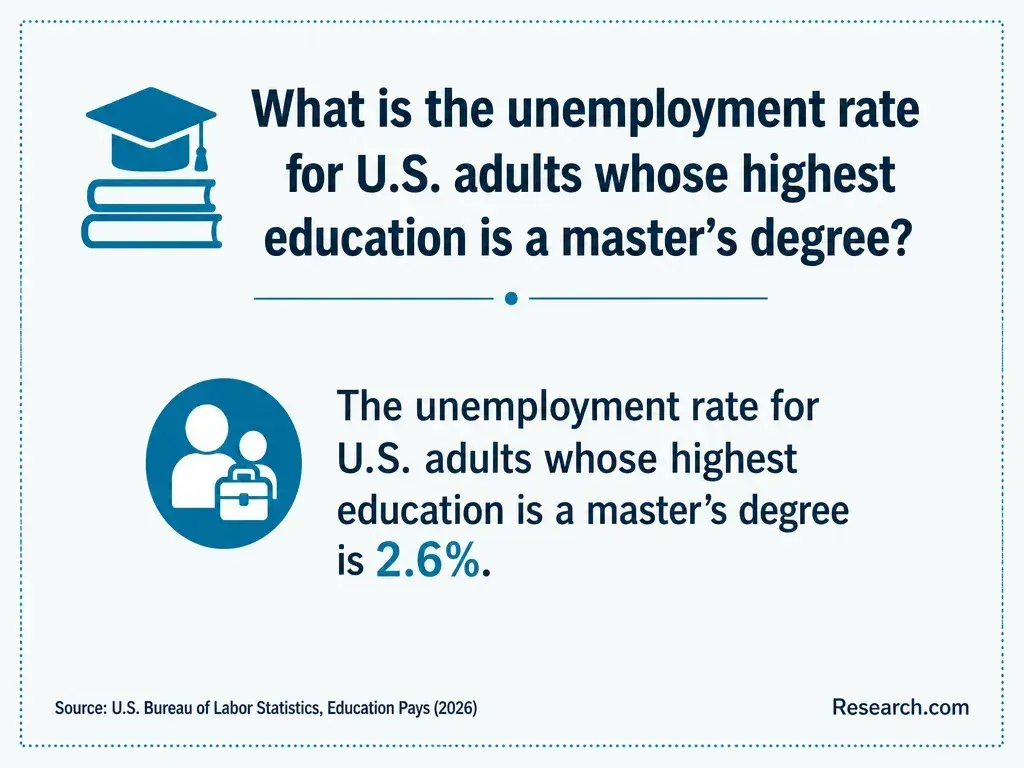
According to the US Bureau of Labor Statistics (BLS), CHWs typically need at least a high school diploma or equivalent, although employers may prefer additional education and provide on-the-job training. Requirements depend on the position and state. Relevant community experience, language skills, and familiarity with local resources can matter more for a frontline opening than a particular college major.
A public health BS is more useful when you want responsibilities beyond initial CHW practice, such as helping maintain training materials or track a program's outreach activities. Even then, an employer may prioritize demonstrated CHW work over classroom preparation. Before choosing a degree, compare local job postings for both CHW and CHW training coordinator: the difference between their stated requirements is more informative than the job titles alone.
If college grades are a concern, do not confuse undergraduate entry requirements with later graduate admissions. Guidance on improving low-GPA MPH application prospects addresses a different educational step; it is not a prerequisite for CHW work.
Look beyond a program's course titles to its assignments and field opportunities. The comparison below shows where typical BS coursework can help someone support CHW training - and where practical experience is still needed.
| Course area | Potential contribution to CHW training support | What coursework alone cannot establish |
| Health communication | Developing plain-language materials and practicing teach-back | Effectiveness with a specific community or language group |
| Community health and behavioral science | Connecting lessons to barriers, strengths, and local context | Trust or permission to represent community priorities |
| Program planning and evaluation | Writing learning objectives and reviewing training feedback | The ability to coach CHWs in real encounters |
| Epidemiology and introductory statistics | Interpreting local health information without overstating findings | Advanced analysis or evidence that training changed health outcomes |
For a student aiming to assist a CHW trainer, a community-based placement that includes observing training, revising a handout with supervisor feedback, or helping evaluate a session may be more relevant than an additional advanced methods elective. Biostatistics master's format and scheduling comparisons are better reserved for someone whose goal has shifted toward specialized analysis rather than frontline training support.
There is no single nationwide CHW license. Some states have CHW certification systems, and employers or funded programs may specify training, supervision, or credential requirements. Rules can also differ between working as a CHW and teaching or supervising CHWs. Check the relevant state health department or certification authority and the actual employer posting before assuming that a course or degree meets a requirement.
A public health BS does not automatically award CHW certification. Nor do public health credentials such as CPH or health education credentials such as CHES automatically replace a state's CHW requirements. If you hope to teach a certification-aligned course, ask who approves instructors and whether documented CHW practice is required.
Academic credentials are a separate choice altogether. Even online PhD programs in public health by cost address research education, not authorization to practice or certify CHWs; do not spend on an advanced degree to solve a state-credential question.
Either format can teach the concepts useful for CHW training support. The consequential difference is how readily you can obtain supervised, community-facing experience. A campus program may have established local partners; an online program may let you study while working with a CHW organization near home. Neither arrangement guarantees a suitable placement.
Ask whether required classes have live meetings, whether fieldwork can occur at your current employer, who secures and approves sites, and how supervisors assess communication and facilitation skills. Online delivery does not eliminate fixed-time group projects or in-person fieldwork. If speed matters, public health bachelor's accelerated study schedules may be worth comparing, but shorter courses do not necessarily shorten placement requirements or reduce workload.
Applicants generally need a high school diploma or equivalent, or eligible prior college coursework as transfer students. Some institutions admit students directly to the major; others require introductory courses or a separate major application. Statistics and science preparation, GPA standards, and deadlines vary by school.
If you already have college credits, request a degree audit showing not just which credits are accepted, but which satisfy general education, public health major, and graduation requirements. Ask whether a community-based placement has prerequisites that could delay your training-support experience. The school - not an informal credit estimate - decides how prior study applies.
Do not use graduate funding information as an undergraduate admissions checklist. For example, online MPH scholarships and eligibility concern a different degree level and do not establish BS admission or aid eligibility.
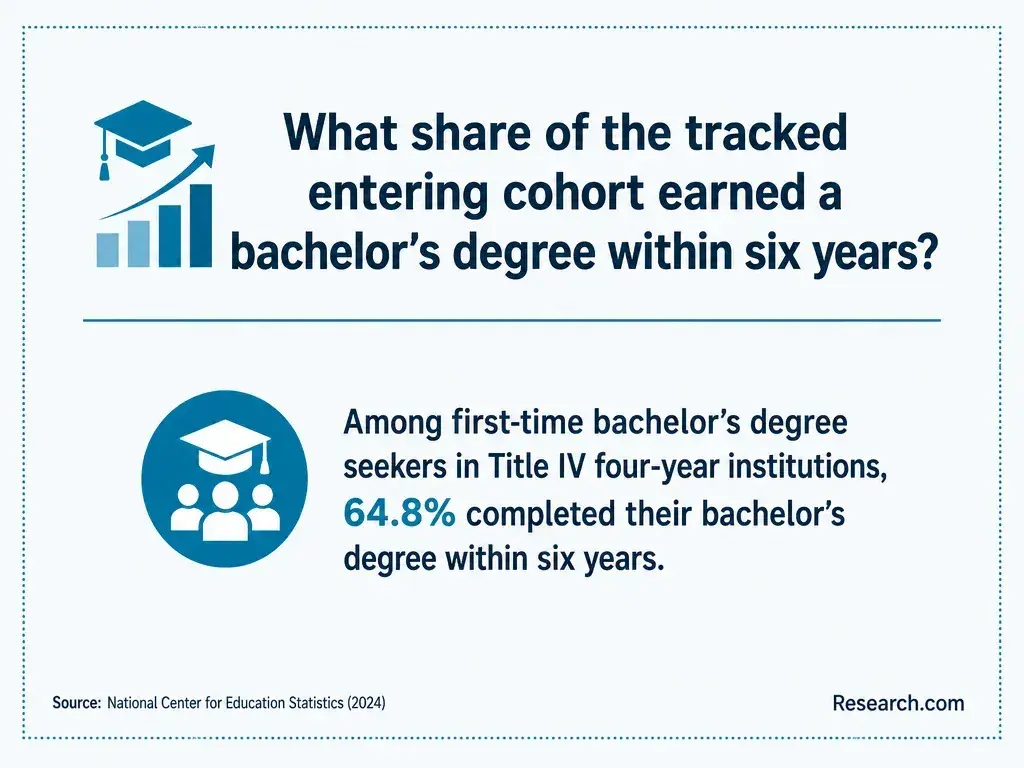
A traditional public health bachelor's degree commonly takes about four years of full-time study, but transfer credits, course sequencing, enrollment pace, and fieldwork can change the time remaining. There is no reliable single price for a public health BS: compare each school's published tuition and mandatory fees, then account for travel to a placement, books, and any earnings lost to unpaid field hours.
For this particular goal, the useful financial comparison is cost and time until you can perform the work you want. If you want to become a CHW soon, compare employer or community-college training with the remaining cost of a BS. If you want to support program design and evaluation over time, a degree may have broader value - but ask employers whether they require it for those duties.
When comparing lower-tuition undergraduate public health pathways, verify the cost for your residency and enrollment status and whether an approved community placement is feasible where you live. A lower advertised tuition figure may not mean a lower total cost to finish.
With relevant CHW training and experience, you may be competitive for frontline CHW or outreach roles and for some program assistant positions. A BS can also support applications for health education or training-coordination work, but those jobs may call for facilitation experience, a particular credential, or a record of managing activities - not just degree completion.
For a training-support application, show evidence matched to the posting: a plain-language resource you helped develop, a supervised lesson you assisted with, feedback you used to revise materials, or a documented role coordinating outreach. Obtain permission and remove client or organizational information before sharing work samples. Do not describe observation as independent instruction or claim responsibility for outcomes you did not measure.
Research-intensive roles follow a different progression. Epidemiology doctorate aid and affordability comparisons are relevant only if your later goal becomes advanced research; doctoral study is not an entry requirement for CHW training support.
What Are Community Health Worker Salaries and Job Outlook?
The BLS Occupational Outlook Handbook reports a 2024 median annual wage of $51,030 for community health workers and projects 11% employment growth from 2024 to 2034. The median describes the occupation nationwide - not the starting wage in your area, the pay for CHW trainers, or an expected return from a public health BS.
For a better personal estimate, compare local postings by duties, required certification, schedule, and employer type. Then compare the wages of roles you could seek now with those requiring a bachelor's degree and training experience. If you later consider graduate study for a different role, public health master's cost and completion planning belongs in that separate return-on-investment calculation, not in an assumed CHW salary premium.
Other Things You Should Know About Public Health
Not universally. Some employers require a language used by the communities they serve; others do not. Check the posting, and never claim professional interpreting ability based only on conversational fluency.
Yes, employers may value relevant community knowledge and experience navigating services. Describe what you can do and how you work with others without feeling obliged to disclose private health information.
They may be, depending on the employer, setting, and applicable rules. Ask when screening occurs and whether a particular finding affects eligibility rather than assuming every organization has the same policy.
Use only work you are authorized to share. Remove identifying details, follow site policies, and ask a supervisor before including materials drawn from real client encounters; a fictionalized example may be safer.
- Core Competencies for Community Health Workers | mass.gov https://www.mass.gov/info-details/core-competencies-for-community-health-workers
- Community Health Worker (CHW) State Certification | utah.gov https://healthequity.utah.gov/chw-state-certification/
- CHW Core Competencies | Texas DSHS https://www.dshs.texas.gov/community-health-worker/chw-core-competencies
- Recommendations - NCBI - NIH https://www.ncbi.nlm.nih.gov/books/NBK533336/
- Community Health Worker Certification | Maryland.gov Enterprise Agency Template https://health.maryland.gov/pophealth/Community-Health-Workers/pages/certification-based-on-the-completion-of-an-accredited-chw-training-program.aspx
- Developing the public health workforce through community-based fieldwork - PubMed https://pubmed.ncbi.nlm.nih.gov/34551685/
- Community Health Worker Training Program | Washington State Department of Health https://doh.wa.gov/you-and-your-family/community-health-worker-program/community-health-worker-training-program
- A Review of Community Health Worker Integration in... - PMC https://pmc.ncbi.nlm.nih.gov/articles/PMC10924716/
- Public Health bachelor's degree guide | Undergraduate Admission https://www.k-state.edu/academics/majors-programs/public-health-degree/