2027 Choosing Public Health BS Coursework for Sexual Health Education Organizations

Co-Founder and Chief Data Scientist
A public health BS can prepare you to help a sexual health education organization design lessons, engage communities, and evaluate programs, but only if its coursework matches the work. A degree with broad health content and little practice in communication or program planning may leave important gaps.
This guide is for prospective and early-career undergraduates comparing curricula. It shows which courses and supervised experiences matter most, how to assess costs and credentials, and when a more focused education or experience pathway may be the better choice.
Key Things You Should Know
- Prioritize health communication, sexual and reproductive health, program planning, evaluation, and supervised community work over a degree title alone.
- A public health BS commonly requires about 120 semester credits, but transfer decisions, course sequencing, and fieldwork can change the time and cost of completion.
- The BS can support entry-level education and program roles; it does not itself confer clinical licensure, professional certification, or authority to practice independently.
What Is a Public Health BS for Sexual Health Education Organizations?
A public health Bachelor of Science (BS) studies prevention and population health. For sexual health education organizations, its value lies in applying evidence to education, outreach, and program decisions, not in providing clinical care.
Graduates might help develop age-appropriate materials, coordinate workshops, connect participants with services, or collect feedback under supervision.
No single degree title guarantees this preparation. A BS in public health may offer relevant electives and fieldwork, while a health education or community health major may provide more instructional practice.
Compare the actual course catalog and placement options. A guide to online public health bachelor's curriculum and formats can help you identify the features to check, but confirm them with each school.
What Coursework Should a Public Health BS Include for Sexual Health Education?
The strongest course plan connects accurate health content with the ability to teach it respectfully and assess whether a program works. Course names vary, so examine learning outcomes, assignments, prerequisites, and whether relevant electives are offered often enough to take before graduation.
Use the following priorities to compare curricula, especially when you cannot fit every elective into your degree plan.
- Health communication and education: Practice writing accessible materials, facilitating discussions, checking comprehension, and adapting messages without stigmatizing participants.
- Sexual and reproductive health: Look for evidence-based coverage of STI prevention, contraception, consent, and access to care, with attention to the populations and settings you hope to serve.
- Social and behavioral sciences: Study how relationships, institutions, culture, and structural barriers affect access to information and services.
- Program planning and evaluation: Learn to define a target audience with community input, build a logic model, select appropriate indicators, and interpret feedback without overstating impact.
- Epidemiology and statistics: Gain enough data literacy to read surveillance reports, identify limitations, and present findings responsibly; advanced modeling is usually unnecessary for an entry-level educator.
- Policy and ethics: Examine confidentiality, referral boundaries, accessibility, and the laws or organizational rules governing education in your intended setting.
Ideally, take introductory public health and statistics before planning and evaluation, then use a supervised project to produce a lesson plan, needs assessment, or evaluation tool. Check who approves the site and what participant information you may use.
If you later want a technical research role rather than education delivery, working-professional pathways into biostatistics study illustrate a substantially different level of methods preparation.
How Does Accreditation Affect Public Health BS Program Quality?
First, confirm that the university holds recognized institutional accreditation; this matters for degree recognition and can affect federal financial-aid eligibility. Then check any claim of accreditation by the Council on Education for Public Health (CEPH).
CEPH accredits specific schools, units, or programs, so ask whether the particular undergraduate degree is within the accredited scope. Institutional accreditation alone does not establish that it is.
Accreditation is a starting point, not evidence that a sexual health elective, community partner, or internship will be available to you. Request a current degree map and examples of approved placements.
The distinction also matters if you later compare CEPH-accredited distance learning MPH options: verify the scope of each graduate program independently rather than assuming it follows from your undergraduate school's status.
With relevant projects or community experience, a graduate may be competitive for education assistant, outreach coordinator, program assistant, or health education specialist positions, depending on the employer.
Tasks can include preparing materials, scheduling sessions, maintaining referral resources, collecting approved program data, and reporting to a supervisor. Job titles alone are unreliable: compare postings by duties and required experience.
Community health worker roles may emphasize relationship-building and navigation more than curriculum design. Research-intensive evaluation, clinical counseling, diagnosis, and treatment require different preparation or authorization.
If you already hold a bachelor's degree and need leadership or specialized policy training, compare the BS with a relevant master's pathway using a public health master's specialization and earnings guide; another undergraduate degree may not be the most direct route.
Choose the format that lets you complete both coursework and credible local practice. Online classes can reduce commuting, but live sessions, group work, examinations, and daytime placements may still impose fixed schedules. Campus study may make faculty collaboration or nearby partner placements easier, but availability varies by school.
Ask who finds and approves a placement, whether it can be completed near your home, and whether remote education work meets the program's requirements. If speed matters, compare accelerated online coursework for public health undergraduates against your ability to take sequenced classes and complete fieldwork; shorter terms do not automatically shorten the full degree.
Requirements depend on whether you are entering as a first-year student or transferring. Confirm admission to the university separately from admission to the public health major; some schools require prerequisite courses or a later major application. Applicants should ask which mathematics, science, and general-education courses are required before upper-division work.
Transfer students should request a written degree audit showing not just credits accepted, but which requirements they satisfy and what remains. Ask about statistics equivalencies, course sequencing, residency credits, and placement eligibility before estimating a graduation date.
A modest undergraduate GPA does not by itself settle your future options; if graduate study later becomes relevant, guidance on strengthening a lower-GPA public health master's application addresses that separate admissions decision.
A four-year BS commonly comprises about 120 semester credits for a full-degree student. Your remaining time depends on accepted credits and whether they fulfill major requirements, how often required courses run, and when fieldwork is available. Ask for a term-by-term plan before relying on an advertised completion time.
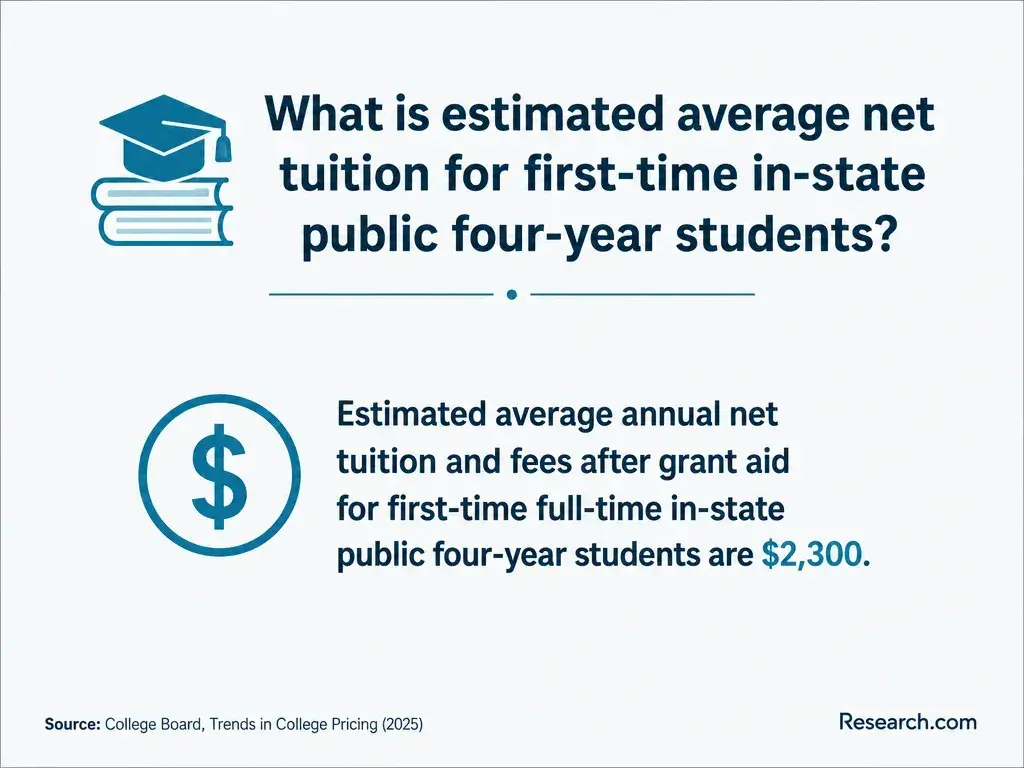
To compare costs, obtain each school's tuition rate and mandatory fees, then account for the credits you must actually take there. Add books, technology, travel, and any unpaid placement hours.
Compare net cost after aid rather than sticker tuition alone. Public health undergraduate program affordability is a useful starting point, but the school's individualized aid offer and degree audit should control your estimate.
The Certified Health Education Specialist (CHES) credential may be relevant to health education roles, but a public health BS does not automatically make a graduate eligible.
Check the current National Commission for Health Education Credentialing eligibility rules, including how your transcript documents required health education coursework. The Master Certified Health Education Specialist (MCHES) credential is not a substitute for entry-level preparation.
Employers may also value training tailored to their setting, such as facilitation, confidentiality, or referral procedures. Ask whether a posting requires a credential, merely prefers it, or provides training after hire.
Graduate study is a separate choice. Public health graduate prerequisite completion options concern master's admission, not CHES eligibility or permission to provide clinical services.
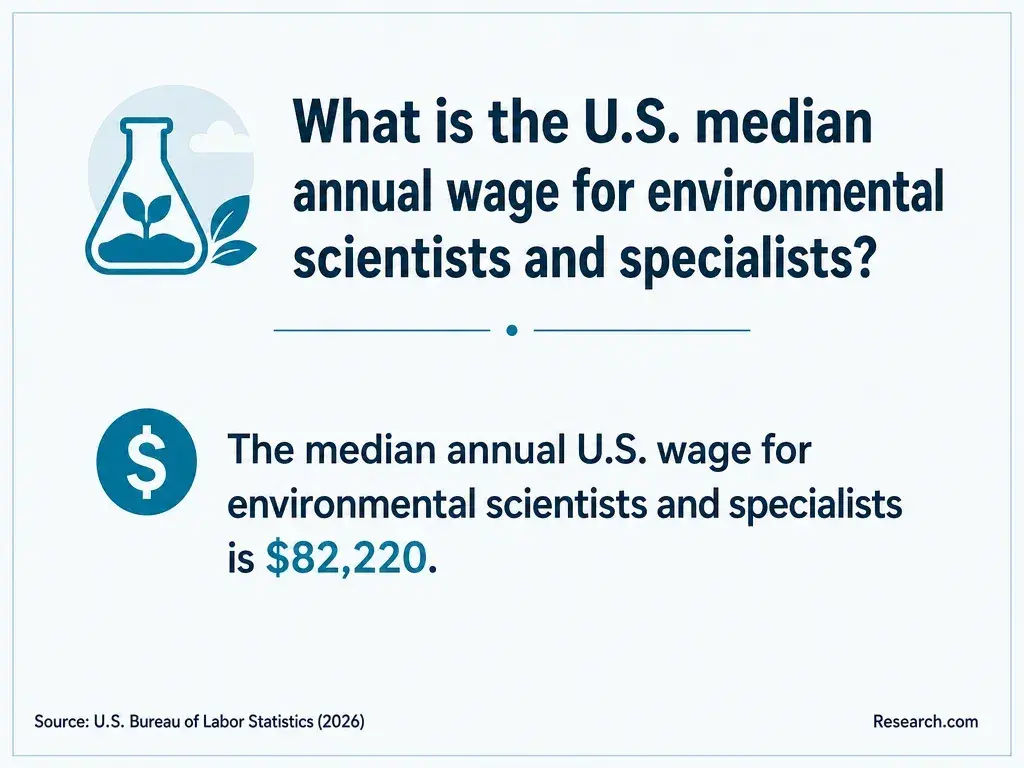
The U.S. Bureau of Labor Statistics reports wages and projected employment by occupation, not by public health degree or sexual health specialty. Its health education specialist and community health worker profiles are useful comparisons, but their occupational medians include workers across employers, experience levels, and educational backgrounds.
Neither figure is an entry-level salary offer. For a realistic estimate, compare current local postings with the duties and qualifications you will have at graduation.
Similarly, occupation-wide growth does not predict hiring at a particular nonprofit, where grant funding and local budgets can shape openings. Avoid treating advanced research careers as the default progression from education work.
Someone considering that separate path should weigh its additional training and funding needs, including epidemiology doctorate scholarships and grants, against the work they actually want to do.
How Can You Choose the Best Public Health BS Program?
The best fit is the affordable program that lets you build and demonstrate the skills your target organizations request. Compare degree maps against local job postings, then ask faculty and placement staff for evidence that the relevant courses and supervised opportunities will be available during your enrollment.
Before accepting an offer, work through these checks in order:
- Identify two or three target roles and mark the recurring education, communication, data, and community-engagement tasks in their postings.
- Match those tasks to required courses, available electives, assignments, and an approved placement, not just catalog descriptions.
- Obtain a written transfer evaluation, a realistic course sequence, and an individualized estimate of total remaining cost.
- Confirm institutional accreditation, any claimed CEPH scope, placement support, and the current rules for any credential you intend to pursue.
If you already have a bachelor's degree and mainly need advanced program leadership skills, compare targeted experience or a master's degree before committing to a second BS. Include total cost in that comparison; online MPH affordability rankings are a starting point, not a substitute for checking prerequisites, curriculum fit, and your own aid offer.
Other Things You Should Know About Public Health Programs
Not necessarily. Public-school teaching roles may require state educator licensure, and curriculum rules vary by state and district. Check the specific job posting and state education agency requirements.
The organization and its partners set approval procedures within applicable law and funding requirements. Educators should also seek relevant community input, use reliable evidence, and follow the site's review process.
An educator can provide information within their training and organizational policy, but should not diagnose or prescribe without the appropriate license. Prepare a referral process for questions that need individualized clinical care.
Usually only if school and partner rules allow it. Remove identifying information, obtain permission where required, and describe your own contribution without presenting a proposed tool as a validated program result.
- Review of MPH practicum requirements in accredited schools of public health - PubMed https://pubmed.ncbi.nlm.nih.gov/23334673/
- Competencies for Public Health Professionals | cdc.gov https://www.cdc.gov/infrastructure/training-professional-development/competencies-for-public-health-professionals.html
- Guiding Principles for Sexual Health Education for Young People: A Guide for Community-Based Organizations | ny.gov https://www.health.ny.gov/publications/0206/
- Comprehensive sexuality education | who.int https://www.who.int/news-room/fact-sheets/detail/comprehensive-sexuality-education
- Internships in Global Health | princeton.edu https://globalhealth.princeton.edu/internships
- Human & Community Service Career Field | umn.edu https://cla.umn.edu/undergraduate-students/career-services/exploring-careers/options-career-field/human-community-service-career-field
- Sexuality, Sexual and Reproductive Health Certificate | Columbia University Mailman School of Public Health https://www.publichealth.columbia.edu/academics/degrees/master-public-health/certificates/sexuality-sexual-reproductive-health
- the-importance-of-ceph-accreditation-for-public-health-degrees | Walden University https://www.waldenu.edu/online-masters-programs/master-of-public-health/resource/the-importance-of-ceph-accreditation-for-public-health-degrees
- General Community Outreach & Services - Field Study https://fieldstudy.soceco.uci.edu/pages/traditional-field-study-catalog-general-community-outreach-services
- Sexual and Reproductive Health Degree - IU Academic Bulletins https://bulletins.iu.edu/iub/phb/2025-2026/undergraduate/degree-programs/bsph-sexual-and-reproductive-health.shtml