2027 Evaluating a Refugee Health Orientation Partnership: A DrPH Applied Project Planning Guide

Co-Founder and Chief Data Scientist
A refugee health orientation project can look promising on paper but fail as a DrPH applied project if community partners lack decision-making authority, the evaluation cannot access appropriate data, or the proposed work does not fit the degree's requirements.
This guide is for experienced public health practitioners considering a partnership with a resettlement agency, health department, clinic, or community organization. It explains how to scope an orientation improvement project, assess its evidence and ethics, and choose a doctoral program and partner that can support the work.
Key Things You Should Know
- Build the project around a decision the partner can make, such as whether to revise orientation content, referral procedures, or follow-up—not an unapproved assumption that current services are ineffective.
- Confirm three distinct forms of permission: academic project approval, partner authorization, and any required data-use or ethics review. A willing host does not automatically provide access to client records.
- Measure delivery and usefulness separately. Attendance or completed referrals can describe program processes, but neither alone establishes improved healthcare access or health outcomes.
What Is a Refugee Health Orientation Partnership in a DrPH Applied Project?
A refugee health orientation partnership is a practice-focused collaboration to help people who have arrived through refugee pathways understand and navigate relevant health services. Depending on what participants and partners identify as useful, orientation might address how to arrange an appointment, request an interpreter, understand a referral, or find local services. It should not assume that everyone has the same needs, language preferences, coverage, or experience with healthcare.
In a DrPH applied project, the student's contribution is usually leadership of a feasible organizational improvement or evaluation—not simply writing a handout. For example, a student and community advisory group might examine how orientation information is selected, delivered, and updated, then propose a revised workflow and a plan to assess its implementation. The partner retains authority over its services, while faculty assess the student's academic work.
A DrPH makes sense when the practitioner needs to lead cross-organization change and evaluate implementation. A staff member who primarily needs foundational program-planning skills may be better served by an MPH, employer-supported training, or supervised project work; someone exploring that route can check the guidelines on conditional public health master's eligibility rather than assuming a doctorate is the next step.
How Does a DrPH Applied Project Meet CEPH Accreditation Requirements?
CEPH accreditation establishes standards for accredited public health schools and programs, including expectations for practice-oriented doctoral education. It does not approve an individual student's refugee health project. The school determines which applied practice experiences, integrative work, competencies, supervision arrangements, and final products satisfy its DrPH curriculum. Ask for the requirements that apply to your entry term before promising a partner that a proposed activity will count.
Map the proposed work to the program's stated competencies and assessment criteria: leadership of a partnership, use of evidence, ethical decision-making, implementation planning, and communication of recommendations may all be relevant. Then distinguish a site supervisor's confirmation of the work from a faculty member's assessment of doctoral-level performance. An MPH practicum or capstone should not be treated as interchangeable with a DrPH requirement.
Check the accreditor's directory and the school's documentation for the exact accredited unit and degree scope. A list of CEPH-accredited graduate public health programs can help orient a search, but an MPH listing alone does not establish that a particular DrPH is covered.
What Are the Core Components of a Refugee Health Orientation Project Plan?
Begin with a bounded practice decision: for a specified site and service period, what would the partner change if the project showed that orientation materials were hard to use, referral steps were unclear, or follow-up responsibilities were inconsistent? A proposed improvement is not evidence that any of those problems currently exist. Establish the baseline with records the partner can lawfully share, staff workflow descriptions, and community input obtained through an approved process.
The plan should make ownership and feasibility visible before data collection begins. These components form a useful project-planning sequence:
- Define the audience and decision. Identify which orientation service is in scope, who uses it, and which partner has authority to change it.
- Agree on governance. Specify how people with relevant lived experience will shape priorities, language choices, interpretation, and the meaning of findings; address compensation where feasible.
- Document the current process. Map how participants receive information, obtain language support, and move from orientation to a service or referral.
- Select an improvement approach. Decide whether the work is a needs assessment, process evaluation, implementation project, or another approved activity; do not label it research merely because it collects information.
- Choose proportionate measures. Define eligible participants and denominators, data sources, collection periods, and how missing records or small groups will limit interpretation.
- Secure approvals and resources. Confirm supervision, staff time, interpretation, accessibility, data permissions, storage, and any institutional or partner ethics review before beginning.
- Specify the output. Agree on a usable product, such as a revised workflow, orientation prototype, evaluation brief, or implementation plan, plus who may retain or share it.
Keep process measures distinct from participant outcomes. This comparison helps prevent a project report from claiming more than its evidence supports:
| Evidence | What it can help answer | Important limit |
| Orientation delivery records | Was the planned service offered and documented? | Delivery does not show comprehension. |
| Voluntary participant feedback | Was the information understandable and useful to respondents? | Respondents may not represent everyone served. |
| Referral follow-up records | Was a documented next step completed? | Completion alone does not establish a health benefit or explain barriers. |
If the intended product is primarily an original study of health outcomes rather than an organizational decision tool, discuss whether research-focused training and scholarship options for epidemiology doctoral students fit that aim better. Funding and supervision for a research doctorate should not be assumed to transfer to a DrPH project.
Look for a sequence that helps the student make and defend a real partner decision. Relevant coursework typically includes program evaluation, implementation or quality improvement, community-engaged practice, health systems, organizational leadership, and qualitative or mixed-methods inquiry. Budgeting and health policy matter when the proposed change depends on staffing, contracts, or eligibility rules. A course title alone does not show that students practice these skills with external partners.
For this project, method preparation should cover sampling, accessible feedback collection, missing data, and cautious interpretation of small or selective groups. Leadership preparation should address shared decisions across agencies—not just managing a team. Ask to see syllabi, the expected sequence before project approval, and examples of permitted deliverables with confidential details removed.
Partners may need a different level of formal education than the doctoral student. If an organization is planning staff development alongside the project, it can separately examine comparing public health master's recommendation requirements; those admission rules do not determine whether staff can contribute valuable practice expertise.
The essential skill is translating community-defined priorities into a service the partner can deliver and improve. That requires listening across language and power differences, writing usable health information, working with qualified interpreters, understanding local referral systems, and designing evaluation measures that do not burden participants without a clear purpose.
DrPH-level responsibility adds negotiation and governance: defining who decides what, resolving differences between agency workflows and participant preferences, budgeting for language access, and reporting limitations honestly. Clinical advice, diagnosis, and interpretation of individual medical records belong to appropriately authorized professionals; a public health doctorate does not grant clinical licensure.
A strong team need not hold identical credentials. A community navigator may contribute service knowledge, an evaluator may test measures, and a clinical partner may review medically sensitive content. For a prospective team member considering additional study, public health master's admissions with a low GPA is a separate question from whether their current experience makes them an effective collaborator.
Either format can support a local partnership if the program permits the proposed site, provides engaged faculty supervision, and has a workable approval process. An online DrPH may let an employed practitioner remain near a community partner; it may also require live meetings, residencies, group work, and field activities during business hours. Campus access can make in-person advising easier without solving a distant partner's scheduling or data-governance problems.
Ask each program who helps secure sites, how remote site supervisors are approved, when students may begin partner work, and what happens if approval is delayed. Compare the weekly calendar—not the word "online"—against the partner's meeting times, interpreter availability, employment obligations, and any travel requirements.
If the immediate need is to build a broader public health foundation before leading a doctoral project, online MPH admission options for varied backgrounds may be worth comparing. Admission accessibility, however, says nothing by itself about a program's capacity to support this specific partnership.
There is no universal admissions category called a "refugee health DrPH project." Schools set their own degree, experience, test, writing, and application requirements. Relevant work may include leadership in resettlement services, community health, language access, government programs, clinical-system partnerships, or evaluation—but applicants should document decisions made and changes led, not rely on a job title alone.
A credible project proposal can strengthen an application when it shows a bounded problem, a plausible partner role, and awareness of approvals. It should not claim a confirmed site, accessible client data, or community endorsement without authorization. Ask admissions and the DrPH director whether the program requires prior public health coursework, how it defines qualifying practice experience, and when a student needs a formal site agreement.
Online public health doctoral admission options can help identify programs to investigate, but published admissions summaries cannot replace the current program handbook.
Project time depends on coursework and advancement milestones, partner approval, community engagement, data permissions, implementation cycles, and revisions. Do not schedule participant activities before the school and partner have confirmed what is allowed. A delay in an agreement or ethics determination can matter more than the time needed to draft an orientation tool.
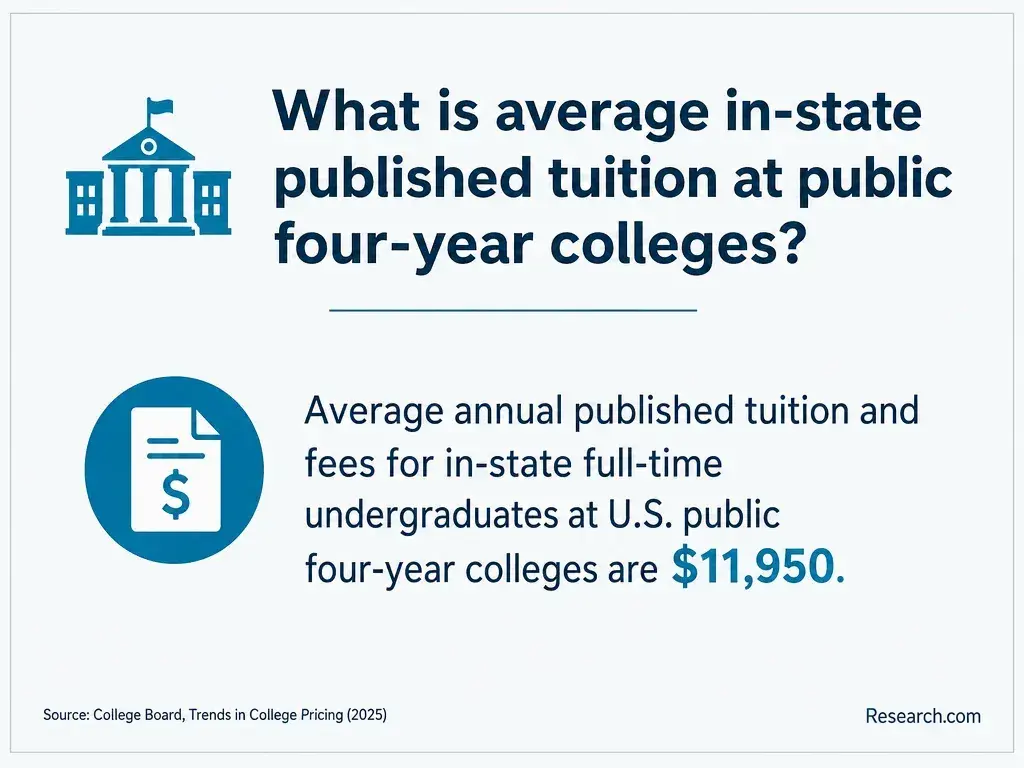
For a realistic budget, request the program's current tuition and fee schedule, minimum enrollment rules, residency costs, and any charges that continue while a project is being completed. Separately estimate travel, interpretation, translation review, participant compensation where appropriate, secure data handling, and work time the partner can actually provide.
The cheapest advertised tuition may not produce the lowest feasible project cost; public health doctorate value and affordability should be judged against the full path to completion, not a headline price.
For an experienced practitioner, a well-executed project can demonstrate readiness for responsibilities such as leading a community health program, coordinating cross-agency services, directing evaluation, or improving health-system access. Employers will still assess prior leadership, budget responsibility, subject-matter knowledge, and the requirements of a specific position. A project does not guarantee promotion or qualify its author to provide regulated clinical care.
Describe the work in career materials through verifiable contributions: the decision addressed, stakeholders' roles, methods approved, deliverables completed, and limitations identified. Do not present a proposed evaluation as a measured improvement in access. If the target role is primarily program coordination rather than doctoral-level organizational leadership, compare the total DrPH commitment with supervised experience or a funded master's route; public health graduate tuition after institutional funding may change that comparison.
How Should Students Evaluate DrPH Programs and Community Health Partners?
Evaluate the program and partner together. An academically attractive DrPH is a poor fit if it cannot approve the site or support the intended methods; an enthusiastic partner cannot waive doctoral requirements. Before committing, seek written answers from both sides to these questions:
- Program: Which DrPH competencies and final products must the project demonstrate, and who approves changes in scope?
- Partner: What decision would the project inform, who can authorize a change, and how will participants help govern the work?
- Supervision: Who provides academic guidance, who supervises practice, and when can each review drafts?
- Data and ethics: What information is available, who controls it, what permissions are needed, and what can be reported publicly?
- Feasibility: Who supplies staff time, interpretation, meeting access, and a fallback plan if recruitment or data access changes?
Prefer a smaller decision the partner can act on over an ambitious evaluation with uncertain authority or access. If the organization mainly needs someone trained to deliver and monitor an existing service, a lower-cost online MPH program or targeted staff development may be more proportionate than sponsoring a DrPH project. Confirm any school's current costs and site rules before choosing that alternative.
Other Things You Should Know About Public Health
Budget for compensation when possible, and agree on its form with the partner. Participation costs, agency policies, and any restrictions attached to project funding need to be resolved before invitations go out.
Not automatically. Language proficiency alone does not establish interpreting competence, confidentiality preparation, or suitability for sensitive health information. Follow the partner's language-access policy and applicable requirements.
Stop activities that depend on its authorization. Contact the faculty advisor to determine whether an approved change of site, a narrower deliverable, or a revised timeline is possible; do not take partner data to a replacement site.
Only after checking school rules, partner agreements, data permissions, and any applicable review requirements. A portfolio version may need aggregated information, redacted materials, or a description of the method rather than the partner's confidential work product.
- Process- and outcome evaluation of an orientation... - PMC https://pmc.ncbi.nlm.nih.gov/articles/PMC7482761/
- Elements of an Evaluation Plan | Agency for Healthcare Research and Quality https://www.ahrq.gov/talkingquality/assess/evaluation-plan.html
- Refugee and migrant health | who.int https://www.who.int/news-room/fact-sheets/detail/refugee-and-migrant-health
- Guidance & Tools | Health Literacy https://www.cdc.gov/health-literacy/php/develop-materials/guidance-standards.html
- The Role of Refugee Health Coordinators | The Administration for Children and Families https://acf.gov/orr/policy-guidance/refugees/policy-instructions/pl-16-05
- Section 5. Developing an Evaluation Plan - Community Tool Box https://ctb.ku.edu/en/table-of-contents/evaluate/evaluation/evaluation-plan/main
- Orientation programmes and processes | UNHCR Integration Handbook https://www.unhcr.org/handbooks/ih/placement-reception-orientation/orientation-programmes-and-processes
- Georgetown University's Refugee Health Navigator Program | higheredimmigrationportal.org https://www.higheredimmigrationportal.org/effective_practice/the-refugee-health-navigator-program/