2027 MPH vs MPA for a Local Health Department Career

Co-Founder and Chief Data Scientist
A local health department needs people who can interpret health data, work with communities, manage grants, and keep public services operating. An MPH and an MPA prepare you for different parts of that work. If you are entering local government or considering a degree to advance within it, the better choice depends on the job's responsibilities - not the agency's name.
This guide compares the degrees against actual department functions, explains where experience matters more than another credential, and gives you a way to evaluate programs and job postings before you enroll.
Key Things You Should Know
- Choose an MPH when your target work centers on population health, epidemiology, health education, prevention programs, or evaluating health outcomes.
- Choose an MPA when your target work centers on government budgets, grants, procurement, personnel, operations, or public-sector management.
- Check job classifications first: neither degree guarantees eligibility or promotion, and an occupation-wide salary figure is not a salary forecast for either degree.
Is an MPH or MPA better for a local health department career?
An MPH is usually the closer fit for public health practice; an MPA is often the closer fit for administering a government agency. An MPH is a professional degree focused on protecting population health. An MPA focuses on managing public organizations and carrying out public policy. Both can be useful in a health department, but they solve different problems.
The choice becomes clearer when you compare the work you want to do rather than the degrees' names.
| Target responsibility | More direct preparation | What to verify |
| Interpret surveillance data or evaluate a prevention program | MPH, especially with relevant methods training | Required epidemiology and analysis coursework; access to applied projects |
| Manage budgets, contracts, staffing, or agency operations | MPA, especially with public finance and management coursework | Government-focused courses and opportunities to work with health agencies |
| Lead a community health initiative with grant and reporting duties | Either, depending on whether health practice or administration is the larger skill gap | Electives, fieldwork, and the employer's stated qualifications |
If you already manage municipal programs but need stronger epidemiology and evaluation skills, an MPH may add more than another management degree. If you have public health practice experience but lack budget and supervisory preparation, an MPA may offer the better complement. For a broader explanation of public health master's degree types explained, compare their intended training before assuming another health-related degree serves the same purpose.
What jobs can you get with an MPH or MPA in local government?
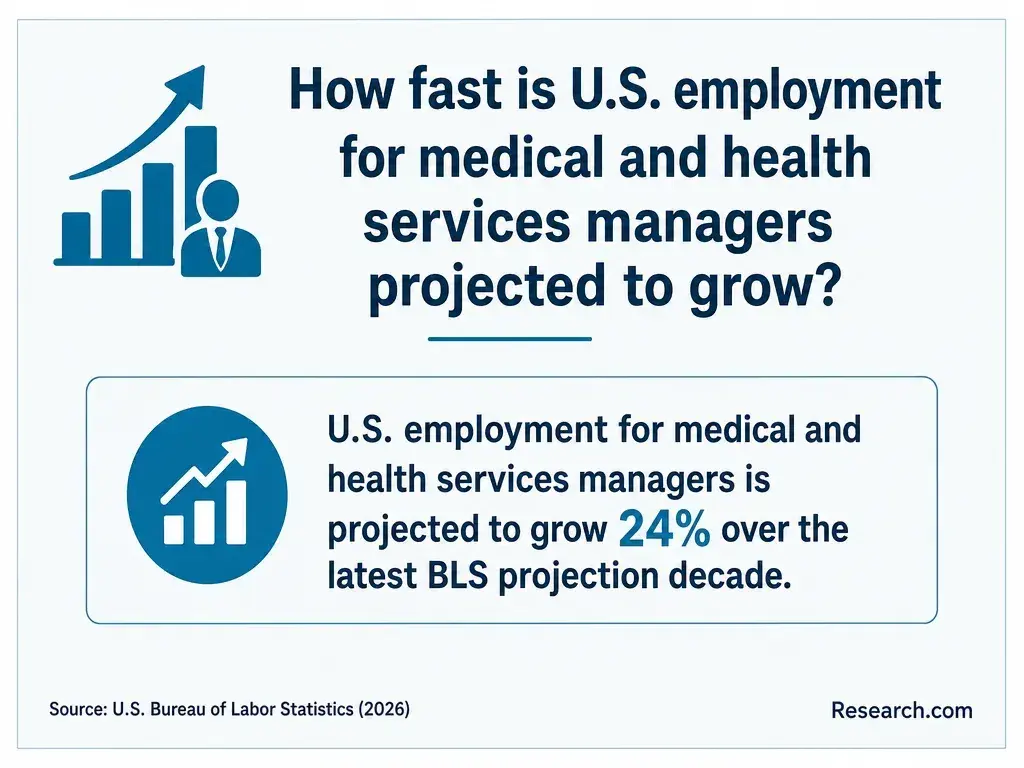
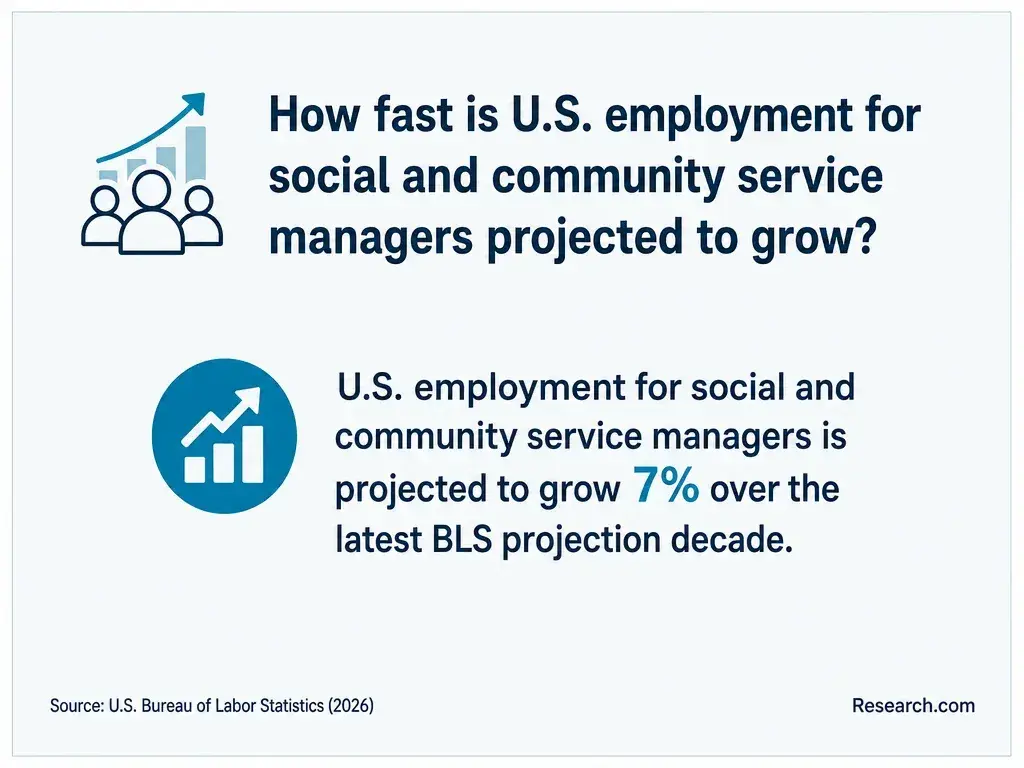
Local health departments employ staff in program delivery, data, community partnerships, and administration. Titles vary by jurisdiction, so compare duties rather than relying on "coordinator," "analyst," or "manager" alone. An MPH may support applications for health education specialist, program evaluator, epidemiology, or preparedness roles when its coursework and experience match the posting. An MPA may be especially relevant to grants administration, operations, policy coordination, and budget roles.
An MPH does not by itself qualify someone to be an epidemiologist, and an MPA does not make a new graduate ready to direct a department. Technical roles can require specific analytical skills; leadership roles commonly require substantial experience and authority. For an entry route, look for program assistant, outreach, grant support, or junior analyst positions that let you demonstrate skills under supervision. When comparing public health degree timelines and salary considerations, keep the occupation and experience level tied to your actual target job.
What degree requirements do local health department jobs have?
There is no single degree requirement across local health departments. A posting may accept a bachelor's degree and relevant experience, specify a master's in public health or a related field, require particular coursework, or allow equivalent combinations of education and experience. Civil-service classifications can be narrower than an agency's preferred qualifications.
Read the official classification and current vacancy announcement separately. Note which qualifications are mandatory, which are preferred, whether an MPA counts as a related degree, and whether experience can substitute for education. Someone targeting environmental health should also check state-specific qualifications rather than assuming a general MPH covers them. A doctorate is not a routine substitute for a missing job requirement; cost-conscious public health PhD planning addresses a different, research-oriented decision.
An MPH commonly covers epidemiology, biostatistics, population-health determinants, policy, and program planning or evaluation. An MPA commonly emphasizes public budgeting, organizational management, policy implementation, personnel, and administrative accountability. Neither description guarantees that a particular graduate can run an advanced analysis or manage a government contract; course depth and applied work matter.
Use the job's recurring tasks to inspect syllabi and project opportunities. For example, a surveillance analyst needs more than a general data-literacy course, while a grants manager needs practice with budgets, reporting, and public-sector rules. If the gap is specifically quantitative, compare electives with online biostatistics graduate programs or targeted methods courses rather than assuming a second generalist degree is necessary.
Yes, if the format lets you build relevant experience. Online coursework can suit a government employee who cannot relocate, but it may still involve scheduled classes, group work, campus visits, or fieldwork during business hours. Ask whether the program helps students arrange local placements and whether work at your current department can count toward an approved applied experience; employment alone does not establish approval.
For either degree, find out who supervises fieldwork, what deliverables are required, and whether the school has relationships with public agencies near you. An online degree aimed at research rather than local practice may involve different funding and supervision decisions; online epidemiology doctoral funding options, for example, are not a substitute for checking an MPH or MPA program's local practice opportunities.
Both generally require an eligible undergraduate degree, but each school sets its own GPA, prerequisite, application, and documentation rules. An MPH may ask for quantitative preparation or recommend relevant health or community experience. An MPA may value public-service and management experience. An unrelated undergraduate major does not automatically rule out either path.
Compare admissions rules with the skills you need after graduation. If your background is in finance, communications, or community organizing, document that experience and address any gaps in statistics or public health knowledge. Ask programs whether recommendations can come from supervisors and whether they use a centralized application system. Requirements vary; comparing public health master's recommendation requirements can help frame that question, but the program's current instructions control.
Completion time depends on required credits, course availability, enrollment pace, and any practicum or capstone. Neither degree is inherently the faster or cheaper choice. For an employee, the relevant cost includes tuition and fees, travel or placement expenses, and income lost if fieldwork or classes reduce paid hours.
Request a term-by-term plan and a written cost estimate for the pace you can maintain. Then subtract only employer assistance or aid you have confirmed you qualify for; check service obligations and reimbursement timing before relying on employer support. Online public health graduate scholarships and costs offer another comparison point, but an award listed for one program should not be assumed available for another.
Most general public health and administrative positions do not have a universal license attached to the MPH or MPA. Specific duties may be different: a nursing position requires the applicable nursing license, and environmental health or other regulated work can have state-defined qualifications. Employers may prefer credentials such as Certified in Public Health (CPH) or health education credentials for relevant roles, but preference is not the same as a legal requirement.
Check the posting and the responsible state board or certifying organization for eligibility and renewal rules. Neither degree automatically awards a professional certification or clinical license. The same distinction applies to further study: reviewing public health doctoral degree choices is an academic and career decision, not a way to bypass role-specific licensing.
There is no meaningful single salary for "an MPH graduate" or "an MPA graduate" in a local health department. Pay depends on the jurisdiction's salary schedule, job classification, location, experience, and supervisory responsibility. For a prospective epidemiologist or health education specialist, the U.S. Bureau of Labor Statistics Occupational Outlook Handbook can provide occupation-wide wages and projections; those figures include employers beyond local health departments and do not predict a graduate's offer.
For a financial decision, compare the posted pay range and promotion rules for jobs you could realistically obtain with the full cost of attendance. Also consider whether your employer rewards a specific degree or primarily rewards experience and demonstrated competencies. Public health graduate tuition and career value is most useful when tested against your own agency's classifications rather than treated as a promise of higher pay.
How can you choose an accredited MPH or MPA program?
Check the institution's recognized accreditation first. For an MPH, verify the Council on Education for Public Health (CEPH) listing and whether its scope includes the exact school, unit, or program and degree you are considering. For an MPA, check whether the specific program holds Network of Schools of Public Policy, Affairs, and Administration (NASPAA) accreditation if that distinction matters to you. Institutional, CEPH, and NASPAA accreditation are different claims.
Then compare the courses and applied opportunities with several real postings from your target departments. Ask where recent students completed fieldwork, who arranged it, how often required courses run, and what a working student must do in person. If you later consider a doctorate, comparing accessible public health doctoral programs is a separate exercise; ease of admission is not evidence of fit for local health department work. Choose the MPH or MPA that closes your documented skill gap at a cost and schedule you can sustain - or pursue targeted training if the postings do not call for another degree.
Other Things You Should Know About Public Health
Possibly. Get approval from the degree program and your employer before relying on it. Confirm supervision, learning objectives, access to information, and what you may share outside the agency.
No. Policy jobs can draw on public administration, law, economics, public health, and direct government experience. Compare the position's policy tasks and stated qualifications with your existing skills.
It can help if you have relevant experience and a narrow gap, such as evaluation or budgeting. It is less likely to replace a degree explicitly required by a civil-service classification.
Yes. Ask human resources how it interprets the classification and ask staff in your target unit which skills new hires actually use. That distinction can prevent you from choosing a degree that does not meet the role's requirements.
- Competencies for Public Health Professionals | cdc.gov https://www.cdc.gov/infrastructure/training-professional-development/competencies-for-public-health-professionals.html
- District Health Director | Team Georgia Careers https://careers.georgia.gov/district-health-director
- Competencies for Public Health Professionals https://odphp.health.gov/healthypeople/tools-action/browse-evidence-based-resources/competencies-public-health-professionals
- MHA or MPH? Salary, career path, and ROI | USC Price https://priceschool.usc.edu/price-blog/mha-or-mph-salary-career-path-and-roi/
- MPA vs. MPH - Which Degree Is The Best Fit? | Public Affairs Master's Degree Programs at Northeastern https://publicaffairs.northeastern.edu/articles/mpa-vs-mph/
- MPA vs. MPH: Which Degree Should You Choose? | National University https://www.nu.edu/blog/mpa-vs-mph-degree/
- Can I Use an MPA in Health Care? MHA vs. MPA for Careers in Health Policy - Cornell Brooks Public Policy https://www.publicpolicy.cornell.edu/masters-blog/can-i-use-an-mpa-in-health-care-mha-vs-mpa-for-careers-in-health-policy/
- MPH/MPA dual degree | missouri.edu https://healthsciences.missouri.edu/public-health/masters-degree-mph/mph-mpa-dual-degree/
- How to Choose the Right Master of Public Health Program for You | Fairfield University https://www.fairfield.edu/news/insights/nursing-health-studies/how-to-choose-the-right-public-health-mph-program-for-you.html
- Public Administration Jobs: Careers You Can Get With an MPA | SIU Carbondale https://onlinedegrees.siu.edu/programs/business/master-public-administration/mpa-careers/