2027 Evaluating an MPH Practicum in A Climate and Health Program

Co-Founder and Chief Data Scientist
A climate and health MPH practicum can turn coursework into useful work on heat, wildfire smoke, flooding, or other population-health risks. But a compelling topic does not make a placement educationally sound - or eligible for academic credit. For students comparing programs or proposing a field site, the decision is whether the work offers approved supervision, feasible deliverables, appropriate data access, and skills relevant to their goals.
This guide explains how to assess those conditions before committing time or money.
Key Things You Should Know
- Choose a placement for its approved responsibilities and usable work products, not just its climate-related mission; CEPH's MPH applied practice standard calls for at least two work products demonstrating at least five competencies.
- Confirm three separate permissions before starting: academic approval, a host-site supervision agreement, and authorization to access or use project data.
- Compare the full burden of fieldwork - including required hours, daytime availability, travel, and forgone earnings - because online coursework does not necessarily make a practicum remote or flexible.
What Is an MPH Practicum in a Climate and Health Program?
An MPH practicum, often called an applied practice experience, is supervised work in a public health setting. In a climate and health program, the student might help a health department improve heat-risk messaging or help a community organization assess access to cooling resources. The point is to apply population-health skills to a partner's actual decision, not merely observe meetings or write an academic paper about climate change.
Programs vary in whether climate and health is a named concentration, a set of electives, or a theme within environmental health. Those distinctions affect which competencies a placement must demonstrate. Students comparing specialization fit across public health master's degrees should check the official curriculum before assuming a climate-focused project satisfies concentration requirements.
What Practicum Requirements Should MPH Students Expect?
Expect a school-defined approval process covering the site, qualified supervision, learning objectives, hours or credit, and assessable work products. The academic coordinator decides whether proposed work meets degree requirements; a willing host cannot grant credit on its own. Requirements differ by program and entry term, so obtain the current practicum handbook rather than relying on another student's placement.
Before accepting a site, ask the coordinator and prospective supervisor:
- Which competencies must the project demonstrate, and what completed products will be assessed?
- Who will supervise the work, provide feedback, and sign required evaluations?
- What tasks can the student actually perform, rather than only observe?
- Which hours, deadlines, site agreements, and safety procedures must be approved before work begins?
A job or volunteer role may be eligible, but only if the program approves a sufficiently distinct, supervised learning assignment. Compare fieldwork policies alongside public health degree cost and duration comparisons: a short classroom schedule does not eliminate placement requirements.
How Does CEPH Accreditation Affect a Climate and Health MPH Practicum?
The Council on Education for Public Health (CEPH) accredits eligible public health schools and programs, not every degree at an institution automatically. Its MPH applied practice standard requires demonstrated competency through work products; students should verify the current criteria and the school's implementation. CEPH does not approve individual practicum sites for students - that decision belongs to the MPH program.
Check CEPH's accreditation listing for the exact school or program and confirm that the MPH degree is within its scope. Then ask how the school maps a climate project to foundational and any concentration-specific competencies. A sophisticated exposure model, for example, may still be a poor practicum fit if the student cannot show the practice competencies or produce work the partner can use. Accreditation scope matters separately for students later planning doctoral study in public health; it should not be inferred from the MPH's status.
Useful preparation depends on the assignment. Environmental health helps students distinguish hazards from exposures; epidemiology and biostatistics support careful interpretation of health patterns; program evaluation helps them define measures a partner can act on. Risk communication, policy, and community engagement matter when findings must be understandable and responsive to local priorities.
Match preparation to the proposed deliverable. A heat-vulnerability briefing may require basic geographic-data interpretation and an understanding of how missing data affect conclusions. A cooling-center outreach plan may call for interviews, accessible messaging, and an implementation measure rather than advanced modeling. Ask whether required methods courses occur before the practicum. Students arriving through compressed-term online public health BS pathways should also compare their completed methods training with the project's actual demands; faster prior coursework does not establish readiness for every technical task.
Delivery format determines how students take classes, not necessarily where or when they complete fieldwork. The comparison below highlights the placement conditions most likely to affect feasibility.
| Consideration | Online MPH | Campus MPH |
| Site access | A local or remote site may be possible if approved; students may need to develop their own leads. | Nearby institutional partners may be available, but placements are not necessarily assigned. |
| Schedule | Asynchronous classes can coexist with weekday site meetings and fixed deadlines. | Classes and site hours may compete for the same daytime blocks. |
| Supervision | Video meetings can work when feedback, access, and responsibilities are defined. | In-person collaboration can help, but does not replace a qualified supervisor. |
| Field conditions | Remote analysis may avoid travel but limit observation and community contact. | Local field visits may be easier to arrange but add travel and safety obligations. |
For a student balancing employment or caregiving, the decisive question is whether the site's work hours are feasible. Request examples of approved placements in your location, and confirm any residency or campus-visit requirements. When comparing online undergraduate public health programs as prior preparation, keep their internship arrangements separate from the MPH policy you will actually follow.
Admission is to a particular MPH program; a climate interest alone does not establish eligibility for a concentration or field site. Programs commonly evaluate prior degree work, academic preparation, a statement of purpose, recommendations, and relevant experience, but prerequisites, tests, application systems, and deadlines vary. Applicants from environmental science, clinical care, social science, computing, or community work can bring useful perspectives without necessarily having majored in public health.
Ask admissions staff which statistics or other prerequisites are mandatory, which preparation is recommended, and whether missing coursework can be completed after admission. Ask the practicum office separately when students become eligible to start fieldwork and how sites are secured. Those are different decisions. Applicants comparing flexible public health master's entry routes should get any conditional-admission terms in writing before counting on a particular practicum timeline.
There is no single MPH practicum length or price. Schools set credit and hour requirements, the earliest eligible term, and whether work may span terms. A project can also take longer than its scheduled hours suggest if partner approvals, seasonal climate data, or supervisor review delay the deliverable.
Build a placement budget from the program's published tuition and fees, then add site-related expenses: transportation, required travel, equipment, childcare, and income lost to unpaid hours. Confirm whether summer enrollment, an additional term, or a delayed placement changes charges or financial-aid eligibility. An online MPH affordability ranking can help identify programs to investigate, but the relevant comparison is each program's total cost under a realistic fieldwork schedule - not tuition alone.
A well-chosen practicum can supply evidence for early-career work in health departments, emergency preparedness, environmental health programs, community organizations, or health-focused research teams. Possible responsibilities include coordinating outreach, interpreting surveillance summaries, evaluating an intervention, or translating evidence for policy staff. The value lies in a documented task and its limitations, not a climate-themed title on a résumé.
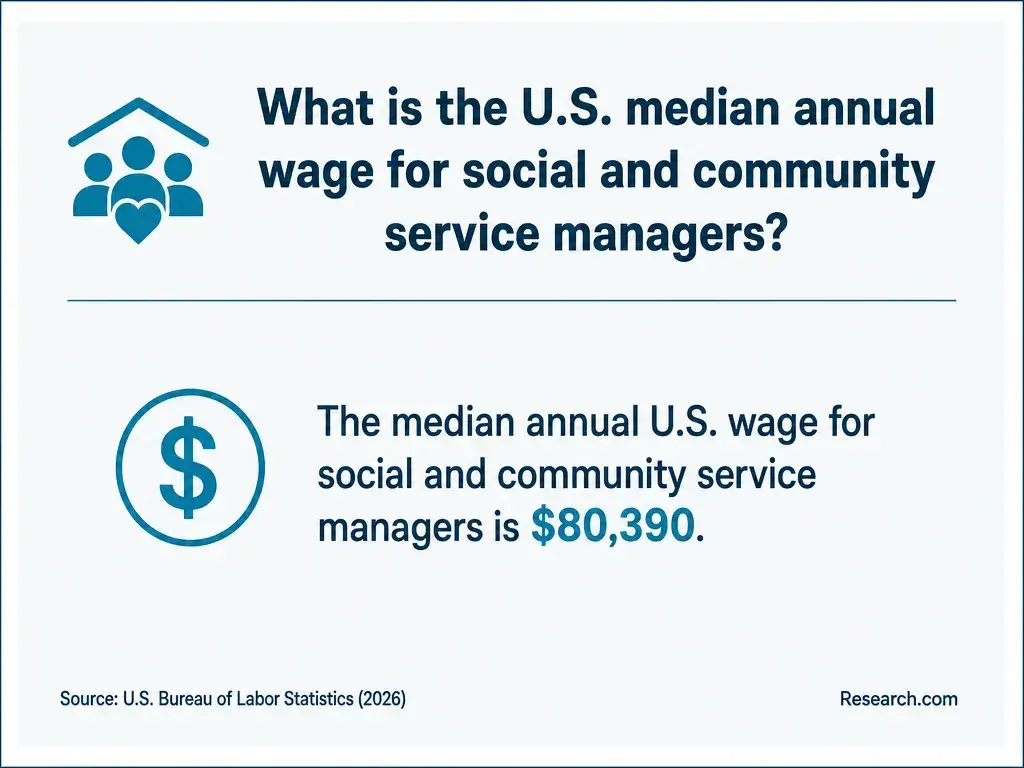
Match the project to the role sought. Someone targeting program coordination benefits from partner communication and implementation measures; an aspiring analyst needs defensible data handling and clear interpretation. Technical exposure assessment, independent research, management, and regulated clinical work may require additional experience, training, or credentials. When assessing lower-cost public health master's career pathways, avoid treating occupation-wide wages as expected earnings from a particular practicum or MPH.
How Should Students Evaluate a Climate and Health MPH Program?
Compare programs using the placement you could realistically complete, not the most impressive project in a brochure. Request the current handbook, course sequence, accreditation scope, placement support policy, and examples of acceptable work products. Then test a proposed project against these questions:
- Will the program approve the site, supervisor, competency plan, and intended deliverables before work begins?
- Can the partner offer substantive tasks and timely feedback within the required schedule?
- Are data access, safety, community permissions, and any review requirements achievable?
- Will the resulting skills and permissible portfolio evidence support the student's specific next role?
- What is the total cost if placement work requires travel, unpaid time, or another term?
If answers remain vague, ask to speak with the practicum coordinator before enrolling. A short course, supervised project at work, or targeted methods training may be a better investment when the goal is one skill rather than an MPH. Likewise, an online public health doctorate admissions guide addresses a different pathway; apparent ease of entry into any degree does not establish that its applied experience fits a climate and health career goal.
Other Things You Should Know About Public Health
Often, but first obtain the host's permission. Remove confidential information and clearly describe your own contribution, methods, and limitations; some work products cannot be shared publicly.
Not ordinarily. An MPH practicum centers on assessed applied work products. A school or partner may welcome publication, but authorship, permission, and research oversight must be handled separately.
Contact the academic coordinator promptly. Ask how completed hours and work will be assessed, whether a replacement site needs a new agreement, and whether a delay affects enrollment or aid.
Only if the program approves the site and supervision. Check travel rules, safety, local permissions, data governance, and the practical ability to complete required assessments before making plans.
- Using Uncertain Climate and Development Information in Health Adaptation Planning - PubMed https://pubmed.ncbi.nlm.nih.gov/26814795/
- Assessing climate and health curriculum in graduate public health education in the United States - PMC https://pmc.ncbi.nlm.nih.gov/articles/PMC10149657/
- Step 2.1 Defining the core elements of your climate risk assessment | europa.eu https://climate-adapt.eea.europa.eu/en/eu-policy/eu-adaptation-policy/eu-mission-on-adaptation/regional-adaptation-support-tool/step-2-assessing-climate-change-risks-and-vulnerabilities/step-2-1
- How to Become a Public Health Preceptor | Goodwin College of Professional Studies https://drexel.edu/dornsife/practice/applied-practical-experiences/become-a-preceptor/
- mph foundational competencies | gsu.edu https://publichealth.gsu.edu/academics-admissions/georgia-state-mph-program/masters-of-public-health-foundational-competencies/
- Section 2. MPH Practicum - Master of Public Health Practicum Manual - Academic Guides at Walden University https://academicguides.waldenu.edu/masters-public-health-practicum-manual/practicum-overview
- MPH Practicum - Washington University Bulletin - WashU https://bulletin.wustl.edu/publichealth/mph/practicum/
- MPH Practicum: For Preceptors | uiowa.edu https://www.public-health.uiowa.edu/mph-practicum-for-preceptors/
- Practicum Instructions | UW School of Public Health https://sph.washington.edu/mph-practicum/forms-and-deliverables
- MPH Competencies - Program in Public Health https://publichealth.stonybrookmedicine.edu/academics/competencies