2027 MPH Programs: Documenting a Change in Fieldwork Location

Co-Founder and Chief Data Scientist
A new job, a site closure, or a project that no longer meets your learning goals can make an approved MPH fieldwork placement unworkable. Changing locations is possible in many programs, but moving without written approval can put hours, deliverables, and graduation timing at risk.
This guide is for MPH students who need to continue an applied practice experience at a different site. It explains what to document, who must approve the change, how to preserve evidence of completed work, and when a proposed replacement site is likely to be a poor fit.
Key Things You Should Know
- Get written program approval before beginning work at the new site; a host supervisor's agreement alone may not make the placement eligible.
- Keep separate records of work completed at each site, including approved dates, any required hours, supervisor verification, competencies, and deliverables.
- Ask your program whether existing work can count and whether the revised project can still produce its required applied practice work products by your graduation deadline.
What Does Changing an MPH Fieldwork Location Involve?
For an MPH student, "fieldwork" often means the program's applied practice experience (APE): supervised work on a public health practice problem, assessed against defined competencies. Changing its location is more than updating an address. The program may need to approve a different organization, supervisor, work plan, schedule, or method of supervision.
Start by distinguishing a site change from a project change. A community health assessment might continue with a new partner and similar deliverables; a move from that project to unrelated administrative work needs a fresh competency assessment. If the new work points toward a different concentration, public health master's specialization comparisons can provide context, but only your program can decide whether the revised fieldwork satisfies your degree requirements.
Why Might an MPH Student Need to Change Fieldwork Locations?
Common reasons include a supervisor leaving, a partner losing capacity, delayed access to data, a relocation, an unsafe or inaccessible setting, or duties that no longer support the approved competencies. A working student may also find that a site's daytime meetings conflict with employment or caregiving, even if the academic course is online.
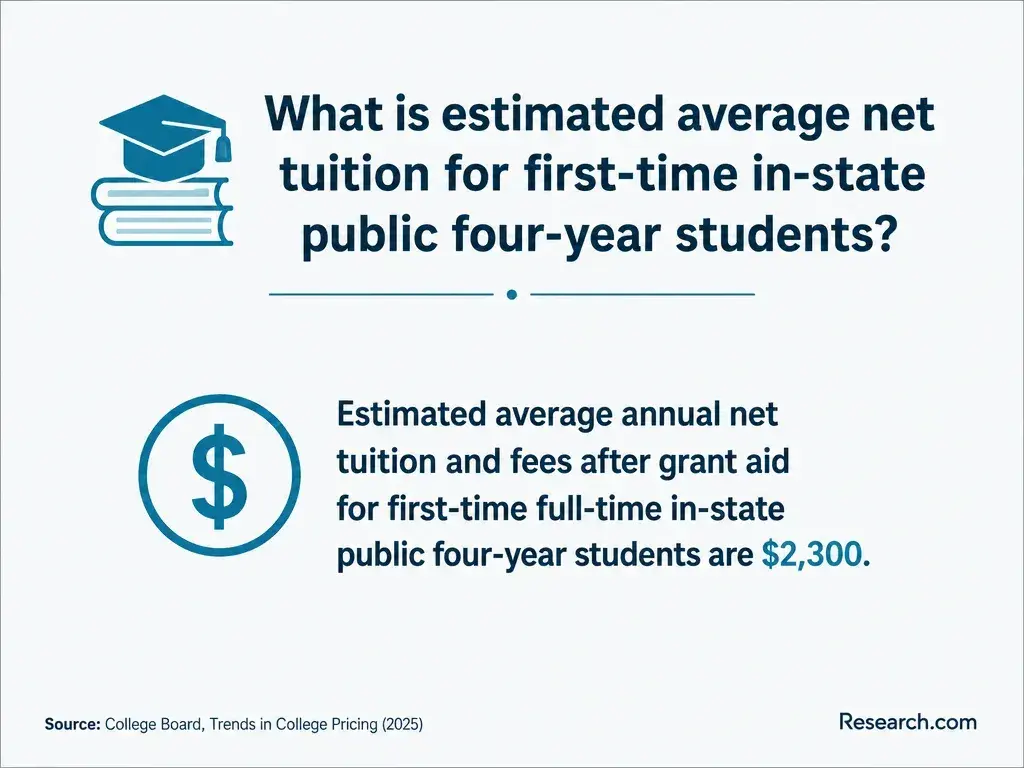
State the reason plainly in your request and describe its effect on the work plan - not just your preference for another site. If cost is driving the move, compare travel, unpaid time, and any additional term of enrollment before committing. Guidance on public health master's tuition after university aid can help frame the broader expense, but your financial aid office must explain how a delayed fieldwork course would affect your own charges and aid.
How Do You Request Approval for an MPH Fieldwork Location Change?
Contact your fieldwork coordinator as soon as a change looks likely. Ask whether work must pause while the request is reviewed and which approvals must precede activity at the replacement site. Keep the response in writing.
A useful request follows this sequence:
- Summarize why the original arrangement cannot continue and identify the proposed last date of approved work there.
- Request a review of completed hours, activities, and draft work products; do not assume they will transfer automatically.
- Submit the proposed site, supervisor, duties, schedule, competency map, and revised deliverables for review.
- Obtain the program's required signatures and agreements before starting work that you expect to count.
- Confirm the revised completion date and retain the approval email or signed amendment.
Also check whether your school requires a fieldwork course or other academic prerequisite before the new start date. Advice about addressing prerequisite gaps before MPH enrollment concerns a different stage of study; it does not replace your program's fieldwork eligibility rules.
The Council on Education for Public Health (CEPH) accredits eligible public health schools and programs, not individual placement sites. Its MPH applied practice expectations emphasize demonstrated competencies and work products. They do not mean that every MPH student must use the same type of organization or complete a universal number of fieldwork hours. Your program sets and assesses its specific site, supervision, documentation, and course requirements.
Ask the coordinator to confirm which competencies the revised project will demonstrate and whether its planned products meet the program's assessment rules. A change in site cannot be fixed merely by logging more time if the tasks provide no assessable public health practice. If you are comparing a transfer as a last resort, exploring less selective MPH study pathways is separate from checking CEPH accreditation scope and whether another school would accept your completed coursework or fieldwork; neither should be assumed.
Maintain a separate, dated record for each site using your program's required log or system. Record the activity, time if hours are required, relevant competency, supervisor, and resulting evidence. A calendar entry showing attendance is weaker evidence of competency than an approved work product tied to a defined task.
For example, a student supporting a program evaluation could retain an authorized, nonconfidential evaluation plan and a stakeholder-facing summary as potential evidence. The student should identify what they personally produced, obtain supervisor feedback, and confirm whether the program accepts those products. If a replacement role centers on analysis, compare the actual tasks with the skills expected in biostatistics graduate programs for busy professionals; observing an analyst is not the same as demonstrating an approved quantitative competency.
Before losing access to the original site's systems, ask how to obtain supervisor verification and which drafts may be retained. Do not download identifiable records or confidential organizational material simply to build a portfolio.
Often, yes - but online course delivery does not make fieldwork location-independent. The school may need to approve an in-person, hybrid, or remote site; determine whether supervision and practice activities are adequate; and check any institutional restrictions on placements in the student's location. A remote placement still needs substantive work, accessible supervision, and assessable products.
Ask about meeting times, site-required travel, technology access, and whether a move across state lines changes institutional or site requirements. For students comparing educational formats, reviewing online public health BS programs addresses undergraduate study, not permission to move an MPH placement. Your MPH fieldwork office is the authority for this decision.
Requirements vary by school. Treat the following as a preparation checklist, then use your program's forms rather than substituting a personal template:
- A written explanation and effective date for the proposed change.
- A record of completed work, required hours if applicable, supervisor verification, and any products the program may assess.
- A revised learning agreement or work plan naming the new site, supervisor, duties, competencies, products, and schedule.
- Any required site agreement, safety or onboarding paperwork, confidentiality agreement, and data-access approval.
- Written confirmation of academic approval and the revised assessment or completion timeline.
Admission documents serve a different purpose. A page about public health master's programs that omit reference letters, for example, cannot establish whether a fieldwork office requires a new supervisor agreement. Ask specifically which placement documents need new signatures and which existing approvals remain valid.
A site change need not delay graduation if the replacement is approved promptly and leaves enough time to complete required activities, products, evaluations, and grading. Delays become more likely when the original work cannot be counted, the new site needs lengthy onboarding, or a required fieldwork course is offered on a limited schedule.
Request an updated degree audit or completion plan showing the fieldwork course, any linked integrative learning requirement, submission deadlines, and graduation application date. If a change adds a term, check tuition and aid consequences before deciding whether to continue at the replacement site or discuss another approved project. Resources on public health degree affordability and completion planning offer general comparison context, not a guarantee that switching programs would save time or money.
Choose for feasible learning and completion, not convenience alone. Confirm that the organization has a genuine public health practice task, a supervisor who can provide feedback, permission for you to create assessable products, and a schedule you can sustain. Ask what you may do independently, what requires staff review, and whether the organization can verify your contributions by the school's deadline.
Compare realistic costs as well as learning value: commuting, unpaid time, onboarding, and the risk of another enrollment term can outweigh a seemingly convenient placement. Comparing tuition with public health graduate outcomes may help with a broader education decision, but it cannot tell you whether a particular site will approve the access or deliverables your project needs. Verify those conditions directly with the site and program.
Who Can Help Resolve Problems With an MPH Fieldwork Location Change?
Start with the fieldwork coordinator for eligibility and paperwork, the faculty advisor or course instructor for competency assessment, and the site supervisor for tasks and verification. The registrar or academic advisor can clarify graduation timing; the financial aid office can explain enrollment-related aid questions. For a safety, accessibility, discrimination, or serious supervision concern, use the appropriate university support or reporting office rather than relying solely on the site contact.
If approval is denied, request the specific unmet requirement and ask whether a revised project, different supervisor, or alternative site would address it. Another degree is usually a disproportionate response to a solvable placement problem. Even low-cost epidemiology doctorates and financial aid concern a separate educational decision, not a way to complete an unfinished MPH requirement.
Other Things You Should Know About Public Health
It may be. Pay does not by itself disqualify a placement, but your program must still approve the site, supervision, activities, and competency evidence.
Possibly. Ask whether the proposed project is sufficiently distinct from routine duties and whether a qualified supervisor can assess the work under your program's rules.
No universal rule applies. Ask your institution which office determines whether the planned activity requires research review, especially before collecting information from people or using restricted data.
Check the site agreement and institutional policies before sharing a product publicly. Permission to submit work for grading does not necessarily include permission to publish the organization's data, materials, or findings.
- 8.1.2 Prior Approval Requirements | nih.gov https://grants.nih.gov/grants/policy/nihgps/HTML5/section_8/8.1.2_prior_approval_requirements.htm
- Workplace Safety and Health | dol.gov https://www.dol.gov/general/topic/safety-health
- Institutional Review Boards Frequently Asked Questions | fda.gov https://www.fda.gov/regulatory-information/search-fda-guidance-documents/institutional-review-boards-frequently-asked-questions
- Worker Rights and Protections | Occupational Safety and Health Administration http://www.osha.gov/workers
- Institutional Review Board - Frequently Asked Questions https://admin.publichealth.lacounty.gov/phcommon/public/faqs/faqdisplist.cfm
- MPH Fieldwork | Public Health | Binghamton University https://www.binghamton.edu/decker/public-health/academics/fieldwork.html
- Section 2. MPH Practicum - Master of Public Health Practicum Manual - Academic Guides at Walden University https://academicguides.waldenu.edu/masters-public-health-practicum-manual/practicum-overview
- Does My Research Need IRB Review | Rhode Island Small Business Development Center https://web.uri.edu/research-admin/integrity-security/human-subjects/does-my-research-need-irb-review/
- OTD Fieldwork Manual • Occupational Therapy | Emory & Henry https://www.emoryhenry.edu/live/profiles/3581-otd-fieldwork-manual
- Federal Prior Approval Requirements | The University of Texas at Arlington https://resources.uta.edu/research/grants-and-contracts-services/policies-and-procedures/principal-investigator-handbook/pi-handbook-federal-prior-approval-requirements.php