2027 Does a Public Health BS Prepare You for Lead Poisoning Prevention Outreach?

Co-Founder and Chief Data Scientist
A public health BS can prepare you to explain lead exposure risks, connect families with services, and help a prevention program reach its community. It does not, by itself, qualify you to inspect housing, remove lead hazards, or make clinical decisions. That distinction matters when you are choosing courses or applying for a first job. This guide shows prospective students and early-career practitioners how to judge a degree's outreach preparation, find relevant supervised experience, and identify requirements that depend on the employer or state.
Key Things You Should Know
- A public health BS can provide a foundation in environmental health, communication, data, and program planning, but employers may also require community experience or specific training.
- CDC's blood lead reference value for children is 3.5 micrograms per deciliter; it helps identify children with higher blood lead levels than most children, not a safe exposure level or a license for outreach staff to interpret individual results independently.
- A supervised placement with a health department, housing partner, clinic, or community organization is often more directly useful than an unrelated elective or an additional degree pursued solely for entry-level outreach.
What does a public health BS teach about lead poisoning prevention outreach?
Lead poisoning prevention outreach means helping people understand exposure risks, access appropriate testing and services, and navigate prevention resources. A public health BS can teach the population-health side of that work: how environmental conditions affect health, why exposure is unevenly distributed, how to communicate without blaming families, and how to evaluate whether a program reaches its intended audience.
Coursework rarely makes a student a lead specialist on its own. The strongest preparation connects general concepts to approved, local procedures: who receives a referral, what information staff may record, when to involve a clinician or environmental professional, and which agency handles housing concerns.
When comparing online public health bachelor's curriculum and formats, look for environmental health and community-based assignments rather than assuming every BS includes lead-specific training.
Can you work in lead poisoning prevention with a public health BS?
A BS graduate may be competitive for outreach assistant, program coordinator, community health worker, or health education positions when the posting accepts a bachelor's degree or equivalent experience.
Some community health worker jobs do not require a bachelor's degree, so a BS is not always the cheapest route into the work. Conversely, a degree alone may not satisfy a posting that requires home-visit experience, a particular language, a driver's license, or state-specific training.
Start with the actual duties, not the job title. If the position emphasizes family education, referral tracking, and partner coordination, show evidence from an internship or community project. If it includes inspecting properties, collecting regulated samples, ordering tests, or interpreting clinical results, ask which authorization or qualified supervisor is required.
An MPH may become useful for later program-design or analytical responsibilities; public health graduate prerequisite completion options are a separate decision, not a condition for starting most outreach work.
What public health jobs involve lead poisoning prevention outreach?
Employers distribute lead prevention tasks across several roles. This comparison helps you distinguish a realistic first job from work that generally calls for additional technical training or experience.
| Role | Typical contribution to lead prevention | Preparation to check |
| Community health worker or outreach worker | Shares approved information, builds trust, and connects families with services | Community experience, language skills, employer training, and any state requirements |
| Health education specialist | Develops materials, leads education, and assesses whether messages reach audiences | Education requirements, communication portfolio, and program-evaluation skills |
| Program assistant or coordinator | Schedules activities, tracks referrals, and supports agency partnerships | Recordkeeping, confidentiality, and coordination experience |
| Environmental health inspector or lead risk assessor | Conducts technical assessments within an authorized scope | Applicable training, certification, and state or federal rules |
Lead surveillance research and senior program leadership are different paths from household outreach. If your goal eventually shifts toward research leadership, comparing online public health doctoral formats may become relevant - but doctoral study is not an entry requirement for the roles above.
Prioritize a small set of courses that map to the work: environmental health for exposure pathways and prevention; epidemiology and basic statistics for reading local patterns without overstating them; health communication for clear, accessible materials; and community health or program evaluation for partnership and follow-up.
A policy course can clarify how housing, health departments, and clinical services interact, although it does not teach someone to perform an inspection. Ask whether you can apply those courses through a supervised placement or project with an approved community partner.
A useful student deliverable might be a plain-language referral guide reviewed by the host agency - not an independently issued medical or remediation recommendation. Students considering an MPH later can evaluate MPH admissions accessibility separately; the immediate test of a BS is whether it lets you practice relevant outreach tasks with feedback.
CEPH accreditation is a useful signal that a public health school or program has undergone public health-specific review. It is not the same as an institution's accreditation, and a university's CEPH status does not automatically establish that the particular BS you are considering is covered. Check the accreditor's listing and the school's current description of the exact degree.
For lead outreach, accreditation should not replace inspection of the curriculum, placement opportunities, and employer requirements. A well-supported route into community work may also exist through an adjacent major or relevant experience.
If you later compare online PhD programs in public health by cost, check accreditation scope again for each school and degree rather than carrying forward assumptions from your bachelor's program.
There is no single license for all lead prevention outreach. An employer may train outreach staff in its referral and privacy procedures, while a state may impose additional requirements on particular community health worker roles.
Lead inspection, risk assessment, abatement, and certain renovation activities are distinct technical functions governed by applicable federal and state rules. Clinical testing and treatment belong with appropriately qualified healthcare professionals.
Read the posting for the exact task and credential, then confirm technical requirements with the relevant state program or regulator before paying for training. General public health credentials such as CHES or CPH do not substitute for authorization to perform regulated lead work.
Nor does choosing a graduate application route with no recommender submissions change a job's licensing rules; admissions convenience and professional authority are separate questions.
They can be, provided you can gain supervised, local experience. Online classes may teach epidemiology, environmental health, and communication effectively, but a prospective student should verify how the program handles fieldwork, partner approval, supervision, and feedback. Online delivery does not guarantee that a placement can be completed remotely or outside normal work hours.
Ask the program for examples of permitted community placements and whether you must secure your own site. Then ask a potential host what outreach tasks students may perform and how it protects family information. For students drawn instead to advanced exposure research, comparing financial aid for epidemiology doctorates is a later, different calculation; it will not resolve a BS student's need for local practice.
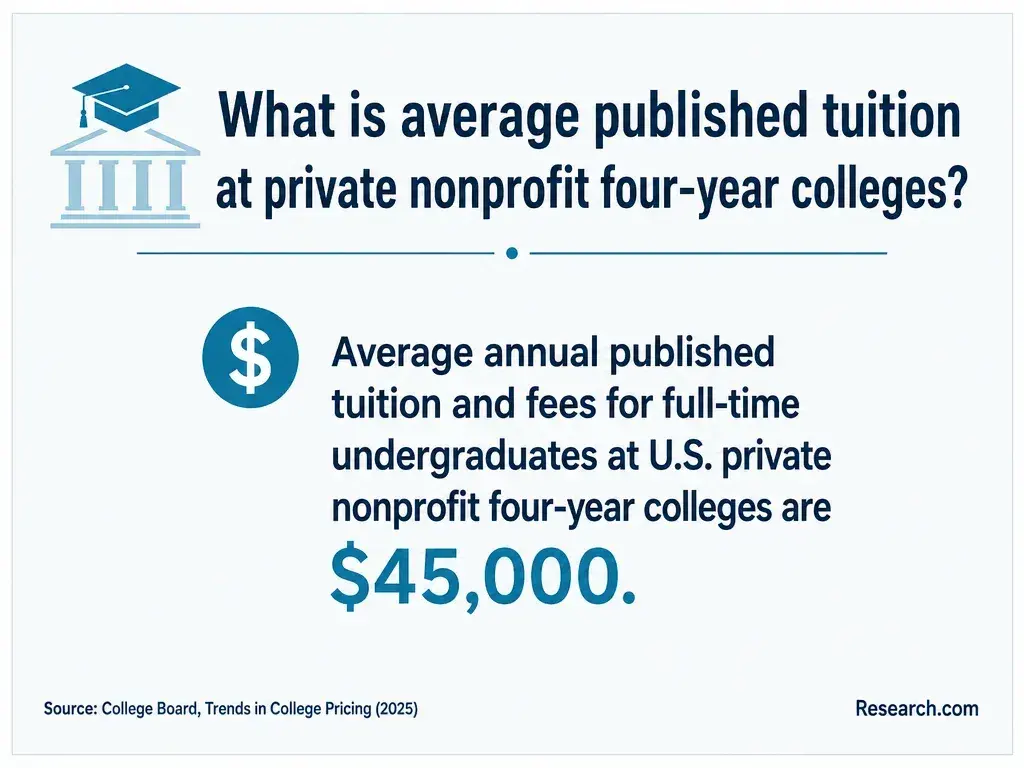
A bachelor's degree commonly follows a four-year full-time plan, but transfer credits, course sequencing, part-time enrollment, and required placements can change the time remaining. Published tuition alone does not establish the total cost.
Compare tuition and mandatory fees alongside transportation, placement hours that may be unpaid, materials, and earnings you might give up. A returning student should request a degree audit showing which accepted credits actually satisfy major and graduation requirements before estimating savings.
For an outreach goal, compare that remaining cost with a more direct route: an eligible community health worker position, relevant training, or a lower-cost degree program with a strong placement. Graduate aid is a separate budget decision; university scholarship options for MPH applicants should not be counted toward a BS cost estimate.
Employers need staff who can turn approved guidance into respectful, practical conversations and keep referrals moving. Strong candidates can explain what they do not know, recognize when a question belongs with a clinician or certified specialist, document contacts accurately, and work with housing and healthcare partners without promising a service they cannot provide.
Build evidence of those abilities before applying: seek supervisor feedback on a plain-language resource, practice explaining referral steps, and describe how you protected confidential information.
Language access and familiarity with the communities served may be important, but employers should assess demonstrated communication and trust-building rather than assume a degree supplies them. If later MPH study is part of your plan, improving low-GPA MPH application prospects concerns graduate admission, not whether you can demonstrate these entry-level skills now.
What salaries and job outlook can public health graduates expect?
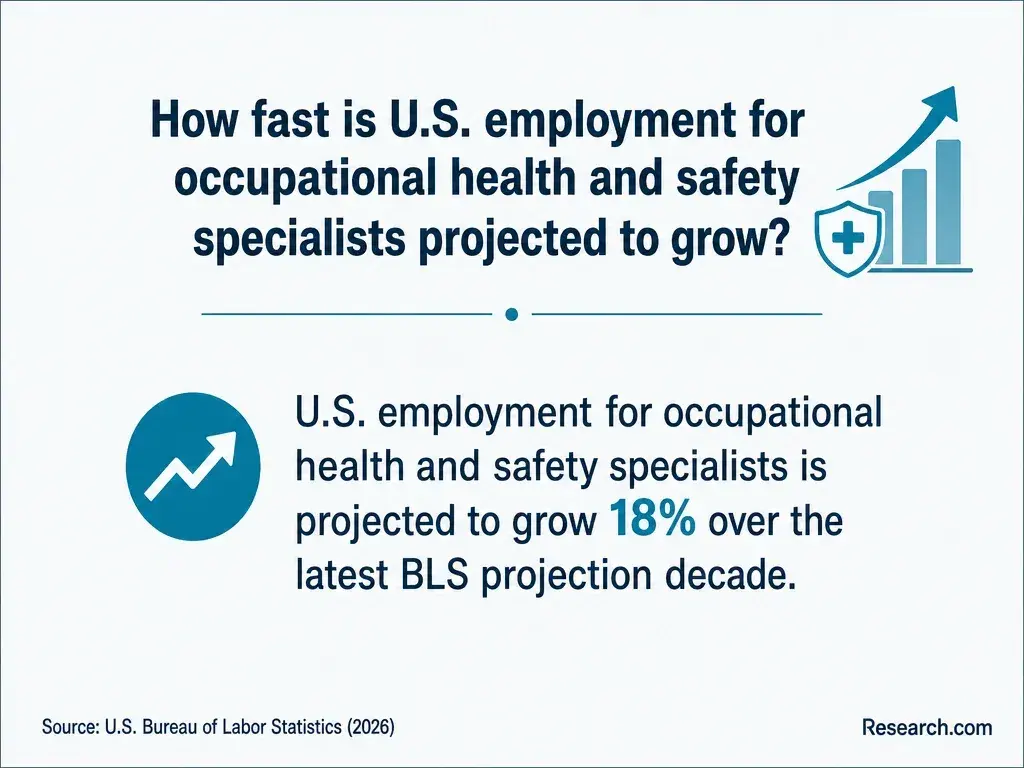
There is no reliable single salary or growth rate for "lead prevention outreach specialist": employers use different titles and combine different duties. The US Bureau of Labor Statistics' community health worker and health education specialist occupations provide broader benchmarks, but neither isolates lead outreach or predicts the pay of a particular BS graduate.
Local government pay grades, location, experience, and whether a position is grant-funded may matter more for an individual offer. Compare postings in the area where you intend to work, including their pay ranges, benefits, required experience, and advancement rules.
Do not assume another degree will pay for itself through a higher outreach salary. If your long-term goal changes to doctoral-level work, comparing public health doctorate tuition and length requires its own career and cost analysis, not a projection from an entry-level outreach job.
Other Things You Should Know About Public Health
No safe blood lead level in children has been identified. Outreach staff should use current public health guidance and refer questions about an individual child's result or care to the child's healthcare professional.
No. Disturbing suspected lead paint can increase exposure. Give families approved prevention information and direct them to the appropriate local housing or environmental health resource for assessment and next steps.
Not without checking permission and privacy requirements. A safer portfolio example is an approved, nonidentifying education tool or a clearly labeled sample that contains no real household information.
Ask a local or state health department, community clinic, or housing organization whether it hosts supervised students. Confirm the school's placement approval and the host's responsibilities before arranging activities with families.
- Recommended Actions Based on Blood Lead Level | cdc.gov https://www.cdc.gov/lead-prevention/hcp/clinical-guidance/index.html
- Learn About Lead | US EPA https://www.epa.gov/lead/learn-about-lead
- Lead Screening | medicaid.gov https://www.medicaid.gov/medicaid/benefits/early-and-periodic-screening-diagnostic-and-treatment/lead-screening
- Childhood Lead Poisoning Prevention Program | Baltimore City https://www.baltimorecity.gov/childhood-lead-poisoning-prevention-program
- Public Health Career Resources | Texas DSHS https://www.dshs.texas.gov/office-practice-learning/educational-experiences/public-health-career-resources
- Bachelor of Arts in Public Health | Student Support & Advising Services https://www.colorado.edu/program/publichealth/major