2027 MPH Programs: Comparing Thesis Committee Availability Before Choosing a Track

Co-Founder and Chief Data Scientist
A thesis track can look ideal until you discover that no eligible faculty member has time to supervise your project - or that committee approval comes after you must choose a concentration. For prospective MPH students, especially those planning research careers or further study, committee availability is a practical constraint, not a minor administrative detail. This guide explains what support to verify, how thesis and capstone routes differ, and which questions to put to programs before committing. The goal is to choose a track you can complete with appropriate mentorship, data access, and time - not merely one with an appealing course list.
Key Things You Should Know
- Confirm an eligible chair before relying on a thesis option: Ask when chairs are assigned, who may serve, and whether faculty in your intended concentration are accepting MPH students.
- Compare the whole project pathway: A willing committee cannot compensate for unavailable data, missing methods courses, approval delays, or a defense schedule that conflicts with graduation.
- Choose the deliverable that serves your goal: A supervised thesis may strengthen research preparation; a well-executed capstone can be more useful for practice-focused work when thesis support is uncertain.
What Is Thesis Committee Availability in MPH Programs?
Thesis committee availability means more than having faculty names on a website. It means an eligible chair and any required additional members can supervise your proposed topic and methods, meet during the project period, review drafts, and participate in required approvals or a defense. The program's current handbook determines committee composition, eligibility, and appointment procedures.
Separate three questions: Is the thesis track formally open to your cohort? Are suitable faculty permitted and willing to supervise MPH theses? Can they take on your project when you need to start? A school may answer yes to the first and no to the third. Faculty research interests also do not establish access to their datasets, collaborators, or funding.
For a student seeking sustained original research training, an MPH thesis may be a useful step, but it is not a substitute for doctoral supervision. If your primary goal is an independent research career, consider the distinct training and funding questions involved in public health PhD costs and program choices rather than assuming the MPH thesis alone provides that pathway.
How Do MPH Thesis and Capstone Tracks Differ?
A thesis usually develops a defined research question, applies appropriate methods, and produces a written analysis under faculty supervision. A capstone or other integrative project may instead produce an evaluation plan, policy analysis, research brief, or practice-oriented product. Labels and requirements vary: some capstones include substantial original analysis, while some theses use existing data. Neither label by itself establishes project quality or job readiness.
The comparison below focuses on the resources each route tends to require. Check the actual handbook rather than assuming these are fixed rules.
| Decision factor | Thesis track | Capstone track |
| Primary supervision | Usually a chair, with additional committee members if required | Usually a course instructor or project advisor; requirements vary |
| Best fit | A feasible research question and a goal that benefits from sustained methods mentorship | A defined public health practice or communication problem with an achievable deliverable |
| Main scheduling risk | Advisor capacity, data or ethics approvals, draft review, and defense timing | Course offering, partner feedback, deliverable approval, and term deadlines |
| Evidence to request | Committee rules, thesis milestones, and recent project examples | Project rubric, advisor arrangements, and examples of acceptable outputs |
A concentration should support the project, not dictate it. Use public health graduate concentration selection to consider subject fit, then verify that the specific faculty and courses needed for your proposed thesis are actually accessible.
How Can You Compare Thesis Committee Support Across MPH Programs?
Compare programs using written policies and answers tied to your intended entry term. An admissions representative can explain the option, but the thesis coordinator or program director is better positioned to clarify committee rules. A prospective faculty member can discuss intellectual fit; only the program can confirm whether that person may chair your committee.
Ask each program the same questions and record both the answer and who provided it:
- Entry and assignment: When must students elect the thesis track, how is a chair assigned, and can a student enter without a prior faculty commitment?
- Capacity and fit: Which eligible faculty expect to consider MPH theses in my topic area, and how many students can they reasonably supervise?
- Committee rules: How many members are required, may practice partners or external researchers serve, and who approves membership?
- Project feasibility: What are the proposal, data-access, ethics-review, draft, and defense deadlines, and who helps if an approval takes longer than expected?
- Continuity: What happens if an advisor becomes unavailable, a project changes scope, or a student needs another term?
Compare evidence, not promises. A published thesis handbook, a recent course schedule, and a clear process for resolving supervision problems are stronger evidence than a general statement that faculty are supportive. Ask whether recent MPH thesis students working in your area found chairs and finished on their planned schedules; request the cohort and time period behind any completion claim. Rankings of online public health doctorates by admissions accessibility answer a different question and cannot establish MPH committee capacity.
Check both the university's institutional accreditation and the exact scope of any Council on Education for Public Health (CEPH) accreditation. CEPH can accredit a school or public health program; do not infer that a particular MPH is covered merely because a university offers another accredited public health degree. Confirm the accredited entity, the degree's inclusion, and status directly with CEPH and the institution before enrolling.
CEPH accreditation is relevant to public health educational standards, but it does not certify that a particular concentration offers a thesis, that a preferred professor will supervise you, or that committee meetings will fit your schedule. You can use a list of public health master's programs accredited by CEPH to start a shortlist; verify each program's current status and thesis policy separately.
Some online MPH programs can support a thesis, but online coursework alone says little about faculty access. Ask whether remote students may use the same eligible chairs as campus students, how meetings and defenses occur, and whether required visits, live sessions, or committee meetings fall during working hours. For students balancing employment or caregiving, the frequency and predictability of those obligations matter more than an "online" label.
Also check how the program supports remote access to licensed software, research consultations, library resources, and approved data. If your project involves a community organization, confirm who supervises the academic work and who grants permission to use the organization's information; those are separate roles. Comparing affordable online MPH degree programs is useful only after confirming that the thesis option and its supervision arrangements apply to online students.
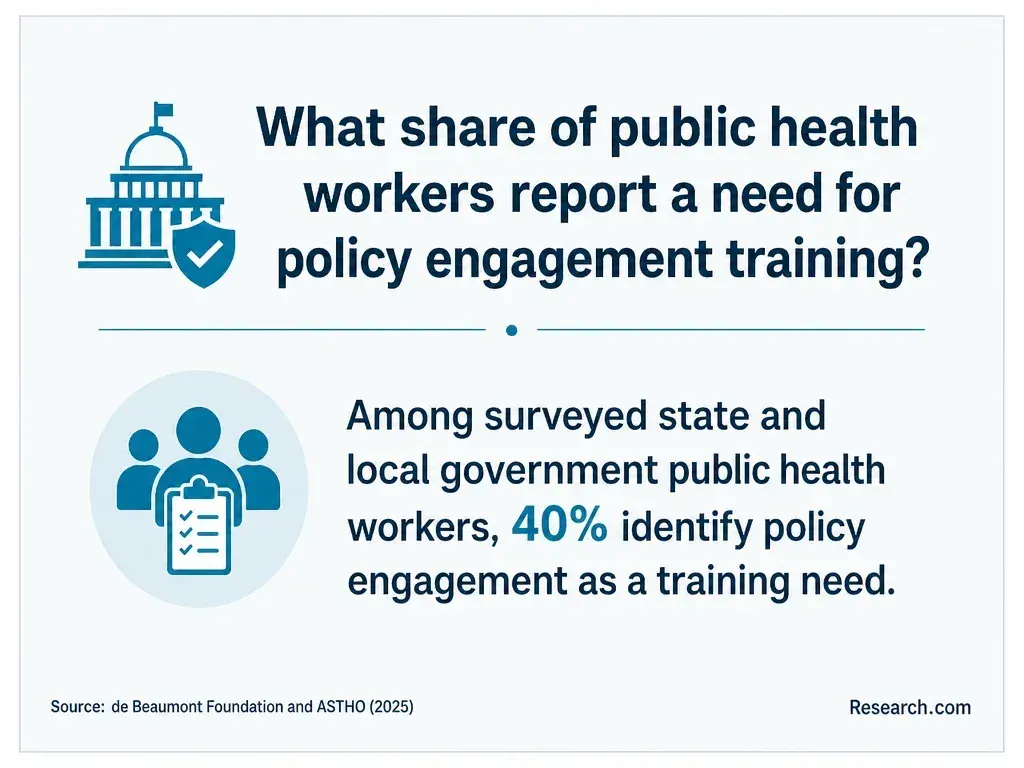
Start with the proposed question and work backward to the skills it requires. An epidemiology thesis using existing survey data may call for study design, biostatistics, survey interpretation, and reproducible data management. Interviews with community partners call for qualitative design, sampling, consent procedures, and careful interpretation. A policy analysis may require different evidence-appraisal and analytic skills. A general introductory course does not establish proficiency in any of these methods.
Check whether required methods courses are offered before the proposal deadline and whether advanced electives are open to MPH students in your concentration. Ask who teaches the method you plan to use and whether the program expects you to arrive with particular quantitative preparation. If you are still completing an undergraduate degree, public health undergraduate tuition comparisons may help with that earlier education decision, but an undergraduate major alone does not replace the MPH program's methods sequence.
Before settling on a project, identify a feasible data source. Public data, deidentified records, and restricted organizational data carry different access conditions. Check with the institution and data holder about permissions, confidentiality, and any required ethics or institutional review; do not assume a thesis is exempt because it is student work.
Admission requirements belong to the specific program, and admission to an MPH does not always mean automatic entry into its thesis track. Programs may assess academic records, a statement of purpose, recommendations, relevant experience, and preparation in statistics or research methods; some require a later thesis proposal or faculty approval. Ask which conditions apply at application, which apply after enrollment, and whether a faculty match is required before admission.
Applicants from clinical, social science, humanities, computing, or other backgrounds should show how their prior work supports a public health question and identify any methods gaps. A low GPA does not have one universal effect; the program's stated threshold and review process control eligibility, while recent rigorous coursework or supervised research may help demonstrate readiness. Guidance on public health master's admissions beyond GPA can help frame that preparation, but it cannot establish an exception to a school's policy.
Completion time depends on the program's credit requirements and course schedule, plus how quickly you can secure a chair, approve a proposal, obtain data permissions, analyze results, and receive draft feedback. A thesis may fit within the published degree timeline, but that timeline is not a guarantee for a particular project. Ask for the thesis milestone calendar and the policy for enrollment if writing continues beyond your planned final term.
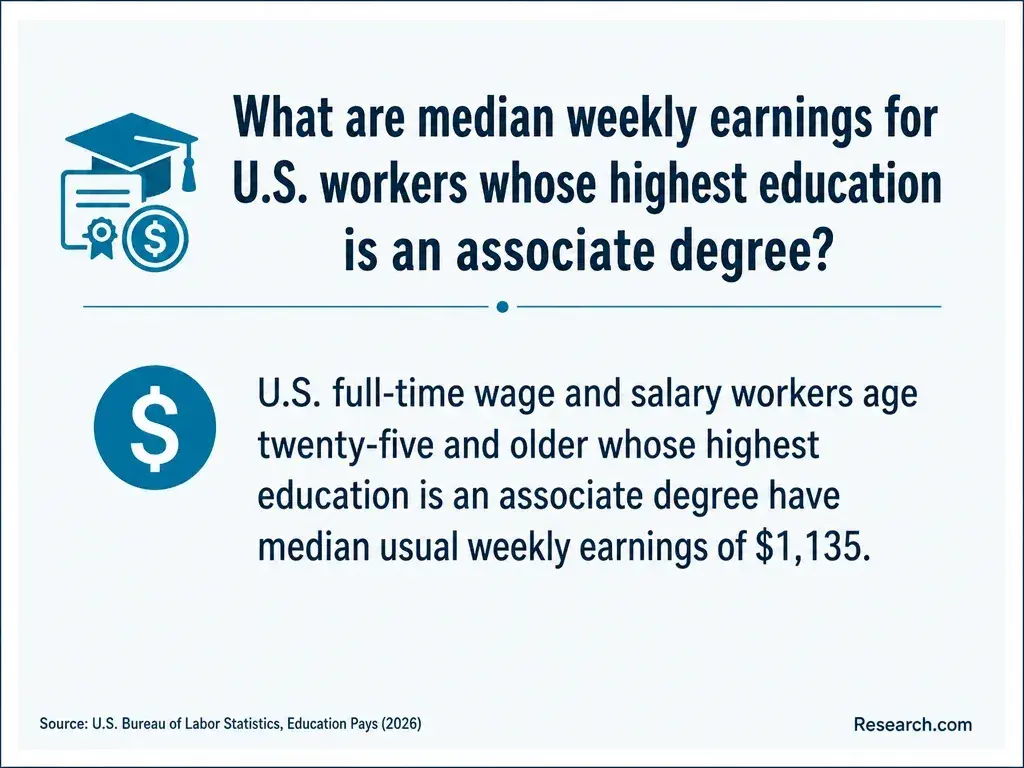
For a meaningful cost comparison, request each school's current tuition and mandatory fees for your enrollment status, then check charges for additional thesis credits, continuation enrollment, required campus visits, software, and any unpaid time away from work. Assistantships and scholarships can change the calculation only if you meet their conditions and receive an actual award. Public health master's university award comparisons are a starting point; confirm eligibility, renewal terms, and your own net cost with the school.
A thesis can provide evidence of research design, analysis, interpretation, and sustained writing for research assistant, analyst, evaluation, or epidemiology-related applications. Employers may still require specific software skills, domain knowledge, or work experience. A practice-focused capstone can be equally persuasive for a role centered on program implementation or communicating findings to stakeholders. In either case, describe what you personally did rather than treating the project title as proof of competence.
Salary depends on the occupation, location, employer, and experience - not simply on holding an MPH or choosing a thesis. For example, the US Bureau of Labor Statistics reports wages for epidemiologists as an occupation, not earnings for all MPH graduates; not every MPH graduate qualifies for an epidemiologist position. Use the relevant occupation and its stated wage reference year when reviewing an MPH salary and career earnings outlook, then compare actual job postings with your skills and experience.
Do MPH Careers Require Licensure or Professional Certification?
Most public health research, evaluation, and program roles do not confer a license simply because the applicant has an MPH. Requirements depend on the job and jurisdiction. Clinical care remains governed by the relevant professional license; a public health degree does not authorize someone to practice medicine, nursing, or another regulated profession.
Some employers value credentials such as Certified in Public Health (CPH) or health education certifications, but eligibility and renewal rules come from the issuing organizations, not from the thesis committee. Check a target job posting before spending money on an additional credential. The same distinction applies to advanced degrees: a doctorate may support particular research or leadership goals, but it is not a general substitute for licensure. If that is your longer-term plan, comparing doctoral public health costs and pay should be separate from deciding whether an MPH thesis is feasible now.
Other Things You Should Know About Public Health
Possibly. The MPH program's committee policy determines whether external members are allowed, what qualifications they need, and who approves them. Ask before relying on an outside researcher as a required member.
That depends on concentration-change deadlines and course requirements. First ask whether faculty may supervise students across concentrations; changing tracks may be unnecessary or may delay required coursework.
Usually, graduation and journal publication are separate decisions. Check the program's submission requirements and discuss publication plans, authorship, and data permissions with the advisor before beginning the project.
Often, but check any restrictions imposed by the program, data provider, or community partner. If the full thesis contains confidential information, ask whether you may share an approved, redacted summary of your methods and contributions instead.
- Online Master in Public Health Pitfalls (and Why UW is Different) https://hspop.uw.edu/online-masters-in-public-health-pitfalls/
- Exams & Defense Committee Membership Policy | University of Illinois Chicago https://grad.uic.edu/academic-support/exams-defense/committee-membership-policy/
- Graduate School: Committees (Doctoral/Master's/MFA) | wisc.edu https://policy.wisc.edu/library/UW-1201
- Dissertation and Thesis Committees: Student and Faculty Responsibilities - Graduate School - UA Little Rock https://ualr.edu/gradschool/graduate-coordinator/graduate-coordinator-handbook/dissertation-and-thesis-committees-student-and-faculty-responsibilities/
- MPH Requirements - BE BOLD. Shape the Future. https://publichealth.nmsu.edu/graduate-program/mph_requirements.html
- MSPH Project / Thesis | U of U School of Medicine https://medicine.utah.edu/dfpm/public-health/student-resources/ap-resources/msph-project-thesis
- Master of Public Health (MPH) - Yale School of Public Health https://ysph.yale.edu/school-of-public-health/graduate-programs/master-of-public-health-mph-degree/
- Committee Meetings | MIT BE Graduate Student Handbook https://begradhandbook.mit.edu/committee-meetings/
- Forming the Thesis/Doctoral Committee | miami.edu https://www.grad.miami.edu/policies-and-forms/forming-the-thesis-doctoral-committee/index.html
- Milestone Committee Composition Rules - Pitt Public Health https://www.publichealth.pitt.edu/academics/forms-handbook/academic-handbook/research-practice-and-exam-requirements/milestone