2027 Public Health PhD Dissertation Continuation Fees

Co-Founder and Chief Data Scientist
Finishing a public health PhD dissertation can become expensive after regular coursework and guaranteed funding end. A continuation charge may be small compared with full tuition, but repeated terms - and changes to insurance or assistantship support - can alter the cost of finishing.
This guide is for prospective and current doctoral students comparing programs or planning a dissertation timeline. It explains what continuation enrollment buys, how schools bill it, and which written policies to check before counting on funding or setting a defense date.
Key Things You Should Know
- There is no standard public health PhD continuation price: schools may charge by credit or term, and mandatory fees can remain even when tuition falls.
- A funding offer that covers coursework does not necessarily cover dissertation registration after its guaranteed period; confirm tuition remission, stipend, insurance, and summer support separately.
- Compare the cost of at least one additional dissertation term under each program's rules, including whether enrollment is required through submission, defense, and degree conferral.
What are public health PhD dissertation continuation fees?
A dissertation continuation fee is a charge associated with remaining enrolled while completing doctoral research after another phase of the program, such as required coursework, has ended. Universities may call the status dissertation registration, candidacy, research credits, continuous enrollment, or degree completion. Those labels do not establish that the charges or privileges are equivalent.
The relevant starting point is the graduate catalog's rule for a student who has advanced to candidacy. Someone comparing low-cost PhD study in public health should check that rule alongside advertised tuition: a low coursework rate does not establish a low cost to finish the dissertation.
How much do public health PhD dissertation continuation fees cost?
There is no defensible nationwide price to apply to an individual student's bill. The amount depends on the institution's published rate, required registration level, student classification, term, and separate mandatory charges. Request a term-specific estimate from the bursar or graduate school rather than treating an advertised annual tuition figure as the continuation price.
The table separates charges that can appear on a continuation bill. It is a checklist of possible components, not a claim that every program assesses them.
| Possible charge | What determines the amount | What to verify |
| Dissertation tuition or registration | Required credits or a flat term rate | Rate and minimum enrollment after candidacy |
| Mandatory university fees | Enrollment category and term | Which fees remain at reduced credit loads |
| Health coverage | Insurance eligibility and subsidy rules | Whether coverage and contributions change |
| Research expenses | Approved project needs | Who pays for data, software, travel, or participant-related costs |
For an online-program comparison, public health doctorate affordability and completion time can provide context. Use each university's current billing schedule and funding letter - not a general comparison - to calculate your own amount.
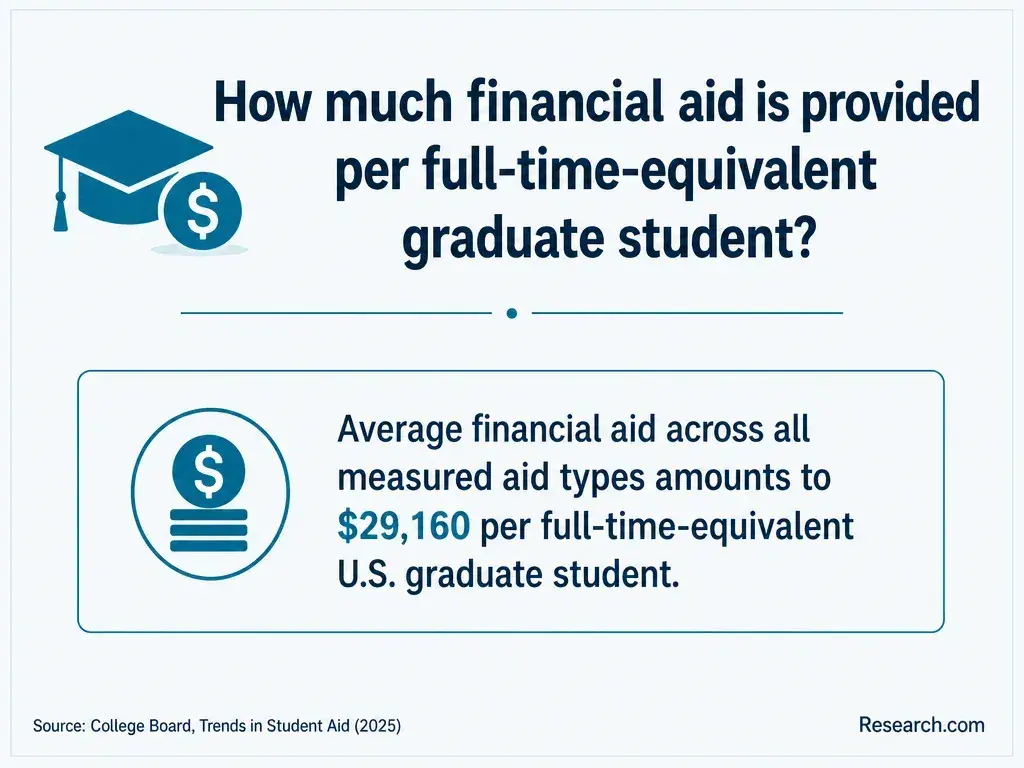
Why do public health PhD students pay continuation fees?
Universities generally require active registration while a student uses dissertation supervision, committee review, research infrastructure, or other degree-related services. Continuation enrollment also gives the institution a way to record academic progress and enforce milestones. The precise requirement is a university policy, not a special charge imposed across all public health PhD programs.
A public health dissertation can depend on permissions or work outside the student's control, such as access to restricted health data, a community partner's review, or institutional research oversight. Those dependencies can add enrolled terms without indicating that the student has stopped working. If the research pathway is no longer feasible or necessary for the student's goals, comparing public health master's affordability and earnings may help inform a separate degree decision; it will not erase charges already incurred in a PhD.
Schools commonly use a required number of dissertation credits, a flat continuation rate, or another registration category defined in the graduate catalog. Some change the rate or required credit load after particular milestones. Tuition remission, when available, may apply to tuition but not every fee.
A useful comparison is the required charge for one more enrolled term, not just the posted price per credit. Multiply the required credits by the applicable per-credit rate, or use the flat term charge, then add required fees and any insurance cost you must pay. Repeat the calculation for summer if registration is required then.
Broad public health degree cost and duration comparisons may help frame the initial choice, but this calculation must use the doctoral program's own continuation category. Ask the bursar which rate applies after candidacy and whether the graduate school can confirm the required credits in writing.
Continuation status typically preserves an academic relationship needed to complete and submit the dissertation. Depending on policy, it may permit advisor and committee supervision, university system access, library use, and a defense during an eligible term. It does not necessarily provide a stipend, unrestricted data access, laboratory resources, or the same health benefits as a funded assistantship.
Public health research makes the distinction important. Registration alone cannot renew a data-use agreement, secure a community partner's permission, or replace a required ethics review. Ask who maintains access to datasets and computing resources when an assistantship ends, and whether the committee can review drafts on the timeline you are budgeting for.
Students whose remaining work is primarily methods training may also compare biostatistics master's format and scheduling comparisons when considering a different educational goal. Additional coursework is not, by itself, a substitute for dissertation enrollment or committee approval.
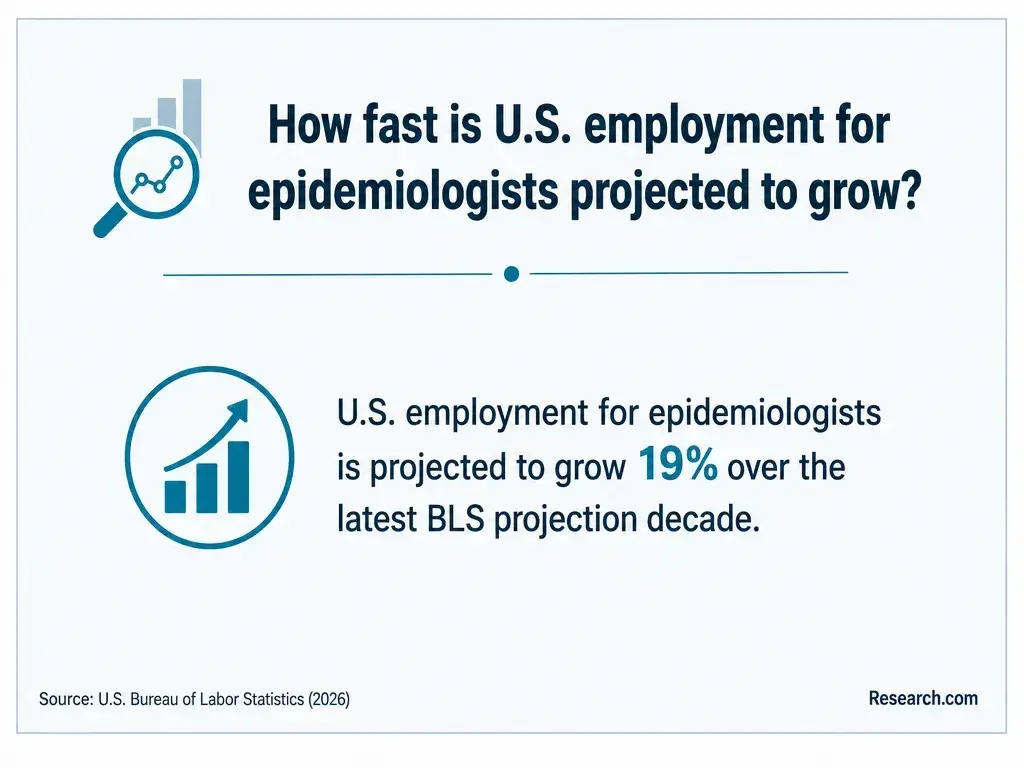
Sometimes, but coverage depends on the actual offer and its renewal conditions. A funding package may guarantee support for a stated period, make later support contingent on satisfactory progress, or rely on a grant or teaching appointment. Tuition remission, stipend payments, mandatory fees, health-insurance contributions, and summer support should be checked separately.
Ask the program and funding administrator what happens when the guaranteed period ends before the dissertation is accepted. If support depends on a research assistantship, also ask whether the appointment must continue for remission to apply and whether its duties leave enough time for dissertation work. Do not assume a projected defense date extends a funding guarantee.
If continued doctoral study is financially untenable, choosing a budget-friendly online MPH may be relevant to someone reconsidering a practice-oriented qualification. An MPH serves a different purpose from a research PhD and is not an automatic exit credential from doctoral study.
They can. Online delivery does not remove a university's registration requirement or make dissertation supervision free. Check whether online doctoral students pay the same continuation rate as campus students, a separate online rate, technology fees, or charges associated with required campus visits.
Format also affects the practical cost of an extra term. Confirm whether committee meetings can occur remotely, whether a defense requires travel, and whether access to restricted datasets is possible from your location. These questions matter even when the continuation charge itself is modest.
Resources for comparing online doctorate admission routes in public health can help identify programs to investigate. Admission convenience and online coursework, however, do not establish an inexpensive or fully remote dissertation phase.
Continuation charges turn dissertation timing into a budget variable. The relevant estimate is the amount you would owe for each additional required term after funding ends, plus any change in insurance, living expenses, and earnings. For a hypothetical planning exercise, a student expecting one unfunded term should also model a second; the point is to test whether a delay is affordable, not to predict when the committee will approve the work.
Distinguish the cost of enrollment from the cost of completing the research. An extra term can involve a low registration charge but substantial living costs or lost wages. Conversely, paying for another term may be sensible when it preserves supervision and allows a well-scoped dissertation to reach completion.
Short course schedules elsewhere in higher education, including intensive online public health bachelor's classes, are not a useful proxy for doctoral research duration. Budget against the PhD's milestone, review, and registration rules instead.
Accreditation does not set a universal dissertation continuation fee. Check the institution's accreditation and, where public health-specific accreditation matters to your decision, the Council on Education for Public Health (CEPH) listing for the exact accredited school, unit, or program. Do not assume that a university's accreditation, or CEPH accreditation of a related MPH, establishes the status of a particular PhD.
Accreditation scope and billing policy answer different questions. The university's catalog, graduate-school rules, and bursar establish registration and charges; accreditation information helps evaluate the educational unit and its oversight. Likewise, an admissions convenience such as public health master's programs that omit reference letters says nothing about a doctoral program's accreditation or continuation policy.
How can students compare public health PhD dissertation fee policies?
Request the same documents and scenario from every program: a current graduate catalog, a term-specific tuition and fee schedule, and a written funding offer. Ask each school to price an additional dissertation term after guaranteed support expires. The comparison is most useful when it covers both the bill and the conditions for remaining enrolled.
Use these questions to expose differences that an advertised tuition figure can hide:
- When must dissertation registration begin, and must it continue through defense, final submission, or degree conferral?
- What is the minimum required registration in fall, spring, and summer, and which fees apply at that level?
- Which charges and benefits continue after guaranteed funding ends, and who can confirm the answer in writing?
- What are the leave, reinstatement, extension, and appeal rules if research access or committee review delays completion?
For students comparing education routes more broadly, guidance on choosing an online public health bachelor's program addresses a different stage of study. For this decision, give priority to the PhD's dissertation policies and a realistic funding contingency rather than a general program comparison.
Other Things You Should Know About Public Health
Do not assume so. Ask the graduate school whether active enrollment is required to schedule a defense and whether an approved exception is available before skipping a term.
Contact the doctoral program director promptly about committee replacement and supervision rules. Ask how the change affects milestones and whether any extension must be approved separately.
Not necessarily. Enrollment status and data permissions are separate. Check the university's access rules and any applicable data-use agreement before relying on access during leave.
Start with the bursar for the charge and the graduate school for the registration rule. Keep the relevant catalog language, funding letter, and written correspondence; use the institution's formal appeal process if needed.
- Types of Financial Aid: Grants, Work-Study, and Loans | studentaid.gov https://studentaid.gov/understand-aid/types
- Participant Support Cost Resources - Manage Your Award | NSF https://www.nsf.gov/awards/participant-support-resources
- Doctor of Philosophy in Public Health (PhD) | Rutgers School of Public Health https://sph.rutgers.edu/academics/degree-programs/doctor-philosophy-public-health-phd
- About the Fee Waiver and Stipend - Graduate College https://graduate.missouristate.edu/CurrentStudents/assistantships-fee-waiver.htm
- REG, Degree Catalog, PhD of Public Health | usuhs.edu https://reg.usuhs.edu/degree-catalog/phd-of-public-health
- Milestones for Graduate Students | Information Technology Services https://graduate.louisville.edu/academics/milestones-graduate-students
- Doctoral Degree Steps to Completion - Graduate Studies https://graduate.unl.edu/academics/program-steps/doctoral-degree-steps-to-completion/
- Benefits | Administrative Portal https://gsadminportal.princeton.edu/handbooks/dce-handbook-2025-2026/benefits
- Doctoral Degree: Performance Standards and Progress - Policy https://policy.umn.edu/education/doctoralperformance
- Frequently Asked Questions | University of Arizona Office of Scholarships & Financial Aid https://financialaid.arizona.edu/faqs