2027 Choosing MPH Coursework for Food Safety Program Evaluation

Co-Founder and Chief Data Scientist
A food safety elective alone will not prepare you to evaluate whether an inspection, training, or outbreak-prevention program works. You need coursework that connects foodborne disease, environmental health practice, and defensible evaluation methods.
This guide is for prospective MPH students and early-career practitioners choosing courses or comparing programs. It explains which classes to prioritize, what an applied project should demonstrate, and when a different degree or targeted training may be the better investment.
Key Things You Should Know
- Prioritize program evaluation, epidemiology, biostatistics, and environmental health; add food-specific regulatory or surveillance coursework where available.
- Look for a supervised project using feasible indicators, such as inspection follow-up or training implementation - not merely a food safety course title.
- Compare the exact degree's CEPH coverage, course availability, fieldwork access, and total cost before choosing an MPH program.
What is food safety program evaluation in public health?
Food safety program evaluation assesses how a prevention activity is implemented and whether its results support a decision to continue, change, or expand it. A health department might examine whether restaurants complete required corrective actions after inspections; an organization might assess whether food-handler training reaches the workers it intends to serve. Evaluation is different from conducting an inspection, investigating a single outbreak, or testing a food sample.
Good evaluations define the program, population, decision-maker, and measures before analyzing results. Process measures might include training completion or inspection follow-up. Outcome measures might include documented changes in handling practices. Foodborne illness reports require particular care: reporting, testing, exposure, and other changes can affect the numbers, so an observed decline does not by itself prove that a program caused it.
The work spans several job titles rather than one standardized "food safety evaluator" occupation. That matters when comparing MPH-related occupations and earnings: match a salary figure to the position's actual duties, not simply to its connection with food safety.
Which MPH coursework prepares students for food safety program evaluation?
The strongest course plan builds from public health methods to food-specific application. Course titles vary, so examine syllabi and assignments rather than assuming a concentration or elective provides evaluation training. An MPH's professional practice focus may fit implementation decisions; a research-oriented MS may fit a goal centered on advanced analysis or laboratory research. See public health master's degree types explained when that distinction affects your choice.
Prioritize these learning outcomes in roughly this sequence:
- Start with epidemiology and biostatistics: learn to define cases and denominators, interpret surveillance data, assess uncertainty, and identify likely sources of bias.
- Add environmental health and food safety content: study foodborne hazards, inspection systems, prevention practices, and how local, state, and federal responsibilities differ.
- Take program planning and evaluation: build a logic model, select feasible process and outcome indicators, and choose a design appropriate to the decision and available data.
- Strengthen practical methods: use data management, qualitative interviewing, health communication, or implementation coursework to understand both measured results and operational barriers.
- Apply the skills under supervision: seek an approved practicum or capstone that produces an evaluation plan, indicator specifications, or a responsibly interpreted analysis for a real partner.
If scheduling forces a choice, protect the evaluation and methods sequence before adding a second topical elective. Ask whether required courses have prerequisites and whether the food safety elective will actually run before graduation. A proposed project should not assume access to inspection records or identifiable illness data; confirm site permission, data-use conditions, and any required institutional review first.
How does CEPH accreditation affect MPH food safety programs?
The Council on Education for Public Health (CEPH) accredits public health schools and programs, not a stand-alone food safety specialty by implication. Check CEPH's current listing for the exact school or program and confirm that the MPH you plan to enter falls within its accredited scope. Institutional accreditation is a separate question; neither form of accreditation proves that a particular food safety elective is offered regularly.
CEPH accreditation can provide assurance that an MPH meets public health educational standards, including applied learning expectations. Your narrower decision still depends on the curriculum and placement opportunities. Request recent course schedules, applied-experience guidance, and examples of permitted evaluation deliverables; use a guide to CEPH accreditation for online MPH study as a starting point, then verify status and scope with CEPH and the school.
An MPH with strong evaluation methods and environmental health coursework is a practical route for people who want to assess prevention programs and communicate findings to agencies or partners. It is not the only route. An environmental health or food science graduate may already have hazard knowledge but need evaluation methods; an analyst may have statistical skills but need food systems, public health practice, and regulatory context.
An MS can make sense when the target job emphasizes specialized research or quantitative analysis. For someone seeking to design and conduct original research, a PhD is a different, longer commitment - not an automatic upgrade for routine program evaluation. Compare research expectations and funding carefully if considering budget-friendly online public health PhD options. If you already work in food safety and need only a specific method, an evaluation course, certificate, or supervised project may be more direct than another degree.
Choose the format that lets you complete the right coursework and supervised work, not simply the one with the most convenient class delivery. Online study may let you remain employed near a suitable health department or food safety organization. Campus study may provide easier access to local faculty and partners. Either format can involve scheduled meetings, group work, site visits, or an in-person placement.
Before enrolling, ask how often evaluation and environmental health electives run, whether students can arrange an approved local project, who secures the site, and whether required meetings fit your work schedule. Compare those obligations alongside budget-friendly online public health degrees; a lower advertised tuition figure is less useful if missing electives or travel requirements prevent the project you need.
MPH programs generally require a bachelor's degree and application materials specified by the school, but prerequisites, tests, GPA policies, and experience expectations differ. A prior public health major is not necessarily required. For this goal, statistics preparation and evidence that you understand - or are prepared to learn - food safety practice may matter more than the name of your undergraduate major.
Check each program's published requirements first, then ask whether missing quantitative preparation can be completed before enrollment or through an approved introductory course. An applicant with inspection, food service, laboratory, data, or community program experience should explain what that work demonstrates and where further training is needed. If grades are a concern, review guidance on improving low-GPA MPH application prospects, but obtain the program's own policy before relying on an exception or waiver.
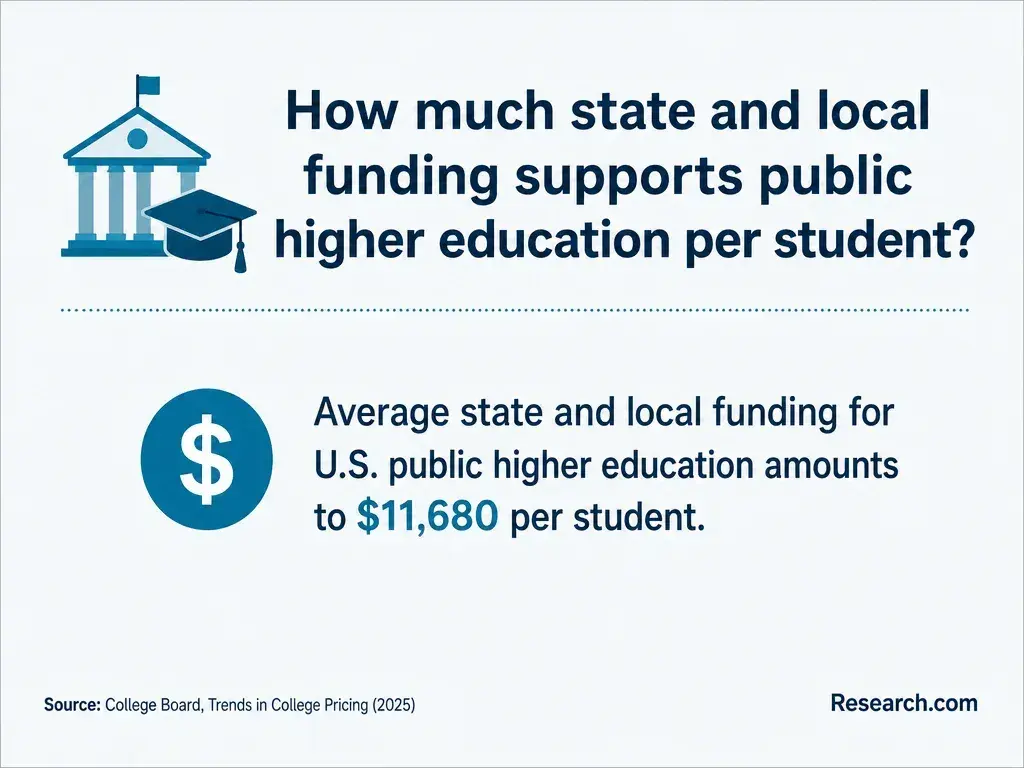
Time and cost depend on required credits, course sequencing, enrollment pace, tuition policy, and fieldwork. A program's advertised completion time may assume full-time study and uninterrupted access to electives. For a food safety evaluation focus, ask for a sample course plan showing when methods classes, the relevant elective, and the applied experience can actually be completed.
Build a personal cost estimate from the school's published charges rather than an advertised tuition headline. Include mandatory fees, books or software, travel, and any unpaid time needed for fieldwork; compare the result with your employer's education assistance, if available. Lists of inexpensive online MPH study pathways can narrow a search, but confirm charges and course availability for your entry term. A less expensive program is not a bargain if it lacks a viable route to the evaluation experience you seek.
Relevant roles can include public health program evaluator, environmental health program analyst, surveillance analyst, evaluation coordinator, and food safety program specialist. Titles are inconsistent across employers. Read the duties: some positions center on inspection or regulatory enforcement, while others require indicator design, data analysis, interviews, reporting, and recommendations to program managers.
Early-career applicants may begin by supporting data quality, follow-up tracking, or evaluation reporting under supervision. An MPH project can help demonstrate those skills, but it does not replace required inspection credentials, regulatory training, or work experience. If you are comparing entry routes, public health master's admissions exceptions explained may help you identify programs to ask about; admission flexibility should not be mistaken for job eligibility.
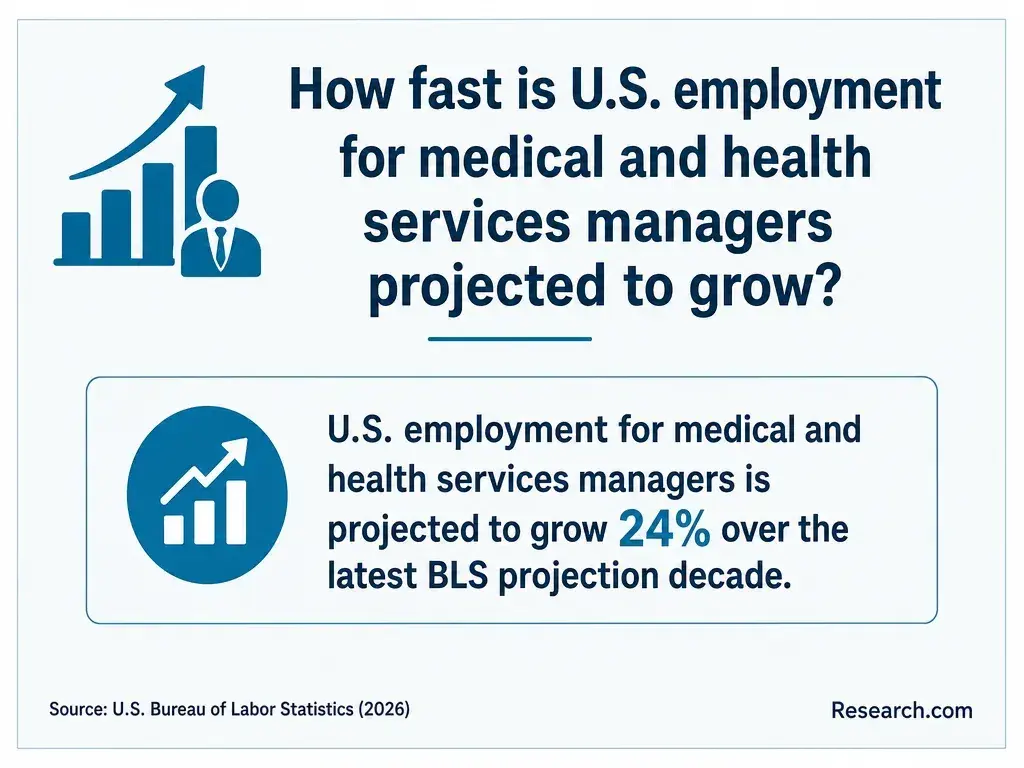
There is no single reliable US salary or employment projection for "food safety program evaluator." Employers may classify related jobs under different occupations, including environmental health, epidemiology, or program analysis. Those categories have different duties and entry requirements, so an occupation-wide median should not be presented as an expected MPH graduate salary.
For a useful comparison, identify the occupation closest to the job description, check the US Bureau of Labor Statistics' latest wage reference year and projection period, and examine current postings from the agencies where you would work. Government pay grades and location may matter more to your offer than a national median. Treat comparisons of online public health master's tuition and job prospects as context, not proof that a particular degree produces a particular wage.
Which certifications support careers in food safety evaluation?
A certification should address the job's actual requirements or a documented skill gap. The Certified in Public Health (CPH) credential signals broad public health knowledge; environmental health credentials and food protection certifications may be more relevant to some inspection or regulatory positions. Eligibility, examinations, and continuing education rules vary by credential. None substitutes automatically for an MPH, and an MPH does not automatically confer certification or a license.
Check target job postings and the issuing organization's current eligibility rules before paying for training. If a credential plus supervised evaluation work would meet your goal, compare that narrower route with online public health degrees balancing cost and time. Choose the degree when you need its broader methods training and applied opportunities, not merely because it covers the same subject as a certificate.
Other Things You Should Know About Public Health
Possibly. Check the dataset's permitted uses, completeness, geographic coverage, and limitations. Public availability does not make the data suitable for every question or remove the need for project approval.
A logic model, indicator definitions, analysis plan, and clearly stated limitations can demonstrate your work. Obtain permission before sharing partner materials, and remove confidential or identifiable information.
No. Changes in testing, reporting, exposure, and other conditions could explain the decline. Interpret the finding against the evaluation design and available comparison data.
Confirm requirements with the records-owning agency, your site supervisor, and your academic program. They can clarify access, data security, permitted deliverables, and whether additional review is needed.
- An Evaluation of a Virtual Food Safety Program for Low... - PMC https://pmc.ncbi.nlm.nih.gov/articles/PMC8834591/
- Framework for Program Evaluation in Public Health | cdc.gov https://www.cdc.gov/mmwr/preview/mmwrhtml/rr4811a1.htm
- Regulatory Program Standards (Food) | fda.gov https://www.fda.gov/food/integrated-food-safety-system-ifss/regulatory-program-standards-food
- Food Safe Schools: Creating a Culture of Food Safety | usda.gov https://www.fna.usda.gov/fs/foodsafeschools
- Training | uw.edu https://foodsafety.uw.edu/training
- mph foundational competencies | gsu.edu https://publichealth.gsu.edu/academics-admissions/georgia-state-mph-program/masters-of-public-health-foundational-competencies/
- Public Health Program Evaluation Explained | Tulane University https://online.tulane.edu/public-health/blog/public-health-program-evaluation
- College of Public Health Competencies - Catalog Home | The University of Oklahoma Health Sciences Course Catalog https://catalog.ouhsc.edu/public-health/bulletin/competencies/