2027 Graduate Public Health Preparation for Public Health Grant Manager Roles

Co-Founder and Chief Data Scientist
Managing a public health grant requires more than writing a persuasive proposal. Someone must turn community priorities into a feasible budget, meet funder rules, track spending and results, and keep partners informed. This guide is for nonprofit, health department, and other professionals considering graduate study for that responsibility.
It explains which degrees and courses help, what experience employers may still expect, and how to judge a program's cost and practical opportunities before enrolling.
Key Things You Should Know
- An MPH can strengthen program planning and evaluation skills, but grant management also requires hands-on budgeting, reporting, and compliance experience; a degree alone does not establish readiness to manage an award.
- Choose coursework and applied projects around the grants you want to manage. A community health award calls for different evidence than a research grant or a government contract.
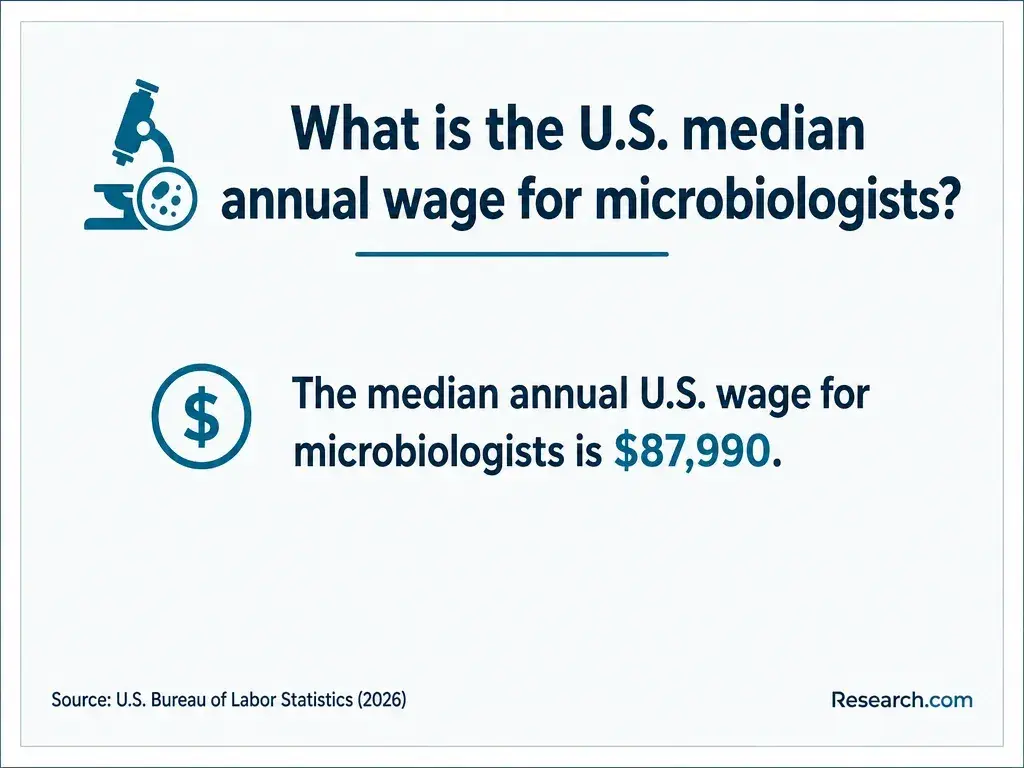
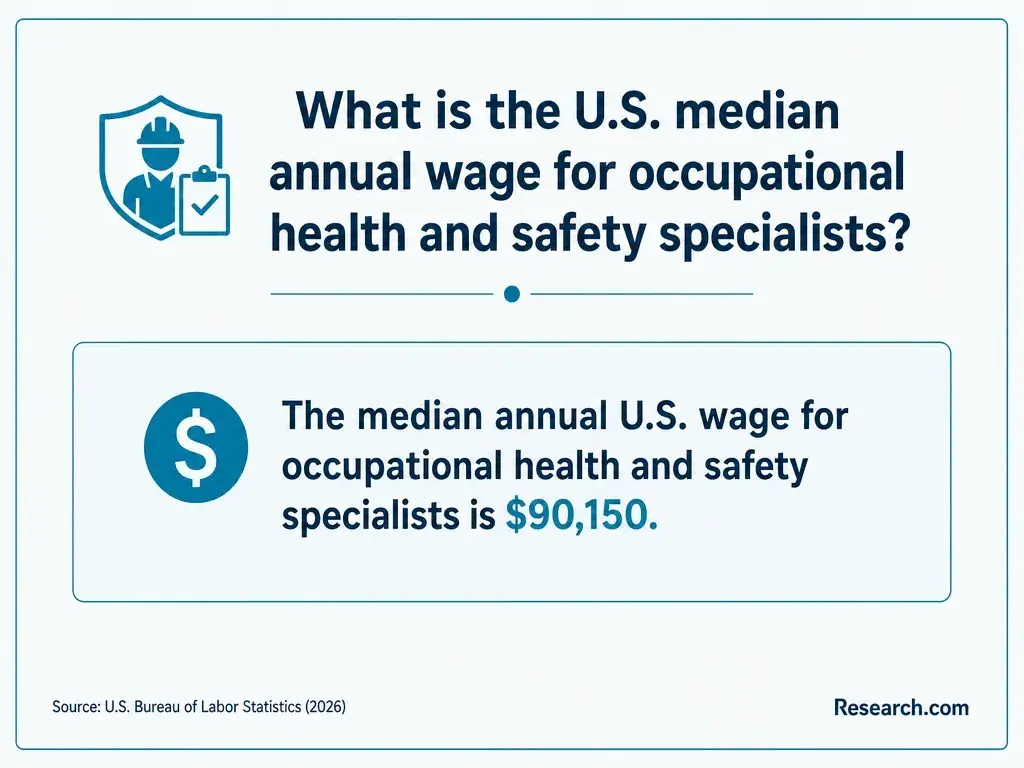
- There is no reliable national salary figure specifically for "public health grant manager." Compare actual job postings by sector, location, responsibility, and required experience rather than treating a broader occupation's median as a starting salary.
What does a public health grant manager do?
A public health grant manager helps an organization secure and responsibly use funding for population-health work. Before an award, the role may involve interpreting a funding notice, coordinating partners, developing a work plan, assembling a budget, and checking that proposed activities match the funder's rules. After an award, the emphasis shifts to implementation, spending oversight, progress reports, documentation, and closeout.
Titles can obscure the division of labor. At a small community organization, one person may handle proposals, program operations, and reports. At a university or health department, separate staff may manage program delivery, sponsored-research administration, finance, and evaluation. A prospective manager should ask which decisions the position actually owns, including whether they may approve spending or only monitor it.
The public health dimension matters: credible grant work connects funding to a defined population need, community partnership, feasible activities, and measures that can be collected ethically. Someone comparing this role with other public health functions can use a public health master's specialization and earnings guide to distinguish program-management preparation from more technical or clinical paths.
What degree is best for becoming a public health grant manager?
For a professional managing community health programs, an MPH with relevant management, policy, or community-health coursework is often a strong fit. It is not automatically the best investment. The right choice depends on whether your main gap is understanding population health, administering funds, managing an organization, or evaluating research.
The comparison below focuses on the work each route can support, not on the prestige of its name. Actual concentrations, electives, and fieldwork vary by institution.
| Pathway | Best fit for grant work | Important limitation |
| MPH | Designing, implementing, and evaluating population-health programs | May offer limited instruction in award accounting and funder-specific compliance |
| MPA or MHA | Public-sector or health-organization budgeting, operations, and administration | May require separate preparation in community health and epidemiology |
| Research-oriented MS | Methods-intensive evaluation or research-grant work | May be less focused on day-to-day program operations |
| Targeted courses or employer training | Closing a specific budgeting, proposal, or compliance gap while already in the field | May not meet an employer's stated degree requirement |
If you already manage nonprofit programs and have access to supervised grant work, targeted training may be more direct than another degree. A DrPH is generally aimed at experienced practice leaders, not first-time grant managers; compare its purpose with an MPH before pursuing a public health doctoral degree comparison guide.
What are the education requirements for public health grant managers?
There is no universal degree requirement attached to the job title. An assistant or coordinator position may accept a bachelor's degree and relevant administrative experience; a manager posting may prefer a master's degree and prior responsibility for budgets, awards, or staff. The employer's posting - not the title alone - determines eligibility.
For an early-career applicant, the most useful evidence may be reconciled budget records, a reporting calendar, a proposal contribution, or supervised evaluation work. An applicant with a bachelor's degree can build that record before committing to graduate school. Someone still completing undergraduate study can compare public health bachelor's accelerated study schedules, while checking that faster courses leave enough time for practical experience.
For each target posting, separate required qualifications from preferred ones. Then identify which gaps call for formal education and which call for supervised work - for example, learning the organization's purchasing rules or preparing a report under an experienced grants administrator.
The Council on Education for Public Health (CEPH) accredits eligible public health schools and programs. For an MPH applicant, it is a useful way to assess whether a program meets public health education standards. It does not establish that a particular grant-management elective exists, that a placement will involve grants, or that an employer will prefer that degree.
Check the CEPH listing for the exact school or program and degree you are considering. Institution-level accreditation is a separate matter, and a university's CEPH-accredited MPH does not mean every degree it awards is covered. Ask the school whether the curriculum and applied experience available to your entry cohort include budgeting, program evaluation, and work with funders.
Accreditation also does not tell you how accessible admission is. If you are considering a doctorate for later leadership work, assess published requirements directly rather than inferring them from CEPH status or a list about public health doctorate application accessibility. For an aspiring grant manager, relevant work and an appropriately scoped master's program usually deserve attention first.
Most schools do not award a degree called "public health grant management." Preparation is usually assembled from MPH core courses, relevant electives, and an approved applied experience. Look for instruction that connects a population-health problem to a program plan, budget, implementation schedule, and evaluation strategy.
The most valuable learning sequence starts with epidemiology and community assessment to define the need; moves to program planning and evaluation to specify activities and measurable outcomes; and adds budgeting, policy, ethics, and management to test whether the plan can be delivered within an award's conditions. A course in grant writing is helpful, but proposal writing without post-award oversight is incomplete preparation.
Methods depth should match the role. A manager needs to interpret indicators, question data quality, and explain limitations; they do not necessarily need to become a specialist statistician. If the intended job centers on complex analysis of funded studies, choosing a biostatistics master's alongside a career may be more relevant than adding another general management elective.
For an applied project, seek a supervised, approved opportunity to develop a logic model, reporting plan, or budget-monitoring tool for a real partner. Confirm site approval, data permissions, and what work can be shown in a portfolio; do not assume that access to an organization's grant files permits public sharing.
Yes, if the format lets you practice collaboration and complete required applied work. Online courses can suit someone already employed by a nonprofit or health department, particularly when class projects can address an approved organizational need. Online delivery, however, does not guarantee asynchronous classes, a remote placement, or permission to use your current job as fieldwork.
Before enrolling, ask about live meeting times, group-project schedules, campus visits, placement support, and whether an employed student needs duties beyond their regular job for an applied practice experience. Ask who approves the site and supervises the work. These details often matter more to a working grant professional than the word "online" in a program description.
Compare the full cost as well as the timetable. A list of budget-friendly Master of Public Health programs can narrow a search, but confirm current tuition, mandatory fees, travel, and the courses you would actually take before deciding which option is affordable.
MPH and related master's programs commonly evaluate prior degree work, transcripts, a statement of purpose, and evidence that the applicant can succeed in graduate study. Individual programs set their own GPA policies, prerequisites, references, test rules, deadlines, and application procedures. A bachelor's degree outside public health does not, by itself, rule out admission.
Frame an application around the work you want to do: describe a population served, a program or funding challenge you observed, your contribution, and the skills you still need. If quantitative preparation is weak, check whether the program requires statistics before entry, permits it after admission, or merely recommends it. These are different policies; obtain the answer from admissions staff.
Applicants missing a stated condition should not assume an exception. Ask whether the school offers conditional or provisional admission, which conditions can be completed later, and the deadline for doing so. Guidance on provisional entry criteria for public health graduate study can help formulate those questions, but the specific program's written policy controls.
Time and cost depend on required credits, enrollment pace, tuition structure, and applied-work requirements. A working professional should request a term-by-term plan showing when grant-relevant electives are offered; a low advertised price is less useful if course sequencing prolongs enrollment or interrupts paid work.
Build a comparison using tuition for all required credits, mandatory fees, books or software, any campus travel, and the time needed for unpaid or reduced-hours fieldwork. Then compare that total with a smaller alternative, such as employer-funded coursework plus supervised award experience. Do not count a scholarship or tuition benefit until its eligibility, renewal terms, and covered charges are confirmed.
If aid could change the decision, compare actual awards rather than headline tuition. A resource on comparing university scholarships for MPH study provides a starting point; request a current, individualized cost estimate from each school.
There is no single US occupational wage series that isolates public health grant managers. Pay varies with employer type, geography, award size, supervisory authority, and whether the position covers proposal development, post-award finance, program delivery, or all three. A broad public health or management salary median should not be presented as the expected pay for this title.
A practical progression is from program or grants assistant to coordinator or specialist, then to manager after demonstrating responsibility for reporting, budgets, and partner relationships. Later roles may include grants director, program director, or sponsored-programs leadership. Advancement depends on the scope and quality of experience, not simply on earning an MPH.
When assessing return on education, collect local postings for the roles you could plausibly qualify for before and after study, noting their pay ranges and required experience. Use MPH career pay comparisons as context for adjacent occupations, not as a salary promise for grant management.
Do public health grant managers need certification or licensure?
Grant management itself is not a licensed public health profession. An MPH does not confer a license, and credentials such as Certified in Public Health (CPH) are distinct from a degree. Some employers value professional credentials or funder-specific training, but the job posting should establish whether one is required.
For most applicants, documented experience with budgets, reporting, compliance, and community partnerships is more immediately relevant than collecting a credential without related work. If an employer names a certification, verify its issuing body, eligibility rules, costs, and renewal obligations before enrolling.
Certification also does not replace a graduate program's application requirements. If references are your obstacle to further study, examine programs' actual policies rather than assuming professional credentials provide a waiver; a guide to MPH admissions without faculty recommendations may help identify questions to ask admissions offices.
Other Things You Should Know About Public Health
Possibly. The academic program must approve the site, supervision, competencies, and deliverables. It may require work that extends beyond your normal duties, so ask before planning around your employer.
A proposal seeks funding. Grant management continues after an award through spending oversight, activity tracking, reporting, documentation, and closeout. Experience with one does not automatically demonstrate experience with the other.
Ask the organization and faculty supervisor who owns the data, what permissions or agreements apply, whether individual information is present, and what can be submitted or shared. Do not assume workplace access authorizes academic use.
A clear, authorized sample shows your contribution to a budget framework, work plan, logic model, or reporting tool and explains its assumptions. Remove confidential figures and identifying information, and never present a proposed tool as a completed evaluation.
- HHS Grant Process https://www.hhs.gov/grants-contracts/grants/get-ready-for-grants-management/grant-process/index.html
- 2 CFR Part 200 -- Uniform Administrative Requirements, Cost Principles, and Audit Requirements for Federal Awards https://www.ecfr.gov/current/title-2/subtitle-A/chapter-II/part-200
- The Grant Lifecycle | Grants.gov https://grants.gov/learn-grants/grants-101/the-grant-lifecycle
- Federal Grants-in-Aid Administration: A Primer | congress.gov https://www.congress.gov/crs-product/R42769
- Overview on Grant Writing for Graduate Student Research | nih.gov https://pmc.ncbi.nlm.nih.gov/articles/PMC9475994/
- Specialization in Grant Management | UW Professional & Continuing Education https://www.pce.uw.edu/specializations/grant-management
- Types of Funding - UCSC Office of Research https://officeofresearch.ucsc.edu/osp/award-mgmt/funding-types/
- Chapter 3: Federal Uniform Guidance, Agency Guidelines, University Policies | Academic Research | CSUSB https://www.csusb.edu/academic-research/pi-handbook/chapter-3
- Grant Management: 6 Essential Best Practices to Know | thompsongrants.com https://www.thompsongrants.com/blog/grant-management/
- What is Grants Management | NGMA https://www.ngma.org/what-is-grants-management/